
How to Start a Clothing Brand in 2026 | Complete Beginner's Guide

How to Start a Clothing Brand in 2026 | Complete Beginner's Guide

Nov 27, 2024 by Carry POD e-Commerce 101


Key Takeaways

  • A clothing brand is more than products — it's an identity, a story, and a promise that connects with a specific audience.
  • Choosing a focused niche (not "everyone who wears clothes") is the critical first step that determines everything that follows.
  • Print-on-demand (POD) eliminates upfront inventory risk, making it ideal for beginners with budgets as low as $200–$500.
  • Success stories like Odd Muse (£20M+ annual revenue) and TomboyX ($2M/month) prove you don't need a fashion degree or investors.
  • Start with one strong product, test with samples, build an audience before launching, and stay consistent — growth takes time.

The global clothing industry is worth more than $1.7 trillion annually, and a significant share of that amount is now going to independent brands started by ordinary people who simply use their laptops and have a clear vision. Actually, launching a clothing brand in 2026 will be easier than at any other time in the past. You don't have to have a factory, a warehouse, or even a fashion degree. What you really need is a great concept, the proper tools, and a strategy.

This article will take you through all the stages from identifying your niche to closing your initial sale in simple language that really assists you to go on.

What Is a Clothing Brand?

More than just a set of products, a clothing brand is an identity. It's the name, the style, the atmosphere, and the assurance that bind a particular set of people to a particular type of clothing.

Clothing Brand vs Clothing Line

These two terms are often used as if they meant the same thing, but they are actually not the same. A clothing line is a certain set of garments, typically related to a season or a theme. A clothing brand is the final concept that contains one or several lines. When one creates a brand, one is creating something that people can follow and come back to --- not just buy from once.

Different Types of Clothing Brands

The fashion industry consists of many categories. Discovering which one resonates with your vision will influence all your decisions:

  • Streetwear — heavily graphic-based, culture-driven, the favorite of the younger generation
  • Activewear — sport-oriented fabrics, clothes for gym and outdoor activities, very loyal customers
  • Luxury Fashion — exclusive fabrics, high prices, fewer people
  • Sustainable Apparel — environmentally friendly fabrics, very popular among youth
  • Niche Lifestyle Brands — created for a specific community like gamers, pet owners, nurses, or teachers

Why Start a Clothing Brand in 2026?

There are three big reasons why 2026 is a great year for starting a clothing brand. Firstly, using print-on-demand services allows you to sell goods without having to stock up physically.

Secondly, social media offers small brands a channel to reach millions of potential customers directly at virtually no cost to them initially.

Thirdly, designing, setting up online stores, and marketing have become so affordable and user-friendly that almost anyone can do these tasks nowadays. So, while getting started is quite easy, growing your business is where the real challenge lies.

Step 1: Find Your Clothing Brand Niche

Identifying your niche is like laying the first brick in building your brand. If you set a solid niche, you'll find the rest of the steps fall into place.

Why Niche Selection Matters

Advertising to everyone greatly reduces the possibility of really reaching someone. A good niche allows you to communicate very directly to the people who matter, differentiate yourself in a market that's overcrowded, and create a community that is loyal rather than having to constantly find new buyers.

Popular Clothing Niches in 2026

Looking at the trends, these are the segments that are in demand in 2026:

  • Streetwear — controlled releases, community-oriented brands, and striking graphics will still be popular.
  • Fitness Apparel — since gym culture is expanding, this category sees frequent purchases.
  • Eco-Friendly Fashion — people are increasingly willing to pay more for sustainable products.
  • Pet Lover Apparel — very niche, but the buyers are passionate and will spend generously.
  • Gaming Merchandise — very large and diverse audience, as well as very loyal
  • Minimalist Fashion — simple designs, neutral colors, and everyday comfortable wear

Ways to Confirm Market Demand

It's wise to make sure the market is active before you niche down.

One tool you can use is Google Trends, where you can analyze whether the trend for your niche is going up or down over the past year. Next, do a search on Instagram, TikTok, and Pinterest to check if there is a presence of niche-related content and enthusiastic audiences. Finally, go to Etsy and Amazon: if the sellers there get plenty of reviews, demand definitely exists.

 

Marketing team reviewing apparel market data.


Step 2: Define Your Target Audience

Knowing what your niche is only gets you so far - you also need to know exactly who you intend to sell to.

Building Customer Personas

Creating a customer persona is drafting a detailed character of your perfect client. Assign a name. Include the person's demographic details, where they might be, their level of income, what they do on weekends, what interests them, and what their pain points are when it comes to their current clothing options.

Besides being a thought experiment, this will affect what you create, the prices you charge, the voice of your social media, and the channels for your marketing messages.

Consider What's Motivating Buyers

There are various motivators that make people buy clothes: to express their identity, to be a part of a group, to look attractive, to enhance performance, or to live their values. Find out what motivates your audience and center your brand on that.

Spot Opportunities

Check out your competitors and find out what they are not doing well. Perhaps they are not very inclusive in sizing. Or maybe their branding seems very run-of-the-mill. Or maybe their pricing is a bit steep, as per their target audience. Any failure on their part is a window for you.

Step 3: Develop Your Brand Identity

Your brand identity encompasses your business's visual imagery, tone of voice, and the overall impression it makes.

Initial getting it right is important because rebranding is expensive, and customers will be confused.
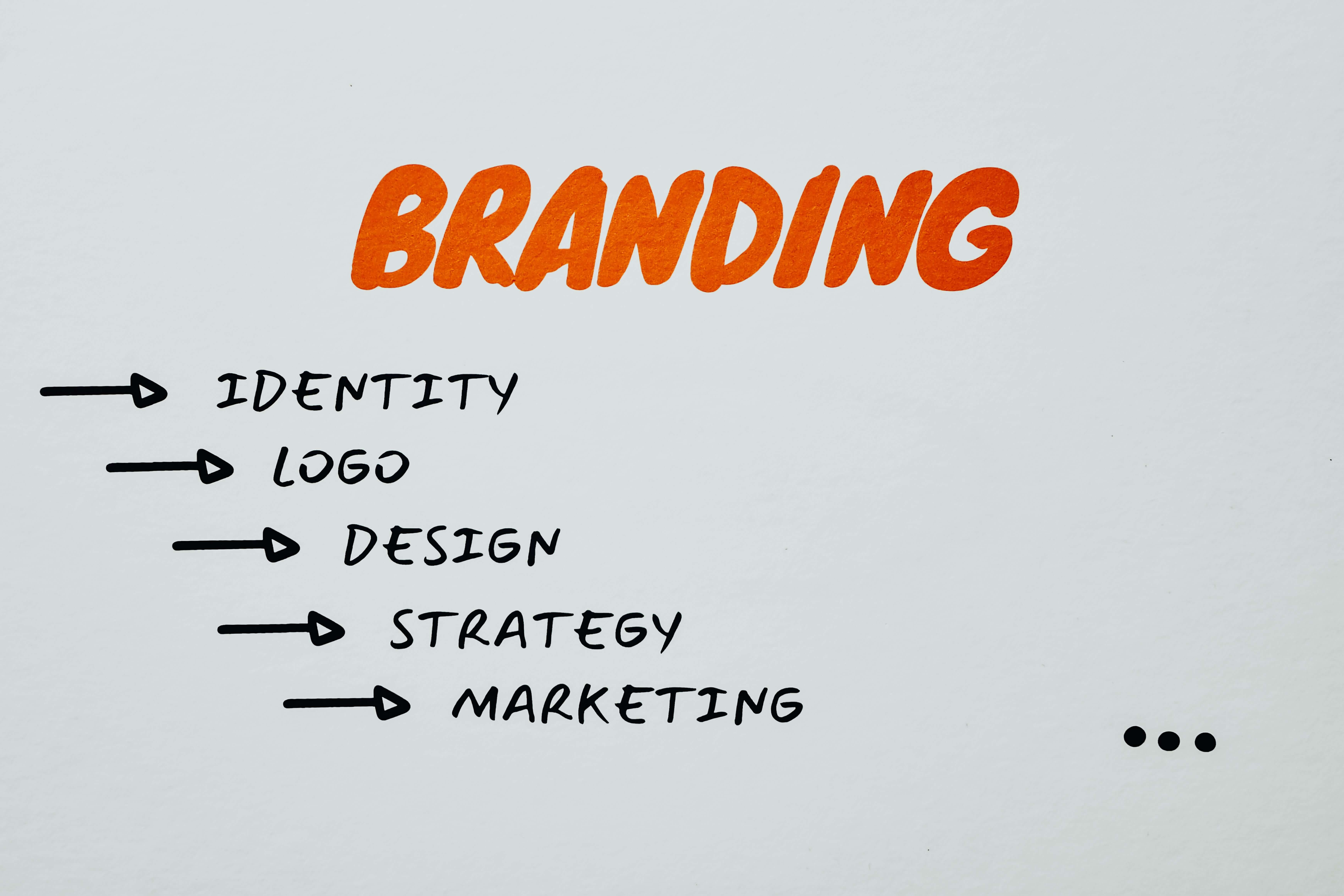
 

Develop Your Brand Identity


Choose a Memorable Brand Name

Make sure your brand name is brief, simple to write, simple to pronounce, and that a domain name and social platforms with the same name are available.

If you are doing a name search, make sure you are not picking out ones that are very generic, very literal, or ones that are identical or very similar to existing brands.

Do a patent search at the patent office before making a final decision on the brand name.

Create a Logo for Your Brand

There's no need for your logo to be a masterpiece. Often, the simplest logos are the ones that get recognized the most. Tools like Canva or Adobe Express can help you make a logo yourself, or you can employ a designer from Fiverr or 99designs for a couple of hundred dollars.

Write Your Brand Story

What drove you to start this brand? What does it solve? Whom does it cater to?

The story of your brand is something that captivates your customers more than the product itself. People truly resonate with brands that they believe in.

Make Brand Guidelines

Brand guidelines are an essential element of keeping your look consistent. Record your key colors (in hexadecimal), your typefaces, the rules around how and when the logo can be used, and your style for illustrations and photography.

Develop a Unique Value Proposition

This is the one simple and obvious reason why someone should pick your brand over any other. Give a good example. Saying "Top-notch t-shirts" does not qualify as a value proposition. On the other hand, a statement like "Bright graphic tees for the plant-loving wearers who want to show their passion" would be one.

Step 4: Create Your Clothing Designs

Your designs are essentially your merchandise. They are what attract buyers to your product and keep them coming back for more.
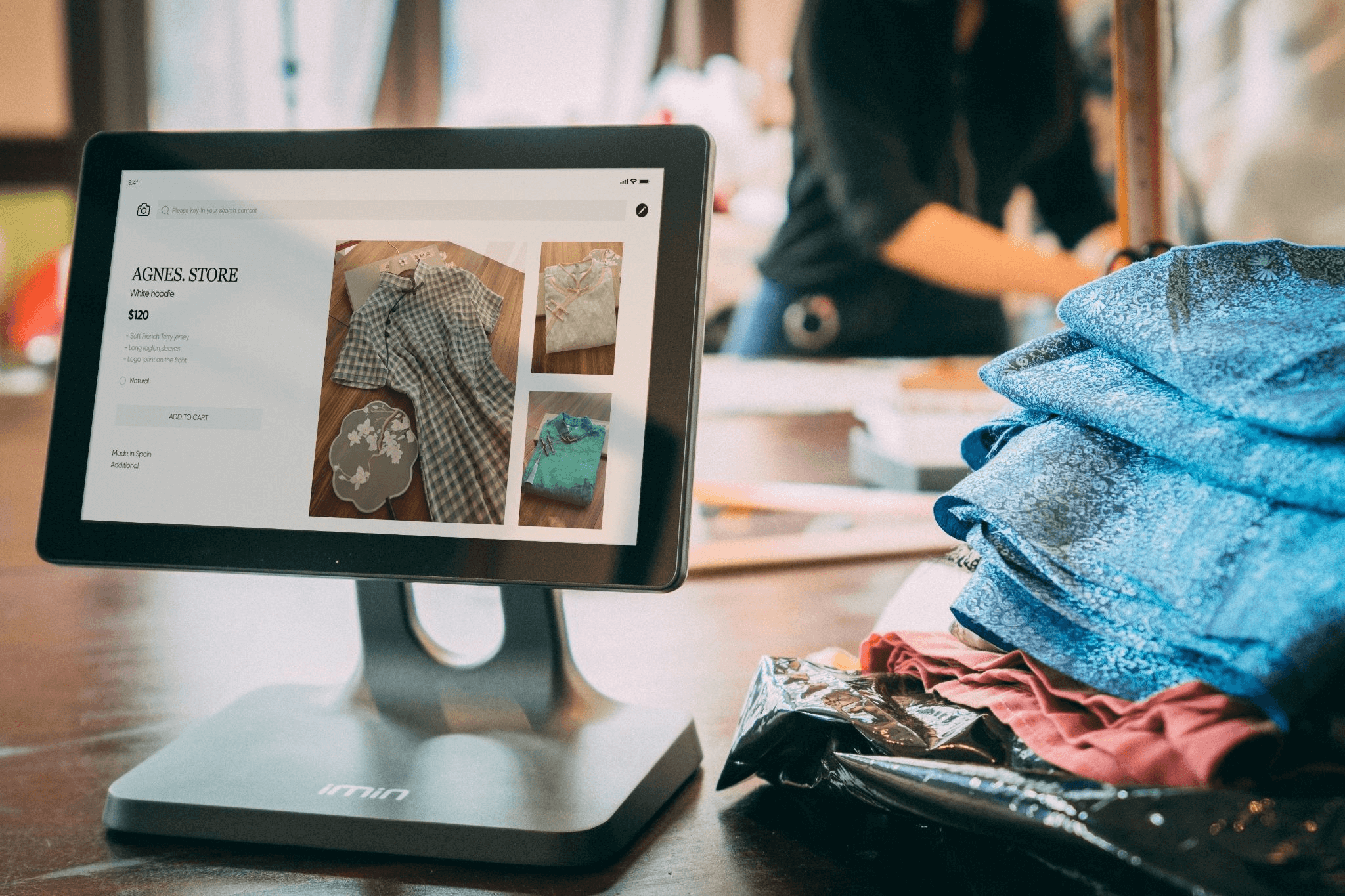
 

Start Your Clothing Designs


Design In-House vs Outsourcing

Here, you mainly have two options: either you learn how to design by yourself with tools like Adobe Illustrator, Canva, or Procreate, or you hire freelance designers on platforms like Fiverr, Upwork, or Creative Market. Actually, a lot of successful brand owners do a little bit of both — they handle simple concepts themselves and outsource complex artwork.

Design Tools for Beginners

  • Canva — free, user-friendly, great for text-based and simple designs
  • Adobe Illustrator — the best software for vector art, but it has a steep learning curve.
  • Procreate — very trendy for hand-drawn and illustrated styles on iPad
  • Placeit — allows you to see how your design will look on the product before printing.

Creating Designs That Sell

Analyze what type of products perform well in your niche. Check out bestsellers on Etsy and Redbubble to recognize patterns. See what content on Instagram and TikTok gets the most engagement. The best designs evoke a strong emotion; they make somebody literally say "this is me" the moment they lay their eyes on it.

Common Design Mistakes to Avoid

  • Copyright infringement by using characters, logos, or phrases without purchasing the license
  • Creating designs that please yourself and not your target audience
  • Too much detail in designs: complex graphics might lose details when printed in smaller sizes
  • Not paying attention to print sizes and bleed areas for production.

Step 5: Choose a Production Method

The way you choose to produce your clothing is one of the most critical business decisions that you'll ever make since it will impact your startup capital, level of risk, profit margins, and your speed of operations.

Each method is suitable for a different business stage and type of entrepreneur.

Print-on-Demand (Beginners' Best Choice)

Print-on-demand is a mode of operation in which a third-party supplier is responsible for printing and shipping the product only after the order has been placed by the customer. You never keep products in stock. You only pay for the item once the customer has made a purchase.

InkedJoy integrate directly with your online store and take care of fulfillment automatically.

This is the least risky approach for launching your business. In fact, your initial investment is limited to your design software, website, and marketing.

Bulk Manufacturing

You come up with product ideas and then place orders for large quantities with manufacturers. You get significantly lower unit prices, but the downside is that you pay upfront for everything and store inventory. This model is a good fit when you have demonstrated demand and figured out the cash to invest.

Private Label Clothing

The way it works is you get blank garments from a supplier, put your own branding and label on them, and then sell them under your own brand. This is particularly a good fit for basics such as t-shirts, hoodies, and joggers.

You enjoy the convenience of professional packaging without the high cost of manufacturing.

Cut-and-Sew Production

You take a completely original garment as the starting point - your own patterns, your own fabrics, even your own construction style.

This is the most creative and the most costly option. It is very much aligned with luxury and high-fashion brands since the product itself is original.

Dropshipping Apparel

Almost like print-on-demand but generally without custom branding. You put up existing products on your store, and a supplier fulfills the shipment to the customer. Margins are lower, and it can be more difficult to stand out.

Production Method Comparison:

Method Startup Cost Inventory Needed Risk Level Profit Margin
Print-on-Demand Low ($0–$500) No Low Medium (30–50%)
Bulk Manufacturing High ($2,000+) Yes High High (50–70%)
Private Label Medium ($500–$2,000) Yes Medium Medium-High
Cut-and-Sew Very High ($5,000+) Yes Very High Very High
Dropshipping Low ($0–$300) No Low Low (10–25%)

Step 6: Write a Business Plan

Business plans don't have to be 50-page dissertations. It just needs to be simple enough that you understand what you are developing and how you will reach your goals.

Revenue Objectives

Define your sales targets for the initial 90 days, first half-year, and first year. What amount of products need to be sold each month for you to break even? How do you define profitability?

Budget Allocations

Calculate all of your potential expenditures: web hosting, design software, advertising, product samples, packaging, and business licenses. Be sure your budget is set before you start using it.

Pricing Plan

Besides your product cost, your price must also cover the platform fees, shipping (in case you are absorbing the cost), marketing expenses, and still provide a gain to you that is motivating. Don't just set prices by guessing — rather, determine your price based on your actual expenses from the ground up.

Profit Margin Examples

The ideal margin for a fashion brand is generally between 40% and 60% on each item. For instance, if you sell a shirt for $35 and your cost to make and deliver it is $15, your gross margin stands at 57%. Keep aiming at that or better.

Expansion Plan

You should continuously think about your product sales growth from the first sale to the hundredth, and subsequently to the thousandth. Which platforms or channels will you utilize? At what point will you introduce new products? How will you raise the average value of customer orders?

Step 7: Register Your Clothing Brand

Establishing your business formally and legally not only shields you but also gains confidence from your customers and suppliers.

Business Form Types

  • Individual Ownership — the quickest and cheapest way to establish a business, but you alone bear all the risk;
  • LLC (Limited Liability Company) — distinguishes liabilities and personal assets; this form is the one most small companies use.
  • Corporation — much more involved and complicated; the best choice for those brands that want to raise capital by attracting investors.

Make Your Brand Name Official

After deciding on a type, register your brand name at your local or national government body. In the US, the state level does this. In the UK, you do this mainly through Companies House.

Trademark Your Brand

A trademark allows you to gain exclusive rights to the use of your brand name and logo. This is why filing a trademark with the USPTO (American), EUIPO (European), or the intellectual property office of your country is crucial. The trademarking procedure does take several months, but it grants you brand identity ownership legally.

Protect Intellectual Property

Copyright protection is automatic for your original work once you have made it. However, by applying for formal registration, you strengthen your copyright protection. Maintaining proof that you are the first to have the design is important.

Step 8: Build Your Online Store

Basically, your online store is like a combined display window, sales pitch, and customer service counter - all in one place. Where do your customers get to see your brand, make a purchase, and ask questions?

Choosing an E-commerce Platform

  • Shopify — if you run a clothing brand, Shopify will suit you well; it is equipped with nice templates, lots of applications, and strong analytical tools.
  • WooCommerce — it's a free WordPress plugin, a bit more technical but very flexible.
  • Etsy — great for bringing in early traffic when you haven't built your own audience yet, but the platform is not yours.
  • TikTok Shop — an energetic platform in 2026, lets you integrate your TikTok videos with your shop and gives buyers the opportunity to buy within the app without having to leave it.

Essential Pages Every Clothing Brand Needs

  • Homepage — a catchy brand image, highlighting your product, and encouraging people to take action
  • About Us — tells your brand story and indirectly conveys your brand values; quite a lot of customers, when they read this section, are surprised.
  • Product Pages — high-quality product photos, size charts, info about the fabric, and thorough descriptions
  • FAQ — assist customers in resolving their queries about shipping, returns, sizing, and product care to reduce the number of support emails coming in
  • Contact Page — an easy, hassle-free means for customers to communicate with you, and also great at building trust

Optimize for Mobile Shopping

Nowadays, responsive design is a necessity as 70% of all internet users in 2026 will be accessing from mobile phones.

Besides fast loading, your site must also be visually pleasing on small-screen devices, and the process of checking out must be straightforward. Remember to test your online store on your own mobile device before you make it live.
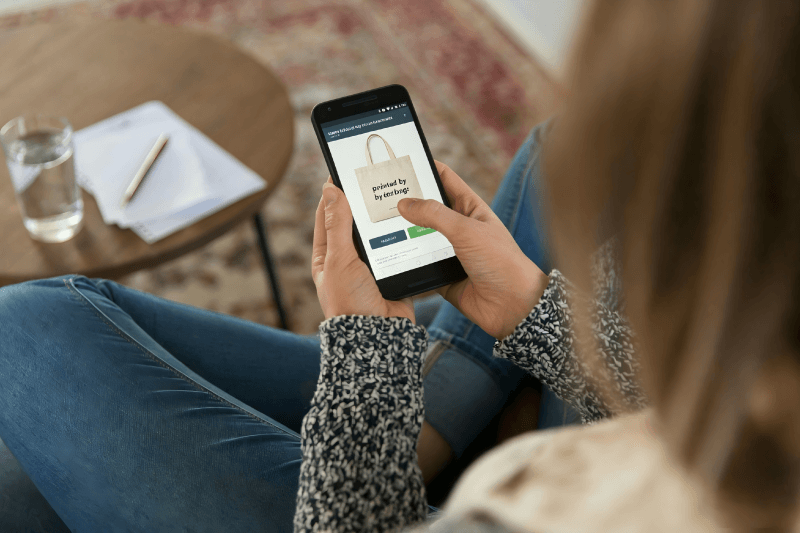
 

Online order a custom printed tote bag.


Step 9: Source High-Quality Products

Products are your brand representatives, so a design that looks good on mockups but turns out poorly in the actual product is a mistake you cannot afford.

What Makes a Great Apparel Product?

Things like fabric weight, methods of construction, stitch quality, and overall fit play a role in defining quality. For instance, a t-shirt made from 180gsm fabric will feel quite different from one made from 250 gsm fabric. You must ensure that you are knowledgeable about the fabrics you use and, concurrently, educate your customers on their characteristics.

Product Quality Testing

The primary action you should take if you are planning to launch a product in the market is to obtain samples. Take note of colors, excellent printing, fabric feel, and the number of washes it retains its original appearance. Remember never to put up for sale something that has not been tested by you.

Fabric Selection Guide

  • Cotton — characteristics: soft, breathable, and most of the customers prefer it for casual wear
  • Polyester — features: strong, dries fast, perfect for sublimation printing
  • Cotton-Polyester Blends — they offer a good mix of comfort and durability, very popular for basics in everyone's wardrobe.
  • Recycled Fabrics especially attract environmentally conscious consumers.

Sustainable Material Options

Those buyers who are concerned about sustainability will most likely opt for items made from organic cotton, recycled polyester (rPET), Tencel, and bamboo fabrics. Having at least one eco-friendly product in your line might be your entry ticket to the group of customers who are not willing to buy other products.

Step 10: Price Your Clothing Products

One of the errors a lot of new brand owners make is pricing their products too cheaply.

Cost-Based Pricing

Add up the total cost of your product unit, including blank product + printing + packaging + shipping + platform fees. Next, multiply by the desired markup rate. That is, 2.5 to 3 times markup on your total cost would be a reasonable starting point.

Competitor Pricing Analysis

Look up your competitors' pricing. There is no need to go for the lowest price here. Position your price so that your potential customers would consider it irrational. If your brand gives off the impression of a premium level, then price it accordingly.

Psychological Pricing Strategies

Price points ending in 7 or 9 (such as $27 or $34.99) convert better on average than round numbers. Also, if you provide a package deal ("buy 2, save 15%"), you will more likely raise the average order value while the margins on individual items remain unchanged.

Recommended Fashion Industry Margins

You should be aiming for the product-level gross margin to be at least 50%. Clothing brands that are performing well are typically operating with margins ranging from 55% to 65%. At this margin level, you can carry out sales promotions, product returns, and invest money in marketing without incurring losses.

Step 11: Launch Your Clothing Brand

Launching effectively can give you great momentum, whereas a quiet launch results in silence.

Pre-Launch Checklist

When the decision has been made to launch, confirm that your website works fine on mobile and desktop, all product pictures are in high quality, your checkout system is operational, your return policy is clearly visible, and you have stock or fulfillment capability.

Build an Email List Before Launch


 Once you decide to open your store, start to gather emails. Tell people on social media about your forthcoming brand, and in order to convince them to sign up, offer them a launch discount or early access. 200 emails at launch can be your starting point for first sales, even without paid ads.

Create Social Media Buzz

As you are creating the brand, share behind-the-scenes with the people. Show your sample shipments. Show your packaging. Share the reason why you got started. People love to connect with the founders, and they tend to buy from those they feel they know.

Influencer Partnerships

Look at the micro-influencers in your market segment (10,000 to 100,000 followers). Give them products in exchange for an honest post or reel. Micro-influencers often have a more engaged audience and cost much less than mega-influencers.

Soft Launch vs Grand Launch

Soft launch means opening the store quietly to a small group (your email list, close community) in order to check the experience and get feedback. A grand launch is a full announcement where content, ads, and influencer posts go live simultaneously. Both methods are fine - it depends on how ready you feel.

Step 12: Market and Grow Your Clothing Brand

Your first sale might be the most exciting, but having a stable stream of sales each month is the real challenge.

SEO for Clothing Brands

Make your product descriptions clear and include relevant keywords. Develop blog content that addresses your audience's concerns. Proper SEO can deliver a steady flow of visitors without additional cost.

Social Media Marketing

Rather than being present on all platforms, select one or two and really engage the audience there. Make regular postings. Reply to comments. Post photos of genuine customers using your products. Usage photos usually get more engagement than simple product photos.

TikTok Marketing

Thanks to its unique algorithm, TikTok still offers fresh accounts a great opportunity for organic growth. Display your daily work — packing orders, working on new designs, sharing behind-the-scenes moments. TikTok users favor authentic content over high-production commercials.

Instagram Growth Strategies

Videos (like Reels) get more visibility than normal pictures. Tag your products in your posts to enable a seamless shopping experience. Partner with other small brands to promote each other's audiences on a local level.

Influencer Marketing

Instead of a single collaboration, nurture the relationship. One influencer mentioning your brand three times is worth more than three influencers mentioning your brand once each. Also, select influencers who truly embody your brand philosophy.

Email Marketing

Being the main sales channel for most apparel companies, email marketing has the highest conversion rates.

Besides delivering newsletters, you can also set up a welcome series for your new subscribers, send them weekly or biweekly mailings of new products and behind-the-scenes material, and post-purchase follow-up emails to promote repeated sales.

Paid Advertising

You need to first have obtained proof through organic sales that your product is a hit before showcasing it with Meta ads (Facebook and Instagram).

A very small budget between $10 and $20 per day is sufficient to test the various audiences.

Do not spend on advertising until you have at least 10 to 20 organic sales — this will demonstrate your offer's conversion capability before you pay to increase it.

How Much Does It Cost to Start a Clothing Brand?

Where you start in your business journey is largely dependent on the manufacturing process you opt for.

Print-on-Demand Startup Costs

  • Shopify store: $39/month
  • Domain name: $12 to $15/year
  • Design tools (Canva Pro): $13/month or free tier
  • Product samples: $50 to $150
  • Basic marketing budget: $100 to $300
  • Total to launch: about $200 to $500

Traditional Manufacturing Costs

  • Minimum order quantities from most manufacturers: 100 to 500 units
  • Per-unit cost (basic t-shirt): $4 to $12
  • Sampling and prototyping: $200 to $1,000
  • Storage or warehouse fees if needed
  • Total to launch: $2,000 to $10,000 or more

Marketing Budget

Regardless of your marketing strategy - organic content, product photography, paid posts, or even boosted social media content - you should allocate $100 to $300 for your launch marketing.

Common Mistakes New Clothing Brand Owners Make

It's a lot cheaper to learn from other people's mistakes than to make them yourself.

Choosing Too Broad a Niche

'Everyone who wears clothes' is definitely not a target market. The tighter your niche, the simpler it is to pinpoint your audience and communicate with them on a personal level.

Poor Quality of Product

Launching a product that under-delivers on the customer's expectations is a killer for brand trust. One single complaint about poor quality could easily lead to losing countless future sales. Make sure to thoroughly test your product before it goes to the public.

Weak Branding

You can become a shadow in the crowd quite easily if you have uninspiring colors, very ordinary or generic logos, and no well-defined brand story. A brand identity should be so distinct that your audience can recognize your posts even without you being explicitly mentioned.

Ignoring Customer Feedback

Your early customers will be your best product improvement guide. Analyze every review, craft a reply to each message, and see the initial feedback as free, unbiased product research.

Overspending on Inventory

Purchasing 500 pieces of a single stock without even having a real demand indication is undoubtedly one of the quickest routes to losing your capital in this industry. Operating on a minimal and lean basis, then scaling your production as informed by sales data, is the way forward.

Not Prioritizing Audience Building

Starting the store without having the followers, a mailing list, or a community built beforehand is equivalent to opening a shop in the countryside where hardly any roads lead to it. Growing your audience can be done simultaneously with setting up your store; you do not have to wait till the launch day.

Clothing Brand Success Stories

Not only are those stories of real brands founded by real individuals here to encourage you that it's doable, but they also confirm that you don't necessarily require a fashion degree, a factory, or loads of money to create a sellable product. Here are two inspiring stories that will give you a pretty clear picture of what the journey entails.

Small Brands That Started Online

Odd Muse — The Journey of £12,000 Savings to over £20M Annual Revenue

Aimee Smale didn't have any investors, no industry connections, no traditional fashion background when she founded Odd Muse at 23 — just £12,000 of savings and a very distinct idea of the brand she wanted to create.

The blazer was her debut product. It became so popular online that the company was able to generate $139,000 revenue within the first three months. Also, she didn't use any paid advertisements in the first few days. The only 'marketing' method used was the person-to-person communication online.

Growth from that point was very rapid and compounded. The Pearl Dress, a product launched later, raked in over £1 million in a single quarter. Odd Muse nowadays experiences revenues soaring to around £20,000,000 annually. The brand has two physical stores — one in London's Covent Garden and the other in SoHo, New York — all without a single round of external funding. 

TomboyX — Kickstarter Launch to $2M/Month Proceeds

Fran Dunaway, along with her partner in crime Naomi Gonzalez, set up TomboyX via Kickstarter in 2013 to make quality women's button-up shirts. They admit that they were a little clueless about the difference between a knit and a woven at the time.

The shirts did not lead to the success of the company. The company's defining product is the boxer brief. In 2014, the brand introduced boxer briefs designed for female bodies. In less than two weeks, they were sold out, and revenue tripled by the end of six months.

After two years, the workforce was 15 strong, whereas the revenue doubled each year. Eventually, the brand raised $25 million+ after which it went on generating an estimated $2 million every month — all thanks to the brand's listening carefully to an underserved audience and getting one product that they truly needed.

Lessons From Successful Entrepreneurs

The two stories are as different as can be on the surface, but the essential template is pretty much the same. The much that these founders did that most others ignore:

  • One single strong product was what they banked on. Odd Muse made the blazer its flagship while TomboyX shifted to mainly boxer briefs. Neither of them went after releasing a full collection on day one.
  • These two brands were built on targeting a specific and underserved audience. Aimee Smale created a clientele that craved investment fashion within their reach. Fran Dunaway went all out to create an underwear line that physically fits body types that are not catered to out there in the market. Due to the specificity, both brands were easy to talk about and absolutely purchase.
  • Nearly 100% of the time, growth of TomboyX is related to their brand positioning - their willingness to factor consumer feedback was one of the ways in which they used to drive growth, and customers and early investors were often one and the same.

What You Can Learn From Their Growth

Those that go far and wide eventually grow to be brands are not always the ones with the most stupidly big budgets or the perfect launch. They are simply the ones who uncover a real gap, slot in a real product, and continually show up for the right audience.

Several aspects of both accounts clearly stand out that can immediately be applied to you:

  • Start your work with a lead product. Trying to introduce 20 items together will stretch your energy, plus make your customers confuse their purchase decision. First, determine what your one thing will be - the one thing you want to be recognized for.
  • At the beginning, be the identity of your brand. Aimee Smale, apart from promoting Odd Muse, used Instagram and TikTok to share her journey, her problems, and accomplishments - in this way, the brand kept being accessible & relatable, meeting only a few direct-to-consumer brands' reach.
  • Hold on no longer for the state of perfection. TomboyX was barely able to complete its initial Kickstarter project. Odd Muse made the very first day five sales. Both kept their faith and marched on.

You need not stick strictly to the path taken by their brands. Yet principles behind their growth are indeed repeatable, and they work no matter the size of the budget.

Is Print-on-Demand the Best Way to Start a Clothing Brand?

For many beginners, print-on-demand eliminates their biggest hurdle: upfront cost and risk.
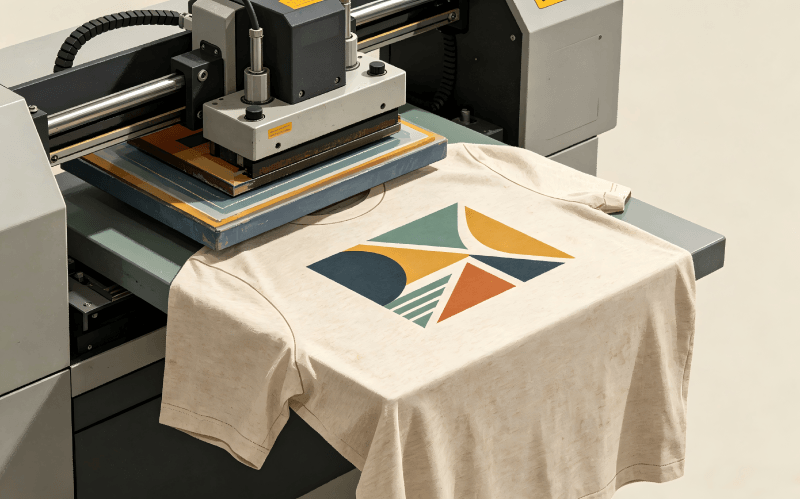
 

Print on demand T-shirt


Benefits of POD

  • No need to buy or stock inventory
  • No minimum order requirements
  • Fulfillment handled automatically, focus on marketing and design.
  • Easy to introduce new products without financial risk
  • Capable of working worldwide with the right platform

Disadvantages

  • Margins are usually smaller than when manufacturing in bulk.
  • Less control over packaging and shipping schedules
  • Reliance on your supplier's product quality and availability

Who Is Suitable for POD?

Print-on-demand is a great fit for first-time brand owners, side-hustle businesses, solo founders who don't have large capital, and anyone who wants to make sure there is demand before investing in inventory.

Reasons Many New Brands Opt for POD

Print-on-demand allows you to put your efforts into the real brand-building activities — coming up with great designs, creating strong storytelling, and consistent marketing. Sites like InkedJoy provide you with a huge selection of top-notch products that you can brand as your own without ever holding a single item in stock.


Your Questions Answered

How much money do I need to start a clothing brand?

If you go for print-on-demand, the start-up cost can be as low as $200 to $500. For traditional manufacturing, expect to invest $2,000 or more, depending on the quantity of your order.

Can I start a clothing brand without inventory?

Absolutely. Print-on-demand is a model where products are only manufactured after a customer order is made. This means you never have or pay for inventory before selling.

Is print-on-demand profitable?

Yes, it can be, if you price your products properly. Typically, margins are in the 30% to 50% range. The main thing is to price your products based on your costs, not by guesswork or copying the cheapest competitor.

How long does it take to launch a clothing brand?

Using print-on-demand, and if you have a well-thought-out plan, you are able to make your store open for business in two to four weeks. However, it usually takes six months to two years of steady work to build a profitable brand.

How do I trademark a clothing brand?

You should first file a trademark application with the relevant intellectual property office in your country — for the US, USPTO, and for the EU, the EUIPO. The trademarking process can take 8 to 18 months, and in the US, costs between $250 and $400 per class.

What is the best niche for a clothing brand?

Ideally, a niche would be one where buyers are enthusiastic, there is room for differentiation, and the demand is enough to support a business. Among the strong ones in 2026 are fitness apparel, pet lover clothing, and sustainable fashion.

Can I start a clothing brand from home?

Yep! When using print-on-demand, your entire business can be home-based. You design, market, and run your store while your supplier does the printing and shipping.

How do I find customers for my clothing brand?

Find the platform where your target audience is already active. TikTok and Instagram are great for visual products. Pinterest brings in great traffic for lifestyle and home-adjacent niches. Email marketing is the best converter once you have a list.

What platform is best for selling clothing online?

Overall, Shopify is the most powerful platform for building a clothing brand with full control. Etsy is great if you want to get organic traffic early, and TikTok Shop is rapidly growing in 2026 for those brands with active video content.

Is starting a clothing brand worth it in 2026?

Yes, but only if you see it as a real business and are ready to commit to it. There is a large market, and the tools are accessible. Independent brands also have significant advantages over large retailers in terms of community and authenticity. The brands that succeed are the ones that remain consistent.

Begin Your Brand Journey

Running a clothing brand is among the most creative and potentially rewarding businesses you can establish online. When you follow the steps in order, they are quite simple: identify a niche, define your audience, build your brand identity, create designs, select a production method, set up your store, and keep marketing.

You do not need a large budget when starting out. What you need is a clear vision and the determination to keep going beyond the initial few weeks.

Visit InkedJoy for custom apparel, print-on-demand products, and brand-building tools to help you create your clothing brand.

C

Written by

Carry

CMO from EPROLO. With over 10 years of e-commerce experience, Carry specializes in dropshipping, website operation, and marketing strategies. She provides actionable insights that help online sellers grow, optimize their stores, and succeed in a competitive marketplace.

Read more

 

Like the article

0
How to Start a Clothing Brand in 2026 | Complete Beginner's Guide

How to Start a Clothing Brand in 2026 | Complete Beginner's Guide


Key Takeaways

  • A clothing brand is more than products — it's an identity, a story, and a promise that connects with a specific audience.
  • Choosing a focused niche (not "everyone who wears clothes") is the critical first step that determines everything that follows.
  • Print-on-demand (POD) eliminates upfront inventory risk, making it ideal for beginners with budgets as low as $200–$500.
  • Success stories like Odd Muse (£20M+ annual revenue) and TomboyX ($2M/month) prove you don't need a fashion degree or investors.
  • Start with one strong product, test with samples, build an audience before launching, and stay consistent — growth takes time.

The global clothing industry is worth more than $1.7 trillion annually, and a significant share of that amount is now going to independent brands started by ordinary people who simply use their laptops and have a clear vision. Actually, launching a clothing brand in 2026 will be easier than at any other time in the past. You don't have to have a factory, a warehouse, or even a fashion degree. What you really need is a great concept, the proper tools, and a strategy.

This article will take you through all the stages from identifying your niche to closing your initial sale in simple language that really assists you to go on.

What Is a Clothing Brand?

More than just a set of products, a clothing brand is an identity. It's the name, the style, the atmosphere, and the assurance that bind a particular set of people to a particular type of clothing.

Clothing Brand vs Clothing Line

These two terms are often used as if they meant the same thing, but they are actually not the same. A clothing line is a certain set of garments, typically related to a season or a theme. A clothing brand is the final concept that contains one or several lines. When one creates a brand, one is creating something that people can follow and come back to --- not just buy from once.

Different Types of Clothing Brands

The fashion industry consists of many categories. Discovering which one resonates with your vision will influence all your decisions:

  • Streetwear — heavily graphic-based, culture-driven, the favorite of the younger generation
  • Activewear — sport-oriented fabrics, clothes for gym and outdoor activities, very loyal customers
  • Luxury Fashion — exclusive fabrics, high prices, fewer people
  • Sustainable Apparel — environmentally friendly fabrics, very popular among youth
  • Niche Lifestyle Brands — created for a specific community like gamers, pet owners, nurses, or teachers

Why Start a Clothing Brand in 2026?

There are three big reasons why 2026 is a great year for starting a clothing brand. Firstly, using print-on-demand services allows you to sell goods without having to stock up physically.

Secondly, social media offers small brands a channel to reach millions of potential customers directly at virtually no cost to them initially.

Thirdly, designing, setting up online stores, and marketing have become so affordable and user-friendly that almost anyone can do these tasks nowadays. So, while getting started is quite easy, growing your business is where the real challenge lies.

Step 1: Find Your Clothing Brand Niche

Identifying your niche is like laying the first brick in building your brand. If you set a solid niche, you'll find the rest of the steps fall into place.

Why Niche Selection Matters

Advertising to everyone greatly reduces the possibility of really reaching someone. A good niche allows you to communicate very directly to the people who matter, differentiate yourself in a market that's overcrowded, and create a community that is loyal rather than having to constantly find new buyers.

Popular Clothing Niches in 2026

Looking at the trends, these are the segments that are in demand in 2026:

  • Streetwear — controlled releases, community-oriented brands, and striking graphics will still be popular.
  • Fitness Apparel — since gym culture is expanding, this category sees frequent purchases.
  • Eco-Friendly Fashion — people are increasingly willing to pay more for sustainable products.
  • Pet Lover Apparel — very niche, but the buyers are passionate and will spend generously.
  • Gaming Merchandise — very large and diverse audience, as well as very loyal
  • Minimalist Fashion — simple designs, neutral colors, and everyday comfortable wear

Ways to Confirm Market Demand

It's wise to make sure the market is active before you niche down.

One tool you can use is Google Trends, where you can analyze whether the trend for your niche is going up or down over the past year. Next, do a search on Instagram, TikTok, and Pinterest to check if there is a presence of niche-related content and enthusiastic audiences. Finally, go to Etsy and Amazon: if the sellers there get plenty of reviews, demand definitely exists.


Marketing team reviewing apparel market data.


Step 2: Define Your Target Audience

Knowing what your niche is only gets you so far - you also need to know exactly who you intend to sell to.

Building Customer Personas

Creating a customer persona is drafting a detailed character of your perfect client. Assign a name. Include the person's demographic details, where they might be, their level of income, what they do on weekends, what interests them, and what their pain points are when it comes to their current clothing options.

Besides being a thought experiment, this will affect what you create, the prices you charge, the voice of your social media, and the channels for your marketing messages.

Consider What's Motivating Buyers

There are various motivators that make people buy clothes: to express their identity, to be a part of a group, to look attractive, to enhance performance, or to live their values. Find out what motivates your audience and center your brand on that.

Spot Opportunities

Check out your competitors and find out what they are not doing well. Perhaps they are not very inclusive in sizing. Or maybe their branding seems very run-of-the-mill. Or maybe their pricing is a bit steep, as per their target audience. Any failure on their part is a window for you.

Step 3: Develop Your Brand Identity

Your brand identity encompasses your business's visual imagery, tone of voice, and the overall impression it makes.

Initial getting it right is important because rebranding is expensive, and customers will be confused.


Develop Your Brand Identity


Choose a Memorable Brand Name

Make sure your brand name is brief, simple to write, simple to pronounce, and that a domain name and social platforms with the same name are available.

If you are doing a name search, make sure you are not picking out ones that are very generic, very literal, or ones that are identical or very similar to existing brands.

Do a patent search at the patent office before making a final decision on the brand name.

Create a Logo for Your Brand

There's no need for your logo to be a masterpiece. Often, the simplest logos are the ones that get recognized the most. Tools like Canva or Adobe Express can help you make a logo yourself, or you can employ a designer from Fiverr or 99designs for a couple of hundred dollars.

Write Your Brand Story

What drove you to start this brand? What does it solve? Whom does it cater to?

The story of your brand is something that captivates your customers more than the product itself. People truly resonate with brands that they believe in.

Make Brand Guidelines

Brand guidelines are an essential element of keeping your look consistent. Record your key colors (in hexadecimal), your typefaces, the rules around how and when the logo can be used, and your style for illustrations and photography.

Develop a Unique Value Proposition

This is the one simple and obvious reason why someone should pick your brand over any other. Give a good example. Saying "Top-notch t-shirts" does not qualify as a value proposition. On the other hand, a statement like "Bright graphic tees for the plant-loving wearers who want to show their passion" would be one.

Step 4: Create Your Clothing Designs

Your designs are essentially your merchandise. They are what attract buyers to your product and keep them coming back for more.


Start Your Clothing Designs


Design In-House vs Outsourcing

Here, you mainly have two options: either you learn how to design by yourself with tools like Adobe Illustrator, Canva, or Procreate, or you hire freelance designers on platforms like Fiverr, Upwork, or Creative Market. Actually, a lot of successful brand owners do a little bit of both — they handle simple concepts themselves and outsource complex artwork.

Design Tools for Beginners

  • Canva — free, user-friendly, great for text-based and simple designs
  • Adobe Illustrator — the best software for vector art, but it has a steep learning curve.
  • Procreate — very trendy for hand-drawn and illustrated styles on iPad
  • Placeit — allows you to see how your design will look on the product before printing.

Creating Designs That Sell

Analyze what type of products perform well in your niche. Check out bestsellers on Etsy and Redbubble to recognize patterns. See what content on Instagram and TikTok gets the most engagement. The best designs evoke a strong emotion; they make somebody literally say "this is me" the moment they lay their eyes on it.

Common Design Mistakes to Avoid

  • Copyright infringement by using characters, logos, or phrases without purchasing the license
  • Creating designs that please yourself and not your target audience
  • Too much detail in designs: complex graphics might lose details when printed in smaller sizes
  • Not paying attention to print sizes and bleed areas for production.

Step 5: Choose a Production Method

The way you choose to produce your clothing is one of the most critical business decisions that you'll ever make since it will impact your startup capital, level of risk, profit margins, and your speed of operations.

Each method is suitable for a different business stage and type of entrepreneur.

Print-on-Demand (Beginners' Best Choice)

Print-on-demand is a mode of operation in which a third-party supplier is responsible for printing and shipping the product only after the order has been placed by the customer. You never keep products in stock. You only pay for the item once the customer has made a purchase.

InkedJoy integrate directly with your online store and take care of fulfillment automatically.

This is the least risky approach for launching your business. In fact, your initial investment is limited to your design software, website, and marketing.

Bulk Manufacturing

You come up with product ideas and then place orders for large quantities with manufacturers. You get significantly lower unit prices, but the downside is that you pay upfront for everything and store inventory. This model is a good fit when you have demonstrated demand and figured out the cash to invest.

Private Label Clothing

The way it works is you get blank garments from a supplier, put your own branding and label on them, and then sell them under your own brand. This is particularly a good fit for basics such as t-shirts, hoodies, and joggers.

You enjoy the convenience of professional packaging without the high cost of manufacturing.

Cut-and-Sew Production

You take a completely original garment as the starting point - your own patterns, your own fabrics, even your own construction style.

This is the most creative and the most costly option. It is very much aligned with luxury and high-fashion brands since the product itself is original.

Dropshipping Apparel

Almost like print-on-demand but generally without custom branding. You put up existing products on your store, and a supplier fulfills the shipment to the customer. Margins are lower, and it can be more difficult to stand out.

Production Method Comparison:

Method Startup Cost Inventory Needed Risk Level Profit Margin
Print-on-Demand Low ($0–$500) No Low Medium (30–50%)
Bulk Manufacturing High ($2,000+) Yes High High (50–70%)
Private Label Medium ($500–$2,000) Yes Medium Medium-High
Cut-and-Sew Very High ($5,000+) Yes Very High Very High
Dropshipping Low ($0–$300) No Low Low (10–25%)

Step 6: Write a Business Plan

Business plans don't have to be 50-page dissertations. It just needs to be simple enough that you understand what you are developing and how you will reach your goals.

Revenue Objectives

Define your sales targets for the initial 90 days, first half-year, and first year. What amount of products need to be sold each month for you to break even? How do you define profitability?

Budget Allocations

Calculate all of your potential expenditures: web hosting, design software, advertising, product samples, packaging, and business licenses. Be sure your budget is set before you start using it.

Pricing Plan

Besides your product cost, your price must also cover the platform fees, shipping (in case you are absorbing the cost), marketing expenses, and still provide a gain to you that is motivating. Don't just set prices by guessing — rather, determine your price based on your actual expenses from the ground up.

Profit Margin Examples

The ideal margin for a fashion brand is generally between 40% and 60% on each item. For instance, if you sell a shirt for $35 and your cost to make and deliver it is $15, your gross margin stands at 57%. Keep aiming at that or better.

Expansion Plan

You should continuously think about your product sales growth from the first sale to the hundredth, and subsequently to the thousandth. Which platforms or channels will you utilize? At what point will you introduce new products? How will you raise the average value of customer orders?

Step 7: Register Your Clothing Brand

Establishing your business formally and legally not only shields you but also gains confidence from your customers and suppliers.

Business Form Types

  • Individual Ownership — the quickest and cheapest way to establish a business, but you alone bear all the risk;
  • LLC (Limited Liability Company) — distinguishes liabilities and personal assets; this form is the one most small companies use.
  • Corporation — much more involved and complicated; the best choice for those brands that want to raise capital by attracting investors.

Make Your Brand Name Official

After deciding on a type, register your brand name at your local or national government body. In the US, the state level does this. In the UK, you do this mainly through Companies House.

Trademark Your Brand

A trademark allows you to gain exclusive rights to the use of your brand name and logo. This is why filing a trademark with the USPTO (American), EUIPO (European), or the intellectual property office of your country is crucial. The trademarking procedure does take several months, but it grants you brand identity ownership legally.

Protect Intellectual Property

Copyright protection is automatic for your original work once you have made it. However, by applying for formal registration, you strengthen your copyright protection. Maintaining proof that you are the first to have the design is important.

Step 8: Build Your Online Store

Basically, your online store is like a combined display window, sales pitch, and customer service counter - all in one place. Where do your customers get to see your brand, make a purchase, and ask questions?

Choosing an E-commerce Platform

  • Shopify — if you run a clothing brand, Shopify will suit you well; it is equipped with nice templates, lots of applications, and strong analytical tools.
  • WooCommerce — it's a free WordPress plugin, a bit more technical but very flexible.
  • Etsy — great for bringing in early traffic when you haven't built your own audience yet, but the platform is not yours.
  • TikTok Shop — an energetic platform in 2026, lets you integrate your TikTok videos with your shop and gives buyers the opportunity to buy within the app without having to leave it.

Essential Pages Every Clothing Brand Needs

  • Homepage — a catchy brand image, highlighting your product, and encouraging people to take action
  • About Us — tells your brand story and indirectly conveys your brand values; quite a lot of customers, when they read this section, are surprised.
  • Product Pages — high-quality product photos, size charts, info about the fabric, and thorough descriptions
  • FAQ — assist customers in resolving their queries about shipping, returns, sizing, and product care to reduce the number of support emails coming in
  • Contact Page — an easy, hassle-free means for customers to communicate with you, and also great at building trust

Optimize for Mobile Shopping

Nowadays, responsive design is a necessity as 70% of all internet users in 2026 will be accessing from mobile phones.

Besides fast loading, your site must also be visually pleasing on small-screen devices, and the process of checking out must be straightforward. Remember to test your online store on your own mobile device before you make it live.


Online order a custom printed tote bag.


Step 9: Source High-Quality Products

Products are your brand representatives, so a design that looks good on mockups but turns out poorly in the actual product is a mistake you cannot afford.

What Makes a Great Apparel Product?

Things like fabric weight, methods of construction, stitch quality, and overall fit play a role in defining quality. For instance, a t-shirt made from 180gsm fabric will feel quite different from one made from 250 gsm fabric. You must ensure that you are knowledgeable about the fabrics you use and, concurrently, educate your customers on their characteristics.

Product Quality Testing

The primary action you should take if you are planning to launch a product in the market is to obtain samples. Take note of colors, excellent printing, fabric feel, and the number of washes it retains its original appearance. Remember never to put up for sale something that has not been tested by you.

Fabric Selection Guide

  • Cotton — characteristics: soft, breathable, and most of the customers prefer it for casual wear
  • Polyester — features: strong, dries fast, perfect for sublimation printing
  • Cotton-Polyester Blends — they offer a good mix of comfort and durability, very popular for basics in everyone's wardrobe.
  • Recycled Fabrics especially attract environmentally conscious consumers.

Sustainable Material Options

Those buyers who are concerned about sustainability will most likely opt for items made from organic cotton, recycled polyester (rPET), Tencel, and bamboo fabrics. Having at least one eco-friendly product in your line might be your entry ticket to the group of customers who are not willing to buy other products.

Step 10: Price Your Clothing Products

One of the errors a lot of new brand owners make is pricing their products too cheaply.

Cost-Based Pricing

Add up the total cost of your product unit, including blank product + printing + packaging + shipping + platform fees. Next, multiply by the desired markup rate. That is, 2.5 to 3 times markup on your total cost would be a reasonable starting point.

Competitor Pricing Analysis

Look up your competitors' pricing. There is no need to go for the lowest price here. Position your price so that your potential customers would consider it irrational. If your brand gives off the impression of a premium level, then price it accordingly.

Psychological Pricing Strategies

Price points ending in 7 or 9 (such as $27 or $34.99) convert better on average than round numbers. Also, if you provide a package deal ("buy 2, save 15%"), you will more likely raise the average order value while the margins on individual items remain unchanged.

Recommended Fashion Industry Margins

You should be aiming for the product-level gross margin to be at least 50%. Clothing brands that are performing well are typically operating with margins ranging from 55% to 65%. At this margin level, you can carry out sales promotions, product returns, and invest money in marketing without incurring losses.

Step 11: Launch Your Clothing Brand

Launching effectively can give you great momentum, whereas a quiet launch results in silence.

Pre-Launch Checklist

When the decision has been made to launch, confirm that your website works fine on mobile and desktop, all product pictures are in high quality, your checkout system is operational, your return policy is clearly visible, and you have stock or fulfillment capability.

Build an Email List Before Launch


 Once you decide to open your store, start to gather emails. Tell people on social media about your forthcoming brand, and in order to convince them to sign up, offer them a launch discount or early access. 200 emails at launch can be your starting point for first sales, even without paid ads.

Create Social Media Buzz

As you are creating the brand, share behind-the-scenes with the people. Show your sample shipments. Show your packaging. Share the reason why you got started. People love to connect with the founders, and they tend to buy from those they feel they know.

Influencer Partnerships

Look at the micro-influencers in your market segment (10,000 to 100,000 followers). Give them products in exchange for an honest post or reel. Micro-influencers often have a more engaged audience and cost much less than mega-influencers.

Soft Launch vs Grand Launch

Soft launch means opening the store quietly to a small group (your email list, close community) in order to check the experience and get feedback. A grand launch is a full announcement where content, ads, and influencer posts go live simultaneously. Both methods are fine - it depends on how ready you feel.

Step 12: Market and Grow Your Clothing Brand

Your first sale might be the most exciting, but having a stable stream of sales each month is the real challenge.

SEO for Clothing Brands

Make your product descriptions clear and include relevant keywords. Develop blog content that addresses your audience's concerns. Proper SEO can deliver a steady flow of visitors without additional cost.

Social Media Marketing

Rather than being present on all platforms, select one or two and really engage the audience there. Make regular postings. Reply to comments. Post photos of genuine customers using your products. Usage photos usually get more engagement than simple product photos.

TikTok Marketing

Thanks to its unique algorithm, TikTok still offers fresh accounts a great opportunity for organic growth. Display your daily work — packing orders, working on new designs, sharing behind-the-scenes moments. TikTok users favor authentic content over high-production commercials.

Instagram Growth Strategies

Videos (like Reels) get more visibility than normal pictures. Tag your products in your posts to enable a seamless shopping experience. Partner with other small brands to promote each other's audiences on a local level.

Influencer Marketing

Instead of a single collaboration, nurture the relationship. One influencer mentioning your brand three times is worth more than three influencers mentioning your brand once each. Also, select influencers who truly embody your brand philosophy.

Email Marketing

Being the main sales channel for most apparel companies, email marketing has the highest conversion rates.

Besides delivering newsletters, you can also set up a welcome series for your new subscribers, send them weekly or biweekly mailings of new products and behind-the-scenes material, and post-purchase follow-up emails to promote repeated sales.

Paid Advertising

You need to first have obtained proof through organic sales that your product is a hit before showcasing it with Meta ads (Facebook and Instagram).

A very small budget between $10 and $20 per day is sufficient to test the various audiences.

Do not spend on advertising until you have at least 10 to 20 organic sales — this will demonstrate your offer's conversion capability before you pay to increase it.

How Much Does It Cost to Start a Clothing Brand?

Where you start in your business journey is largely dependent on the manufacturing process you opt for.

Print-on-Demand Startup Costs

  • Shopify store: $39/month
  • Domain name: $12 to $15/year
  • Design tools (Canva Pro): $13/month or free tier
  • Product samples: $50 to $150
  • Basic marketing budget: $100 to $300
  • Total to launch: about $200 to $500

Traditional Manufacturing Costs

  • Minimum order quantities from most manufacturers: 100 to 500 units
  • Per-unit cost (basic t-shirt): $4 to $12
  • Sampling and prototyping: $200 to $1,000
  • Storage or warehouse fees if needed
  • Total to launch: $2,000 to $10,000 or more

Marketing Budget

Regardless of your marketing strategy - organic content, product photography, paid posts, or even boosted social media content - you should allocate $100 to $300 for your launch marketing.

Common Mistakes New Clothing Brand Owners Make

It's a lot cheaper to learn from other people's mistakes than to make them yourself.

Choosing Too Broad a Niche

'Everyone who wears clothes' is definitely not a target market. The tighter your niche, the simpler it is to pinpoint your audience and communicate with them on a personal level.

Poor Quality of Product

Launching a product that under-delivers on the customer's expectations is a killer for brand trust. One single complaint about poor quality could easily lead to losing countless future sales. Make sure to thoroughly test your product before it goes to the public.

Weak Branding

You can become a shadow in the crowd quite easily if you have uninspiring colors, very ordinary or generic logos, and no well-defined brand story. A brand identity should be so distinct that your audience can recognize your posts even without you being explicitly mentioned.

Ignoring Customer Feedback

Your early customers will be your best product improvement guide. Analyze every review, craft a reply to each message, and see the initial feedback as free, unbiased product research.

Overspending on Inventory

Purchasing 500 pieces of a single stock without even having a real demand indication is undoubtedly one of the quickest routes to losing your capital in this industry. Operating on a minimal and lean basis, then scaling your production as informed by sales data, is the way forward.

Not Prioritizing Audience Building

Starting the store without having the followers, a mailing list, or a community built beforehand is equivalent to opening a shop in the countryside where hardly any roads lead to it. Growing your audience can be done simultaneously with setting up your store; you do not have to wait till the launch day.

Clothing Brand Success Stories

Not only are those stories of real brands founded by real individuals here to encourage you that it's doable, but they also confirm that you don't necessarily require a fashion degree, a factory, or loads of money to create a sellable product. Here are two inspiring stories that will give you a pretty clear picture of what the journey entails.

Small Brands That Started Online

Odd Muse — The Journey of £12,000 Savings to over £20M Annual Revenue

Aimee Smale didn't have any investors, no industry connections, no traditional fashion background when she founded Odd Muse at 23 — just £12,000 of savings and a very distinct idea of the brand she wanted to create.

The blazer was her debut product. It became so popular online that the company was able to generate $139,000 revenue within the first three months. Also, she didn't use any paid advertisements in the first few days. The only 'marketing' method used was the person-to-person communication online.

Growth from that point was very rapid and compounded. The Pearl Dress, a product launched later, raked in over £1 million in a single quarter. Odd Muse nowadays experiences revenues soaring to around £20,000,000 annually. The brand has two physical stores — one in London's Covent Garden and the other in SoHo, New York — all without a single round of external funding. 

TomboyX — Kickstarter Launch to $2M/Month Proceeds

Fran Dunaway, along with her partner in crime Naomi Gonzalez, set up TomboyX via Kickstarter in 2013 to make quality women's button-up shirts. They admit that they were a little clueless about the difference between a knit and a woven at the time.

The shirts did not lead to the success of the company. The company's defining product is the boxer brief. In 2014, the brand introduced boxer briefs designed for female bodies. In less than two weeks, they were sold out, and revenue tripled by the end of six months.

After two years, the workforce was 15 strong, whereas the revenue doubled each year. Eventually, the brand raised $25 million+ after which it went on generating an estimated $2 million every month — all thanks to the brand's listening carefully to an underserved audience and getting one product that they truly needed.

Lessons From Successful Entrepreneurs

The two stories are as different as can be on the surface, but the essential template is pretty much the same. The much that these founders did that most others ignore:

  • One single strong product was what they banked on. Odd Muse made the blazer its flagship while TomboyX shifted to mainly boxer briefs. Neither of them went after releasing a full collection on day one.
  • These two brands were built on targeting a specific and underserved audience. Aimee Smale created a clientele that craved investment fashion within their reach. Fran Dunaway went all out to create an underwear line that physically fits body types that are not catered to out there in the market. Due to the specificity, both brands were easy to talk about and absolutely purchase.
  • Nearly 100% of the time, growth of TomboyX is related to their brand positioning - their willingness to factor consumer feedback was one of the ways in which they used to drive growth, and customers and early investors were often one and the same.

What You Can Learn From Their Growth

Those that go far and wide eventually grow to be brands are not always the ones with the most stupidly big budgets or the perfect launch. They are simply the ones who uncover a real gap, slot in a real product, and continually show up for the right audience.

Several aspects of both accounts clearly stand out that can immediately be applied to you:

  • Start your work with a lead product. Trying to introduce 20 items together will stretch your energy, plus make your customers confuse their purchase decision. First, determine what your one thing will be - the one thing you want to be recognized for.
  • At the beginning, be the identity of your brand. Aimee Smale, apart from promoting Odd Muse, used Instagram and TikTok to share her journey, her problems, and accomplishments - in this way, the brand kept being accessible & relatable, meeting only a few direct-to-consumer brands' reach.
  • Hold on no longer for the state of perfection. TomboyX was barely able to complete its initial Kickstarter project. Odd Muse made the very first day five sales. Both kept their faith and marched on.

You need not stick strictly to the path taken by their brands. Yet principles behind their growth are indeed repeatable, and they work no matter the size of the budget.

Is Print-on-Demand the Best Way to Start a Clothing Brand?

For many beginners, print-on-demand eliminates their biggest hurdle: upfront cost and risk.


Print on demand T-shirt


Benefits of POD

  • No need to buy or stock inventory
  • No minimum order requirements
  • Fulfillment handled automatically, focus on marketing and design.
  • Easy to introduce new products without financial risk
  • Capable of working worldwide with the right platform

Disadvantages

  • Margins are usually smaller than when manufacturing in bulk.
  • Less control over packaging and shipping schedules
  • Reliance on your supplier's product quality and availability

Who Is Suitable for POD?

Print-on-demand is a great fit for first-time brand owners, side-hustle businesses, solo founders who don't have large capital, and anyone who wants to make sure there is demand before investing in inventory.

Reasons Many New Brands Opt for POD

Print-on-demand allows you to put your efforts into the real brand-building activities — coming up with great designs, creating strong storytelling, and consistent marketing. Sites like InkedJoy provide you with a huge selection of top-notch products that you can brand as your own without ever holding a single item in stock.


Your Questions Answered

How much money do I need to start a clothing brand?

If you go for print-on-demand, the start-up cost can be as low as $200 to $500. For traditional manufacturing, expect to invest $2,000 or more, depending on the quantity of your order.

Can I start a clothing brand without inventory?

Absolutely. Print-on-demand is a model where products are only manufactured after a customer order is made. This means you never have or pay for inventory before selling.

Is print-on-demand profitable?

Yes, it can be, if you price your products properly. Typically, margins are in the 30% to 50% range. The main thing is to price your products based on your costs, not by guesswork or copying the cheapest competitor.

How long does it take to launch a clothing brand?

Using print-on-demand, and if you have a well-thought-out plan, you are able to make your store open for business in two to four weeks. However, it usually takes six months to two years of steady work to build a profitable brand.

How do I trademark a clothing brand?

You should first file a trademark application with the relevant intellectual property office in your country — for the US, USPTO, and for the EU, the EUIPO. The trademarking process can take 8 to 18 months, and in the US, costs between $250 and $400 per class.

What is the best niche for a clothing brand?

Ideally, a niche would be one where buyers are enthusiastic, there is room for differentiation, and the demand is enough to support a business. Among the strong ones in 2026 are fitness apparel, pet lover clothing, and sustainable fashion.

Can I start a clothing brand from home?

Yep! When using print-on-demand, your entire business can be home-based. You design, market, and run your store while your supplier does the printing and shipping.

How do I find customers for my clothing brand?

Find the platform where your target audience is already active. TikTok and Instagram are great for visual products. Pinterest brings in great traffic for lifestyle and home-adjacent niches. Email marketing is the best converter once you have a list.

What platform is best for selling clothing online?

Overall, Shopify is the most powerful platform for building a clothing brand with full control. Etsy is great if you want to get organic traffic early, and TikTok Shop is rapidly growing in 2026 for those brands with active video content.

Is starting a clothing brand worth it in 2026?

Yes, but only if you see it as a real business and are ready to commit to it. There is a large market, and the tools are accessible. Independent brands also have significant advantages over large retailers in terms of community and authenticity. The brands that succeed are the ones that remain consistent.

Begin Your Brand Journey

Running a clothing brand is among the most creative and potentially rewarding businesses you can establish online. When you follow the steps in order, they are quite simple: identify a niche, define your audience, build your brand identity, create designs, select a production method, set up your store, and keep marketing.

You do not need a large budget when starting out. What you need is a clear vision and the determination to keep going beyond the initial few weeks.

Visit InkedJoy for custom apparel, print-on-demand products, and brand-building tools to help you create your clothing brand.

C

Written by

Carry

CMO from EPROLO. With over 10 years of e-commerce experience, Carry specializes in dropshipping, website operation, and marketing strategies. She provides actionable insights that help online sellers grow, optimize their stores, and succeed in a competitive marketplace.

Read more
 

Like the article

0