How to Create Custom Print-on-Demand Products That Stand Out in 2026
Key Takeaways
- Success in 2026 depends on product choice, design quality, niche fit, supplier reliability and clear product pages — not on big budgets.
- Custom POD products speak to a defined audience (e.g., “hiking moms with golden retrievers”) and convert far better than generic designs.
- Always validate ideas before designing: use Etsy, Amazon, TikTok, Pinterest, competitor reviews and search suggestions.
- Original designs + personalization (names, dates, pet names, custom messages) + accurate mockups = higher perceived value and fewer refunds.
- Order samples before launching any product line — check fabric, print clarity, color accuracy, packaging and delivery time.
Print on demand products give sellers a practical way to sell custom items online without buying inventory upfront. In 2026, many e-commerce sellers use POD to test ideas, reach niche buyers and launch products with lower startup risk. The seller creates the design, lists the product online and works with a supplier that prints and ships each order.
Success depends on product choice, design quality, niche fit, supplier reliability as well as clear product pages. Read on to understand what print on demand custom products are, how to choose product ideas, how to create designs buyers want, how to test products before launch, how to price and market POD products and which mistakes to avoid.
Quick Answer: What Makes Print on Demand Products Stand Out?
Strong print on demand products solve a clear buyer need, fit a specific niche, use original designs and also offer a better shopping experience than basic template products. Sellers should focus on product quality, design placement, personalization options, accurate mockups & clear product descriptions. A product does not need a complex idea to sell well. It needs to feel relevant to the right buyer.
What Are Print on Demand Custom Products?
Print on demand custom products are items made or printed after a customer places an order. The seller creates or uploads the design, lists the product online & a POD supplier handles production and shipping, which lets sellers offer custom items without storing blank products, buying stock in advance, or packing orders by hand.
Common POD products include T-shirts, hats, tote bags, hoddies, stickers, phone cases, mugs, posters, home décor, pet products as well as custom accessories.
Basic POD products often use broad designs that could apply to many shoppers. Custom POD products speak to a defined audience, event, interest, role, or personal style. For example, a plain "dog lover" shirt feels common. A shirt for "hiking moms with golden retrievers" feels more specific and gives the right buyer a stronger reason to notice it.
Why Custom Print on Demand Products Matter in 2026
Custom print on demand products matter in 2026 because buyers have many choices. More sellers now compete in popular POD niches, so weak designs and thin product pages can get ignored. Shoppers also expect better images, clear details & an easy ordering process.
Personalized and niche products often attract stronger buyer intent because they connect to names, dates, pets, hobbies, events, or personal identity. Quality design can also reduce refund risk by helping buyers understand what they will receive.
Basically, custom print on demand products help sellers compete by giving buyers a specific reason to choose one product over similar listings.
How to Find Profitable Ideas for Print on Demand Products
Research Specific Niches for Print on Demand Products
Broad niches can be hard to compete in. A narrower niche helps sellers create print on demand products for a defined audience. Instead of targeting all pet owners, focus on dog moms who love hiking, cat dads, rescue dog owners, or pet memorial gifts.
Other niche examples include teachers, new homeowners, bridesmaid groups, gym beginners, book lovers & small business owners.
Study Buyer Intent
Buyer intent means the reason someone wants to buy. A strong product idea often connects to gift giving, personal identity, humor, events, hobbies, family roles, work life, or seasonal needs.
For example, a custom mug for a new dad has a clear gift angle. A funny shirt for nurses during graduation season targets a specific event and audience. That purchase reason should guide the design, product type, title, description & marketing message.
Check Market Demand Before Designing
Validate ideas before creating a full product line. Use Etsy search suggestions, Amazon product pages, TikTok trends, Pinterest searches, Google search results, competitor reviews & social media comments.
Look for repeated phrases, common questions, popular themes & customer complaints. Study patterns without copying designs. Your goal is to understand demand and create a stronger listing.
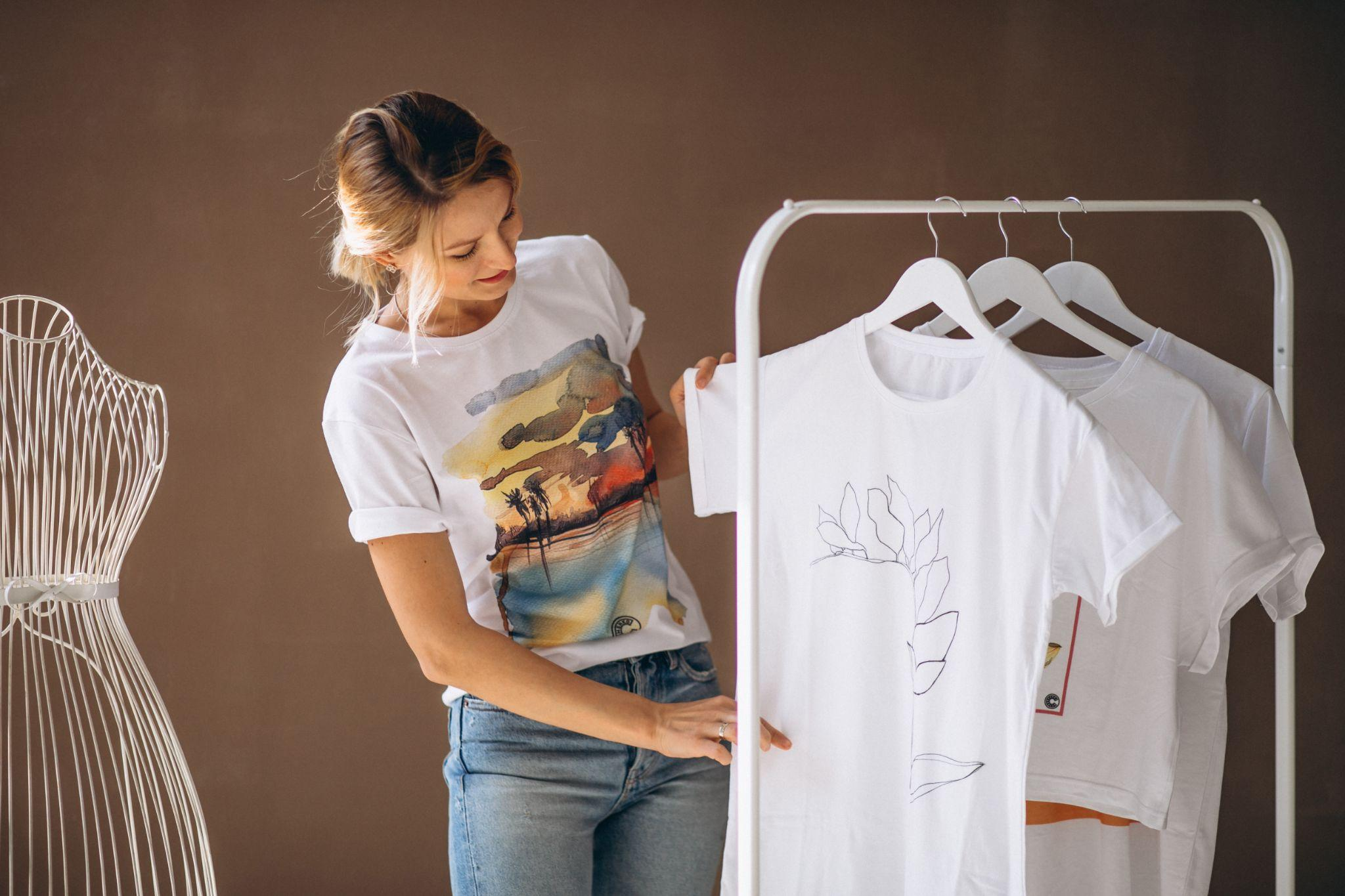
How to Create Print on Demand Custom Products Buyers Want
Choose the Right Product Type
The product should match the design and the buyer use case. Funny quotes often work well on shirts and mugs because the message is easy to read. Pet portraits can work well on blankets, posters, or ornaments because buyers often want keepsake items.
Small artwork can suit stickers, phone cases, or notebooks. Bold graphics can suit hoodies, tote bags, or wall prints.
Create Original Designs
Original designs help your store look credible. Use simple layouts, clear typography, balanced spacing & easy-to-read text. Choose colors that fit the product and audience.
Avoid copyrighted phrases, protected characters, copied artwork & designs that closely follow another seller's listing. Legal issues can lead to takedowns as well as refunds & account problems.
Add Personalization Options
Personalization can increase product appeal by making the item feel more personal to the buyer. Common options include:
- Names
- Dates
- Pet names
- Initials
- Birth years
- Custom messages
- Location-based text.
Keep the ordering process simple. Use clear fields, short instructions & examples in the product images.
Use Better Mockups and Product Photos
Buyers need to picture the product clearly before they order. Use front and back views, close-up design shots, lifestyle images, size references, accurate colors & clear product details.
Mockups should match the actual product style as closely as possible. Poor mockups can make a good product look low-value.
How to Choose a Supplier for Print on Demand Products
Supplier quality affects reviews, delivery time, repeat sales & customer trust. A good supplier can help sellers create a smoother buying experience. A weak supplier can lead to complaints, late orders as well as poor print results.
| Supplier Factor | Why It Matters |
|---|---|
| Product quality | Helps reduce complaints and returns |
| Printing options | Supports different design styles |
| Product catalog | Gives sellers room to test new ideas |
| Shipping speed | Affects customer satisfaction |
| Store integration | Saves time on order management |
| Branding options | Helps create a stronger store identity |
| Sample orders | Let sellers check quality before launch |
Order samples before selling a new product line. Check fabric, print clarity, color accuracy, packaging, delivery time &tracking updates. Inkedjoy, for example, can be useful for sellers who want custom product options, store integration & no minimum order requirements. Sellers should still test samples and compare costs before launching paid campaigns.
How to Price Print on Demand Products
Pricing should cover every cost and leave room for profit. Start with the base product cost, printing cost, shipping fee, marketplace fee, payment processing fee, ad cost, discount margin &desired profit.
Avoid setting prices based only on competitors. A cheaper product may still lose money after shipping and platform fees. Low pricing can also make customization feel less valuable.
Bundles, personalization & premium mockups can support higher prices when the product feels specific to the buyer. For example, a custom pet portrait blanket usually commands a higher price than a generic pet-themed blanket because the buyer sees personal value in the finished item.
How to Market Print-on-Demand Custom Products in 2026
Marketing should show who the product is for and why it matters. Start with SEO product titles that include the product type, niche & key feature. Write clear descriptions that explain material, sizing, use case & customization steps.
Use Pinterest product pins, TikTok videos, Instagram Reels, gift guides, seasonal campaigns, email launches, customer review content & niche blog posts.
Product pages should answer common buyer questions clearly. Cover material, fit, sizing, shipping time, customization steps, care instructions & return rules. Write original descriptions instead of using supplier text.
What are Mistakes to Avoid With Print on Demand Products?
Generic designs can make your store easy to skip. Selling too many unrelated products can also confuse buyers and weaken the brand.
Avoid copyright issues, unclear mockups, thin product descriptions & prices that leave no profit. Do not skip samples before launching a new product line.
Watch shipping timelines closely. Late orders can lead to refunds and negative reviews. Strong POD stores test ideas, improve weak listings & remove products that do not match the brand.
FAQs About Print on Demand Products
What are print on demand products?
Print on demand products are items created after a customer places an order. Sellers upload designs, list products online & a supplier prints and ships each order, letting sellers offer custom items without holding inventory.
What are print-on-demand custom products?
Print on demand custom products include personalized or niche-specific items, such as custom shirts, mugs, posters, pet gifts, phone cases, tote bags, stickers & accessories. These products usually target a clear buyer group or event.
Are print-on-demand products profitable in 2026?
Print-on-demand products can be profitable when sellers choose a clear niche, create original designs, price products correctly & work with reliable suppliers. Profit depends on production costs, shipping fees, platform fees, ad spend & repeat purchases.
What print-on-demand products sell best?
Popular POD products often include apparel, mugs, stickers, tote bags, posters, hats, phone cases & personalized gifts. The best product depends on the target buyer, design style, sales channel & purchase reason.
Turn Product Ideas Into Print on Demand Sales
Creating print-on-demand products in 2026 requires clear niche research, original designs, reliable suppliers, fair pricing as well as strong product pages. Sellers should focus on buyers first, then build products around their interests, needs, combined with purchase reasons.
Start with a small product test before building a larger collection. Review search data, customer questions & sales results. Then improve your designs, listings & marketing based on what buyers actually respond to.
Related Reading
- Spring Marketing Ideas to Boost Your Ecommerce Sales
- Creative Custom Items: How Innovative Personalized Products Power Print‑on‑Demand Growth
- Ultimate Guide to Print on Demand: Everything You Need to Know
- Print on Demand Passive Income: Ultimate Guide (2026)
- Starting Print on Demand Side Hustle: Tips and Strategies
Written by Carry Lam
CMO from EPROLO and Inkedjoy. With over 10 years of e-commerce experience, Carry specializes in dropshipping, website operation, and marketing strategies. She provides actionable insights that help online sellers grow, optimize their stores, and succeed in a competitive marketplace.