
40 Best Eco-Friendly Products to Sell in 2026
Key Takeaways
- 61% of global consumers prioritize eco-friendly purchases, creating a massive business opportunity for print-on-demand sellers with sustainable product lines.
- Genuine eco-friendly products feature sustainable materials, ethical production, durability, end-of-life solutions and plastic-free packaging, backed by credible certifications (GOTS, FSC, OEKO-TEX).
- 40 profitable sustainable products are categorized into 5 high-demand niches: Apparel & Fashion, Reusable Lifestyle, Home & Kitchen, Accessories & Personal Items, Green Packaging.
- Sustainable products command 15-30% price premiums, drive stronger brand loyalty, and offer differentiation—Inkedjoy's 4-step POD process simplifies launching a sustainable brand with zero inventory.
- Effective marketing for eco-products highlights brand stories, displays certification badges, creates educational content, offers carbon-neutral shipping and curates value bundles.
Table of Contents
Consumer demand for sustainable products has reached a tipping point. According to recent sustainability reports, 61% of global consumers are actively trying to make environmentally positive choices through their purchases . For print-on-demand sellers, this isn't just a trend—it's a massive business opportunity.
In this comprehensive guide, we'll explore the best eco-friendly products to sell online, organized by category to help you identify the most profitable sustainable products for your specific niche. Whether you're refreshing your existing store or building a sustainable brand from scratch, these print on demand eco-friendly products offer the perfect blend of profitability and purpose.
Why Sustainable Products are Smart Business for Sellers
Before diving into specific products, let's understand why eco-friendly products for sellers represent such a strong opportunity.
The demand for sustainable products to sell online is driven by several converging factors:
- Growing environmental awareness among consumers who want to reduce their carbon footprint
- Health consciousness driving demand for non-toxic, chemical-free alternatives
- Gen Z purchasing power, with 81% changing buying decisions based on a brand's ethical reputation
- Corporate gifting trends favoring eco-friendly promotional items
- Regulatory shifts pushing industries toward sustainable packaging and materials
From a seller's perspective, eco-conscious inventory offers distinct advantages:
- Higher margins – Sustainable products often command 15-30% price premiums
- Repeat customers – Eco-buyers show stronger brand loyalty
- Differentiation – Stand out from competitors selling generic items
- Future-proofing – Align with long-term market direction
- Marketing gold – Sustainability creates compelling brand stories
What Makes Products Truly Eco-Friendly
Not all "green" products are created equal. As a seller, understanding genuine sustainability helps you source quality items and avoid greenwashing accusations that could damage your brand.
Truly eco-friendly products minimize environmental impact across their entire lifecycle:
- Sustainable materials – Organic cotton, bamboo, recycled polyester, reclaimed wood
- Ethical production – Fair labor practices, reduced water/energy usage
- Durability – Long-lasting design that reduces replacement frequency
- End-of-life options – Biodegradable, recyclable, or compostable materials
- Plastic-free packaging – Minimal, recyclable, or compostable shipping materials
Key certifications to look for:
- GOTS (Global Organic Textile Standard)
- FSC (Forest Stewardship Council)
- OEKO-TEX (chemical safety)
- Fair Trade Certified
- Cradle to Cradle Certified

40 Eco-Friendly Product Ideas to Sell Online
Now let's explore specific sustainable products to sell online across high-demand categories. Each category targets different customer needs and price points, allowing you to diversify your catalog strategically.
Sustainable Apparel & Fashion
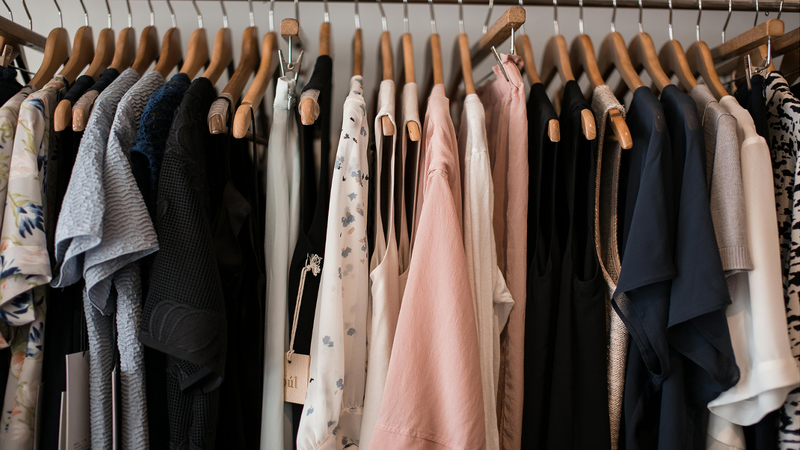
The fashion industry is undergoing a green revolution. Eco-friendly apparel represents one of the fastest-growing segments for online sellers, with consumers willing to pay premiums for sustainable clothing.
Product Ideas:
- Organic Cotton T-Shirts – GOTS-certified basics with custom designs
- Recycled Polyester Activewear – Made from post-consumer plastic bottles
- Bamboo Fiber Leggings – Naturally antibacterial and moisture-wicking
- Hemp Fabric T-Shirts – Extremely durable and eco-friendly
- Cork Fabric Wallets & Cardholders – Lightweight, water-resistant, renewable
- Recycled Denim Jackets – Vintage appeal with modern sustainability
- Tencel™ Modal Blouses – Silky-soft fabric from sustainably harvested wood pulp
- Organic Cotton Hoodies – Year-round bestseller for custom designs
Seller Tip: Apparel made from organic or recycled materials typically costs 20-40% more to produce but can retail for 50-100% higher prices than conventional alternatives.
Reusable Lifestyle Products
The "zero-waste" movement has created massive demand for reusable products that replace disposables. These items offer excellent repeat purchase potential and subscription box opportunities.
Product Ideas:
- Stainless Steel Water Bottles – Double-wall insulated with custom branding
- Bamboo Toothbrushes (sets of 4) – Charcoal bristles for whitening appeal
- Beeswax Food Wraps – Replace plastic wrap with washable alternatives
- Reusable Silicone Storage Bags – Freezer-safe, dishwasher-safe alternatives to Ziploc
- Organic Cotton Produce Bags (mesh sets) – Essential for plastic-free grocery shopping
- Bamboo Cutlery Sets with travel pouches – Popular for commuters and travelers
- Reusable Makeup Remover Pads – Washable cotton rounds with laundry bag
- Silicone Collapsible Straws – With cleaning brushes and carrying cases
- Safety Razor Kits – Vintage-style razors with replaceable blades
- Menstrual Cups – Growing market with high customer lifetime value
Seller Tip: Bundle complementary items (e.g., straw + brush + case) to increase average order value while reducing packaging waste.
Eco-Friendly Home & Kitchen
Home goods represent a high-engagement category where sustainable products truly shine. Consumers investing in their living spaces prioritize quality and environmental responsibility.

Product Ideas:
- Swedish Dishcloths (cellulose/cotton blend) – Replace 17+ rolls of paper towels
- Cork Coasters & Trivets – Naturally antimicrobial and heat-resistant
- Recycled Glass Storage Containers – Beautiful alternatives to plastic Tupperware
- Bamboo Cutting Boards – Naturally antibacterial and knife-friendly
- Silicone Baking Mats – Replace aluminum foil and parchment paper
- Organic Cotton Kitchen Towels – High-quality, absorbent, and durable
- Seed Paper Greeting Cards – Plantable cards that grow wildflowers or herbs
- Upcycled Fabric Storage Baskets – Unique, handcrafted aesthetic appeal
- Solar-Powered Phone Chargers – Eco-friendly tech with outdoor appeal
- Recycled Aluminum Water Pitchers – Stylish, BPA-free hydration solutions
Seller Tip: Kitchen products with "replace X disposable items" messaging perform exceptionally well in ads and social media.
Sustainable Accessories & Personal Items
Accessories offer high margins and compact shipping—perfect for print-on-demand sellers looking to minimize costs while maximizing sustainability appeal.
Product Ideas:
- Cork Phone Cases – Biodegradable and shock-absorbent
- Recycled Leather Wallets – Repurposed materials with luxury feel
- Bamboo Sunglasses – Lightweight and sustainably sourced
- Organic Cotton Tote Bags – The classic eco-friendly promotional item
- Recycled Plastic Backpacks – Made from ocean plastic or post-consumer waste
- Plant-Based Yoga Mats – Cork or natural rubber alternatives to PVC
- Wooden Watch Bands – Sustainable style statements
Green Packaging & Low-Waste Solutions
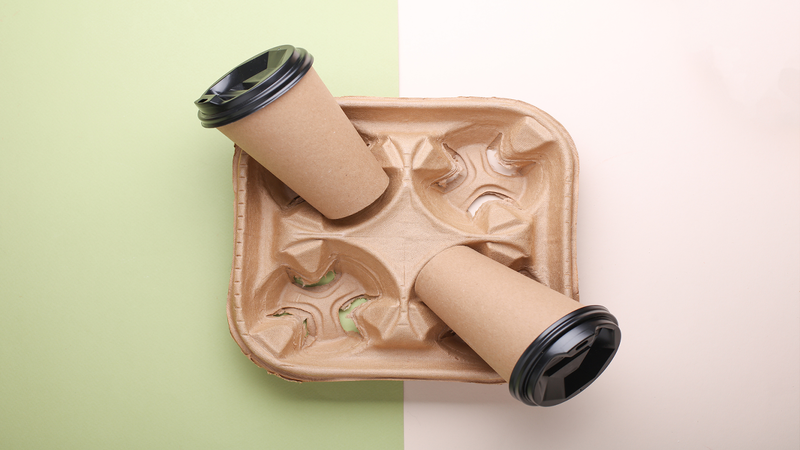
Smart sellers don't just sell sustainable products—they package sustainably too. Offering eco-friendly packaging supplies targets B2B customers and enhances your own brand credibility.
Product Ideas:
- Kraft Paper Mailers – Plastic-free shipping alternative to poly mailers
- Compostable Packing Peanuts – Dissolvable in water, not plastic
- Recycled Tissue Paper – Custom-printed with soy-based inks
- Seed Paper Hang Tags – Double as mini plantable gifts
- Reusable Cotton Gift Bags – Replace single-use gift wrap
Marketing Your Eco-Friendly Product Line
Once you've selected your eco-friendly products to sell, effective marketing amplifies your impact and sales.
Highlight the Story, Not Just the Product
Don't just list materials—explain the why. Share how recycled polyester diverts plastic from oceans. Describe how organic cotton protects farmworkers from pesticides. Stories sell sustainability.
Use Certification Badges Prominently
Display GOTS, Fair Trade, or FSC logos in product images and descriptions. These third-party validations build trust instantly.
Create Educational Content
Blog posts, social media content, and email campaigns that educate customers about sustainability drive engagement and position your brand as an authority.
Offer Carbon-Neutral Shipping
Partner with logistics providers offering carbon offset programs. Make this a selling point in your checkout process.
Bundle for Impact
Create "Zero-Waste Starter Kits" or "Sustainable Home Bundles" that introduce customers to multiple eco-friendly products at once.
How to Launch a Sustainable Business with Inkedjoy
Step 1: Select Sustainable Products
Choose products made from eco-friendly materials like recycled fibers, organic inputs, or biodegradable components. Partner with suppliers who follow fair-trade and ethical practices to strengthen your sustainability credentials.
Step 2: Set Up Your Inkedjoy Account
Create your business account on Inkedjoy. Customize your profile with your brand's story, logo, and visuals so customers immediately understand your sustainable mission.

Step 3: Connect Inkedjoy to Your Online Store
To make everything work together smoothly:
- Install the integration app or plugin for Inkedjoy on your ecommerce platform (like Etsy, WooCommerce, etc.).
- Authorize the connection between your Inkedjoy account and your store.
- Configure syncing so products, inventory, prices, and orders update automatically.
- Test the connection with a sample product or test order.
This keeps your backend centralized, reduces manual tasks, and ensures you can manage growth efficiently.
Step 4: Promote Your Sustainability Story
Share your commitment on your website, in marketing emails, and on social channels. Be transparent about your practices — honesty builds trust and helps avoid "greenwashing" claims.
Conclusion
The shift toward sustainable consumption isn't slowing down—it's accelerating. For print-on-demand sellers, this represents an unprecedented opportunity to capture growing market demand while building brands that matter.
By offering eco-friendly products to sell, you're not just following a trend. You're positioning your business at the intersection of profitability and purpose, creating value for customers who increasingly vote with their wallets for a healthier planet. Start small. Pick 3-5 sustainable products that align with your existing niche. Test, learn, and expand.
Find these eco-friendly product ideas to sell online helpful?
Make Inkedjoy a Preferred Source on GoogleFAQ
What types of eco-friendly products sell well?
Popular categories include: Reusable & zero-waste products (e.g., reusable bags, water bottles, beeswax wraps). Sustainable home items like bamboo toothbrushes and recycled paper products. Ethical fashion & accessories made from organic or recycled materials. Pet and lifestyle goods made from plant-based or recycled materials.
Are eco-friendly products more expensive?
Generally, eco-friendly goods can cost more because they use sustainable materials and ethical production processes. However, as demand grows and supply chains improve, prices can become more competitive. Many customers are willing to pay a premium for products with measurable environmental benefits.
How do I verify suppliers' sustainability claims?
Request certifications (GOTS, FSC, OEKO-TEX) and audit reports. Ask specific questions about material sourcing, water usage, and labor practices. Reputable eco-friendly suppliers will have transparent documentation.
Should I transition my entire catalog to eco-friendly products?
Not necessarily. Start by introducing a "Sustainable Collection" alongside your existing products. Test which eco-friendly items resonate with your audience, then gradually expand. Many successful sellers maintain both conventional and sustainable lines to serve different customer segments.
How do eco-friendly products perform in different seasons?
Eco-friendly products show strong year-round performance with notable peaks during: January (New Year sustainability resolutions), April (Earth Day marketing), November-December (ethical holiday gifting). Plan inventory and marketing campaigns around these high-demand periods.
Written By Sylvia
Sylvia is an experienced SEO blog writer specializing in creating clear, engaging, and search-optimized content for the eCommerce and digital marketing space. She combines data-driven insights with user-focused storytelling to craft articles that rank well while delivering real value to readers.