
How to Get Your First Sale with Print on Demand
Key Takeaways
- Focus on a specific niche so your products solve a clear need and stand out from broad competitors.
- Use simple, searchable titles, tags, and descriptions to improve visibility and support how to get your first sale faster.
- Create a few strong designs first, then test pricing, mockups, and product types based on clicks and conversion data.
- Promote consistently on one or two channels where your target buyers already spend time, such as Pinterest, TikTok, or niche communities.
- Build trust with clean product pages, accurate sizing or material details, and realistic expectations for shipping times.
Table of Contents
- What Usually Stops a New Print-on-Demand Store From Landing Its First Order
- How to Validate a Product Niche Before You Spend Time Promoting It
- Which Sales Channels Are Most Likely to Bring Early Buyers in 2026
- How to Turn Product Pages and Mockups Into a Store People Trust
- The Promotion Tactics That Can Generate Early Traffic Without Wasting Budget
- Mistakes That Delay First Orders and the Best Next Step to Take This Week
What Usually Stops a New Print-on-Demand Store From Landing Its First Order
The main reason new stores struggle is simple: the offer is unclear. Many sellers think good artwork is enough, but a first order usually depends on fit between product, audience, price, and trust. If even one of those is weak, shoppers hesitate and leave.
In practice, three problems show up most often. First, the niche is too broad. A store aimed at everyone rarely gives anyone a strong reason to buy. Second, the product choice is mismatched. Putting a complex design on a low intent item can make the listing feel random. Third, the store does not reduce risk. Missing size guidance, vague shipping times, or flat mockups make a new brand look untested.
| Common issue | Why it blocks the first sale |
|---|---|
| Too many product types | Traffic gets split and the store lacks a clear point of view |
| Weak product pages | Buyers cannot judge quality, sizing, or delivery confidence |
| No traffic plan | Even strong products do not sell if nobody sees them |
If you are figuring out how to get your first sale, start narrower. One audience, one product family, and one clear use case usually works better than a catalog stuffed with options. For example, a USA focused shirt listing like this product page gives a more concrete buying context than a general storefront. You can also compare setup approaches and fulfillment alternatives like Inkedjoy.

This is the practical answer to how to get your first sale: remove doubt before you try to increase traffic. A reliable product workflow can make your first sale easier to earn.
How to Validate a Product Niche Before You Spend Time Promoting It
If you want to learn how to get your first sale, validate the niche before you invest in content, ads, or long product uploads. A niche is worth testing when it shows clear buyer intent, enough product room to stand out, and a realistic path to margin after print, shipping, and platform fees.

Start with three checks. First, look for active demand. Search Etsy, Amazon, TikTok, Pinterest, and Google for the niche phrase and related terms. You are not chasing raw search volume alone. You want signs that people already buy, share, or save products in that theme. Second, check competition quality.
If the top listings look generic, badly photographed, or all priced the same, that can be a workable opening. If the niche is dominated by polished brands with deep review counts, it is harder to get your first sale without a sharper angle. Third, test economics. A design that looks good on a shirt but leaves only a few dollars after costs gives you little room to test offers or absorb returns.
| Signal | Healthy niche | Risky niche |
| Demand | Recent listings, saves, comments | Little recent activity |
| Competition | Crowded but uneven quality | Strong brands everywhere |
| Margin | Room for testing and discounts | Too thin to survive mistakes |
A common mistake is picking a niche because the design feels clever. Clever does not equal commercial. For beginners, narrower identity based niches usually validate faster than broad taste based niches because the buyer is easier to picture and target. Clear sourcing helps you build a store customers feel comfortable buying from.
Which Sales Channels Are Most Likely to Bring Early Buyers in 2026
If your goal is how to get your first sale, start with channels that already have buyer intent. In 2026, the fastest path is usually marketplaces first, short form social second, and your own store as the place to capture trust once traffic starts moving.
For most new print on demand sellers, Etsy is still the easiest early channel to test because shoppers arrive ready to browse niche products. That matters when you have no audience yet. A standalone Shopify store gives you more control and better long term margins, but it is usually slower for how to get your first sale because you have to generate every visit yourself.
| Channel | Why it works early | Main drawback |
|---|---|---|
| Etsy | Built in search demand | Fees and crowded listings |
| TikTok Shop or short video | Fast product discovery | Needs consistent content |
| Shopify store | Higher control and brand building | No built in traffic |
A practical rule: choose one search channel and one content channel. For example, Etsy plus TikTok is a realistic pairing for a beginner selling niche apparel or mugs. Avoid opening five channels at once. That usually leads to weak listings, irregular posting, and no clear signal about what is working.
If you already have an audience on Instagram, YouTube, or email, your own store becomes more viable earlier. If you do not, marketplaces are often the smarter first step for how to get your first sale.
How to Turn Product Pages and Mockups Into a Store People Trust
If you want to know how to get your first sale, fix the product page before you chase more traffic. Early visitors decide fast. If the page feels unclear, edited too heavily, or incomplete, they leave without giving your design a chance.
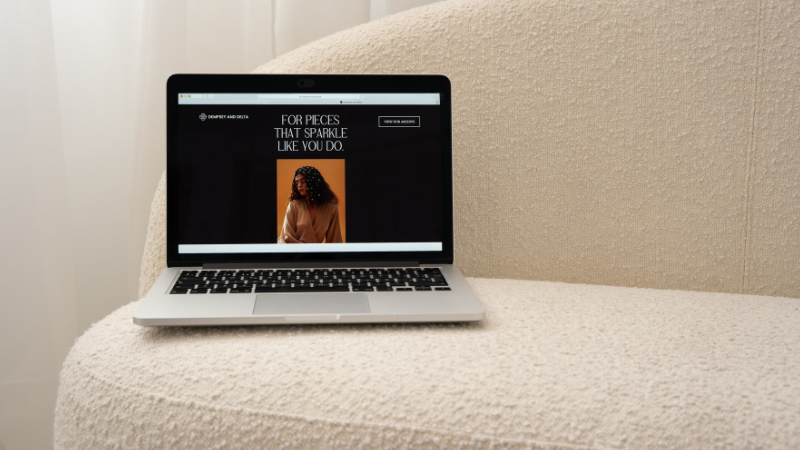
Start with mockups that match the product and audience. A streetwear tee needs natural lifestyle shots, but a mug or wall print usually needs cleaner context. Avoid using only one flat supplier image. It makes the store look unfinished. A better minimum is one front view, one close up that shows print detail, one scale reference, and one lifestyle image with realistic lighting.
Write product copy that answers buying questions, not just design intent. Include fabric or material feel, fit guidance, print placement, care instructions, shipping expectations, and whether colors may vary slightly from screen to print. That kind of detail reduces hesitation because it shows you understand what customers worry about before ordering.
| Trust signal | Why it matters |
|---|---|
| Size and material details | Prevents avoidable questions and returns |
| Shipping and return clarity | Sets expectations before checkout |
| Consistent mockup style | Makes the store feel real rather than pieced together |
This matters most for new stores with no reviews yet. In that stage, your page has to do the trust building on its own. Common mistakes include cramped descriptions, five color options shown in one mockup, and lifestyle photos that hide the actual print size. If your page makes fewer assumptions, you are much closer to how to get your first sale.
The Promotion Tactics That Can Generate Early Traffic Without Wasting Budget
If you want to learn how to get your first sale, start with channels that show intent before you pay for reach. Early traffic should answer one question: are people clicking because the product fits a niche, or because the ad forced attention? That difference matters because print on demand margins are usually too thin to carry weak conversion rates.
For most new stores, the safest order is organic short form content, niche community posting, then small paid retargeting. Organic content works when your design needs context, such as humor, identity, hobby culture, or seasonal use. Community posting works if you can contribute naturally and match the audience. Paid retargeting is useful only after you have product page visits to retarget. Cold ads too early often teach the wrong lesson because they can make a weak product look promising for a day, then fade.
| Channel | Use it when | Main risk |
|---|---|---|
| TikTok, Reels, Shorts | Design needs a story or visual demo | Views without buyer intent |
| Reddit, Facebook groups, niche forums | You know the community language | Spam signals and account bans |
| Meta retargeting | You already have site visitors | Not enough data to optimize |
A practical rule: do not scale anything until one product gets repeated clicks, saves, or add to carts from the same audience type. That is usually the first real sign of how to get your first sale without wasting budget. The common mistake is splitting effort across five products and three channels at once, which hides what is actually working.
Mistakes That Delay First Orders and the Best Next Step to Take This Week
The biggest mistake in print on demand is assuming more products will fix weak demand. If you are still asking how to get your first sale, the issue is usually focus, not effort. New sellers often launch ten to twenty items, target everyone, and end up with a store that looks unfinished. A smaller catalog with one clear audience usually converts faster because the message is easier to understand.
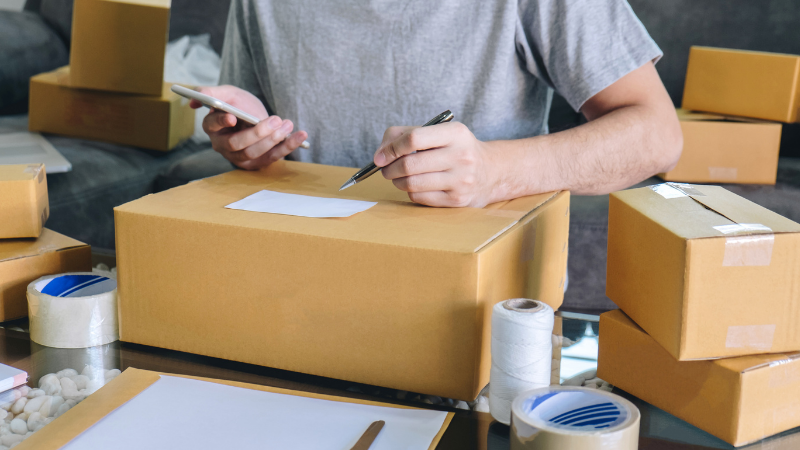
Another delay comes from choosing products before checking buying intent. A funny shirt idea may get likes, but likes do not tell you whether people will pay after shipping and tax. A better filter is this: can you explain who the design is for, what occasion it fits, and why this product type makes sense for that audience? If not, the listing is probably too broad.
| Common mistake | Better decision |
|---|---|
| Launching many unrelated designs | Build one micro niche collection with consistent style |
| Running ads before social proof or product validation | Test interest with content, saves, clicks, and add to carts first |
| Using mockups that hide fit, scale, or print detail | Show clear lifestyle images plus close product views |
The best next step this week is to audit your store and cut it down to one audience, three to five products, and one traffic channel. For most beginners, short form video or niche social content is more useful than paid ads at this stage. If you want to know how to get your first sale, make it easier for one specific buyer to say yes. Thoughtful product research supports steady, long-term brand growth.
FAQs
How long does it usually take to get your first print on demand sale?
For most new stores, the first sale can take a few days to several weeks. It depends on niche demand, product-market fit, traffic quality, pricing, and trust signals. If you are learning how to get your first sale, focus first on one clear audience and a few strong designs.
Do I need paid ads to get my first sale with print on demand?
No. Many beginners get an initial sale through short-form content, niche communities, SEO, Pinterest, or marketplace traffic. Paid ads can speed up testing, but they also raise risk. If your product page and offer are weak, ads usually expose problems instead of fixing them.
How much should I spend before expecting my first sale in 2026?
In 2026, a lean setup often includes a domain, store plan, sample orders, and a small testing budget. Some sellers start under $100, while others spend more on content or ads. Set a fixed test budget first, then measure clicks, add-to-carts, and conversion rate before increasing spend.
Why am I getting traffic but no sales on my POD store?
This usually points to mismatched traffic, weak product pages, unclear shipping details, slow site speed, or designs that do not match buyer intent. Check whether visitors are landing on the right product, seeing clear mockups, and understanding delivery times, returns, and total cost upfront.
Is it better to start on Etsy or Shopify if I want my first sale faster?
Etsy can be faster for a first sale because buyers are already searching there, but competition and fees are higher. Shopify gives you more control over branding and customer data, yet you must generate your own traffic. Choose based on whether you want speed, control, or both.
Read More from Inkedjoy Blog
Written by Aria
As an SEO strategist and Print-on-Demand expert, Aria helps POD brands grow by writing content that ranks and converts. Her strengths include keyword research, engaging blog posts, and persuasive product descriptions. She's always on the lookout for the next POD trend.