

Texture of the Year in 2026: Why Print-on-Demand Sellers Should Care

Texture of the Year in 2026: Why Print-on-Demand Sellers Should Care

Mar 5, 2026 by Bianca POD e-Commerce 101

Key Takeaways

  • Washed linen is named 2026's Texture of the Year, characterized by soft, lived-in aesthetics that align with minimalist, "quiet luxury" consumer preferences.
  • Patina Blue (Etsy's Color of the Year) pairs naturally with washed linen, creating cohesive, trend-aligned designs for print-on-demand products.
  • Consumers now prioritize sensory/texture-driven design (vs flat graphics) – even digital mockups that convey tactile quality boost perceived value and sales.
  • POD sellers can replicate washed linen aesthetics via DTG/all-over printing, muted color palettes, weave overlays, and strategic substrate selection.

Design trends influence consumer perception, purchasing decisions, and ultimately profit margins across e-commerce sectors. In the competitive print-on-demand market, surface aesthetics often determine whether a product captures attention or fades into saturation.

Industry forecasts and buyer behavior analyses point to washed linen as the texture of the year in 2026. Washed linens are associated with softness, authenticity, and refinement that resonate strongly with contemporary minimalist preferences.

This article explores why washed linen is gaining commercial traction and how texture influences purchasing psychology. Additionally, you'll know about practical strategies for designing and marketing print-on-demand products that align with this emerging trend.

What is the Texture of the Year?

Texture of the Year: Washed Linen

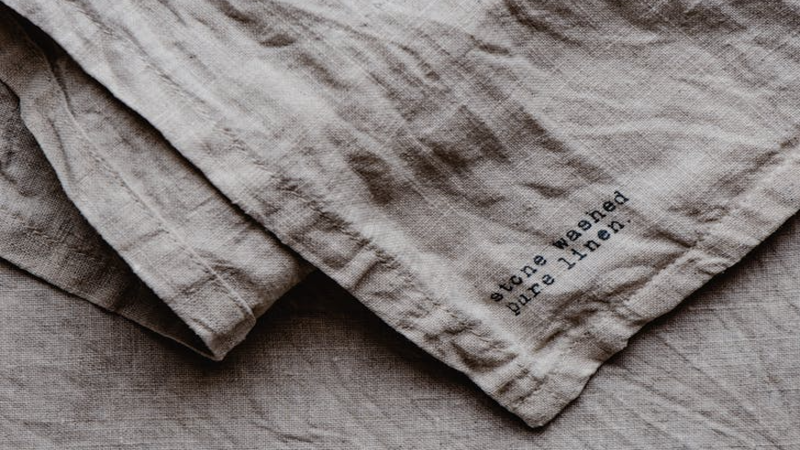
The texture of the year for 2026 is washed linen, a finish defined by its soft, lived-in, and subtly rumpled appearance. Unlike traditional linen, which is often crisp and structured, washed linen conveys relaxed refinement. Its slightly creased surface and muted tones create visual depth without appearing overly styled, making it adaptable across fashion, home decor, and digital product mockups.
texture of the year

What distinguishes washed linen as this year's standout texture is measurable consumer interest. Marketplace trend reports indicate dramatic search growth—surging well beyond typical seasonal fluctuations—reflecting sustained demand rather than short-term curiosity. When you evaluate trend viability, this type of search acceleration signals commercial relevance, particularly for sellers planning long production cycles.

Equally important is its emotional appeal. Washed linen aligns with consumer preferences for comfort, sustainability, and understated elegance, often associated with "quiet luxury." It communicates authenticity and material honesty, values that increasingly influence purchasing decisions in both physical and digitally represented products.

Complementary Trend: Patina Blue (Color of the Year)

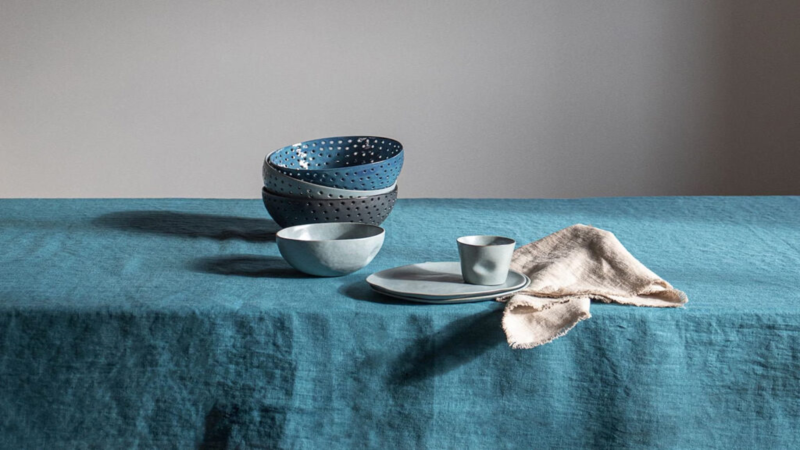
Alongside washed linen, Etsy has highlighted Patina Blue as a defining color trend. This muted, heritage-inspired shade pairs naturally with linen's organic texture.
print on demand

The combination reinforces themes of calm, craftsmanship, and timelessness. When you integrate Patina Blue into linen-inspired designs, you strengthen visual cohesion and increase alignment with broader marketplace aesthetics.

For print-on-demand sellers, pairing texture and color trends creates layered differentiation rather than relying on a single stylistic element.

The Rise of Texture in Consumer Behavior

From Flat Graphics to Sensory Design

Consumer preferences have shifted from flat, minimal graphics toward designs that imply tactile experience. Even in digital environments, texture influences quality. When a product image conveys depth, weave, or fabric realism, buyers subconsciously associate it with durability and craftsmanship.

This shift reflects a broader movement toward sensory-driven branding. As e-commerce replaces in-store browsing, shoppers rely on visual cues to approximate touch. Textures such as linen, boucle, or brushed cotton simulate physical interaction, compensating for the absence of tactile evaluation.

Home decor search behavior illustrates this trend clearly. Queries increasingly emphasize materials—"linen curtains," "textured bedding," or "woven pillow covers"—rather than purely color or size. As a seller, you must recognize that customers are no longer buying only visuals; they are buying perceived sensory experiences.

Search Signals Behind Texture Trends

Marketplace data further validates this behavioral change. Search surges across categories such as linen apparel, textured wall art, and woven home accents demonstrate sustained buyer interest. These patterns indicate that texture-driven keywords are moving from niche to mainstream.

When analyzing trend data, look beyond raw volume and examine consistency across categories. Washed linen appears in apparel, tableware, and decor searches simultaneously, signaling cross-market adoption.

For print-on-demand sellers, this convergence reduces risk. A texture trend supported by diversified search demand is more resilient than a single-category spike, allowing you to invest confidently in design adaptation.

What Washed Linen Means for Print-On-Demand Products

Apparel & Wearables

Washed-linen-inspired apparel resonates strongly in relaxed silhouettes, such as button-down shirts, wide-leg trousers, and minimalist dresses. These garments reflect comfort while maintaining structure, aligning with consumer demand for effortless styling.

Although traditional print-on-demand fabrics may not replicate actual linen fibers, you can visually simulate the aesthetic. Subtle grain overlays, muted earth-tone palettes, and softly distressed patterns evoke the linen look effectively. For example, incorporating faint weave textures into background prints enhances realism without overwhelming the design.

Strategically, you should avoid overly glossy finishes that contradict linen's matte character. Instead, prioritize understated typography and breathable compositions. This alignment between visual texture and garment style strengthens perceived authenticity.

Home & Living Items

The linen aesthetic performs exceptionally well in home categories such as bedding, napkins, pillow covers, and curtains. These products naturally align with the texture's heritage-inspired appeal.

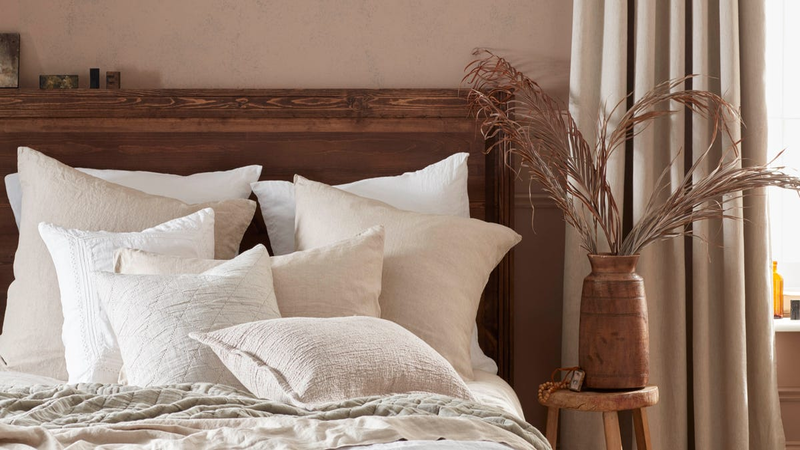
In print-on-demand formats, you can replicate linen's organic feel through neutral color schemes, woven-effect patterns, and subtle shading gradients. For instance, a pillow cover design incorporating Patina Blue with a soft weave overlay communicates craftsmanship while remaining contemporary.
texture of the year

Moreover, product photography plays a critical role. Mockups styled in natural lighting, paired with wooden or ceramic accents, reinforce the texture narrative and elevate perceived quality.

Accessories & Lifestyle Products

Accessories offer additional flexibility for linen-inspired adaptation. Reusable bread bags, cosmetic pouches, tote bags, and textured decals can all incorporate soft, fabric-like visual treatments. These items appeal to sustainability-conscious consumers who associate linen with eco-friendly living.

You should emphasize simplicity in graphic layout. Minimalist logos or delicate botanical illustrations integrate seamlessly with washed-linen textures, preserving elegance. Overly complex graphics may undermine the refined aesthetic.

By translating linen's visual identity into adaptable print treatments, you position your products within a trend that balances comfort, sustainability, and understated sophistication—qualities increasingly prioritized in purchasing decisions.

Designing With Texture

When translating texture into print-on-demand products, selecting the right printing method is essential to preserve visual fidelity. Direct-to-garment (DTG) printing excels for detailed, localized textures, such as washed linen patterns on shirts, dresses, or tote bags. It allows subtle gradients and soft overlays to remain intact, ensuring that the final product conveys the intended depth and material authenticity.

All-over-print techniques are ideal for larger surfaces, such as bedding, curtains, or pillow covers, where the texture pattern must cover the entire area seamlessly. Careful alignment and high-resolution files prevent distortions, preserving the tactile illusion even on expansive prints.

Print-on-demand platforms such as Inkedjoy provide high-resolution DTG and all-over-print capabilities, allowing sellers to replicate washed linen' subtle grain and depth with precision.

print on demand

Equally important is substrate consideration. Coarse, textured fabrics can distort fine graphic details if the print resolution or design density is too high. To avoid design loss, simplify intricate elements and use slightly bolder lines or patterns to maintain clarity. Testing prototypes on sample fabrics before full-scale production allows you to refine designs for optimal texture reproduction.

By thoughtfully combining the right printing method with substrate awareness, you can deliver print-on-demand products that visually communicate the luxurious, lived-in quality of washed linen, appealing directly to trend-conscious consumers.

Marketing Printed Products Using Texture Trends

Content & Social Media Hooks

Leveraging the Texture of the Year in marketing requires visually engaging storytelling. Trend-driven social content, such as reels, styled photoshoots, and palette inspiration posts, can highlight washed linen aesthetics effectively.

Short-form video clips that demonstrate texture in movement, like draping linen shirts or fluttering pillow covers, create sensory appeal that static images alone cannot achieve. Motion allows potential buyers to perceive the softness, flow, and lived-in quality of the fabric, translating visual cues into emotional engagement.

Styled shoots combining complementary elements, such as Patina Blue accents, showcase your products in aspirational yet attainable contexts. By integrating lifestyle imagery, such as coffee-table vignettes, minimalistic bedroom setups, or casual weekend outfits, you convey not just a product but a curated experience. This approach drives higher engagement and encourages conversions by helping audiences imagine the products in their own lives.

Palette inspiration posts can educate your audience on how to mix and match washed-linen-inspired items with other trending colors or textures. For instance, pairing washed linen with soft neutrals, muted earth tones, or subtle metallic accents can create sophisticated compositions that appeal to design-conscious consumers. By providing actionable guidance, you position your brand as a trusted authority while reinforcing trend relevance.

Additionally, user-generated content (UGC) can amplify reach and authenticity. Encouraging customers to share photos of their linen-inspired items, tagging your store, or using dedicated hashtags increases social proof and builds community. You can also feature influencer collaborations or limited-edition product launches that highlight how texture and color trends intersect, giving followers a reason to engage and convert.

Seasonal & Cross-Trend Integrations

Texture trends are even more effective when paired with seasonal or cross-trend design elements. Washed linen combined with autumnal hues, lightweight spring florals, or muted winter shades enhances seasonal relevance and drives timely marketing campaigns. Integrating complementary patterns, such as heritage prints, minimalistic typography, or eco-conscious motifs, adds narrative depth without competing with the texture itself.

Cross-trend integration allows you to create layered campaigns that reach multiple consumer interests simultaneously. For example, a linen-inspired tote bag could be promoted alongside sustainable lifestyle tips, curated capsule wardrobes, or seasonal decor suggestions. Highlighting how your products fit into a broader lifestyle story increases perceived value and encourages higher engagement, repeat purchases, and brand loyalty.

By aligning marketing efforts with both visual and cultural trends, you reinforce your print-on-demand products' relevance, appeal to trend-savvy buyers, and establish your brand as an authority in contemporary design aesthetics. Thoughtful integration of texture, color, and lifestyle cues creates cohesive storytelling that drives both awareness and revenue.

Conclusion

Washed linen, as the Texture of the Year 2026, offers print-on-demand sellers a unique opportunity to capitalize on both aesthetic appeal and consumer desire for tactile realism. By carefully designing, printing, and marketing products that visually emulate this texture, you can create apparel, home decor, and accessories that resonate with trend-conscious buyers.

Integrating complementary colors like Patina Blue, leveraging social media storytelling, and aligning with seasonal or cross-trend strategies enhances engagement and sales potential. Thoughtful application of texture in product design strengthens brand authority, differentiates offerings, and establishes long-term relevance in a competitive marketplace.


FAQ

What is the Texture of the Year for 2026?

The Texture of the Year for 2026 is washed linen, known for its soft, lived-in, and subtly rumpled appearance. It conveys comfort, sustainability, and understated sophistication, making it highly appealing across fashion, home decor, and digital product categories.

How can print-on-demand sellers use the texture of the Year trend?

Print-on-demand sellers can adapt washed linen aesthetics through visual simulation, including subtle weave overlays, muted color palettes, and textured graphic patterns. This approach works across apparel, home goods, and lifestyle products, enhancing perceived quality and aligning with current consumer preferences.

What is Etsy's Color of the Year?

Etsy has highlighted Patina Blue as its Color of the Year. This muted, heritage-inspired shade pairs seamlessly with washed linen, reinforcing calm, timeless aesthetics and creating cohesive product presentations for print-on-demand lines.

B

Written By Bianca

Bianca is a content creator focused on sustainable e-commerce growth. She goes beyond quick hacks, teaching Print on Demand sellers how to build lasting brands through strong SEO foundations and compelling storytelling. She turns searchers into loyal customers through the power of words.

Like the article

0
Texture of the Year in 2026: Why Print-on-Demand Sellers Should Care

Texture of the Year in 2026: Why Print-on-Demand Sellers Should Care

Key Takeaways

  • Washed linen is named 2026's Texture of the Year, characterized by soft, lived-in aesthetics that align with minimalist, "quiet luxury" consumer preferences.
  • Patina Blue (Etsy's Color of the Year) pairs naturally with washed linen, creating cohesive, trend-aligned designs for print-on-demand products.
  • Consumers now prioritize sensory/texture-driven design (vs flat graphics) – even digital mockups that convey tactile quality boost perceived value and sales.
  • POD sellers can replicate washed linen aesthetics via DTG/all-over printing, muted color palettes, weave overlays, and strategic substrate selection.

Design trends influence consumer perception, purchasing decisions, and ultimately profit margins across e-commerce sectors. In the competitive print-on-demand market, surface aesthetics often determine whether a product captures attention or fades into saturation.

Industry forecasts and buyer behavior analyses point to washed linen as the texture of the year in 2026. Washed linens are associated with softness, authenticity, and refinement that resonate strongly with contemporary minimalist preferences.

This article explores why washed linen is gaining commercial traction and how texture influences purchasing psychology. Additionally, you'll know about practical strategies for designing and marketing print-on-demand products that align with this emerging trend.

What is the Texture of the Year?

Texture of the Year: Washed Linen

The texture of the year for 2026 is washed linen, a finish defined by its soft, lived-in, and subtly rumpled appearance. Unlike traditional linen, which is often crisp and structured, washed linen conveys relaxed refinement. Its slightly creased surface and muted tones create visual depth without appearing overly styled, making it adaptable across fashion, home decor, and digital product mockups.

texture of the year

What distinguishes washed linen as this year's standout texture is measurable consumer interest. Marketplace trend reports indicate dramatic search growth—surging well beyond typical seasonal fluctuations—reflecting sustained demand rather than short-term curiosity. When you evaluate trend viability, this type of search acceleration signals commercial relevance, particularly for sellers planning long production cycles.

Equally important is its emotional appeal. Washed linen aligns with consumer preferences for comfort, sustainability, and understated elegance, often associated with "quiet luxury." It communicates authenticity and material honesty, values that increasingly influence purchasing decisions in both physical and digitally represented products.

Complementary Trend: Patina Blue (Color of the Year)

Alongside washed linen, Etsy has highlighted Patina Blue as a defining color trend. This muted, heritage-inspired shade pairs naturally with linen's organic texture.

print on demand

The combination reinforces themes of calm, craftsmanship, and timelessness. When you integrate Patina Blue into linen-inspired designs, you strengthen visual cohesion and increase alignment with broader marketplace aesthetics.

For print-on-demand sellers, pairing texture and color trends creates layered differentiation rather than relying on a single stylistic element.

The Rise of Texture in Consumer Behavior

From Flat Graphics to Sensory Design

Consumer preferences have shifted from flat, minimal graphics toward designs that imply tactile experience. Even in digital environments, texture influences quality. When a product image conveys depth, weave, or fabric realism, buyers subconsciously associate it with durability and craftsmanship.

This shift reflects a broader movement toward sensory-driven branding. As e-commerce replaces in-store browsing, shoppers rely on visual cues to approximate touch. Textures such as linen, boucle, or brushed cotton simulate physical interaction, compensating for the absence of tactile evaluation.

Home decor search behavior illustrates this trend clearly. Queries increasingly emphasize materials—"linen curtains," "textured bedding," or "woven pillow covers"—rather than purely color or size. As a seller, you must recognize that customers are no longer buying only visuals; they are buying perceived sensory experiences.

Search Signals Behind Texture Trends

Marketplace data further validates this behavioral change. Search surges across categories such as linen apparel, textured wall art, and woven home accents demonstrate sustained buyer interest. These patterns indicate that texture-driven keywords are moving from niche to mainstream.

When analyzing trend data, look beyond raw volume and examine consistency across categories. Washed linen appears in apparel, tableware, and decor searches simultaneously, signaling cross-market adoption.

For print-on-demand sellers, this convergence reduces risk. A texture trend supported by diversified search demand is more resilient than a single-category spike, allowing you to invest confidently in design adaptation.

What Washed Linen Means for Print-On-Demand Products

Apparel & Wearables

Washed-linen-inspired apparel resonates strongly in relaxed silhouettes, such as button-down shirts, wide-leg trousers, and minimalist dresses. These garments reflect comfort while maintaining structure, aligning with consumer demand for effortless styling.

Although traditional print-on-demand fabrics may not replicate actual linen fibers, you can visually simulate the aesthetic. Subtle grain overlays, muted earth-tone palettes, and softly distressed patterns evoke the linen look effectively. For example, incorporating faint weave textures into background prints enhances realism without overwhelming the design.

Strategically, you should avoid overly glossy finishes that contradict linen's matte character. Instead, prioritize understated typography and breathable compositions. This alignment between visual texture and garment style strengthens perceived authenticity.

Home & Living Items

The linen aesthetic performs exceptionally well in home categories such as bedding, napkins, pillow covers, and curtains. These products naturally align with the texture's heritage-inspired appeal.

In print-on-demand formats, you can replicate linen's organic feel through neutral color schemes, woven-effect patterns, and subtle shading gradients. For instance, a pillow cover design incorporating Patina Blue with a soft weave overlay communicates craftsmanship while remaining contemporary.

texture of the year

Moreover, product photography plays a critical role. Mockups styled in natural lighting, paired with wooden or ceramic accents, reinforce the texture narrative and elevate perceived quality.

Accessories & Lifestyle Products

Accessories offer additional flexibility for linen-inspired adaptation. Reusable bread bags, cosmetic pouches, tote bags, and textured decals can all incorporate soft, fabric-like visual treatments. These items appeal to sustainability-conscious consumers who associate linen with eco-friendly living.

You should emphasize simplicity in graphic layout. Minimalist logos or delicate botanical illustrations integrate seamlessly with washed-linen textures, preserving elegance. Overly complex graphics may undermine the refined aesthetic.

By translating linen's visual identity into adaptable print treatments, you position your products within a trend that balances comfort, sustainability, and understated sophistication—qualities increasingly prioritized in purchasing decisions.

Designing With Texture

When translating texture into print-on-demand products, selecting the right printing method is essential to preserve visual fidelity. Direct-to-garment (DTG) printing excels for detailed, localized textures, such as washed linen patterns on shirts, dresses, or tote bags. It allows subtle gradients and soft overlays to remain intact, ensuring that the final product conveys the intended depth and material authenticity.

All-over-print techniques are ideal for larger surfaces, such as bedding, curtains, or pillow covers, where the texture pattern must cover the entire area seamlessly. Careful alignment and high-resolution files prevent distortions, preserving the tactile illusion even on expansive prints.

Print-on-demand platforms such as Inkedjoy provide high-resolution DTG and all-over-print capabilities, allowing sellers to replicate washed linen' subtle grain and depth with precision.

print on demand

Equally important is substrate consideration. Coarse, textured fabrics can distort fine graphic details if the print resolution or design density is too high. To avoid design loss, simplify intricate elements and use slightly bolder lines or patterns to maintain clarity. Testing prototypes on sample fabrics before full-scale production allows you to refine designs for optimal texture reproduction.

By thoughtfully combining the right printing method with substrate awareness, you can deliver print-on-demand products that visually communicate the luxurious, lived-in quality of washed linen, appealing directly to trend-conscious consumers.

Marketing Printed Products Using Texture Trends

Content & Social Media Hooks

Leveraging the Texture of the Year in marketing requires visually engaging storytelling. Trend-driven social content, such as reels, styled photoshoots, and palette inspiration posts, can highlight washed linen aesthetics effectively.

Short-form video clips that demonstrate texture in movement, like draping linen shirts or fluttering pillow covers, create sensory appeal that static images alone cannot achieve. Motion allows potential buyers to perceive the softness, flow, and lived-in quality of the fabric, translating visual cues into emotional engagement.

Styled shoots combining complementary elements, such as Patina Blue accents, showcase your products in aspirational yet attainable contexts. By integrating lifestyle imagery, such as coffee-table vignettes, minimalistic bedroom setups, or casual weekend outfits, you convey not just a product but a curated experience. This approach drives higher engagement and encourages conversions by helping audiences imagine the products in their own lives.

Palette inspiration posts can educate your audience on how to mix and match washed-linen-inspired items with other trending colors or textures. For instance, pairing washed linen with soft neutrals, muted earth tones, or subtle metallic accents can create sophisticated compositions that appeal to design-conscious consumers. By providing actionable guidance, you position your brand as a trusted authority while reinforcing trend relevance.

Additionally, user-generated content (UGC) can amplify reach and authenticity. Encouraging customers to share photos of their linen-inspired items, tagging your store, or using dedicated hashtags increases social proof and builds community. You can also feature influencer collaborations or limited-edition product launches that highlight how texture and color trends intersect, giving followers a reason to engage and convert.

Seasonal & Cross-Trend Integrations

Texture trends are even more effective when paired with seasonal or cross-trend design elements. Washed linen combined with autumnal hues, lightweight spring florals, or muted winter shades enhances seasonal relevance and drives timely marketing campaigns. Integrating complementary patterns, such as heritage prints, minimalistic typography, or eco-conscious motifs, adds narrative depth without competing with the texture itself.

Cross-trend integration allows you to create layered campaigns that reach multiple consumer interests simultaneously. For example, a linen-inspired tote bag could be promoted alongside sustainable lifestyle tips, curated capsule wardrobes, or seasonal decor suggestions. Highlighting how your products fit into a broader lifestyle story increases perceived value and encourages higher engagement, repeat purchases, and brand loyalty.

By aligning marketing efforts with both visual and cultural trends, you reinforce your print-on-demand products' relevance, appeal to trend-savvy buyers, and establish your brand as an authority in contemporary design aesthetics. Thoughtful integration of texture, color, and lifestyle cues creates cohesive storytelling that drives both awareness and revenue.

Conclusion

Washed linen, as the Texture of the Year 2026, offers print-on-demand sellers a unique opportunity to capitalize on both aesthetic appeal and consumer desire for tactile realism. By carefully designing, printing, and marketing products that visually emulate this texture, you can create apparel, home decor, and accessories that resonate with trend-conscious buyers.

Integrating complementary colors like Patina Blue, leveraging social media storytelling, and aligning with seasonal or cross-trend strategies enhances engagement and sales potential. Thoughtful application of texture in product design strengthens brand authority, differentiates offerings, and establishes long-term relevance in a competitive marketplace.


FAQ

What is the Texture of the Year for 2026?

The Texture of the Year for 2026 is washed linen, known for its soft, lived-in, and subtly rumpled appearance. It conveys comfort, sustainability, and understated sophistication, making it highly appealing across fashion, home decor, and digital product categories.

How can print-on-demand sellers use the texture of the Year trend?

Print-on-demand sellers can adapt washed linen aesthetics through visual simulation, including subtle weave overlays, muted color palettes, and textured graphic patterns. This approach works across apparel, home goods, and lifestyle products, enhancing perceived quality and aligning with current consumer preferences.

What is Etsy's Color of the Year?

Etsy has highlighted Patina Blue as its Color of the Year. This muted, heritage-inspired shade pairs seamlessly with washed linen, reinforcing calm, timeless aesthetics and creating cohesive product presentations for print-on-demand lines.

B

Written By Bianca

Bianca is a content creator focused on sustainable e-commerce growth. She goes beyond quick hacks, teaching Print on Demand sellers how to build lasting brands through strong SEO foundations and compelling storytelling. She turns searchers into loyal customers through the power of words.

Like the article

0