

FIFA World Cup Marketing Strategy Lessons for Print on Demand Stores
Key Takeaways
- Iconic World Cup campaigns succeed by pairing national pride with simple, universal storytelling that travels across markets.
- A strong FIFA world cup marketing strategy aligns brand messaging with tournament moments, fan emotion, and cultural relevance.
- The most memorable campaigns use star players carefully, making the story bigger than any one athlete.
- Multi-channel execution matters: TV, social, live activations, and digital content work best when they reinforce one core idea.
- Lasting impact comes from campaigns that balance short-term tournament buzz with long-term brand equity and audience trust.
Table of Contents
- Why World Cup Campaigns Still Shape Fan Buying Behavior in 2026
- What Winning Brands Get Right Before They Launch
- How to Judge Whether a Tournament Campaign Fits Your Brand
- Merch, Collabs, UGC, or Limited Drops: Which Play Makes Sense for You
- Mistakes That Make Global Sports Marketing Feel Forced
- How to Turn World Cup Attention Into a Practical 2026 Campaign Plan
Why World Cup Campaigns Still Shape Fan Buying Behavior in 2026
World Cup campaigns still influence buying behavior in 2026 because they compress identity, timing, and social proof into a short window. That matters for any ecommerce brand building a FIFA world cup marketing strategy. Fans do not buy only for utility. They buy to signal team loyalty, join a shared moment, and avoid missing the cultural conversation while it is live.
The practical lesson is simple: event demand is not evenly distributed. Interest spikes before kickoff, during surprise results, and around standout players or national narratives. Brands that treat the tournament like a standard seasonal sale usually misread the moment. They launch too late, rely on generic flag graphics, or overstock products that do not fit how fans actually wear or use them.

An experienced operator looks at three filters before launching.
First, relevance: does the product naturally fit watch parties, travel, training, or daily display.
Second, speed: can creative, fulfillment, and customer support react within days, not weeks.
Third, shelf life: will the item still make sense after the tournament ends. This is why drinkware, casual apparel, and personalized accessories often hold up better than one note novelty items.
You can see how evergreen product categories are structured on Etsy, while operationally focused sellers often compare sourcing flexibility with print on demand partners like Inkedjoy.

| Campaign angle | Lower risk choice |
| Single match hype | Fast turning accessories |
| National pride theme | Products with post event use |
For more campaign pattern examples, review this World Cup campaign roundup. The approach is most suitable for brands that can move quickly on creative and inventory. It is less suitable for sellers dependent on long production cycles or licensed team assets they do not control.
What Winning Brands Get Right Before They Launch
A strong FIFA world cup marketing strategy is usually decided before the first ad goes live. The brands that perform well do three things early: they define a narrow audience, match product depth to demand, and set a timing plan that fits the tournament calendar.
In practice, this means choosing whether you are selling to national team fans, casual event shoppers, or trend driven streetwear buyers. Those groups do not buy for the same reasons. A fan may want country colors and legitimacy. A casual buyer may care more about price, fast delivery, and a simple graphic that feels current for 2026. If you try to serve all three with one product line, the offer usually gets vague.
| Decision area | Stronger launch choice | Common mistake |
|---|---|---|
| Audience | One buyer type with clear intent | Trying to appeal to everyone |
| Product mix | A few easy to explain items | Too many SKUs too early |
| Timing | Launch before group stage interest peaks | Waiting until knockout buzz is obvious |
This is especially important for ecommerce and print on demand sellers. Margin disappears fast if you overbuild inventory, rely on slow creative approvals, or miss the first wave of search demand. A practical FIFA world cup marketing strategy starts with a small collection, fast shipping logic, and artwork that can be adapted if a team, player, or story suddenly takes over the tournament.
Less suitable: heavily customized products with long production lead times. World Cup demand moves too quickly for slow decisions.
How to Judge Whether a Tournament Campaign Fits Your Brand
A smart FIFA world cup marketing strategy starts with fit, not reach. Tournament attention is massive, but borrowed attention does not always turn into profitable demand. The test is simple: does the event amplify what customers already expect from your brand, or does it force you into a temporary identity?

For apparel, accessories, and print on demand stores, three checks matter most. First, visual relevance. If your catalog already uses national colors, sport inspired graphics, or collectible drops, a tournament campaign can feel natural. If your brand is known for minimalist home goods or niche wellness products, football themed creative may look like trend chasing.
Second, buying window. World Cup interest is intense but short. Products with quick production, flexible design changes, and low inventory risk usually fit better than products that require deep forecasting. This is why limited tees, hats, posters, and accessories often work better than complex seasonal lines.
| Good fit | Weak fit |
| Fast product turnaround | Long lead times and bulk inventory |
| Existing sports or culture angle | No clear brand connection |
| Simple licensed safe original art direction | Dependence on protected logos or team marks |
Third, legal and brand risk. Many weak FIFA world cup marketing strategy ideas rely too heavily on official language, logos, or team marks. That creates compliance issues and usually weakens originality anyway. A better approach is to build around match rituals, fan culture, color stories, or host city energy.
This advice is most useful for ecommerce brands with agile creative and short launch cycles. It is less suitable for brands that need months of inventory planning or cannot absorb a campaign that expires as soon as the final whistle blows.
Merch, Collabs, UGC, or Limited Drops: Which Play Makes Sense for You
The right FIFA world cup marketing strategy depends less on trend chasing and more on your margin, speed, audience behavior, and creative control. Most brands do not need to do all four. They need the one they can execute cleanly.
Merch works when your audience already identifies with a niche, team culture, or event moment. It is usually the clearest choice for stores with steady traffic and reliable fulfillment. The mistake is treating merch like a logo placement exercise. World Cup campaigns that travel well usually connect product design to emotion, identity, or timing, not just tournament graphics.
Collabs make sense if you need borrowed trust or access to a specific community. They are useful for newer brands that lack reach, but they come with approval delays, revenue splits, and brand fit risk. If the partner audience would not buy from you outside the campaign, the collaboration is probably superficial.
UGC is the most practical option for lean teams. It lowers production costs and creates social proof, but only if you give people a simple prompt, visual consistency, and a reason to participate. Asking for content without a clear theme is a common failure.
Limited drops fit brands with strong creative direction and disciplined inventory planning. Scarcity can focus attention, but poor forecasting turns a smart campaign into stock issues or dead inventory.
| Play | Use it when | Watch out for |
|---|---|---|
| Merch | You have audience demand and product discipline | Generic designs |
| Collabs | You need reach and credibility | Weak partner fit |
| UGC | You want efficient content and community input | Low quality submissions |
| Limited drops | You can manage timing and inventory tightly | Forecasting errors |
If you are early stage, start with UGC or focused merch. If you already have repeat buyers, a small drop or thoughtful collab is usually the stronger FIFA world cup marketing strategy.
Mistakes That Make Global Sports Marketing Feel Forced
A weak FIFA world cup marketing strategy usually fails for one reason: the brand borrows the spectacle, but not the context. World Cup campaigns work when the product, message, and timing all feel connected to how fans actually watch, wear, share, or celebrate the event.
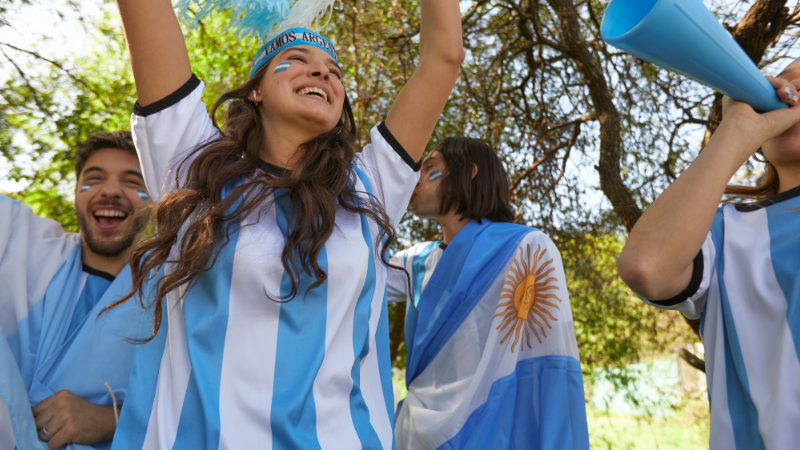
The most common mistake is generic nationalism. Flag colors, loud slogans, and vague references to pride can look relevant on a calendar, yet still feel detached from the audience. In ecommerce, that often shows up as rushed print on demand drops with no design point of view, no team specific relevance, and no reason for someone to choose that item over official gear.
Another problem is copying big brand behavior without big brand rights. If you do not have official licensing, your FIFA world cup marketing strategy has to lean into adjacent value: local watch party apparel, city based humor, fan routine products, or limited designs inspired by match culture rather than protected assets. That is a safer and often more distinctive route for smaller stores and dropshipping brands.
| Forced approach | Stronger approach |
|---|---|
| Generic World Cup graphics | Products tied to fan behavior and occasion |
| Campaign launches too early or too late | Merch timed to qualifiers, roster buzz, and match days |
| Trying to sound global | Speaking clearly to one market segment first |
If you sell online, use one test: would this campaign still make sense without the tournament logo? If yes, you probably built around customer behavior. If no, it may be leaning on borrowed attention instead of real brand fit.
How to Turn World Cup Attention Into a Practical 2026 Campaign Plan
A workable FIFA world cup marketing strategy starts with one decision: are you selling event relevant products, or are you borrowing the moment to grow your brand? Those are different campaigns, with different timelines, margins, and risk.
If you sell apparel, accessories, or print on demand products, keep the product line narrow. In practice, broad World Cup collections usually create inventory clutter and weak creative. A tighter plan often works better: one hero design, one fast follow variation, and one lower price add on. Think national color stories, viewing party items, or sport adjacent graphics rather than designs that depend on protected tournament assets.
| Campaign type | Good fit | Main risk |
| Product led | Stores with fast design and fulfillment | Late delivery or trend timing misses |
| Content led | Brands with audience but limited product depth | Attention without conversion path |
For 2026, plan in three phases. Pre tournament: test themes, landing pages, and email signup hooks. Group stage: publish quickly, restock winners, pause weak creatives. Knockout rounds: shift from broad football language to team, city, and watch party behavior. This is where a FIFA world cup marketing strategy becomes operational instead of theoretical.
The most common mistake is chasing traffic with no filter. If your audience is casual fans, lightweight products and giftable price points are usually a better fit than premium collector ideas. If you run a niche sports brand, deeper storytelling may justify higher prices, but only if shipping speed and design relevance hold up.
FAQs
How can small dropshipping stores apply lessons from FIFA World Cup campaigns without a huge budget?
Focus on timing, storytelling, and audience relevance rather than celebrity-scale production. Build limited collections around match moments, national pride, or fan culture, then support them with email, social content, and simple landing pages that match one clear campaign theme.
What parts of a FIFA world cup marketing strategy actually work for ecommerce in 2026?
The most useful elements are event-based launches, emotionally clear messaging, country or team segmentation, and fast creative testing. For dropshipping, the FIFA world cup marketing strategy works best when paired with quick product turnaround, regional targeting, and real-time campaign adjustments.
Is it risky to sell World Cup-themed products in a dropshipping store?
Yes, it can be risky if designs use protected logos, team marks, player names, or official tournament branding without permission. Safer options include football-inspired graphics, generic fan slogans, and country-color themes that avoid trademark and licensing issues.
How much should a dropshipper budget to test a World Cup-style campaign?
A practical test budget depends on channel and geography, but many stores start with a small paid media budget plus creative costs and landing page updates. Keep spend controlled, test several ad angles, and measure conversion rate before scaling seasonal inventory or traffic.
What metrics should I track when copying ideas from iconic World Cup campaigns?
Track click-through rate, conversion rate, average order value, return on ad spend, and region-level demand. Also watch product page bounce rate and fulfillment timing. Big-brand campaigns build attention, but dropshipping results depend on whether interest turns into profitable orders quickly.
Read More from Inkedjoy Blog
- 10 Must-Know Insights for Marketing to Gen Alpha
- 10 Mother's Day Marketing Ideas to Boost Your Print-on-Demand Sales
- Texture of the Year in 2026: Why Print-on-Demand Sellers Should Care
- 12 Best Holiday Marketing Strategies for Print on Demand Businesses
- 10 Best New Year Marketing Campaign Ideas for Your Business
Written by Bianca
Bianca is a content creator focused on sustainable e-commerce growth. She goes beyond quick hacks, teaching Print on Demand sellers how to build lasting brands through strong SEO foundations and compelling storytelling. She turns searchers into loyal customers through the power of words.