

Apparel Print on Demand: Complete Guide for Fashion Sellers
Key Takeaways
- The global POD market is projected to hit $103B by 2034 (26% CAGR), with apparel accounting for ~37.5% of total POD revenue and t-shirts leading sales.
- Apparel POD eliminates inventory risk, allows low-cost design testing, and leverages consumer demand for customization (81% prefer personalized products).
- Top POD apparel products include t-shirts (50-60% of orders), hoodies, activewear, and eco-friendly garments (80% of consumers pay 10% more for sustainable options).
- POD apparel offers 20% average profit margins (up to 60% for niche/premium items) with low upfront costs and seamless scalability via eCommerce integrations.
Table of Contents
The world of fashion is evolving rapidly, and one of the most transformative innovations is print on demand apparel. For entrepreneurs, designers, and eCommerce sellers, the ability to create customized clothing without holding inventory has opened new doors. Whether you're just starting or looking to scale, understanding the dynamics of apparel print on demand is essential for staying competitive.
The global print-on-demand market is projected to grow at a 26% CAGR, reaching an estimated $103 billion by 2034. This growth is driven by consumer demand for personalized products, low upfront costs for sellers, and seamless integration with major eCommerce platforms. In this guide, we'll cover everything you need to know about starting, growing, and succeeding in the POD apparel business.
What is Apparel Print on Demand?
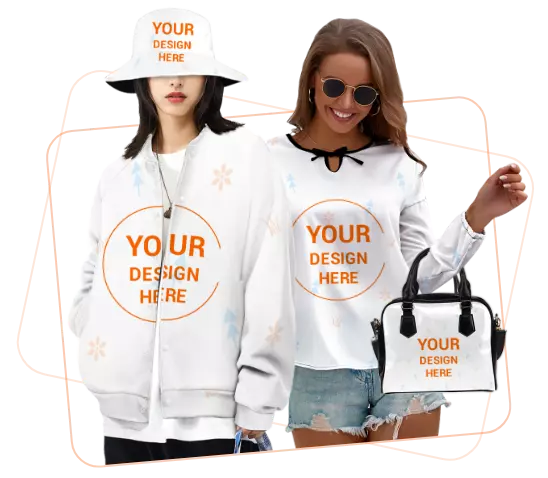
Apparel print on demand is a business model where clothing items are produced only after a customer places an order. This eliminates the need for upfront inventory, reduces waste, and allows sellers to test a variety of designs without financial risk. From t-shirts and hoodies to leggings and eco-friendly garments, POD empowers sellers to meet niche consumer needs with minimal investment.
Digital printing technologies, such as Direct-to-Garment (DTG) printing, make it possible to produce high-quality, full-color designs on a wide range of garments. Other methods like heat transfer and sublimation printing allow for even greater customization options.
How Apparel POD Works (Step-by-Step)
The process of selling print on demand apparel is straightforward:
- Design Creation: Upload your artwork or customize templates provided by POD platforms.
- Product Selection: Choose apparel types (t-shirts, hoodies, activewear) and printing methods.
- Integration & Listing: Connect your online store to a POD service such as Shopify, Etsy, Printful, or Printify.
- Order Fulfillment: When a customer buys a product, the POD provider prints, packages, and ships it on your behalf.
- Delivery: The product reaches your customer without you ever holding inventory.
This model allows sellers to experiment with new designs, target seasonal trends, and scale quickly without significant financial risk.
Apparel POD Market Size & Industry Statistics
Market & Growth Statistics
The print-on-demand market is substantial and expanding:
- According to Semrush, monthly global search volume for print-on-demand is around 132,700.
- There are over 228,000 POD stores globally, with approximately 24% long-term survival rate.
- North America currently leads in market share, while Asia-Pacific is the fastest-growing region.
This data reflects both high consumer interest and increasing competition, highlighting the importance of a strong niche and brand positioning.

Consumer Behavior Stats
Understanding consumer preferences can guide product and marketing strategies:
- 70% of POD consumers prefer customized items.
- Return rates are lower for POD than traditional retail, at roughly 8%, due to personalization and quality assurance.
These statistics underscore the potential for profitable, sustainable POD apparel businesses that cater to individual tastes.
Why Apparel Print on Demand is Booming
Rising Consumer Demand for Customization
Modern shoppers crave uniqueness. Up to 81% of consumers prefer brands that offer personalized products, making customization a key driver for POD apparel growth. Whether it's a limited-edition graphic tee, a hoodie with a personal monogram, or eco-conscious clothing with custom prints, consumers are drawn to products that reflect their individual tastes.
This demand aligns perfectly with the print on demand apparel model, allowing sellers to quickly adapt to trends and offer highly specific designs that resonate with niche audiences.
Economic & Market Growth Trends
The apparel segment represents roughly 37.5% of the total POD revenue, with t-shirts leading sales. Apparel products now account for nearly 40% of POD transactions, reflecting a strong preference for wearable, customizable items. Key growth factors include:
- Reduced financial risk compared to traditional inventory-heavy businesses.
- Easy integration with eCommerce platforms like Shopify, Etsy, and Amazon.
- Rising consumer interest in unique and sustainable fashion.
This combination of factors has made POD apparel a lucrative opportunity for entrepreneurs worldwide.
Benefits for Sellers
Selling apparel print on demand offers several advantages:
- Minimal upfront cost: No inventory means you only pay for production after a sale.
- Design flexibility: Test multiple ideas and styles with limited financial exposure.
- High margins: Average profit margins hover around 20%, while niche or premium products can reach up to 60%.
- Scalability: Easily expand product lines and enter new markets without inventory constraints.
By leveraging these benefits, sellers can maintain low risk while capitalizing on emerging trends and consumer preferences.
Most Popular Apparel Print on Demand Products
T-Shirts and Graphic Tees
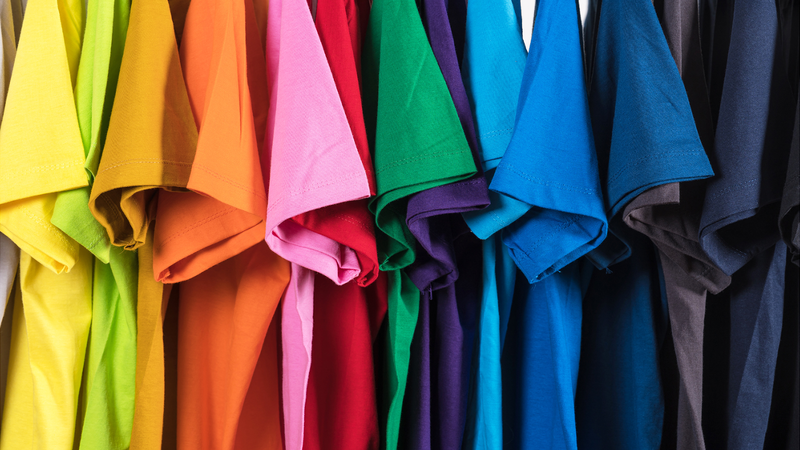
T-shirts are the cornerstone of POD apparel, accounting for 50–60% of all orders. They're affordable, versatile, and appeal to a broad audience. Sellers can experiment with graphics, slogans, or pop-culture designs, making them a reliable first product for new POD stores.
Hoodies, Sweatshirts & Outerwear
Cold-weather apparel, such as hoodies and sweatshirts, is increasingly popular in POD stores. These items allow for higher pricing and provide opportunities for seasonal marketing campaigns. Designs can range from minimalist logos to complex artwork, giving sellers room for creativity.
Activewear & Leggings
Athleisure and fitness apparel are trending segments within POD. Customized leggings, sports bras, and gym tops cater to a health-conscious audience, allowing sellers to tap into both fashion and functional markets. Performance fabrics and bold prints often resonate strongly with this demographic.
Eco-Friendly & Sustainable Apparel
Sustainability has become a major purchase driver. Approximately 80% of consumers are willing to pay 10% more for eco-friendly products. Offering organic cotton t-shirts, recycled material hoodies, or sustainable activewear not only aligns with consumer values but also differentiates your POD store in a crowded market.
How to Start an Apparel Print on Demand Business
Starting an apparel print-on-demand business doesn't require large upfront investment, but it does require a clear process. Below is a step-by-step approach to help you launch efficiently and avoid common early mistakes.
Step 1: Select the Right Apparel Products
Once your niche is defined, choose apparel items that match customer demand and buying behavior. T-shirts are often the easiest starting point due to low costs and high demand, while hoodies, sweatshirts, and activewear allow for higher pricing and seasonal sales. Product selection should balance popularity, print quality, and profit potential.
Step 2: Create Your Designs
Designs are the core of any apparel print-on-demand business. Focus on clean, wearable graphics rather than overly complex artwork. Many sellers test multiple designs quickly to see what resonates before scaling.
Step 3: Set Up Your Store and POD Platform
Create your online store using an eCommerce platform that supports print-on-demand integration. Connect your store to a POD provider like Inkedjoy, which manages printing, fulfillment, and shipping. This setup allows orders to be processed automatically, so you can focus on growing your brand rather than handling logistics.

Step 4: Price Products for Sustainable Profit
Pricing should cover production costs, platform fees, and marketing expenses while still remaining competitive. Many apparel print-on-demand sellers price products between $50–$100, depending on the item type and niche. Sustainable pricing ensures long-term profitability rather than short-term sales.
Step 4: Price Products for Sustainable Profit
After launching your store, track product performance and customer feedback. Identify best-selling designs, improve underperforming listings, and gradually expand your product range. Print-on-demand businesses grow through continuous testing, optimization, and refinement rather than one-time launches.
Conclusion
Print on demand apparel offers a low-risk, scalable way to enter the fashion eCommerce market. With high consumer demand for personalized products, sustainable options, and trendy designs, POD presents opportunities for profit and brand growth. By carefully choosing your niche, selecting the right products, integrating with top platforms, and leveraging consumer trends, you can build a successful POD apparel business.
Whether you're designing your first t-shirt or expanding into eco-friendly hoodies, understanding the POD landscape is key. With the right strategy, tools, and creativity, your apparel print on demand store can capture attention, delight customers, and thrive in a growing market.
FAQ
Is print on demand apparel profitable?
Yes. With a 26% CAGR driving the market toward $103 billion by 2034, print on demand apparel remains highly profitable, especially for niche brands focusing on premium items with higher margins.
How much can I earn selling print on demand apparel?
Most sellers earn around 20% profit per item. Beginners may earn a few hundred dollars monthly, while well-optimized apparel stores can generate several thousand dollars per month.
Which apparel products sell best in print on demand?
T-shirts consistently remain the top-selling POD apparel product due to their affordability and versatility. Hoodies, sweatshirts, and activewear are also strong performers, especially for seasonal or niche-focused stores. Eco-friendly apparel is growing rapidly as consumer interest in sustainability increases.
Read More from Inkedjoy Blog
Written By Suey
Suey is a fashion-focused SEO writer with expertise in print-on-demand. She creates practical, trend-driven content covering custom apparel, design inspiration, and print on demand best practices, helping sellers and brands navigate the competitive eCommerce landscape.