
15 Best White Label Products to Sell in 2026

15 Best White Label Products to Sell in 2026

Nov 28, 2025 by Carry POD Dropshipping Tips

Are you curious how entrepreneurs earn money online without ever creating a product themselves? The answer often lies in white label products.

As we move into 2026, the potential for selling custom-branded products is expanding faster than ever. With user-friendly platforms, global reach, and beginner-friendly tools, anyone can launch a store, add their own branding, and start selling without high upfront costs.

In this guide, we'll break down everything you need to know about white label products: what they are and how to choose profitable options and reliable suppliers that truly connects with buyers. By the end, you'll walk away with a clear, actionable roadmap to launch, grow, and succeed in today's competitive yet highly accessible online marketplace.

What is a White Label Product?

A white label product is created by a manufacturer but sold under your own brand. You get a ready-made item while the production process stays behind the scenes. This model allows you to focus on selling rather than creating something from scratch.

You take charge of the packaging, messaging, and marketing, while the manufacturer ensures consistent product quality. This division of responsibilities makes online selling far easier for beginners and small businesses. It also enables you to launch quickly without needing factories, equipment, or technical expertise.

White label products work extremely well for online stores because they offer low risk and reliable scalability. You choose a product, customize the branding, and start promoting it to your audience. This streamlined approach allows you to build a recognizable brand without the heavy workload of product development.

White Label vs. Private Label

Understanding the difference between white label and private label models helps you choose the right path for your business. Each option offers unique advantages depending on your goals, budget, and branding strategy. While both allow you to sell products under your own name, they operate in very different ways.

White label products follow a standardized model in which the manufacturer produces the same item for many sellers. You simply add your branding and launch the product with minimal adjustments. This makes the process fast, simple, and cost-effective, especially for new entrepreneurs.

Private label products, on the other hand, require deeper involvement because you can influence the formulation, packaging, or design to match your vision. This added control allows you to create a more personalized product line that stands out in a crowded marketplace.

Key Differences

Key Differences White Label Private Label
Product Control & Customization White label may limit customization to branding and packaging. Private label gives you more control over formulation, packaging, and design.
Competition White label products can be sold by many brands, leading to more competition. Private label is better for brand differentiation and exclusive identity.
Cost Lower upfront costs, faster launch. More investment (design, MOQ), but potential for higher margins.

1. Product Control & Customization

White label products offer minimal customization because they are designed for mass rebranding. Private label products, however, allow extensive customization and can include exclusive formulas created for a single brand.

With white label items, adjustments are usually limited to packaging or surface-level branding. Private label products give you full control over ingredients, appearance, and overall design.

2. Competition

White label products typically face higher competition since many sellers offer similar items. Private label products, on the other hand, provide stronger differentiation and help you establish a more distinct brand identity.

3. Cost

White label products require lower startup costs and allow you to enter the market more quickly. Private label options involve a higher upfront investment but often deliver better long-term margins.

Advantages & Challenges of White Label

Getting into white label selling opens up exciting opportunities for anyone building an online business. This model simplifies product creation and removes the need for costly manufacturing. As a result, new brands can grow without overwhelming workloads or advanced technical skills.

However, every business model comes with its own responsibilities. White label selling may appear simple at first, but it still requires smart planning, thoughtful market research, and consistent brand positioning. Understanding both the benefits and the limitations helps you launch with confidence and avoid common early-stage mistakes.

Advantages

Speed to Market

White label selling enables fast market entry because the production work is already completed. You only need to manage branding, marketing, and customer communication to start gaining traction. This speed gives you an advantage over competitors who are developing products from scratch.

Low Entry Cost

This model keeps startup costs low by eliminating the need for manufacturing. You avoid expenses related to machinery and ingredient sourcing, which reduces financial pressure. Lower investment also gives you more flexibility to test different products or niches.

Scalability

Scalability is another major advantage of white label products. As demand increases, manufacturers can typically ramp up production without delays or disruptions. This support allows your brand to grow quickly while keeping operations simple.

Flexibility in Branding

White label selling also provides strong flexibility in branding. You can experiment with different visual identities, packaging designs, and marketing angles. This adaptability helps you build a brand message that aligns perfectly with your audience.

white label products

Challenges

Quality control

Quality control can be challenging when production is handled by an external manufacturer. You must rely on them to maintain consistent standards with every batch. Choosing reliable partners helps prevent complaints and protects your brand reputation.

Limited Customization

Limited customization may also reduce the distinctiveness of your product line. While you can adjust packaging and labeling, the core product usually remains unchanged. Because of this, creating a unique identity requires stronger marketing and storytelling.

Brand Loyalty

Brand loyalty may grow more slowly when multiple sellers offer similar products. To stand out, you need consistent customer service, better user experiences, and effective branding strategies. Over time, strong loyalty develops when customers trust your brand and enjoy reliable results.

Top Markets for White Label Products

White label selling works especially well in industries with strong and consistent demand. These markets allow entrepreneurs to launch quickly by offering familiar products with broad buyer appeal. Choosing the right niche helps you stand out and build momentum early.

Popular categories continue to grow each year, particularly in sectors with recurring purchases. These markets generate stable revenue because customers return regularly. This consistency can turn small stores into sustainable online brands.

1. Beauty and Cosmetics

The beauty industry remains massive, as customers are constantly seeking skincare and grooming solutions. In the U.S., this market is projected to grow at a CAGR of 6.1% from 2024 to 2030. White label formulas provide reliable quality while reducing development costs.

what is a white label product

2. Food and Beverage

The food and beverage sector, including snacks, pantry staples, and specialty drinks, has a loyal customer base and continues to expand. This market is expected to reach $9,225.37 billion in 2027 at a CAGR of 6.3%. White label products allow new brands to enter quickly without the need for manufacturing facilities.

3. Health and Wellness

The health and wellness market, encompassing supplements, personal care items, and fitness essentials, is experiencing rapid growth. This sector was estimated at over $6.8 trillion in 2024 and is projected to approach $9 trillion by 2028. White label manufacturers make it possible to scale quickly while maintaining consistent product quality.

White Label Examples

Several well-known brands rely on white label models to build strong product lines. These examples highlight the diversity of the industry and the wide range of opportunities available to online sellers. These brands demonstrate that rebranding ready-made products can still create a powerful and distinctive market presence.

1. InnovaGoods

InnovaGoods, operated under BigBuy, offers an extensive catalog of practical gadgets. Its product range includes consumer electronics, kitchen tools, and home items produced by BigBuy or trusted third-party manufacturers.

This setup allows the brand to provide fast-moving products while ensuring consistent manufacturing quality. Many online stores rely on InnovaGoods to stock their catalogs with reliable white label options.

white label product

2. White Label SaaS

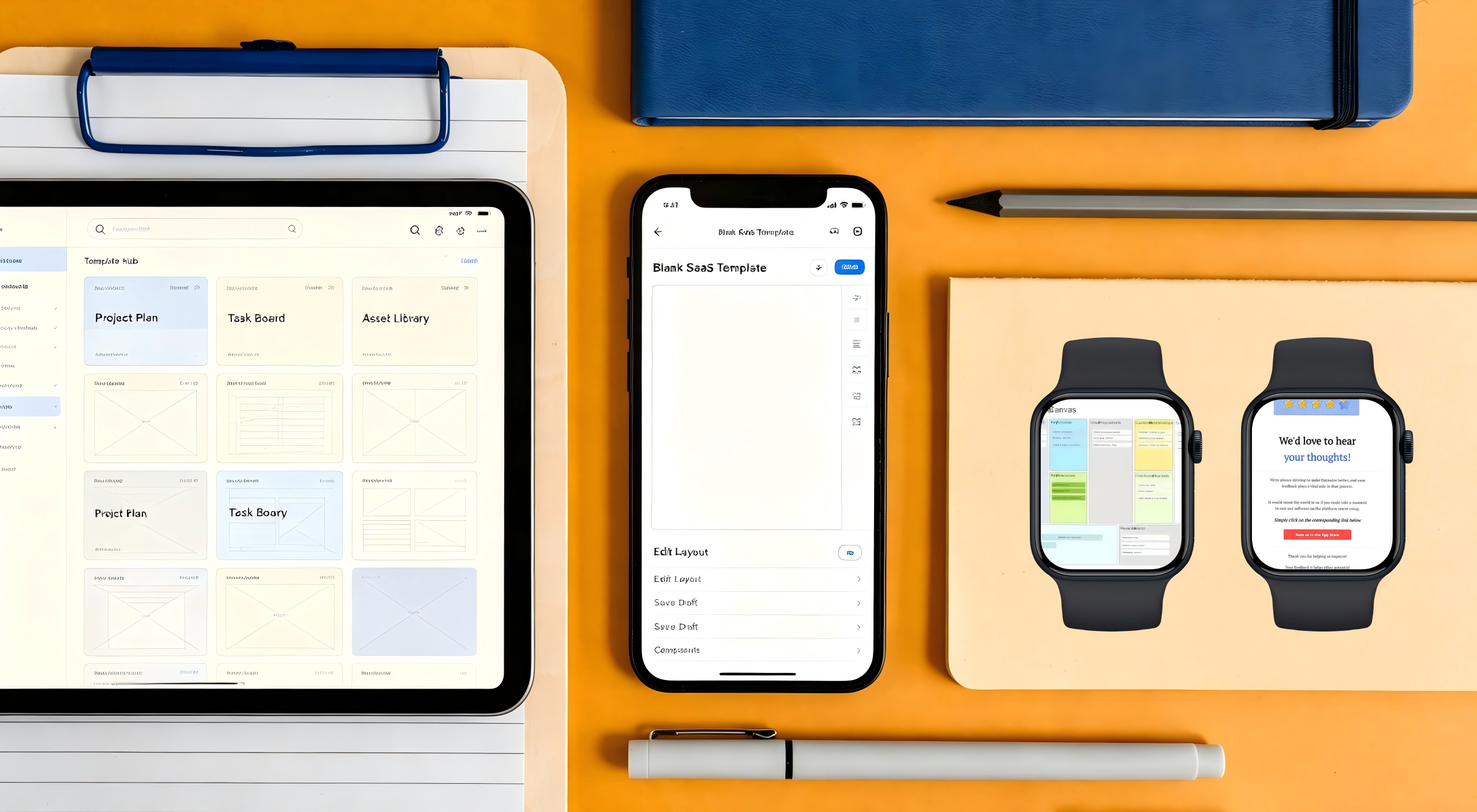
Many tech companies offer software that agencies can easily rebrand. Platforms such as GoHighLevel provide CRM tools, automation features, and marketing dashboards under custom branding.

This model enables digital agencies to scale their services without coding, engineering, or large development teams. Businesses simply rebrand the platform and deliver a complete solution to clients.

white label products

3. No Name (Loblaw)

The "No Name" line by Loblaw is one of the most recognizable white label brands. It focuses on everyday essentials offered at affordable prices with simple, minimal packaging.

Customers value the straightforward branding and strong cost-performance ratio, which keeps the brand competitive while maintaining excellent market visibility.

what is a white label product

15 Best White Label Products to Sell

1. Reusable Water Bottles

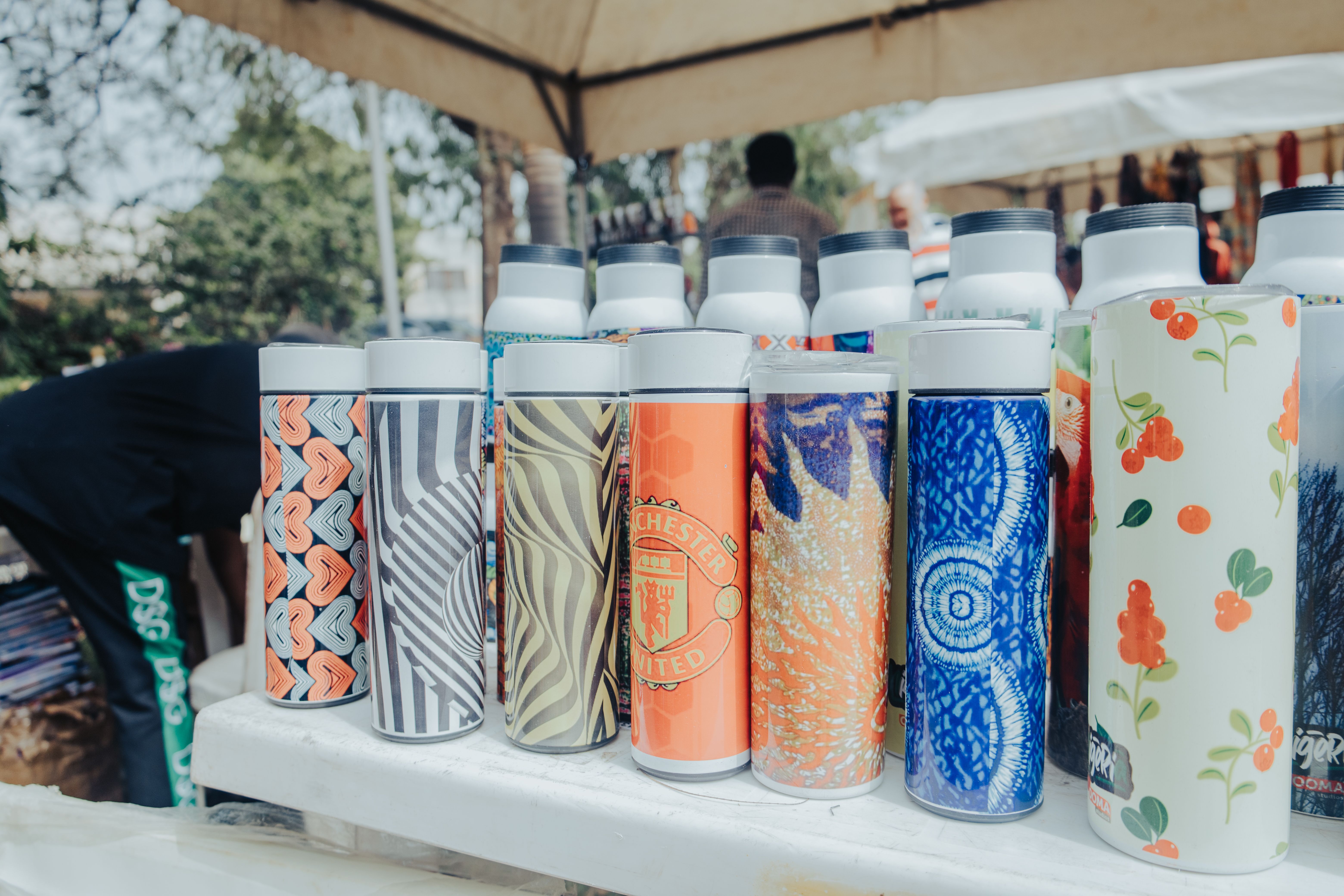
Reusable water bottles remain a top choice as consumers increasingly adopt eco-friendly daily habits. These products appeal to anyone seeking durable and convenient hydration solutions, and their sustainable nature often generates consistent demand year-round.

Strong brand visibility becomes another major advantage with reusable bottles. Logos, patterns, or slogans can be printed easily on each design. Branded bottles also travel everywhere, offering free marketing with every use.

Reusable bottles also meet a wide range of lifestyle needs, including travel, work, and fitness. They are equally suitable for students, commuters, athletes, and busy professionals. This versatility makes them reliable and appealing products for white label sellers.

2. Skincare & Cosmetics

Skincare continues growing because consumers prioritize self-care and daily beauty routines. White label formulas simplify production while offering high-quality ingredients. Partnering with reliable suppliers allows you to enter this large market with minimal stress.

Brand personalization becomes simple with skincare products, thanks to the wide variety of packaging styles. You can choose clean labels, premium designs, or minimalist aesthetics. Personalized labels help your line stand out in crowded marketplaces.

High margins make skincare especially attractive to online sellers. Premium creams, serums, and oils often deliver strong profit margins. Many customers reorder regularly, creating consistent revenue.

white label product

3. Phone Accessories

Phone accessories remain popular because new models launch every year. Items like cases, chargers, and grips enjoy ongoing demand. These fast-moving products help stores scale quickly.

Low production cost allows you to test multiple accessories easily. You can experiment with different colors, materials, and patterns. Affordable manufacturing makes this category beginner-friendly.

Phone accessories work as blank canvases for creative branding. Your designs, themes, or artwork can personalize each item. This flexibility supports strong visual identity building.

4. Fitness Apparel & Accessories

Fitness products thrive because wellness continues trending worldwide. Shoppers search for gym wear, resistance bands, and yoga accessories. These items appeal to active customers wanting durable, stylish gear.

White label apparel allows customization of fabrics, colors, and fits. You can add logos, brand tags, or motivational designs. These small touches create powerful brand synergy.

Fitness accessories complement apparel and encourage larger cart sizes. Items like jump ropes, ankle straps, or bottle carriers pair well with clothing lines. Bundling increases revenue and boosts buyer satisfaction.

5. Pet Accessories

Pet products continue booming because owners love spoiling their animals. Collars, beds, and toys consistently attract passionate buyers. This emotional market often delivers strong engagement.

Repeat purchases create predictable income in pet niches. Owners regularly replace toys, treats, or grooming tools. These habits benefit white label sellers looking for long-term customers.

Cross-selling works beautifully in the pet space. A new buyer of leashes often needs harnesses or waste bags. Curated bundles improve revenue and brand loyalty.

6. Mugs & Drinkware

Mugs perform exceptionally well because designs transform simple items into memorable gifts. Quotes, patterns, or bold graphics easily enhance each piece. Every mug becomes a branding opportunity.

Drinkware remains heavily used throughout the day. Coffee lovers, tea drinkers, and office workers appreciate well-designed mugs. These habits make reliable sales year-round.

Gift potential increases demand for drinkware during holidays and special events. Personalized mugs make thoughtful birthday, anniversary, or workplace gifts. This versatility helps your store reach wider audiences.

7. Coffee beans

Eco-friendly products appeal to shoppers who choose sustainable living. Reusable straws, bamboo items, and refillable household tools attract eco-conscious audiences. These goods support better environmental habits.

Preference for green products keeps rising as consumers shift away from plastic. Sellers offering sustainable alternatives earn trust faster. Higher trust encourages more purchases.

Eco packaging options strengthen your brand message even further. Recycled boxes, biodegradable fillers, and clean labels elevate brand story appeal. Sustainability strengthens marketing and boosts long-term loyalty.

8. LED Lighting

LED lighting attracts shoppers interested in decor and lifestyle upgrades. Ambient lights, desk lamps, and color-changing strips dominate the market. These products help customers personalize living spaces.

Manufacturers provide multiple design variants suitable for white label branding. Sellers can choose between sleek, modern, or playful designs. Each version fits different customer preferences.

You can position lighting products around mood decor, smart home themes, or party vibes. Targeted messaging helps capture specific audiences easily. Strong visuals also boost marketing effectiveness.

white label products

9. Tote Bags / Reusable Bags

Reusable tote bags satisfy both a buyer's sustainability and practical needs. Shoppers love durable bags for groceries, travel, or daily carrying. Their eco-friendly nature boosts long-term appeal.

Custom branding transforms tote bags into moving advertisements. Bold prints, minimal designs, or catchy phrases build strong recognition. These bags reach many eyes without extra marketing costs.

Lightweight construction reduces shipping costs significantly. Affordable fulfillment makes tote bags perfect for online stores. They also stack efficiently for storage and packaging.

10. Massage Guns or Recovery Devices

Massage guns attract wellness-focused buyers looking for effective recovery tools. Athletes and office workers appreciate convenient at-home therapy. This category's broad appeal encourages recurring sales.

High-end technology features elevate each product's value. Adjustable speeds, ergonomic handles, and quiet motors impress buyers. These features justify premium pricing.

Accessory ecosystems expand revenue through add-ons like massage heads or cases. Bundles improve convenience and encourage larger purchases. Each accessory enhances the overall product experience.

11. Wall Art / Prints

White label wall art works beautifully with print-on-demand partners. Posters, canvas prints, and wood panels can be branded easily. Sellers customize styles to fit any niche.

High-quality printing ensures vibrant colors and crisp details. These qualities matter greatly to home decor shoppers. Reliable quality leads to repeat purchases.

Wall art supports creative brand expression. You can build collections based on themes, moods, or lifestyles. Eco-friendly printing options also attract sustainability-minded buyers.

12. Beach Towels / Outdoor Textiles

Beach towels sell well during warm seasons or travel periods. Outdoor textiles appeal to vacationers and outdoor lovers. These items offer bright, eye-catching design space.

Large surface areas allow bold graphics, patterns, or branded artwork. Visual impact helps towels stand out in competitive marketplaces. Strong designs boost brand personality.

Functional material options include microfiber, terrycloth, and quick-dry fabrics. These choices help tailor your line for specific audiences. Bundling with beach bags or accessories increases perceived value.

13. Apparel / Fashion Accessories

Apparel remains a powerhouse category thanks to print-on-demand convenience. T-shirts, hoodies, and caps offer endless design possibilities. Each item supports creative branding.

Variety helps sellers cater to multiple demographics and style preferences. Color ranges, fits, and patterns allow meaningful personalization. This freedom builds a stronger brand identity.

Creators, influencers, and lifestyle brands love fashion items because they amplify visual expression. Merchandise lines deepen brand engagement and expand audiences. Fashion accessories also encourage repeat purchases.

what is a white label product

14. Supplements / Wellness Products

Supplements enjoy growing demand due to rising health awareness. Vitamins, protein powders, and herbal blends attract wellness-focused consumers. These items support long-term routines.

Subscription-friendly formats make monthly refills easy. This creates predictable recurring revenue for your store. Subscriptions also strengthen retention.

White label supplements allow formulation flexibility when working with GMP-certified manufacturers. You can choose flavors, strengths, and packaging styles. Strong quality assurance builds trust quickly.

15. Software / SaaS

Software solutions work well because they require zero physical inventory. Digital tools simplify management and scale effortlessly. These advantages benefit both new and experienced sellers.

White label SaaS platforms allow full rebranding of CRM systems or marketing tools. You can offer clients a complete software package under your own identity. This elevates perceived expertise.

Subscription-based billing creates a steady monthly income. Customers appreciate constant updates and future improvements. Moreover, SaaS products also adapt easily to changing market needs.

How to Choose the Right White Label Suppliers

Choosing the right supplier determines how smoothly your white label business grows. A dependable partner helps you avoid delays, product issues, and customer complaints. Careful evaluation early on saves time and protects your brand reputation.

Check the Supplier's Reputation

Start by checking the supplier's reputation across multiple platforms and review sites. Vendor transparency shows how seriously they approach long-term partnerships. Clear communication also reveals whether they can support steady business growth.

Verify Product Quality

Always verify product quality before listing any items in your store. Request samples to assess durability, scent, texture, or performance depending on the product type. Testing ensures that every item meets your standards and delivers a positive customer experience.

Inventory and Logistics

Next, examine the supplier's inventory and logistics to avoid stockouts or long shipping times. Reliable suppliers maintain stable inventory levels and offer predictable shipping schedules. Efficient logistics processes make your operations easier and keep buyers satisfied.

Assess Support Service

Finally, evaluate the supplier's support service, as responsive communication is key to a successful partnership. Good support teams help resolve issues quickly and provide guidance. Strong service boosts confidence and maintains smooth daily operations.

Conclusion

White label products offer an accessible path for building a profitable online brand. This model reduces production stress and allows sellers to focus fully on marketing. With the right strategy, even a small store can establish a competitive presence in any niche.

Success starts with careful supplier selection, smart product research, and consistent customer service. These steps help your business stand out, even in crowded marketplaces. By prioritizing quality and branding, growth becomes more achievable and predictable.

Ready to take your print-on-demand business to the next level with a partner who truly understands brand growth?

Inkedjoy equips you with the tools, printing quality, and customization options needed to build a polished product line without handling production yourself. You'll enjoy vivid prints, reliable fulfillment, and branding features that make every package feel uniquely yours.

Plus, Inkedjoy's commitment to eco-friendly materials allows your store to appeal to modern shoppers who value sustainability as much as creativity. Partner with a provider that supports your brand identity from design to doorstep, and turn every sale into a memorable customer experience with Inkedjoy.

FAQ

Why is it called white label?

White label products come unbranded for easy rebranding. Sellers add logos, packaging, and messaging to match their own identity.

Is white labeling legal?

White labeling is legal when manufacturers authorize reselling under another brand name. Most suppliers operate with clear agreements that outline all rights and limitations.

How do I start selling white label products?

Start by choosing a niche, finding a reliable supplier, and testing samples. After that, brand the product, set up your store, and begin selling.

What are the benefits of white label products?

White label products reduce startup costs and help businesses launch quickly with minimal risk. They also provide branding freedom and strong scalability for long-term growth.

Read more

Written by Carry

Carry is a content creator at Inkedjoy, specializing in SEO strategies and print on demand business insights. She writes practical guides to help business owners grow their online stores and build successful POD brands.

Like the article

0
15 Best White Label Products to Sell in 2026

15 Best White Label Products to Sell in 2026

Are you curious how entrepreneurs earn money online without ever creating a product themselves? The answer often lies in white label products.

As we move into 2026, the potential for selling custom-branded products is expanding faster than ever. With user-friendly platforms, global reach, and beginner-friendly tools, anyone can launch a store, add their own branding, and start selling without high upfront costs.

In this guide, we'll break down everything you need to know about white label products: what they are and how to choose profitable options and reliable suppliers that truly connects with buyers. By the end, you'll walk away with a clear, actionable roadmap to launch, grow, and succeed in today's competitive yet highly accessible online marketplace.

What is a White Label Product?

A white label product is created by a manufacturer but sold under your own brand. You get a ready-made item while the production process stays behind the scenes. This model allows you to focus on selling rather than creating something from scratch.

You take charge of the packaging, messaging, and marketing, while the manufacturer ensures consistent product quality. This division of responsibilities makes online selling far easier for beginners and small businesses. It also enables you to launch quickly without needing factories, equipment, or technical expertise.

White label products work extremely well for online stores because they offer low risk and reliable scalability. You choose a product, customize the branding, and start promoting it to your audience. This streamlined approach allows you to build a recognizable brand without the heavy workload of product development.

White Label vs. Private Label

Understanding the difference between white label and private label models helps you choose the right path for your business. Each option offers unique advantages depending on your goals, budget, and branding strategy. While both allow you to sell products under your own name, they operate in very different ways.

White label products follow a standardized model in which the manufacturer produces the same item for many sellers. You simply add your branding and launch the product with minimal adjustments. This makes the process fast, simple, and cost-effective, especially for new entrepreneurs.

Private label products, on the other hand, require deeper involvement because you can influence the formulation, packaging, or design to match your vision. This added control allows you to create a more personalized product line that stands out in a crowded marketplace.

Key Differences

Key Differences White Label Private Label
Product Control & Customization White label may limit customization to branding and packaging. Private label gives you more control over formulation, packaging, and design.
Competition White label products can be sold by many brands, leading to more competition. Private label is better for brand differentiation and exclusive identity.
Cost Lower upfront costs, faster launch. More investment (design, MOQ), but potential for higher margins.

1. Product Control & Customization

White label products offer minimal customization because they are designed for mass rebranding. Private label products, however, allow extensive customization and can include exclusive formulas created for a single brand.

With white label items, adjustments are usually limited to packaging or surface-level branding. Private label products give you full control over ingredients, appearance, and overall design.

2. Competition

White label products typically face higher competition since many sellers offer similar items. Private label products, on the other hand, provide stronger differentiation and help you establish a more distinct brand identity.

3. Cost

White label products require lower startup costs and allow you to enter the market more quickly. Private label options involve a higher upfront investment but often deliver better long-term margins.

Advantages & Challenges of White Label

Getting into white label selling opens up exciting opportunities for anyone building an online business. This model simplifies product creation and removes the need for costly manufacturing. As a result, new brands can grow without overwhelming workloads or advanced technical skills.

However, every business model comes with its own responsibilities. White label selling may appear simple at first, but it still requires smart planning, thoughtful market research, and consistent brand positioning. Understanding both the benefits and the limitations helps you launch with confidence and avoid common early-stage mistakes.

Advantages

Speed to Market

White label selling enables fast market entry because the production work is already completed. You only need to manage branding, marketing, and customer communication to start gaining traction. This speed gives you an advantage over competitors who are developing products from scratch.

Low Entry Cost

This model keeps startup costs low by eliminating the need for manufacturing. You avoid expenses related to machinery and ingredient sourcing, which reduces financial pressure. Lower investment also gives you more flexibility to test different products or niches.

Scalability

Scalability is another major advantage of white label products. As demand increases, manufacturers can typically ramp up production without delays or disruptions. This support allows your brand to grow quickly while keeping operations simple.

Flexibility in Branding

White label selling also provides strong flexibility in branding. You can experiment with different visual identities, packaging designs, and marketing angles. This adaptability helps you build a brand message that aligns perfectly with your audience.

white label products

Challenges

Quality control

Quality control can be challenging when production is handled by an external manufacturer. You must rely on them to maintain consistent standards with every batch. Choosing reliable partners helps prevent complaints and protects your brand reputation.

Limited Customization

Limited customization may also reduce the distinctiveness of your product line. While you can adjust packaging and labeling, the core product usually remains unchanged. Because of this, creating a unique identity requires stronger marketing and storytelling.

Brand Loyalty

Brand loyalty may grow more slowly when multiple sellers offer similar products. To stand out, you need consistent customer service, better user experiences, and effective branding strategies. Over time, strong loyalty develops when customers trust your brand and enjoy reliable results.

Top Markets for White Label Products

White label selling works especially well in industries with strong and consistent demand. These markets allow entrepreneurs to launch quickly by offering familiar products with broad buyer appeal. Choosing the right niche helps you stand out and build momentum early.

Popular categories continue to grow each year, particularly in sectors with recurring purchases. These markets generate stable revenue because customers return regularly. This consistency can turn small stores into sustainable online brands.

1. Beauty and Cosmetics

The beauty industry remains massive, as customers are constantly seeking skincare and grooming solutions. In the U.S., this market is projected to grow at a CAGR of 6.1% from 2024 to 2030. White label formulas provide reliable quality while reducing development costs.

what is a white label product

2. Food and Beverage

The food and beverage sector, including snacks, pantry staples, and specialty drinks, has a loyal customer base and continues to expand. This market is expected to reach $9,225.37 billion in 2027 at a CAGR of 6.3%. White label products allow new brands to enter quickly without the need for manufacturing facilities.

3. Health and Wellness

The health and wellness market, encompassing supplements, personal care items, and fitness essentials, is experiencing rapid growth. This sector was estimated at over $6.8 trillion in 2024 and is projected to approach $9 trillion by 2028. White label manufacturers make it possible to scale quickly while maintaining consistent product quality.

White Label Examples

Several well-known brands rely on white label models to build strong product lines. These examples highlight the diversity of the industry and the wide range of opportunities available to online sellers. These brands demonstrate that rebranding ready-made products can still create a powerful and distinctive market presence.

1. InnovaGoods

InnovaGoods, operated under BigBuy, offers an extensive catalog of practical gadgets. Its product range includes consumer electronics, kitchen tools, and home items produced by BigBuy or trusted third-party manufacturers.

This setup allows the brand to provide fast-moving products while ensuring consistent manufacturing quality. Many online stores rely on InnovaGoods to stock their catalogs with reliable white label options.

white label product

2. White Label SaaS

Many tech companies offer software that agencies can easily rebrand. Platforms such as GoHighLevel provide CRM tools, automation features, and marketing dashboards under custom branding.

This model enables digital agencies to scale their services without coding, engineering, or large development teams. Businesses simply rebrand the platform and deliver a complete solution to clients.

white label products

3. No Name (Loblaw)

The "No Name" line by Loblaw is one of the most recognizable white label brands. It focuses on everyday essentials offered at affordable prices with simple, minimal packaging.

Customers value the straightforward branding and strong cost-performance ratio, which keeps the brand competitive while maintaining excellent market visibility.

what is a white label product

15 Best White Label Products to Sell

1. Reusable Water Bottles

Reusable water bottles remain a top choice as consumers increasingly adopt eco-friendly daily habits. These products appeal to anyone seeking durable and convenient hydration solutions, and their sustainable nature often generates consistent demand year-round.

Strong brand visibility becomes another major advantage with reusable bottles. Logos, patterns, or slogans can be printed easily on each design. Branded bottles also travel everywhere, offering free marketing with every use.

Reusable bottles also meet a wide range of lifestyle needs, including travel, work, and fitness. They are equally suitable for students, commuters, athletes, and busy professionals. This versatility makes them reliable and appealing products for white label sellers.

2. Skincare & Cosmetics

Skincare continues growing because consumers prioritize self-care and daily beauty routines. White label formulas simplify production while offering high-quality ingredients. Partnering with reliable suppliers allows you to enter this large market with minimal stress.

Brand personalization becomes simple with skincare products, thanks to the wide variety of packaging styles. You can choose clean labels, premium designs, or minimalist aesthetics. Personalized labels help your line stand out in crowded marketplaces.

High margins make skincare especially attractive to online sellers. Premium creams, serums, and oils often deliver strong profit margins. Many customers reorder regularly, creating consistent revenue.

white label product

3. Phone Accessories

Phone accessories remain popular because new models launch every year. Items like cases, chargers, and grips enjoy ongoing demand. These fast-moving products help stores scale quickly.

Low production cost allows you to test multiple accessories easily. You can experiment with different colors, materials, and patterns. Affordable manufacturing makes this category beginner-friendly.

Phone accessories work as blank canvases for creative branding. Your designs, themes, or artwork can personalize each item. This flexibility supports strong visual identity building.

4. Fitness Apparel & Accessories

Fitness products thrive because wellness continues trending worldwide. Shoppers search for gym wear, resistance bands, and yoga accessories. These items appeal to active customers wanting durable, stylish gear.

White label apparel allows customization of fabrics, colors, and fits. You can add logos, brand tags, or motivational designs. These small touches create powerful brand synergy.

Fitness accessories complement apparel and encourage larger cart sizes. Items like jump ropes, ankle straps, or bottle carriers pair well with clothing lines. Bundling increases revenue and boosts buyer satisfaction.

5. Pet Accessories

Pet products continue booming because owners love spoiling their animals. Collars, beds, and toys consistently attract passionate buyers. This emotional market often delivers strong engagement.

Repeat purchases create predictable income in pet niches. Owners regularly replace toys, treats, or grooming tools. These habits benefit white label sellers looking for long-term customers.

Cross-selling works beautifully in the pet space. A new buyer of leashes often needs harnesses or waste bags. Curated bundles improve revenue and brand loyalty.

6. Mugs & Drinkware

Mugs perform exceptionally well because designs transform simple items into memorable gifts. Quotes, patterns, or bold graphics easily enhance each piece. Every mug becomes a branding opportunity.

Drinkware remains heavily used throughout the day. Coffee lovers, tea drinkers, and office workers appreciate well-designed mugs. These habits make reliable sales year-round.

Gift potential increases demand for drinkware during holidays and special events. Personalized mugs make thoughtful birthday, anniversary, or workplace gifts. This versatility helps your store reach wider audiences.

7. Coffee beans

Eco-friendly products appeal to shoppers who choose sustainable living. Reusable straws, bamboo items, and refillable household tools attract eco-conscious audiences. These goods support better environmental habits.

Preference for green products keeps rising as consumers shift away from plastic. Sellers offering sustainable alternatives earn trust faster. Higher trust encourages more purchases.

Eco packaging options strengthen your brand message even further. Recycled boxes, biodegradable fillers, and clean labels elevate brand story appeal. Sustainability strengthens marketing and boosts long-term loyalty.

8. LED Lighting

LED lighting attracts shoppers interested in decor and lifestyle upgrades. Ambient lights, desk lamps, and color-changing strips dominate the market. These products help customers personalize living spaces.

Manufacturers provide multiple design variants suitable for white label branding. Sellers can choose between sleek, modern, or playful designs. Each version fits different customer preferences.

You can position lighting products around mood decor, smart home themes, or party vibes. Targeted messaging helps capture specific audiences easily. Strong visuals also boost marketing effectiveness.

white label products

9. Tote Bags / Reusable Bags

Reusable tote bags satisfy both a buyer's sustainability and practical needs. Shoppers love durable bags for groceries, travel, or daily carrying. Their eco-friendly nature boosts long-term appeal.

Custom branding transforms tote bags into moving advertisements. Bold prints, minimal designs, or catchy phrases build strong recognition. These bags reach many eyes without extra marketing costs.

Lightweight construction reduces shipping costs significantly. Affordable fulfillment makes tote bags perfect for online stores. They also stack efficiently for storage and packaging.

10. Massage Guns or Recovery Devices

Massage guns attract wellness-focused buyers looking for effective recovery tools. Athletes and office workers appreciate convenient at-home therapy. This category's broad appeal encourages recurring sales.

High-end technology features elevate each product's value. Adjustable speeds, ergonomic handles, and quiet motors impress buyers. These features justify premium pricing.

Accessory ecosystems expand revenue through add-ons like massage heads or cases. Bundles improve convenience and encourage larger purchases. Each accessory enhances the overall product experience.

11. Wall Art / Prints

White label wall art works beautifully with print-on-demand partners. Posters, canvas prints, and wood panels can be branded easily. Sellers customize styles to fit any niche.

High-quality printing ensures vibrant colors and crisp details. These qualities matter greatly to home decor shoppers. Reliable quality leads to repeat purchases.

Wall art supports creative brand expression. You can build collections based on themes, moods, or lifestyles. Eco-friendly printing options also attract sustainability-minded buyers.

12. Beach Towels / Outdoor Textiles

Beach towels sell well during warm seasons or travel periods. Outdoor textiles appeal to vacationers and outdoor lovers. These items offer bright, eye-catching design space.

Large surface areas allow bold graphics, patterns, or branded artwork. Visual impact helps towels stand out in competitive marketplaces. Strong designs boost brand personality.

Functional material options include microfiber, terrycloth, and quick-dry fabrics. These choices help tailor your line for specific audiences. Bundling with beach bags or accessories increases perceived value.

13. Apparel / Fashion Accessories

Apparel remains a powerhouse category thanks to print-on-demand convenience. T-shirts, hoodies, and caps offer endless design possibilities. Each item supports creative branding.

Variety helps sellers cater to multiple demographics and style preferences. Color ranges, fits, and patterns allow meaningful personalization. This freedom builds a stronger brand identity.

Creators, influencers, and lifestyle brands love fashion items because they amplify visual expression. Merchandise lines deepen brand engagement and expand audiences. Fashion accessories also encourage repeat purchases.

what is a white label product

14. Supplements / Wellness Products

Supplements enjoy growing demand due to rising health awareness. Vitamins, protein powders, and herbal blends attract wellness-focused consumers. These items support long-term routines.

Subscription-friendly formats make monthly refills easy. This creates predictable recurring revenue for your store. Subscriptions also strengthen retention.

White label supplements allow formulation flexibility when working with GMP-certified manufacturers. You can choose flavors, strengths, and packaging styles. Strong quality assurance builds trust quickly.

15. Software / SaaS

Software solutions work well because they require zero physical inventory. Digital tools simplify management and scale effortlessly. These advantages benefit both new and experienced sellers.

White label SaaS platforms allow full rebranding of CRM systems or marketing tools. You can offer clients a complete software package under your own identity. This elevates perceived expertise.

Subscription-based billing creates a steady monthly income. Customers appreciate constant updates and future improvements. Moreover, SaaS products also adapt easily to changing market needs.

How to Choose the Right White Label Suppliers

Choosing the right supplier determines how smoothly your white label business grows. A dependable partner helps you avoid delays, product issues, and customer complaints. Careful evaluation early on saves time and protects your brand reputation.

Check the Supplier's Reputation

Start by checking the supplier's reputation across multiple platforms and review sites. Vendor transparency shows how seriously they approach long-term partnerships. Clear communication also reveals whether they can support steady business growth.

Verify Product Quality

Always verify product quality before listing any items in your store. Request samples to assess durability, scent, texture, or performance depending on the product type. Testing ensures that every item meets your standards and delivers a positive customer experience.

Inventory and Logistics

Next, examine the supplier's inventory and logistics to avoid stockouts or long shipping times. Reliable suppliers maintain stable inventory levels and offer predictable shipping schedules. Efficient logistics processes make your operations easier and keep buyers satisfied.

Assess Support Service

Finally, evaluate the supplier's support service, as responsive communication is key to a successful partnership. Good support teams help resolve issues quickly and provide guidance. Strong service boosts confidence and maintains smooth daily operations.

Conclusion

White label products offer an accessible path for building a profitable online brand. This model reduces production stress and allows sellers to focus fully on marketing. With the right strategy, even a small store can establish a competitive presence in any niche.

Success starts with careful supplier selection, smart product research, and consistent customer service. These steps help your business stand out, even in crowded marketplaces. By prioritizing quality and branding, growth becomes more achievable and predictable.

Ready to take your print-on-demand business to the next level with a partner who truly understands brand growth?

Inkedjoy equips you with the tools, printing quality, and customization options needed to build a polished product line without handling production yourself. You'll enjoy vivid prints, reliable fulfillment, and branding features that make every package feel uniquely yours.

Plus, Inkedjoy's commitment to eco-friendly materials allows your store to appeal to modern shoppers who value sustainability as much as creativity. Partner with a provider that supports your brand identity from design to doorstep, and turn every sale into a memorable customer experience with Inkedjoy.

FAQ

Why is it called white label?

White label products come unbranded for easy rebranding. Sellers add logos, packaging, and messaging to match their own identity.

Is white labeling legal?

White labeling is legal when manufacturers authorize reselling under another brand name. Most suppliers operate with clear agreements that outline all rights and limitations.

How do I start selling white label products?

Start by choosing a niche, finding a reliable supplier, and testing samples. After that, brand the product, set up your store, and begin selling.

What are the benefits of white label products?

White label products reduce startup costs and help businesses launch quickly with minimal risk. They also provide branding freedom and strong scalability for long-term growth.

Read more

Written by Carry

Carry is a content creator at Inkedjoy, specializing in SEO strategies and print on demand business insights. She writes practical guides to help business owners grow their online stores and build successful POD brands.

Like the article

0