

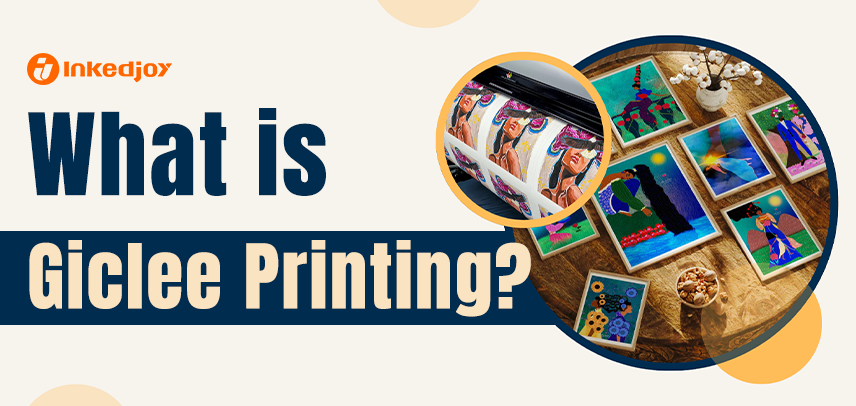
What Is Giclee Printing?
Key Takeaways
- Giclee printing is a high-resolution inkjet printing method commonly used to reproduce artwork and photographs with fine detail.
- If you are asking what is giclee printing, it generally refers to archival-quality prints made with pigment-based inks on premium paper or canvas.
- Giclee prints are valued for accurate color reproduction, smooth gradients, and the ability to capture subtle textures from the original image.
- The longevity of a giclee print depends on the printer, inks, substrate, and display conditions such as light, humidity, and framing.
- Compared with standard poster printing, giclee is typically associated with higher-quality materials and more precise results for art reproduction.
Table of Contents
- What buyers usually mean by giclee printing and when it's worth paying more
- How the giclee process works from digital file to fine art paper or canvas
- The quality standards that separate a true fine art print from a basic inkjet poster
- Giclee vs standard art prints, offset prints, and canvas reproductions: which option fits your goals?
- Common buying mistakes that affect color accuracy, longevity, and perceived value
- How to choose the right print partner, materials, and finish for your artwork or store
What buyers usually mean by giclee printing and when it's worth paying more
In plain terms, what is giclee printing usually means a high quality inkjet print made for artwork or photography, not a standard poster print. Buyers are typically paying for three things: better color accuracy, finer detail, and archival materials such as pigment inks and acid free paper or canvas.
That last part matters. "Giclee" is often used loosely, so the word alone does not guarantee museum grade output. In practice, the print is worth paying more for when the image has subtle tonal shifts, visible texture, or collector expectations. Think watercolor reproductions, limited edition art, wedding photography, or portfolio prints. It is usually less important for trendy wall decor, short term seasonal products, or designs with flat graphics and bold text.
| Pay more for giclee | Standard print is often enough |
|---|---|
| Fine art reproductions, photo prints, gift pieces meant for framing | Posters, fast moving decor, graphic quotes, low price point products |
A common mistake is comparing only resolution and ignoring paper. The same file can look noticeably different on textured cotton paper versus basic poster stock. Another mistake is paying for giclee on a weak source image. If the original file is compressed, poorly color corrected, or undersized, premium printing will not fix it.
For sellers building an art catalog, it helps to separate fine art prints from general decor and explain the difference clearly, similar to how sellers compare paper finishes in this satin paper guide. If you also sell through marketplaces or print on demand suppliers like Inkedjoy.

For a practical industry view, see this fine art printing overview. If you're exploring what is giclee printing for your product line, it helps to compare print quality with a dependable fulfillment workflow.
How the giclee process works from digital file to fine art paper or canvas
To understand what is giclee printing in practical terms, follow the workflow rather than the label. A giclee print starts with a high resolution digital file, then moves through color correction, media selection, printer setup, and careful finishing. Each step affects whether the final piece looks like fine art or just a large inkjet print.

The file comes first. Artists usually work from a native digital artwork or a professional scan of an original painting or photo. If the scan is weak, no printer can restore missing detail. In real ecommerce use, this is where many avoidable quality issues begin: low resolution uploads, oversharpening, and RGB files that shift badly when printed.
Next comes proofing. A good print provider checks tonal range, shadow detail, and how the image behaves on matte paper versus textured cotton rag or canvas. Paper tends to show finer detail and a more refined color surface. Canvas adds texture and wall presence, but it can soften small text and delicate linework.
| Decision point | What to check |
|---|---|
| File quality | Enough resolution at final size, clean gradients, controlled sharpening |
| Media choice | Paper for detail and color nuance, canvas for texture and decor appeal |
The print itself is typically produced with archival pigment inks on large format inkjet equipment built for fine art output. After printing, the piece may be trimmed, stretched, or framed. This process suits artists, photographers, and print on demand sellers who care about presentation and longevity.
It is less suitable for low cost posters, fast promo prints, or designs where surface durability matters more than museum style appearance. For brands researching what is giclee printing, clear sourcing details can make product decisions easier.
The quality standards that separate a true fine art print from a basic inkjet poster
If you are asking what is giclee printing in practical terms, the real answer is quality control. A true fine art print is not defined by the printer alone. It is defined by the full chain: archival pigment inks, fine art paper or canvas, color managed production, and a file prepared for print rather than just for screens.
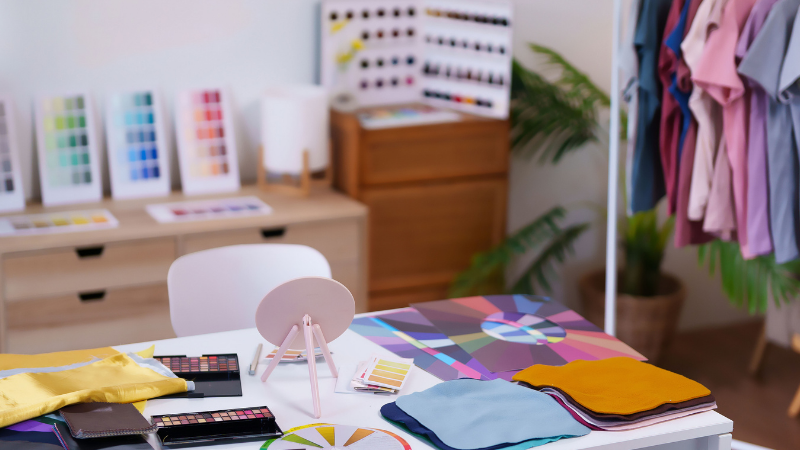
The easiest mistake is assuming any sharp inkjet print is giclee. Many posters look good on day one but use dye inks, thin coated paper, or loose color settings that shift skin tones, mute shadows, or fade faster under light. For artists, photographers, and print on demand sellers charging premium pricing, those details matter because returns often come from color mismatch and paper feel, not just image resolution.
| Quality point | Fine art standard | Basic poster standard |
|---|---|---|
| Ink | Pigment based archival ink | Often dye based ink |
| Media | Cotton rag, alpha cellulose, or fine art canvas | Thin poster paper |
| Color workflow | ICC profiling and proofing | Generic settings |
A practical buying check is to ask three questions: Which ink set is used, what paper weight and composition is offered, and whether the lab uses printer specific profiles. If those answers are vague, treat the product as a standard poster. Giclee is less necessary for short term decor or low price volume sales, but it is the right standard for collectible art, photography, and premium wall art catalogs.
Giclee vs standard art prints, offset prints, and canvas reproductions: which option fits your goals?
If you are asking what is giclee printing because you need to choose a product, the real question is what you need the print to do. Giclee works well when color accuracy, tonal detail, and premium paper matter. It is less useful if your main goal is the lowest unit cost at high volume.
| Format | Strong fit | Watch for |
|---|---|---|
| Giclee | Artists, photo sellers, limited runs, archival positioning | Higher cost, file quality matters, paper choice changes the look |
| Standard art print | Affordable wall decor, broad catalogs, casual buyers | Less depth in shadows and gradients on cheaper stock |
| Offset print | Large production runs with stable repeat results | Setup costs make short runs inefficient |
| Canvas reproduction | Decor focused stores, painterly look, ready to hang formats | Fine detail can soften, texture alters the original image |
A common mistake is choosing giclee for every design. Clean graphic art, typography, or bold poster styles often look great as standard prints. Save giclee for artwork with subtle gradients, photographic nuance, or collectors who expect archival materials.
Canvas is better when you want visual texture and a framed wall art feel without glass. Offset makes more sense for wholesale or event inventory where you need hundreds of matching copies. In practice, what is giclee printing most useful for? Small batch, higher perceived value, and artwork where paper and ink quality are part of the product, not just the image.
Common buying mistakes that affect color accuracy, longevity, and perceived value
If you are asking what is giclee printing because you want a print that looks premium and holds up over time, the biggest mistakes usually happen before checkout. Buyers often focus on size and price, but the more important variables are file quality, substrate, ink set, and finishing.
A common error is assuming all giclee prints use the same materials. They do not. A bright photo on glossy paper can look sharp online, but a matte cotton rag print usually gives more natural tonal depth and a more gallery style finish. For artwork with soft gradients, skin tones, or subtle shadows, that difference is easy to see in person.
Another mistake is ignoring color workflow. If the seller does not mention calibrated printers, archival pigment inks, or ICC based color management, expect some shift between your screen and the final print. This matters most for photographers, illustrators, and ecommerce sellers who need consistent brand colors across reorders.
| Mistake | Likely result | Better check |
|---|---|---|
| Low resolution file | Soft detail at larger sizes | Ask for print size to pixel guidance |
| Unknown paper type | Cheap feel and weaker perceived value | Confirm cotton rag or archival paper details |
| No UV or framing plan | Faster fading or edge wear | Use UV protective glazing and proper storage |
What is giclee printing worth paying for? Usually, pieces meant for display, resale, gifts, or limited editions. It may be less necessary for short term decor or highly price sensitive campaigns where lifespan matters less than output volume.
How to choose the right print partner, materials, and finish for your artwork or store
If you are deciding what is giclee printing worth for your business, focus less on the label and more on output quality, consistency, and fit for your product catalog. A strong print partner should tell you the printer type, pigment ink system, color workflow, available papers, and how they handle reprints. If those details are vague, treat that as a warning sign.
For ecommerce sellers, paper choice usually matters more than beginners expect. Matte fine art paper works well for illustrations, soft gradients, and minimal glare in home decor photos. Satin or luster can add depth to photography and richer blacks, but reflections may be less suitable for framed wall art in bright rooms. Canvas can raise perceived value, yet it changes texture and edge detail, so it is not always ideal for line heavy or highly detailed work.
| Option | Works well for | Watch out for |
|---|---|---|
| Matte fine art paper | Illustration, art prints, framed decor | Softer blacks |
| Luster or satin paper | Photography, high contrast images | More glare |
| Canvas | Large wall pieces, painterly art | Detail loss in fine lines |
A common mistake is approving a sample only by phone screen. Order physical samples and check shadow detail, skin tones, neutral grays, and crop accuracy. If you run a dropshipping store, also review packaging, corner protection, and return handling.
What is giclee printing useful for? It is most suitable when your buyers care about color fidelity and archival presentation. It may be less suitable for low price poster catalogs where speed and cost matter more than fine art specs. When planning art prints for long term growth, a reliable production process matters as much as the final finish.
FAQs
What is the difference between a giclee print and a regular art print?
A giclee print is usually made with high-resolution inkjet printers, archival pigment inks, and fine art paper or canvas. Regular art prints may use lower-cost inks and materials. When people ask what is giclee printing, they usually mean this higher-quality fine art reproduction process.
Are giclee prints worth it for online art buyers?
They can be worth it when buyers care about color accuracy, sharper detail, and longer display life. For lower-priced decorative wall art, a standard print may be enough. The right choice depends on customer expectations, room use, and how the artwork is positioned in your catalog.
How long do giclee prints last before fading?
With archival pigment inks and proper storage or framing, giclee prints can last for decades. Actual lifespan depends on light exposure, humidity, paper quality, and whether the print is displayed behind UV-protective glass. Direct sunlight and poor materials shorten durability significantly.
Why are giclee prints more expensive than standard prints?
Costs are higher because the process often uses museum-grade paper or canvas, pigment-based inks, color-managed printing, and careful reproduction standards. In 2026, price differences still come mostly from material quality and production control, not just from the word "giclee" on the product listing.
Can you dropship giclee prints without quality complaints?
Yes, but supplier quality control matters. Request paper and canvas details, ink type, packaging methods, and sample prints before listing products. Most complaints come from color mismatch, bent packaging, or unclear texture expectations, so product photos and descriptions should match the actual finish closely.
Read More from Inkedjoy Blog
Written by Carry
Carry is a content creator at Inkedjoy, specializing in SEO strategies and print on demand business insights. She writes practical guides to help business owners grow their online stores and build successful POD brands.