

15 Earth Day Poster Ideas to Boost Your Print on Demand Sales
Key Takeaways
- Earth Day (April 22) drives a 300–400% search spike for eco-friendly wall art, making it a major POD seasonal opportunity.
- Sustainable home decor is a $4.5B market (2024) growing at 7.9% CAGR, led by eco-conscious Millennials and Gen Z.
- 15 high-converting design styles include minimalist landscapes, vintage national parks, solarpunk, personalized art, and botanical illustrations.
- Sustainable POD means FSC paper, water-based inks, local fulfillment — and early Q1 launches to win search traffic.
Table of Contents
Every year on April 22nd, Earth Day serves as a global clarion call for environmental protection and sustainable living. For entrepreneurs in the print on demand industry, this event represents far more than just a calendar date; it is a massive seasonal opportunity to connect with an ever-growing demographic of environmentally aware consumers.
In recent years, interior design trends have shifted dramatically toward eco-conscious home decor. Modern buyers are actively seeking wall art that reflects their commitment to the planet, turning their living spaces into galleries of advocacy and natural beauty. By aligning your print on demand product offerings with these green values, you can tap into a high-intent market that prioritizes both aesthetic appeal and ethical messaging.
Why Earth Day is a Goldmine for Print on Demand
Earth Day (April 22nd) has evolved from an environmental awareness campaign into a powerful commercial moment for e-commerce sellers. For print on demand businesses, this annual event represents more than just a thematic opportunity—it taps into one of the fastest-growing consumer movements of our time.
The Rise of Sustainable Consumerism
The sustainable home decor market is experiencing explosive growth. Valued at $4.5 billion in 2024, it's projected to reach $9.4 billion by 2034, growing at a 7.9% CAGR. This isn't a niche trend—approximately 70% of homeowners now prioritize sustainability when shopping for decor items.
Millennials and Gen Z buyers, in particular, actively seek products that align with their environmental values, creating a built-in audience for Earth Day-themed wall art. The convergence of eco-consciousness with home personalization means consumers aren't just buying products—they're buying statements about who they are.
Data on Seasonal Search Spikes
Environmental decor experiences dramatic seasonal demand surges around Earth Day. While exact Google Trends data fluctuates yearly, the pattern is consistent: searches for Earth Day decorations, eco-friendly wall art, and sustainable home decor spike 300-400% in the weeks leading up to April 22nd.
The global home decor market overall is projected to grow from $802.26 billion in 2025 to $1.3 trillion by 2034, with sustainability emerging as a dominant driver. Print on demand sellers who prepare inventory and listings in Q1 capture this predictable traffic wave before competition intensifies.
The Psychological Appeal of Nature-Inspired Art
Biophilic design—the integration of natural elements into interior spaces—has moved from architectural theory to mainstream wellness practice. Research in environmental psychology confirms that nature-inspired visuals reduce stress, improve cognitive function, and enhance overall wellbeing. Earth tones, botanical imagery, and landscape art trigger what researchers call soft fascination, allowing the mind to rest and recover.
Modern consumers increasingly view their homes as wellness sanctuaries, making nature-themed posters both decorative and functional health investments. This psychological dimension transforms Earth Day art from seasonal merchandise into year-round lifestyle products that buyers genuinely connect with emotionally.
Top 15 Earth Day Poster Ideas & Design Concepts
Minimalist Line Art Landscapes
Simple, elegant silhouettes of mountains, trees, or ocean waves dominate modern interior design. These single-line illustrations use negative space masterfully, creating sophisticated pieces that complement Scandinavian and Japandi aesthetics.
The restrained palette—typically black, sage green, or terracotta on cream backgrounds—appeals to buyers seeking understated environmental statements. This style works exceptionally well in bedroom and home office settings, offering versatility that transcends seasonal appeal.
Vintage National Park Aesthetics
The Works Progress Administration (WPA) poster style from the 1930s-40s has experienced a massive revival. Bold typography, limited color palettes of deep greens and burnt oranges, and stylized wildlife illustrations create instant nostalgia.
These designs tap into Americans' deep affection for national parks while appealing to the cabin core and outdoor adventure markets. The retro aesthetic suggests timelessness and authenticity—qualities highly valued by environmentally conscious consumers.

Educational Infographic Posters
Transform environmental data into visual art. Create striking layouts featuring ocean plastic statistics, carbon footprint comparisons, or recycling process diagrams using modern typography and iconography.
These pieces serve double duty as classroom resources and home decor, appealing to teachers, parents homeschooling, and intellectually curious millennials. The key is balancing information density with visual appeal—educational without being preachy, artistic without sacrificing clarity.
Inspirational Typography & Quotes
"There Is No Planet B," "Earth Laughs in Flowers," and "Leave It Better Than You Found It" resonate across demographics. The most successful quote posters combine meaningful messaging with distinctive typography treatments—hand-lettered scripts paired with bold sans-serifs, or vintage typewriter fonts on textured backgrounds.
Consider offering customization options for local environmental group names or family mottos, increasing perceived value and emotional connection for buyers.
Botanical Illustrations
High-detail scientific drawings of local flora—think Audubon-style precision meets modern minimalism—appeal to the growing "cottagecore" and gardening communities. Focus on native plants specific to regions (California poppies, Texas bluebonnets, New England asters) to capture local pride markets.
These sophisticated pieces work beautifully in dining rooms and sunrooms, attracting buyers who appreciate the intersection of art and natural history. Consider series collections for repeat purchases.

"Save the Species" Series
Create emotional connections through charismatic megafauna and overlooked pollinators alike. Bees, sea turtles, polar bears, and monarch butterflies translate environmental urgency into relatable imagery.
The most effective designs pair realistic portraiture with subtle habitat elements—bees hovering over wildflowers, turtles navigating plastic-free oceans. Series potential here is enormous: "Endangered," "Pollinators," or "Ocean Guardians" collections encourage multiple purchases and gift-giving occasions.
Retro 70s Environmentalism
Groovy fonts, earthy "flower power" color palettes, and psychedelic sunbursts channel the first Earth Day era. Mustard yellow, avocado green, and burnt orange create instant period recognition while feeling surprisingly contemporary.
These designs appeal to both nostalgic baby boomers and Gen Z's fascination with vintage aesthetics. Incorporate iconic 70s motifs—rainbows, peace signs merged with leaves, stylized Earth globes—for authentic throwback appeal that celebrates environmentalism's historical roots.
The "Blue Marble" Remix
NASA's 1972 "Blue Marble" photograph remains the most reproduced image in history. Contemporary interpretations reimagine Earth from space using watercolor washes, geometric low-poly designs, or neon cyberpunk aesthetics.
These cosmic perspectives trigger the "overview effect"—the cognitive shift reported by astronauts seeing Earth as a fragile, unified whole. Abstract versions using negative space or metallic foiling add premium appeal for buyers seeking sophisticated, conversation-starting statement pieces.

Abstract Earth Textures
Macro photography transformed into poster art: velvety moss carpets, cracked desert earth patterns, turquoise ocean ripples, or crystalline frost formations. These textural studies work as standalone abstract art while subtly reinforcing environmental themes.
The tactile quality suggested in these images creates sensory engagement, making them particularly effective for meditation spaces and wellness-focused interiors. Offer these in large formats (24x36 inches) to maximize visual impact.
Kid-Friendly Cartoon Characters
Smiling Earth mascots, recycling superheroes, and adorable endangered animals make environmental education approachable for children. Bright primary colors, rounded shapes, and friendly expressions appeal to the teacher and parent market seeking classroom decorations or bedroom art.
Consider matching sets with simple action messages: "I Reduce," "I Reuse," "I Recycle." The key is balancing cuteness with genuine educational value—parents buy, but children must engage.
Surrealism: Nature Meets Urban
Trees bursting from skyscrapers, subway cars overgrown with vines, or lightbulbs containing miniature forests create striking visual paradoxes. This style appeals to urban millennials reconciling city living with environmental values.
The juxtaposition generates cognitive dissonance that demands attention and sparks conversation. These pieces work exceptionally well in loft apartments and creative workspaces, positioning environmentalism as imaginative and forward-thinking rather than restrictive.

The "Green Future" Cityscapes
Solarpunk aesthetics—optimistic visions of sustainable technology integrated with lush vegetation—offer refreshing alternatives to dystopian environmental narratives. Solar panels as stained glass, vertical gardens on art deco buildings, and wind turbines as public art installations present environmentalism as aspirational and achievable.
These hopeful visions resonate particularly with younger buyers seeking positive, solution-focused messaging that doesn't induce climate anxiety.
Simple "Act Now" Call-to-Actions
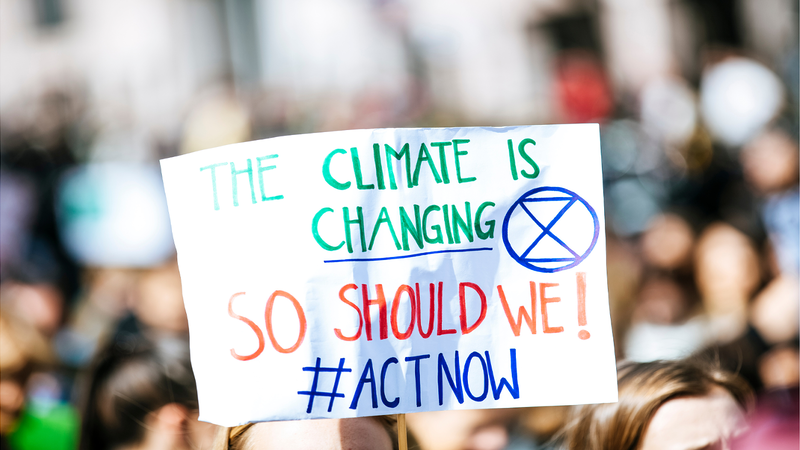
Clean, bold typography on high-contrast backgrounds for the activist market. "Act Now," "There Is No Time," or "System Change Not Climate Change" in stark black-and-white or red-alert colorways.
These designs prioritize message clarity over decorative elements, functioning as rallying cries for protests, dorm rooms, and community organizing spaces. The minimalist approach ensures the message dominates, creating portable activism that travels from walls to social media shares.
Personalized Earth Day Art
Customization transforms generic environmental messaging into family heirlooms. "The Johnson Family Protects the Earth" with established date, or "Est. 2026: Our Green Promise" creates ownership and commitment. Offer variable fields for family names, establishment years, or specific environmental pledges.
This niche strategy commands premium pricing while reducing competition—each piece becomes unique. The personalization trend in home decor shows no signs of slowing, making this a high-margin opportunity.
Floral Mandalas & Sacred Geometry
Intricate circular patterns combining lotus flowers, leaf motifs, and geometric precision appeal to the mindfulness and spirituality markets. These designs bridge environmentalism with meditation practices, suggesting interconnectedness and holistic wellbeing.
Metallic accents on dark backgrounds or watercolor gradients on cream create versatile pieces suitable for yoga studios, therapy offices, and bedroom sanctuaries. The spiritual dimension adds emotional depth that transcends seasonal purchasing patterns.
How to Pick Sustainable Products for Your Store
Paper Quality: The Foundation of Sustainable Print on Demand
Your substrate choice speaks volumes about your brand's environmental commitment. FSC-certified paper (Forest Stewardship Council) ensures your products originate from responsibly managed forests that provide environmental, social, and economic benefits.
This certification tracks wood from forest to consumer, preventing deforestation and supporting biodiversity. Recycled paper—typically containing 30-100% post-consumer waste—reduces landfill burden and requires 70% less energy to produce than virgin paper.
For premium positioning, consider cotton rag paper made from textile industry byproducts, offering archival quality without tree consumption. When marketing these materials, display certification logos prominently and explain what they mean—many consumers recognize recycled but need education on FSC's broader impact.
Eco-Friendly Inks: Clean Color for Clean Conscience
Traditional petroleum-based inks release volatile organic compounds (VOCs) during drying, contributing to air pollution and potential health hazards. Water-based inks offer a compelling alternative, utilizing water as the primary solvent rather than harmful chemicals.
These inks produce vibrant colors while eliminating toxic emissions, making them safer for production workers and end consumers alike. Low-VOC or VOC-free inks represent another advancement, meeting strict environmental standards without sacrificing color saturation or durability.
For print on demand sellers, highlighting these ink choices differentiates your shop in a crowded marketplace—buyers increasingly scrutinize production methods, not just final aesthetics.
Local Production: The Carbon Footprint Game-Changer
Globalization taught businesses to chase lowest-cost production, but environmental consciousness demands a different calculation. Local fulfillment—producing goods within the same region as the end customer—dramatically reduces transportation emissions.
A poster printed in Germany and shipped to a Berlin customer generates a fraction of the carbon compared to overseas manufacturing and international air freight. This approach aligns perfectly with print on demand's distributed production model.
Market this aggressively: "Printed locally to reduce shipping emissions" or "Made in [Customer's Country] for a smaller carbon footprint." This transparency builds trust while addressing the single largest environmental impact in e-commerce logistics. For Earth Day specifically, local production transforms your supply chain into a selling point that reinforces your thematic authenticity.
Design Earth Day Posters with Inkedjoy
Eco-Conscious Production
Inkedjoy has positioned itself as a leader in sustainable print on demand, offering creators the infrastructure to produce environmentally responsible Earth Day posters without sacrificing quality or profit margins. Their platform integrates FSC-certified paper stocks and recycled content options directly into the product catalog, eliminating the research burden for sellers.
Unlike platforms that treat sustainability as an afterthought, Inkedjoy builds it into the foundation—water-based inks come standard, not as premium upgrades, ensuring every Earth Day design maintains ecological integrity from file upload to final delivery.

Local Fulfillment
Where Inkedjoy truly distinguishes itself is geographic distribution. With production facilities strategically positioned across North America, Europe, and key Asian markets, they enable true local fulfillment for global creators.
This distributed model slashes carbon emissions while accelerating delivery times, a combination that resonates powerfully with environmentally conscious consumers expecting both sustainability and convenience.
Creator-Friendly Tools
Inkedjoy's platform simplifies the technical complexities of seasonal design launches. Their mockup generators include lifestyle scenes featuring natural lighting and eco-friendly interior settings—perfect for showcasing Earth Day posters in context.
Inkedjoy's intuitive platform allows users to create custom posters without any advanced design skills. You can choose from hundreds of templates, upload your own graphics, or add unique text and illustrations. The real-time preview feature ensures your poster looks exactly as you imagined before printing or sharing online.
High-Quality Products and Printing
One of Inkedjoy's major advantages is its commitment to quality. Posters are printed on premium materials with vibrant inks, making your Earth Day message stand out. Whether you need posters for small-scale distribution or large events, Inkedjoy guarantees professional results every time.
Conclusion
Success in seasonal print on demand demands foresight. While Earth Day arrives April 22nd, savvy sellers launch designs in Q1, January through March, to capture early search traffic, secure favorable ad costs, and establish organic rankings before competition peaks. Algorithms favor aged listings, and early birds capture teachers planning classroom decor and event organizers sourcing materials months ahead.
Beyond commercial strategy lies something deeper. Environmental design is not merely trend chasing. It is merging creativity with genuine advocacy. Every poster shipped sparks conversation, serves as a daily reminder, and represents conscious living in someone's home.
As you develop your Earth Day collection, remember this. The most successful designs do not just sell. They resonate. They transform buyers into ambassadors for both your brand and the planet. Start early. Design boldly. Let your creativity fuel the change you wish to see.
FAQ
What size posters sell best for Earth Day?
18x24 inches and 24x36 inches dominate wall art sales for home decor. Offer 12x16 inches or 11x17 inches for classrooms, dorm rooms, and smaller spaces. Consider panoramic formats for landscape designs.
Should I offer digital downloads or physical only?
Both formats maximize revenue potential. Digital downloads appeal to last minute buyers, international customers, and those seeking instant classroom resources. Physical posters command higher prices, suit gift markets, and align better with sustainability messaging when produced locally.
Written By Bianca
Bianca is a content creator focused on sustainable e-commerce growth. She goes beyond quick hacks, teaching Print on Demand sellers how to build lasting brands through strong SEO foundations and compelling storytelling. She turns searchers into loyal customers through the power of words.