

How to Start an Online Store Without Inventory
Key Takeaways
- Learn how to start an online store without inventory by using models like dropshipping, print-on-demand, or third-party fulfillment.
- Choose a niche with clear demand, healthy margins, and reliable suppliers before building your storefront.
- Focus on supplier vetting, product quality, shipping times, and return policies to protect customer trust.
- Set up a simple store, test products quickly, and use data to refine pricing, listings, and marketing.
- Keep costs low by avoiding upfront stock purchases while prioritizing strong branding and customer service.
Table of Contents
- Is a No-Inventory Store the Right Fit for Your Goals in 2026?
- How to Compare Inventory-Free Business Models Before You Commit
- How to Start an Online Store Without Inventory: A Practical Setup Plan
- What to Look for in a Supplier, Platform, and Fulfillment Partner
- The Biggest Risks in Inventory-Free Selling and How to Avoid Them
- Best Next Steps for Launching a Profitable Store With Less Upfront Risk
Is a No-Inventory Store the Right Fit for Your Goals in 2026?
A no inventory store makes sense if your main goal is to test demand before tying up cash in stock. If you are researching how to start an online store without inventory, the real question is not whether the model works. It does. The question is whether its tradeoffs match your margins, timeline, and tolerance for less control.
For most first time founders in 2026, the strongest fit is print on demand or supplier fulfilled ecommerce. You can launch faster, validate niche interest, and avoid dead stock. That matters if you are selling trend based designs, seasonal gifts, or testing product concepts through a storefront such as Inkedjoy. It is less suitable if your strategy depends on luxury packaging, very fast shipping, or strict quality consistency across every order.

| Good fit if you need | Poor fit if you need |
|---|---|
| Low startup cost, fast testing, broad product access | Tight shipping control, custom packing, wholesale margins |
A practical filter is unit economics. If your gross margin cannot absorb platform fees, ad spend, returns, and supplier price changes, no inventory will not protect you. Another filter is customer expectation. A personalized necklace or made to order pajama product can justify slower fulfillment more easily than a commodity item with easy price comparison.
One common mistake is choosing the model to avoid risk, then picking crowded products with no brand angle. A smarter approach is to pair niche demand with reliable fulfillment partners like EPROLO, then build around design, bundles, or personalization.
If you're mapping out a reliable workflow, Inkedjoy can help simplify sourcing and fulfillment.
How to Compare Inventory-Free Business Models Before You Commit
If you are learning how to start an online store without inventory, the smart move is to compare business models by operational fit, not just startup cost. Low upfront expense matters, but your daily workload, margin control, and customer experience will decide whether the store is sustainable.
The four models most founders compare are dropshipping, print on demand, affiliate marketing, and digital products. They all avoid holding stock, but they behave very differently once orders start coming in.
| Model | Strong fit | Main tradeoff |
|---|---|---|
| Dropshipping | Trend testing and broad catalogs | Thin margins and supplier risk |
| Print on demand | Creators building a branded niche | Slower shipping and sample costs |
| Affiliate marketing | Content led businesses | No control over checkout or retention |
| Digital products | Experts selling templates or courses | Higher creation effort upfront |
Use three filters before you choose. First, ask how much control you need over product quality. If quality complaints would damage your brand, digital products or carefully sampled print on demand are safer than unknown dropshipping suppliers.

Second, check contribution margin after shipping, returns, platform fees, and ad spend. Many new sellers misread gross profit and ignore refund rates. Third, match the model to your acquisition channel. If you are strong at short form content, print on demand can work well. If you rank articles or build an email list, affiliate or digital products often fit better.
A common mistake when deciding how to start an online store without inventory is choosing the model with the easiest setup instead of the one you can operate consistently for six months.
For a clearer path to selling without holding stock, it helps to use a platform built for steady operations.
How to Start an Online Store Without Inventory: A Practical Setup Plan
If you want to learn how to start an online store without inventory, choose the business model before you choose a logo, theme, or product idea. That one decision affects margins, refund risk, fulfillment speed, and how much control you have over quality.
| Model | Works well for | Watchouts |
|---|---|---|
| Print on demand | Creators, niche brands, custom products | Lower margin, sample quality varies |
| Dropshipping | Broad catalogs, trend testing | Supplier reliability, returns, shipping times |
| Digital products | Low fulfillment friction, expert content | Needs audience trust and clear value |
A practical setup plan is simple. First, pick one narrow customer problem. For example, instead of pet products, sell apartment friendly dog owner items or funny cat art for office workers. Second, validate with supplier checks, not guesses. Order samples, test packaging, review print quality, and confirm average delivery times. Third, build a store around clarity. Clean navigation, readable product pages, shipping details, and return terms matter more than visual flourishes.
For most beginners, print on demand is easier to control than general dropshipping because the catalog is smaller and branding is more consistent. Dropshipping fits better if you are comfortable comparing suppliers, monitoring stock sync issues, and handling more support tickets.
The most common mistake is launching too wide. If your catalog has 80 unrelated products, shoppers read it as a reseller site. If it has 12 to 20 products tied to one use case, it feels intentional. That is usually the smarter path for anyone figuring out how to start an online store without inventory in 2026.
What to Look for in a Supplier, Platform, and Fulfillment Partner
If you are learning how to start an online store without inventory, your real risk is not product sourcing alone. It is choosing partners that fail under normal order volume. A good setup should hold up on a random Tuesday, not just during launch week.

For suppliers, start with reliability before catalog size. Check production times, stock visibility, sample quality, return handling, and how often products go out of stock. Order samples yourself. If the print fades, packaging looks generic, or sizing runs inconsistent, your support inbox will carry the cost. This matters most for print on demand and dropshipping stores where you do not control packing.
| Partner | What to check | Common mistake |
|---|---|---|
| Supplier | Sample quality, lead time, stock sync, return policy | Choosing on unit price alone |
| Platform | Checkout, design control, app ecosystem, fees | Overbuilding before first sales |
| Fulfillment partner | Shipping speed, tracking quality, issue resolution | Ignoring support response time |
Your platform should make operations simple. Look for stable integrations, clear shipping settings, mobile friendly themes, and a checkout that does not create friction. For most beginners, easier management beats deep customization. A flexible platform is helpful later, but complexity too early usually slows testing.
For fulfillment partners, compare average delivery time, tracking accuracy, reroute options, and lost package policy. Fast shipping is useful, but consistent shipping is what protects reviews. If you want to know how to start an online store without inventory with fewer surprises, choose partners with transparent service levels and support that answers real questions clearly.
The Biggest Risks in Inventory-Free Selling and How to Avoid Them
The main risk in inventory free ecommerce is not "no stock." It is low control. If you are learning how to start an online store without inventory, judge each model by how much control you have over product quality, shipping speed, margins, and customer support.
Supplier reliability is usually the first point of failure. A product can look strong in a catalog and still arrive late, damaged, or inconsistent. Before listing anything, place test orders to your own address, check packaging, inspect print or build quality, and compare delivery times against what the supplier promises. If you cannot afford sample orders, your margin plan is probably too thin already.
Margin pressure is the second major risk. Many new sellers underestimate ad costs, refunds, platform fees, and replacement orders. A simple rule is to avoid products where one return wipes out profit from several sales. Higher ticket niches can work, but only if conversion rates and support demands stay manageable.
| Risk | Warning sign | Practical response |
|---|---|---|
| Late fulfillment | Frequent tracking delays | Use backup suppliers and longer delivery estimates |
| Quality issues | High complaint or refund rate | Order samples and cut weak SKUs fast |
| Thin margins | Profit disappears after fees | Raise prices, bundle, or change category |
This approach is most suitable for sellers who can test, track, and improve quickly. It is less suitable if you need strict delivery control or sell products where quality mistakes create safety or compliance issues. In practice, how to start an online store without inventory comes down to disciplined product selection, honest shipping promises, and fast removal of weak suppliers.
Best Next Steps for Launching a Profitable Store With Less Upfront Risk
If you are deciding how to start an online store without inventory, the next step is not picking more tools. It is choosing the model that matches your margin target, content skills, and tolerance for customer service complexity. That decision affects pricing, return rates, and how much control you keep over the brand.
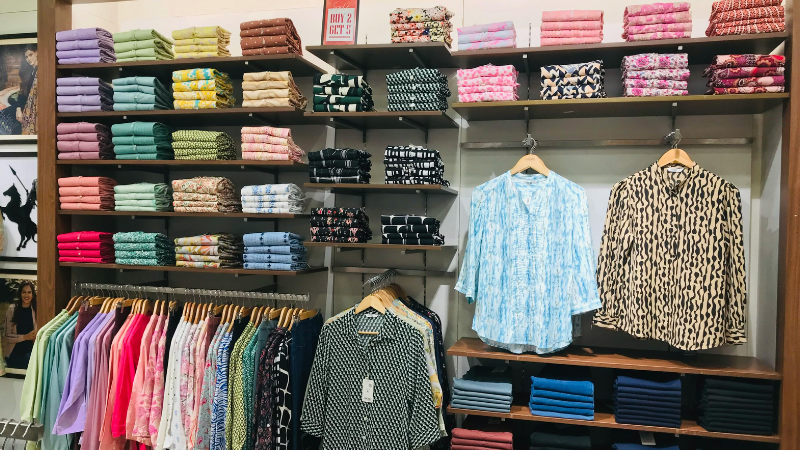
For most new sellers, a narrow test launch works better than a wide catalog. Start with 5 to 10 products in one clear use case, such as gifts for dog owners, minimalist desk decor, or gym shirts with a consistent visual style. A focused offer makes it easier to write better product pages, run simple ad tests, and spot weak products quickly.
| Model | Works well for | Watch out for |
|---|---|---|
| Print on demand | Creators and niche brands | Thin margins if design and pricing are generic |
| Dropshipping | Trend testing and broad product discovery | Supplier delays and inconsistent quality |
Before launch, order samples, review packaging, and test delivery times to your main market. This is where many first time stores cut corners and pay for it later with refunds and chargebacks. Good design also matters. Clear navigation, mobile first layouts, readable product photos, and visible shipping policies usually improve trust more than adding extra apps.
This approach is best for founders who want to learn demand with limited cash. It is less suitable if you need deep product customization, strict delivery control, or wholesale level margins from day one.
When you're comparing no-inventory options, trusted product setup and order handling make a difference.
FAQs
How much money do I need to start a no-inventory online store in 2026?
Most beginners can start with a modest budget, usually covering a store platform, domain, basic apps, and testing ads or content. In 2026, the bigger variable is marketing spend, not inventory. Start lean, track margins closely, and avoid paying for tools you do not need.
Is dropshipping still profitable in 2026, or is the market too saturated?
Dropshipping can still work in 2026, but easy wins are rarer. Profit usually depends on niche selection, reliable suppliers, realistic shipping times, and strong product pages. Saturated general stores struggle more than focused stores with clear positioning and better customer communication.
How do I start an online store without inventory if I have no supplier yet?
If you are learning how to start an online store without inventory, begin by validating demand before building a full catalog. Research competitors, compare supplier ratings, order samples, review shipping policies, and confirm return handling. A weak supplier creates refunds, delays, and poor repeat purchase rates.
What are the biggest risks of running a no-inventory business model?
The main risks are low margins, inconsistent product quality, long shipping times, stock sync issues, and limited control over fulfillment. These problems can damage reviews and increase chargebacks. Clear policies, supplier backups, and regular product testing help reduce operational risk.
Is print on demand better than classic dropshipping for beginners?
It depends on your product strategy. Print on demand gives more brand control and custom product options, while classic dropshipping may offer broader catalogs and faster product testing. Beginners often prefer the model that fits their margins, shipping expectations, and customer support capacity.
Read More from Inkedjoy Blog
Written by Carry
Carry is a content creator at Inkedjoy, specializing in SEO strategies and print on demand business insights. She writes practical guides to help business owners grow their online stores and build successful POD brands.