Turning Feelings Into Things: Transforming Emotional Value Into Custom Product Offerings

Turning Feelings Into Things: Transforming Emotional Value Into Custom Product Offerings

Dec 13, 2025 by Iris POD Dropshipping Tips

If you run a print‑on‑demand or dropshipping business, you are not really selling shirts, mugs, or wall art. You are selling pride in a side hustle, relief after a long week, a sense of belonging to a niche community, or a quiet signal of someone’s values sitting on a desk. The challenge is that these are abstract emotional states, while your operations live in product IDs, print files, and shipping labels.

In my work mentoring e‑commerce founders, the most successful print‑on‑demand brands are the ones that learn to translate emotional value into concrete offers consistently. They do not just add a personalization field to a product page; they engineer the entire journey so that a feeling like “calm,” “motivation,” or “belonging” is designed into bundles, visuals, copy, and post‑purchase experiences.

This article walks through how to do that in a practical way, grounded in what we know from emotional commerce, emotional design, and data‑driven personalization research.

Why Emotional Value Is Your Real Product

What Emotional Value Actually Means

Emotional value is the benefit created when your brand goes beyond basic product performance and influences how customers feel about themselves and their lives. The Wise Marketer describes it as the value that comes from making customers feel heard, cared for, proud, or inspired rather than just “served.”

Harvard Business Review has shown that customers who are fully emotionally engaged with a brand are about 52 percent more valuable than average customers in terms of spend and loyalty. Separate research cited by Motista suggests that emotionally connected customers can have more than triple the lifetime value of merely satisfied customers, with longer relationships and more advocacy. Khoros summarizes this in customer engagement terms, noting that fully engaged customers can drive about a 23 percent uplift in profitability, revenue, and relationship growth.

For a print‑on‑demand or dropshipping store, emotional value is the difference between a generic “custom mug” and “the mug that reminds a new dad that he is doing a good job every morning at 6:00 AM.”

Why Emotions Drive Decisions In Your Store

Emotional marketing research backs up what most founders see intuitively. Harvard‑linked work summarized by Imagination explains that emotional experiences get tagged by the amygdala and prioritized by the hippocampus, so we remember them more strongly. Astute highlights that emotions trigger brain chemicals like dopamine (for positive emotions) and cortisol (for negative ones), which changes how likely people are to take action and recall a brand later.

Gallup data cited via MarTech suggests roughly 70 percent of decisions, including brand choices, are driven by emotional factors, with only about 30 percent purely rational. When emotional connection is strong, people stay through service hiccups, pay a premium, and advocate for the brand. Khoros and others show that engaged, emotionally connected customers are more likely to cross‑buy, up‑buy, and refer friends.

For a print‑on‑demand brand that might be running on thin margins, those differences compound quickly. If a customer who feels emotionally bonded to your brand is 52 percent more valuable and stays longer, as HBR and Motista indicate, then a customer with a baseline lifetime value of $100 might effectively be worth $150 or more once the emotional bond is in place. Multiply that by hundreds or thousands of customers in a niche, and emotional value becomes a strategic lever, not just a “nice” brand concept.

Why Personalization Is The Engine Of Emotional Commerce

Emotional value is not just about storytelling; it has to show up as the right message or product at the right time. Adobe’s research on personalization shows that personalized emails can be around six times more likely to convert than non‑personalized ones, and about 73 percent of customers say they prefer brands that personalize email communication. Adobe and McKinsey separately report that good personalization can deliver roughly a 10 to 15 percent revenue lift, with companies that excel generating around 40 percent more revenue from personalization than their peers.

At the same time, most marketing leaders still struggle to execute personalization at scale. Adobe notes that about 63 percent of digital marketing leaders say they wrestle with personalization, and only 17 percent are using AI or machine learning. McKinsey’s work adds that about 71 percent of consumers now expect personalized interactions, and three‑quarters feel frustrated when they do not get them.

The gap is clear. Customers expect brands to “see” them and understand their context. Most brands do not. That gap is your opportunity as a smaller, more nimble print‑on‑demand or dropshipping operation.

Transforming emotional value into custom product offerings

Choosing The Emotional Space Your Brand Will Own

Before you design a single new product, you should choose the emotional territory your brand will intentionally occupy. Imagination advises brands to deliberately decide which core feelings they want to be associated with, such as trust and security, joy and wonder, empowerment, nostalgia, or belonging. HBR’s work on the “new science of customer emotions” reinforces this: companies that focused on segments where emotional connection was most attainable, and then tailored offerings for those segments, saw disproportionate growth.

For a print‑on‑demand brand, that means you do not try to be everything to everyone. You pick one or two emotional territories and design your catalog, bundles, visuals, and communication around them.

Here are some concrete examples of how that can look in this sector.

Target emotion

Customer context

Example custom offering focus

Calm and relief

Burned‑out remote workers

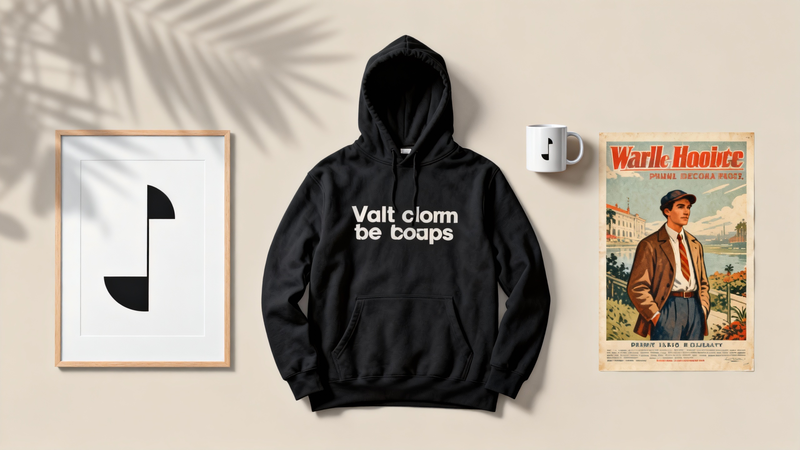
Minimalist wall art, soothing color palettes, “unplug” tees

Pride and identity

Niche hobby or profession communities

Inside‑joke hoodies, achievement posters, custom badges

Belonging

Membership‑like online communities

Limited‑run drops, member‑only designs, matching sets

Motivation

Fitness, entrepreneurship, personal growth

Progress trackers, daily mantra mugs, milestone bundles

Nostalgia and joy

Retro gaming, classic music, local memories

Vintage‑style prints, “remember when” shirts, map art

The point is not that these are the only options but that your emotional focus gives you a lens for product decisions. If your chosen emotion is “belonging,” for example, your question when evaluating a new design is not “Will this sell?” but “Will this make my target customer feel like part of a tribe?”

Print on demand emotional marketing guide

Turning Abstract Emotions Into Concrete Offers

Start With Real Emotional Data, Not Guesswork

Acowebs’ work on emotional commerce and mood‑based product bundles emphasizes that you cannot afford to guess at your customers’ emotional states. They recommend grounding your strategy in data from surveys, purchase behavior, social listening, and sentiment analysis so you can see dominant feelings, such as stress, excitement, or nostalgia.

GWI makes a similar point in the personalization space, arguing that impactful personalization begins with deep audience understanding: why people choose brands, what they value, and how they make decisions. McKinsey and Adobe both underline that the data foundation should be clean, consent‑based, and trustworthy, blending behavioral signals (browsing, responses, cart events) with profile data (past orders, preferences, loyalty status).

For a lean print‑on‑demand brand, this can be simple to start. You can review reviews and customer support tickets for emotional language, run one or two short email or on‑site surveys, and tag orders based on use cases such as “gift for others,” “self‑treat,” or “business merch.” Over a few weeks, patterns emerge: maybe your audience talks a lot about burnout and wanting to slow down, or about finally feeling seen in a niche that mainstream brands ignore.

Those patterns are your raw emotional material.

Translate Emotions Into Mood‑Based Product Bundles

Mood‑based bundles are one of the most direct ways to turn emotional value into revenue. Acowebs defines them as curated sets of complementary items designed to create a specific emotional state, such as “Cozy Night In” or “Self‑Care Sunday.” Instead of asking customers to choose from dozens of individual SKUs, you package an emotional result.

The business case is strong. Acowebs shares examples where a wellness brand’s “Serenity Now” relaxation bundle, combining oils, a weighted blanket, and a meditation app, increased sales by about 30 percent. A lifestyle retailer’s “Milestone Magic” celebration bundle drove about a 25 percent engagement lift. They also note that companies using personalization in emotional commerce can see up to a 20 percent increase in sales.

Applied to a print‑on‑demand or dropshipping store, a “Cozy Night In” bundle might combine a fleece blanket with a calming illustration, a ceramic mug with a comforting phrase, and a matching art print. If your average order value is $40 and you manage, over time, to achieve even half of the 20 percent uplift some emotional commerce implementations see, your average order value would rise to $44. If you process 1,000 orders a month, that is an additional $4,000 in revenue without acquiring more customers.

The key is that every item in the bundle must reinforce the target mood. Acowebs stresses that the products, the copy, and even the imagery must work together to deliver a felt state, not just a discount.

Use Customization To Trigger Ownership And Pride

Individualization has its own emotional power. Combeenation’s analysis of emotional products through configurators shows that when customers can shape a product themselves, they feel “I did it myself, it is mine and it is great.” This taps into the endowment effect, where perceived ownership raises perceived value even before a purchase is complete.

The process they describe is an emotional chain. Customers interact with a configurator, adjust colors, typography, or layouts, and see a realistic visualization of the final product. This interaction triggers unconscious feelings of possessiveness and pride, which make purchase more likely, even if buying was not the original intent. When the product arrives and matches the customer’s design, they feel a sense of achievement and deep satisfaction, reinforcing attachment and making regret unlikely.

In a print‑on‑demand context, think about a jersey builder for a local rec league, a “design your own studio wall” tool for content creators, or a configurator that lets pet owners combine breed illustrations with their pet’s name and a chosen phrase. Combeenation cautions that the challenge level must match the user’s abilities. If the configurator is too complex, people feel frustrated; if too simple, they get bored. When the complexity is tuned correctly, you create a “flow” state where the configuration process itself is enjoyable and immersive.

For founders, the implication is clear: treat your configurator like a product, not just a feature. It is one of your strongest engines for emotional value.

Design For Emotions At Every UX Level

Emotional design is not limited to the product; it extends to the entire user experience. Jewel Tolbert’s synthesis of emotional design work, drawing on Donald Norman, suggests that good design appeals at three cognitive levels.

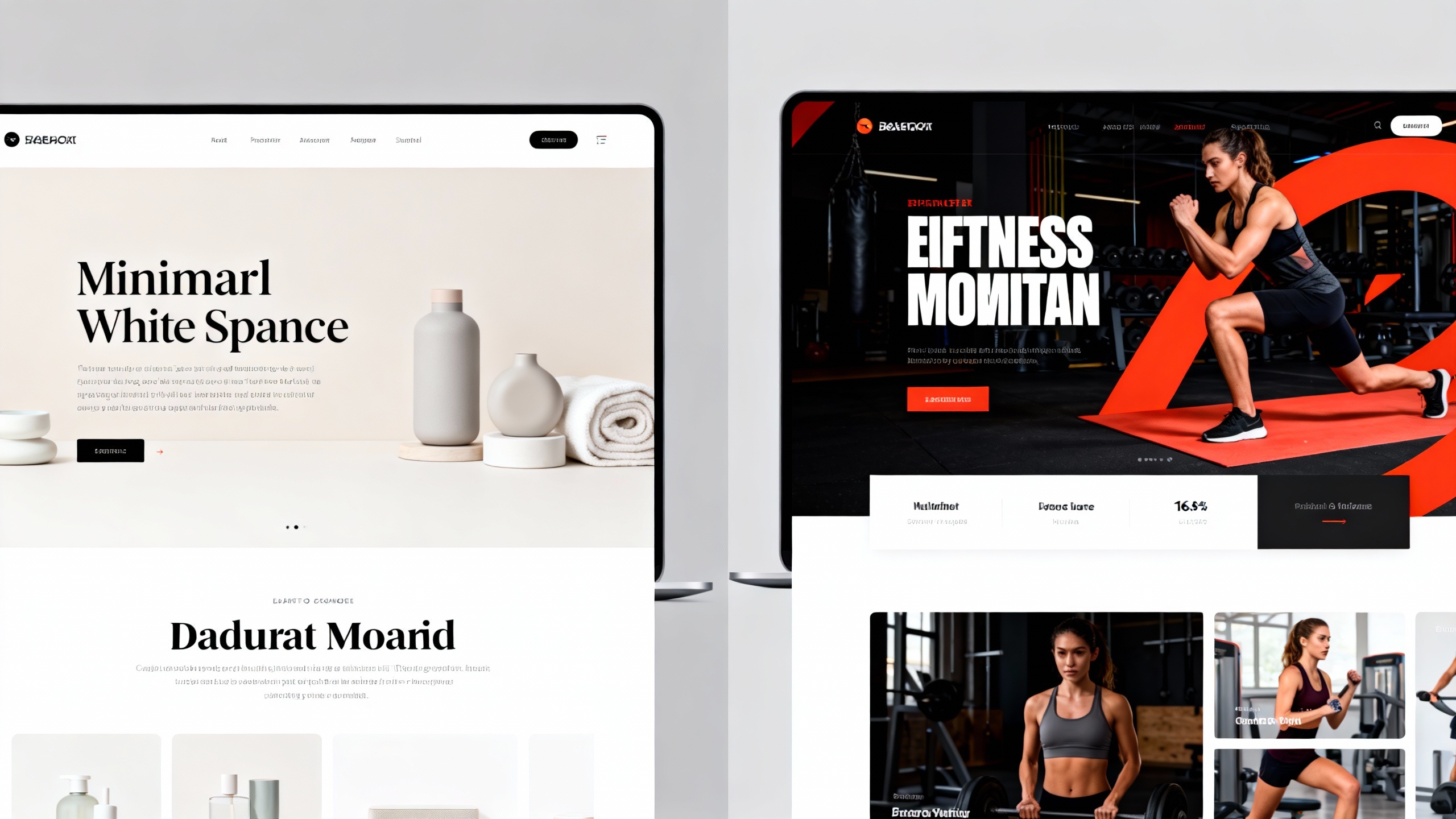
At the visceral level, your customer has a gut reaction to your store. Colors, photography, type, and layout all contribute. A print‑on‑demand store built around calm might use soft, muted palettes and generous white space, while a motivation‑focused fitness brand might use high‑contrast colors and dynamic imagery.

At the behavioral level, the user evaluates how well your store helps them achieve their goals. Tolbert emphasizes core UX qualities of effectiveness, efficiency, and satisfaction. For you, that means the catalog should be organized around how people shop (by mood, by recipient, by milestone), the personalization options should be easy to understand, and checkout should be smooth. Satisfaction here is not a vague feeling; it is the absence of friction that would overshadow the emotional promise of the product.

At the reflective level, customers look back and ask whether the purchase was worth it and what it says about them. Repeat purchases, UGC photos, and referrals all live at this level. Imagination points out that consistent positive emotional experiences create reinforced neural pathways so that simply seeing your logo or a signature illustration style triggers a cascade of positive memories.

If your store’s visceral, behavioral, and reflective layers all support the same emotional territory, every interaction becomes a small deposit in the emotional bank account you hold with your customer.

Increasing customer lifetime value through emotional connection

Scaling Emotional Value With Personalization And Automation

The Data You Actually Need

Adobe frames personalization as using data to target individuals with messages tailored to their interests, demographics, and behaviors, across both digital and offline channels. McKinsey treats personalization as a core business capability rather than just a marketing tactic, advising companies to build granular lifecycle views and predictive models.

That can sound overwhelming, but most print‑on‑demand brands have access to three basic data types highlighted by Adobe and CMO Alliance. You likely already have demographic information such as broad location and age brackets, behavioral signals such as pages viewed, products clicked, and emails opened, and transactional data such as what they bought, how often, and at what price.

The first step is to connect these dots at a basic level. Segment customers into groups such as “first‑time buyers who purchased a gift,” “repeat buyers of a specific niche,” or “site browsers who added a product to cart but did not check out.” The second step is to attach an emotional hypothesis to each segment. For example, gifting buyers may care about thoughtfulness and meaning, while repeat niche buyers may care about identity and belonging.

You do not need enterprise tools to start. Even simple tagging in your email platform or basic CRM can support emotion‑aware personalization, such as highlighting “community stories” to belonging‑oriented segments or “calm rituals” content to stressed professionals.

Where Emotion‑Led Personalization Pays Off Most

Adobe’s research shows that personalized emails convert at significantly higher rates, and McKinsey finds that personalized communications are a key factor in whether customers even consider a brand. Khoros adds that personalization can support better cross‑sell and upsell performance, with increases in related revenue when engagement is strong.

For print‑on‑demand, three customer journey moments are particularly ripe for emotionally aware personalization.

Discovery is where you can use ads, landing pages, and initial emails that speak directly to the emotional state your prospect is in. A campaign aimed at remote workers might lead with “Turn your home office into a space that lets you breathe again” rather than “Custom wall prints delivered fast.”

Consideration is where abandoned cart and browse‑abandon emails can nudge the emotional value rather than just the discount. Instead of only saying “You left this in your cart,” you might remind them, “Your daily reminder that you are building something that matters is waiting for you.”

Retention is where you can deepen emotional value through post‑purchase content. The Wise Marketer emphasizes exceptional service and community building for emotional value, while Khoros and Gocustomer highlight loyalty programs and communities. For you, that could mean sending a sequence of emails after purchase that shows how other customers use their products, offers design refreshes for milestones, or invites them to share their setup in a private group.

If your store sees $50,000.00 in monthly revenue, and over time personalization efforts drive a 10 percent uplift in line with Adobe and McKinsey’s typical range, you are looking at an additional $5,000.00 per month. Sustained over a year, that can fund better creative, better tools, or your next niche expansion.

Guardrails: Privacy, Trust, And Authenticity

The flip side of personalization is the risk of overstepping. GWI points out that about 81 percent of Americans are uneasy about how companies use their personal data. McKinsey underscores that personalization is most effective when customers feel valued for the relationship, not targeted for extraction.

Forbes’ perspective on emotional engagement stresses authenticity and transparency. Emotional triggers such as nostalgia, humor, or empathy only work long term when they align with your real values and behavior. Overly aggressive retargeting, creepy ad copy that reveals too much tracking, or fabricated urgency all erode the trust you are trying to build.

Practically, that means being clear about what data you collect and why, giving customers control over what they share, and focusing on relevance rather than surveillance. It also means living up to the emotional story you tell. If your brand positions itself as about calm, your customer support cannot feel chaotic. If you promise belonging, your community spaces need active, empathetic moderation.

In an era where customers can switch quickly, as McKinsey notes with over three‑quarters having tried new stores or products in recent periods, emotional trust is your buffer against churn.

Dropshipping business emotional branding tips

Measuring Emotional Value In A Hard‑Numbers Business

You cannot manage what you do not measure, and emotional value is no exception. The good news is that you can track it through hard business metrics that are already available to you.

HBR and Imagination both highlight customer lifetime value as a key outcome of emotional engagement, with fully emotionally engaged customers being significantly more valuable. Khoros ties emotional engagement to higher profitability, cross‑sell, and upsell. Acowebs points to increased repeat purchases and word‑of‑mouth, with emotionally attached customers about three times more likely to recommend a brand. Starbucks Rewards, as highlighted by Khoros, shows how an engagement program can account for a large share of sales when emotional and functional value align.

The following table shows how to think about some key metrics as proxies for emotional value.

Metric

Emotional signal

Supporting insight

Repeat purchase rate

Satisfaction, trust, habit

HBR, Imagination, Khoros on engaged customers’ value

Average order value (AOV)

Willingness to deepen relationship

Acowebs on 20 percent sales lift from emotional offers

Referral rate and reviews

Pride, advocacy, belonging

Acowebs on 3x recommendation likelihood, Khoros

Loyalty program engagement

Sense of identity and status

Starbucks Rewards example from Khoros

Email engagement and click‑through

Relevance and resonance of emotional messaging

Adobe on 6x conversion for personalized emails

To tie this directly to emotional initiatives in your store, treat each major emotional experiment as a mini case study. Launch a mood‑based bundle for a segment that has shown a clear emotional pattern and compare key metrics against a control group. If your baseline AOV is $40.00 and that segment’s bundle purchasers consistently show $48.00, you have evidence that the emotional design of the offer matters.

Similarly, if customers who use your configurator have higher repeat purchase rates or leave more detailed, emotionally rich reviews than those who bought static products, that is a signal that customization is doing more than simply increasing price; it is building emotional attachment.
Psychology of selling custom products online

Common Pitfalls When Monetizing Emotional Value

Not every attempt to monetize emotional value works, and there are consistent pitfalls that print‑on‑demand founders fall into.

The first is relying on intuition instead of data. Acowebs warns against guessing customers’ emotions; without validation, brands risk designing bundles or messaging around what they wish were true rather than what actually drives behavior. You avoid this by grounding everything in surveys, observed behavior, and explicit feedback.

The second is overcomplicating offers. Combeenation highlights that configurators which are too complex cause frustration, while those that are too simple induce boredom. The same is true of emotional bundles that require endless choices. Your job is to curate, not to dump the entire catalog into a “build your own” experience and hope customers know what will make them feel a certain way.

The third is confusing emotional triggers with manipulation. Astute and Forbes both stress authenticity and balance, especially with powerful emotions like fear. Used thoughtfully, fear of loss can motivate action, such as limited‑time offers or low‑stock reminders. Used aggressively or dishonestly, it leaves customers feeling tricked. The line is crossed when the underlying claim is not true, or when urgency is constantly faked.

The fourth is forgetting negative emotions in your product‑emotion cycle. Tolbert’s work reminds us that emotional design must consider both positive and negative experiences as input for iteration. A frustrating checkout, a misaligned mockup preview, or a late delivery can poison the emotional well you are trying to fill, unless you invest in service recovery that restores trust and even creates a “surprise and delight” moment, as Imagination suggests.

Finally, many brands underfund the operations side of emotional value. McKinsey finds that outperformers treat personalization and emotional value as organization‑wide capabilities, with cross‑functional teams, clear KPIs, and agile testing. If emotional commerce is just a one‑off campaign, it will not sustain. In a print‑on‑demand context, that means ensuring your production partners, service scripts, and even packaging align with the emotional promise, not just your ads.

FAQ: Real Questions From Print‑On‑Demand Founders

How many emotional territories should my brand focus on?

Most early‑stage brands do best when they focus on one primary and one secondary emotion, such as calm with a secondary of pride, or belonging with a secondary of fun. HBR’s research on emotional connection underscores the value of concentrating on segments where you can create the strongest bond. If your catalog feels emotionally scattered, customers struggle to understand what you stand for, and your messaging becomes harder to personalize. As your brand matures, you can explore additional emotions in sub‑brands or collections, but start tight.

What if I sell in several unrelated niches using the same POD catalog?

You can still lead with emotional value; you just do it by segment rather than by master brand. Adobe, GWI, and McKinsey all emphasize segmentation by behavior and motivation, not just demographics. In practice, you might build separate landing paths and email flows for “pet lovers,” “side‑hustle founders,” and “fitness communities,” each with its own emotional focus and bundles, while still sharing a common backend and fulfillment pipeline. Think of your Shopify store as an operating system and your emotional propositions as apps that sit on top.

Do I need AI and a full customer data platform to start emotional personalization?

The research from Adobe and McKinsey makes clear that AI and advanced martech stacks help at scale, but both also stress the value of starting from clear use cases and simple data. Many print‑on‑demand brands see meaningful gains from basic segmentation and triggered messaging: abandoned cart emails tuned to the emotional promise of the product, post‑purchase sequences that deepen the story, and occasional surveys that keep your emotional map accurate. As revenue from these efforts grows, you can reinvest into more advanced tools, but the core work is understanding your customers’ feelings and designing offers around them.

Closing Thoughts

In print‑on‑demand and dropshipping, your catalog is easy to copy but the emotional value you create is not. The brands that will thrive over the next few years are those that treat emotions as a design input, a product requirement, and a measurable business asset, not as decoration. If you can repeatedly turn vague feelings like “I want to feel seen” or “I need a moment of calm” into precise product offers, bundles, and experiences, you will not just sell more; you will build a business that customers quietly choose again and again, even when cheaper or closer options exist.

References

  1. https://marketingcommunications.wvu.edu/professional-development/marketing-communications-today/marketing-communications-today-blog/2024/08/29/personalization-in-marketing-communications
  2. https://martech.org/7-ways-to-boost-customers-emotional-connection-and-loyalty-with-your-brand/
  3. https://hbr.org/2015/11/the-new-science-of-customer-emotions
  4. https://www.proweaver.com/emotional-connections-in-branding
  5. https://acowebs.com/emotional-commerce-mood-based-product-bundles/
  6. https://astute.co/emotional-marketing-eliciting-strong-emotions-in-your-campaigns/
  7. https://www.cmoalliance.com/the-importance-of-personalization-in-demand-generation-for-retailers/
  8. https://www.gocustomer.ai/blog/innovative-customer-engagement-examples
  9. https://www.gwi.com/blog/personalized-marketing
  10. https://khoros.com/blog/customer-engagement-strategies

Like the article

0
Turning Feelings Into Things: Transforming Emotional Value Into Custom Product Offerings

Turning Feelings Into Things: Transforming Emotional Value Into Custom Product Offerings

If you run a print‑on‑demand or dropshipping business, you are not really selling shirts, mugs, or wall art. You are selling pride in a side hustle, relief after a long week, a sense of belonging to a niche community, or a quiet signal of someone’s values sitting on a desk. The challenge is that these are abstract emotional states, while your operations live in product IDs, print files, and shipping labels.

In my work mentoring e‑commerce founders, the most successful print‑on‑demand brands are the ones that learn to translate emotional value into concrete offers consistently. They do not just add a personalization field to a product page; they engineer the entire journey so that a feeling like “calm,” “motivation,” or “belonging” is designed into bundles, visuals, copy, and post‑purchase experiences.

This article walks through how to do that in a practical way, grounded in what we know from emotional commerce, emotional design, and data‑driven personalization research.

Why Emotional Value Is Your Real Product

What Emotional Value Actually Means

Emotional value is the benefit created when your brand goes beyond basic product performance and influences how customers feel about themselves and their lives. The Wise Marketer describes it as the value that comes from making customers feel heard, cared for, proud, or inspired rather than just “served.”

Harvard Business Review has shown that customers who are fully emotionally engaged with a brand are about 52 percent more valuable than average customers in terms of spend and loyalty. Separate research cited by Motista suggests that emotionally connected customers can have more than triple the lifetime value of merely satisfied customers, with longer relationships and more advocacy. Khoros summarizes this in customer engagement terms, noting that fully engaged customers can drive about a 23 percent uplift in profitability, revenue, and relationship growth.

For a print‑on‑demand or dropshipping store, emotional value is the difference between a generic “custom mug” and “the mug that reminds a new dad that he is doing a good job every morning at 6:00 AM.”

Why Emotions Drive Decisions In Your Store

Emotional marketing research backs up what most founders see intuitively. Harvard‑linked work summarized by Imagination explains that emotional experiences get tagged by the amygdala and prioritized by the hippocampus, so we remember them more strongly. Astute highlights that emotions trigger brain chemicals like dopamine (for positive emotions) and cortisol (for negative ones), which changes how likely people are to take action and recall a brand later.

Gallup data cited via MarTech suggests roughly 70 percent of decisions, including brand choices, are driven by emotional factors, with only about 30 percent purely rational. When emotional connection is strong, people stay through service hiccups, pay a premium, and advocate for the brand. Khoros and others show that engaged, emotionally connected customers are more likely to cross‑buy, up‑buy, and refer friends.

For a print‑on‑demand brand that might be running on thin margins, those differences compound quickly. If a customer who feels emotionally bonded to your brand is 52 percent more valuable and stays longer, as HBR and Motista indicate, then a customer with a baseline lifetime value of $100 might effectively be worth $150 or more once the emotional bond is in place. Multiply that by hundreds or thousands of customers in a niche, and emotional value becomes a strategic lever, not just a “nice” brand concept.

Why Personalization Is The Engine Of Emotional Commerce

Emotional value is not just about storytelling; it has to show up as the right message or product at the right time. Adobe’s research on personalization shows that personalized emails can be around six times more likely to convert than non‑personalized ones, and about 73 percent of customers say they prefer brands that personalize email communication. Adobe and McKinsey separately report that good personalization can deliver roughly a 10 to 15 percent revenue lift, with companies that excel generating around 40 percent more revenue from personalization than their peers.

At the same time, most marketing leaders still struggle to execute personalization at scale. Adobe notes that about 63 percent of digital marketing leaders say they wrestle with personalization, and only 17 percent are using AI or machine learning. McKinsey’s work adds that about 71 percent of consumers now expect personalized interactions, and three‑quarters feel frustrated when they do not get them.

The gap is clear. Customers expect brands to “see” them and understand their context. Most brands do not. That gap is your opportunity as a smaller, more nimble print‑on‑demand or dropshipping operation.

Transforming emotional value into custom product offerings

Choosing The Emotional Space Your Brand Will Own

Before you design a single new product, you should choose the emotional territory your brand will intentionally occupy. Imagination advises brands to deliberately decide which core feelings they want to be associated with, such as trust and security, joy and wonder, empowerment, nostalgia, or belonging. HBR’s work on the “new science of customer emotions” reinforces this: companies that focused on segments where emotional connection was most attainable, and then tailored offerings for those segments, saw disproportionate growth.

For a print‑on‑demand brand, that means you do not try to be everything to everyone. You pick one or two emotional territories and design your catalog, bundles, visuals, and communication around them.

Here are some concrete examples of how that can look in this sector.

Target emotion

Customer context

Example custom offering focus

Calm and relief

Burned‑out remote workers

Minimalist wall art, soothing color palettes, “unplug” tees

Pride and identity

Niche hobby or profession communities

Inside‑joke hoodies, achievement posters, custom badges

Belonging

Membership‑like online communities

Limited‑run drops, member‑only designs, matching sets

Motivation

Fitness, entrepreneurship, personal growth

Progress trackers, daily mantra mugs, milestone bundles

Nostalgia and joy

Retro gaming, classic music, local memories

Vintage‑style prints, “remember when” shirts, map art

The point is not that these are the only options but that your emotional focus gives you a lens for product decisions. If your chosen emotion is “belonging,” for example, your question when evaluating a new design is not “Will this sell?” but “Will this make my target customer feel like part of a tribe?”

Print on demand emotional marketing guide

Turning Abstract Emotions Into Concrete Offers

Start With Real Emotional Data, Not Guesswork

Acowebs’ work on emotional commerce and mood‑based product bundles emphasizes that you cannot afford to guess at your customers’ emotional states. They recommend grounding your strategy in data from surveys, purchase behavior, social listening, and sentiment analysis so you can see dominant feelings, such as stress, excitement, or nostalgia.

GWI makes a similar point in the personalization space, arguing that impactful personalization begins with deep audience understanding: why people choose brands, what they value, and how they make decisions. McKinsey and Adobe both underline that the data foundation should be clean, consent‑based, and trustworthy, blending behavioral signals (browsing, responses, cart events) with profile data (past orders, preferences, loyalty status).

For a lean print‑on‑demand brand, this can be simple to start. You can review reviews and customer support tickets for emotional language, run one or two short email or on‑site surveys, and tag orders based on use cases such as “gift for others,” “self‑treat,” or “business merch.” Over a few weeks, patterns emerge: maybe your audience talks a lot about burnout and wanting to slow down, or about finally feeling seen in a niche that mainstream brands ignore.

Those patterns are your raw emotional material.

Translate Emotions Into Mood‑Based Product Bundles

Mood‑based bundles are one of the most direct ways to turn emotional value into revenue. Acowebs defines them as curated sets of complementary items designed to create a specific emotional state, such as “Cozy Night In” or “Self‑Care Sunday.” Instead of asking customers to choose from dozens of individual SKUs, you package an emotional result.

The business case is strong. Acowebs shares examples where a wellness brand’s “Serenity Now” relaxation bundle, combining oils, a weighted blanket, and a meditation app, increased sales by about 30 percent. A lifestyle retailer’s “Milestone Magic” celebration bundle drove about a 25 percent engagement lift. They also note that companies using personalization in emotional commerce can see up to a 20 percent increase in sales.

Applied to a print‑on‑demand or dropshipping store, a “Cozy Night In” bundle might combine a fleece blanket with a calming illustration, a ceramic mug with a comforting phrase, and a matching art print. If your average order value is $40 and you manage, over time, to achieve even half of the 20 percent uplift some emotional commerce implementations see, your average order value would rise to $44. If you process 1,000 orders a month, that is an additional $4,000 in revenue without acquiring more customers.

The key is that every item in the bundle must reinforce the target mood. Acowebs stresses that the products, the copy, and even the imagery must work together to deliver a felt state, not just a discount.

Use Customization To Trigger Ownership And Pride

Individualization has its own emotional power. Combeenation’s analysis of emotional products through configurators shows that when customers can shape a product themselves, they feel “I did it myself, it is mine and it is great.” This taps into the endowment effect, where perceived ownership raises perceived value even before a purchase is complete.

The process they describe is an emotional chain. Customers interact with a configurator, adjust colors, typography, or layouts, and see a realistic visualization of the final product. This interaction triggers unconscious feelings of possessiveness and pride, which make purchase more likely, even if buying was not the original intent. When the product arrives and matches the customer’s design, they feel a sense of achievement and deep satisfaction, reinforcing attachment and making regret unlikely.

In a print‑on‑demand context, think about a jersey builder for a local rec league, a “design your own studio wall” tool for content creators, or a configurator that lets pet owners combine breed illustrations with their pet’s name and a chosen phrase. Combeenation cautions that the challenge level must match the user’s abilities. If the configurator is too complex, people feel frustrated; if too simple, they get bored. When the complexity is tuned correctly, you create a “flow” state where the configuration process itself is enjoyable and immersive.

For founders, the implication is clear: treat your configurator like a product, not just a feature. It is one of your strongest engines for emotional value.

Design For Emotions At Every UX Level

Emotional design is not limited to the product; it extends to the entire user experience. Jewel Tolbert’s synthesis of emotional design work, drawing on Donald Norman, suggests that good design appeals at three cognitive levels.

At the visceral level, your customer has a gut reaction to your store. Colors, photography, type, and layout all contribute. A print‑on‑demand store built around calm might use soft, muted palettes and generous white space, while a motivation‑focused fitness brand might use high‑contrast colors and dynamic imagery.

At the behavioral level, the user evaluates how well your store helps them achieve their goals. Tolbert emphasizes core UX qualities of effectiveness, efficiency, and satisfaction. For you, that means the catalog should be organized around how people shop (by mood, by recipient, by milestone), the personalization options should be easy to understand, and checkout should be smooth. Satisfaction here is not a vague feeling; it is the absence of friction that would overshadow the emotional promise of the product.

At the reflective level, customers look back and ask whether the purchase was worth it and what it says about them. Repeat purchases, UGC photos, and referrals all live at this level. Imagination points out that consistent positive emotional experiences create reinforced neural pathways so that simply seeing your logo or a signature illustration style triggers a cascade of positive memories.

If your store’s visceral, behavioral, and reflective layers all support the same emotional territory, every interaction becomes a small deposit in the emotional bank account you hold with your customer.

Increasing customer lifetime value through emotional connection

Scaling Emotional Value With Personalization And Automation

The Data You Actually Need

Adobe frames personalization as using data to target individuals with messages tailored to their interests, demographics, and behaviors, across both digital and offline channels. McKinsey treats personalization as a core business capability rather than just a marketing tactic, advising companies to build granular lifecycle views and predictive models.

That can sound overwhelming, but most print‑on‑demand brands have access to three basic data types highlighted by Adobe and CMO Alliance. You likely already have demographic information such as broad location and age brackets, behavioral signals such as pages viewed, products clicked, and emails opened, and transactional data such as what they bought, how often, and at what price.

The first step is to connect these dots at a basic level. Segment customers into groups such as “first‑time buyers who purchased a gift,” “repeat buyers of a specific niche,” or “site browsers who added a product to cart but did not check out.” The second step is to attach an emotional hypothesis to each segment. For example, gifting buyers may care about thoughtfulness and meaning, while repeat niche buyers may care about identity and belonging.

You do not need enterprise tools to start. Even simple tagging in your email platform or basic CRM can support emotion‑aware personalization, such as highlighting “community stories” to belonging‑oriented segments or “calm rituals” content to stressed professionals.

Where Emotion‑Led Personalization Pays Off Most

Adobe’s research shows that personalized emails convert at significantly higher rates, and McKinsey finds that personalized communications are a key factor in whether customers even consider a brand. Khoros adds that personalization can support better cross‑sell and upsell performance, with increases in related revenue when engagement is strong.

For print‑on‑demand, three customer journey moments are particularly ripe for emotionally aware personalization.

Discovery is where you can use ads, landing pages, and initial emails that speak directly to the emotional state your prospect is in. A campaign aimed at remote workers might lead with “Turn your home office into a space that lets you breathe again” rather than “Custom wall prints delivered fast.”

Consideration is where abandoned cart and browse‑abandon emails can nudge the emotional value rather than just the discount. Instead of only saying “You left this in your cart,” you might remind them, “Your daily reminder that you are building something that matters is waiting for you.”

Retention is where you can deepen emotional value through post‑purchase content. The Wise Marketer emphasizes exceptional service and community building for emotional value, while Khoros and Gocustomer highlight loyalty programs and communities. For you, that could mean sending a sequence of emails after purchase that shows how other customers use their products, offers design refreshes for milestones, or invites them to share their setup in a private group.

If your store sees $50,000.00 in monthly revenue, and over time personalization efforts drive a 10 percent uplift in line with Adobe and McKinsey’s typical range, you are looking at an additional $5,000.00 per month. Sustained over a year, that can fund better creative, better tools, or your next niche expansion.

Guardrails: Privacy, Trust, And Authenticity

The flip side of personalization is the risk of overstepping. GWI points out that about 81 percent of Americans are uneasy about how companies use their personal data. McKinsey underscores that personalization is most effective when customers feel valued for the relationship, not targeted for extraction.

Forbes’ perspective on emotional engagement stresses authenticity and transparency. Emotional triggers such as nostalgia, humor, or empathy only work long term when they align with your real values and behavior. Overly aggressive retargeting, creepy ad copy that reveals too much tracking, or fabricated urgency all erode the trust you are trying to build.

Practically, that means being clear about what data you collect and why, giving customers control over what they share, and focusing on relevance rather than surveillance. It also means living up to the emotional story you tell. If your brand positions itself as about calm, your customer support cannot feel chaotic. If you promise belonging, your community spaces need active, empathetic moderation.

In an era where customers can switch quickly, as McKinsey notes with over three‑quarters having tried new stores or products in recent periods, emotional trust is your buffer against churn.

Dropshipping business emotional branding tips

Measuring Emotional Value In A Hard‑Numbers Business

You cannot manage what you do not measure, and emotional value is no exception. The good news is that you can track it through hard business metrics that are already available to you.

HBR and Imagination both highlight customer lifetime value as a key outcome of emotional engagement, with fully emotionally engaged customers being significantly more valuable. Khoros ties emotional engagement to higher profitability, cross‑sell, and upsell. Acowebs points to increased repeat purchases and word‑of‑mouth, with emotionally attached customers about three times more likely to recommend a brand. Starbucks Rewards, as highlighted by Khoros, shows how an engagement program can account for a large share of sales when emotional and functional value align.

The following table shows how to think about some key metrics as proxies for emotional value.

Metric

Emotional signal

Supporting insight

Repeat purchase rate

Satisfaction, trust, habit

HBR, Imagination, Khoros on engaged customers’ value

Average order value (AOV)

Willingness to deepen relationship

Acowebs on 20 percent sales lift from emotional offers

Referral rate and reviews

Pride, advocacy, belonging

Acowebs on 3x recommendation likelihood, Khoros

Loyalty program engagement

Sense of identity and status

Starbucks Rewards example from Khoros

Email engagement and click‑through

Relevance and resonance of emotional messaging

Adobe on 6x conversion for personalized emails

To tie this directly to emotional initiatives in your store, treat each major emotional experiment as a mini case study. Launch a mood‑based bundle for a segment that has shown a clear emotional pattern and compare key metrics against a control group. If your baseline AOV is $40.00 and that segment’s bundle purchasers consistently show $48.00, you have evidence that the emotional design of the offer matters.

Similarly, if customers who use your configurator have higher repeat purchase rates or leave more detailed, emotionally rich reviews than those who bought static products, that is a signal that customization is doing more than simply increasing price; it is building emotional attachment.

Psychology of selling custom products online

Common Pitfalls When Monetizing Emotional Value

Not every attempt to monetize emotional value works, and there are consistent pitfalls that print‑on‑demand founders fall into.

The first is relying on intuition instead of data. Acowebs warns against guessing customers’ emotions; without validation, brands risk designing bundles or messaging around what they wish were true rather than what actually drives behavior. You avoid this by grounding everything in surveys, observed behavior, and explicit feedback.

The second is overcomplicating offers. Combeenation highlights that configurators which are too complex cause frustration, while those that are too simple induce boredom. The same is true of emotional bundles that require endless choices. Your job is to curate, not to dump the entire catalog into a “build your own” experience and hope customers know what will make them feel a certain way.

The third is confusing emotional triggers with manipulation. Astute and Forbes both stress authenticity and balance, especially with powerful emotions like fear. Used thoughtfully, fear of loss can motivate action, such as limited‑time offers or low‑stock reminders. Used aggressively or dishonestly, it leaves customers feeling tricked. The line is crossed when the underlying claim is not true, or when urgency is constantly faked.

The fourth is forgetting negative emotions in your product‑emotion cycle. Tolbert’s work reminds us that emotional design must consider both positive and negative experiences as input for iteration. A frustrating checkout, a misaligned mockup preview, or a late delivery can poison the emotional well you are trying to fill, unless you invest in service recovery that restores trust and even creates a “surprise and delight” moment, as Imagination suggests.

Finally, many brands underfund the operations side of emotional value. McKinsey finds that outperformers treat personalization and emotional value as organization‑wide capabilities, with cross‑functional teams, clear KPIs, and agile testing. If emotional commerce is just a one‑off campaign, it will not sustain. In a print‑on‑demand context, that means ensuring your production partners, service scripts, and even packaging align with the emotional promise, not just your ads.

FAQ: Real Questions From Print‑On‑Demand Founders

How many emotional territories should my brand focus on?

Most early‑stage brands do best when they focus on one primary and one secondary emotion, such as calm with a secondary of pride, or belonging with a secondary of fun. HBR’s research on emotional connection underscores the value of concentrating on segments where you can create the strongest bond. If your catalog feels emotionally scattered, customers struggle to understand what you stand for, and your messaging becomes harder to personalize. As your brand matures, you can explore additional emotions in sub‑brands or collections, but start tight.

What if I sell in several unrelated niches using the same POD catalog?

You can still lead with emotional value; you just do it by segment rather than by master brand. Adobe, GWI, and McKinsey all emphasize segmentation by behavior and motivation, not just demographics. In practice, you might build separate landing paths and email flows for “pet lovers,” “side‑hustle founders,” and “fitness communities,” each with its own emotional focus and bundles, while still sharing a common backend and fulfillment pipeline. Think of your Shopify store as an operating system and your emotional propositions as apps that sit on top.

Do I need AI and a full customer data platform to start emotional personalization?

The research from Adobe and McKinsey makes clear that AI and advanced martech stacks help at scale, but both also stress the value of starting from clear use cases and simple data. Many print‑on‑demand brands see meaningful gains from basic segmentation and triggered messaging: abandoned cart emails tuned to the emotional promise of the product, post‑purchase sequences that deepen the story, and occasional surveys that keep your emotional map accurate. As revenue from these efforts grows, you can reinvest into more advanced tools, but the core work is understanding your customers’ feelings and designing offers around them.

Closing Thoughts

In print‑on‑demand and dropshipping, your catalog is easy to copy but the emotional value you create is not. The brands that will thrive over the next few years are those that treat emotions as a design input, a product requirement, and a measurable business asset, not as decoration. If you can repeatedly turn vague feelings like “I want to feel seen” or “I need a moment of calm” into precise product offers, bundles, and experiences, you will not just sell more; you will build a business that customers quietly choose again and again, even when cheaper or closer options exist.

References

  1. https://marketingcommunications.wvu.edu/professional-development/marketing-communications-today/marketing-communications-today-blog/2024/08/29/personalization-in-marketing-communications
  2. https://martech.org/7-ways-to-boost-customers-emotional-connection-and-loyalty-with-your-brand/
  3. https://hbr.org/2015/11/the-new-science-of-customer-emotions
  4. https://www.proweaver.com/emotional-connections-in-branding
  5. https://acowebs.com/emotional-commerce-mood-based-product-bundles/
  6. https://astute.co/emotional-marketing-eliciting-strong-emotions-in-your-campaigns/
  7. https://www.cmoalliance.com/the-importance-of-personalization-in-demand-generation-for-retailers/
  8. https://www.gocustomer.ai/blog/innovative-customer-engagement-examples
  9. https://www.gwi.com/blog/personalized-marketing
  10. https://khoros.com/blog/customer-engagement-strategies

Like the article

0