

Creative Custom Items: How Innovative Personalized Products Power Print‑on‑Demand Growth

Creative Custom Items: How Innovative Personalized Products Power Print‑on‑Demand Growth

Jan 3, 2026 by Iris POD e-Commerce 101

Creative custom items used to be a niche luxury. Today, they are quickly becoming the expectation. Consumers want products that feel like they were made specifically for them, not just pulled off a warehouse shelf, and they are willing to reward brands that deliver that feeling with higher spend, stronger loyalty, and word‑of‑mouth.

As a mentor working with print‑on‑demand and dropshipping founders, I see the same pattern repeatedly. Stores that treat customization as a core value proposition, not a gimmick, consistently outperform peers selling generic, undifferentiated products. The challenge is turning that desire for uniqueness into an operationally sound, profitable business.

This article unpacks what “creative custom items” really mean in ecommerce, how leading brands are using innovative personalization, and how you can apply the same principles to your own print‑on‑demand or dropshipping operation without losing your margins or your sanity.

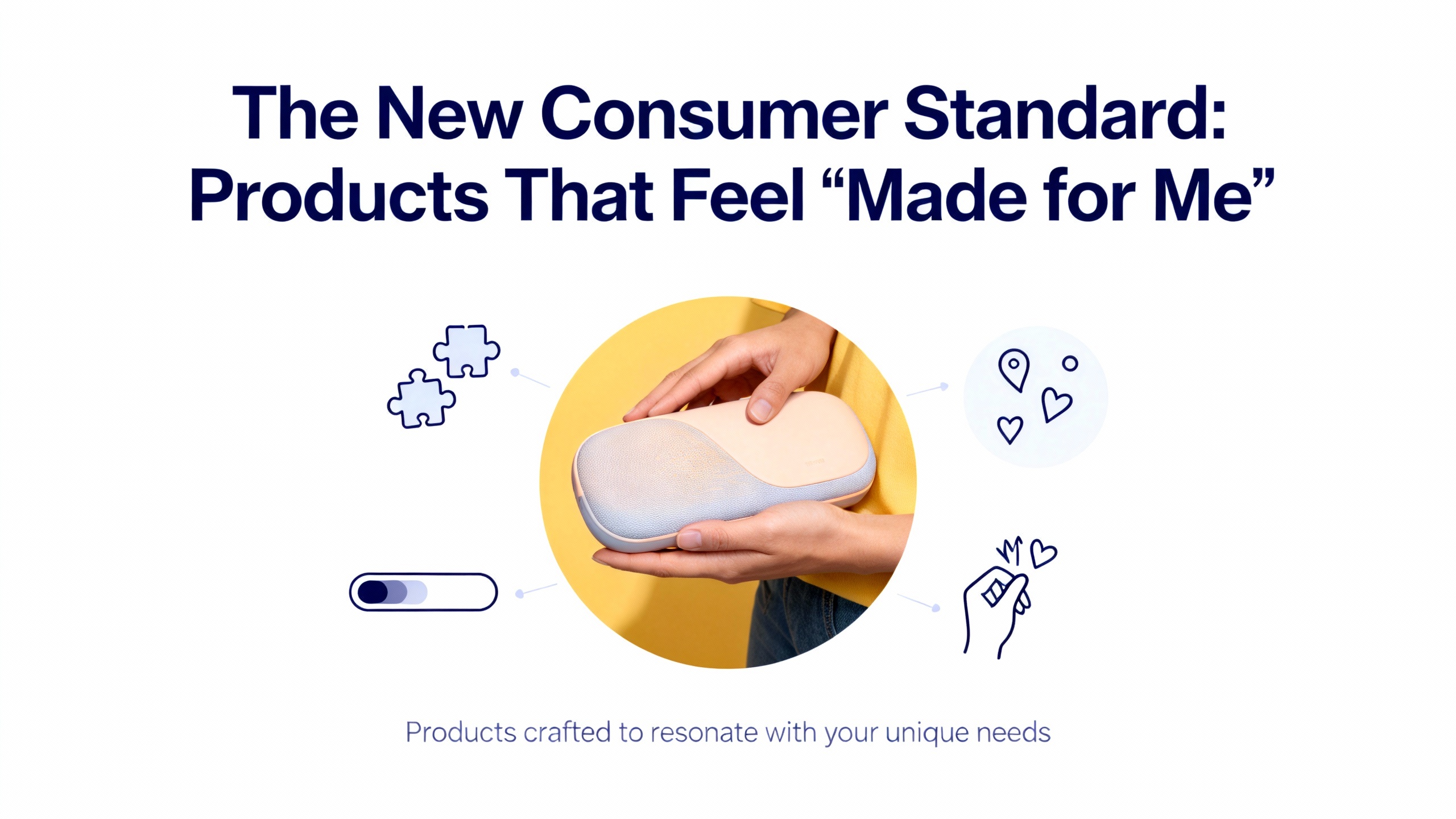
The New Consumer Standard: Products That Feel “Made for Me”

Multiple independent studies now point in the same direction. Deloitte found that more than a third of consumers express interest in personalized products, and among those, one in five will pay about 20 percent more for them. A later study by Dassault Systèmes reported that shoppers are willing to pay an average premium of just over 25 percent for personalized items. Bain & Company has shown that customers who customize products such as footwear give brands Net Promoter Scores roughly 50 percent higher than regular buyers.

On the experience side, research from McKinsey & Company indicates that around 71 percent of consumers expect companies to deliver personalized interactions, and about three‑quarters feel frustrated when that does not happen. Freshworks and Epsilon report that about 80 percent of people are more likely to purchase when brands offer personalized experiences, and successful personalization programs are associated with roughly 20 percent higher customer satisfaction and 10 to 15 percent better conversion rates.

Visualization matters as well. According to the 3D Cloud Furniture Shopping Trends Study for 2025, 77 percent of buyers say real‑time configuration speeds their decisions, 72 percent feel more confident when they can see custom products in 3D or augmented reality, and 68 percent prefer and stay loyal to brands offering these digital customization tools.

In other words, creative custom items are not just “nice to have.” Consumers increasingly see the ability to tailor products and experiences as a baseline requirement. The upside is equally clear for merchants. Deloitte, Bain, and others converge on the same message: well‑executed customization supports premium pricing, stronger loyalty, and often lower return rates because shoppers know exactly what they are getting.

For print‑on‑demand and dropshipping entrepreneurs, the opportunity is amplified by digital manufacturing. Cascade Business News describes how digital and 3D printing technologies have created a more equal playing field, allowing small businesses to sell custom T‑shirts, mugs, posters, and alternative fashion items without owning factories. Platforms like Zazzle, Shutterfly, and Printify further reduce the barrier by combining on‑demand printing with marketplace reach and fulfillment.

The strategic question is not whether customers want creative custom items; the real question is which custom experiences you should offer, and how deeply you should invest, given your brand, budget, and operations.

Customization, Personalization, and Configuration: Getting the Terms Right

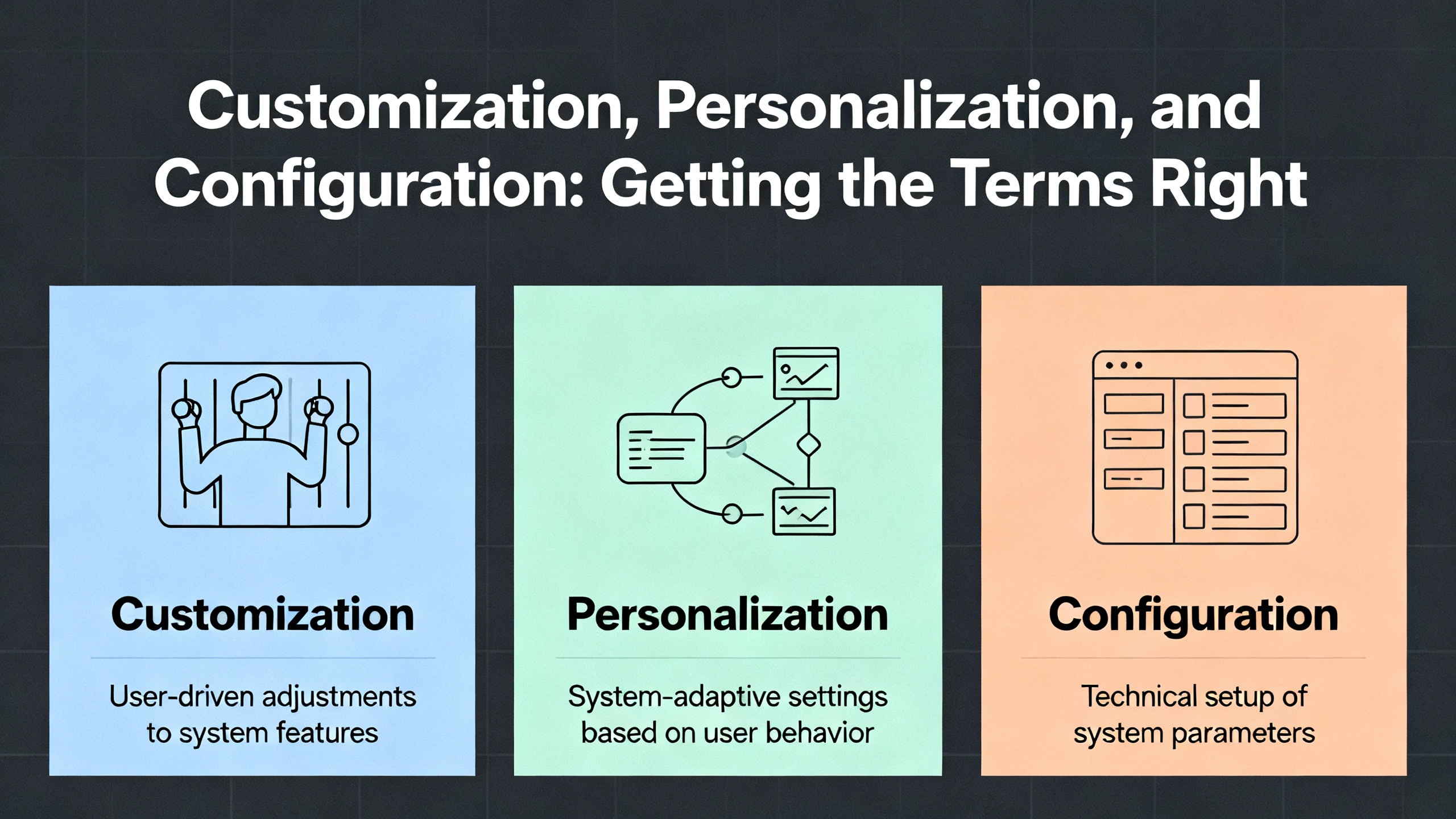
Before you design new product lines or configure your store, it is worth clarifying three often‑confused concepts: customization, personalization, and configuration. They overlap but imply different investments and capabilities.

ConfigureID and Imagine.io define product customization as letting customers co‑design a product from a curated set of options. Shoppers actively modify features such as colors, fabrics, finishes, patterns, or components to create a unique item. Nike By You, for example, allows buyers to change shoe panels and accents, while Ray‑Ban lets customers adjust lens colors, frames, and engravings.

Product personalization is slightly different. It involves adding uniquely personal elements like names, initials, numbers, user‑generated photos, or logos to an otherwise standard product. Think of monogrammed tumblers, engraved watches, or printed M&M’s that carry custom messages. In many print‑on‑demand catalogs, this is the bread‑and‑butter use case.

Product configuration is the more technical cousin. Artifi and 3D Cloud describe configuration as choosing from a structure of components and options that affect specifications, performance, or fit. Dell’s configurable computers, modular Fender guitars, or adjustable office chairs fall into this category. In ecommerce, configuration typically means a multi‑step experience where customers pick size, material, components, and add‑ons until they arrive at a final spec.

At the same time, firms like McKinsey and SuperOffice use “personalization” in the marketing sense: using data and analytics to tailor content, offers, and messages to each individual. Spotify’s playlists, Amazon‑style product recommendations, or McDonald’s targeted offers all illustrate this data‑driven side.

A concise way to think about it looks like this:

Concept

Short definition

Who drives it

Typical example for a POD brand

Customization

Customer co‑designs product options such as colors, materials, or layouts

Customer chooses from your curated menu

Allowing shoppers to choose shirt color, print placement, and design variant

Personalization (product)

Adding identity elements such as names, dates, or photos

Customer provides content; you print it

Printing a customer’s family photo and caption on a mug

Configuration

Structured selection of components or specs that affect function

Customer and system follow rules together

Letting buyers specify planner size, cover material, insert type, and extras

Personalization (marketing)

Tailoring messages, offers, and content using customer data

Brand uses behavior and profile data

Emailing buyers recommendations that match their past custom designs

For a print‑on‑demand or dropshipping business, you will usually combine these. A custom planner might be configured step by step, personalized with a name, and marketed through a personalized email series. Understanding which layer you are designing helps you choose the right tools and avoid confusing complexity.
Personalized product strategies for dropshipping

The Main Customization Models You Can Leverage

The research points to several complementary ways to customize. 3D Cloud highlights five product‑side types, while a Harvard Business Review framework, discussed by Katana and Imagine.io, outlines four styles of mass customization. Together they give a practical vocabulary.

Functional customization changes how a product performs, fits, or feels without redesigning it from scratch. Adjustable office chairs, configurable helmets, and computers with tailored processors or memory are classic examples. In a print‑on‑demand context, “functional” might mean selecting notebook paper type, page layout, or hoodie weight to match climate and use.

Component customization lets customers swap parts or modules. Canyon bicycles and modular guitars illustrate this in durable goods; in your world it could be interchangeable straps, charms, inserts, or detachable pockets for bags and planners, produced via dropshipping partners.

Aesthetic customization focuses purely on look and feel. Brands such as Design Within Reach or Nike allow customers to tailor materials, colors, and finishes without changing the underlying structure. This is where most print‑on‑demand catalogs naturally live, with on‑demand printing on apparel, posters, phone cases, and home décor.

Personalized customization overlays identity elements. Platforms like Zazzle and Shutterfly let customers apply names, phrases, and photos to a variety of products, and Printify enables creators to sell those designs through on‑demand printing without holding inventory. Many Etsy gift sellers operate in this mode.

Mass customization ties these models together at scale. MyMuesli’s build‑your‑own cereal blends, Starbucks drinks with hundreds of possible combinations, or 3D‑printed lamps with multiple parts and colors all show how companies can offer many distinct permutations while keeping operations economical.

Harvard Business Review and Katana further describe four styles of mass customization: collaborative, cosmetic, adaptive, and transparent. Collaborative customization involves dialog with the customer to configure the right option set, like pizza chains guiding topping selection. Cosmetic customization keeps the product the same but varies packaging, quantity, or messaging for different segments. Adaptive products can be adjusted by the user or respond to the environment, such as color‑changing cosmetics. Transparent customization uses data to tailor offerings or recommendations without making the personalization particularly explicit.

For a print‑on‑demand or dropshipping brand, you do not need every model at once. The practical move is to choose two or three that support your brand story and supply chain, then design your product line and storefront around those.

Where Creative Custom Items Shine in Print‑on‑Demand

Certain categories naturally lend themselves to creative custom items and innovative personalization. Research across apparel, home décor, food, gifts, and consumer packaged goods shows strong consumer pull where identity and self‑expression are central.

Fashion and accessories are the most visible example. Cascade Business News notes the rapid growth of custom clothing, with shoppers transforming standard hoodies, sneakers, and jewelry into personalized items that reflect subcultural preferences. Major brands like Nike and Oakley use customization to let customers mix colors and details, while niche players such as Shop Strange target goth, punk, and alternative communities with custom designs that resonate with specific lifestyles. For print‑on‑demand sellers, apparel remains a prime canvas because the base products are standardized while the prints are infinitely variable.

Gifts and keepsakes are another sweet spot. Imagine.io and ShopCircle highlight mugs, T‑shirts, phone cases, and photo products where buyers can upload images, choose fonts, and add messages for birthdays, anniversaries, and graduations. Freshworks points to Etsy as a marketplace where print‑on‑demand and handcrafted gifts can be personalized at scale for special occasions. Because gifting is emotional, even simple personalization such as names and dates can create strong perceived value.

Home and décor benefit from both customization and visualization. 3D Cloud reports that furniture and décor brands use modular designs, 3D planners, and room‑scanning tools so customers can configure layouts, dimensions, materials, and finishes to fit their spaces. The US Chamber of Commerce describes retailers like Target, Amazon, and Crate & Barrel using augmented reality so shoppers can “see it in their space” before buying. For a smaller print‑on‑demand brand, the equivalent might be wall art, cushions, or lampshade designs that can be previewed on a room mockup, with color and motif options aligned to different aesthetics.

Food, beverage, and CPG‑style products show how far customization can go when operations allow. Kraft Heinz discovered through its data ecosystem that about 69 percent of consumers consider the ability to customize sauces very important, leading to the Heinz Remix dispenser with more than two thousand possible flavor combinations. MyMuesli’s cereals and Starbucks’ highly configurable drinks are further proof that consumers enjoy building “their” version of a product. For ecommerce sellers, this logic can be applied to supplements, tea blends, or snack boxes created via partner facilities, provided regulatory and manufacturing constraints are respected.

Even packaging can become a creative custom item. Creativedisplaysnow and PensXpress emphasize that minimalist but distinctive packaging, considered color strategy, and custom branded merchandise turn ordinary items into strong brand signals. Siemens highlights smart packaging with digital features such as scannable codes or connected experiences, helping brands engage consumers and collect data. In print‑on‑demand, this might mean custom mailer designs, branded inserts, or packaging sleeves that can be tailored for campaigns or specific customer segments.

The common thread is that creative custom items allow individuals to express identity, values, or aesthetics in categories where they care deeply: what they wear, display, consume, or give. For a young ecommerce brand, the goal is to choose a focused set of categories and make them remarkably personal, rather than offering shallow customization on everything.

Digital Experiences That Sell Customized Products

Great custom products can still underperform if the digital experience is clumsy. The research is clear: shoppers want to see what they are getting, step through configuration without friction, and understand pricing and availability as they go.

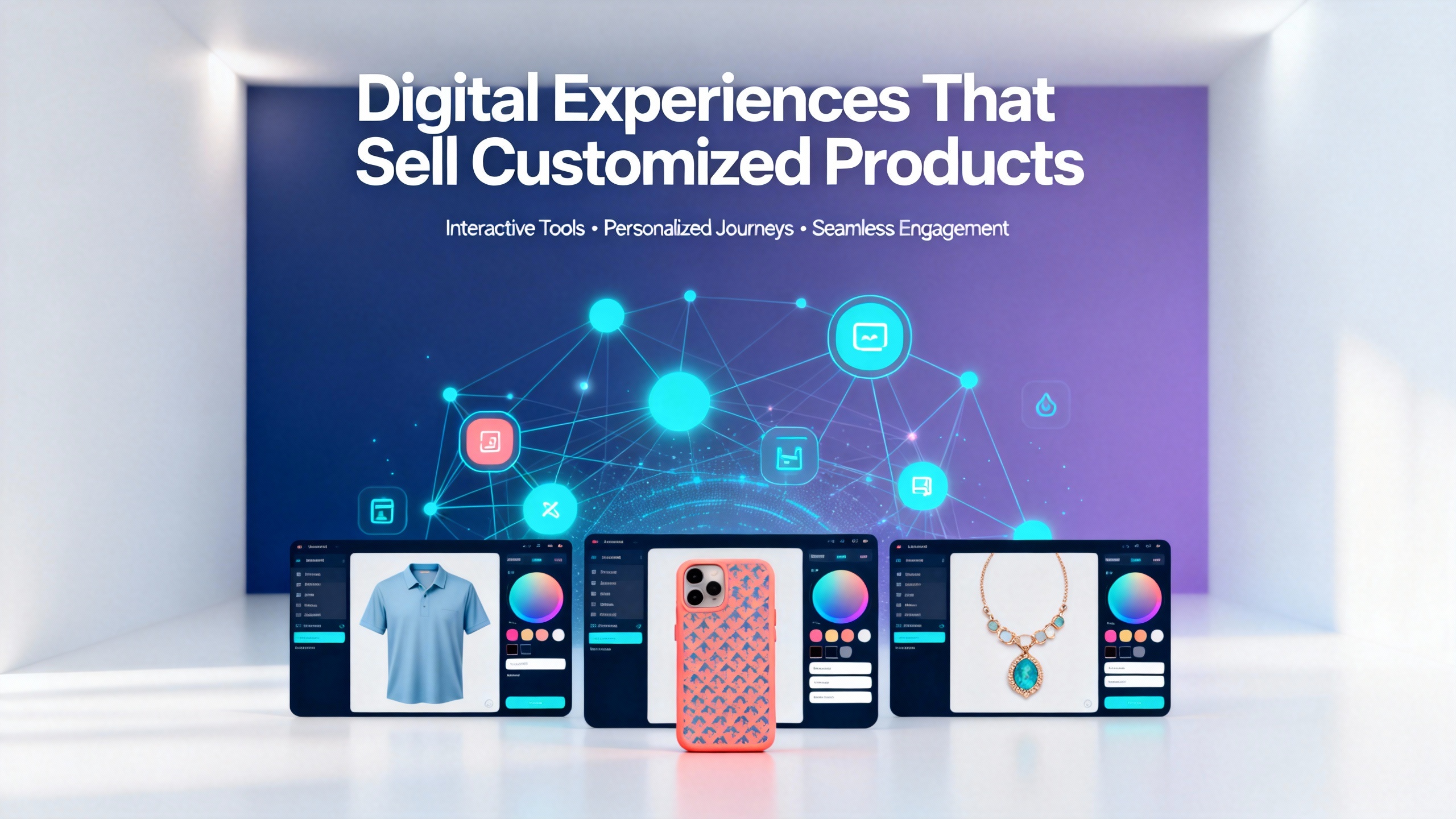
3D Cloud and Imagine.io describe the impact of interactive product configurators and 3D or augmented reality visualizations. These tools let users view items from every angle, tweak size, color, or features, and see real‑time changes in the product, price, and specifications. In furniture and décor, the majority of buyers in the 3D Cloud study said these experiences made them faster and more confident in their decisions. The same psychology applies to a custom sneaker, mug, or planner.

The Good provides practical guidance for ecommerce: effective customizers show accurate real‑time previews so buyers clearly understand the final product, which reduces dissatisfaction and returns. That means your preview should reflect font sizes, placement, color interactions, and even embroidery or engraving effects where possible. Artifi goes further, noting that many shoppers want a “virtual proof” before ordering, and recommends robust visualization tools including 2D, 3D, and 360‑degree rotations where appropriate.

Not every brand needs full 3D, but every brand benefits from intuitive configuration. ShopCircle describes product‑options apps that add text boxes, file uploads, color selectors, and conditional logic without custom development. Conditional logic is particularly useful for keeping the interface clean: customers see only the options relevant to their prior choices, which reduces choice overload and makes perceived complexity manageable.

At the same time, technical constraints matter. A Squarespace forum thread shows a founder hitting the platform’s variant limits when trying to build an extremely configurable product with many attributes and optional add‑ons. Their desired experience resembled a custom pizza or burrito flow, with structured choices from start to finish. The takeaway is that deep customization often requires platforms or apps built for large configuration spaces, not just basic variant grids.

Beyond the product page, marketing personalization can amplify performance. McKinsey’s work on targeted promotions shows that tailoring discounts and offers based on individual preferences and lifecycle stages can lift sales by one to two percent and improve margins by one to three percent, with about 65 percent of customers naming targeted promotions as a top reason to purchase. Eventible’s review of leading brands reinforces that personalized content, visuals, and offers—delivered via apps, email, and ads—strengthen engagement when paired with convenience and loyalty rewards.

In practical terms, a print‑on‑demand store might combine a visual product configurator, personalized recommendation sections showing designs similar to those a customer has customized before, and targeted offers nudging them toward bundles or premium materials they are statistically likely to appreciate.
Ecommerce product customization trends and statistics

Economics and Operations of Mass Customization

Mass customization aims to satisfy individual customers as efficiently as possible while retaining the economics of scaled manufacturing. Katana defines it as offering products tailored for individuals without fully redesigning each item, keeping costs low enough for mass production.

The upside is well documented. Katana notes higher sales from broader appeal, stronger brand perception, higher profit margins, and increased engagement. Deloitte and Bain agree that customers interested in personalized products often pay around a 20 percent premium. Bain also observes that shoe brands offering customization see lower return rates and much higher loyalty metrics.

However, every benefit comes with an operational counterweight. ConfigureID and Freshworks stress that customization adds complexity and cost. Development and production teams must dedicate resources to new options, which can compress margins and introduce quality risks such as software bugs or production errors. Siemens’ work in consumer packaged goods further warns that innovation is already inefficient, with many new products failing to sustain market presence, and that regulatory and sustainability demands add constraints.

Technology choices are central. Katana argues that spreadsheets are not sufficient for modern mass customization, arguing for integrated tools that connect inventory, production, ecommerce platforms such as Shopify or WooCommerce, and accounting. Artifi similarly emphasizes that a SaaS customization platform should generate production‑ready output files, manage assets and rules, and integrate with ecommerce systems so that pricing and add‑to‑cart behavior remain accurate.

The Harvard Business Review framework, summarized by Katana, also underscores the importance of keeping bills of materials and product recipes as simple as possible, even in collaborative customization scenarios like build‑your‑own food items or helmets. Bain cautions against offering so many options that customers feel overwhelmed, suggesting that many successful programs narrow down to a relatively small set of design elements that matter most and are operationally feasible.

In addition, Bain’s research shows that expectations around delivery and returns vary by category. Footwear buyers might accept a three‑ to four‑week wait for a custom pair, while interest in custom shirts drops sharply if delivery extends beyond about two weeks. Across categories, clear return policies of around 30 days are important to sustaining demand.

For print‑on‑demand and dropshipping entrepreneurs, the economic play is to use standardized blanks and repeatable printing or engraving methods, keep option sets focused, and invest in the minimum technology stack that ensures accuracy and efficiency. You want customers to feel like they are co‑creating something special while your backend quietly runs on repeatable workflows.

Designing a Roadmap for Your Next Creative Custom Line

Building a profitable, creative custom product line starts long before you add text fields to a product page. The most successful brands in the research share a few disciplined habits that smaller ecommerce businesses can copy.

The first is consumer‑centric product definition. Siemens describes consumer centricity as aligning innovation tightly with real‑time consumer feedback and preferences, using integrated lifecycle tools to shorten traditional 12‑ to 18‑month cycles. Delineate’s work on consumer‑driven innovation shows global brands such as Kraft Heinz, Nike, and Coca‑Cola using continuous streams of data from apps, social listening, surveys, and experiments to decide what to customize, what to launch, and how to position it.

ConfigureID recommends a similar process for smaller brands: monitor industry research and competitors to identify where customization and personalization are heading, then research your own audience through surveys, interviews, and field trials. The goal is to understand practical and emotional purchase drivers, price sensitivity, and which options customers truly value.

The Formations Company adds that effective product tailoring starts with clearly defining your target market and building buyer profiles that capture who your customers are, what they want, and where they get their information. Sales data can reveal unexpected high‑value segments, such as professional niches using tools in ways you did not anticipate. When new niches emerge, it may be worth creating variants and niche marketing campaigns specifically for them.

Freshworks and SuperOffice both stress that audience understanding is not just about demographics. SuperOffice highlights four useful data types for personalization: demographic and firmographic profiles, behavioral data about visits and interactions, and contextual data about device, location, or time. Freshworks suggests building user personas for different segments, then examining feature requests and support tickets to see where customers are already asking for customization.

Once you have a clear picture of demand, you can define your customization strategy. ConfigureID notes that brands must decide whether to focus on customized products, personalized products, or a combination, and check that the approach supports brand positioning and return on investment. Bain suggests clarifying the primary objective, whether it is engagement and branding, incremental profit on a line, or a full customization‑centric business model.

From there, design a focused product architecture. Choose a hero product or small collection where customization is genuinely meaningful. Use the Harvard Business Review and Katana frameworks to select a customization style that fits your operations, whether collaborative builds, cosmetic variants, adaptive elements, or transparent personalization based on data. Keep the number of choices manageable, and refine option sets over time using real order data.

On the technology side, consider how far you need to go. A new store might start with a Shopify‑style product options app and real‑time 2D previews, while a scaling brand might invest in 3D or augmented reality configurators, as recommended by 3D Cloud, or in a dedicated customization platform like those described by Artifi. Whatever you choose, ensure integration with your ecommerce, production, and support tools is strong enough that customized orders flow smoothly from cart to fulfillment.

Finally, design the end‑to‑end customer journey around personalization. The Good recommends extending customization beyond products to the entire digital experience, using purchase and behavior data to personalize content, offers, and loyalty rewards. Freshworks and SuperOffice suggest segmenting email and on‑site experiences so that each persona sees relevant content, and using Thank You pages, post‑purchase flows, and support interactions as further opportunities to reference a customer’s specific custom choices.

Common Pitfalls and How to Avoid Them

Even strong ideas can fail when execution stumbles. The research highlights several recurring traps in creative custom item strategies.

One is overcomplication and choice overload. Bain warns that too many options can overwhelm customers and increase abandonment. Their observations suggest that many winning programs isolate a limited set of design elements that matter most, and reduce optionality elsewhere. The Squarespace custom‑product discussion reinforces this: trying to expose every tiny configuration choice through a standard variants interface pushes platforms past their limits and confuses buyers.

Another trap is data overload. SuperOffice describes “infobesity,” where marketing teams drown in data without a clear plan for what is actionable. The remedy is to choose a minimal but powerful data model that supports concrete personalization use cases, such as recommending complementary designs, triggering follow‑up emails when someone customizes but does not purchase, or segmenting customers by style preferences and average order value.

Operational misalignment is also common. Siemens notes that consumer packaged goods companies develop tens of thousands of products annually, yet a minority reach market and most of those fail to sustain presence, in part because regulatory, sustainability, and omnichannel challenges are not adequately integrated into product development. In a smaller ecommerce firm, the analog might be launching many custom ideas without fully considering production, packaging, or customer support implications.

Brand dilution is a quieter risk. ConfigureID and Creativedisplaysnow both highlight the need to ensure customization strategies fit your brand mission and strengths. Offering every possible option to everyone can devalue your positioning. PensXpress and Score emphasize that branded products and packaging should consistently reflect your core message and quality; if a custom pen or mug feels cheap or off‑brand, people infer the same about your company.

Finally, many teams underestimate the importance of post‑purchase experience. Bain shows that flexible, trusted return policies are critical to sustaining demand for custom items, and The Good reinforces that clear communication about longer lead times—and framing them as a “made for you” benefit—helps set expectations. Freshworks suggests that support systems should surface a customer’s specific custom choices so agents can provide context‑aware help when something goes wrong.

Avoiding these pitfalls is less about perfection and more about discipline: start focused, tie customization tightly to your brand and audience, keep your operations and technology honest, and use real data to prune or expand options over time.
High margin custom print on demand products

FAQ: Creative Custom Items in On‑Demand Printing

Are creative custom items only viable for large brands? They are not limited to global companies. Research from Imagine.io highlights that niche brands such as Vandel and Timbuk2 use flexible design choices to succeed alongside giants like Nike and Porsche. Platforms like Printify enable small creators and boutique stores to sell custom designs via print‑on‑demand without holding inventory, and Cascade Business News shows how digital and 3D printing let small entrepreneurs bring custom apparel, mugs, and posters to market in small batches. The crucial factor is focus and execution, not company size.

How much customization is enough for a new print‑on‑demand store? Bain’s work suggests that more is not always better. Customers appreciate meaningful choice in the handful of design elements that matter most and find too many micro‑options overwhelming. The Harvard Business Review framework, as summarized by Katana, encourages brands to choose a customization style and keep bills of materials and recipes simple. For a new store, a good starting point is to offer deep personalization on a small set of products instead of shallow options across a broad catalog, then expand based on what actual orders and feedback show.

Do custom products always improve margins? They can, but not automatically. Deloitte and Dassault Systèmes both report that consumers are willing to pay significant premiums for personalized products, and Bain notes higher margins and lower return rates for successful programs. At the same time, ConfigureID and Freshworks point out that customization introduces extra design, development, and production costs, and complexity can impact profit margins if not managed carefully. The brands that win tend to be methodical: they test demand, track the profitability of different options, and fold the most popular custom features into core offerings where economies of scale are stronger.

What about delivery times and returns for customized items? Research summarized by Bain shows that tolerance for lead times varies by category. Buyers may willingly wait several weeks for bespoke footwear, while their interest in custom shirts falls off quickly if delivery becomes too slow. Across categories, a clear and reasonable return policy, often around 30 days, is important for sustaining demand. The Good recommends framing longer production times as a positive “made for you” attribute and providing accurate previews and communication to reduce dissatisfaction and returns.

Closing Thoughts

Creative custom items and innovative personalized products are no longer side projects; they are central to how modern shoppers choose, pay, and stay loyal. The data from Deloitte, Bain, McKinsey, and others is clear, and the playbooks used by brands from Nike and Coca‑Cola to Etsy sellers and Printify creators are now well understood.

As you design your next print‑on‑demand or dropshipping initiative, think like a product strategist, not just a designer. Anchor your customization in real customer insight, pick a focused set of options that reinforce your brand, invest just enough technology to make the experience clear and reliable, and use the rich data from every custom order to guide your next move. If you do that consistently, your “creative custom items” stop being a trend and become a durable competitive advantage.

Benefits of offering creative custom items

References

  1. https://marketingcommunications.wvu.edu/professional-development/marketing-communications-today/marketing-communications-today-blog/2024/11/04/personalization-in-marketing-how-to-do-it-successfully
  2. https://www.score.org/resource/blog-post/how-make-your-product-stand-out
  3. https://3dcloud.com/product-customization-examples/
  4. https://cascadebusnews.com/the-rise-of-unique-and-customized-products-in-modern-retail/
  5. https://www.creativedisplaysnow.com/how-to-make-products-stand-out/
  6. https://resources.imagine.io/blog/product-customization-examples
  7. https://www.linkedin.com/pulse/tailoring-products-market-needs-adonis-inc-2xxme
  8. https://www.theformationscompany.com/knowledge-base/how-to-create-a-well-tailored-product-that-your-customers-will-love
  9. https://www.bain.com/insights/making-it-personal-rules-for-success-in-product-customization/
  10. https://delineate.ai/blog/consumer-driven-product-innovation/

Like the article

0
Creative Custom Items: How Innovative Personalized Products Power Print‑on‑Demand Growth

Creative Custom Items: How Innovative Personalized Products Power Print‑on‑Demand Growth

Creative custom items used to be a niche luxury. Today, they are quickly becoming the expectation. Consumers want products that feel like they were made specifically for them, not just pulled off a warehouse shelf, and they are willing to reward brands that deliver that feeling with higher spend, stronger loyalty, and word‑of‑mouth.

As a mentor working with print‑on‑demand and dropshipping founders, I see the same pattern repeatedly. Stores that treat customization as a core value proposition, not a gimmick, consistently outperform peers selling generic, undifferentiated products. The challenge is turning that desire for uniqueness into an operationally sound, profitable business.

This article unpacks what “creative custom items” really mean in ecommerce, how leading brands are using innovative personalization, and how you can apply the same principles to your own print‑on‑demand or dropshipping operation without losing your margins or your sanity.

The New Consumer Standard: Products That Feel “Made for Me”

Multiple independent studies now point in the same direction. Deloitte found that more than a third of consumers express interest in personalized products, and among those, one in five will pay about 20 percent more for them. A later study by Dassault Systèmes reported that shoppers are willing to pay an average premium of just over 25 percent for personalized items. Bain & Company has shown that customers who customize products such as footwear give brands Net Promoter Scores roughly 50 percent higher than regular buyers.

On the experience side, research from McKinsey & Company indicates that around 71 percent of consumers expect companies to deliver personalized interactions, and about three‑quarters feel frustrated when that does not happen. Freshworks and Epsilon report that about 80 percent of people are more likely to purchase when brands offer personalized experiences, and successful personalization programs are associated with roughly 20 percent higher customer satisfaction and 10 to 15 percent better conversion rates.

Visualization matters as well. According to the 3D Cloud Furniture Shopping Trends Study for 2025, 77 percent of buyers say real‑time configuration speeds their decisions, 72 percent feel more confident when they can see custom products in 3D or augmented reality, and 68 percent prefer and stay loyal to brands offering these digital customization tools.

In other words, creative custom items are not just “nice to have.” Consumers increasingly see the ability to tailor products and experiences as a baseline requirement. The upside is equally clear for merchants. Deloitte, Bain, and others converge on the same message: well‑executed customization supports premium pricing, stronger loyalty, and often lower return rates because shoppers know exactly what they are getting.

For print‑on‑demand and dropshipping entrepreneurs, the opportunity is amplified by digital manufacturing. Cascade Business News describes how digital and 3D printing technologies have created a more equal playing field, allowing small businesses to sell custom T‑shirts, mugs, posters, and alternative fashion items without owning factories. Platforms like Zazzle, Shutterfly, and Printify further reduce the barrier by combining on‑demand printing with marketplace reach and fulfillment.

The strategic question is not whether customers want creative custom items; the real question is which custom experiences you should offer, and how deeply you should invest, given your brand, budget, and operations.

Customization, Personalization, and Configuration: Getting the Terms Right

Before you design new product lines or configure your store, it is worth clarifying three often‑confused concepts: customization, personalization, and configuration. They overlap but imply different investments and capabilities.

ConfigureID and Imagine.io define product customization as letting customers co‑design a product from a curated set of options. Shoppers actively modify features such as colors, fabrics, finishes, patterns, or components to create a unique item. Nike By You, for example, allows buyers to change shoe panels and accents, while Ray‑Ban lets customers adjust lens colors, frames, and engravings.

Product personalization is slightly different. It involves adding uniquely personal elements like names, initials, numbers, user‑generated photos, or logos to an otherwise standard product. Think of monogrammed tumblers, engraved watches, or printed M&M’s that carry custom messages. In many print‑on‑demand catalogs, this is the bread‑and‑butter use case.

Product configuration is the more technical cousin. Artifi and 3D Cloud describe configuration as choosing from a structure of components and options that affect specifications, performance, or fit. Dell’s configurable computers, modular Fender guitars, or adjustable office chairs fall into this category. In ecommerce, configuration typically means a multi‑step experience where customers pick size, material, components, and add‑ons until they arrive at a final spec.

At the same time, firms like McKinsey and SuperOffice use “personalization” in the marketing sense: using data and analytics to tailor content, offers, and messages to each individual. Spotify’s playlists, Amazon‑style product recommendations, or McDonald’s targeted offers all illustrate this data‑driven side.

A concise way to think about it looks like this:

Concept

Short definition

Who drives it

Typical example for a POD brand

Customization

Customer co‑designs product options such as colors, materials, or layouts

Customer chooses from your curated menu

Allowing shoppers to choose shirt color, print placement, and design variant

Personalization (product)

Adding identity elements such as names, dates, or photos

Customer provides content; you print it

Printing a customer’s family photo and caption on a mug

Configuration

Structured selection of components or specs that affect function

Customer and system follow rules together

Letting buyers specify planner size, cover material, insert type, and extras

Personalization (marketing)

Tailoring messages, offers, and content using customer data

Brand uses behavior and profile data

Emailing buyers recommendations that match their past custom designs

For a print‑on‑demand or dropshipping business, you will usually combine these. A custom planner might be configured step by step, personalized with a name, and marketed through a personalized email series. Understanding which layer you are designing helps you choose the right tools and avoid confusing complexity.

Personalized product strategies for dropshipping

The Main Customization Models You Can Leverage

The research points to several complementary ways to customize. 3D Cloud highlights five product‑side types, while a Harvard Business Review framework, discussed by Katana and Imagine.io, outlines four styles of mass customization. Together they give a practical vocabulary.

Functional customization changes how a product performs, fits, or feels without redesigning it from scratch. Adjustable office chairs, configurable helmets, and computers with tailored processors or memory are classic examples. In a print‑on‑demand context, “functional” might mean selecting notebook paper type, page layout, or hoodie weight to match climate and use.

Component customization lets customers swap parts or modules. Canyon bicycles and modular guitars illustrate this in durable goods; in your world it could be interchangeable straps, charms, inserts, or detachable pockets for bags and planners, produced via dropshipping partners.

Aesthetic customization focuses purely on look and feel. Brands such as Design Within Reach or Nike allow customers to tailor materials, colors, and finishes without changing the underlying structure. This is where most print‑on‑demand catalogs naturally live, with on‑demand printing on apparel, posters, phone cases, and home décor.

Personalized customization overlays identity elements. Platforms like Zazzle and Shutterfly let customers apply names, phrases, and photos to a variety of products, and Printify enables creators to sell those designs through on‑demand printing without holding inventory. Many Etsy gift sellers operate in this mode.

Mass customization ties these models together at scale. MyMuesli’s build‑your‑own cereal blends, Starbucks drinks with hundreds of possible combinations, or 3D‑printed lamps with multiple parts and colors all show how companies can offer many distinct permutations while keeping operations economical.

Harvard Business Review and Katana further describe four styles of mass customization: collaborative, cosmetic, adaptive, and transparent. Collaborative customization involves dialog with the customer to configure the right option set, like pizza chains guiding topping selection. Cosmetic customization keeps the product the same but varies packaging, quantity, or messaging for different segments. Adaptive products can be adjusted by the user or respond to the environment, such as color‑changing cosmetics. Transparent customization uses data to tailor offerings or recommendations without making the personalization particularly explicit.

For a print‑on‑demand or dropshipping brand, you do not need every model at once. The practical move is to choose two or three that support your brand story and supply chain, then design your product line and storefront around those.

Where Creative Custom Items Shine in Print‑on‑Demand

Certain categories naturally lend themselves to creative custom items and innovative personalization. Research across apparel, home décor, food, gifts, and consumer packaged goods shows strong consumer pull where identity and self‑expression are central.

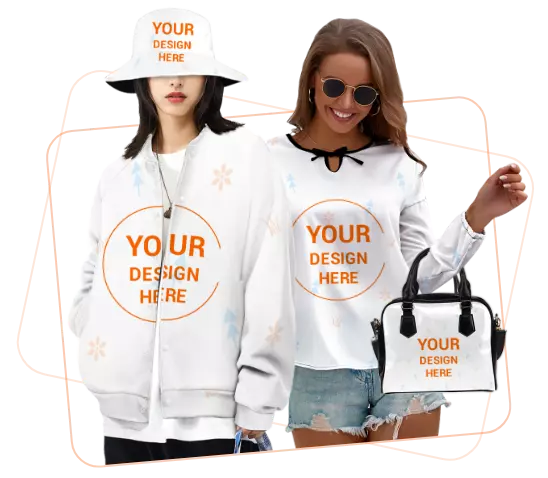
Fashion and accessories are the most visible example. Cascade Business News notes the rapid growth of custom clothing, with shoppers transforming standard hoodies, sneakers, and jewelry into personalized items that reflect subcultural preferences. Major brands like Nike and Oakley use customization to let customers mix colors and details, while niche players such as Shop Strange target goth, punk, and alternative communities with custom designs that resonate with specific lifestyles. For print‑on‑demand sellers, apparel remains a prime canvas because the base products are standardized while the prints are infinitely variable.

Gifts and keepsakes are another sweet spot. Imagine.io and ShopCircle highlight mugs, T‑shirts, phone cases, and photo products where buyers can upload images, choose fonts, and add messages for birthdays, anniversaries, and graduations. Freshworks points to Etsy as a marketplace where print‑on‑demand and handcrafted gifts can be personalized at scale for special occasions. Because gifting is emotional, even simple personalization such as names and dates can create strong perceived value.

Home and décor benefit from both customization and visualization. 3D Cloud reports that furniture and décor brands use modular designs, 3D planners, and room‑scanning tools so customers can configure layouts, dimensions, materials, and finishes to fit their spaces. The US Chamber of Commerce describes retailers like Target, Amazon, and Crate & Barrel using augmented reality so shoppers can “see it in their space” before buying. For a smaller print‑on‑demand brand, the equivalent might be wall art, cushions, or lampshade designs that can be previewed on a room mockup, with color and motif options aligned to different aesthetics.

Food, beverage, and CPG‑style products show how far customization can go when operations allow. Kraft Heinz discovered through its data ecosystem that about 69 percent of consumers consider the ability to customize sauces very important, leading to the Heinz Remix dispenser with more than two thousand possible flavor combinations. MyMuesli’s cereals and Starbucks’ highly configurable drinks are further proof that consumers enjoy building “their” version of a product. For ecommerce sellers, this logic can be applied to supplements, tea blends, or snack boxes created via partner facilities, provided regulatory and manufacturing constraints are respected.

Even packaging can become a creative custom item. Creativedisplaysnow and PensXpress emphasize that minimalist but distinctive packaging, considered color strategy, and custom branded merchandise turn ordinary items into strong brand signals. Siemens highlights smart packaging with digital features such as scannable codes or connected experiences, helping brands engage consumers and collect data. In print‑on‑demand, this might mean custom mailer designs, branded inserts, or packaging sleeves that can be tailored for campaigns or specific customer segments.

The common thread is that creative custom items allow individuals to express identity, values, or aesthetics in categories where they care deeply: what they wear, display, consume, or give. For a young ecommerce brand, the goal is to choose a focused set of categories and make them remarkably personal, rather than offering shallow customization on everything.

Digital Experiences That Sell Customized Products

Great custom products can still underperform if the digital experience is clumsy. The research is clear: shoppers want to see what they are getting, step through configuration without friction, and understand pricing and availability as they go.

3D Cloud and Imagine.io describe the impact of interactive product configurators and 3D or augmented reality visualizations. These tools let users view items from every angle, tweak size, color, or features, and see real‑time changes in the product, price, and specifications. In furniture and décor, the majority of buyers in the 3D Cloud study said these experiences made them faster and more confident in their decisions. The same psychology applies to a custom sneaker, mug, or planner.

The Good provides practical guidance for ecommerce: effective customizers show accurate real‑time previews so buyers clearly understand the final product, which reduces dissatisfaction and returns. That means your preview should reflect font sizes, placement, color interactions, and even embroidery or engraving effects where possible. Artifi goes further, noting that many shoppers want a “virtual proof” before ordering, and recommends robust visualization tools including 2D, 3D, and 360‑degree rotations where appropriate.

Not every brand needs full 3D, but every brand benefits from intuitive configuration. ShopCircle describes product‑options apps that add text boxes, file uploads, color selectors, and conditional logic without custom development. Conditional logic is particularly useful for keeping the interface clean: customers see only the options relevant to their prior choices, which reduces choice overload and makes perceived complexity manageable.

At the same time, technical constraints matter. A Squarespace forum thread shows a founder hitting the platform’s variant limits when trying to build an extremely configurable product with many attributes and optional add‑ons. Their desired experience resembled a custom pizza or burrito flow, with structured choices from start to finish. The takeaway is that deep customization often requires platforms or apps built for large configuration spaces, not just basic variant grids.

Beyond the product page, marketing personalization can amplify performance. McKinsey’s work on targeted promotions shows that tailoring discounts and offers based on individual preferences and lifecycle stages can lift sales by one to two percent and improve margins by one to three percent, with about 65 percent of customers naming targeted promotions as a top reason to purchase. Eventible’s review of leading brands reinforces that personalized content, visuals, and offers—delivered via apps, email, and ads—strengthen engagement when paired with convenience and loyalty rewards.

In practical terms, a print‑on‑demand store might combine a visual product configurator, personalized recommendation sections showing designs similar to those a customer has customized before, and targeted offers nudging them toward bundles or premium materials they are statistically likely to appreciate.

Ecommerce product customization trends and statistics

Economics and Operations of Mass Customization

Mass customization aims to satisfy individual customers as efficiently as possible while retaining the economics of scaled manufacturing. Katana defines it as offering products tailored for individuals without fully redesigning each item, keeping costs low enough for mass production.

The upside is well documented. Katana notes higher sales from broader appeal, stronger brand perception, higher profit margins, and increased engagement. Deloitte and Bain agree that customers interested in personalized products often pay around a 20 percent premium. Bain also observes that shoe brands offering customization see lower return rates and much higher loyalty metrics.

However, every benefit comes with an operational counterweight. ConfigureID and Freshworks stress that customization adds complexity and cost. Development and production teams must dedicate resources to new options, which can compress margins and introduce quality risks such as software bugs or production errors. Siemens’ work in consumer packaged goods further warns that innovation is already inefficient, with many new products failing to sustain market presence, and that regulatory and sustainability demands add constraints.

Technology choices are central. Katana argues that spreadsheets are not sufficient for modern mass customization, arguing for integrated tools that connect inventory, production, ecommerce platforms such as Shopify or WooCommerce, and accounting. Artifi similarly emphasizes that a SaaS customization platform should generate production‑ready output files, manage assets and rules, and integrate with ecommerce systems so that pricing and add‑to‑cart behavior remain accurate.

The Harvard Business Review framework, summarized by Katana, also underscores the importance of keeping bills of materials and product recipes as simple as possible, even in collaborative customization scenarios like build‑your‑own food items or helmets. Bain cautions against offering so many options that customers feel overwhelmed, suggesting that many successful programs narrow down to a relatively small set of design elements that matter most and are operationally feasible.

In addition, Bain’s research shows that expectations around delivery and returns vary by category. Footwear buyers might accept a three‑ to four‑week wait for a custom pair, while interest in custom shirts drops sharply if delivery extends beyond about two weeks. Across categories, clear return policies of around 30 days are important to sustaining demand.

For print‑on‑demand and dropshipping entrepreneurs, the economic play is to use standardized blanks and repeatable printing or engraving methods, keep option sets focused, and invest in the minimum technology stack that ensures accuracy and efficiency. You want customers to feel like they are co‑creating something special while your backend quietly runs on repeatable workflows.

Designing a Roadmap for Your Next Creative Custom Line

Building a profitable, creative custom product line starts long before you add text fields to a product page. The most successful brands in the research share a few disciplined habits that smaller ecommerce businesses can copy.

The first is consumer‑centric product definition. Siemens describes consumer centricity as aligning innovation tightly with real‑time consumer feedback and preferences, using integrated lifecycle tools to shorten traditional 12‑ to 18‑month cycles. Delineate’s work on consumer‑driven innovation shows global brands such as Kraft Heinz, Nike, and Coca‑Cola using continuous streams of data from apps, social listening, surveys, and experiments to decide what to customize, what to launch, and how to position it.

ConfigureID recommends a similar process for smaller brands: monitor industry research and competitors to identify where customization and personalization are heading, then research your own audience through surveys, interviews, and field trials. The goal is to understand practical and emotional purchase drivers, price sensitivity, and which options customers truly value.

The Formations Company adds that effective product tailoring starts with clearly defining your target market and building buyer profiles that capture who your customers are, what they want, and where they get their information. Sales data can reveal unexpected high‑value segments, such as professional niches using tools in ways you did not anticipate. When new niches emerge, it may be worth creating variants and niche marketing campaigns specifically for them.

Freshworks and SuperOffice both stress that audience understanding is not just about demographics. SuperOffice highlights four useful data types for personalization: demographic and firmographic profiles, behavioral data about visits and interactions, and contextual data about device, location, or time. Freshworks suggests building user personas for different segments, then examining feature requests and support tickets to see where customers are already asking for customization.

Once you have a clear picture of demand, you can define your customization strategy. ConfigureID notes that brands must decide whether to focus on customized products, personalized products, or a combination, and check that the approach supports brand positioning and return on investment. Bain suggests clarifying the primary objective, whether it is engagement and branding, incremental profit on a line, or a full customization‑centric business model.

From there, design a focused product architecture. Choose a hero product or small collection where customization is genuinely meaningful. Use the Harvard Business Review and Katana frameworks to select a customization style that fits your operations, whether collaborative builds, cosmetic variants, adaptive elements, or transparent personalization based on data. Keep the number of choices manageable, and refine option sets over time using real order data.

On the technology side, consider how far you need to go. A new store might start with a Shopify‑style product options app and real‑time 2D previews, while a scaling brand might invest in 3D or augmented reality configurators, as recommended by 3D Cloud, or in a dedicated customization platform like those described by Artifi. Whatever you choose, ensure integration with your ecommerce, production, and support tools is strong enough that customized orders flow smoothly from cart to fulfillment.

Finally, design the end‑to‑end customer journey around personalization. The Good recommends extending customization beyond products to the entire digital experience, using purchase and behavior data to personalize content, offers, and loyalty rewards. Freshworks and SuperOffice suggest segmenting email and on‑site experiences so that each persona sees relevant content, and using Thank You pages, post‑purchase flows, and support interactions as further opportunities to reference a customer’s specific custom choices.

Common Pitfalls and How to Avoid Them

Even strong ideas can fail when execution stumbles. The research highlights several recurring traps in creative custom item strategies.

One is overcomplication and choice overload. Bain warns that too many options can overwhelm customers and increase abandonment. Their observations suggest that many winning programs isolate a limited set of design elements that matter most, and reduce optionality elsewhere. The Squarespace custom‑product discussion reinforces this: trying to expose every tiny configuration choice through a standard variants interface pushes platforms past their limits and confuses buyers.

Another trap is data overload. SuperOffice describes “infobesity,” where marketing teams drown in data without a clear plan for what is actionable. The remedy is to choose a minimal but powerful data model that supports concrete personalization use cases, such as recommending complementary designs, triggering follow‑up emails when someone customizes but does not purchase, or segmenting customers by style preferences and average order value.

Operational misalignment is also common. Siemens notes that consumer packaged goods companies develop tens of thousands of products annually, yet a minority reach market and most of those fail to sustain presence, in part because regulatory, sustainability, and omnichannel challenges are not adequately integrated into product development. In a smaller ecommerce firm, the analog might be launching many custom ideas without fully considering production, packaging, or customer support implications.

Brand dilution is a quieter risk. ConfigureID and Creativedisplaysnow both highlight the need to ensure customization strategies fit your brand mission and strengths. Offering every possible option to everyone can devalue your positioning. PensXpress and Score emphasize that branded products and packaging should consistently reflect your core message and quality; if a custom pen or mug feels cheap or off‑brand, people infer the same about your company.

Finally, many teams underestimate the importance of post‑purchase experience. Bain shows that flexible, trusted return policies are critical to sustaining demand for custom items, and The Good reinforces that clear communication about longer lead times—and framing them as a “made for you” benefit—helps set expectations. Freshworks suggests that support systems should surface a customer’s specific custom choices so agents can provide context‑aware help when something goes wrong.

Avoiding these pitfalls is less about perfection and more about discipline: start focused, tie customization tightly to your brand and audience, keep your operations and technology honest, and use real data to prune or expand options over time.

High margin custom print on demand products

FAQ: Creative Custom Items in On‑Demand Printing

Are creative custom items only viable for large brands? They are not limited to global companies. Research from Imagine.io highlights that niche brands such as Vandel and Timbuk2 use flexible design choices to succeed alongside giants like Nike and Porsche. Platforms like Printify enable small creators and boutique stores to sell custom designs via print‑on‑demand without holding inventory, and Cascade Business News shows how digital and 3D printing let small entrepreneurs bring custom apparel, mugs, and posters to market in small batches. The crucial factor is focus and execution, not company size.

How much customization is enough for a new print‑on‑demand store? Bain’s work suggests that more is not always better. Customers appreciate meaningful choice in the handful of design elements that matter most and find too many micro‑options overwhelming. The Harvard Business Review framework, as summarized by Katana, encourages brands to choose a customization style and keep bills of materials and recipes simple. For a new store, a good starting point is to offer deep personalization on a small set of products instead of shallow options across a broad catalog, then expand based on what actual orders and feedback show.

Do custom products always improve margins? They can, but not automatically. Deloitte and Dassault Systèmes both report that consumers are willing to pay significant premiums for personalized products, and Bain notes higher margins and lower return rates for successful programs. At the same time, ConfigureID and Freshworks point out that customization introduces extra design, development, and production costs, and complexity can impact profit margins if not managed carefully. The brands that win tend to be methodical: they test demand, track the profitability of different options, and fold the most popular custom features into core offerings where economies of scale are stronger.

What about delivery times and returns for customized items? Research summarized by Bain shows that tolerance for lead times varies by category. Buyers may willingly wait several weeks for bespoke footwear, while their interest in custom shirts falls off quickly if delivery becomes too slow. Across categories, a clear and reasonable return policy, often around 30 days, is important for sustaining demand. The Good recommends framing longer production times as a positive “made for you” attribute and providing accurate previews and communication to reduce dissatisfaction and returns.

Closing Thoughts

Creative custom items and innovative personalized products are no longer side projects; they are central to how modern shoppers choose, pay, and stay loyal. The data from Deloitte, Bain, McKinsey, and others is clear, and the playbooks used by brands from Nike and Coca‑Cola to Etsy sellers and Printify creators are now well understood.

As you design your next print‑on‑demand or dropshipping initiative, think like a product strategist, not just a designer. Anchor your customization in real customer insight, pick a focused set of options that reinforce your brand, invest just enough technology to make the experience clear and reliable, and use the rich data from every custom order to guide your next move. If you do that consistently, your “creative custom items” stop being a trend and become a durable competitive advantage.

Benefits of offering creative custom items

References

  1. https://marketingcommunications.wvu.edu/professional-development/marketing-communications-today/marketing-communications-today-blog/2024/11/04/personalization-in-marketing-how-to-do-it-successfully
  2. https://www.score.org/resource/blog-post/how-make-your-product-stand-out
  3. https://3dcloud.com/product-customization-examples/
  4. https://cascadebusnews.com/the-rise-of-unique-and-customized-products-in-modern-retail/
  5. https://www.creativedisplaysnow.com/how-to-make-products-stand-out/
  6. https://resources.imagine.io/blog/product-customization-examples
  7. https://www.linkedin.com/pulse/tailoring-products-market-needs-adonis-inc-2xxme
  8. https://www.theformationscompany.com/knowledge-base/how-to-create-a-well-tailored-product-that-your-customers-will-love
  9. https://www.bain.com/insights/making-it-personal-rules-for-success-in-product-customization/
  10. https://delineate.ai/blog/consumer-driven-product-innovation/
Like the article

0