


Durable Custom Tumbler: Long-Lasting Drinkware for Daily Use

Durable Custom Tumbler: Long-Lasting Drinkware for Daily Use

Dec 24, 2025 by Iris POD e-Commerce 101

As a mentor who has helped launch and scale private‑label drinkware programs for both DTC brands and corporate merchandising teams, I’ve learned that “durable” is not just a feel in the hand. It is a system of choices across material, insulation, lids and seals, finishes, and care. Make those choices intentionally and a tumbler will serve daily coffee and all‑day hydration for years; make them casually and you risk returns, faded logos, leaky lids, and a short replacement cycle. This guide distills what works in practice, pairs it with reputable test insights from sources such as Wirecutter, Allrecipes, Food & Wine, and MiiR, and gives you a pragmatic playbook for buying, customizing, and maintaining tumblers built to last.

What Makes a Tumbler “Durable” in Daily Use

Durability blends structural resilience, thermal performance, and finish longevity. Structurally, double‑wall stainless steel absorbs dings better than glass and most plastics; tempered and borosilicate glass improve impact resistance but remain best suited to controlled environments. Thermal performance depends on double‑wall construction and a vacuum between walls that slows heat transfer. Finish longevity is a function of coating quality and decoration method; powder coats and laser engraving outlast many paints and decals when customers toss tumblers into gym bags and dish racks. Wirecutter’s testing emphasizes real conditions like cupholder fit, hot and cold retention over hours, spill behavior through sip ports, and cleanability of lids and gaskets. Those dimensions, plus consistent care, are what keep a tumbler in rotation rather than in a drawer.

Materials That Last: An Unbiased Look

Stainless Steel

For daily use and temperature control, food‑grade stainless steel is the category workhorse. Grades often labeled 18/8 or 18/10 balance corrosion resistance and formability, and vacuum‑insulated, double‑wall builds keep hot coffee hot and iced water cold far longer than single‑wall designs. Stainless is hard to break, resists rust with minimal care, and does not retain odors when cleaned properly. Some users detect a faint metallic taste with very acidic drinks; high‑quality interior finishes and ceramic‑lined variants minimize this. A practical note on safety: media coverage has highlighted that some vacuum manufacturing methods historically used lead‑based solder sealed within the base; it is encapsulated and not in contact with beverages when intact, but risk‑averse buyers can choose fully lead‑free designs and confirm with the vendor’s compliance documents (see Tasting Table’s reporting for context). As a rule, prioritize 18/8 or 18/10 interiors, a reputable brand or supplier, and lids with replaceable gaskets.

Ceramic‑Coated Stainless Steel

Ceramic‑coated stainless combines steel’s durability and insulation with ceramic’s flavor neutrality. The non‑porous ceramic lining keeps delicate coffee notes or unsweetened teas clean, avoiding metallic hints entirely. Over long service life, ceramic can micro‑scuff or chip if abused, but under normal use it remains intact and easy to clean. If your audience cares deeply about flavor, a ceramic‑lined stainless tumbler is a premium yet practical choice.

Glass

Glass delivers pure taste and never retains odors. It is fully recyclable and easy to sanitize. Tempered and borosilicate formulations resist thermal shock and are common in kitchens and cafés for a reason. The drawback is obvious: glass breaks. That makes it better for the office desk and at‑home routines than for chaotic commutes. If you stock or specify glass, look for tempered pieces for toughness; Duralex’s approach to tempered glassware is a classic example of why restaurants trust this material. For on‑the‑go durability, stainless remains the safer bet.

BPA‑Free Plastic and Acrylic

BPA‑free plastics, including Tritan blends and polypropylene, are lightweight, shatter‑resistant, and budget‑friendly. They excel for family use, venues where glass is banned, and big promotional projects. They do not match vacuum‑insulated steel for temperature retention, and some plastics can retain odors or cloud over years of rough use. For hot beverages, always follow the maker’s limits; even high‑quality plastics are best treated as primarily cold‑drink vessels for longevity and safety.

Quick Comparison

Material

Structural Durability

Insulation Potential

Flavor Neutrality

Weight

Customization Longevity

End‑of‑Life

Stainless steel (18/8, 18/10)

High

Very high with vacuum

High, varies by finish

Medium

Laser engraving and powder coat hold up well

Recyclable

Ceramic‑coated stainless

High

Very high with vacuum

Very high

Medium

Laser on exterior; lining maintains taste

Recyclable steel core

Tempered/borosilicate glass

Medium

Low to moderate

Very high

Medium

Etch or print; handle with care

Recyclable

BPA‑free plastic/acrylic

Medium

Low to moderate

Moderate

Low

Prints vary; hand wash extends life

Sometimes recyclable, stream‑dependent

Insulation and Temperature Retention: What to Expect

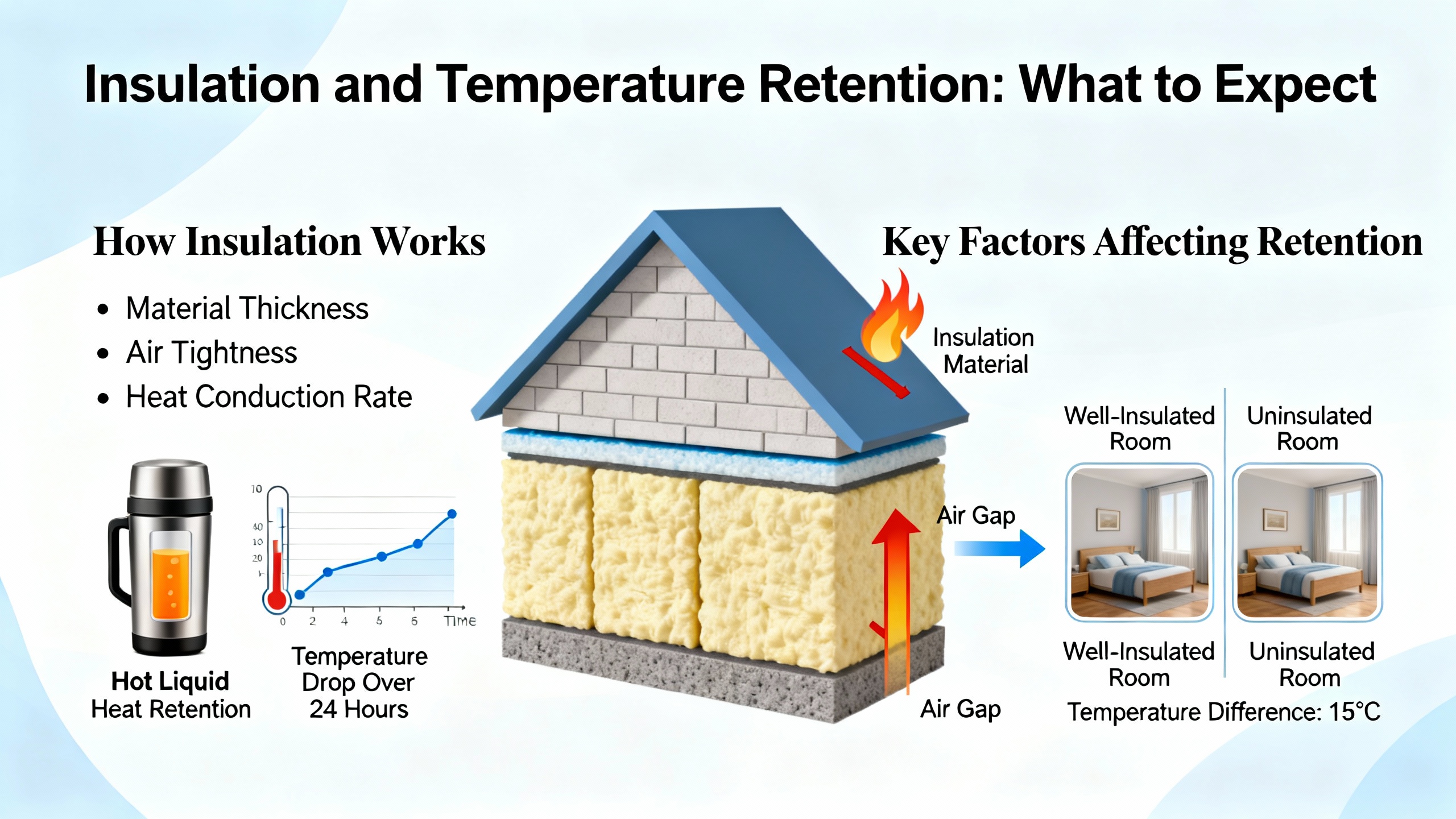
Insulation is not magic, it is physics. Double‑wall vacuum construction removes air between walls, suppressing conduction and convection so beverages change temperature more slowly. With quality lids in place, reputable sources report hot drinks staying warm for several hours and cold drinks staying cold much longer. Hands‑on guides from retailers and makers consistently cite ranges like four to six hours hot and up to a day cold for premium stainless designs; generalist tests and brand guides such as Giraffy Co., Reduce Everyday, and MiiR describe similar outcomes. Wirecutter focuses on vacuum‑insulated steel precisely because single‑wall or simple double‑wall designs lag behind. You can help performance by preheating with hot water before pouring a latte or prechilling with ice water before loading in cold brew; a tight‑sealing lid matters as much as the walls.
Long-lasting private label drinkware

Lids, Gaskets, and the Leakproof Reality

Lids are where durable tumblers succeed or frustrate. The most reliable daily lids use robust seals, well‑fitting sliders, and gasketed straw ports. In real life, most tumblers are leak‑resistant rather than absolutely leakproof; expect a few drops if they are slammed around with the sip port open. Some sliders and lockable lids perform exceptionally well in independent reviews; Treeline Review’s long‑term test on a slider design noted no leaks when inverted and jostled, while also calling out the tradeoff that some sliders are tougher to deep clean. The best practice for teams ordering at scale is straightforward: request pre‑production samples, fill them, carry them, and tip them. Verify how the lid seals after weeks of use, not just out of the box. Stock spare gaskets because a simple replacement often restores a seal as good as new.
Stainless steel tumbler durability comparison

Size, Shape, and Ergonomics That Extend Service Life

Durability is also about fit to context. A tumbler that rides securely in a car cup holder is less likely to drop, scuff, or spill. Tapered bases and standard diameters improve fit across varied vehicles and strollers. Mouth geometry affects daily convenience more than many realize. For example, KINTO’s outdoor‑oriented design specifies a mouth opening of about one and seven tenths inches and a minimum inner diameter near one and three tenths inches, which guides buyers to choose smaller ice cubes and cleaning brushes that pass through without forcing. The point is not to memorize dimensions; it is to verify the little details so the product earns daily use instead of a quiet return.

Capacity is a similar tradeoff. Commuters typically prefer sixteen to twenty ounces for coffee because it balances cupholder fit with enough volume to matter. General daily hydration often lives in the twenty to twenty‑four ounce range, while true all‑day water carry can justify thirty to forty ounces when the handle and height fit the context. Kids and small hands are happier with eight to twelve ounces. If you must choose a single size for a company store, a twenty‑ounce stainless vacuum tumbler is the proven middle ground.
High-quality custom corporate drinkware

Customization That Survives Daily Use

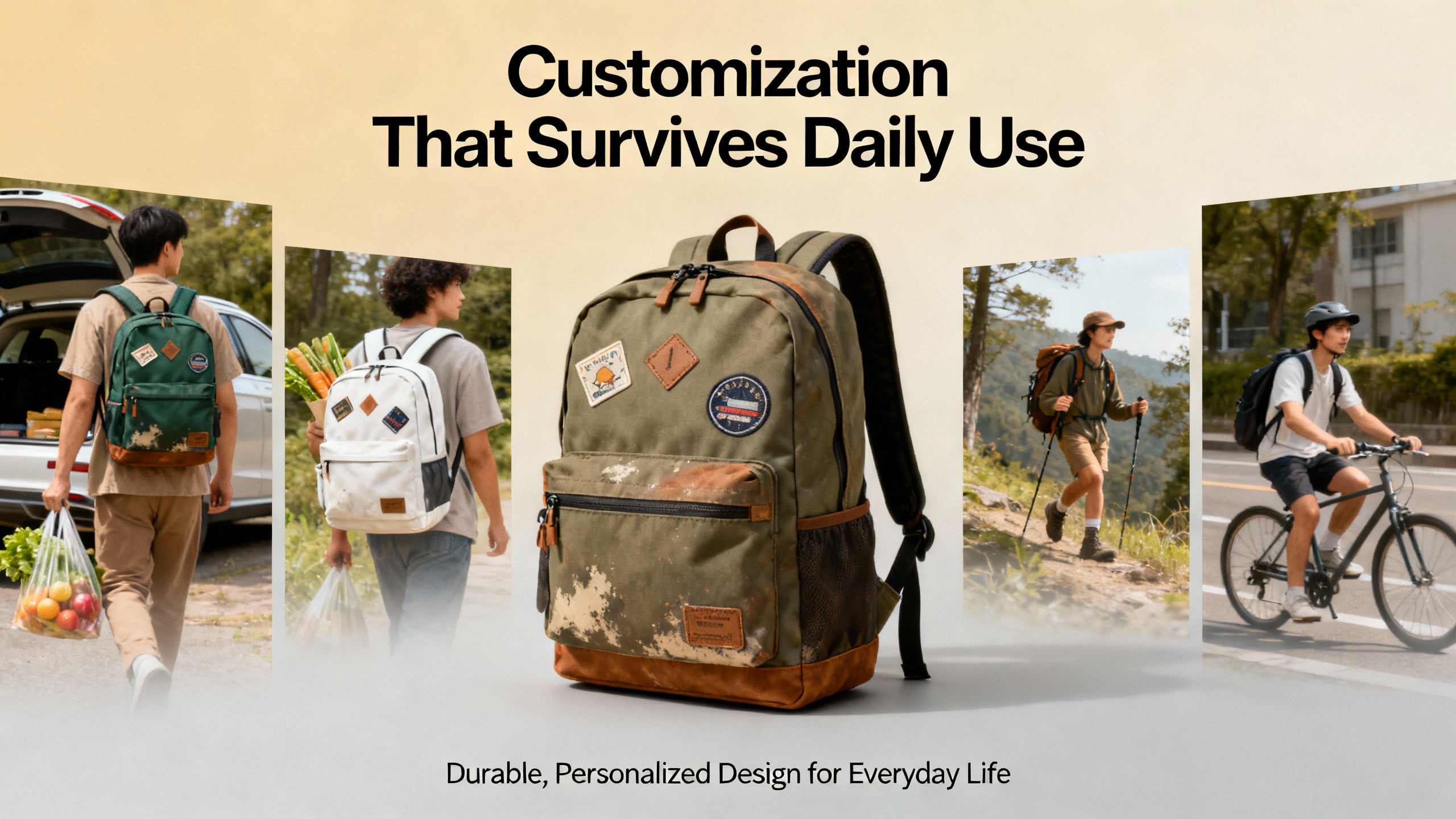
Your decoration method is a durability decision. Laser engraving on stainless steel outlasts most prints and feels premium. Powder‑coated finishes, when properly cured, resist chips and abrasion better than many paints. UV printing and full‑color wraps look fantastic at unboxing; they last longest when end‑users hand wash and avoid abrasive pads. Sublimation yields vivid, all‑around designs, but only on polymer‑coated surfaces built for that process; uncoated steel, glass, and ceramic will not accept sublimation, a point the sublimation trade has stressed for years.

For vinyl decals and boutique runs, crafters often warm pressure‑sensitive adhesives during application to improve bond strength. If you take that route, keep heat gentle and moving, avoid the lip zone, and use food‑safe materials or clear coats. When the goal is long‑term brand presence, choose engraving and durable coatings first, then align care cards to customer behavior.
Ceramic-coated vs stainless steel tumblers

Sustainability and the Cost of Ownership

Durable tumblers are inherently a sustainability story. Reuse displaces single‑use cups and reduces waste. Stainless steel’s long service life amplifies its value, and it is recyclable at end of life. Glass is also fully recyclable; it shines for taste but breaks more easily in the wild. An interesting lifecycle footnote from DualDrinks suggests a ceramic cup must be reused roughly three dozen times to match the energy footprint of disposable paper cups; that figure reminds buyers that longevity and repeat use are what make reusables win, not only the material label. In practice, stainless wins on total cost of ownership for most programs because it lowers replacement rates and keeps logos in the world longer.

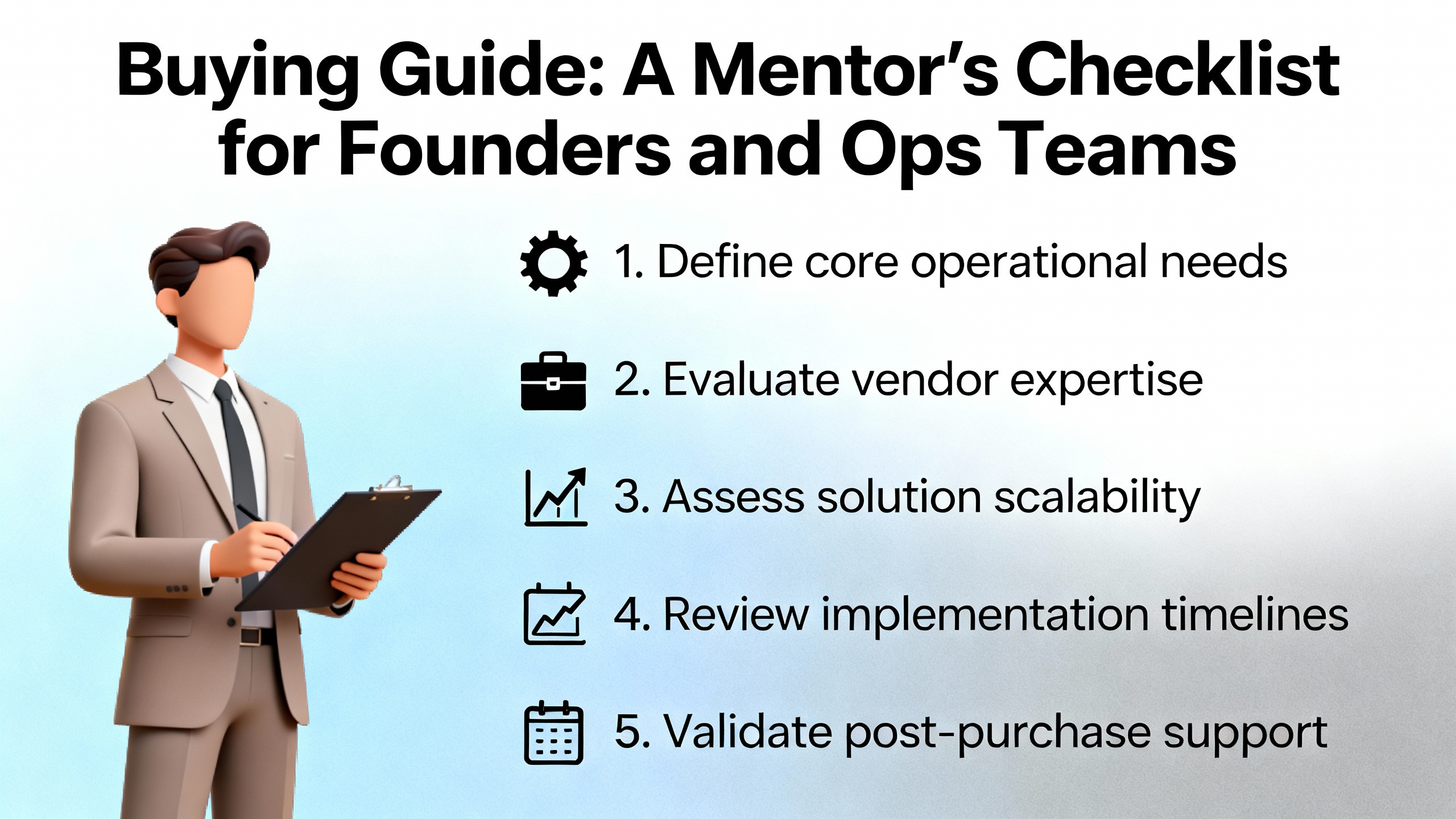
Buying Guide: A Mentor’s Checklist for Founders and Ops Teams

Start with the use case. A commuter carrying hot coffee in a car has different needs than a student tossing a bottle in a backpack or a nurse needing a sip‑friendly, spill‑resistant lid on rounds. Map the scenario, then select the material.

Choose food‑grade steel if you expect daily travel and temperature control. Prefer 18/8 or 18/10 interiors, double‑wall vacuum construction, and lids with a proven seal and replaceable gaskets. If flavor is paramount, consider ceramic‑lined stainless.

Verify ergonomics before you buy in bulk. Confirm car cup‑holder fit, lid operation with one hand, straw compatibility for cold drinks, and whether the slider or straw grommet disassembles for cleaning. Wirecutter’s test protocols highlight these real‑world basics for a reason.

Match capacity to behavior. Sixteen to twenty ounces serves most coffee routines while staying cupholder‑friendly. Twenty to twenty‑four ounces is a daily hydration sweet spot. Larger, handled tumblers belong where cupholder height and weight allow it.

Select durable finishes and decoration. Powder coats plus laser engraving yield the longest brand life. If you require full‑color art, choose printers and coatings designed for abrasion, and state hand‑wash guidance explicitly.

Demand compliance and test reports. Ask suppliers for food‑contact compliance, coating safety data, and documentation on lead‑free construction when relevant. When personalization scales, conduct your own thermal and leak tests on pre‑production samples and keep a simple acceptance rubric.

Plan production and seasonality. Busy seasons such as November and December compress lead times for custom drinkware. Many capable manufacturers quote two to six weeks from approval to ship; secure proofs early and pad schedules for transit.
Vacuum insulated tumbler performance guide

Care and Maintenance That Actually Extend Life

A little ritual preserves performance. Rinse promptly after sugary or protein drinks, then hand wash with warm, soapy water and a soft sponge; abrasive pads scratch coatings and make odors stick. Disassemble lids and gaskets regularly, then air‑dry parts completely before reassembly to discourage mold. For stubborn smells, soak with baking soda and hot water or a mild vinegar solution, then rinse. Avoid bleach and harsh solvents that degrade seals and finishes. Keep lids open when storing, and resist rapid hot‑to‑cold shocks that can stress materials. For printed or wrapped designs, favor hand washing even when the base body is technically dishwasher‑safe; this alone can double the lifespan of your branding. These tips mirror the care guidance shared by makers and craft communities, and they show up again and again in customer‑tested reviews on large publishers.

Best materials for durable custom tumblers

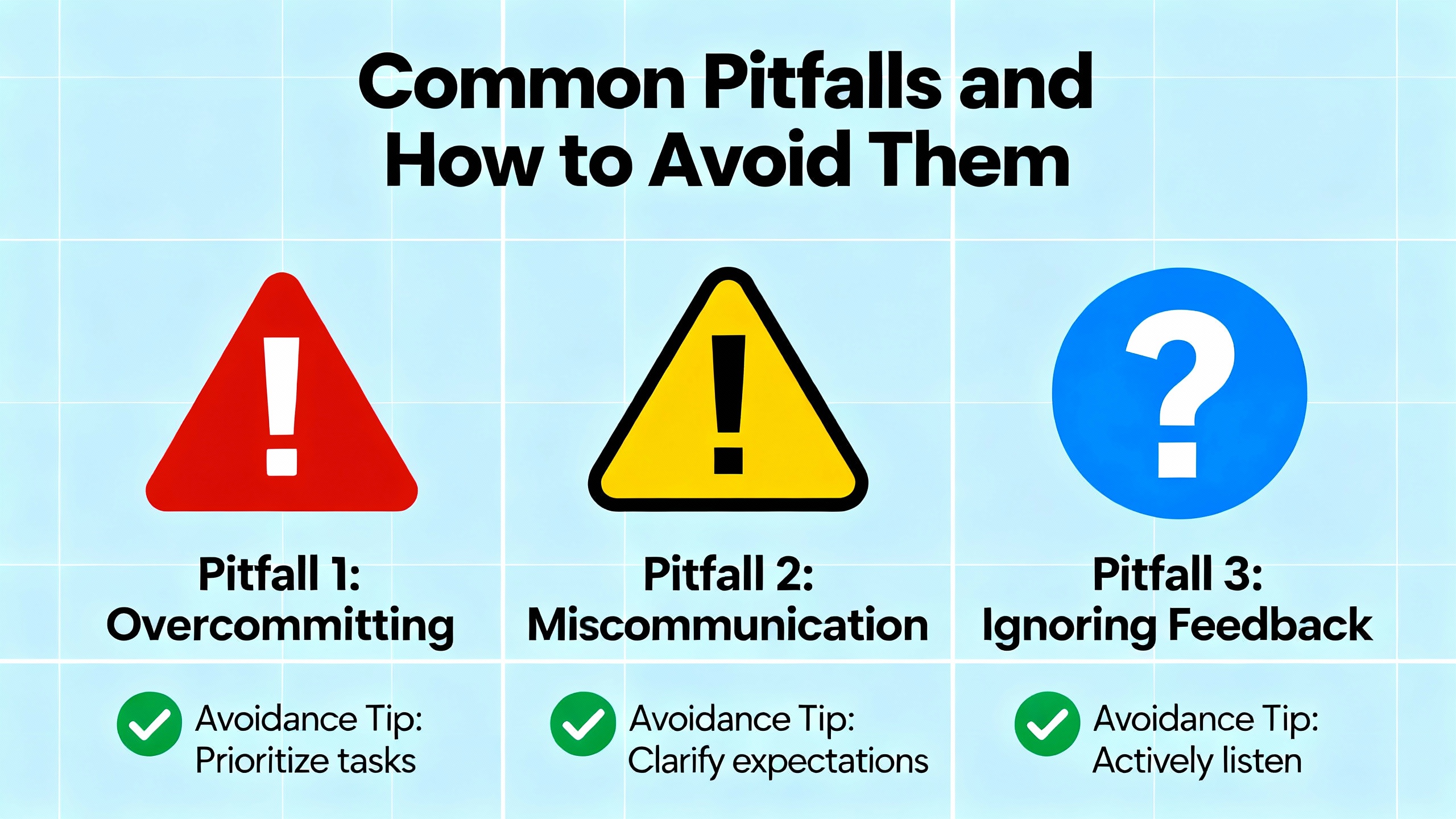
Common Pitfalls and How to Avoid Them

The most common misstep is selecting a gorgeous tumbler that does not fit a standard cup holder, which shortens its usable life. A close second is treating “dishwasher‑safe” as universal; the body may survive, but printed art and seals fare better with hand washing. Overly complex lid sliders can be wonderful to use yet difficult to deep clean; if your audience is fast‑moving, prioritize lids that disassemble in seconds. Finally, do not assume “leakproof” applies to every lid in the lineup; even strong performers benefit from being carried upright and kept closed between sips.
Heavy duty custom travel mugs

Quick Reference Tables

Use Case

Recommended Material

Capacity Range

Lid Priorities

Notes

Daily commuting with hot coffee

Stainless or ceramic‑lined stainless

Sixteen to twenty ounces

Tight slider or spout lid with solid seal

Tapered base for cupholder fit

All‑day hydration at work

Stainless

Twenty to twenty‑four ounces

Straw lid with gasket

Keep lid closed between sips to extend cold retention

Outdoor events and family use

BPA‑free plastic

Sixteen to twenty‑four ounces

Straw‑friendly, durable locks

Lightweight and shatter‑resistant

Desk use at home or office

Tempered or borosilicate glass

Twelve to sixteen ounces

Simple, easy‑clean options

Best taste; not travel‑safe

Premium gifts for coffee purists

Ceramic‑lined stainless

Sixteen to twenty ounces

Flavor‑neutral spout lid

Laser engraving looks and wears best

Evidence and Sources in Brief

Test‑driven buy guides from Wirecutter detail why double‑wall vacuum steel wins on performance and focus on cupholder fit, leak behavior, and cleaning. Reviews and roundups from Allrecipes, Food & Wine, and Epicurious reinforce the durability of tempered glass in everyday settings while acknowledging breakage limits. Manufacturer education from MiiR provides insulation basics that match what field tests show. Category guides from Giraffy Co. and Reduce Everyday align on heat and cold retention ranges for premium stainless tumblers. DualDrinks contributes a helpful lifecycle lens for reuse behavior, and KINTO’s published dimensions illustrate why mouth diameter is not a trivial detail. Finally, long‑form testing such as Treeline Review’s leakproof slider evaluation underscores that lid design is the make‑or‑break factor for daily trust.

Takeaway

Durability is not a single spec; it is a stack of good decisions. Choose the right material for the job, insist on vacuum insulation and a serviceable lid, and favor finishes and engraving that age gracefully. Confirm ergonomics, test samples in your real world, and pair every shipment with care guidance that customers will actually follow. When you do, a tumbler becomes a daily companion, not a seasonal novelty, and your brand spends more time in the world with fewer replacements.

FAQ

Q: Which material truly lasts the longest for daily travel A: Stainless steel wins on overall lifespan, dent resistance, and thermal performance. Ceramic‑lined stainless adds flavor neutrality without sacrificing durability, which makes it a top pick for coffee‑first audiences.

Q: Are tumblers actually leakproof A: Most are leak‑resistant rather than perfectly leakproof. Some lockable sliders perform exceptionally well in reviewer tests, but any lid can seep through a sip port if tossed around. Keep lids closed between sips and carry upright for best results.

Q: Does a ceramic lining chip or wear out A: Quality ceramic linings are non‑porous and long‑wearing under normal use. Over many years of harsh use, small scuffs are possible, but they do not change the steel structure underneath. If a lining is visibly damaged, retire the tumbler from hot‑acidic use and consult the maker.

Q: Is dishwasher use safe for insulated tumblers A: Many stainless bodies are top‑rack dishwasher‑safe, but printed graphics and gaskets last longer with hand washing. Always disassemble lids and dry thoroughly to prevent odors and mold.

Q: How do I remove stubborn odors from a tumbler A: A rinse and soak with baking soda and hot water usually clears coffee and protein drink odors. For persistent smells, a brief soak with a mild vinegar solution helps, followed by a thorough rinse and open‑air drying.

Q: Does personalization affect performance A: The decoration method does not change thermal performance. It does change longevity of looks. Laser engraving and quality powder coats keep branding intact longer than decals or low‑cure prints, especially under daily washing.

If you want help turning this guidance into a spec sheet for your next private‑label run or company store, I’m happy to translate it into vendor‑ready requirements and a quick test plan you can run in‑house.

References

  1. https://www.allrecipes.com/best-drinking-glasses-8653759
  2. https://www.duralexusa.com/?srsltid=AfmBOoqGyRknZSl90eSC4f3kS0Cy7nGj6wxFXWBaDdnpv2_U-W02kegI
  3. https://rticoutdoors.com/Tumblers?srsltid=AfmBOorkk0zeq8Fu_p3-YzL8eytzPcbBwVbf1E721Ydl_pbcgNSQZDDM
  4. https://www.seriouseats.com/best-drinking-glasses-7368442
  5. https://www.coolnicetumbler.com/how-to-choose-a-leakproof-tumbler/
  6. https://www.epicurious.com/shopping/the-best-drinking-glasses-for-every-type-of-person-article
  7. https://www.everythingbranded.com/blog/how-to-choose-the-perfect-material-for-your-custom-tumbler-a-comprehensive-guide
  8. https://kinto-usa.com/collections/trail-tumbler
  9. https://www.promoleaf.com/blog/tumbler-buyers-guide?srsltid=AfmBOoppgt08IZjlS4e1foFW_GSmlvH3S0MBqJ7-zCWMIa3jxjM1P8no
  10. https://sibottle.com/choosing-the-right-tumbler-material-stainless-steel-vs-acrylic-vs-plastic/

Like the article

0
Durable Custom Tumbler: Long-Lasting Drinkware for Daily Use

Durable Custom Tumbler: Long-Lasting Drinkware for Daily Use

As a mentor who has helped launch and scale private‑label drinkware programs for both DTC brands and corporate merchandising teams, I’ve learned that “durable” is not just a feel in the hand. It is a system of choices across material, insulation, lids and seals, finishes, and care. Make those choices intentionally and a tumbler will serve daily coffee and all‑day hydration for years; make them casually and you risk returns, faded logos, leaky lids, and a short replacement cycle. This guide distills what works in practice, pairs it with reputable test insights from sources such as Wirecutter, Allrecipes, Food & Wine, and MiiR, and gives you a pragmatic playbook for buying, customizing, and maintaining tumblers built to last.

What Makes a Tumbler “Durable” in Daily Use

Durability blends structural resilience, thermal performance, and finish longevity. Structurally, double‑wall stainless steel absorbs dings better than glass and most plastics; tempered and borosilicate glass improve impact resistance but remain best suited to controlled environments. Thermal performance depends on double‑wall construction and a vacuum between walls that slows heat transfer. Finish longevity is a function of coating quality and decoration method; powder coats and laser engraving outlast many paints and decals when customers toss tumblers into gym bags and dish racks. Wirecutter’s testing emphasizes real conditions like cupholder fit, hot and cold retention over hours, spill behavior through sip ports, and cleanability of lids and gaskets. Those dimensions, plus consistent care, are what keep a tumbler in rotation rather than in a drawer.

Materials That Last: An Unbiased Look

Stainless Steel

For daily use and temperature control, food‑grade stainless steel is the category workhorse. Grades often labeled 18/8 or 18/10 balance corrosion resistance and formability, and vacuum‑insulated, double‑wall builds keep hot coffee hot and iced water cold far longer than single‑wall designs. Stainless is hard to break, resists rust with minimal care, and does not retain odors when cleaned properly. Some users detect a faint metallic taste with very acidic drinks; high‑quality interior finishes and ceramic‑lined variants minimize this. A practical note on safety: media coverage has highlighted that some vacuum manufacturing methods historically used lead‑based solder sealed within the base; it is encapsulated and not in contact with beverages when intact, but risk‑averse buyers can choose fully lead‑free designs and confirm with the vendor’s compliance documents (see Tasting Table’s reporting for context). As a rule, prioritize 18/8 or 18/10 interiors, a reputable brand or supplier, and lids with replaceable gaskets.

Ceramic‑Coated Stainless Steel

Ceramic‑coated stainless combines steel’s durability and insulation with ceramic’s flavor neutrality. The non‑porous ceramic lining keeps delicate coffee notes or unsweetened teas clean, avoiding metallic hints entirely. Over long service life, ceramic can micro‑scuff or chip if abused, but under normal use it remains intact and easy to clean. If your audience cares deeply about flavor, a ceramic‑lined stainless tumbler is a premium yet practical choice.

Glass

Glass delivers pure taste and never retains odors. It is fully recyclable and easy to sanitize. Tempered and borosilicate formulations resist thermal shock and are common in kitchens and cafés for a reason. The drawback is obvious: glass breaks. That makes it better for the office desk and at‑home routines than for chaotic commutes. If you stock or specify glass, look for tempered pieces for toughness; Duralex’s approach to tempered glassware is a classic example of why restaurants trust this material. For on‑the‑go durability, stainless remains the safer bet.

BPA‑Free Plastic and Acrylic

BPA‑free plastics, including Tritan blends and polypropylene, are lightweight, shatter‑resistant, and budget‑friendly. They excel for family use, venues where glass is banned, and big promotional projects. They do not match vacuum‑insulated steel for temperature retention, and some plastics can retain odors or cloud over years of rough use. For hot beverages, always follow the maker’s limits; even high‑quality plastics are best treated as primarily cold‑drink vessels for longevity and safety.

Quick Comparison

Material

Structural Durability

Insulation Potential

Flavor Neutrality

Weight

Customization Longevity

End‑of‑Life

Stainless steel (18/8, 18/10)

High

Very high with vacuum

High, varies by finish

Medium

Laser engraving and powder coat hold up well

Recyclable

Ceramic‑coated stainless

High

Very high with vacuum

Very high

Medium

Laser on exterior; lining maintains taste

Recyclable steel core

Tempered/borosilicate glass

Medium

Low to moderate

Very high

Medium

Etch or print; handle with care

Recyclable

BPA‑free plastic/acrylic

Medium

Low to moderate

Moderate

Low

Prints vary; hand wash extends life

Sometimes recyclable, stream‑dependent

Insulation and Temperature Retention: What to Expect

Insulation is not magic, it is physics. Double‑wall vacuum construction removes air between walls, suppressing conduction and convection so beverages change temperature more slowly. With quality lids in place, reputable sources report hot drinks staying warm for several hours and cold drinks staying cold much longer. Hands‑on guides from retailers and makers consistently cite ranges like four to six hours hot and up to a day cold for premium stainless designs; generalist tests and brand guides such as Giraffy Co., Reduce Everyday, and MiiR describe similar outcomes. Wirecutter focuses on vacuum‑insulated steel precisely because single‑wall or simple double‑wall designs lag behind. You can help performance by preheating with hot water before pouring a latte or prechilling with ice water before loading in cold brew; a tight‑sealing lid matters as much as the walls.

Long-lasting private label drinkware

Lids, Gaskets, and the Leakproof Reality

Lids are where durable tumblers succeed or frustrate. The most reliable daily lids use robust seals, well‑fitting sliders, and gasketed straw ports. In real life, most tumblers are leak‑resistant rather than absolutely leakproof; expect a few drops if they are slammed around with the sip port open. Some sliders and lockable lids perform exceptionally well in independent reviews; Treeline Review’s long‑term test on a slider design noted no leaks when inverted and jostled, while also calling out the tradeoff that some sliders are tougher to deep clean. The best practice for teams ordering at scale is straightforward: request pre‑production samples, fill them, carry them, and tip them. Verify how the lid seals after weeks of use, not just out of the box. Stock spare gaskets because a simple replacement often restores a seal as good as new.

Stainless steel tumbler durability comparison

Size, Shape, and Ergonomics That Extend Service Life

Durability is also about fit to context. A tumbler that rides securely in a car cup holder is less likely to drop, scuff, or spill. Tapered bases and standard diameters improve fit across varied vehicles and strollers. Mouth geometry affects daily convenience more than many realize. For example, KINTO’s outdoor‑oriented design specifies a mouth opening of about one and seven tenths inches and a minimum inner diameter near one and three tenths inches, which guides buyers to choose smaller ice cubes and cleaning brushes that pass through without forcing. The point is not to memorize dimensions; it is to verify the little details so the product earns daily use instead of a quiet return.

Capacity is a similar tradeoff. Commuters typically prefer sixteen to twenty ounces for coffee because it balances cupholder fit with enough volume to matter. General daily hydration often lives in the twenty to twenty‑four ounce range, while true all‑day water carry can justify thirty to forty ounces when the handle and height fit the context. Kids and small hands are happier with eight to twelve ounces. If you must choose a single size for a company store, a twenty‑ounce stainless vacuum tumbler is the proven middle ground.

High-quality custom corporate drinkware

Customization That Survives Daily Use

Your decoration method is a durability decision. Laser engraving on stainless steel outlasts most prints and feels premium. Powder‑coated finishes, when properly cured, resist chips and abrasion better than many paints. UV printing and full‑color wraps look fantastic at unboxing; they last longest when end‑users hand wash and avoid abrasive pads. Sublimation yields vivid, all‑around designs, but only on polymer‑coated surfaces built for that process; uncoated steel, glass, and ceramic will not accept sublimation, a point the sublimation trade has stressed for years.

For vinyl decals and boutique runs, crafters often warm pressure‑sensitive adhesives during application to improve bond strength. If you take that route, keep heat gentle and moving, avoid the lip zone, and use food‑safe materials or clear coats. When the goal is long‑term brand presence, choose engraving and durable coatings first, then align care cards to customer behavior.

Ceramic-coated vs stainless steel tumblers

Sustainability and the Cost of Ownership

Durable tumblers are inherently a sustainability story. Reuse displaces single‑use cups and reduces waste. Stainless steel’s long service life amplifies its value, and it is recyclable at end of life. Glass is also fully recyclable; it shines for taste but breaks more easily in the wild. An interesting lifecycle footnote from DualDrinks suggests a ceramic cup must be reused roughly three dozen times to match the energy footprint of disposable paper cups; that figure reminds buyers that longevity and repeat use are what make reusables win, not only the material label. In practice, stainless wins on total cost of ownership for most programs because it lowers replacement rates and keeps logos in the world longer.

Buying Guide: A Mentor’s Checklist for Founders and Ops Teams

Start with the use case. A commuter carrying hot coffee in a car has different needs than a student tossing a bottle in a backpack or a nurse needing a sip‑friendly, spill‑resistant lid on rounds. Map the scenario, then select the material.

Choose food‑grade steel if you expect daily travel and temperature control. Prefer 18/8 or 18/10 interiors, double‑wall vacuum construction, and lids with a proven seal and replaceable gaskets. If flavor is paramount, consider ceramic‑lined stainless.

Verify ergonomics before you buy in bulk. Confirm car cup‑holder fit, lid operation with one hand, straw compatibility for cold drinks, and whether the slider or straw grommet disassembles for cleaning. Wirecutter’s test protocols highlight these real‑world basics for a reason.

Match capacity to behavior. Sixteen to twenty ounces serves most coffee routines while staying cupholder‑friendly. Twenty to twenty‑four ounces is a daily hydration sweet spot. Larger, handled tumblers belong where cupholder height and weight allow it.

Select durable finishes and decoration. Powder coats plus laser engraving yield the longest brand life. If you require full‑color art, choose printers and coatings designed for abrasion, and state hand‑wash guidance explicitly.

Demand compliance and test reports. Ask suppliers for food‑contact compliance, coating safety data, and documentation on lead‑free construction when relevant. When personalization scales, conduct your own thermal and leak tests on pre‑production samples and keep a simple acceptance rubric.

Plan production and seasonality. Busy seasons such as November and December compress lead times for custom drinkware. Many capable manufacturers quote two to six weeks from approval to ship; secure proofs early and pad schedules for transit.

Vacuum insulated tumbler performance guide

Care and Maintenance That Actually Extend Life

A little ritual preserves performance. Rinse promptly after sugary or protein drinks, then hand wash with warm, soapy water and a soft sponge; abrasive pads scratch coatings and make odors stick. Disassemble lids and gaskets regularly, then air‑dry parts completely before reassembly to discourage mold. For stubborn smells, soak with baking soda and hot water or a mild vinegar solution, then rinse. Avoid bleach and harsh solvents that degrade seals and finishes. Keep lids open when storing, and resist rapid hot‑to‑cold shocks that can stress materials. For printed or wrapped designs, favor hand washing even when the base body is technically dishwasher‑safe; this alone can double the lifespan of your branding. These tips mirror the care guidance shared by makers and craft communities, and they show up again and again in customer‑tested reviews on large publishers.

Best materials for durable custom tumblers

Common Pitfalls and How to Avoid Them

The most common misstep is selecting a gorgeous tumbler that does not fit a standard cup holder, which shortens its usable life. A close second is treating “dishwasher‑safe” as universal; the body may survive, but printed art and seals fare better with hand washing. Overly complex lid sliders can be wonderful to use yet difficult to deep clean; if your audience is fast‑moving, prioritize lids that disassemble in seconds. Finally, do not assume “leakproof” applies to every lid in the lineup; even strong performers benefit from being carried upright and kept closed between sips.

Heavy duty custom travel mugs

Quick Reference Tables

Use Case

Recommended Material

Capacity Range

Lid Priorities

Notes

Daily commuting with hot coffee

Stainless or ceramic‑lined stainless

Sixteen to twenty ounces

Tight slider or spout lid with solid seal

Tapered base for cupholder fit

All‑day hydration at work

Stainless

Twenty to twenty‑four ounces

Straw lid with gasket

Keep lid closed between sips to extend cold retention

Outdoor events and family use

BPA‑free plastic

Sixteen to twenty‑four ounces

Straw‑friendly, durable locks

Lightweight and shatter‑resistant

Desk use at home or office

Tempered or borosilicate glass

Twelve to sixteen ounces

Simple, easy‑clean options

Best taste; not travel‑safe

Premium gifts for coffee purists

Ceramic‑lined stainless

Sixteen to twenty ounces

Flavor‑neutral spout lid

Laser engraving looks and wears best

Evidence and Sources in Brief

Test‑driven buy guides from Wirecutter detail why double‑wall vacuum steel wins on performance and focus on cupholder fit, leak behavior, and cleaning. Reviews and roundups from Allrecipes, Food & Wine, and Epicurious reinforce the durability of tempered glass in everyday settings while acknowledging breakage limits. Manufacturer education from MiiR provides insulation basics that match what field tests show. Category guides from Giraffy Co. and Reduce Everyday align on heat and cold retention ranges for premium stainless tumblers. DualDrinks contributes a helpful lifecycle lens for reuse behavior, and KINTO’s published dimensions illustrate why mouth diameter is not a trivial detail. Finally, long‑form testing such as Treeline Review’s leakproof slider evaluation underscores that lid design is the make‑or‑break factor for daily trust.

Takeaway

Durability is not a single spec; it is a stack of good decisions. Choose the right material for the job, insist on vacuum insulation and a serviceable lid, and favor finishes and engraving that age gracefully. Confirm ergonomics, test samples in your real world, and pair every shipment with care guidance that customers will actually follow. When you do, a tumbler becomes a daily companion, not a seasonal novelty, and your brand spends more time in the world with fewer replacements.

FAQ

Q: Which material truly lasts the longest for daily travel A: Stainless steel wins on overall lifespan, dent resistance, and thermal performance. Ceramic‑lined stainless adds flavor neutrality without sacrificing durability, which makes it a top pick for coffee‑first audiences.

Q: Are tumblers actually leakproof A: Most are leak‑resistant rather than perfectly leakproof. Some lockable sliders perform exceptionally well in reviewer tests, but any lid can seep through a sip port if tossed around. Keep lids closed between sips and carry upright for best results.

Q: Does a ceramic lining chip or wear out A: Quality ceramic linings are non‑porous and long‑wearing under normal use. Over many years of harsh use, small scuffs are possible, but they do not change the steel structure underneath. If a lining is visibly damaged, retire the tumbler from hot‑acidic use and consult the maker.

Q: Is dishwasher use safe for insulated tumblers A: Many stainless bodies are top‑rack dishwasher‑safe, but printed graphics and gaskets last longer with hand washing. Always disassemble lids and dry thoroughly to prevent odors and mold.

Q: How do I remove stubborn odors from a tumbler A: A rinse and soak with baking soda and hot water usually clears coffee and protein drink odors. For persistent smells, a brief soak with a mild vinegar solution helps, followed by a thorough rinse and open‑air drying.

Q: Does personalization affect performance A: The decoration method does not change thermal performance. It does change longevity of looks. Laser engraving and quality powder coats keep branding intact longer than decals or low‑cure prints, especially under daily washing.

If you want help turning this guidance into a spec sheet for your next private‑label run or company store, I’m happy to translate it into vendor‑ready requirements and a quick test plan you can run in‑house.

References

  1. https://www.allrecipes.com/best-drinking-glasses-8653759
  2. https://www.duralexusa.com/?srsltid=AfmBOoqGyRknZSl90eSC4f3kS0Cy7nGj6wxFXWBaDdnpv2_U-W02kegI
  3. https://rticoutdoors.com/Tumblers?srsltid=AfmBOorkk0zeq8Fu_p3-YzL8eytzPcbBwVbf1E721Ydl_pbcgNSQZDDM
  4. https://www.seriouseats.com/best-drinking-glasses-7368442
  5. https://www.coolnicetumbler.com/how-to-choose-a-leakproof-tumbler/
  6. https://www.epicurious.com/shopping/the-best-drinking-glasses-for-every-type-of-person-article
  7. https://www.everythingbranded.com/blog/how-to-choose-the-perfect-material-for-your-custom-tumbler-a-comprehensive-guide
  8. https://kinto-usa.com/collections/trail-tumbler
  9. https://www.promoleaf.com/blog/tumbler-buyers-guide?srsltid=AfmBOoppgt08IZjlS4e1foFW_GSmlvH3S0MBqJ7-zCWMIa3jxjM1P8no
  10. https://sibottle.com/choosing-the-right-tumbler-material-stainless-steel-vs-acrylic-vs-plastic/

Like the article

0