

Trendy Custom Gifts: Fashionable Personalized Items That Actually Sell

Trendy Custom Gifts: Fashionable Personalized Items That Actually Sell

Jan 3, 2026 by Iris POD e-Commerce 101

Trendy custom gifts sit right where fashion, emotion, and ecommerce profitability intersect. When you combine a great accessory with thoughtful personalization, you are no longer just selling “a product.” You are selling identity, sentiment, and status in one package.

From my vantage point mentoring founders in on‑demand printing and dropshipping, I see the same pattern every Q4 and every wedding season. Shoppers gravitate toward pieces that already feel fashion-forward, then ask, “Can I add my initials, my dog, my wedding date, my inside joke?” Editorial gift guides from outlets like ELLE, Vogue, Wirecutter, and Who What Wear now dedicate entire features to personalized gifts, which is a clear signal: customization has moved from niche to mainstream.

If you run (or plan to launch) a print-on-demand or dropshipping brand, this is not just a feel‑good trend. It is a strategic opportunity, as long as you choose the right products and the right kind of personalization, and you manage the operational realities that come with one‑off items.

This article walks you through the landscape of fashionable personalized items, what the big style publications are signaling, what works operationally in on‑demand models, and how to position these pieces so they actually convert.

Why Fashionable Personalized Gifts Are Surging

Several independent forces are converging.

First, fashion and accessories have always been about self‑expression. Hayden Hill’s overview of timeless accessories reminds us that earrings, hats, gloves, belts, and necklaces have been used since ancient civilizations to express status and style, and that modern accessories turn “basic outfits” into something personal and intentional. When shoppers personalize these same categories, they are simply turning that self‑expression up a notch.

Second, gift guides from style authorities increasingly frame personalization as the thoughtful, modern default. ELLE’s 2025 personalized gift guide defines custom gifts as pieces that carry initials, names, dates, motifs, or even custom color choices, and emphasizes that these gifts require more thought but signal deeper understanding of the recipient. Who What Wear’s curated list of personalized ideas makes the same point: monograms, engravings, and bespoke details transform otherwise standard accessories into gifts that feel “made just for them.”

Third, the ecommerce infrastructure has caught up. Shutterfly positions personalized apparel as “a way to tell your story,” then walks customers through a simple flow of picking a hoodie, t‑shirt, or socks, uploading a photo, and adding text. Clothing manufacturers like Clifton Clothing go further, letting buyers choose fabric weights, colors, trims, necklines, and embroidery on hoodies, fleeces, jackets, bucket hats, and scarves. In other words, consumers have been trained to expect that a garment or accessory is a canvas.

Finally, cultural momentum is on your side. Wirecutter highlights customizable Converse Chuck Taylor sneakers that can be designed panel by panel and embroidered with initials. ELLE showcases custom Nike sneakers “designed by you,” monogrammed pajamas from J.Crew, personalized luggage, engraved jewelry, and even personalized olive oil bottles. Who What Wear adds custom iPhone and leather phone cases, dated planners, Zodiac hair brushes, and monogrammed stationery. When this many reputable outlets normalize personalization across fashion, beauty, home, and travel, your customers arrive primed.

The net result is powerful: personalization is no longer a novelty. It is a baseline expectation in many gift categories, especially in fashion and accessories.

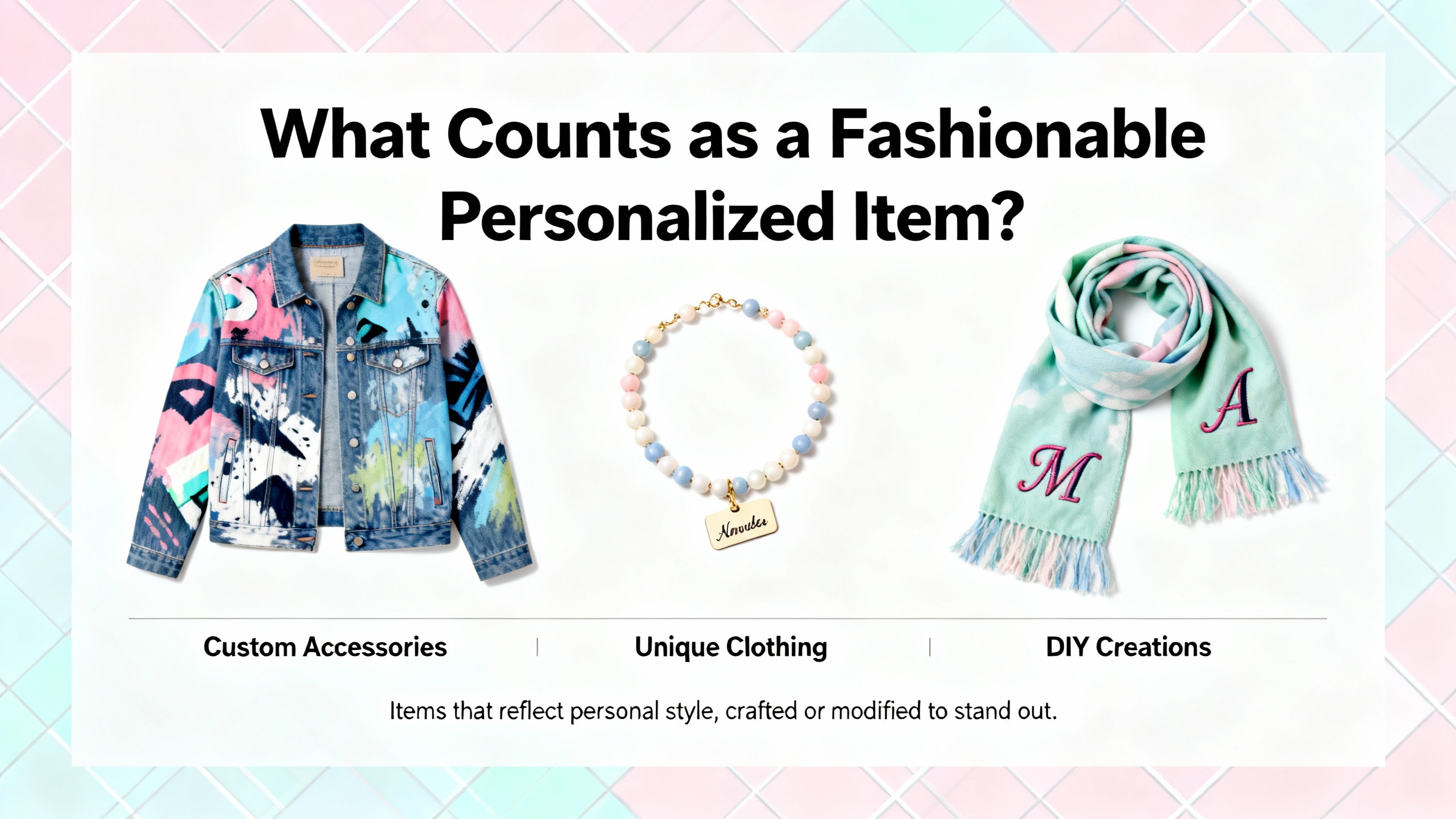
What Counts as a Fashionable Personalized Item?

Before you build or refine your catalog, it helps to define the playing field. Not every personalized product is fashion‑forward, and not every trendy accessory is easy to customize profitably in a print-on-demand or dropshipping model.

At a high level, there are four main buckets.

Customized Apparel and Loungewear

Custom apparel sits at the heart of print‑on‑demand. Shutterfly focuses on photo hoodies, printed t‑shirts, and photo socks for family moments and playful gifts. Clifton Clothing expands that scope with made‑to‑order sweatshirts, cropped hoodies, heavy fleece hoodies around 7 to 9 oz, quarter‑zip knits, sherpa pullovers, varsity jackets, and eco‑friendly fleece, all with options for embroidery, prints, and custom trims.

ELLE’s style‑guru and homebody categories reinforce that customers want personalization on everyday garments they already love: embroidered pajama sets from J.Crew, customized Nike sneakers, monogrammed robes, birth‑month flower journals, and cashmere sweaters with stitched phrases for travelers. These are not novelty tees; they are real wardrobe pieces.

For an on‑demand brand, that means focusing on silhouettes customers already wear often: well‑cut hoodies, crewnecks, relaxed sets, structured but comfortable jackets, and good‑quality socks. The trend is not “I will wear this once for a joke.” The trend is “I want my favorite hoodie, plus my name in tonal embroidery on the sleeve.”

Personalized Accessories and Jewelry

Accessories are the “finishing touches” in fashion and an ideal personalization canvas. Hayden Hill underlines how earrings, hats, gloves, belts, and necklaces have stayed relevant for thousands of years, and how modern purses and jewelry are among the most versatile accessories across events.

Jewelry appears again and again in gift guides as the go‑to luxury personalized item. Mark & Graham describe personalized jewelry as an elegant default, recommending diamond pendants and signet rings with monograms or dates. ELLE highlights monogram pendants, engraved bracelets, and Diptyque fragrances with engravable bottles. Who What Wear showcases initial rings, script initial necklaces, bar necklaces engraved with meaningful dates, and constellation pieces tied to Zodiac signs.

Roma Designer Jewelry approaches the same territory from an identity angle, describing unique accessories as tools for expressing passions, values, and beliefs. They recommend pieces that nod to veganism via vegan leather, to a love of the sea via abalone, or to spirituality via stones like amber and emerald, and they advocate for one anchor piece rather than multiple noisy items.

From a product strategy standpoint, this category covers monogram necklaces, engraved bracelets and cuff bangles, rings with initials or dates, charm necklaces that can be built over time, and even custom brooches or pins inspired by Vogue’s focus on designer brooches that “whisper rather than shout.”

Bags, Travel Pieces, and Everyday Carry With a Twist

Across Katie Couric Media’s fashion gift guide, GQ’s gifts for women, Harper’s Bazaar’s editors’ picks, and Vogue’s gift recommendations, one pattern is clear: bags, luggage, and wallets are “safe but special” gifts. Names range from woven leather shoulder bags and signature‑canvas crossbodies to customizable Longchamp totes and investment luxury bags. Mark & Graham explicitly call handbags the “ultimate status gifts,” and suggest choosing silhouettes and color blocking that fit the recipient’s style.

Personalization takes these into prime territory for your store. ELLE and Who What Wear both emphasize monogrammed totes, cosmetic bags, travel jewelry cases, passport covers, luggage tags, and even full personalized luggage sets. Wirecutter’s customizable Converse sneakers illustrate how “travel plus fashion” can be turned into a personalized gift when you let shoppers pick every panel color and add embroidered initials.

If you run a dropshipping‑driven catalog, that means thinking beyond a single tote with a printed logo. Consider coordinated sets such as a weekender bag with matching monogrammed cosmetic pouch, or a laptop sleeve with a matching phone case and valet tray, each with the same initials or motif.

Statement Fashion Accessories With a Personal Edge

Separate from traditional personalization (initials and dates), there is a growing category of accessories that feel “custom” because they are unusual and clearly aligned to the wearer’s personality.

Punch Clothing’s discussion of everyday accessories highlights platform shoes, oversized and tiny sunglasses, bold patterned bags, scarves worn in multiple ways, berets and baker caps, belt bags, and dramatic dangling earrings. Cotstyle’s review of eight trending accessories mentions oversized sunglasses, wide‑brim hats, gloves, head scarves, handbags, statement belts, and jewelry, and points out that the best accessory is still confidence.

Vogue’s fall accessories edit takes this into luxury territory, identifying sock boots, leopard‑print hats and boots, slouchy re‑edition bags, masculine brogues, textured belts, suede bowling bags, Western boots, and hybrid cape scarves as the most wanted items. Even when these pieces are not literally monogrammed, they feel intensely personal because of their silhouette and texture.

For an on‑demand business, you do not have to manufacture the exact runway item. Instead, you can offer a clean base version of these shapes, then layer personalization on top: a tonal embroidered monogram on a wide‑brim hat, a name or small phrase on a belt’s inside, a subtle motif on a cape scarf, or a custom lining color in a bag. The fashion‑rightness comes from the base shape; the emotional punch comes from the personalization.
Fashionable personalized items that sell online

What the Big Gift Guides Reveal About Buyer Psychology

When multiple editorial teams independently converge on similar personalized themes, it is worth paying attention.

ELLE, Who What Wear, and Wirecutter all define personalized gifts in essentially the same way: items where names, initials, dates, Zodiac signs, colors, or motifs are tailored to a specific person. They stress the need to start early because personalization adds lead time, but also note that many brands now offer these upgrades at little or no added cost. That is a reminder to you as a merchant: you can often price personalization as a perceived bonus, not just a cost pass‑through, because customers already know it is possible elsewhere.

Who What Wear explicitly frames personalized gifts as more thoughtful and elevated than generic trend pieces. They suggest using inside jokes, family recipes, significant dates, and Zodiac references as prompts for customization. ELLE takes a personality‑based approach, grouping suggestions by “style guru,” “homebody,” “foodie,” “beauty addict,” “wanderlust seeker,” and “pet lover.” Mark & Graham focus on emotional impact, arguing that luxury gifts become most meaningful when they are engraved, monogrammed, or carefully wrapped to align with the recipient’s identity.

Refinery29, The Commons, and sustainable‑leaning guides add another psychological dimension: mindful, sustainable gifting. The Commons stresses that “becoming a more sustainable gifter means becoming a more mindful gifter” and points readers toward sustainable accessories, fashion books, and clothing care items for fashion lovers. That is critical for print‑on‑demand brands operating in a world increasingly wary of fast‑fashion waste. Customization aligns naturally with this mindset because it discourages disposable buying. People are far less likely to discard a tote with their initials or a sweater embroidered with a loved one’s nickname.

GQ and Vogue add the “upgrade her existing routine” lens. They recommend gifts that make daily life more pleasant, from health‑tracking rings and red‑light masks to cashmere robes, silk scarves, and beautifully designed coffee gear. Personalized fashion items that slot into those same routines—like a monogrammed robe, an embroidered sleep mask, or sneakers customized in her favorite team colors—benefit from the same appeal.

Together, these guides underline three buyer expectations that should shape your catalog: the gift should feel specifically chosen for them, it should upgrade an existing habit or look, and it should align with their values, whether that is luxury, sustainability, or creativity.

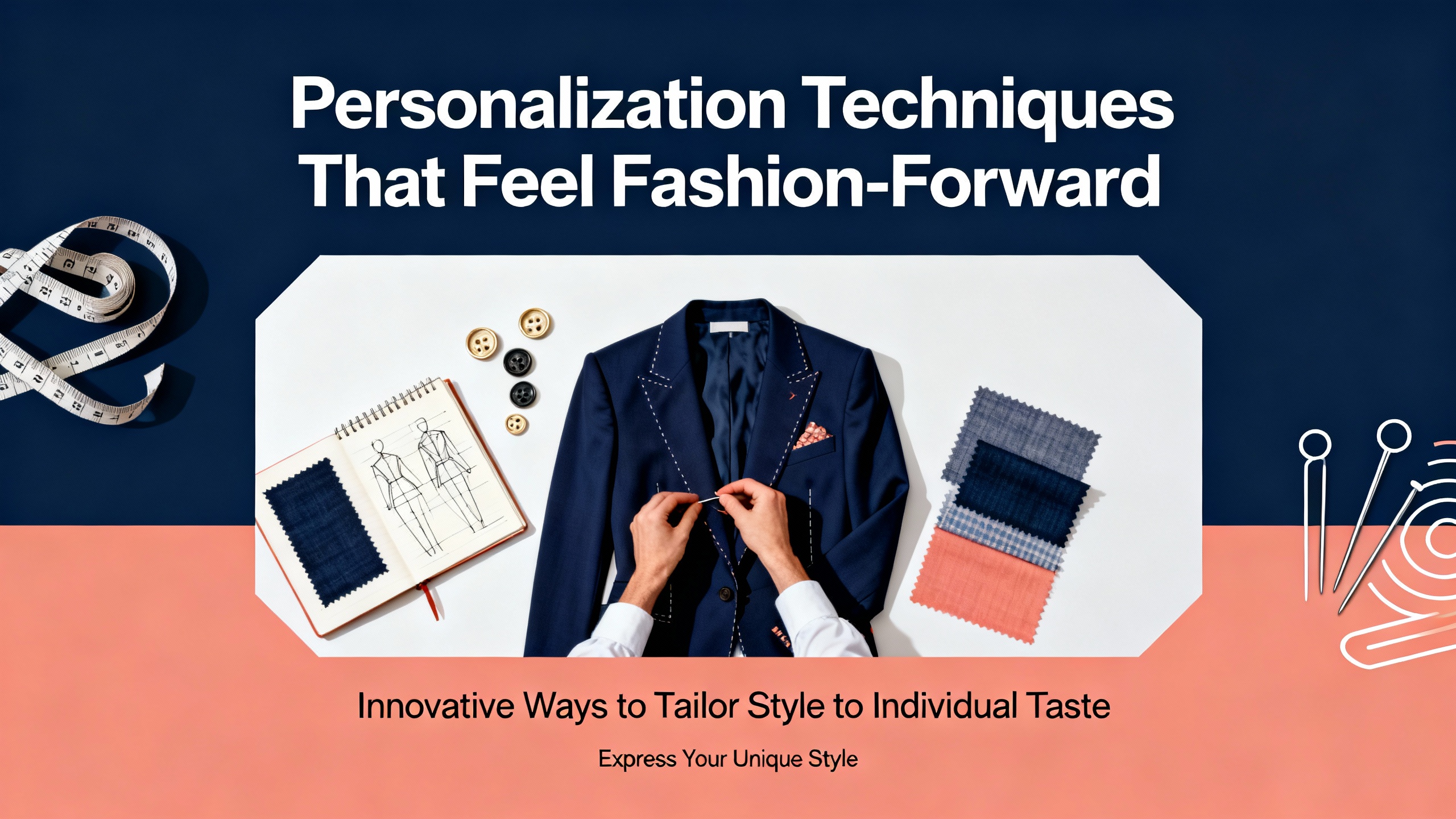
Personalization Techniques That Feel Fashion-Forward

Not all personalization is created equal. A giant, contrast‑color monogram across the chest might work for a novelty sweatshirt but cheapen a sleek trench. Conversely, a tiny tonal monogram on the cuff can make a piece feel like quiet luxury.

From both the editorial research and practical ecommerce experience, the techniques below tend to feel premium while staying operationally feasible for on‑demand models.

Personalization Technique

Best Product Types

Perceived Style Level

Operational Complexity

Tonal embroidery (initials, short words)

Hoodies, sweatshirts, robes, towels, caps, scarves

Subtle, “old money” personalization; aligns with ELLE and Who What Wear monogram trends

Low to medium, depending on character limits

Engraving and etching (metal and glass)

Jewelry, watches, fragrance bottles, barware

High‑end, gift‑worthy, as seen in ELLE and Who What Wear jewelry picks

Medium; requires specialized partners or engravers

Color and panel customization

Sneakers, varsity jackets, bucket hats, Converse‑style shoes

Very expressive but still wearable when palette is curated; echoed in Nike and Converse customization coverage

Medium; needs robust configurator and controlled color options

Photo‑based prints

Hoodies, tees, socks, blankets

Emotional and playful; aligns with Shutterfly’s positioning as wearable keepsakes

Low to medium; standard print‑on‑demand workflow

Motif‑based personalization (Zodiac, pets, hobbies)

Jewelry, totes, phone cases, stationery

Trend‑aligned and TikTok‑friendly; Who What Wear highlights Zodiac brushes and pet portraits

Low, if your art library is pre‑built

Text‑based messages (short phrases, dates)

Sweaters, bracelets, luggage tags, journals

Sentimental and story‑driven, consistent with ELLE and Mark & Graham’s focus on dates and phrases

Medium; more room for typos and moderation

A practical rule is to let the base product dictate how loud the personalization should be. On a quiet, neutral accessory like a beige scarf or cream leather tote, a small tonal monogram or date on the inside feels luxurious. On inherently playful items like socks, hair clips, or phone cases, bolder photo prints or bright colors make more sense.

From an operations perspective, limit character counts and font choices. Wirecutter notes that embroidered initials on Converse sneakers are capped around six letters and that placing them on the heel stripe is a “safe” stylistic choice. Mimic that logic in your own catalog. Controlled options keep your production manageable and your designs cohesive.
Custom fashion accessories market trends

Pros and Cons of Trendy Custom Gifts for Online Sellers

As a mentor, I push founders toward personalized products because the upside is real, but only when they are honest about the trade‑offs.

On the benefits side, personalized items usually command higher perceived value and price. Mark & Graham frames personalized luxury gifts as “high‑impact, emotionally meaningful,” and both ELLE and Who What Wear describe them as more thoughtful and elevated than generic gifts. That emotional lift often translates into better margins and stronger word‑of‑mouth. Custom pieces are also less price‑shopped, because buyers cannot do a simple like‑for‑like comparison on a marketplace.

Personalization can also support sustainability narratives. The Commons and other sustainable‑gifting content emphasize mindful, non‑wasteful gifting; a monogrammed tote or embroidered sweater supports that story by being harder to discard and more likely to be used for years. Brand loyalty benefits too; a shopper who gifts a custom Nike sneaker or personalized luggage set is likely to return for future personalized purchases as new occasions arise.

The downsides are very real, though. ELLE explicitly reminds readers to start early because personalization takes more time, which reflects the operational reality that custom orders often require longer production and cannot be batched in the same way as standard stock. You must set clear cutoff dates for seasonal peaks and communicate them clearly on‑site, in your email flows, and in your product pages.

Personalization also complicates returns and customer service. Once an item carries a name or date, you have limited resale options, and many brands adopt “no returns on personalized items” policies. That is reasonable, but it requires careful messaging and a clean proofing flow so customers can check spellings and dates before checkout. Any misalignment between your policy and their expectations will show up as support load and negative reviews.

Finally, personalization can hurt your visual brand if you allow every color, font, and layout combination. Harper’s Bazaar, Vogue, and GQ all showcase gifts with strong design identities; your personalized catalog should feel similarly curated. If the same tote can be ordered in neon fonts, multiple clashing colors, and overly long quotes, your Instagram grid will look chaotic, and the items will not read as fashion‑forward even if the base products are excellent.

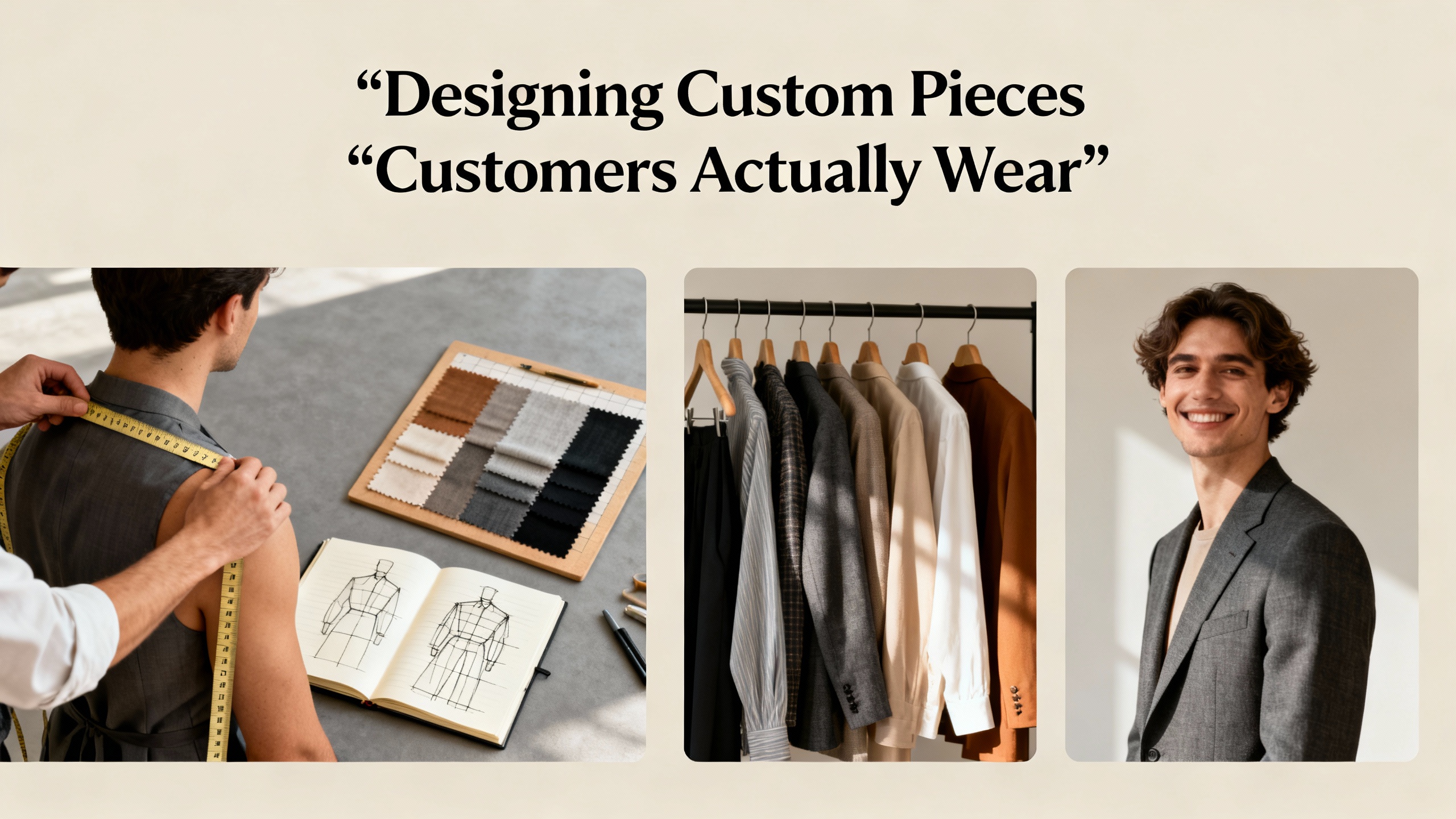
Designing Custom Pieces Customers Actually Wear

Buyers of fashion‑centric personalized gifts are not just asking “Is this meaningful?” They are also asking “Will I wear this with what I already own?”

Start by anchoring your designs in timeless accessory categories. Hayden Hill emphasizes that earrings, hats, gloves, belts, and necklaces have been reliable style staples across centuries, and that purses and jewelry are particularly versatile. Cotstyle and Punch Clothing reinforce this with lists of modern must‑haves such as oversized sunglasses, wide‑brim hats, head scarves, handbags, belts, statement earrings, belt bags, and platform shoes. The Quora‑based overview of accessories adds everyday pieces like dainty pendants, statement necklaces, chokers, simple pearls or studs, dramatic earrings, stacked bracelets, rings, headbands, embellished hair pins, baseball caps, floppy sun hats, aviator sunglasses, watches, purses, lightweight scarves, waist belts, and statement socks.

When you look across these sources, a design strategy emerges. Customers need both low‑key daily pieces and occasional statement pieces. Offer a go‑to monogram pendant or bracelet that “goes with everything.” Mirror the Quora author’s “go‑to necklace” concept, but with custom engraving or an initial charm. Then offer one or two bolder, trend‑aligned designs such as a chunky chain necklace with a large engraved medallion, or wide belts with monogrammed buckles.

Roma Designer Jewelry’s advice on unique accessories is extremely useful here. They suggest selecting one anchor piece to do the talking, like a top hat, statement boots, or a standout choker, and then using simple clothing in dark tones to direct attention to that piece. For your catalog, that means designing collections where a shopper can buy one personalized hero item and pair it with simpler, non‑personalized basics you also carry, like plain scarves or neutral caps.

It is equally important to design for versatility and seasonless wear. Harper’s Bazaar and GQ largely spotlight investment accessories that work across seasons: boots, leather bags, textured coats, and sculptural jewelry. Vogue’s gifts for women echo this with cashmere scarves and black leather wallets. If you apply personalization to these types of items, focus on subtlety so they remain seasonless. Think of a small monogram on a Burberry‑style checked scarf or a discreet engraving on the interior of a leather wallet.
Profitable personalized gift ideas for dropshipping

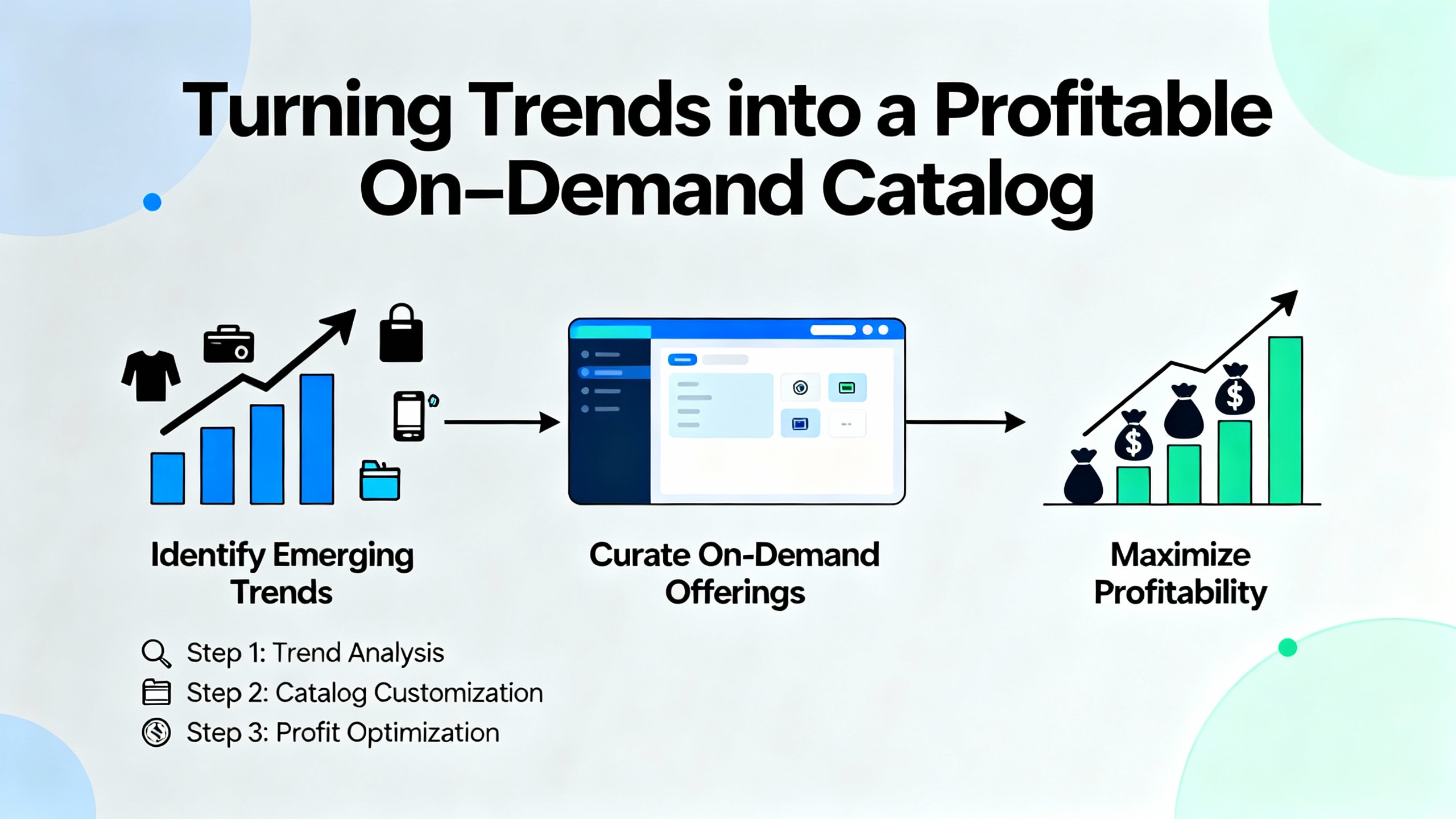
Turning Trends into a Profitable On‑Demand Catalog

The final step is translating all these insights into practical product and merchandising decisions.

For apparel, follow Clifton Clothing’s lead and base your customs on high‑quality blanks in weights and fabrics that feel substantial in hand. Cotton fleece around 7 to 9 oz, deep‑pile sherpa, heavyweight cotton knits, and twill jackets all read as quality and support long‑term wear. Offer a small but focused range of sweatshirt silhouettes, quarter‑zips, and jackets that can be embroidered or printed. Shutterfly’s approach to photo hoodies and socks shows that customers are comfortable using apparel as a storytelling medium, so do not be afraid to create templates for family portraits, pet photos, or date‑driven designs.

For accessories, build around true wardrobe workhorses. Headwear like beanies and wide‑brim hats, scarves, tote bags, crossbody bags, belt bags, travel cases, and leather‑look wallets all appear repeatedly in editorial guides and accessory roundups. Use monograms, tone‑on‑tone logos, or small motifs to keep these pieces feeling elevated. Remember that customers already see handbags as “status gifts,” as Mark & Graham notes, so even a mid‑priced faux‑leather tote can feel luxe with the right personalization and photography.

Think about lifestyle clusters rather than isolated products. ELLE and Who What Wear organize by personality types and life roles: style lovers, homebodies, foodies, beauty fans, travelers, pet parents. You can mirror that logic in your store with collections like “For the Traveler” featuring customizable roller luggage, travel totes, passport covers, and luggage tags, or “For the Beauty Lover” featuring monogrammed cosmetic bags, embroidered hair towels, and engraved compact mirrors. This reduces decision fatigue for shoppers and increases average order value because items within a cluster feel naturally compatible.

Pricing should reflect both tangible customization and intangible emotional value. Katie Couric Media’s gift guide ranges from roughly mid‑double‑digit prices to over four figures, but repeatedly emphasizes quality materials like wool, silk, leather, gold, and lab‑grown diamonds, as well as narrative elements like cultural collaborations. You may not be selling diamonds, but you can still lean into that framing by highlighting fabric composition, construction details, and the story behind your artwork.

Finally, follow The Commons’ and other sustainable guides’ emphasis on mindful gifting by integrating clothing‑care and longevity into your messaging. A personalized fleece or tote is more compelling if you can credibly argue it will last, both physically and emotionally, than if it feels like a fast‑fashion throwaway.
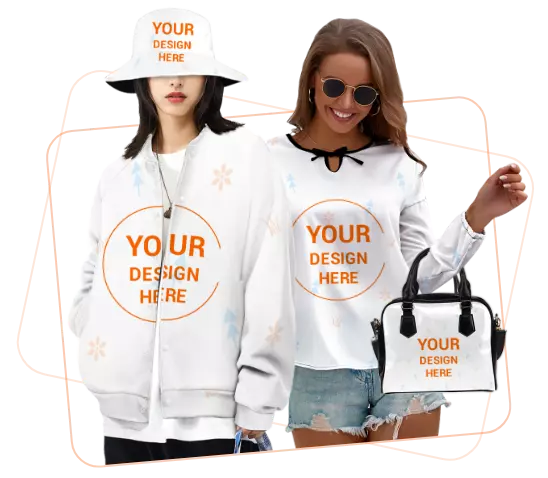
Print on demand custom apparel trends

Marketing and Customer Experience: Where Many Shops Win or Lose

A beautiful catalog is not enough; the way you sell and support personalized items determines whether you see repeat purchases or frustrated one‑time buyers.

Position your products in terms of emotion and identity, not just features. Mark & Graham, Roma Designer Jewelry, and Who What Wear all speak in the language of memory, meaning, and self‑expression: walking memory‑book jackets, jewelry that reflects life priorities, monogrammed items that feel tailored to the recipient. Borrow that language in your product descriptions and ads. Instead of “Cotton hoodie with embroidery,” write around the idea of “the hoodie she will reach for on every Sunday morning, with her initials stitched over the heart.”

Set expectations about lead times and policies early. ELLE’s reminder to shop personalized gifts ahead of the holidays is something you should echo in banners, FAQs, and cart messages. If your Christmas cutoff is December 10, say so clearly. If personalized items are final sale, explain why and emphasize the preview step where they can confirm spellings and dates. Clear, confident communication signals professionalism, which is especially important when someone is trusting you with a high‑stakes gift.

Use social proof that aligns with fashion credibility. Instead of generic reviews, highlight photos of customers wearing your monogrammed belts with their favorite jeans, or their personalized sneakers on vacation, or their pet‑portrait tote at the farmers’ market. Publications like Vogue, GQ, Harper’s Bazaar, and Katie Couric Media repeatedly stress that the best gifts upgrade daily routines and outfits. User‑generated photos of your pieces doing exactly that are more persuasive than studio shots alone.

Finally, curate and edit relentlessly. Roma Designer Jewelry warns against overloading outfits with too many statement pieces, and the same principle applies to your catalog. A smaller, tightly edited range of personalized items that feel cohesive and fashion‑right will convert better than an overwhelming menu of customizable everything.

Short FAQ for Fashion‑Focused Custom Gift Sellers

Are personalized fashion gifts only a holiday play?

Not at all. While many of the referenced guides are holiday‑driven, the product types they highlight—monogrammed bags, engraved jewelry, custom sneakers, personalized pajamas—sell year‑round for birthdays, weddings, graduations, new jobs, and thank‑you gifts. If your operations can handle it, treat peak seasons as accelerators, not the sole reason these items exist.

How many personalized SKUs should I launch with?

Most early brands do better starting with a focused capsule rather than a sprawling range. Think in terms of a few strong bases in apparel, one or two bags, and two or three jewelry or small accessory options, each with controlled personalization choices. Once you see which clusters resonate—travel, loungewear, pet lovers, or beauty fans—you can expand depth in those areas.

Do I need custom software for personalization?

You do not necessarily need a complex configurator to start. Many successful brands offer simple text fields and dropdown options for color and placement, combined with static mockup images that show roughly how the personalization appears. As your volume and catalog grow, investing in live preview tools and automation for production can reduce errors and improve customer confidence, but do not let that be a barrier to testing the category.

In a crowded ecommerce landscape, trendy custom gifts are one of the few levers that simultaneously deepen emotional connection, justify stronger margins, and make your brand harder to copy. If you pair fashion‑right base products with thoughtful, restrained personalization and disciplined operations, you can build a catalog that feels as editorially sharp as the guides from Vogue or ELLE—and as profitable as any classic best‑seller in your store.

References

  1. https://www.anthropologie.com/all-gifts
  2. https://www.personalcreations.com/?srsltid=AfmBOorUQNIEP19TuAAWjqlt73Z6xvhNXq-Wcd1sxdsT9lLjSJS4rJ9C
  3. https://www.whowhatwear.com/personalized-holiday-gifts
  4. https://www.gq.com/story/best-gifts-for-women
  5. https://kalejunkie.com/the-best-gifts-for-the-fashion-lovers-on-your-list-2023-gift-guide/
  6. https://marleylilly.com/category/gifts?srsltid=AfmBOoovmpvmfCeA9s9bJJusXJiV3hK72OF3to-4YYa5lyEmPQpI4ohn
  7. https://www.refinery29.com/en-us/gifts-for-fashion-lovers
  8. https://www.thecommons.earth/blog/gift-guide-fashion
  9. https://www.vogue.com/article/fall-most-wanted-accessories-styling
  10. https://www.cliftonclothing.com/blog/post/custom-clothing-gift-ideas-fashionistas?srsltid=AfmBOopq0kvMDMMbUZoXkhs9XCe52VU4rgIOwsw9EO4AyIZ5N3pHJdBB

Like the article

0
Trendy Custom Gifts: Fashionable Personalized Items That Actually Sell

Trendy Custom Gifts: Fashionable Personalized Items That Actually Sell

Trendy custom gifts sit right where fashion, emotion, and ecommerce profitability intersect. When you combine a great accessory with thoughtful personalization, you are no longer just selling “a product.” You are selling identity, sentiment, and status in one package.

From my vantage point mentoring founders in on‑demand printing and dropshipping, I see the same pattern every Q4 and every wedding season. Shoppers gravitate toward pieces that already feel fashion-forward, then ask, “Can I add my initials, my dog, my wedding date, my inside joke?” Editorial gift guides from outlets like ELLE, Vogue, Wirecutter, and Who What Wear now dedicate entire features to personalized gifts, which is a clear signal: customization has moved from niche to mainstream.

If you run (or plan to launch) a print-on-demand or dropshipping brand, this is not just a feel‑good trend. It is a strategic opportunity, as long as you choose the right products and the right kind of personalization, and you manage the operational realities that come with one‑off items.

This article walks you through the landscape of fashionable personalized items, what the big style publications are signaling, what works operationally in on‑demand models, and how to position these pieces so they actually convert.

Why Fashionable Personalized Gifts Are Surging

Several independent forces are converging.

First, fashion and accessories have always been about self‑expression. Hayden Hill’s overview of timeless accessories reminds us that earrings, hats, gloves, belts, and necklaces have been used since ancient civilizations to express status and style, and that modern accessories turn “basic outfits” into something personal and intentional. When shoppers personalize these same categories, they are simply turning that self‑expression up a notch.

Second, gift guides from style authorities increasingly frame personalization as the thoughtful, modern default. ELLE’s 2025 personalized gift guide defines custom gifts as pieces that carry initials, names, dates, motifs, or even custom color choices, and emphasizes that these gifts require more thought but signal deeper understanding of the recipient. Who What Wear’s curated list of personalized ideas makes the same point: monograms, engravings, and bespoke details transform otherwise standard accessories into gifts that feel “made just for them.”

Third, the ecommerce infrastructure has caught up. Shutterfly positions personalized apparel as “a way to tell your story,” then walks customers through a simple flow of picking a hoodie, t‑shirt, or socks, uploading a photo, and adding text. Clothing manufacturers like Clifton Clothing go further, letting buyers choose fabric weights, colors, trims, necklines, and embroidery on hoodies, fleeces, jackets, bucket hats, and scarves. In other words, consumers have been trained to expect that a garment or accessory is a canvas.

Finally, cultural momentum is on your side. Wirecutter highlights customizable Converse Chuck Taylor sneakers that can be designed panel by panel and embroidered with initials. ELLE showcases custom Nike sneakers “designed by you,” monogrammed pajamas from J.Crew, personalized luggage, engraved jewelry, and even personalized olive oil bottles. Who What Wear adds custom iPhone and leather phone cases, dated planners, Zodiac hair brushes, and monogrammed stationery. When this many reputable outlets normalize personalization across fashion, beauty, home, and travel, your customers arrive primed.

The net result is powerful: personalization is no longer a novelty. It is a baseline expectation in many gift categories, especially in fashion and accessories.

What Counts as a Fashionable Personalized Item?

Before you build or refine your catalog, it helps to define the playing field. Not every personalized product is fashion‑forward, and not every trendy accessory is easy to customize profitably in a print-on-demand or dropshipping model.

At a high level, there are four main buckets.

Customized Apparel and Loungewear

Custom apparel sits at the heart of print‑on‑demand. Shutterfly focuses on photo hoodies, printed t‑shirts, and photo socks for family moments and playful gifts. Clifton Clothing expands that scope with made‑to‑order sweatshirts, cropped hoodies, heavy fleece hoodies around 7 to 9 oz, quarter‑zip knits, sherpa pullovers, varsity jackets, and eco‑friendly fleece, all with options for embroidery, prints, and custom trims.

ELLE’s style‑guru and homebody categories reinforce that customers want personalization on everyday garments they already love: embroidered pajama sets from J.Crew, customized Nike sneakers, monogrammed robes, birth‑month flower journals, and cashmere sweaters with stitched phrases for travelers. These are not novelty tees; they are real wardrobe pieces.

For an on‑demand brand, that means focusing on silhouettes customers already wear often: well‑cut hoodies, crewnecks, relaxed sets, structured but comfortable jackets, and good‑quality socks. The trend is not “I will wear this once for a joke.” The trend is “I want my favorite hoodie, plus my name in tonal embroidery on the sleeve.”

Personalized Accessories and Jewelry

Accessories are the “finishing touches” in fashion and an ideal personalization canvas. Hayden Hill underlines how earrings, hats, gloves, belts, and necklaces have stayed relevant for thousands of years, and how modern purses and jewelry are among the most versatile accessories across events.

Jewelry appears again and again in gift guides as the go‑to luxury personalized item. Mark & Graham describe personalized jewelry as an elegant default, recommending diamond pendants and signet rings with monograms or dates. ELLE highlights monogram pendants, engraved bracelets, and Diptyque fragrances with engravable bottles. Who What Wear showcases initial rings, script initial necklaces, bar necklaces engraved with meaningful dates, and constellation pieces tied to Zodiac signs.

Roma Designer Jewelry approaches the same territory from an identity angle, describing unique accessories as tools for expressing passions, values, and beliefs. They recommend pieces that nod to veganism via vegan leather, to a love of the sea via abalone, or to spirituality via stones like amber and emerald, and they advocate for one anchor piece rather than multiple noisy items.

From a product strategy standpoint, this category covers monogram necklaces, engraved bracelets and cuff bangles, rings with initials or dates, charm necklaces that can be built over time, and even custom brooches or pins inspired by Vogue’s focus on designer brooches that “whisper rather than shout.”

Bags, Travel Pieces, and Everyday Carry With a Twist

Across Katie Couric Media’s fashion gift guide, GQ’s gifts for women, Harper’s Bazaar’s editors’ picks, and Vogue’s gift recommendations, one pattern is clear: bags, luggage, and wallets are “safe but special” gifts. Names range from woven leather shoulder bags and signature‑canvas crossbodies to customizable Longchamp totes and investment luxury bags. Mark & Graham explicitly call handbags the “ultimate status gifts,” and suggest choosing silhouettes and color blocking that fit the recipient’s style.

Personalization takes these into prime territory for your store. ELLE and Who What Wear both emphasize monogrammed totes, cosmetic bags, travel jewelry cases, passport covers, luggage tags, and even full personalized luggage sets. Wirecutter’s customizable Converse sneakers illustrate how “travel plus fashion” can be turned into a personalized gift when you let shoppers pick every panel color and add embroidered initials.

If you run a dropshipping‑driven catalog, that means thinking beyond a single tote with a printed logo. Consider coordinated sets such as a weekender bag with matching monogrammed cosmetic pouch, or a laptop sleeve with a matching phone case and valet tray, each with the same initials or motif.

Statement Fashion Accessories With a Personal Edge

Separate from traditional personalization (initials and dates), there is a growing category of accessories that feel “custom” because they are unusual and clearly aligned to the wearer’s personality.

Punch Clothing’s discussion of everyday accessories highlights platform shoes, oversized and tiny sunglasses, bold patterned bags, scarves worn in multiple ways, berets and baker caps, belt bags, and dramatic dangling earrings. Cotstyle’s review of eight trending accessories mentions oversized sunglasses, wide‑brim hats, gloves, head scarves, handbags, statement belts, and jewelry, and points out that the best accessory is still confidence.

Vogue’s fall accessories edit takes this into luxury territory, identifying sock boots, leopard‑print hats and boots, slouchy re‑edition bags, masculine brogues, textured belts, suede bowling bags, Western boots, and hybrid cape scarves as the most wanted items. Even when these pieces are not literally monogrammed, they feel intensely personal because of their silhouette and texture.

For an on‑demand business, you do not have to manufacture the exact runway item. Instead, you can offer a clean base version of these shapes, then layer personalization on top: a tonal embroidered monogram on a wide‑brim hat, a name or small phrase on a belt’s inside, a subtle motif on a cape scarf, or a custom lining color in a bag. The fashion‑rightness comes from the base shape; the emotional punch comes from the personalization.

Fashionable personalized items that sell online

What the Big Gift Guides Reveal About Buyer Psychology

When multiple editorial teams independently converge on similar personalized themes, it is worth paying attention.

ELLE, Who What Wear, and Wirecutter all define personalized gifts in essentially the same way: items where names, initials, dates, Zodiac signs, colors, or motifs are tailored to a specific person. They stress the need to start early because personalization adds lead time, but also note that many brands now offer these upgrades at little or no added cost. That is a reminder to you as a merchant: you can often price personalization as a perceived bonus, not just a cost pass‑through, because customers already know it is possible elsewhere.

Who What Wear explicitly frames personalized gifts as more thoughtful and elevated than generic trend pieces. They suggest using inside jokes, family recipes, significant dates, and Zodiac references as prompts for customization. ELLE takes a personality‑based approach, grouping suggestions by “style guru,” “homebody,” “foodie,” “beauty addict,” “wanderlust seeker,” and “pet lover.” Mark & Graham focus on emotional impact, arguing that luxury gifts become most meaningful when they are engraved, monogrammed, or carefully wrapped to align with the recipient’s identity.

Refinery29, The Commons, and sustainable‑leaning guides add another psychological dimension: mindful, sustainable gifting. The Commons stresses that “becoming a more sustainable gifter means becoming a more mindful gifter” and points readers toward sustainable accessories, fashion books, and clothing care items for fashion lovers. That is critical for print‑on‑demand brands operating in a world increasingly wary of fast‑fashion waste. Customization aligns naturally with this mindset because it discourages disposable buying. People are far less likely to discard a tote with their initials or a sweater embroidered with a loved one’s nickname.

GQ and Vogue add the “upgrade her existing routine” lens. They recommend gifts that make daily life more pleasant, from health‑tracking rings and red‑light masks to cashmere robes, silk scarves, and beautifully designed coffee gear. Personalized fashion items that slot into those same routines—like a monogrammed robe, an embroidered sleep mask, or sneakers customized in her favorite team colors—benefit from the same appeal.

Together, these guides underline three buyer expectations that should shape your catalog: the gift should feel specifically chosen for them, it should upgrade an existing habit or look, and it should align with their values, whether that is luxury, sustainability, or creativity.

Personalization Techniques That Feel Fashion-Forward

Not all personalization is created equal. A giant, contrast‑color monogram across the chest might work for a novelty sweatshirt but cheapen a sleek trench. Conversely, a tiny tonal monogram on the cuff can make a piece feel like quiet luxury.

From both the editorial research and practical ecommerce experience, the techniques below tend to feel premium while staying operationally feasible for on‑demand models.

Personalization Technique

Best Product Types

Perceived Style Level

Operational Complexity

Tonal embroidery (initials, short words)

Hoodies, sweatshirts, robes, towels, caps, scarves

Subtle, “old money” personalization; aligns with ELLE and Who What Wear monogram trends

Low to medium, depending on character limits

Engraving and etching (metal and glass)

Jewelry, watches, fragrance bottles, barware

High‑end, gift‑worthy, as seen in ELLE and Who What Wear jewelry picks

Medium; requires specialized partners or engravers

Color and panel customization

Sneakers, varsity jackets, bucket hats, Converse‑style shoes

Very expressive but still wearable when palette is curated; echoed in Nike and Converse customization coverage

Medium; needs robust configurator and controlled color options

Photo‑based prints

Hoodies, tees, socks, blankets

Emotional and playful; aligns with Shutterfly’s positioning as wearable keepsakes

Low to medium; standard print‑on‑demand workflow

Motif‑based personalization (Zodiac, pets, hobbies)

Jewelry, totes, phone cases, stationery

Trend‑aligned and TikTok‑friendly; Who What Wear highlights Zodiac brushes and pet portraits

Low, if your art library is pre‑built

Text‑based messages (short phrases, dates)

Sweaters, bracelets, luggage tags, journals

Sentimental and story‑driven, consistent with ELLE and Mark & Graham’s focus on dates and phrases

Medium; more room for typos and moderation

A practical rule is to let the base product dictate how loud the personalization should be. On a quiet, neutral accessory like a beige scarf or cream leather tote, a small tonal monogram or date on the inside feels luxurious. On inherently playful items like socks, hair clips, or phone cases, bolder photo prints or bright colors make more sense.

From an operations perspective, limit character counts and font choices. Wirecutter notes that embroidered initials on Converse sneakers are capped around six letters and that placing them on the heel stripe is a “safe” stylistic choice. Mimic that logic in your own catalog. Controlled options keep your production manageable and your designs cohesive.

Custom fashion accessories market trends

Pros and Cons of Trendy Custom Gifts for Online Sellers

As a mentor, I push founders toward personalized products because the upside is real, but only when they are honest about the trade‑offs.

On the benefits side, personalized items usually command higher perceived value and price. Mark & Graham frames personalized luxury gifts as “high‑impact, emotionally meaningful,” and both ELLE and Who What Wear describe them as more thoughtful and elevated than generic gifts. That emotional lift often translates into better margins and stronger word‑of‑mouth. Custom pieces are also less price‑shopped, because buyers cannot do a simple like‑for‑like comparison on a marketplace.

Personalization can also support sustainability narratives. The Commons and other sustainable‑gifting content emphasize mindful, non‑wasteful gifting; a monogrammed tote or embroidered sweater supports that story by being harder to discard and more likely to be used for years. Brand loyalty benefits too; a shopper who gifts a custom Nike sneaker or personalized luggage set is likely to return for future personalized purchases as new occasions arise.

The downsides are very real, though. ELLE explicitly reminds readers to start early because personalization takes more time, which reflects the operational reality that custom orders often require longer production and cannot be batched in the same way as standard stock. You must set clear cutoff dates for seasonal peaks and communicate them clearly on‑site, in your email flows, and in your product pages.

Personalization also complicates returns and customer service. Once an item carries a name or date, you have limited resale options, and many brands adopt “no returns on personalized items” policies. That is reasonable, but it requires careful messaging and a clean proofing flow so customers can check spellings and dates before checkout. Any misalignment between your policy and their expectations will show up as support load and negative reviews.

Finally, personalization can hurt your visual brand if you allow every color, font, and layout combination. Harper’s Bazaar, Vogue, and GQ all showcase gifts with strong design identities; your personalized catalog should feel similarly curated. If the same tote can be ordered in neon fonts, multiple clashing colors, and overly long quotes, your Instagram grid will look chaotic, and the items will not read as fashion‑forward even if the base products are excellent.

Designing Custom Pieces Customers Actually Wear

Buyers of fashion‑centric personalized gifts are not just asking “Is this meaningful?” They are also asking “Will I wear this with what I already own?”

Start by anchoring your designs in timeless accessory categories. Hayden Hill emphasizes that earrings, hats, gloves, belts, and necklaces have been reliable style staples across centuries, and that purses and jewelry are particularly versatile. Cotstyle and Punch Clothing reinforce this with lists of modern must‑haves such as oversized sunglasses, wide‑brim hats, head scarves, handbags, belts, statement earrings, belt bags, and platform shoes. The Quora‑based overview of accessories adds everyday pieces like dainty pendants, statement necklaces, chokers, simple pearls or studs, dramatic earrings, stacked bracelets, rings, headbands, embellished hair pins, baseball caps, floppy sun hats, aviator sunglasses, watches, purses, lightweight scarves, waist belts, and statement socks.

When you look across these sources, a design strategy emerges. Customers need both low‑key daily pieces and occasional statement pieces. Offer a go‑to monogram pendant or bracelet that “goes with everything.” Mirror the Quora author’s “go‑to necklace” concept, but with custom engraving or an initial charm. Then offer one or two bolder, trend‑aligned designs such as a chunky chain necklace with a large engraved medallion, or wide belts with monogrammed buckles.

Roma Designer Jewelry’s advice on unique accessories is extremely useful here. They suggest selecting one anchor piece to do the talking, like a top hat, statement boots, or a standout choker, and then using simple clothing in dark tones to direct attention to that piece. For your catalog, that means designing collections where a shopper can buy one personalized hero item and pair it with simpler, non‑personalized basics you also carry, like plain scarves or neutral caps.

It is equally important to design for versatility and seasonless wear. Harper’s Bazaar and GQ largely spotlight investment accessories that work across seasons: boots, leather bags, textured coats, and sculptural jewelry. Vogue’s gifts for women echo this with cashmere scarves and black leather wallets. If you apply personalization to these types of items, focus on subtlety so they remain seasonless. Think of a small monogram on a Burberry‑style checked scarf or a discreet engraving on the interior of a leather wallet.

Profitable personalized gift ideas for dropshipping

Turning Trends into a Profitable On‑Demand Catalog

The final step is translating all these insights into practical product and merchandising decisions.

For apparel, follow Clifton Clothing’s lead and base your customs on high‑quality blanks in weights and fabrics that feel substantial in hand. Cotton fleece around 7 to 9 oz, deep‑pile sherpa, heavyweight cotton knits, and twill jackets all read as quality and support long‑term wear. Offer a small but focused range of sweatshirt silhouettes, quarter‑zips, and jackets that can be embroidered or printed. Shutterfly’s approach to photo hoodies and socks shows that customers are comfortable using apparel as a storytelling medium, so do not be afraid to create templates for family portraits, pet photos, or date‑driven designs.

For accessories, build around true wardrobe workhorses. Headwear like beanies and wide‑brim hats, scarves, tote bags, crossbody bags, belt bags, travel cases, and leather‑look wallets all appear repeatedly in editorial guides and accessory roundups. Use monograms, tone‑on‑tone logos, or small motifs to keep these pieces feeling elevated. Remember that customers already see handbags as “status gifts,” as Mark & Graham notes, so even a mid‑priced faux‑leather tote can feel luxe with the right personalization and photography.

Think about lifestyle clusters rather than isolated products. ELLE and Who What Wear organize by personality types and life roles: style lovers, homebodies, foodies, beauty fans, travelers, pet parents. You can mirror that logic in your store with collections like “For the Traveler” featuring customizable roller luggage, travel totes, passport covers, and luggage tags, or “For the Beauty Lover” featuring monogrammed cosmetic bags, embroidered hair towels, and engraved compact mirrors. This reduces decision fatigue for shoppers and increases average order value because items within a cluster feel naturally compatible.

Pricing should reflect both tangible customization and intangible emotional value. Katie Couric Media’s gift guide ranges from roughly mid‑double‑digit prices to over four figures, but repeatedly emphasizes quality materials like wool, silk, leather, gold, and lab‑grown diamonds, as well as narrative elements like cultural collaborations. You may not be selling diamonds, but you can still lean into that framing by highlighting fabric composition, construction details, and the story behind your artwork.

Finally, follow The Commons’ and other sustainable guides’ emphasis on mindful gifting by integrating clothing‑care and longevity into your messaging. A personalized fleece or tote is more compelling if you can credibly argue it will last, both physically and emotionally, than if it feels like a fast‑fashion throwaway.

Print on demand custom apparel trends

Marketing and Customer Experience: Where Many Shops Win or Lose

A beautiful catalog is not enough; the way you sell and support personalized items determines whether you see repeat purchases or frustrated one‑time buyers.

Position your products in terms of emotion and identity, not just features. Mark & Graham, Roma Designer Jewelry, and Who What Wear all speak in the language of memory, meaning, and self‑expression: walking memory‑book jackets, jewelry that reflects life priorities, monogrammed items that feel tailored to the recipient. Borrow that language in your product descriptions and ads. Instead of “Cotton hoodie with embroidery,” write around the idea of “the hoodie she will reach for on every Sunday morning, with her initials stitched over the heart.”

Set expectations about lead times and policies early. ELLE’s reminder to shop personalized gifts ahead of the holidays is something you should echo in banners, FAQs, and cart messages. If your Christmas cutoff is December 10, say so clearly. If personalized items are final sale, explain why and emphasize the preview step where they can confirm spellings and dates. Clear, confident communication signals professionalism, which is especially important when someone is trusting you with a high‑stakes gift.

Use social proof that aligns with fashion credibility. Instead of generic reviews, highlight photos of customers wearing your monogrammed belts with their favorite jeans, or their personalized sneakers on vacation, or their pet‑portrait tote at the farmers’ market. Publications like Vogue, GQ, Harper’s Bazaar, and Katie Couric Media repeatedly stress that the best gifts upgrade daily routines and outfits. User‑generated photos of your pieces doing exactly that are more persuasive than studio shots alone.

Finally, curate and edit relentlessly. Roma Designer Jewelry warns against overloading outfits with too many statement pieces, and the same principle applies to your catalog. A smaller, tightly edited range of personalized items that feel cohesive and fashion‑right will convert better than an overwhelming menu of customizable everything.

Short FAQ for Fashion‑Focused Custom Gift Sellers

Are personalized fashion gifts only a holiday play?

Not at all. While many of the referenced guides are holiday‑driven, the product types they highlight—monogrammed bags, engraved jewelry, custom sneakers, personalized pajamas—sell year‑round for birthdays, weddings, graduations, new jobs, and thank‑you gifts. If your operations can handle it, treat peak seasons as accelerators, not the sole reason these items exist.

How many personalized SKUs should I launch with?

Most early brands do better starting with a focused capsule rather than a sprawling range. Think in terms of a few strong bases in apparel, one or two bags, and two or three jewelry or small accessory options, each with controlled personalization choices. Once you see which clusters resonate—travel, loungewear, pet lovers, or beauty fans—you can expand depth in those areas.

Do I need custom software for personalization?

You do not necessarily need a complex configurator to start. Many successful brands offer simple text fields and dropdown options for color and placement, combined with static mockup images that show roughly how the personalization appears. As your volume and catalog grow, investing in live preview tools and automation for production can reduce errors and improve customer confidence, but do not let that be a barrier to testing the category.

In a crowded ecommerce landscape, trendy custom gifts are one of the few levers that simultaneously deepen emotional connection, justify stronger margins, and make your brand harder to copy. If you pair fashion‑right base products with thoughtful, restrained personalization and disciplined operations, you can build a catalog that feels as editorially sharp as the guides from Vogue or ELLE—and as profitable as any classic best‑seller in your store.

References

  1. https://www.anthropologie.com/all-gifts
  2. https://www.personalcreations.com/?srsltid=AfmBOorUQNIEP19TuAAWjqlt73Z6xvhNXq-Wcd1sxdsT9lLjSJS4rJ9C
  3. https://www.whowhatwear.com/personalized-holiday-gifts
  4. https://www.gq.com/story/best-gifts-for-women
  5. https://kalejunkie.com/the-best-gifts-for-the-fashion-lovers-on-your-list-2023-gift-guide/
  6. https://marleylilly.com/category/gifts?srsltid=AfmBOoovmpvmfCeA9s9bJJusXJiV3hK72OF3to-4YYa5lyEmPQpI4ohn
  7. https://www.refinery29.com/en-us/gifts-for-fashion-lovers
  8. https://www.thecommons.earth/blog/gift-guide-fashion
  9. https://www.vogue.com/article/fall-most-wanted-accessories-styling
  10. https://www.cliftonclothing.com/blog/post/custom-clothing-gift-ideas-fashionistas?srsltid=AfmBOopq0kvMDMMbUZoXkhs9XCe52VU4rgIOwsw9EO4AyIZ5N3pHJdBB

Like the article

0