


Personalized Products Urgent Order: Fast Custom Gift Processing
Introduction
Urgent orders for personalized products used to be a contradiction. Customization meant slower lead times, while urgency demanded immediate availability. Over the last few holiday cycles, those lines have blurred. Buyers want unique gifts without waiting, and they are willing to switch retailers if speed and certainty are not clear. In my work mentoring founders across print‑on‑demand and dropshipping, I have seen how a well‑designed urgent personalization program can win last‑minute demand, protect margins, and turn one‑time shoppers into repeat customers.
The opportunity is large and time‑sensitive. The National Retail Federation projected online holiday sales growth of 7% to 9% to about $273.7 to $278.8 billion for November to December, which leaves substantial late‑season demand on the table. Think with Google reporting summarized by Corksy found that as of December 1, 94% of shoppers still had gifts to buy and at least 60% wait until the final week. If your store can produce personalized gifts fast, package a credible promise, and back it up operationally, you can capture a meaningful slice of that high‑intent segment.
The Last‑Minute Gift Reality
Last‑minute shoppers are defined by compressed decision cycles and a low tolerance for ambiguity. Bizrate Insights reported that 42% prioritize in‑stock or ready‑to‑ship status and 48% prioritize fast delivery when choosing an online retailer. This same research shows that eGift cards are the top last‑minute solution, with 44% of consumers planning to give gift cards and 60% hoping to receive them. Omnichannel convenience matters as well, with 43% saying in‑store pickup is important and 36% using or intending to use pickup over the holidays. These behaviors confirm that speed, clarity, and backup options are as important as the product itself in the final days.
At the same time, discounts and delivery incentives still influence outcomes. In October 2023, Bizrate Insights observed that 62% of shoppers used a deal while shopping; the most desired offers included total‑order discounts and free shipping, and the most commonly taken offers included total‑order and item or category discounts. This suggests you should keep promotions live into the final days and make them visible alongside delivery cutoffs to convert procrastinators without undermining trust.
What “Fast” Means in Personalization
Many customer service headaches stem from a simple misunderstanding: processing time and shipping time are different clocks. Processing time is the period you need to design, personalize, print, quality‑check, and pack. Shipping time is the carrier’s time in transit after pickup. Urgent programs often introduce a third concept, rush processing, which moves an order ahead in your internal queue, and a fourth lever, expedited shipping, which buys the shortest time in transit.
Term | What It Covers | Who Controls It | Typical Lever for Speed |
|---|---|---|---|
Processing Time | Design setup, personalization, production, QA, packing | Your shop and suppliers | Capacity, batching, templates, rush queue |
Shipping Time | Time in transit after carrier pickup | Carrier | Service level and zone routing |
Rush Processing (Upgrade) | Priority handling to the front of the production queue | Your shop | Paid upgrade or service promise |
Expedited Shipping | Faster carrier service (two‑day, next‑day, same‑day local) | Carrier | Paid upgrade or minimums for promo |
Set clear, separate promises for each clock. A realistic message might say that orders placed by a certain time will enter same‑day production and encourage buyers to select two‑day shipping at checkout to meet a stated date. If you offer in‑store pickup or curbside, publish the typical readiness window and a last pickup time each day. Corksy’s guidance aligns with this approach by suggesting precise countdowns and cutoffs, such as order‑by dates for pre‑holiday delivery, and by recommending discounted expedited options to balance conversion and margins.
Where Demand Concentrates and What Customers Value
The late‑season buyer cares about certainty, which means they must see stock status, delivery speed, and contingency options without digging. Bizrate Insights highlights how simple merchandising changes can accelerate decisions: a dedicated “Last‑minute gifts” destination, “ready to ship” and “ship today” filters, and omnichannel messages emphasizing fast pickup readiness. The same research recommends featuring gift cards prominently across the homepage, navigation, and gift finders, with language that speaks directly to procrastinators.
To support a confident choice, mirror retail leaders who merchandise fast solutions clearly. Bizrate Insights cites examples such as prominent gift card displays, pages labeled “ship today,” BOPIS speed claims, service‑oriented returns policies, and self‑gifting messaging. This last point matters because self‑gifting is widespread; Bizrate Insights observed that 68% of purchases were for self versus 32% for gifting, which reinforces the idea that urgency does not just apply to giving. It also applies to shoppers rewarding themselves during peak deals.
Designing an Urgent‑Order Personalization Program
A fast‑custom program works best when it is designed deliberately rather than improvised in the final week. Start with a tight assortment that you can produce at speed, such as best‑selling apparel fits, mugs, canvas prints, and ornaments with pre‑approved design templates and automatic personalization fields. If you use print‑on‑demand, route urgent SKUs through fulfillment centers closest to your core regions to reduce shipping time, a tactic Printful describes as choosing nearby facilities for faster delivery.
Codify a rush processing option as a first‑class product, not a hidden favor. One retailer’s “Expedited Processing” upgrade packages queue priority and two‑day shipping via a major carrier across all 50 states, including Alaska and Hawaii. Clear, paid upgrades create fairness, raise the bar for operational reliability, and prevent disruptions to the standard queue. Capacity caps per day help keep promises credible; if you reach the cap, switch the upgrade off until capacity returns.
Publish a visible, conservative cutoff time for same‑day processing. Many teams choose early afternoon to protect production and pickup windows. Make it easy to find and easy to understand, then keep it consistent in the header, on the product detail page, and in the checkout sidebar. When you change it near peak, add a date‑stamped note to avoid confusion.
Promising Speed Responsibly Without Eroding Trust
Urgency converts, but overusing it erodes credibility. The nonprofit sector’s guidance on urgent appeals is instructive: use time‑bound, specific asks sparingly, show a clear next step, and demonstrate the immediate impact of action. Merchandise urgency with a banner that states a concrete deadline for pre‑holiday delivery and show shoppers exactly what to do, whether that is selecting two‑day shipping or choosing pickup at a nearby location. Pair the message with operational assurances like “in stock” and “ships today” because Bizrate Insights shows those signals reduce uncertainty and drive conversion.
Keep targeted deals live through the final days. Bizrate Insights found that total‑order discounts and free shipping are the most desired promotions late in the season, and that item and category offers are often the most taken. Use concise copy that ties the deal to the time promise. An example would be a limited‑time order‑wide discount paired with a reminder to select two‑day shipping at checkout to mitigate cart friction.
The Operational Blueprint for Fast Custom
Fast personalization depends on removing friction and handoffs. Use personalization templates that constrain fonts, placement, and color to prevent last‑minute proof delays. Pre‑stage blanks by color and size, print production tickets with embedded barcodes, and push urgent orders into a dedicated queue with visible limits. A lightweight WMS or a rules‑driven picking system helps prioritize urgent items, reduce pathing time, and print shipping labels as soon as items clear QC, an approach suggested in logistics primers highlighting the role of warehouse systems in expedited flows.
Reserve a small daily timebox for customer service to resolve name spellings, dates, or photo quality proactively. Because urgent buyers have fewer chances to catch errors, a prompt verification pays off. If you need proof approvals, show a countdown to the next production batch and automatically move unapproved proofs to the next run so your floor stays predictable.
When you cannot meet a promised timeline, offer an immediate pivot. For example, if personalized production will miss a critical date, offer to switch to a non‑custom alternative that is in stock, or suggest a digital gift card with a bonus. In several markets, offering a modest eGift card extra for last‑minute buyers has kept conversion high while avoiding late deliveries.
Shipping, Pickup, and Same‑Day Local
Shoppers equate “fast” with a reliable delivery option at checkout. Research summarized by Grabbit & Run points to both expectations and trade‑offs: many shoppers prefer next‑day speeds, a significant share is willing to pay more for same‑day delivery, and faster options can reduce cart abandonment, which Baymard puts near 70% on average. Present shipping options in plain language that separates your production promise from the carrier’s transit time. If you cannot control carrier delays in certain regions, add a banner acknowledging that limitation and elevate pickup or digital fallback options for those visitors.
Two‑day shipping balances speed and cost for many personalized items, particularly when the product is dense enough to justify the rate. If you offer rush processing, bundle it with two‑day shipping as a single choice to simplify decisions. If you have a local footprint, promote same‑day local delivery or curbside pickup with simple, step‑by‑step guidance and a clear readiness window. Bizrate Insights notes that fast pickup readiness, often around one hour, serves urgent needs well and that a large minority of shoppers consider pickup important during the holidays.
Digital and Experiential Safety Nets
Digital gifts are not a consolation prize; they are often exactly what a late buyer wants. Bizrate Insights shows that gift cards are both widely given and widely desired. Place digital gift cards where buyers will actually see them, add procrastinator‑friendly language, and consider a small limited‑time incentive such as a bonus credit at a set threshold. Corksy recommends these instant options as a core tactic, along with subscription or membership gifts and tickets to upcoming experiences. If your products are event‑related or seasonal, these alternatives keep your brand in the consideration set even when physical cutoffs pass.
Corporate gifting and client appreciation also benefit from choice‑based approaches. Loop & Tie describes a “gift of choice” model where recipients select from a curated collection, which can boost relevance and reduce waste. That matters in a crowded season and a large market; Loop & Tie notes that corporate gifting was expected to reach a significant scale by 2024 and that a large portion of gifts can end up unused when they miss the mark. Digital claim links also reduce misdelivery risk by letting recipients enter their own shipping address, which is particularly helpful for remote or hybrid workforces.
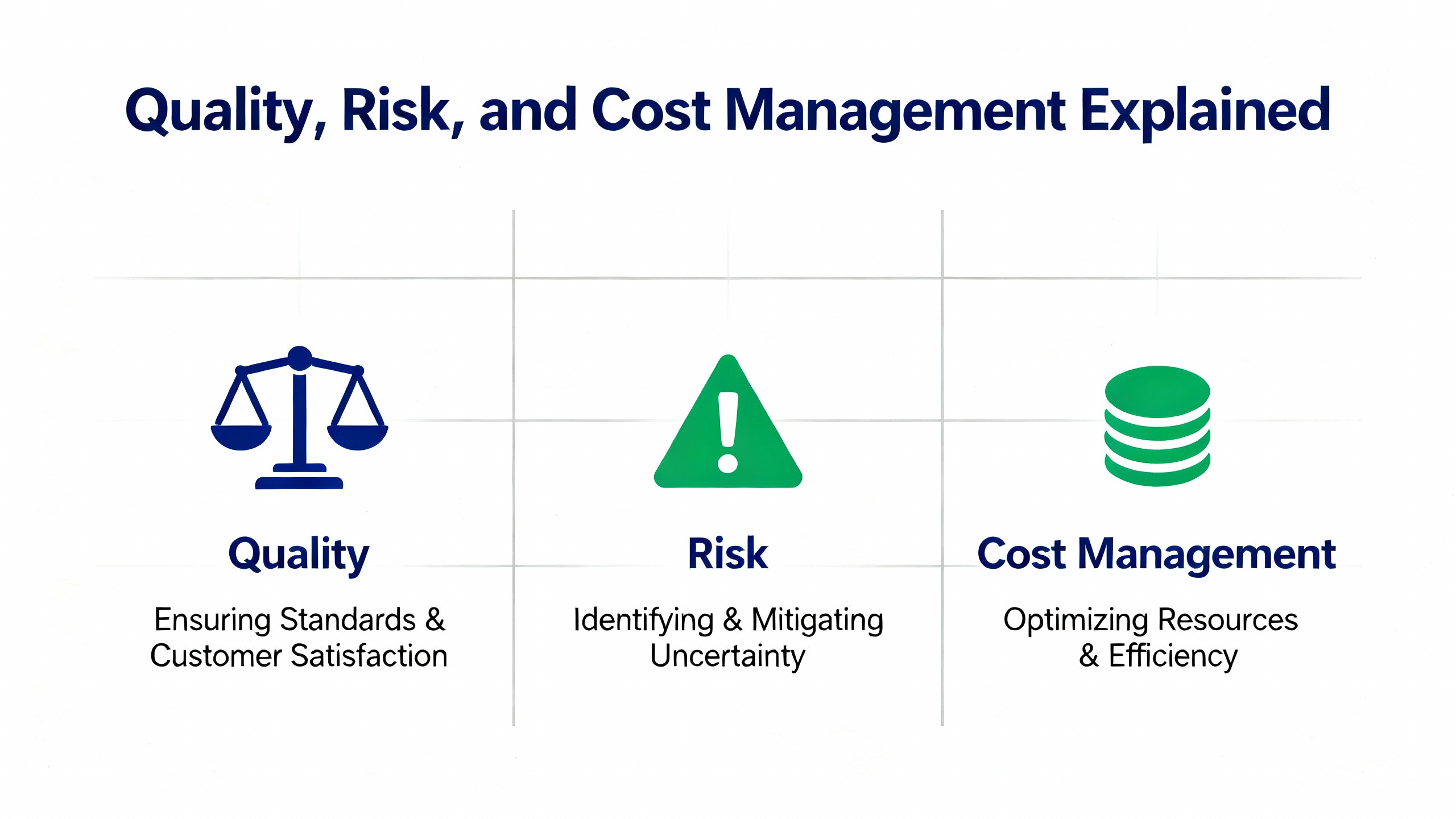
Quality, Risk, and Cost Management
Urgent personalization compresses production, which heightens the risk of errors. Quality shortcuts are not worth it. Fast flows benefit from more, not fewer, checks: name spellings printed from the order, data validation in the form, double‑scans at packout, and standardized packaging that protects finishes during faster courier handling. Returns are costly; industry commentary cited by Grabbit & Run notes the massive scale of returns and the role of defects. While expedited shipping involves fewer stops and may reduce damage probability, the best defense is consistent packaging and clear care instructions.
Carrier risk is real during peak weeks. Set expectations by framing delivery windows as estimates, not guarantees, unless you have a carrier‑backed guarantee. When a missed delivery will sink the gift moment, offer to include a printed card with a QR code linking to a digital preview of the personalized design. That way, the recipient still experiences something meaningful on the day, and the physical product follows soon after.
Pros and Cons of Rush Personalization
Rush personalization drives incremental revenue, but it is not free money. The advantages include capturing high‑intent buyers who prioritize speed, building goodwill through on‑time gift moments, and learning operational discipline that benefits standard flows. The trade‑offs include capacity strain, higher labor and shipping costs, a thinner margin if you subsidize shipping, and potential fairness issues if you allow queue‑jumping without a clearly priced upgrade. A small seller in a community forum described implementing a rush surcharge after repeated rush requests disrupted a two‑week normal turnaround during a large 200‑item job. That experience mirrors what many shops discover: without a clear rush policy, urgent work can displace the entire queue.
The remedy is clarity. Publish your rush rules, price the upgrade so it funds the extra cost, cap daily rush slots, and enforce deadlines. When buyers understand the trade‑off, they respect it, and your team can deliver without burnout.
Site, Checkout, and Mobile Experience
In late season, seconds matter as much as days. Corksy emphasizes streamlining checkout to minimal steps, enabling express wallets, and optimizing mobile performance. Use a gift‑first flow that defaults to ship‑to‑recipient, and include a spot for a short message that prints with the gift without adding time. Scarcity cues such as “Only a few left” can help, but keep them honest. Countdown bars should be tied to your actual production and carrier cutoffs, not generic timers.
Because shoppers want proof they will receive gifts on time, add delivery promise blocks to product pages and the cart with date estimates based on the selected shipping method and your processing time. Keep these promises up to date, and remove products from the urgent assortment if their supply chain becomes unpredictable.
Care and Buying Tips for Last‑Minute Personalized Gifts
Fast does not have to mean careless. Guide buyers to choose personalization that looks crisp at smaller sizes, such as initials, short names, or a date rather than paragraphs of copy. Encourage them to preview monograms and check punctuation before adding to cart. For photo items, ask for well‑lit, high‑resolution images with clear faces and minimal cropping. If a design will not reproduce well, contact the buyer quickly with a suggested alternative that can still ship on time.
Include simple care notes in the box to prevent early returns. For apparel, recommend washing inside out on cold, avoid bleach, and tumble dry low to preserve prints. For mugs and drinkware, suggest hand‑washing for longevity even if the item is dishwasher‑safe, and avoid abrasive pads. For wall art, advise avoiding direct sun and using a soft, dry cloth for cleaning. These small touches reduce avoidable defects and preserve the delight you worked hard to create.
Pricing and Promotion Without Breaking Margins
Late‑season promotions should be precise. Bizrate Insights indicates that total‑order discounts and free shipping resonate most, but blanket free shipping can erase margin on heavy custom items. Consider threshold‑based offers tied to two‑day shipping or a small rush‑processing discount that nudges buyers to pre‑holiday delivery while still covering costs. If you add a rush upgrade, ensure it funds extra labor and materials, and be transparent about what it includes. A bundled rush‑plus‑two‑day package reduces confusion and customer service friction.
Finally, reduce abandoned carts by foregrounding speed. Baymard’s benchmark shows abandonment near 70% on average, so even a small lift from clearer delivery messaging, wallet buttons, and fewer form fields can compound into material revenue in the peak weeks.
Quick Reference: Late‑Season Shopper Priorities and Solutions
Shopper Priority or Behavior | Supporting Insight | Practical Solution |
|---|---|---|
Fast delivery and confirmed availability | Bizrate Insights: fast delivery and in‑stock status matter | Label “ready to ship” assortments and publish same‑day cutoffs |
Avoiding uncertainty | Bizrate Insights | Show promised dates by method and separate processing vs shipping |
Last‑minute digital solutions | Bizrate Insights | Feature eGift cards across homepage, nav, and gift finders |
Pickup convenience | Bizrate Insights | Offer BOPIS/curbside with clear readiness times |
Deal sensitivity in final days | Bizrate Insights | Keep total‑order or category deals live and visible |
High conversion friction on mobile | Baymard | Streamline checkout and enable express wallets |
Measurement and Iteration
Measure inputs and outcomes that reflect the urgency moment rather than generic KPIs. Track rush‑slot utilization, same‑day production rate, on‑time shipment rate, and delivery‑on‑or‑before target. Watch refund and remake rates for rush orders separately from standard orders to catch quality drift. Pair quantitative data with a daily floor huddle to surface obstacles, such as photo quality or template bottlenecks, and fix them before the next rush cycle.
Takeaway
Urgent personalization is no longer an edge case. It is a late‑season growth engine that rewards clarity, discipline, and thoughtful backup options. The playbook is simple to describe and challenging to execute: define processing vs shipping promises, curate a fast‑producing assortment, stand up a paid rush option with capacity caps, merchandise gift cards and pickup clearly, and communicate deadlines everywhere. Data from Bizrate Insights, the National Retail Federation, Statista, and Baymard shows the prize for getting it right: high‑intent shoppers who value speed, certainty, and convenience. Build your urgent program now, and you can honor gift moments without compromising your brand or your margins.
FAQ
What is the difference between rush processing and expedited shipping?
Rush processing moves your order to the front of the production queue so it is made and packed sooner. Expedited shipping is the faster carrier service that shortens time in transit after pickup. Treat them as separate clocks and describe each clearly on your site.
How late can customers order a personalized gift and still get it on time?
It depends on your production capacity and the destination, but you should publish a specific daily cutoff for same‑day production and show date estimates in the cart for each shipping method. As cutoffs pass, route shoppers toward eGift cards, pickup, or nearby delivery options rather than leaving them to guess.
Are gift cards a good last‑minute option for personalization‑focused stores?
Yes. Bizrate Insights reports strong consumer appetite for gift cards, both as a giving choice and as a desired gift. Promote digital gift cards prominently and consider a small, time‑bound incentive to overcome procrastination friction.
How do I prevent quality issues when I speed up personalization?
Use locked templates, validate inputs in the form, pre‑stage blanks, and add double‑scan checks at packout. If proofs are required, display a countdown to the next batch so buyers respond quickly. Include simple care instructions in the box to reduce avoidable returns.
What should I do if carrier delays threaten an urgent delivery?
Be transparent about regional delays, elevate pickup where possible, and offer a digital backup such as a gift card or a printable design preview with a message. If a delay is likely, present the alternative at checkout rather than after the order ships.
Does offering rush options hurt margins?
Rush programs increase labor and shipping costs, which is why they should be priced as upgrades with daily capacity caps. The upside is incremental late‑season revenue and higher customer satisfaction. With clear pricing and limits, rush orders can be profitable without disrupting the standard queue.
References
Bizrate Insights; National Retail Federation; Think with Google via Corksy; Printful; Statista; Baymard Institute; Loop & Tie; Grabbit & Run.
- https://www.darrellsworldonline.net/post/tips-for-getting-last-minute-gifts-delivered-fast
- https://www.lastminutegifts.net/article/last-minute-gift-shopping-tips/
- https://www.4allpromos.com/blog/ordering-promo-products-last-minute?srsltid=AfmBOoorQIzBzijFhvYc4q_WpwXTNEejB8zU8wNYtmmcICBIo1TIHX-9
- https://www.amyeisenstein.com/asking-easy-1-2-3-soliciting-gift/
- https://bizrateinsights.com/eight-tips-to-cash-in-on-last-minute-gift-shopping/
- https://customfamilygifts.com/pages/how-long-will-it-take-to-get-my-order?srsltid=AfmBOops_4fG2jgOg2yhuF68xjWXS1KjId5dZ1lcZd-OYgkNph7CfBFb
- https://customlygifts.com/products/expedited-processing?srsltid=AfmBOorw10nzy-Pgve9QUGOs5y4iwr5agxZmlzPMJ7U2KhqDWQ2HytpI
- https://doublethedonation.com/fundraising-letters/
- https://givewp.com/how-to-ask-for-donations/
- https://www.goharness.com/blog-posts/how-to-ask-for-donations