

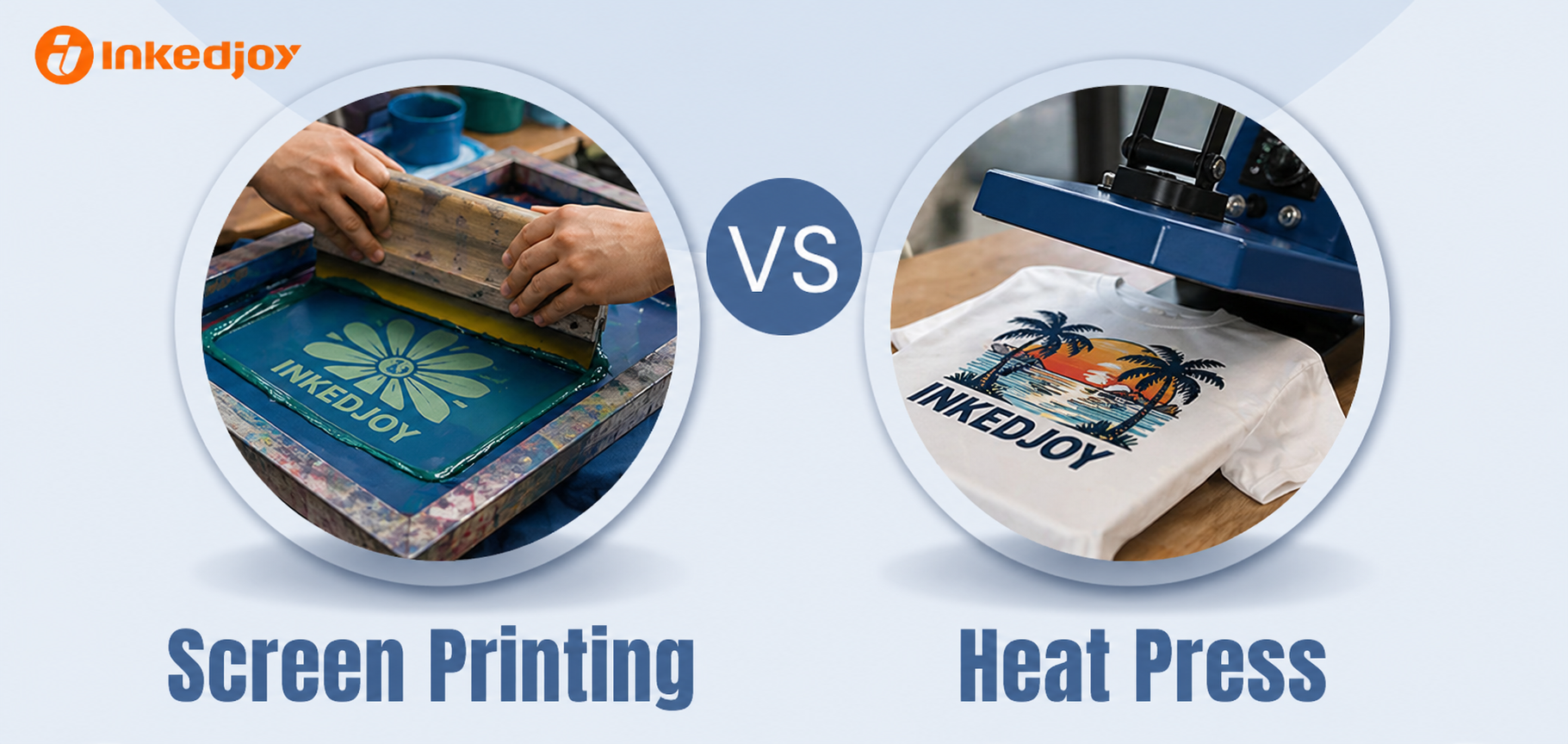
Screen Printing vs Heat Press: Which Is Best for Your Business?
Key Takeaways
- screen printing vs heat press comes down to order size, fabric type, design complexity, and production goals.
- Screen printing is often more cost-effective for large runs and delivers durable, vibrant results, especially for simple designs.
- Heat press works well for small batches, custom orders, and fast turnaround, with lower startup costs and easier setup.
- Businesses focused on bulk apparel orders may benefit more from screen printing, while on-demand or personalized shops may prefer heat press.
- Comparing equipment costs, labor time, material needs, and print longevity can help determine the better fit for your business model.
Table of Contents
- How to choose the best print method for your business model in 2026
- What sets these two methods apart in setup, workflow, and output
- Which option makes more sense for cost, order volume, and profit margins
- How durability, design detail, and fabric compatibility affect the final result
- Common mistakes that lead to wasted inventory, reprints, and unhappy customers
- The best fit for your business stage and when to use a print-on-demand partner
How to choose the best print method for your business model in 2026
The right answer in screen printing vs heat press depends less on print theory and more on how you plan to sell. Start with order pattern, product mix, and margin structure. If you expect repeat designs in medium or large batches, screen printing usually gives you lower unit cost and better consistency over time. If you run short drops, test many designs, or personalize items one by one, heat press is usually easier to manage.
| Business need | Better fit |
|---|---|
| 100 plus units of one design | Screen printing |
| Small runs, samples, personalization | Heat press |
| Many color changes every week | Heat press |
| Core designs that sell year round | Screen printing |
A common mistake is choosing based on startup cost alone. Heat press often looks cheaper at the beginning, but labor can become the bottleneck once volume rises. Screen printing requires more setup and planning, yet it can protect margin on proven designs, especially for tees, hoodies, and team apparel such as products in the sportswear category.
If your store relies on trend testing, marketplaces, or print on demand workflows, heat press may fit better with flexible operations like Inkedjoy. If you want a sharper cost model, this comparison overview reflects the same tradeoff. For more operational guidance, see POD business tips.

What sets these two methods apart in setup, workflow, and output
In a practical screen printing vs heat press comparison, the biggest difference is how each method handles volume. Screen printing takes more setup because each color usually needs its own screen, registration, and test prints. That front loaded work slows down small runs, but once the setup is dialed in, repeat orders move efficiently and unit cost usually drops.
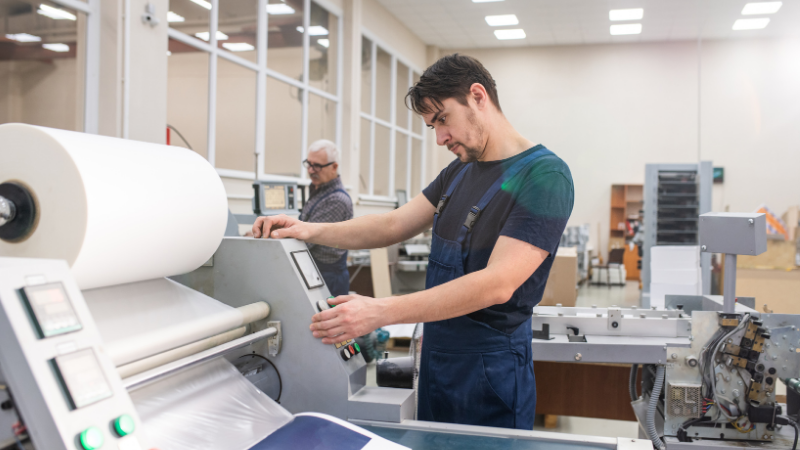
Heat press is simpler to start with. You can produce one shirt at a time with less prep, which makes it easier for made to order stores, product testing, and shops managing many designs in low quantities. The tradeoff is labor. Pressing one item at a time can become the bottleneck once orders increase.
| Area | Screen printing | Heat press |
|---|---|---|
| Startup effort | Higher setup, more skill sensitive | Lower setup, easier to launch |
| Workflow fit | Better for batch production | Better for short runs and personalization |
| Output feel | Often softer and more integrated | Depends heavily on transfer type |
Output quality is where many new sellers misjudge the choice. Screen prints often look more consistent across larger batches and tend to hold up well on simple designs with solid colors. Heat press can look sharp, especially for names, numbers, and small test runs, but the final feel and durability depend on transfer material, pressure, and fabric compatibility.
If your catalog changes weekly, heat press is often easier to manage. If you expect stable designs and larger repeat orders, screen printing usually makes more operational sense.
Which option makes more sense for cost, order volume, and profit margins
For most small apparel businesses, the real screen printing vs heat press decision comes down to setup cost versus repeatability. Heat press usually makes more sense for low volume, test launches, and stores with many designs but unpredictable demand. Screen printing usually makes more sense once you have steady sellers and larger batch sizes.
Heat press has a lower barrier to entry. You can start with one machine, buy transfers as needed, and avoid paying screen setup fees on every new design. That protects cash flow if you run short drops, local team orders, or ecommerce stores still validating products. The common mistake is looking only at startup cost and ignoring labor. Pressing each garment one by one takes time, and that labor starts to eat margin fast as order counts rise.
Screen printing flips that equation. Setup is higher, but unit cost falls as volume increases. If you already know a design will move 50, 100, or 500 pieces, screen printing often leaves more room for profit, especially on simple one or two color artwork.
| Business condition | Usually makes more sense |
|---|---|
| 1 to 25 pieces, many designs | Heat press |
| 50 plus pieces, repeat design | Screen printing |
| Frequent product testing | Heat press |
A practical rule: choose heat press if flexibility matters more than unit economics. Choose screen printing if demand is proven and your margin depends on scaling one design efficiently. If your catalog has both evergreen sellers and frequent new ideas, many businesses end up using both.
How durability, design detail, and fabric compatibility affect the final result
In screen printing vs heat press, the better method usually becomes clear once you judge three things: how long the print needs to last, how detailed the artwork is, and what fabric you are decorating.
For durability, screen printing usually holds up better on bulk apparel that will be washed often, especially cotton tees, work shirts, and event merch. The ink bonds into the fabric more naturally, so large solid areas tend to stay consistent over time.
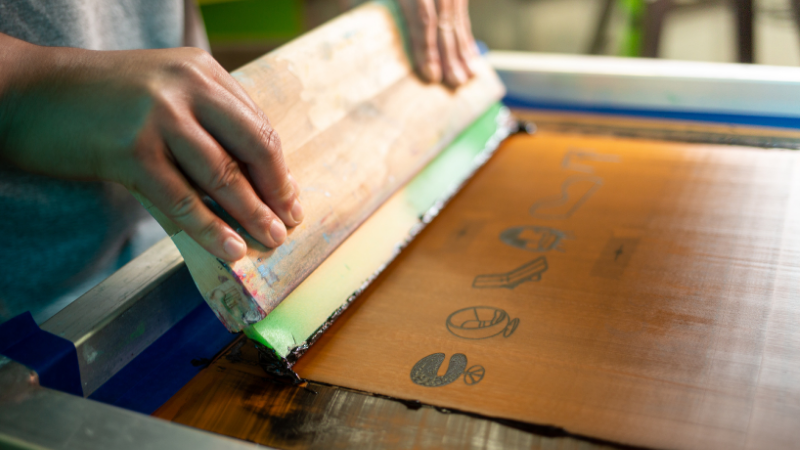
Heat press can still last well, but results depend heavily on transfer quality, press temperature, pressure, and wash care. A common mistake is assuming all heat pressed prints wear the same. Vinyl names on team shirts, plastisol transfers, and full color transfers age differently.
For design detail, heat press often gives you more flexibility for short runs and complex graphics. Small text, photo style artwork, and multicolor designs are usually easier to reproduce without building multiple screens. Screen printing is stronger for bold graphics with limited colors, but fine detail can soften on textured garments or lower mesh setups.
Fabric choice matters more than many new sellers expect. Screen printing performs reliably on cotton and cotton rich blends. Heat press is often the safer route for polyester, performance wear, and low quantity mixed garments, but only if you use transfers designed for those fabrics. Otherwise you risk dye migration, scorching, or poor adhesion.
| Factor | Leans screen printing | Leans heat press |
|---|---|---|
| Wash durability | Frequent wear, bulk orders | Depends on transfer type and application |
| Artwork detail | Simple, bold designs | Photos, small text, many colors |
| Fabric flexibility | Cotton and standard blends | Polyester and mixed small runs |
If your store sells repeat designs in volume, screen printing vs heat press usually favors screen printing. If you sell varied designs, personalized pieces, or smaller test runs, heat press is often the more practical fit.
Common mistakes that lead to wasted inventory, reprints, and unhappy customers
The biggest mistake in screen printing vs heat press is choosing a method based on unit cost alone. That usually creates problems later in the workflow. A print that looks cheap to produce can become expensive after size exchanges, color inconsistency, peeling complaints, or slow reorder turnaround.
One common error is using screen printing for designs that are not stable enough to justify setup time. If the artwork changes often, includes many color versions, or sells in unpredictable quantities, preprinting inventory can leave you with dead stock. This happens often with trend based drops, event shirts, and stores still testing product market fit.
Another mistake is relying on heat press for jobs that need long run consistency. Heat press works well for short runs, names, numbers, and test orders. But if you are fulfilling larger repeat orders, variation in pressure, placement, and operator technique can increase reprints. On dark garments, transfer feel and durability can also become a customer service issue if expectations are not set clearly.
| Mistake | What it causes | Better rule |
|---|---|---|
| Screen printing low confidence SKUs | Leftover inventory | Validate demand first |
| Heat pressing repeat bulk orders | Inconsistent output and labor bottlenecks | Move proven sellers to screen printing |
A practical rule is simple. Use heat press to test, personalize, and keep risk low. Move to screen printing only after sales data shows stable demand, limited artwork changes, and enough volume to justify setup. That is the decision point that reduces waste and protects customer experience.
The best fit for your business stage and when to use a print-on-demand partner
For most new stores, the screen printing vs heat press decision should start with order volume, design stability, and cash risk. Early stage sellers usually benefit from heat press or print on demand because both let you test ideas without buying inventory in bulk. If you are still learning which designs actually sell, flexibility matters more than the lowest unit cost.

Heat press fits small runs, frequent design changes, and personalized orders. It is practical for Etsy shops, local team orders, event merch, and stores with uneven demand. Screen printing makes more sense once a few designs sell consistently and you can predict reorder volume. The setup takes more time and planning, but the economics improve as quantities rise.
| Business stage | Usually the better fit | Why |
|---|---|---|
| Testing products | Heat press or POD | Low upfront cost, easier design changes |
| Growing repeat sellers | Screen printing | Better margins on proven designs and larger batches |
A print on demand partner is most useful when your bottleneck is fulfillment, not printing knowledge. If you are spending more time packing orders than finding winning products, outsourcing is rational. It is also a safer option for broad catalogs with many colorways and sizes. The tradeoff is lower margin and less control over exact print methods, garment sourcing, and turnaround consistency.
A common mistake is moving to screen printing too early. Another is relying on POD too long after demand becomes predictable. In practical terms, use POD or heat press to validate. Move to screen printing when sales data, not optimism, shows repeat volume.
FAQs
Is screen printing or heat press better for a dropshipping clothing business?
It depends on order size, design complexity, and product mix. In screen printing vs heat press, screen printing usually fits larger runs with simple artwork, while heat press is often better for short runs, personalized items, and testing new designs with lower setup commitment.
Which method has lower startup cost in 2026: screen printing or heat press?
Heat press usually has the lower startup cost in 2026 because it needs less equipment and fewer setup steps. Screen printing often requires screens, inks, drying space, and more labor. For new sellers managing cash flow, heat press is commonly the less risky starting point.
Does screen printing last longer than heat press on t-shirts?
In many cases, yes. Screen printing is often more durable over repeated washing, especially for bulk apparel with standard designs. Heat press quality can still be strong, but results depend heavily on transfer material, pressure, temperature, and fabric compatibility.
Which is faster for fulfilling custom orders: screen printing or heat press?
Heat press is usually faster for one-off or small custom orders because there is little setup once the design is ready. Screen printing becomes more efficient when printing many units of the same design, where setup time is spread across the full batch.
What are the biggest risks when choosing between screen printing and heat press?
The main risks are margin loss, inconsistent print quality, and choosing a method that does not match your order pattern. Screen printing can be inefficient for low volume. Heat press can create durability or feel issues if the transfer type is not suited to the garment.
Read More from Inkedjoy Blog
Written by Iris
As a writer for Inkedjoy, Iris helps print-on-demand sellers discover new trends and popular products to sell from their online stores. She provides useful tips and brand-building strategies so creators can work smarter and connect with customers globally for long-term growth.