
Personalized Items Quick Customization: Fast Design for Custom Gifts
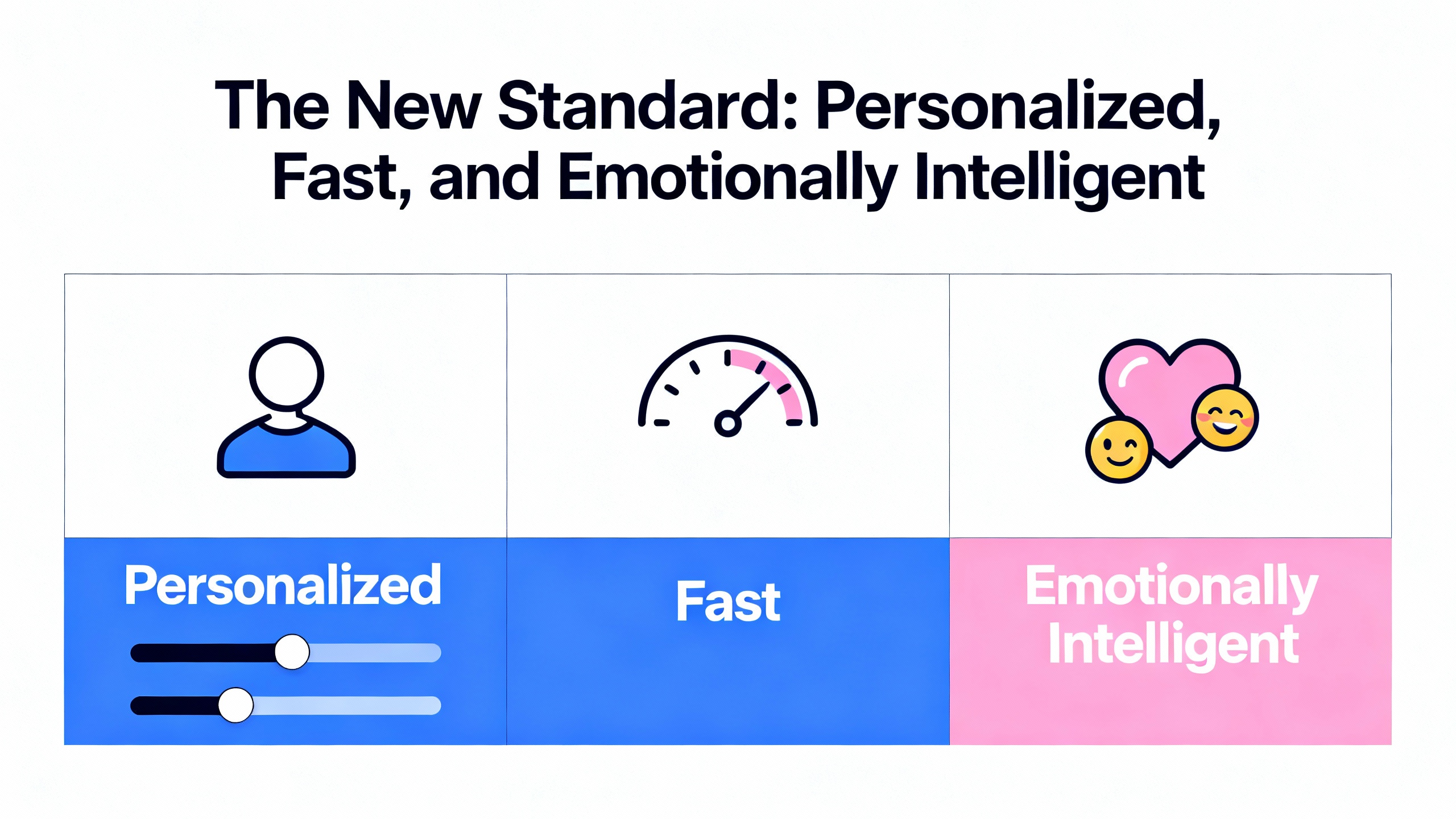
The New Standard: Personalized, Fast, and Emotionally Intelligent
In the on-demand printing and dropshipping world, personalized gifts have moved from “nice to have” to the core of a competitive offer. According to a 2024 market overview from PrintToucan, the US personalized gifting market is already worth roughly $9.69 billion and is projected to reach about $14.56 billion by 2030, growing at around 7% annually. That is not just a trend; that is a structural shift in how people want to give and receive products.
At the same time, expectations for speed have never been higher. Customers want a mug with an inside joke, a memorial garden flag with a pet’s photo, or a pair of custom sneakers with embroidered initials, and they want it to arrive almost as quickly as a standard off‑the‑shelf item. Wirecutter has highlighted customizable Converse sneakers as a standout example: nearly every visual element can be tailored, yet the ordering experience feels straightforward and quick. That combination of personal and fast is exactly where successful gift brands now operate.
From my work with founders and operators in print‑on‑demand and dropshipping, I see the same pattern repeatedly. Stores that win are not just “more creative” than their competitors; they build systems that make thoughtful customization fast and reliable for both the customer and the production team. In this article, I will walk through what “quick customization” actually means, the technologies that make it possible, the psychology behind why it works, and a practical blueprint you can apply in your own business.
What Exactly Is a Quick-Custom Personalized Gift?
At its simplest, a personalized gift is any item tailored to a specific recipient’s identity, story, or relationship with the giver. Thoughtful Presence frames personalized gifts as objects that reflect the recipient’s unique interests and the bond between giver and receiver, turning ordinary items into meaningful keepsakes. PrintToucan reinforces that these gifts act as tangible symbols of being seen and understood, which is why they create stronger emotional bonds than generic products.
In practice, personalization usually shows up in a few recurring ways. Identity markers like names, initials, nicknames, or birth years are classics. Coton Colors emphasizes how powerful it is to place a first or last name, a birth year, or a “grandma name” on ornaments or serveware; those items quietly accumulate emotional value every year they are used. Life‑event details such as engagement dates, wedding dates, or birth announcements create once‑in‑a‑lifetime keepsakes. Coton Colors describes parents and grandparents cherishing pieces that record a baby’s name, birthday, and even birth weight on a single object.
Place‑based details also matter. The same Coton Colors guide highlights creative use of addresses and even geographical coordinates to fix important locations in memory, such as childhood homes or wedding venues. Meanwhile, gifts platforms like Canva and PrintToucan lean heavily on photos and text, turning everyday items like tote bags, mugs, notebooks, blankets, and canvases into carriers for stories and shared experiences.
Quick customization is not a different category of gift; it is a way of delivering this personalization in minutes rather than hours of manual design work. When it works well, a shopper can go from a vague idea to a final previewed design in the time it takes to drink a coffee. Platforms like PrintToucan and Zoomin stress user‑friendly digital tools, template libraries, and previews so that non‑designers can create “one‑of‑one” items without learning design software. Snapfish distinguishes between its mobile app, which supports rapid photo‑only personalization, and its website, which offers more advanced options such as text and decorative overlays. All of these examples share the same underlying goal: compress the effort required to create something that feels deeply personal.
Why Speed Matters: Consumer Psychology and Operations
The old saying that “it is the thought that counts” still drives gifting behavior, but modern consumers also expect a level of convenience that did not exist a decade ago. The research summarized by PrintToucan shows that most people still favor tangible, customized expressions even in a digital‑first world. In one cited survey, a majority of respondents preferred personalized messages, and more than half of Millennials and Gen Z respondents still preferred physical cards with personal notes. In other words, emotional value has not gone digital‑only; people want physical reminders of relationships, tuned precisely to them.
Psychologically, personalized gifts do more than just appeal to sentiment. PrintToucan describes the concept of “vicarious pride,” where recipients feel proud of the creativity and thoughtfulness of the giver as if they had designed the item themselves. Workplace‑oriented guidance from MOO connects high‑quality personalized gifts to relationship depth and even retention. One survey highlighted there reports that 83% of recipients felt closer to companies that sent them a gift. That finding aligns with Robert Cialdini’s reciprocity principle: when you send a meaningful, seemingly disproportionate gift, many recipients naturally want to respond with loyalty, referrals, or continued business.
From an operational standpoint, quick customization helps you capture that psychological upside without burning your team out. Sellers like Prize Possessions and Shutterfly emphasize clear turnaround windows, rush options, and streamlined design flows that gently guide customers from product choice to finished personalization. If your on‑demand store can let a rushed shopper upload a photo, type a name, preview the result, and check out in a few minutes, you are not only meeting an emotional need but also absorbing last‑minute demand that might otherwise go to a big marketplace.
The key insight is that perceived effort is what drives emotional impact, not actual production time. The Quora story of a low‑income gift‑giver assembling an inexpensive but highly tailored raspberry‑themed hamper illustrates this perfectly. The gift cost very little in monetary terms, but it became the recipient’s favorite because it reflected deep thought and care. Your job as an e‑commerce entrepreneur is to build systems that let customers signal that kind of care quickly and at scale.
Quick Customization Models in Practice
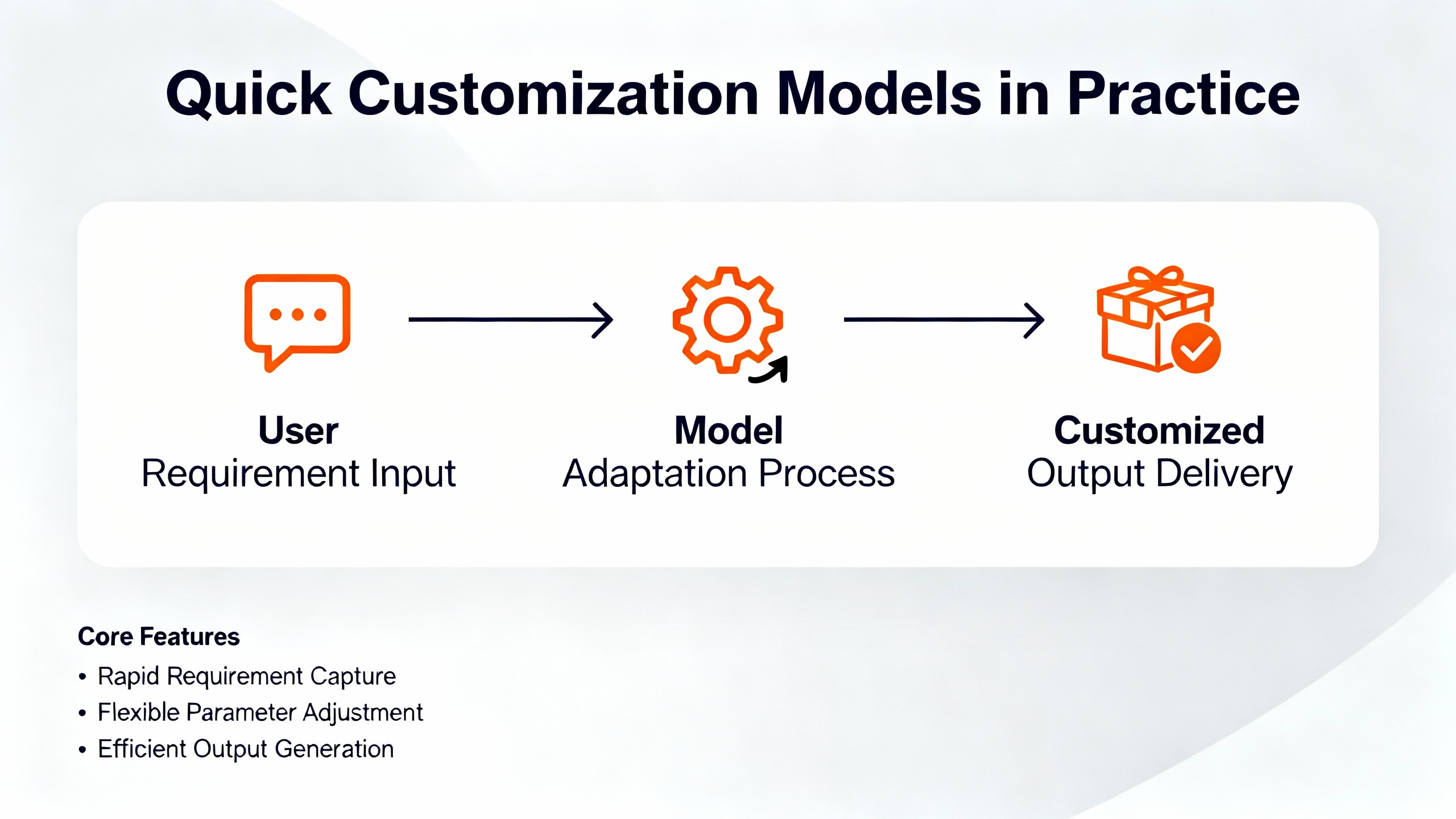
There is no single “right” way to offer fast personalization. The best path depends on your capital, skills, volume, and desired level of control. Looking across sources like PrintToucan, SwiftShape, Prize Possessions, Canva, Snapfish, and others, three broad models emerge.
Model | Speed to Launch | Upfront Commitment | Strengths | Typical Use Cases |
|---|---|---|---|---|
Cloud print‑on‑demand | Fast; days once catalog and templates exist | Low hardware cost; platform and design time | Wide catalog, built‑in design tools, integrated shipping | Online gifting brands, creators, corporate campaigns |
Marketplace custom listings | Fast to medium; depends on catalog setup | Low to moderate; listing creation and QA | Huge audience, social proof, variety of sellers | One‑off gifts, test products, multi‑category assortments |
In‑house digital fabrication | Slower to start; faster once workflows set | Higher hardware and setup; ongoing learning | High control, unique formats, local production | Premium makers, local brands, B2B or niche products |
Cloud print‑on‑demand platforms, such as those described by PrintToucan or Canva’s print services, are often the fastest way to enter the personalized gifts market. You rely on their product catalog, printing technology, and logistics. Your focus becomes merchandising, template design, and marketing. Because these platforms already provide online design tools, clipart or artwork libraries, and previews, they naturally support quick customization. Snapfish’s distinction between its mobile app and full web tool shows how these providers continually optimize for speed and ease of use.
Marketplace custom listings, like those described in the Prize Possessions overview of sites such as Amazon Custom, Zazzle, Shutterfly, and Personal Creations, layer personalization on top of a large, existing audience. Zazzle, for example, connects shoppers to creator‑designed templates they can adjust with names, dates, or photos. Amazon Custom integrates personalization fields into familiar marketplace listings so buyers can order from multiple sellers in a single cart. Here, your speed to market is still relatively high, but you trade some control over branding for exposure and convenience.
In‑house digital fabrication is the route highlighted by SwiftShape’s discussion of the LX30, a compact three‑in‑one machine combining laser engraving, CNC routing, and 3D printing. The LX30 offers a 30 by 16 inch working area in a desktop‑sized, Class 1 safety‑certified unit. That allows small studios or serious hobbyists to produce professional‑grade items without a full workshop. SwiftShape shows how this setup enables engraved drinkware, carved cutting boards, 3D map art, and printed desk accessories. The trade‑off is clear: you gain distinctive products and control, but you take on hardware cost, maintenance, and the need for more technical skill.
The right model for your business may be a hybrid. Many operators start with cloud print‑on‑demand while they validate demand, then gradually add in‑house production for higher‑margin or more complex items.
Designing for Fast Customization Without Losing Heart
Speed should not flatten your products into generic templates. The best quick‑custom experiences narrow choices in a way that amplifies meaning instead of removing it.
One useful starting point is the menu of personalization options surfaced by Coton Colors and other gift specialists. Names and surnames create a feeling of ownership and continuity. Birth years and first‑holiday messages turn ornaments and keepsakes into annual rituals. Nicknames, “grandma names,” and inside jokes communicate intimacy. Simple greetings like “Season’s Greetings from the Andersons” on an ornament, or a family name on a cutting board, reinforce togetherness. Engagement and wedding messages memorialize proposals and ceremonies, while birth announcements capture details like birthday and birth time in a format that grandparents can display proudly. Addresses and coordinates preserve important places such as first apartments or family cabins. Open‑ended personal messages let buyers inscribe anything from a team motto to a club name or reunion theme.
In parallel, guidance from Little Obsessed and Thoughtful Presence underlines the value of matching the gift to the recipient’s real life. Thoughtful Presence encourages givers to think in terms of the recipient’s identity and shared memories, while Little Obsessed recommends close observation of hobbies, favorite colors, routines, and casual comments. In product design terms, that means giving customers a few high‑impact ways to reflect those details: a text field for an inside joke, a photo upload for a favorite moment, or a choice of design themes that align with familiar interests.
Small budgets do not prevent high perceived value. The Quora hamper story shows how repurposed baskets, homemade treats, and thrifted glassware can combine into a gift that feels luxurious because it is synchronized with the recipient’s tastes. Similarly, myweb.sabanciuniv.edu’s discussion of affordable customized gifts emphasizes planning, DIY elements, and leveraging promotions or group buying to keep personalization accessible. As an entrepreneur, you can absorb these lessons by offering “starter” personalization options on lower‑priced items, such as monogrammed tote bags or simple photo mugs, while reserving deeper customization for premium tiers.
The final layer is presentation and timing. Little Obsessed points out that handwritten notes, unusual packaging, and surprising timing can transform even a small gift into a standout moment. If your workflow can incorporate a short gift message field and a choice of packaging or card design, you give buyers an efficient way to create that experience without slowing production.
Building a Frictionless Quick-Custom Flow
When I audit underperforming personalization stores, the same friction points appear: too many decisions, unclear instructions, and no trustworthy preview. Fast customization starts with solving those pain points.
Begin by clearly defining your core recipient scenarios rather than trying to handle every possibility. For example, you might focus on new parents, pet lovers, and milestone corporate recognition. Prize Possessions, for instance, positions itself around categories such as golf, corporate awards, and scholastic recognition rather than a random collection of items. Shutterfly organizes many of its products around life events and milestones. Personal Creations sorts its catalog by occasion. This kind of structuring helps buyers reach a relevant product quickly.
Next, build product pages that lead customers through personalization in a natural order. Many of the platforms outlined in the Prize Possessions article follow a similar pattern: choose the item, fill in guided personalization fields for names, dates, or messages, and review a preview before ordering. Snapfish’s website tool and Canva’s design‑and‑print service do the same with photo uploads and text overlays. The pattern is consistent for a reason; it works.
Technically, your design flow should make these moves easy. Templates with defined text zones, font pairings, and safe photo areas reduce the risk of awkward layouts. PrintToucan notes the importance of templates, clipart libraries, and even AI‑assisted text to lower the barrier for non‑designers. Platforms like Zoomin and Snapfish reserve more advanced embellishments, patterns, and backgrounds for the full web experience, accepting that ultra‑fast mobile flows will sometimes be simpler. You can make similar trade‑offs in your own stack.
Finally, invest in a reliable preview system. Whether it is a flat mockup or a 3D visualization, customers need to see their design before committing. That reassurance not only reduces errors and returns; it also increases the emotional impact because the buyer starts bonding with the item before it exists physically.
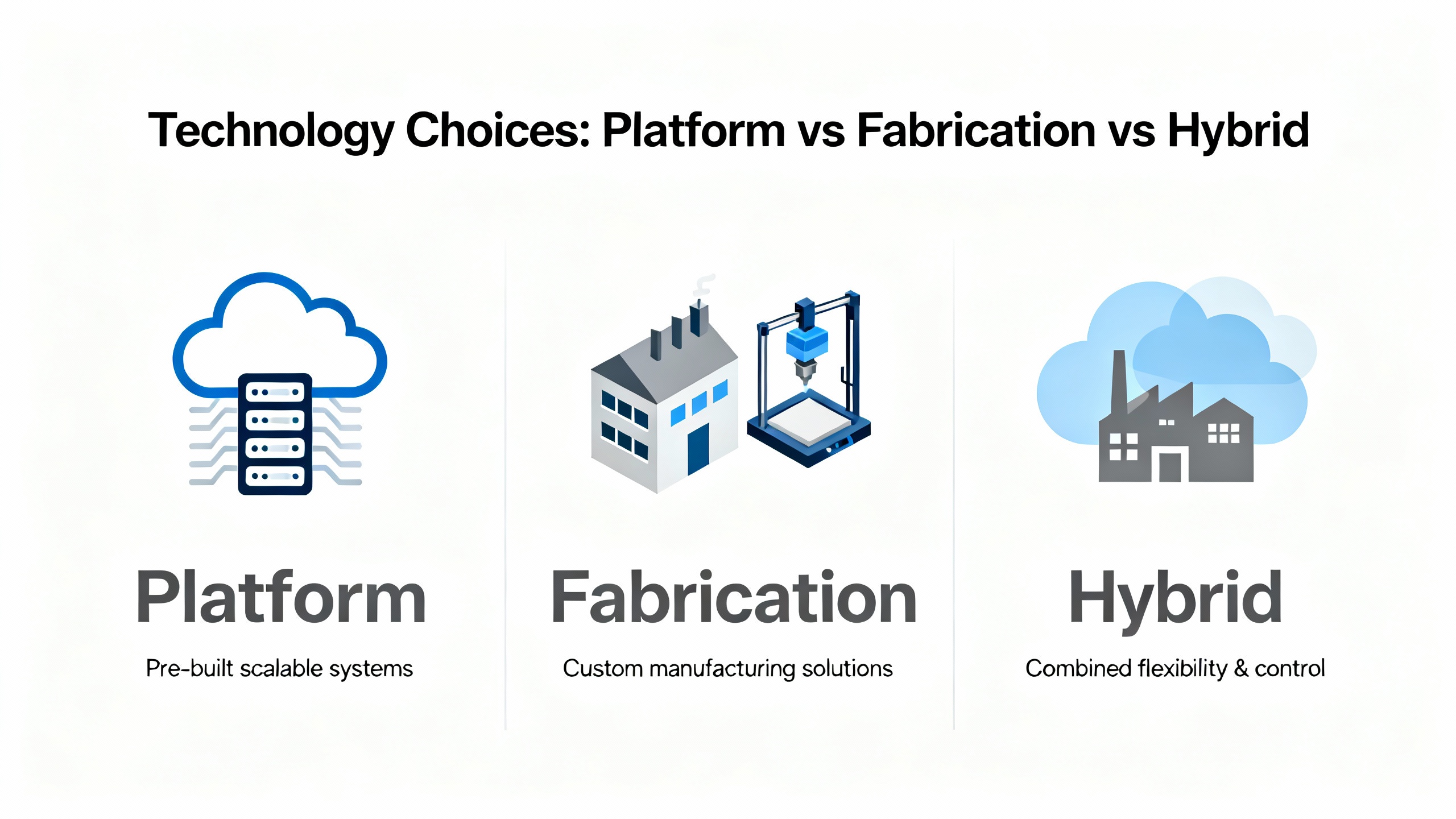
Technology Choices: Platform vs Fabrication vs Hybrid
Choosing the right technology stack is ultimately about aligning speed, control, and risk tolerance.
Cloud print‑on‑demand and integrated platforms are ideal when you want to move quickly, test multiple niches, or build a lifestyle brand around design and storytelling rather than manufacturing. PrintToucan’s guidance emphasizes using such platforms to access broad product ranges, fast turnaround, and consistent quality without owning equipment. Many of the “best personalized gift sites” covered by Prize Possessions, including Shutterfly and Personal Creations, rely heavily on these digital workflows.
Marketplace integrations make sense if audience access is your bottleneck. Amazon Custom exemplifies how you can let shoppers personalize items within a familiar buying environment, while Zazzle uses an artist marketplace model to supply endless templates. Your main work there is product selection and listing optimization rather than core technology development.
In‑house digital fabrication comes into its own when differentiation and craftsmanship matter more than maximum scale. SwiftShape’s LX30 use cases show a wide range of high‑touch products: engraved tumblers and champagne flutes, carved wooden jewelry boxes, keepsake boxes with CNC‑cut details and laser messages, layered 3D map art, decorative signs, and even 3D printed desk accessories and puzzles. Many of these pieces would be difficult to produce through standard print‑on‑demand alone. The same article stresses best practices such as starting with simpler designs, testing cuts on scrap material, and experimenting with wood, plastic, leather, and metal to match the gift’s purpose. It also notes that engraved wood, metal, or acrylic can last for decades when finished and cared for properly, making this route a strong fit for heirloom‑style gifts.
A hybrid approach can combine these strengths. Some merchants use print‑on‑demand for fast‑moving categories like apparel and mugs, while handling more intricate pieces in‑house or through specialized partners. The overall goal is the same: deliver an experience where customization feels effortless to the buyer while your production apparatus remains manageable.
Pros and Cons of Quick Customization for Your Business
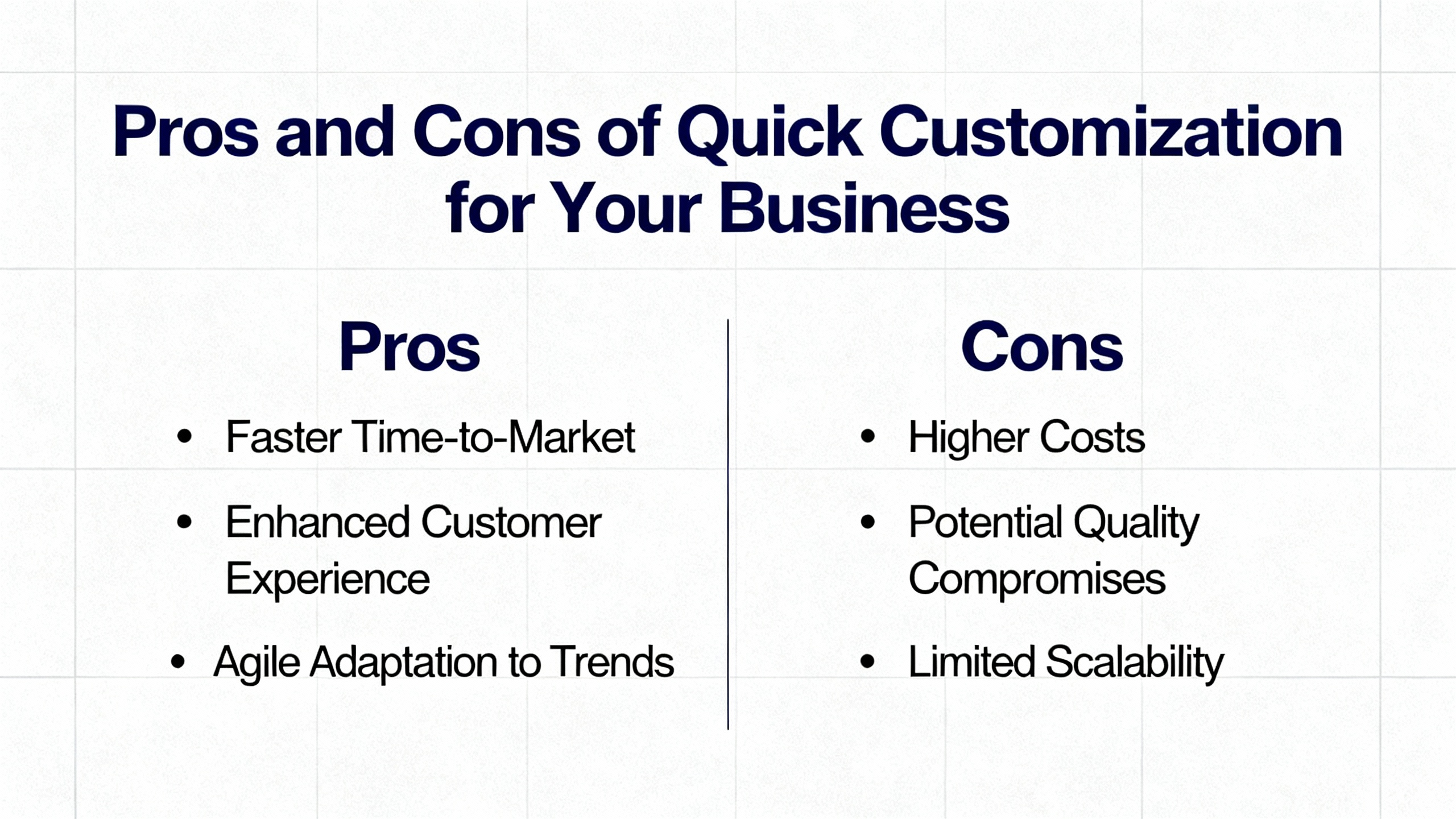
Quick personalization is powerful, but it is not free of trade‑offs. From a revenue perspective, personalized items typically command higher perceived value and can justify better margins than generic products. MOO argues that well‑made personalized corporate gifts pay off in higher retention and lifetime value, which matches what many entrepreneurs observe anecdotally in their repeat order data. PrintToucan’s market sizing figures suggest that demand is robust and growing.
On the cost side, every personalized field you add is a potential point of error. Misspelled names, mis‑typed dates, and layout issues can create rework and either unhappy customers or margin‑eating replacements. That is why so many of the sites profiled in the Prize Possessions guide emphasize previews, confirmation steps, and clear character limits. Coton Colors, for example, allows up to three lines of text with a defined character cap and offers predefined personalization options so customers know what is possible.
Operationally, quick customization pushes you to master your cutoffs and capacity. Shutterfly, Amazon Custom, and others surface estimated delivery dates at checkout so buyers can choose the shipping speed that meets their deadline. If you run your own production, that means building buffers for peak seasons, defining clear internal service levels, and deciding when to stop accepting orders for specific holidays. Done well, this adds predictability to a model that might otherwise feel chaotic.
The alternative is to stay generic and compete primarily on price, convenience, or trend‑chasing. That is a viable path for some retailers, but the data and qualitative insights from sources like PrintToucan, MOO, Thoughtful Presence, and Little Obsessed all point in the same direction: people remember and talk about gifts that feel like they were made just for them. Quick customization lets you deliver that feeling consistently.
Implementation Blueprint for Entrepreneurs
Translating these ideas into a working store is less about grand strategy and more about disciplined sequencing.
First, clarify your core use cases. Are you primarily serving consumers celebrating life events, professionals seeking corporate gifts, or both? MOO’s focus is workplace relationships, while Thoughtful Presence and Coton Colors lean into personal life events such as birthdays, weddings, and baby showers. You do not need to copy them, but you should be equally clear about your lane.
Second, choose a tech model that matches your stage. If you are early, a cloud print‑on‑demand partner or a marketplace presence will shorten your time to first sale. As volume and margin justify it, you can consider adding more advanced tools or equipment such as the LX30 for certain categories.
Third, design your products around a small set of high‑yield personalization types. Based on the sources reviewed, those tend to include names and initials, key dates, simple messages or quotes, place markers like coordinates, and photos. Build templates that make those elements look good almost regardless of the text itself. Canva’s tote bag templates and PrintToucan’s apparel and mug designs are good mental models here.
Fourth, refine your customer journey for speed. Limit the number of steps and decisions. Use concise labels and examples for personalization fields, like “Line one: first names” or “Message example: ‘On Mountain Time – Family Trip 2024.’” Offer a clear preview and a confirmation step. Where possible, allow buyers to save past designs or recipient details for even faster reorders.
Finally, treat your personalization workflow as a living system. Monitor error rates, time‑to‑fulfill, and customer feedback. If you see repeated confusion about a certain field, rename it or constrain it. If a particular template consistently sells and yields high satisfaction, use it as a pattern for new designs. Slow, intentional improvement of a fast front‑end experience is where mature personalized‑gift businesses pull away from competitors.
Short FAQ
How fast is “fast enough” for custom gifts?
There is no single benchmark, but the patterns in leading sites provide a useful guide. Many of the businesses highlighted in the Prize Possessions review, as well as platforms like Shutterfly and Amazon Custom, aim for workflows where the customer can complete the design and checkout in just a few minutes and see a clear estimated delivery date at checkout. From a back‑end perspective, offering dependable production within a few business days for standard items, plus rush options when feasible, tends to meet customer expectations. The real test is whether customers feel confident ordering for birthdays, weddings, or holidays without worrying that personalization will cause delays.
How many personalization options should I offer on each product?
The research and practical examples suggest that more is not always better. Coton Colors achieves strong emotional impact with relatively simple choices such as names, dates, nicknames, and short messages. Little Obsessed and Thoughtful Presence emphasize thoughtful fit over complexity. A practical rule is to include only the options that clearly add meaning: perhaps a name field, a date field, one message or quote area, and a design theme choice. If you notice buyers struggling or abandoning the process, consider removing lower‑value options or packaging them into pre‑designed variants instead.
How do I minimize personalization mistakes and returns?
The most effective brands do not rely on customer attention alone. They structure their tools to prevent common errors. That typically includes clear character limits, examples for each field, automatic capitalization rules where appropriate, and real‑time previews. Many of the platforms discussed across Prize Possessions, Snapfish, and Canva’s print service require buyers to review the final layout before checking out. On your side, you can add a final internal check for obviously problematic inputs, such as fields left blank or text that overflows the design. Over time, you can refine your templates and field labels to reflect actual error patterns you see.
Closing Thoughts
Personalization is no longer a specialty feature; it is an expectation. The opportunity in on‑demand printing and dropshipping is to give customers the emotional weight of a hand‑crafted gift with the convenience and speed of modern e‑commerce. If you design your catalog, tools, and operations around quick, meaningful customization—grounded in how people actually use and value personalized items—you build more than a store. You build a brand that feels like a partner in your customers’ most important moments.
References
- https://jitm.ubalt.edu/XXVIII-4/article2.pdf
- http://myweb.sabanciuniv.edu/pouyazoghipour/2024/07/12/how-to-get-a-gift-customized-at-affordable-prices/
- https://marketing-business.media.uconn.edu/wp-content/uploads/sites/724/2018/04/Herd-2011_JM_Its-the-Thought-That-Counts.pdf
- https://www.giftsforyounow.com/?srsltid=AfmBOoqZvqQbEEqpBeL3qtIe25HzutKswt5uHyfGO2tZ1R_79807yDak
- https://www.personalcreations.com/?srsltid=AfmBOoqpIjXtz0iPf2Cd0IkV-ckO-ZRzoT1gv47GT7ufKcBNKgWJxclQ
- https://www.snapfish.com/easy-personalized-gifts
- https://www.thingsremembered.com/
- https://www.amazon.com/Amazon-Custom/b?ie=UTF8&node=11032013011
- https://swiftshape.com/the-best-custom-gifts-to-make-for-friends-and-family/
- https://www.thestationerystudio.com/fast-production/?srsltid=AfmBOopcXmjmgChs0Ieq6ZjTaDf4yAQXOlZzzRybQoTsA_15yWbgobp6