

Printing on Swimsuit: How to Sell Custom Swimwear Online

Printing on Swimsuit: How to Sell Custom Swimwear Online

Jan 8, 2026 by Carry POD Products Ideas

Key Takeaways

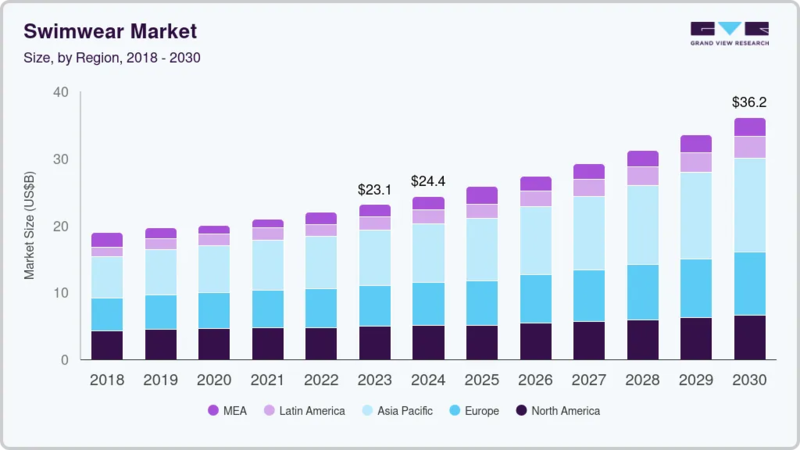
  • The swimwear market is projected to reach USD 36,150.5 million by 2030, offering massive growth potential.
  • Print-on-demand eliminates the need for large upfront budgets and physical inventory.
  • Customization is a top buying factor for modern consumers seeking unique, non-mass-produced designs.
  • Sublimation printing on polyester-spandex blends ensures vibrant, durable, and water-resistant results.

Swimwear suit printing has transformed entry into the swimwear industry for creators and small companies. Big factories and large upfront budgets are no longer necessary to launch a collection. With a print-on-demand swimsuit model, designs are printed only once an order is placed. This keeps risk low while maintaining high flexibility.

Many sellers now build stores around print-on-demand swimsuits that reflect seasonal trends, beach culture, and travel lifestyles. From bold patterns to niche artwork, printing on swimsuits allows a brand to stand out online. This guide explains the market, product types, design steps, and selling process clearly and practically.

Market Opportunity for Custom Swimsuits

The swimwear market is growing rapidly as travel, recreation, and beach-oriented lifestyles are on the rise worldwide. This market size is expected to reach USD 36,150.5 million by 2030, with a CAGR of 6.8% between 2024 and 2030. This increase is driven by rising disposable income, social media's impact, and all-through demand in warm areas. Online brands are no longer restricted to the summer season for selling swimwear, which augurs well for overall sales potential.
printing on swimsuits

Emerging preferences are also shifting towards the consumers. Customers are not just seeking designs that they can call personal but not mass-produced. Printing on swimsuits enables sellers to offer distinctive designs, artistry, and thematic collections that stand out in saturated markets. Buyers are attracted to colorful designs, small batches, and designs inspired by seasons, destinations, or lifestyles.

Print-on-demand swimsuits give sellers the flexibility to respond to such trends promptly. New designs do not require stocking or investing in large-scale production. It is less risky and allows constant experimentation.

Personal swimwear is well-received by niche audiences, particularly when it features a design they feel is exclusive or expressive. Print-on-demand swimsuit collections keep gaining traction as personalization becomes a buying factor, ensuring long-term market relevance.

Types of Print on Demand Swimsuits

Bikinis

Bikinis have continued to sell well in the custom swimwear market. They are attractive to a considerable number of customers and enable excellent visualization. The two-piece design makes it easy to experiment with prints on both the top and the bottom.

The vendors tend to wear vivid colors, tropical designs, abstract shapes, and seasonal paintings to draw in customers. Bikinis are also effective for trend-driven collections, as designs can be changed quickly. They consume less cloth, so production and transportation costs remain sustainable, thereby ensuring healthy margins.

One Piece Swimsuits

The trend in fashion has been toward one-piece swimsuits. The single-piece design is desired by many customers who want to appear covered yet stylish. This style offers more print area, making it suitable for detailed work, gradients, and statement appearances.

Designers can strategically position patterns to enhance shape and flow. A single-piece swimsuit suits a broad market, including swimmers, travelers, and consumers who want the same outfit for swimming in a pool or on the beach.

printing on swimsuits

Swim Trunks and Board Shorts

Board shorts and swim trunks are the favorites in men's mixed collections. These commodities are suitable for people of all ages and in all seasons. The loose cut is also open to repeating patterns, graphic and playful designs.

Most sellers sell beach-inspired, geometric, or logo push artwork. Vacations and resorts are places where swim trunks are frequently bought for use in targeted marketing campaigns. Other swimwear pieces can also be used to match prints and boost average order value.

Rash Guards and Active Swimwear

Active swimwear is designed to be functional and stylish. Surfers, swimmers, and outdoor enthusiasts are everyday users of these items because they spend many hours in the water. These clothes provide a smooth surface for modern, clean prints.

Full-coverage designs are supported by long sleeves and a close-cut, designed to appear consistent at angles. This type of customer is usually fond of smooth designs, sporty contexts, and colorless backgrounds. Active swimwear is a powerful niche-focused brand and the king of making a mark.

How to Design Print-on-Demand Swimsuits

Choose Your Base Style

Choosing the appropriate base style is the initial step towards developing print-on-demand swimsuits. All the types of swimsuits promote design styles. Bikinis go well with graphic and naughty images, whereas the one-piece fashion allows the artwork to be more elaborate.

Active swimwear suits and rash guards are clean and contemporary. Decisions should be based on fabric stretch, cut, and coverage. An attractive design on the screen should also transfer to the wearer. Knowing your audience also makes you select styles that fit their comfort and lifestyle interests.

print on demand swimsuit

Choose Patterns, Colors, and Themes

After choosing the base style, concentrate on the visual direction. The printing on swimsuits is best done in high-contrast colors and with visible patterns. Thematic messages, such as summer, tropical, or travel pictures, are successful. Minimal graphics, repeating patterns, and abstract prints are also in print.

The choice of color is important because light and sunlight can affect the design's appearance. This is done by testing various combinations to prevent boring and skewed findings. Balancing designs also makes them attractive in all directions.

Use Mockup Tools and Design Tools

Mockup tools are essential for designing print-on-demand swimsuits. They were able to see how the art would look on the clothing before manufacturing. This assists in placement, scaling, and alignment.

Colors and resolution can be adjusted in design software to meet print needs. Good-quality mockups also help marketing display realistic product images. At this point, sellers minimize mistakes through design scrutiny and enhance the overall product appearance.

How to Sell Print on Demand Swimsuits

Choose a POD Swimsuit Provider

The sale of print-on-demand swimsuits begins with selecting a reliable supplier. A good provider is expected to deliver consistent print quality, durable fabrics, and proper fit. One alternative for manufacturing and delivering custom swimwear is Inkedjoy.

print on demand swimsuits

Find suppliers who do printing and stitching, and quality control within. This minimizes errors and enhances customer satisfaction. Quick production and easy communication are also essential factors in building a long-term brand.

Connect Your Store

Once you have chosen a provider, the next step is to connect your online store. The vast majority of print-on-demand systems connect to an e-commerce platform, which automatically syncs orders. This arrangement ensures that no human intervention is required to move orders between your store and production.

A careful review of product listings, pricing, and design files to be launched should be conducted before launch. Connection is smooth, fast, and lets you focus on design and marketing rather than managing orders.

Printing and Fulfillment Process

After a customer orders something, the production process commences. The pattern is cut from fabric pieces, and the pieces are sewn into a completed swimsuit. Once sewn, merchandise undergoes inspection, packaging, and shipping.

This is an end-to-end process that occurs without the sellers' involvement. Understanding timelines helps establish the right customer expectations. Trust is achieved through reliable fulfillment, which leads to repeat buying.

Pricing Your Swimsuits

Pricing requires balance. The costs of base products, printing, shipping, and platform have to be taken into account. Competitive prices should be maintained with a reasonable profit margin. When pricing, it is good to research similar products to set realistic prices. Transparent pricing also minimizes refund requests and customer reluctance.

Marketing Your Store

A significant portion of swimwear sales is driven by marketing. High-quality mockups enhance the presentation of designs. The lifestyle images are more trusting and emotional. The optimal campaigns align with summer, vacation, beach, and travel themes. Social media is effective for visual products. Branding and new designs will maintain long-term visibility and growth.

Conclusion

Swimming apparel artists and online store advertisers can enter the swimwear market without a heavy capital outlay by printing on swimsuits. The print-on-demand swimsuit strategy enables products to be produced upon receiving an order, minimizing risk and waste.

Print-on-demand swimsuits also give a brand the freedom to experiment with designs, customize themes, and follow seasonal trends without being restricted by inventory. Its design-to-delivery process is kept simple to help new sellers get started.

Vivid images, trusted production partners, and value pricing bring success and make the products competitive. Product presentation and targeted marketing efforts can drive appeal to the right audience. Through dedication and focus on trends, personalized swimwear can expand to build a stable online business that evolves with customer preferences and market demand.


FAQ

Is selling swimsuits profitable?

Yes. The global swimwear market is expanding steadily, with projections showing it could reach around USD 36 billion by 2030 at a healthy growth rate, driven by rising consumer demand and online sales trends.

What material is used for print on demand swimsuits?

Most POD swimwear is printed using sublimation printing, which embeds vibrant, fade-resistant designs into stretch fabrics like polyester-spandex blends—ideal for swimwear that will see sun, water, and movement.

What types of swimwear can be customized with print on demand?

You can customize a range of swimwear including one-piece swimsuits, bikini tops and bottoms, and youth swimwear with all-over prints, logos, photos, text, or patterns.

C

Written By Carry

Carry is a content creator at Inkedjoy, specializing in SEO strategies and print on demand business insights. She writes practical guides to help business owners grow their online stores and build successful POD brands.

Like the article

0
Printing on Swimsuit: How to Sell Custom Swimwear Online

Printing on Swimsuit: How to Sell Custom Swimwear Online

Key Takeaways

  • The swimwear market is projected to reach USD 36,150.5 million by 2030, offering massive growth potential.
  • Print-on-demand eliminates the need for large upfront budgets and physical inventory.
  • Customization is a top buying factor for modern consumers seeking unique, non-mass-produced designs.
  • Sublimation printing on polyester-spandex blends ensures vibrant, durable, and water-resistant results.

Swimwear suit printing has transformed entry into the swimwear industry for creators and small companies. Big factories and large upfront budgets are no longer necessary to launch a collection. With a print-on-demand swimsuit model, designs are printed only once an order is placed. This keeps risk low while maintaining high flexibility.

Many sellers now build stores around print-on-demand swimsuits that reflect seasonal trends, beach culture, and travel lifestyles. From bold patterns to niche artwork, printing on swimsuits allows a brand to stand out online. This guide explains the market, product types, design steps, and selling process clearly and practically.

Market Opportunity for Custom Swimsuits

The swimwear market is growing rapidly as travel, recreation, and beach-oriented lifestyles are on the rise worldwide. This market size is expected to reach USD 36,150.5 million by 2030, with a CAGR of 6.8% between 2024 and 2030. This increase is driven by rising disposable income, social media's impact, and all-through demand in warm areas. Online brands are no longer restricted to the summer season for selling swimwear, which augurs well for overall sales potential.

printing on swimsuits

Emerging preferences are also shifting towards the consumers. Customers are not just seeking designs that they can call personal but not mass-produced. Printing on swimsuits enables sellers to offer distinctive designs, artistry, and thematic collections that stand out in saturated markets. Buyers are attracted to colorful designs, small batches, and designs inspired by seasons, destinations, or lifestyles.

Print-on-demand swimsuits give sellers the flexibility to respond to such trends promptly. New designs do not require stocking or investing in large-scale production. It is less risky and allows constant experimentation.

Personal swimwear is well-received by niche audiences, particularly when it features a design they feel is exclusive or expressive. Print-on-demand swimsuit collections keep gaining traction as personalization becomes a buying factor, ensuring long-term market relevance.

Types of Print on Demand Swimsuits

Bikinis

Bikinis have continued to sell well in the custom swimwear market. They are attractive to a considerable number of customers and enable excellent visualization. The two-piece design makes it easy to experiment with prints on both the top and the bottom.

The vendors tend to wear vivid colors, tropical designs, abstract shapes, and seasonal paintings to draw in customers. Bikinis are also effective for trend-driven collections, as designs can be changed quickly. They consume less cloth, so production and transportation costs remain sustainable, thereby ensuring healthy margins.

One Piece Swimsuits

The trend in fashion has been toward one-piece swimsuits. The single-piece design is desired by many customers who want to appear covered yet stylish. This style offers more print area, making it suitable for detailed work, gradients, and statement appearances.

Designers can strategically position patterns to enhance shape and flow. A single-piece swimsuit suits a broad market, including swimmers, travelers, and consumers who want the same outfit for swimming in a pool or on the beach.

printing on swimsuits

Swim Trunks and Board Shorts

Board shorts and swim trunks are the favorites in men's mixed collections. These commodities are suitable for people of all ages and in all seasons. The loose cut is also open to repeating patterns, graphic and playful designs.

Most sellers sell beach-inspired, geometric, or logo push artwork. Vacations and resorts are places where swim trunks are frequently bought for use in targeted marketing campaigns. Other swimwear pieces can also be used to match prints and boost average order value.

Rash Guards and Active Swimwear

Active swimwear is designed to be functional and stylish. Surfers, swimmers, and outdoor enthusiasts are everyday users of these items because they spend many hours in the water. These clothes provide a smooth surface for modern, clean prints.

Full-coverage designs are supported by long sleeves and a close-cut, designed to appear consistent at angles. This type of customer is usually fond of smooth designs, sporty contexts, and colorless backgrounds. Active swimwear is a powerful niche-focused brand and the king of making a mark.

How to Design Print-on-Demand Swimsuits

Choose Your Base Style

Choosing the appropriate base style is the initial step towards developing print-on-demand swimsuits. All the types of swimsuits promote design styles. Bikinis go well with graphic and naughty images, whereas the one-piece fashion allows the artwork to be more elaborate.

Active swimwear suits and rash guards are clean and contemporary. Decisions should be based on fabric stretch, cut, and coverage. An attractive design on the screen should also transfer to the wearer. Knowing your audience also makes you select styles that fit their comfort and lifestyle interests.

print on demand swimsuit

Choose Patterns, Colors, and Themes

After choosing the base style, concentrate on the visual direction. The printing on swimsuits is best done in high-contrast colors and with visible patterns. Thematic messages, such as summer, tropical, or travel pictures, are successful. Minimal graphics, repeating patterns, and abstract prints are also in print.

The choice of color is important because light and sunlight can affect the design's appearance. This is done by testing various combinations to prevent boring and skewed findings. Balancing designs also makes them attractive in all directions.

Use Mockup Tools and Design Tools

Mockup tools are essential for designing print-on-demand swimsuits. They were able to see how the art would look on the clothing before manufacturing. This assists in placement, scaling, and alignment.

Colors and resolution can be adjusted in design software to meet print needs. Good-quality mockups also help marketing display realistic product images. At this point, sellers minimize mistakes through design scrutiny and enhance the overall product appearance.

How to Sell Print on Demand Swimsuits

Choose a POD Swimsuit Provider

The sale of print-on-demand swimsuits begins with selecting a reliable supplier. A good provider is expected to deliver consistent print quality, durable fabrics, and proper fit. One alternative for manufacturing and delivering custom swimwear is Inkedjoy.

print on demand swimsuits

Find suppliers who do printing and stitching, and quality control within. This minimizes errors and enhances customer satisfaction. Quick production and easy communication are also essential factors in building a long-term brand.

Connect Your Store

Once you have chosen a provider, the next step is to connect your online store. The vast majority of print-on-demand systems connect to an e-commerce platform, which automatically syncs orders. This arrangement ensures that no human intervention is required to move orders between your store and production.

A careful review of product listings, pricing, and design files to be launched should be conducted before launch. Connection is smooth, fast, and lets you focus on design and marketing rather than managing orders.

Printing and Fulfillment Process

After a customer orders something, the production process commences. The pattern is cut from fabric pieces, and the pieces are sewn into a completed swimsuit. Once sewn, merchandise undergoes inspection, packaging, and shipping.

This is an end-to-end process that occurs without the sellers' involvement. Understanding timelines helps establish the right customer expectations. Trust is achieved through reliable fulfillment, which leads to repeat buying.

Pricing Your Swimsuits

Pricing requires balance. The costs of base products, printing, shipping, and platform have to be taken into account. Competitive prices should be maintained with a reasonable profit margin. When pricing, it is good to research similar products to set realistic prices. Transparent pricing also minimizes refund requests and customer reluctance.

Marketing Your Store

A significant portion of swimwear sales is driven by marketing. High-quality mockups enhance the presentation of designs. The lifestyle images are more trusting and emotional. The optimal campaigns align with summer, vacation, beach, and travel themes. Social media is effective for visual products. Branding and new designs will maintain long-term visibility and growth.

Conclusion

Swimming apparel artists and online store advertisers can enter the swimwear market without a heavy capital outlay by printing on swimsuits. The print-on-demand swimsuit strategy enables products to be produced upon receiving an order, minimizing risk and waste.

Print-on-demand swimsuits also give a brand the freedom to experiment with designs, customize themes, and follow seasonal trends without being restricted by inventory. Its design-to-delivery process is kept simple to help new sellers get started.

Vivid images, trusted production partners, and value pricing bring success and make the products competitive. Product presentation and targeted marketing efforts can drive appeal to the right audience. Through dedication and focus on trends, personalized swimwear can expand to build a stable online business that evolves with customer preferences and market demand.


FAQ

Is selling swimsuits profitable?

Yes. The global swimwear market is expanding steadily, with projections showing it could reach around USD 36 billion by 2030 at a healthy growth rate, driven by rising consumer demand and online sales trends.

What material is used for print on demand swimsuits?

Most POD swimwear is printed using sublimation printing, which embeds vibrant, fade-resistant designs into stretch fabrics like polyester-spandex blends—ideal for swimwear that will see sun, water, and movement.

What types of swimwear can be customized with print on demand?

You can customize a range of swimwear including one-piece swimsuits, bikini tops and bottoms, and youth swimwear with all-over prints, logos, photos, text, or patterns.

C

Written By Carry

Carry is a content creator at Inkedjoy, specializing in SEO strategies and print on demand business insights. She writes practical guides to help business owners grow their online stores and build successful POD brands.

Like the article

0