

Personalized Hot and Cold Tumbler — Dual‑Function Custom Design

Personalized Hot and Cold Tumbler — Dual‑Function Custom Design

Dec 27, 2025 by Iris POD e-Commerce 101

Personalized tumblers that keep coffee hot during the commute and iced water cold at the gym are a proven high‑velocity category in on‑demand printing and dropshipping. As a mentor working with founders who scale drinkware catalogs, I’ve seen dual‑function tumblers emerge as a dependable, giftable evergreen with strong Q4 lift. The value proposition is simple and compelling: one customizable vessel that excels with both heat and chill, looks premium on a product page, and delights recipients long after the unboxing. This article distills how the technology works, what personalization methods survive daily use, how to spec lids and capacities for real‑world scenarios, and how to position the product for profitable, low‑headache sales in POD and dropshipping.

What “Dual Function” Really Means

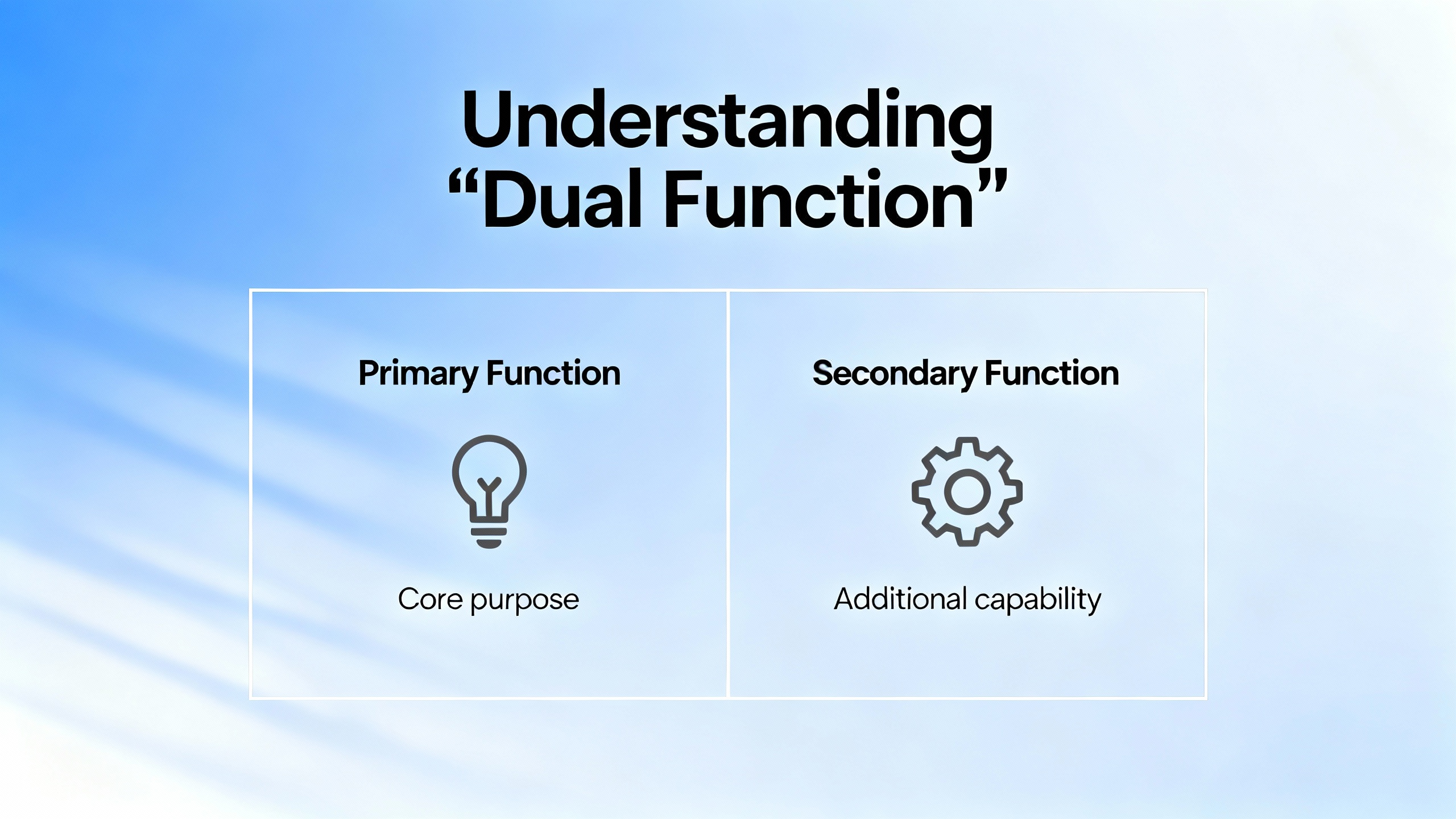
In practical terms, dual function means the same tumbler performs well for hot and cold beverages. That is the mainstream definition used by most brands and sellers. A smaller but growing niche uses dual‑chamber constructions that physically separate hot and cold in one body. Splitflask publicizes a dual‑chamber tumbler that can carry a hot drink and a cold drink simultaneously in separate sections, which is an inventive angle for buyers who want two temperatures at once. For standard storefronts, the higher‑volume strategy is dual‑use vacuum tumblers that handle either hot or cold on demand. I am highly confident this is the best first SKU to launch because it aligns with familiar buyer habits and keeps product education simple.
Custom dual-function insulated drinkware

The Science Behind Temperature Retention

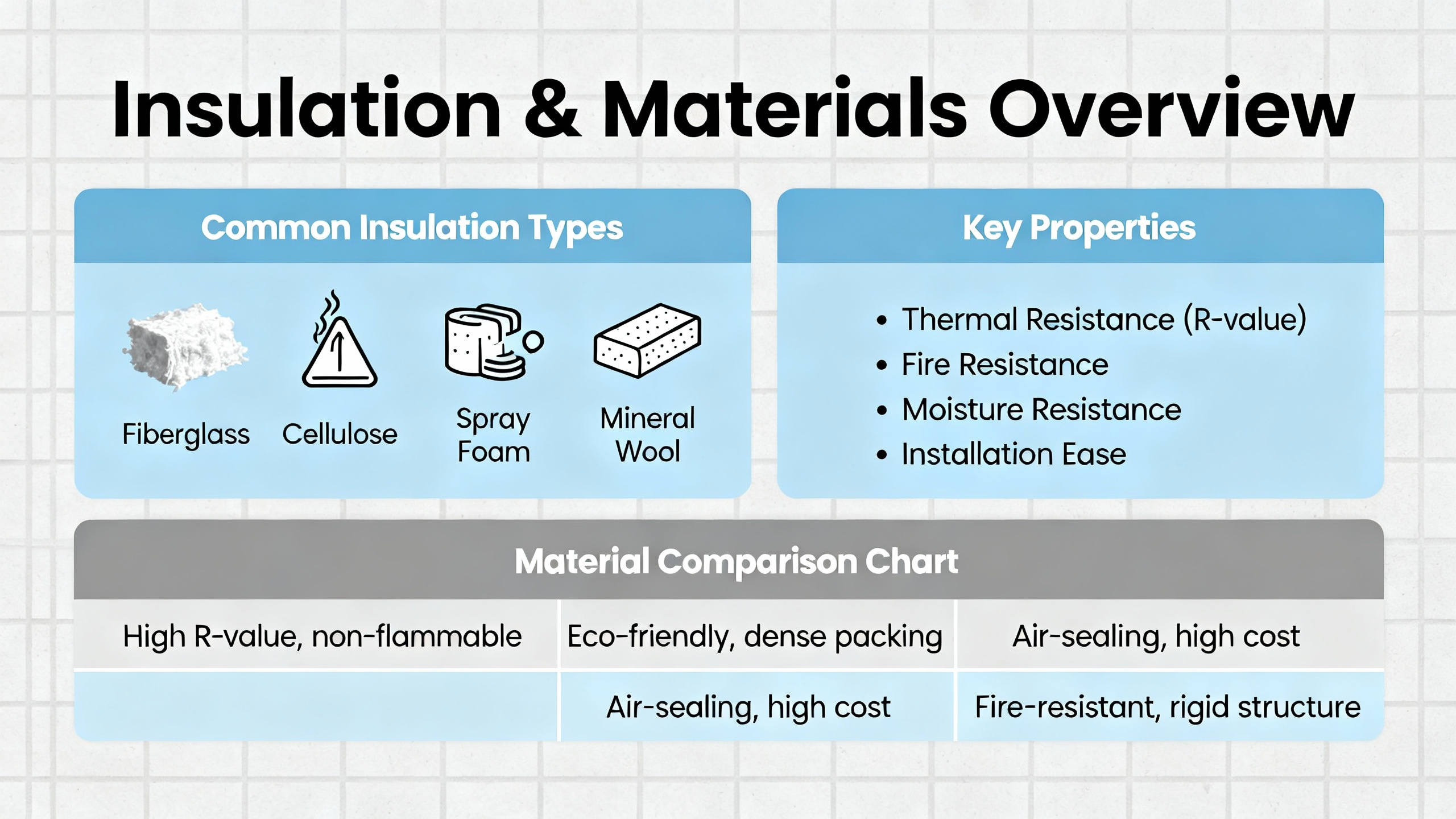
Double‑wall vacuum insulation is the workhorse technology behind performance tumblers. MiiR explains that single wall steel transfers heat readily, double wall with an air gap slows transfer, and vacuum insulation is most efficient because the near‑vacuum suppresses convection while reducing conduction and radiation. Greens Steel highlights the result in consumer terms: their insulated tumblers are described as retaining heat for about six hours and cold for about twelve hours. In my experience, communicating the principle in plain language converts better than raw engineering detail: the vacuum layer does the heavy lifting to keep heat out or in, so hot stays hot and cold stays cold noticeably longer than standard cups.

Material choice underpins how well the insulation can do its job. Reduce Everyday recommends 18/8 stainless steel for durability and insulation behavior; stainless is corrosion‑resistant, won’t deform easily, and is the industry’s default for hot‑and‑cold products. The same source cautions that aluminum conducts heat too efficiently, which makes it a poor insulator and more prone to denting. A separate consumer note from Tasting Table points out that some vacuum bottles and tumblers have a lead‑based solder point sealed within the base assembly; the risk is described as minimal under normal use because it is enclosed, but lead‑free options exist for buyers who prefer that route. I advise merchants to ask suppliers for written confirmation on BPA‑free plastics, stainless grade, dishwasher guidance, and whether the vacuum base uses leaded or lead‑free sealing.

Insulation and Materials at a Glance

Option

Structure

Heat Transfer Control

Everyday Impact

Notable Notes

Source

Single wall steel

One steel wall

Minimal control

Cold drinks “sweat,” hot cups feel hot

Light, low cost, short hold time

MiiR

Double wall (air gap)

Two walls, air between

Slows conduction

Exterior more comfortable to hold

Mid‑range retention

MiiR

Double wall vacuum

Two walls, near‑vacuum

Suppresses convection and conduction

Strong hot/cold retention for hours

Flagship insulation for tumblers

MiiR, Greens Steel

18/8 stainless

18% chromium, 8% nickel

Stable, corrosion‑resistant

Durable, food‑safe feel

Industry standard for premium builds

Reduce Everyday

BPA‑free plastic

Polymer body

Insulates less than steel

Light, kid‑friendly, value price points

Better for cold, shorter holds

Splitflask guide, general category notes

Aluminum

Single wall or composite

High conduction

Fast temperature loss

Dents easily, poor long‑term insulator

Reduce Everyday

Based on the above, I prioritize double‑wall vacuum with 18/8 stainless whenever temperature retention and longevity matter. That pairing also tends to photograph well, powder‑coat cleanly, and accept engraving with precise edges.
Double-wall vacuum stainless steel tumbler

Personalization Methods That Survive Daily Use

Personalization creates differentiation and giftability, but not all decoration methods age equally. Engraving etches directly into metal and does not peel, which makes it an excellent match for stainless tumblers in corporate gifting and wedding party sets. IKAY Design and BrüMate showcase personalization options from initials to full custom text, and laser engraving consistently yields premium perceived value with minimal aftercare risk. Powder‑coated finishes also pair well with engraving because the contrast reveals bare stainless against color.

Printed and decal‑heavy designs can look fantastic on day one, yet surface prints are more sensitive to abrasion, hot water, and aggressive detergents. A user thread about collectible character tumblers documented fading prints and lid seal wear within weeks despite handwashing. That anecdote underscores a principle I emphasize with new sellers: whenever your artwork is primarily on the surface rather than in the material, care instructions must be specific and the expectation‑setting on your product page must be crystal clear. If you serve an audience that loves bold prints, consider sublimation on compatible substrates or epoxy‑coated workflows, but call out gentle‑care routines and set realistic longevity expectations.

For on‑demand storefronts, a simple, reliable playbook is powder‑coated, vacuum‑insulated steel with laser engraving for names, dates, and logos. This combination replaces fragile surface inks with a resilient, tactile personalization that tolerates everyday handling.

Designing for Both Hot and Cold: Lids, Seals, and Ergonomics

Lids determine real‑world satisfaction as much as the body. For cold beverages during commutes or workouts, straw lids and rotating sip‑ports are convenient and help reduce spills. For hot coffee and tea, secure lids that reduce airflow, evaporation, and splashing will keep heat longer and protect clothing. Owala’s locking lids have been praised for leak resistance in third‑party testing, while The Spruce Eats notes that many “best” tumbler roundups still find no truly leak‑proof solution; “leak‑resistant” is the accurate claim for most designs. My baseline recommendation is straightforward: match the lid to the primary use case and state plainly whether the design is leak‑resistant or leak‑proof according to the manufacturer, then reinforce care steps like fully seating gaskets after cleaning.

Cup holder compatibility is a frequent source of buyer remorse. Tasting Table calls out the frustration directly: wide camp‑style mugs and tall straw lids can clash with center consoles. When you select a base shape, ask your supplier for the cup holder fit spec and publish an explicit note on the product page. I also advise providing a silhouette image with width and height in inches so shoppers can compare to their vehicle tray. For purely mobile use, a tapered, car‑friendly 20 fl oz or 25 fl oz format strikes a practical balance between capacity and footprint.

Weight affects comfort, stability, and perceived quality. Stainless vacuum bodies are heavier and resist tipping; plastics shed ounces but sacrifice hold time and often feel less premium in the hand. Treeline Review measured an Owala SmoothSip around 5.92 oz for a 12 fl oz model and around 12.15 oz for a 20 fl oz model, which helps illustrate the relationship between size and carry weight. If your audience is office commuters and school drop‑off parents, a lighter 20 fl oz with a strong lid may be the sweet spot. If you sell to hikers or travel nurses who need long stretches between refills, a 30–40 fl oz handle‑equipped format can be justified as long as you communicate height and holder fit clearly.

Size and Use‑Case Guide

Capacity (fl oz)

Primary Uses

What to Expect

Sourcing Notes

12–16

Espresso, compact coffee, kids, quick errands

Easy cup‑holder fit, very portable

Market as personal or “desk” size

20–25

Daily coffee or water, commuting, office

Strong all‑rounder for hot or cold

Tapered base increases car compatibility

30–35

Long shifts, field work, day‑long hydration

Fewer refills, taller profile to disclose

Offer handle and straw options

40

Maximum capacity trend item

Heavy when full, may not fit holders

Position for road trips and desk use

When customers waver between two sizes, I encourage them to choose the larger capacity for fewer refills, with the clear caveat that weight and height increase accordingly. This guidance aligns with consumer advice shared by Tasting Table.

Care and Longevity: Keep the Custom Finish Fresh

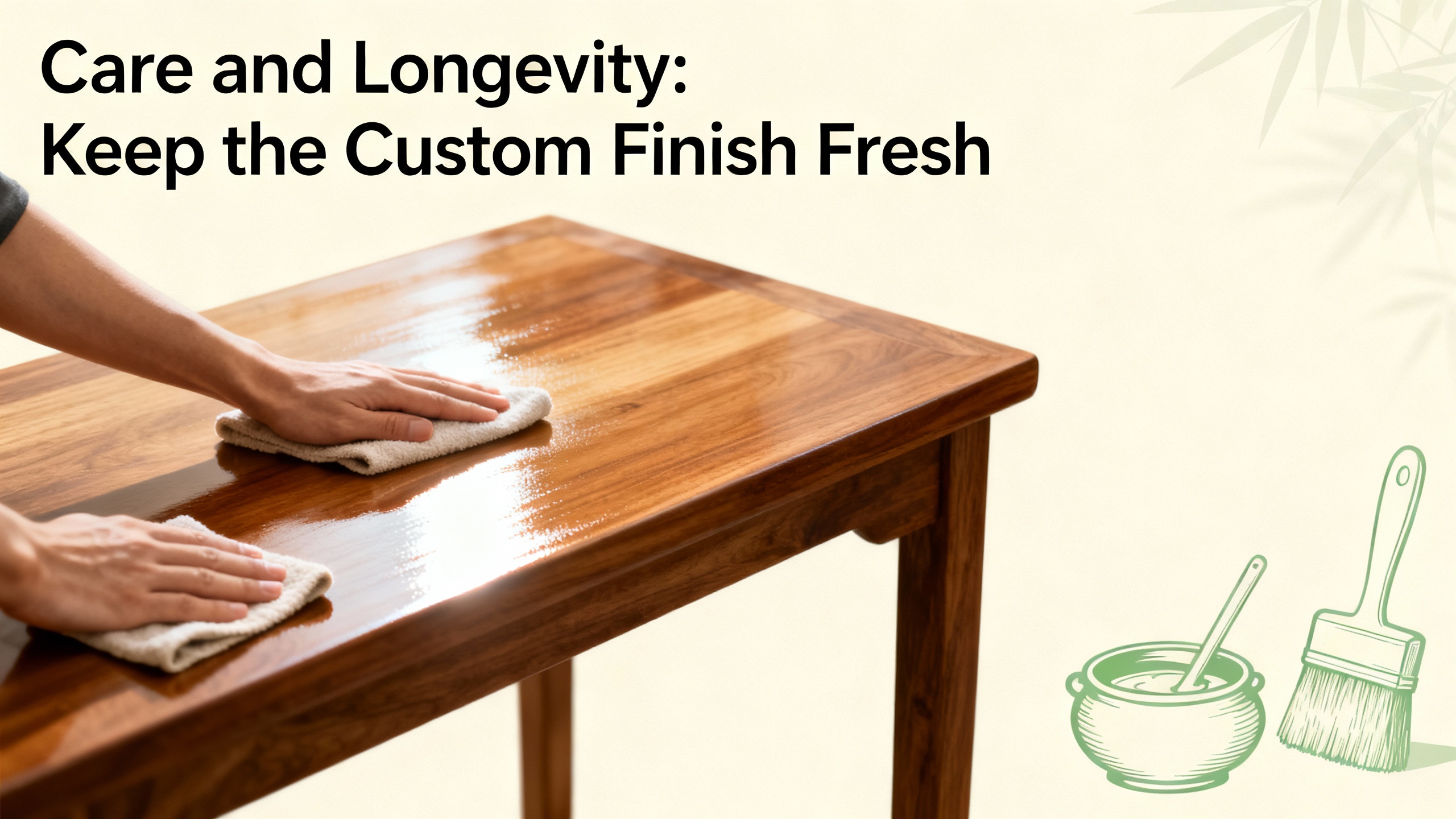
Care guidance is not a throwaway card; it is part of your product’s promise. Multiple sources converge on a care routine that is both effective and friendly to finishes. Custom Grains MN emphasizes handwashing with warm, soapy water using a non‑abrasive sponge, with separate cleaning of lids and gaskets, followed by complete air‑drying. IKAY Design and SIBottle echo the same core steps and add natural deodorizing methods using baking soda and vinegar for stubborn odors. DHgate Smart’s stainless care tips align with avoiding bleach, harsh scrubs, steel wool, and prolonged soaking, which can harm gaskets and printed areas.

Rubber seals are the unsung heroes of insulation and leak resistance. Disassemble lids routinely, clean the gasket groove with a small brush, dry fully, and reseat the gasket evenly. Replace worn gaskets as soon as you notice stretching or cracks; it is far cheaper to ship a spare seal than to replace a tumbler after preventable leaks. Avoid rapid temperature shocks when possible, shield printed surfaces from prolonged direct sun, and store tumblers upright with lids off to prevent trapped moisture and odors. For maximum temperature hold, preheat with hot water for hot drinks or prechill with ice water for cold drinks, then fill and keep the lid closed between sips. These practices are widely recommended by Custom Grains MN, SIBottle, and DHgate Smart.
Personalized 18/8 stainless steel travel mug

Safety and Quality Considerations

Stainless steel interiors minimize flavor transfer and provide a neutral surface for coffee, tea, and water. MiiR recommends selecting BPA‑free components and, where available, medical‑grade stainless interiors to avoid off‑tastes. Reduce Everyday’s commentary on 18/8 stainless supports a focus on corrosion resistance and durability. Tasting Table’s note about leaded solder encapsulated in some vacuum bases suggests a simple QA step for merchants: ask whether the design is lead‑free and how the base is sealed, and document the answer in your supplier file. Never microwave metal, avoid freezing liquids to the point of expansion that can stress seals, and confirm dishwasher safety model by model rather than assuming the entire product is dishwasher‑safe. These are common‑sense safety policies that reduce returns and protect your brand.

Personalization Choices That Align With Durability

Engraving is my preferred first‑line decoration on steel because it cannot peel and it visually communicates “premium.” It also pairs seamlessly with corporate logos and wedding party gifts where names, initials, and dates matter. Powder‑coated colors create a strong canvas for engraving contrast and resist everyday scuffs better than many bare polished finishes. UV print and full‑wrap designs shine for expressive consumer SKUs; if you go this route, include bold, friendly care language on the product page, the cart drawer, and the in‑box card to align expectations. BrüMate’s personalization examples and IKAY Design’s gift focus show how thoughtfully placed initials and monograms elevate perceived value without adding complexity to care.

Storefront Positioning for POD and Dropshipping

When sellers ask how to structure their tumbler catalog, my answer is to lead with a hero dual‑function vacuum SKU in two sizes and two lid options, then build personalization on top. Start with a black and a neutral color in powder coat for broad appeal and add a seasonal color later. Offer laser‑engraved personalization that can be proofed quickly in your design flow, and stage your mockups with high‑contrast engraving to telegraph quality. Canva’s mockup tools help non‑designers place brandable artwork onto realistic product scenes; the key is to keep lifestyle imagery cohesive across sizes and lid variants so buyers are never confused about which image corresponds to which option.

Supplier selection depends on your launch strategy. If you are validation‑first, choose a no‑minimum provider for samples and small runs and test your personalization workflow end to end. K2Awards advertises no minimum for custom tumblers, which is useful for proofing, photography, and influencer seeding before you commit to bulk. As volume grows, negotiate lead times, spare gasket availability, and service level targets for Q4. Ask for performance claims in writing, including any dishwasher guidance and whether lids and bodies have separate care rules.

Pricing frameworks fall into three helpful patterns. Keystone pricing simply doubles a stable landed cost; value‑based pricing anchors to perceived premium design and personalization; bundling puts margin into sets such as “bride and groom” or “logo plus name” combinations. Tasting Table notes that many quality tumblers retail above $40. Anchoring personalization as a service that includes proofing and engraving makes the price feel like premium craftsmanship rather than a generic markup. For marketplaces, publish exact capacity in fl oz, base diameter in inches, height in inches with and without lid, and weight in ounces to reduce returns due to fit. For gifting, lean into occasions and timelines, and surface order‑by dates ahead of Thanksgiving and Christmas to set clear delivery expectations.

Pros and Cons of Dual‑Function Personalized Tumblers

The upside is compelling. One SKU addresses both hot and cold, personalization makes the item meaningful, and stainless vacuum designs feel substantial in hand. The product photographs beautifully, supports cross‑sell with straws and cleaning kits, and earns repeat use that keeps your brand top‑of‑mind. The challenges are manageable. Weight increases with size, cup holder fit is not universal, “leak‑proof” is a loaded term that must be handled carefully, and printed finishes demand careful care guidance. A simple, consistent care routine and precise PDP details resolve most of these issues.

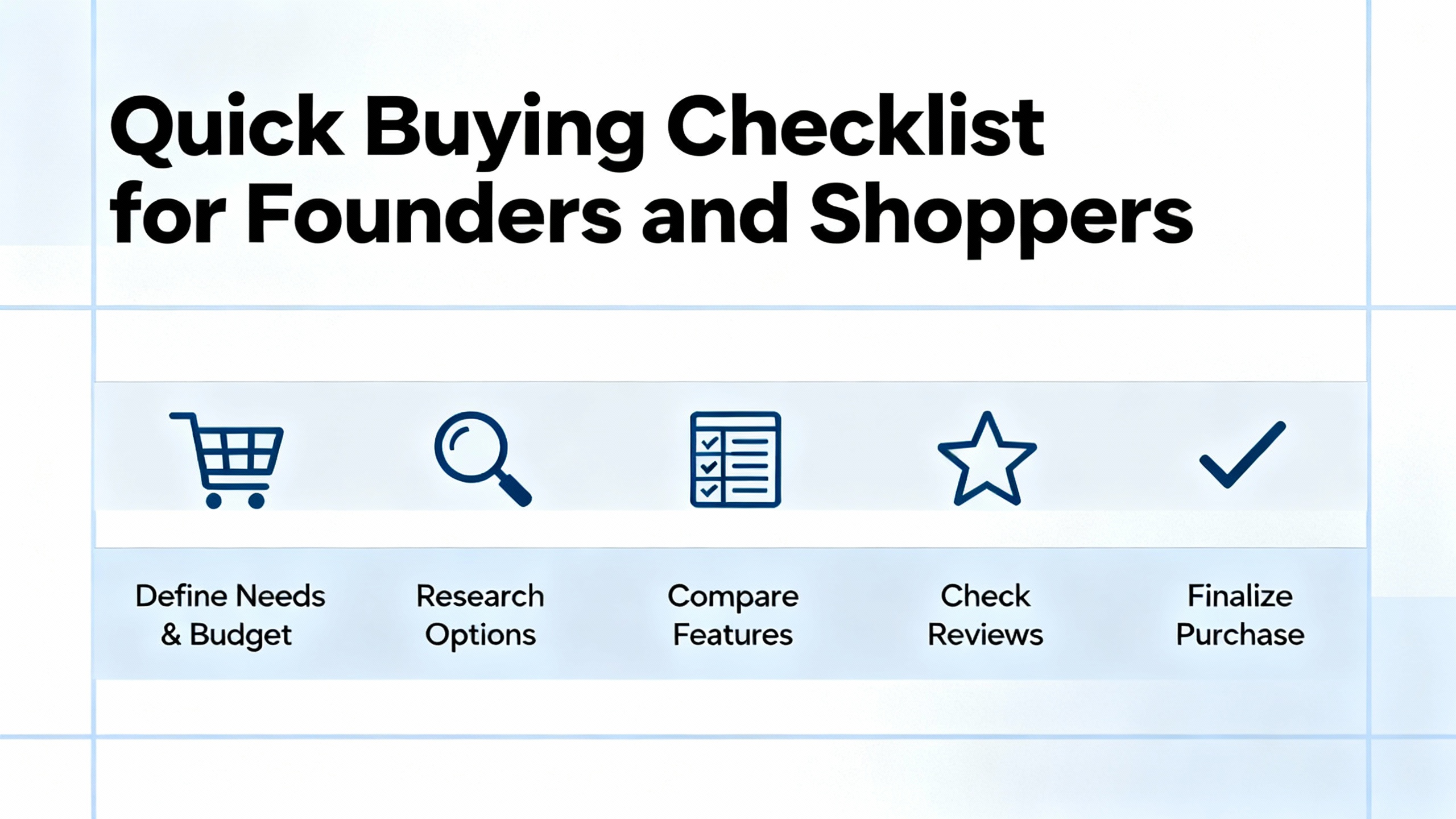
Quick Buying Checklist for Founders and Shoppers

Before you buy or list, confirm the insulation type as double‑wall vacuum, the steel grade as 18/8, and the plastics as BPA‑free. Check lid design against the primary beverage type and state the leak‑resistant versus leak‑proof claim verbatim. Verify cup holder fit, publish dimensions and weight, and add a sentence on dishwasher safety. Choose a personalization method that fits your durability promise, and include a clear, friendly care routine in the box.
Laser engraved hot and cold coffee cup

Takeaway

A dual‑function personalized tumbler is a practical, feel‑good product that converts well year‑round and peaks during US gifting seasons. The formula for fewer returns and happier customers is repeatable: choose 18/8 stainless with double‑wall vacuum insulation, match lids to use cases, keep dimensions transparent, and favor engraving for longevity. Reinforce simple care habits that protect finishes and seals. Cite recognizable sources like MiiR for insulation, Greens Steel for time‑at‑temperature context, Reduce Everyday for stainless guidance, and Tasting Table for safety nuances. Execute this playbook with consistent imagery and clear personalization proofs, and you will have a reliable anchor SKU for both POD and dropshipping.

FAQ

Q: What is the difference between dual‑function and dual‑chamber tumblers? A: Dual‑function means a single vacuum‑insulated tumbler that handles hot or cold equally well. Dual‑chamber means two separate compartments in one body to carry a hot drink and a cold drink at the same time. Splitflask publicizes a dual‑chamber design; most sellers start with dual‑function because it aligns with day‑to‑day use and simpler care.

Q: How long should a good vacuum tumbler keep drinks hot or cold? A: Time varies by brand, size, lid, and ambient conditions. As a directional reference, Greens Steel describes around six hours for hot and around twelve hours for cold. Real‑world performance improves if you preheat or prechill, keep the lid closed between sips, and avoid wide open lids for hot drinks.

Q: Which personalization method lasts the longest on stainless steel? A: Laser engraving is the most durable because it etches into the metal and does not peel. Powder‑coated bodies engraved to reveal stainless offer excellent legibility and longevity. Surface prints can look great but need gentler care and clearer expectation‑setting.

Q: Are all vacuum tumblers dishwasher‑safe? A: Dishwasher guidance is model‑specific. Several sources recommend handwashing the body to protect finishes and seals, and many lids and straws can go on the top rack if the maker allows it. When in doubt, use warm water, mild dish soap, a bottle brush for grooves, and full air‑drying with parts disassembled.

Q: Should I worry about lead in vacuum tumbler bases? A: Tasting Table notes that some manufacturers use a lead‑based solder sealed within the base assembly; the risk is described as minimal unless the unit is severely damaged. Lead‑free options are available. If this is a concern for your audience, ask suppliers to confirm their sealing method and communicate it on the product page.

Q: What capacity should I choose for everyday use? A: A 20–25 fl oz size balances car compatibility, carry weight, and hold time for most people. If you want fewer refills during long shifts, a 30–35 fl oz or even 40 fl oz format can make sense, as long as you’re comfortable with the height and weight and you verify cup holder fit.

References

  1. https://www.brumate.com/collections/personalization?srsltid=AfmBOop8jURzC_uB75hUp06_-c6kb3PaQotg-WWJNo66rTKTj381lJvd
  2. https://smart.dhgate.com/essential-tips-for-properly-cleaning-and-maintaining-your-custom-stainless-steel-tumbler/
  3. https://www.etsy.com/market/custom_tumbler_care_instructions
  4. https://www.groovyguygifts.com/collections/personalized-tumblers?srsltid=AfmBOoqJkYTrijrnE9V-KztILNelndswQUD09RM0HTkKq5Lu6ma7rjy6
  5. https://k2awards.com/collections/custom-tumblers?srsltid=AfmBOopyXNhXCcnQyqA7_PsePBzJpuM9f0XFLCQW8sooLIadj9r-rkZN
  6. https://www.lotechsales.com/the-ultimate-gift-guide-custom-tumblers-kitchen-accessories/?srsltid=AfmBOooHpXTcmlr1szUn0VqNIS3uvVyzSAT-8ErIl2JvWVEgYIYfo6JP
  7. https://sibottle.com/how-to-maintain-and-care-for-personalized-tumblers-to-maximize-longevity/
  8. https://www.treelinereview.com/gearreviews/best-insulated-tumblers
  9. https://www.amazon.com/Personalized-Tumblers-Customized-Stainless-Insulated/dp/B0CQM2SY8W
  10. https://www.canva.com/help/drinkware-care/

Like the article

0
Personalized Hot and Cold Tumbler — Dual‑Function Custom Design

Personalized Hot and Cold Tumbler — Dual‑Function Custom Design

Personalized tumblers that keep coffee hot during the commute and iced water cold at the gym are a proven high‑velocity category in on‑demand printing and dropshipping. As a mentor working with founders who scale drinkware catalogs, I’ve seen dual‑function tumblers emerge as a dependable, giftable evergreen with strong Q4 lift. The value proposition is simple and compelling: one customizable vessel that excels with both heat and chill, looks premium on a product page, and delights recipients long after the unboxing. This article distills how the technology works, what personalization methods survive daily use, how to spec lids and capacities for real‑world scenarios, and how to position the product for profitable, low‑headache sales in POD and dropshipping.

What “Dual Function” Really Means

In practical terms, dual function means the same tumbler performs well for hot and cold beverages. That is the mainstream definition used by most brands and sellers. A smaller but growing niche uses dual‑chamber constructions that physically separate hot and cold in one body. Splitflask publicizes a dual‑chamber tumbler that can carry a hot drink and a cold drink simultaneously in separate sections, which is an inventive angle for buyers who want two temperatures at once. For standard storefronts, the higher‑volume strategy is dual‑use vacuum tumblers that handle either hot or cold on demand. I am highly confident this is the best first SKU to launch because it aligns with familiar buyer habits and keeps product education simple.

Custom dual-function insulated drinkware

The Science Behind Temperature Retention

Double‑wall vacuum insulation is the workhorse technology behind performance tumblers. MiiR explains that single wall steel transfers heat readily, double wall with an air gap slows transfer, and vacuum insulation is most efficient because the near‑vacuum suppresses convection while reducing conduction and radiation. Greens Steel highlights the result in consumer terms: their insulated tumblers are described as retaining heat for about six hours and cold for about twelve hours. In my experience, communicating the principle in plain language converts better than raw engineering detail: the vacuum layer does the heavy lifting to keep heat out or in, so hot stays hot and cold stays cold noticeably longer than standard cups.

Material choice underpins how well the insulation can do its job. Reduce Everyday recommends 18/8 stainless steel for durability and insulation behavior; stainless is corrosion‑resistant, won’t deform easily, and is the industry’s default for hot‑and‑cold products. The same source cautions that aluminum conducts heat too efficiently, which makes it a poor insulator and more prone to denting. A separate consumer note from Tasting Table points out that some vacuum bottles and tumblers have a lead‑based solder point sealed within the base assembly; the risk is described as minimal under normal use because it is enclosed, but lead‑free options exist for buyers who prefer that route. I advise merchants to ask suppliers for written confirmation on BPA‑free plastics, stainless grade, dishwasher guidance, and whether the vacuum base uses leaded or lead‑free sealing.

Insulation and Materials at a Glance

Option

Structure

Heat Transfer Control

Everyday Impact

Notable Notes

Source

Single wall steel

One steel wall

Minimal control

Cold drinks “sweat,” hot cups feel hot

Light, low cost, short hold time

MiiR

Double wall (air gap)

Two walls, air between

Slows conduction

Exterior more comfortable to hold

Mid‑range retention

MiiR

Double wall vacuum

Two walls, near‑vacuum

Suppresses convection and conduction

Strong hot/cold retention for hours

Flagship insulation for tumblers

MiiR, Greens Steel

18/8 stainless

18% chromium, 8% nickel

Stable, corrosion‑resistant

Durable, food‑safe feel

Industry standard for premium builds

Reduce Everyday

BPA‑free plastic

Polymer body

Insulates less than steel

Light, kid‑friendly, value price points

Better for cold, shorter holds

Splitflask guide, general category notes

Aluminum

Single wall or composite

High conduction

Fast temperature loss

Dents easily, poor long‑term insulator

Reduce Everyday

Based on the above, I prioritize double‑wall vacuum with 18/8 stainless whenever temperature retention and longevity matter. That pairing also tends to photograph well, powder‑coat cleanly, and accept engraving with precise edges.

Double-wall vacuum stainless steel tumbler

Personalization Methods That Survive Daily Use

Personalization creates differentiation and giftability, but not all decoration methods age equally. Engraving etches directly into metal and does not peel, which makes it an excellent match for stainless tumblers in corporate gifting and wedding party sets. IKAY Design and BrüMate showcase personalization options from initials to full custom text, and laser engraving consistently yields premium perceived value with minimal aftercare risk. Powder‑coated finishes also pair well with engraving because the contrast reveals bare stainless against color.

Printed and decal‑heavy designs can look fantastic on day one, yet surface prints are more sensitive to abrasion, hot water, and aggressive detergents. A user thread about collectible character tumblers documented fading prints and lid seal wear within weeks despite handwashing. That anecdote underscores a principle I emphasize with new sellers: whenever your artwork is primarily on the surface rather than in the material, care instructions must be specific and the expectation‑setting on your product page must be crystal clear. If you serve an audience that loves bold prints, consider sublimation on compatible substrates or epoxy‑coated workflows, but call out gentle‑care routines and set realistic longevity expectations.

For on‑demand storefronts, a simple, reliable playbook is powder‑coated, vacuum‑insulated steel with laser engraving for names, dates, and logos. This combination replaces fragile surface inks with a resilient, tactile personalization that tolerates everyday handling.

Designing for Both Hot and Cold: Lids, Seals, and Ergonomics

Lids determine real‑world satisfaction as much as the body. For cold beverages during commutes or workouts, straw lids and rotating sip‑ports are convenient and help reduce spills. For hot coffee and tea, secure lids that reduce airflow, evaporation, and splashing will keep heat longer and protect clothing. Owala’s locking lids have been praised for leak resistance in third‑party testing, while The Spruce Eats notes that many “best” tumbler roundups still find no truly leak‑proof solution; “leak‑resistant” is the accurate claim for most designs. My baseline recommendation is straightforward: match the lid to the primary use case and state plainly whether the design is leak‑resistant or leak‑proof according to the manufacturer, then reinforce care steps like fully seating gaskets after cleaning.

Cup holder compatibility is a frequent source of buyer remorse. Tasting Table calls out the frustration directly: wide camp‑style mugs and tall straw lids can clash with center consoles. When you select a base shape, ask your supplier for the cup holder fit spec and publish an explicit note on the product page. I also advise providing a silhouette image with width and height in inches so shoppers can compare to their vehicle tray. For purely mobile use, a tapered, car‑friendly 20 fl oz or 25 fl oz format strikes a practical balance between capacity and footprint.

Weight affects comfort, stability, and perceived quality. Stainless vacuum bodies are heavier and resist tipping; plastics shed ounces but sacrifice hold time and often feel less premium in the hand. Treeline Review measured an Owala SmoothSip around 5.92 oz for a 12 fl oz model and around 12.15 oz for a 20 fl oz model, which helps illustrate the relationship between size and carry weight. If your audience is office commuters and school drop‑off parents, a lighter 20 fl oz with a strong lid may be the sweet spot. If you sell to hikers or travel nurses who need long stretches between refills, a 30–40 fl oz handle‑equipped format can be justified as long as you communicate height and holder fit clearly.

Size and Use‑Case Guide

Capacity (fl oz)

Primary Uses

What to Expect

Sourcing Notes

12–16

Espresso, compact coffee, kids, quick errands

Easy cup‑holder fit, very portable

Market as personal or “desk” size

20–25

Daily coffee or water, commuting, office

Strong all‑rounder for hot or cold

Tapered base increases car compatibility

30–35

Long shifts, field work, day‑long hydration

Fewer refills, taller profile to disclose

Offer handle and straw options

40

Maximum capacity trend item

Heavy when full, may not fit holders

Position for road trips and desk use

When customers waver between two sizes, I encourage them to choose the larger capacity for fewer refills, with the clear caveat that weight and height increase accordingly. This guidance aligns with consumer advice shared by Tasting Table.

Care and Longevity: Keep the Custom Finish Fresh

Care guidance is not a throwaway card; it is part of your product’s promise. Multiple sources converge on a care routine that is both effective and friendly to finishes. Custom Grains MN emphasizes handwashing with warm, soapy water using a non‑abrasive sponge, with separate cleaning of lids and gaskets, followed by complete air‑drying. IKAY Design and SIBottle echo the same core steps and add natural deodorizing methods using baking soda and vinegar for stubborn odors. DHgate Smart’s stainless care tips align with avoiding bleach, harsh scrubs, steel wool, and prolonged soaking, which can harm gaskets and printed areas.

Rubber seals are the unsung heroes of insulation and leak resistance. Disassemble lids routinely, clean the gasket groove with a small brush, dry fully, and reseat the gasket evenly. Replace worn gaskets as soon as you notice stretching or cracks; it is far cheaper to ship a spare seal than to replace a tumbler after preventable leaks. Avoid rapid temperature shocks when possible, shield printed surfaces from prolonged direct sun, and store tumblers upright with lids off to prevent trapped moisture and odors. For maximum temperature hold, preheat with hot water for hot drinks or prechill with ice water for cold drinks, then fill and keep the lid closed between sips. These practices are widely recommended by Custom Grains MN, SIBottle, and DHgate Smart.

Personalized 18/8 stainless steel travel mug

Safety and Quality Considerations

Stainless steel interiors minimize flavor transfer and provide a neutral surface for coffee, tea, and water. MiiR recommends selecting BPA‑free components and, where available, medical‑grade stainless interiors to avoid off‑tastes. Reduce Everyday’s commentary on 18/8 stainless supports a focus on corrosion resistance and durability. Tasting Table’s note about leaded solder encapsulated in some vacuum bases suggests a simple QA step for merchants: ask whether the design is lead‑free and how the base is sealed, and document the answer in your supplier file. Never microwave metal, avoid freezing liquids to the point of expansion that can stress seals, and confirm dishwasher safety model by model rather than assuming the entire product is dishwasher‑safe. These are common‑sense safety policies that reduce returns and protect your brand.

Personalization Choices That Align With Durability

Engraving is my preferred first‑line decoration on steel because it cannot peel and it visually communicates “premium.” It also pairs seamlessly with corporate logos and wedding party gifts where names, initials, and dates matter. Powder‑coated colors create a strong canvas for engraving contrast and resist everyday scuffs better than many bare polished finishes. UV print and full‑wrap designs shine for expressive consumer SKUs; if you go this route, include bold, friendly care language on the product page, the cart drawer, and the in‑box card to align expectations. BrüMate’s personalization examples and IKAY Design’s gift focus show how thoughtfully placed initials and monograms elevate perceived value without adding complexity to care.

Storefront Positioning for POD and Dropshipping

When sellers ask how to structure their tumbler catalog, my answer is to lead with a hero dual‑function vacuum SKU in two sizes and two lid options, then build personalization on top. Start with a black and a neutral color in powder coat for broad appeal and add a seasonal color later. Offer laser‑engraved personalization that can be proofed quickly in your design flow, and stage your mockups with high‑contrast engraving to telegraph quality. Canva’s mockup tools help non‑designers place brandable artwork onto realistic product scenes; the key is to keep lifestyle imagery cohesive across sizes and lid variants so buyers are never confused about which image corresponds to which option.

Supplier selection depends on your launch strategy. If you are validation‑first, choose a no‑minimum provider for samples and small runs and test your personalization workflow end to end. K2Awards advertises no minimum for custom tumblers, which is useful for proofing, photography, and influencer seeding before you commit to bulk. As volume grows, negotiate lead times, spare gasket availability, and service level targets for Q4. Ask for performance claims in writing, including any dishwasher guidance and whether lids and bodies have separate care rules.

Pricing frameworks fall into three helpful patterns. Keystone pricing simply doubles a stable landed cost; value‑based pricing anchors to perceived premium design and personalization; bundling puts margin into sets such as “bride and groom” or “logo plus name” combinations. Tasting Table notes that many quality tumblers retail above $40. Anchoring personalization as a service that includes proofing and engraving makes the price feel like premium craftsmanship rather than a generic markup. For marketplaces, publish exact capacity in fl oz, base diameter in inches, height in inches with and without lid, and weight in ounces to reduce returns due to fit. For gifting, lean into occasions and timelines, and surface order‑by dates ahead of Thanksgiving and Christmas to set clear delivery expectations.

Pros and Cons of Dual‑Function Personalized Tumblers

The upside is compelling. One SKU addresses both hot and cold, personalization makes the item meaningful, and stainless vacuum designs feel substantial in hand. The product photographs beautifully, supports cross‑sell with straws and cleaning kits, and earns repeat use that keeps your brand top‑of‑mind. The challenges are manageable. Weight increases with size, cup holder fit is not universal, “leak‑proof” is a loaded term that must be handled carefully, and printed finishes demand careful care guidance. A simple, consistent care routine and precise PDP details resolve most of these issues.

Quick Buying Checklist for Founders and Shoppers

Before you buy or list, confirm the insulation type as double‑wall vacuum, the steel grade as 18/8, and the plastics as BPA‑free. Check lid design against the primary beverage type and state the leak‑resistant versus leak‑proof claim verbatim. Verify cup holder fit, publish dimensions and weight, and add a sentence on dishwasher safety. Choose a personalization method that fits your durability promise, and include a clear, friendly care routine in the box.

Laser engraved hot and cold coffee cup

Takeaway

A dual‑function personalized tumbler is a practical, feel‑good product that converts well year‑round and peaks during US gifting seasons. The formula for fewer returns and happier customers is repeatable: choose 18/8 stainless with double‑wall vacuum insulation, match lids to use cases, keep dimensions transparent, and favor engraving for longevity. Reinforce simple care habits that protect finishes and seals. Cite recognizable sources like MiiR for insulation, Greens Steel for time‑at‑temperature context, Reduce Everyday for stainless guidance, and Tasting Table for safety nuances. Execute this playbook with consistent imagery and clear personalization proofs, and you will have a reliable anchor SKU for both POD and dropshipping.

FAQ

Q: What is the difference between dual‑function and dual‑chamber tumblers? A: Dual‑function means a single vacuum‑insulated tumbler that handles hot or cold equally well. Dual‑chamber means two separate compartments in one body to carry a hot drink and a cold drink at the same time. Splitflask publicizes a dual‑chamber design; most sellers start with dual‑function because it aligns with day‑to‑day use and simpler care.

Q: How long should a good vacuum tumbler keep drinks hot or cold? A: Time varies by brand, size, lid, and ambient conditions. As a directional reference, Greens Steel describes around six hours for hot and around twelve hours for cold. Real‑world performance improves if you preheat or prechill, keep the lid closed between sips, and avoid wide open lids for hot drinks.

Q: Which personalization method lasts the longest on stainless steel? A: Laser engraving is the most durable because it etches into the metal and does not peel. Powder‑coated bodies engraved to reveal stainless offer excellent legibility and longevity. Surface prints can look great but need gentler care and clearer expectation‑setting.

Q: Are all vacuum tumblers dishwasher‑safe? A: Dishwasher guidance is model‑specific. Several sources recommend handwashing the body to protect finishes and seals, and many lids and straws can go on the top rack if the maker allows it. When in doubt, use warm water, mild dish soap, a bottle brush for grooves, and full air‑drying with parts disassembled.

Q: Should I worry about lead in vacuum tumbler bases? A: Tasting Table notes that some manufacturers use a lead‑based solder sealed within the base assembly; the risk is described as minimal unless the unit is severely damaged. Lead‑free options are available. If this is a concern for your audience, ask suppliers to confirm their sealing method and communicate it on the product page.

Q: What capacity should I choose for everyday use? A: A 20–25 fl oz size balances car compatibility, carry weight, and hold time for most people. If you want fewer refills during long shifts, a 30–35 fl oz or even 40 fl oz format can make sense, as long as you’re comfortable with the height and weight and you verify cup holder fit.

References

  1. https://www.brumate.com/collections/personalization?srsltid=AfmBOop8jURzC_uB75hUp06_-c6kb3PaQotg-WWJNo66rTKTj381lJvd
  2. https://smart.dhgate.com/essential-tips-for-properly-cleaning-and-maintaining-your-custom-stainless-steel-tumbler/
  3. https://www.etsy.com/market/custom_tumbler_care_instructions
  4. https://www.groovyguygifts.com/collections/personalized-tumblers?srsltid=AfmBOoqJkYTrijrnE9V-KztILNelndswQUD09RM0HTkKq5Lu6ma7rjy6
  5. https://k2awards.com/collections/custom-tumblers?srsltid=AfmBOopyXNhXCcnQyqA7_PsePBzJpuM9f0XFLCQW8sooLIadj9r-rkZN
  6. https://www.lotechsales.com/the-ultimate-gift-guide-custom-tumblers-kitchen-accessories/?srsltid=AfmBOooHpXTcmlr1szUn0VqNIS3uvVyzSAT-8ErIl2JvWVEgYIYfo6JP
  7. https://sibottle.com/how-to-maintain-and-care-for-personalized-tumblers-to-maximize-longevity/
  8. https://www.treelinereview.com/gearreviews/best-insulated-tumblers
  9. https://www.amazon.com/Personalized-Tumblers-Customized-Stainless-Insulated/dp/B0CQM2SY8W
  10. https://www.canva.com/help/drinkware-care/

Like the article

0