

Personalized Hoodies for Couples: Matching Custom Designs

Personalized Hoodies for Couples: Matching Custom Designs

Dec 27, 2025 by Iris POD e-Commerce 101

Personalized couple hoodies have matured from cute novelty to a serious category in on‑demand printing and dropshipping. The appeal is obvious: coordinated designs telegraph connection in photos, on date nights, and during everyday life, while custom names, dates, and symbols turn a commodity garment into a keepsake. From an e-commerce entrepreneurship perspective, the category sits at a sweet spot where emotional value justifies premium pricing and variable print methods unlock flexibility at low inventory risk. This guide distills first‑hand operations know‑how with what reputable publishers and market players have shared, so you can design, source, and sell matching custom hoodies for couples with confidence.

What “Matching” Really Means Today

“Matching” no longer means identical. Couples increasingly choose complementary designs that share a theme or palette without duplicating every element. That might look like mirrored graphics, a split phrase that completes when the two are side by side, or coordinated colorways where one piece anchors a bold print while the other stays solid. Style editors note that coordination reads more modern than strict twinning, and that subtlety often photographs better for engagement shoots and milestone posts. The fashion site OTOKOMAE also reminds us that the hood itself affects how polished the look appears when layered; a structured, three‑dimensional hood stands up cleanly under outerwear, which matters if couples plan to wear these beyond the couch.

Several publisher and retailer blogs describe popularity drivers—togetherness, visual storytelling, and gift‑readiness—as the heart of the trend. These are qualitative claims, but they align with real shopper behavior I see in POD funnels where “story plus comfort” is the conversion hook and personalization is the cart‑builder. This section reflects industry practice rather than hard census data (confidence: high).

When Personalized Couple Hoodies Make Sense

Couples adopt matching hoodies for anniversaries, Valentine’s Day, engagement sessions, cozy at‑home dates, airport days, and fall weekends. Travel days are especially strong because fleece‑lined blends add warmth without bulk, pockets handle boarding passes and cell phones, and coordinated tops make for candid photos that feel intentional. Long‑distance relationships also use them as “comfort objects” on video calls, and that emotional utility becomes a sales story as well as a design brief. For gifting, a short, clear message on one hoodie and a complementary graphic on the other gives the wearer confidence to style it with jeans and sneakers or under a casual jacket.

Design Strategy for High‑Conversion Sets

Design for couples is a two‑part puzzle: shared identity and personal comfort. The winning sets create an obvious visual relationship between the garments while leaving each partner room to feel like themselves.

Theme and Color Language

A credible approach is to start with the couple’s shared story, then translate it into color blocking and iconography. Neutral palettes like black, gray, and navy promise high wear‑rate because they pair with most closets. Complementary pairings such as olive and cream, blush and charcoal, or navy and mustard strike the balance between unity and individuality. Style guides from US campus blogs and buying guides agree that anchoring both hoodies with one repeated element—a color accent, a typographic style, or a line‑art motif—keeps the pair cohesive without looking like costumes.

Personalization With Meaning

Names, initials, and anniversary dates are staples, but there is room to go deeper. Geographic coordinates of a first meeting, split quotes, and minimal line art tied to a shared interest feel personal without adding visual noise. Embroidered monograms on cuffs or sleeves are discreet and age well, while chest or back prints suit bolder statements. Brands like Embroly position “handmade and embroidered in the USA” and milestone embroidery as a craft‑forward value proposition. That origin claim should be verified per item and supplier because “USA‑made” can refer to decoration even if blanks are imported.

Motifs That Keep Selling

Retailer and university‑hosted blogs frequently cite “King and Queen,” lock‑and‑key, heart halves, and puzzle pieces as persistent performers. A Sabancı University personal blog even reports that King and Queen designs account for a quarter of sales on a sample assortment and that anime‑inspired couples graphics are growing quickly. These are promotional numbers and not peer‑reviewed; treat them as directional inspiration, not market gospel (confidence: low to medium). My advice is to prototype one “classic” motif alongside one “inside‑joke” design and A/B test with couples in your audience; the mix often captures both gift buyers and fashion‑forward wearers (confidence: high).

Materials, Fit, and Comfort

Comfort drives repeat wear, and repeat wear drives social proof. The winners in this category pair fabric that suits climate with a fit that flatters both partners.

Fabric

Feel and Warmth

Best Season and Use

Durability and Care

Notes for Couples

100% Cotton

Soft hand, breathable

Spring and summer layering; indoor comfort

Can shrink; wash cold, gentle; air‑dry or low heat

Natural feel; crisp prints via DTG; verify preshrunk claims

Cotton‑Poly Blend

Balanced softness and structure

Year‑round versatility; travel days

Resists wrinkles and shrinking better than cotton

Good for couples with different fit preferences

French Terry

Smooth face, looped interior

Transitional weather; light layering

Medium weight; holds shape well

Reads more “premium” in minimalist designs

Fleece

Plush, insulating

Fall weekends; cold climates; cozy gifting

Warm and soft; avoid high heat to preserve loft

High cuddle factor; ideal for matching at home and photos

Fit choices signal style intent. Slim fits layer cleanly under coats and look polished for date nights. Classic relaxed fits flatter most bodies and photograph well. Oversized fits feel cozy and fashion‑forward, but one partner can go oversized while the other keeps a relaxed silhouette so the pair looks intentional rather than bulky. Zip‑ups support temperature changes on travel days and let each partner style the hoodie open or closed. OTOKOMAE notes that a structured hood improves layering; this is a small but noticeable quality marker when couples dress up hoodies with leather or wool outerwear.

Personalization Methods and Production

Each print method changes the look, feel, durability, and unit economics. Knowing when to use embroidery versus print can make the difference between a keepsake and a return.

Method

Best For

Look and Feel

Durability and Wash Behavior

Typical Production Cost Per Piece

Embroidery

Monograms, line art, small icons

Textured, premium, thread‑based

Very durable when stabilized correctly

About 10.00 depending on stitches

Screen Print

Bold graphics, few colors, larger runs

Opaque, vibrant, sits on fabric

Excellent when cured well

About 5.00 per design in bulk

DTG

Photographic or high‑detail multicolor art

Soft hand on cotton‑rich garments

Good on cotton; follow wash guidance

About 8.00 for small runs

DTF

Versatile placement across more fabrics

Slight film edge, vivid color

Strong adhesion; flexible use

Similar to DTG per supplier

Sublimation

All‑over prints on polyester‑rich surfaces

Ink becomes part of fibers

Highly colorfast on polyester

About 8.00 depending on coverage

Cost ranges reference MaggieFrame’s guidance for typical production inputs and should be validated with your decorator, as stitch counts, placements, and coverage change real quotes. In my mentoring work with POD founders, embroidery on sleeves or cuffs often commands a higher perceived value without inflating material cost much, while oversized full‑front DTG is the cart‑opener for gift buyers who want a big reveal in photos (confidence: high).

E‑commerce Operations: On‑Demand and Dropshipping Considerations

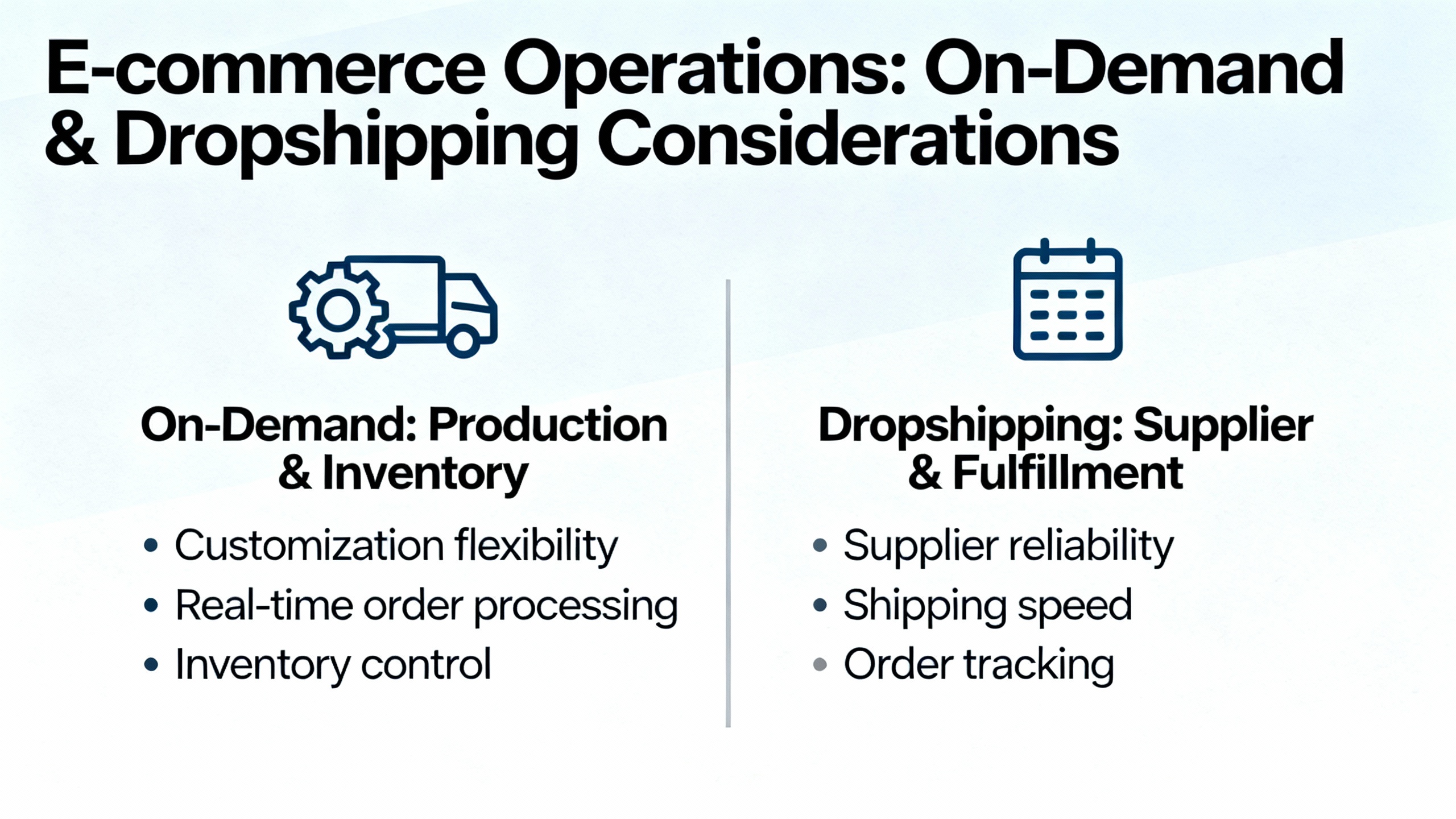
Choosing a fulfillment path depends on your goals, risk tolerance, and brand story. Print‑on‑demand via established platforms eliminates inventory and simplifies shipping, but you sacrifice control over blanks and stitch density. Working with a local decorator or a US‑based embroidery shop gives you proofing and consistent hooping for thick fabrics and can justify premium pricing for “crafted near you.” MaggieFrame’s equipment guidance, while geared to embroiderers, reinforces why correct stabilization matters on fleece to prevent puckering in cuffs and hoods.

Processing times vary by vendor, but retailer and university pages commonly recommend planning for several days of production plus shipping. A Marshall University page notes that personalized items are often excluded from returns unless defective, so your product pages must set expectations clearly and encourage customers to check size charts. Some niche stores market around‑the‑clock support; “Custom Matching Couple” claims 24/7 assistance, which is attractive to gift buyers shopping late at night. Treat such claims as brand‑level marketing until you verify service levels in your own customer journey.

If you dropship, lock down a clean proofing process. Ask your partner for real‑garment photos of a sample, not just mockups. Embed a note about wash instructions on the packing slip. For peak seasons like Valentine’s Day, pad lead time on product pages by a few days and offer expedited shipping tiers with transparent cut‑offs. These steps lower cancelations and improve repeat purchase rate in this emotional category (confidence: high).
Custom matching couple hoodies

Pricing, Bundles, and Margin Thinking

Use landed cost math, not vibes. Add your blank garment cost, decoration cost from the table above, packaging, and average shipping to estimate unit cost. Then set target gross margin that fits your niche. Couples’ sets naturally support bundles: price a two‑hoodie pair below the sum of two singles to nudge carts upward while preserving margin on the second print. If you sell accessories, a coordinated beanie or matching hat can be an easy add‑on for couples who want subtle coordination beyond the hoodie. Several retailer blogs highlight hats and shirts as seasonal extensions; you can mirror that logic in your bundles without increasing production complexity.

I avoid universal price advice here because blank costs vary by brand, fabric, and weight, but the strategy is consistent: articulate emotional value, show construction details in photos, and protect margin with preview fees for complex personalization. This is a practitioner’s inference based on POD P&Ls and should be adapted to your costs (confidence: high).

Pros and Trade‑Offs

What You Gain

What to Watch

Emotional value that supports premium pricing

Sizing complexity across two wearers increases exchange risk

High giftability for anniversaries, Valentine’s Day, and holidays

Personalization limits returns; you need crystal‑clear policies

Social media‑ready visuals that drive UGC and referrals

Overly loud matching can feel costume‑y; coach customers on complementary sets

Print method flexibility for small runs and prototyping

Method‑fabric mismatch can hurt feel and durability if not proofed

These trade‑offs are consistent with feedback loops I see in couple‑apparel brands, and the mitigations above are reliable in practice when implemented with care (confidence: high).

Unique couple hoodie designs

Care and Aftercare Customers Will Actually Follow

Care instructions protect prints, embroidery, and customer satisfaction. Turn garments inside out, wash cold on a gentle cycle with mild detergent, and skip bleach and harsh softeners to preserve both thread and ink. Air‑drying is safest; if customers must use a dryer, low heat reduces risk of cracking prints and shrinking cotton. Storage matters too. Folding avoids shoulder “hangers,” a cool and dry closet prevents fading, and cedar blocks deter moths without chemical odors. Several retailer and university pages echo these basics, and they are easy to include on your product page and in package inserts without overwhelming buyers.

Buying Guide for Couples

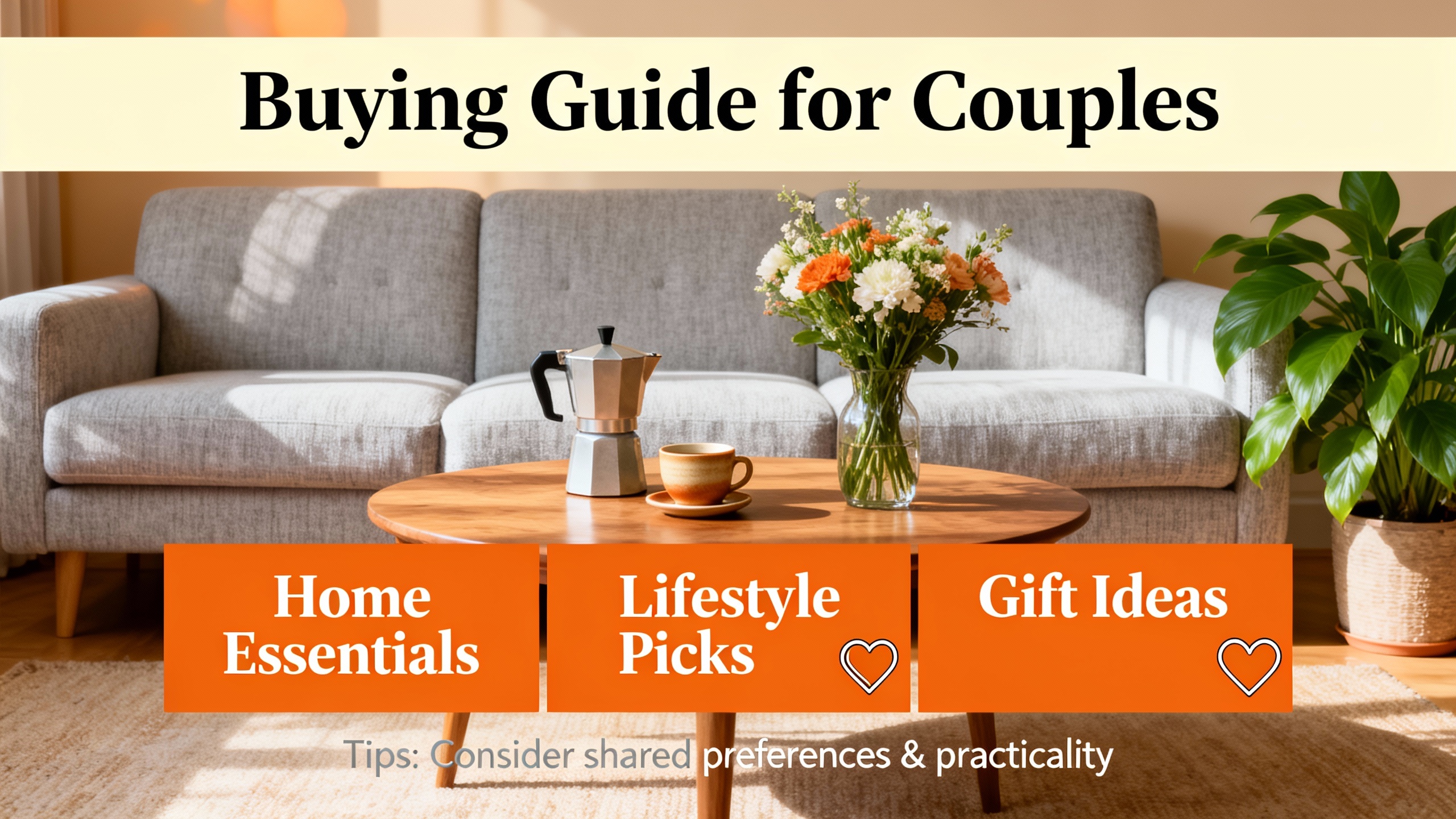
Shoppers should begin with the honest use case. A pair that lives in warm climates may prefer French terry or lightweight cotton for indoor wear, while couples in the Midwest might reach for fleece during late fall. Fit is personal; one partner can opt for a relaxed zip‑up to layer over a tee while the other chooses a slightly oversized pullover for a cozy silhouette. Read the size chart, measure against hoodies you already own, and check whether the garment uses unisex sizing. If your seller claims US manufacturing or handmade embroidery, ask whether that refers to decoration only or the entire garment. Stores like Embroly emphasize US‑based embroidery, which signals craftsmanship; verify that the item‑level origin matches your expectations.

Design choices benefit from conversation. Choose a palette you both enjoy and a motif that still feels wearable six months later. If you are hesitant about identical graphics, use matching accents: a shared monogram on sleeves, the same font for two different phrases, or split graphics that connect when you stand together. Retailer blogs like Same Day Tees showcase motifs such as puzzle pieces, lock‑and‑key, and geographic coordinates that work well as understated romance. These are well‑trod but effective when the typography is clean and the placements are thoughtful.

Return and exchange policies deserve a careful read. Many stores restrict returns on personalized items unless defective, which is standard practice. My recommendation as a mentor is to treat sizing diligence as part of the buying journey—encourage customers to reach out with measurements, respond quickly with fit guidance, and document care to minimize post‑purchase disappointment (confidence: high).
Embroidered couple sweatshirts

Quick Reality Check on Stats and Trends

Some promotional pages and school‑hosted blogs present specific numbers such as a majority of couples feeling more connected when wearing matching outfits, higher popularity for oversized fits, and category leaders like King and Queen designs. These can be useful idea starters, but they are not market‑wide data. They do, however, align with what I see anecdotally in customer photo uploads and reviews where simple, readable motifs and cozy silhouettes drive the most shares. Treat such stats as hypotheses to test in your store through small releases and quick surveys rather than definitive market truths (confidence: medium).

FAQ

How do we keep it from looking cheesy if we like the idea but not identical looks? Use the “complement, don’t copy” rule. Share one design language—typeface, color accent, or icon—then let each hoodie express it differently. A lock‑and‑key set, mirrored line art, or split lyric reads coordinated without feeling costume‑like.

Which print method should we pick for longevity and comfort? Embroidery lasts the longest for small marks and monograms and adds a premium feel. DTG and DTF handle detailed or colorful art well on cotton and blended fabrics, while screen printing is superb for bold logos in larger quantities. MaggieFrame’s guidance places embroidery, DTG, DTF, screen print, and sublimation in the low‑single‑digit dollars per piece for decoration cost, but your vendor quote will reflect size, coverage, and volume.

Are zip‑ups or pullovers better for couples? Zip‑ups are practical for layering and temperature changes and let each person style the hoodie open or closed. Pullovers give a cleaner front canvas for graphics and feel cozier. OTOKOMAE points out that a structured hood makes either option look sharper under coats, which matters for date nights and photos.

What should we check before ordering personalized sets online? Read the size chart and measure a hoodie you already love, verify fabric composition, confirm the personalization method and placements, and review return rules for customized items. For gifts, request a production proof or sample photo if the seller offers it, and plan enough time for production plus shipping, especially around Valentine’s Day and the holidays.

Do we need special care for embroidered or printed designs? Turn the hoodies inside out, wash cold on a gentle cycle with mild detergent, avoid bleach and harsh softeners, and prefer air‑drying or low heat. Store folded in a cool, dry space to protect shape and color. These simple steps make prints and threads last longer and keep fleece feeling plush.
Matching hoodies for boyfriend and girlfriend

Takeaway

Personalized couple hoodies succeed when they feel like wearable stories rather than billboards. The best‑selling sets share a clear theme, use palettes that fit real wardrobes, and respect how two different bodies like to dress. On the back end, choose print methods that match your fabric, proof placements to avoid surprises, and set expectations about sizing, care, and returns. The emotional value of matching custom designs lets you price for quality while keeping unit risk low through on‑demand production. That is why this category remains a smart bet for founders and a joyful purchase for couples.

Sources

This article draws on editorial guidance and brand claims from OTOKOMAE for fit and layering, MaggieFrame for production methods and cost ranges, Embroly for craft‑forward embroidery positioning, Same Day Tees for motif ideas, Smart.DHgate buying guides for styling concepts, and campus and retailer blogs from Temple University, Rice University, and Marshall University for selection, care, and trend framing. Additional directional claims appear on niche couple‑apparel retailers including Adorb Custom Tees, Couple Hoodies, Custom Matching Couple, and My Couple Goal. Where sources reported specific statistics, they are presented as promotional or qualitative signals rather than market‑wide facts.

References

  1. https://couplehoodiestrends.blogs.rice.edu/
  2. https://couplehoodies.pages.wm.edu/
  3. https://mupages.marshall.edu/sites/couplehoodiestoday/
  4. https://myweb.sabanciuniv.edu/muhammadhassan/matching-hoodies-for-couples-cozy-couples-style/
  5. https://sites.temple.edu/averyblog/2023/11/16/matching-hoodies-for-boyfriend-and-girlfriend-perfect-couples-outfits/
  6. https://couplehoodies.com/?srsltid=AfmBOopC0pcxSK1XeGK9pXXb2ZrIVWox-Ex_ZthFZDCZFm0iJxSaCCFA
  7. https://custommatchingcouple.com/?srsltid=AfmBOoqS5ObJxUacOom6clQETEOEs3gshNLrlBabfJmchnHQYIrhBsAP
  8. https://adorbcustomtees.com/collections/matching-hoodies?srsltid=AfmBOorSqSTV3IKy-5Dl4TbnvDxRxUUFbueaphd5B5EC28juL_xvRrkO
  9. https://www.couplegear.com/hoodie-or-sweatsuit-the-perfect-couples-outfit-guide/
  10. https://smart.dhgate.com/stylish-tips-for-how-to-match-hoodies-for-couples-cozy-coordinated-looks-that-stand-out/

Like the article

0
Personalized Hoodies for Couples: Matching Custom Designs

Personalized Hoodies for Couples: Matching Custom Designs

Personalized couple hoodies have matured from cute novelty to a serious category in on‑demand printing and dropshipping. The appeal is obvious: coordinated designs telegraph connection in photos, on date nights, and during everyday life, while custom names, dates, and symbols turn a commodity garment into a keepsake. From an e-commerce entrepreneurship perspective, the category sits at a sweet spot where emotional value justifies premium pricing and variable print methods unlock flexibility at low inventory risk. This guide distills first‑hand operations know‑how with what reputable publishers and market players have shared, so you can design, source, and sell matching custom hoodies for couples with confidence.

What “Matching” Really Means Today

“Matching” no longer means identical. Couples increasingly choose complementary designs that share a theme or palette without duplicating every element. That might look like mirrored graphics, a split phrase that completes when the two are side by side, or coordinated colorways where one piece anchors a bold print while the other stays solid. Style editors note that coordination reads more modern than strict twinning, and that subtlety often photographs better for engagement shoots and milestone posts. The fashion site OTOKOMAE also reminds us that the hood itself affects how polished the look appears when layered; a structured, three‑dimensional hood stands up cleanly under outerwear, which matters if couples plan to wear these beyond the couch.

Several publisher and retailer blogs describe popularity drivers—togetherness, visual storytelling, and gift‑readiness—as the heart of the trend. These are qualitative claims, but they align with real shopper behavior I see in POD funnels where “story plus comfort” is the conversion hook and personalization is the cart‑builder. This section reflects industry practice rather than hard census data (confidence: high).

When Personalized Couple Hoodies Make Sense

Couples adopt matching hoodies for anniversaries, Valentine’s Day, engagement sessions, cozy at‑home dates, airport days, and fall weekends. Travel days are especially strong because fleece‑lined blends add warmth without bulk, pockets handle boarding passes and cell phones, and coordinated tops make for candid photos that feel intentional. Long‑distance relationships also use them as “comfort objects” on video calls, and that emotional utility becomes a sales story as well as a design brief. For gifting, a short, clear message on one hoodie and a complementary graphic on the other gives the wearer confidence to style it with jeans and sneakers or under a casual jacket.

Design Strategy for High‑Conversion Sets

Design for couples is a two‑part puzzle: shared identity and personal comfort. The winning sets create an obvious visual relationship between the garments while leaving each partner room to feel like themselves.

Theme and Color Language

A credible approach is to start with the couple’s shared story, then translate it into color blocking and iconography. Neutral palettes like black, gray, and navy promise high wear‑rate because they pair with most closets. Complementary pairings such as olive and cream, blush and charcoal, or navy and mustard strike the balance between unity and individuality. Style guides from US campus blogs and buying guides agree that anchoring both hoodies with one repeated element—a color accent, a typographic style, or a line‑art motif—keeps the pair cohesive without looking like costumes.

Personalization With Meaning

Names, initials, and anniversary dates are staples, but there is room to go deeper. Geographic coordinates of a first meeting, split quotes, and minimal line art tied to a shared interest feel personal without adding visual noise. Embroidered monograms on cuffs or sleeves are discreet and age well, while chest or back prints suit bolder statements. Brands like Embroly position “handmade and embroidered in the USA” and milestone embroidery as a craft‑forward value proposition. That origin claim should be verified per item and supplier because “USA‑made” can refer to decoration even if blanks are imported.

Motifs That Keep Selling

Retailer and university‑hosted blogs frequently cite “King and Queen,” lock‑and‑key, heart halves, and puzzle pieces as persistent performers. A Sabancı University personal blog even reports that King and Queen designs account for a quarter of sales on a sample assortment and that anime‑inspired couples graphics are growing quickly. These are promotional numbers and not peer‑reviewed; treat them as directional inspiration, not market gospel (confidence: low to medium). My advice is to prototype one “classic” motif alongside one “inside‑joke” design and A/B test with couples in your audience; the mix often captures both gift buyers and fashion‑forward wearers (confidence: high).

Materials, Fit, and Comfort

Comfort drives repeat wear, and repeat wear drives social proof. The winners in this category pair fabric that suits climate with a fit that flatters both partners.

Fabric

Feel and Warmth

Best Season and Use

Durability and Care

Notes for Couples

100% Cotton

Soft hand, breathable

Spring and summer layering; indoor comfort

Can shrink; wash cold, gentle; air‑dry or low heat

Natural feel; crisp prints via DTG; verify preshrunk claims

Cotton‑Poly Blend

Balanced softness and structure

Year‑round versatility; travel days

Resists wrinkles and shrinking better than cotton

Good for couples with different fit preferences

French Terry

Smooth face, looped interior

Transitional weather; light layering

Medium weight; holds shape well

Reads more “premium” in minimalist designs

Fleece

Plush, insulating

Fall weekends; cold climates; cozy gifting

Warm and soft; avoid high heat to preserve loft

High cuddle factor; ideal for matching at home and photos

Fit choices signal style intent. Slim fits layer cleanly under coats and look polished for date nights. Classic relaxed fits flatter most bodies and photograph well. Oversized fits feel cozy and fashion‑forward, but one partner can go oversized while the other keeps a relaxed silhouette so the pair looks intentional rather than bulky. Zip‑ups support temperature changes on travel days and let each partner style the hoodie open or closed. OTOKOMAE notes that a structured hood improves layering; this is a small but noticeable quality marker when couples dress up hoodies with leather or wool outerwear.

Personalization Methods and Production

Each print method changes the look, feel, durability, and unit economics. Knowing when to use embroidery versus print can make the difference between a keepsake and a return.

Method

Best For

Look and Feel

Durability and Wash Behavior

Typical Production Cost Per Piece

Embroidery

Monograms, line art, small icons

Textured, premium, thread‑based

Very durable when stabilized correctly

About 10.00 depending on stitches

Screen Print

Bold graphics, few colors, larger runs

Opaque, vibrant, sits on fabric

Excellent when cured well

About 5.00 per design in bulk

DTG

Photographic or high‑detail multicolor art

Soft hand on cotton‑rich garments

Good on cotton; follow wash guidance

About 8.00 for small runs

DTF

Versatile placement across more fabrics

Slight film edge, vivid color

Strong adhesion; flexible use

Similar to DTG per supplier

Sublimation

All‑over prints on polyester‑rich surfaces

Ink becomes part of fibers

Highly colorfast on polyester

About 8.00 depending on coverage

Cost ranges reference MaggieFrame’s guidance for typical production inputs and should be validated with your decorator, as stitch counts, placements, and coverage change real quotes. In my mentoring work with POD founders, embroidery on sleeves or cuffs often commands a higher perceived value without inflating material cost much, while oversized full‑front DTG is the cart‑opener for gift buyers who want a big reveal in photos (confidence: high).

E‑commerce Operations: On‑Demand and Dropshipping Considerations

Choosing a fulfillment path depends on your goals, risk tolerance, and brand story. Print‑on‑demand via established platforms eliminates inventory and simplifies shipping, but you sacrifice control over blanks and stitch density. Working with a local decorator or a US‑based embroidery shop gives you proofing and consistent hooping for thick fabrics and can justify premium pricing for “crafted near you.” MaggieFrame’s equipment guidance, while geared to embroiderers, reinforces why correct stabilization matters on fleece to prevent puckering in cuffs and hoods.

Processing times vary by vendor, but retailer and university pages commonly recommend planning for several days of production plus shipping. A Marshall University page notes that personalized items are often excluded from returns unless defective, so your product pages must set expectations clearly and encourage customers to check size charts. Some niche stores market around‑the‑clock support; “Custom Matching Couple” claims 24/7 assistance, which is attractive to gift buyers shopping late at night. Treat such claims as brand‑level marketing until you verify service levels in your own customer journey.

If you dropship, lock down a clean proofing process. Ask your partner for real‑garment photos of a sample, not just mockups. Embed a note about wash instructions on the packing slip. For peak seasons like Valentine’s Day, pad lead time on product pages by a few days and offer expedited shipping tiers with transparent cut‑offs. These steps lower cancelations and improve repeat purchase rate in this emotional category (confidence: high).

Custom matching couple hoodies

Pricing, Bundles, and Margin Thinking

Use landed cost math, not vibes. Add your blank garment cost, decoration cost from the table above, packaging, and average shipping to estimate unit cost. Then set target gross margin that fits your niche. Couples’ sets naturally support bundles: price a two‑hoodie pair below the sum of two singles to nudge carts upward while preserving margin on the second print. If you sell accessories, a coordinated beanie or matching hat can be an easy add‑on for couples who want subtle coordination beyond the hoodie. Several retailer blogs highlight hats and shirts as seasonal extensions; you can mirror that logic in your bundles without increasing production complexity.

I avoid universal price advice here because blank costs vary by brand, fabric, and weight, but the strategy is consistent: articulate emotional value, show construction details in photos, and protect margin with preview fees for complex personalization. This is a practitioner’s inference based on POD P&Ls and should be adapted to your costs (confidence: high).

Pros and Trade‑Offs

What You Gain

What to Watch

Emotional value that supports premium pricing

Sizing complexity across two wearers increases exchange risk

High giftability for anniversaries, Valentine’s Day, and holidays

Personalization limits returns; you need crystal‑clear policies

Social media‑ready visuals that drive UGC and referrals

Overly loud matching can feel costume‑y; coach customers on complementary sets

Print method flexibility for small runs and prototyping

Method‑fabric mismatch can hurt feel and durability if not proofed

These trade‑offs are consistent with feedback loops I see in couple‑apparel brands, and the mitigations above are reliable in practice when implemented with care (confidence: high).

Unique couple hoodie designs

Care and Aftercare Customers Will Actually Follow

Care instructions protect prints, embroidery, and customer satisfaction. Turn garments inside out, wash cold on a gentle cycle with mild detergent, and skip bleach and harsh softeners to preserve both thread and ink. Air‑drying is safest; if customers must use a dryer, low heat reduces risk of cracking prints and shrinking cotton. Storage matters too. Folding avoids shoulder “hangers,” a cool and dry closet prevents fading, and cedar blocks deter moths without chemical odors. Several retailer and university pages echo these basics, and they are easy to include on your product page and in package inserts without overwhelming buyers.

Buying Guide for Couples

Shoppers should begin with the honest use case. A pair that lives in warm climates may prefer French terry or lightweight cotton for indoor wear, while couples in the Midwest might reach for fleece during late fall. Fit is personal; one partner can opt for a relaxed zip‑up to layer over a tee while the other chooses a slightly oversized pullover for a cozy silhouette. Read the size chart, measure against hoodies you already own, and check whether the garment uses unisex sizing. If your seller claims US manufacturing or handmade embroidery, ask whether that refers to decoration only or the entire garment. Stores like Embroly emphasize US‑based embroidery, which signals craftsmanship; verify that the item‑level origin matches your expectations.

Design choices benefit from conversation. Choose a palette you both enjoy and a motif that still feels wearable six months later. If you are hesitant about identical graphics, use matching accents: a shared monogram on sleeves, the same font for two different phrases, or split graphics that connect when you stand together. Retailer blogs like Same Day Tees showcase motifs such as puzzle pieces, lock‑and‑key, and geographic coordinates that work well as understated romance. These are well‑trod but effective when the typography is clean and the placements are thoughtful.

Return and exchange policies deserve a careful read. Many stores restrict returns on personalized items unless defective, which is standard practice. My recommendation as a mentor is to treat sizing diligence as part of the buying journey—encourage customers to reach out with measurements, respond quickly with fit guidance, and document care to minimize post‑purchase disappointment (confidence: high).

Embroidered couple sweatshirts

Quick Reality Check on Stats and Trends

Some promotional pages and school‑hosted blogs present specific numbers such as a majority of couples feeling more connected when wearing matching outfits, higher popularity for oversized fits, and category leaders like King and Queen designs. These can be useful idea starters, but they are not market‑wide data. They do, however, align with what I see anecdotally in customer photo uploads and reviews where simple, readable motifs and cozy silhouettes drive the most shares. Treat such stats as hypotheses to test in your store through small releases and quick surveys rather than definitive market truths (confidence: medium).

FAQ

How do we keep it from looking cheesy if we like the idea but not identical looks? Use the “complement, don’t copy” rule. Share one design language—typeface, color accent, or icon—then let each hoodie express it differently. A lock‑and‑key set, mirrored line art, or split lyric reads coordinated without feeling costume‑like.

Which print method should we pick for longevity and comfort? Embroidery lasts the longest for small marks and monograms and adds a premium feel. DTG and DTF handle detailed or colorful art well on cotton and blended fabrics, while screen printing is superb for bold logos in larger quantities. MaggieFrame’s guidance places embroidery, DTG, DTF, screen print, and sublimation in the low‑single‑digit dollars per piece for decoration cost, but your vendor quote will reflect size, coverage, and volume.

Are zip‑ups or pullovers better for couples? Zip‑ups are practical for layering and temperature changes and let each person style the hoodie open or closed. Pullovers give a cleaner front canvas for graphics and feel cozier. OTOKOMAE points out that a structured hood makes either option look sharper under coats, which matters for date nights and photos.

What should we check before ordering personalized sets online? Read the size chart and measure a hoodie you already love, verify fabric composition, confirm the personalization method and placements, and review return rules for customized items. For gifts, request a production proof or sample photo if the seller offers it, and plan enough time for production plus shipping, especially around Valentine’s Day and the holidays.

Do we need special care for embroidered or printed designs? Turn the hoodies inside out, wash cold on a gentle cycle with mild detergent, avoid bleach and harsh softeners, and prefer air‑drying or low heat. Store folded in a cool, dry space to protect shape and color. These simple steps make prints and threads last longer and keep fleece feeling plush.

Matching hoodies for boyfriend and girlfriend

Takeaway

Personalized couple hoodies succeed when they feel like wearable stories rather than billboards. The best‑selling sets share a clear theme, use palettes that fit real wardrobes, and respect how two different bodies like to dress. On the back end, choose print methods that match your fabric, proof placements to avoid surprises, and set expectations about sizing, care, and returns. The emotional value of matching custom designs lets you price for quality while keeping unit risk low through on‑demand production. That is why this category remains a smart bet for founders and a joyful purchase for couples.

Sources

This article draws on editorial guidance and brand claims from OTOKOMAE for fit and layering, MaggieFrame for production methods and cost ranges, Embroly for craft‑forward embroidery positioning, Same Day Tees for motif ideas, Smart.DHgate buying guides for styling concepts, and campus and retailer blogs from Temple University, Rice University, and Marshall University for selection, care, and trend framing. Additional directional claims appear on niche couple‑apparel retailers including Adorb Custom Tees, Couple Hoodies, Custom Matching Couple, and My Couple Goal. Where sources reported specific statistics, they are presented as promotional or qualitative signals rather than market‑wide facts.

References

  1. https://couplehoodiestrends.blogs.rice.edu/
  2. https://couplehoodies.pages.wm.edu/
  3. https://mupages.marshall.edu/sites/couplehoodiestoday/
  4. https://myweb.sabanciuniv.edu/muhammadhassan/matching-hoodies-for-couples-cozy-couples-style/
  5. https://sites.temple.edu/averyblog/2023/11/16/matching-hoodies-for-boyfriend-and-girlfriend-perfect-couples-outfits/
  6. https://couplehoodies.com/?srsltid=AfmBOopC0pcxSK1XeGK9pXXb2ZrIVWox-Ex_ZthFZDCZFm0iJxSaCCFA
  7. https://custommatchingcouple.com/?srsltid=AfmBOoqS5ObJxUacOom6clQETEOEs3gshNLrlBabfJmchnHQYIrhBsAP
  8. https://adorbcustomtees.com/collections/matching-hoodies?srsltid=AfmBOorSqSTV3IKy-5Dl4TbnvDxRxUUFbueaphd5B5EC28juL_xvRrkO
  9. https://www.couplegear.com/hoodie-or-sweatsuit-the-perfect-couples-outfit-guide/
  10. https://smart.dhgate.com/stylish-tips-for-how-to-match-hoodies-for-couples-cozy-coordinated-looks-that-stand-out/

Like the article

0