

Personalized Gifts for People Who Have Everything: Thoughtful Ideas

Personalized Gifts for People Who Have Everything: Thoughtful Ideas

Dec 25, 2025 by Iris POD e-Commerce 101

Finding a gift for someone who “has everything” is hard enough as an individual. As an e-commerce founder, you are trying to solve that problem at scale for every stressed shopper who lands on your store in November or the week before a milestone birthday. The answer is rarely “more stuff.” It is almost always more meaning.

Across multiple guides and industry sources, a consistent pattern emerges. Personalized gifts – items tailored to hobbies, memories, personality, or values – carry far more emotional weight than generic presents. A 2023 gifting trends report cited by GiftList found that 72% of Americans feel personalized gifts hold more meaning than generic ones. That is precisely the gap a smart on-demand printing or dropshipping brand can fill.

In this article, I will walk through what actually counts as a personalized gift, why it matters so much for “hard to shop for” people, and how to translate these insights into profitable, low-inventory product lines. The goal is simple: help you design and market personalized gifts that people who have everything still genuinely want.

Why Personalized Gifts Work So Well

Several independent sources echo the same core definition. Maison 21G frames personalized or bespoke gifts as customized tokens of affection designed to reflect the recipient’s preferences, interests, and character, rather than mass-produced items. GiftList describes them as objects tied to personality, values, and shared memories that become meaningful keepsakes, while My3DSelfie highlights elements like names, initials, dates, photos, and other details that distinguish a gift from something bought off the shelf.

These gifts resonate because they make the recipient feel uniquely seen. Maison 21G emphasizes that thoughtful customization signals effort and emotional investment beyond the object’s price. My3DSelfie notes that such gifts become visible symbols of love, appreciation, and friendship, often cherished and displayed rather than stored away.

There is also a practical dimension. Shadow Breeze points out that recipients value long-term use and emotional impact more than the giver’s brief “wow” moment. A personalized cutting board, journal, or mug that is used daily keeps the giver in mind, not just the occasion.

For shoppers facing the “they already have everything” dilemma, this combination of emotional depth and everyday usefulness is powerful. They are not hunting for another gadget; they are looking for something that reflects a story, a shared experience, or a deeply held interest. If your store can make that easy, you become their go-to solution.

The Psychology of Gifting People Who Have Everything

From More Objects to More Meaning

Thoughtful gifting starts with familiarity, not with product catalogs. A widely shared perspective from a gift-giving discussion group is that truly thoughtful gifts come from everyday knowledge of the person you live with: noticing what they talk about, where they spend time, what they keep buying or postponing. The criticism of last-minute “any gift ideas for my partner?” posts is less about etiquette and more about attention. Real thoughtfulness is built over time.

Thoughtful Presence builds on this by suggesting personality frameworks like the Myers-Briggs Type Indicator and the Big Five traits as lenses for understanding what people enjoy. You do not need formal assessments to use these ideas. Simply watch how someone spends their free time and you will know whether they are introverted or extroverted, novelty-seeking or routine-loving, practical or sentimental.

Introverts may lean toward books, puzzles, and cozy evenings; extroverts may light up when they receive concert tickets, party games, or travel gear for shared adventures. People high in openness often enjoy creative kits and unusual designs, while conscientious recipients appreciate planners, organizers, or high-quality tools. When your gift (or your product catalog) reflects these personality traits, it feels tailored even before the name or date is added.

For an e-commerce brand, the implication is straightforward. Your merchandising and content should start from personality and lifestyle, not from product type. Instead of “mugs” and “posters,” think “for the homebody,” “for the adventurous traveler,” “for the science nerd,” “for the pet-obsessed.” That is how your catalog begins to mirror how customers actually think about the people they love.

Balancing Sentiment and Utility

There is a well-documented tension between what givers buy and what recipients want. Shadow Breeze cites a 2014 Journal of Consumer Research study showing that givers tend to overemphasize desirability and uniqueness, while recipients often prefer practical gifts they will actually use. In the study, a nearby, affordable restaurant gift card was preferred over a fancier but inconvenient option.

This matters in personalized gifting. A gift that is sentimental but completely impractical risks becoming clutter. A gift that is useful but emotionally empty feels like a default choice.

Your goal as a seller is to help shoppers land in the overlap. That overlap is a practical, high-quality object customized with a meaningful detail. Shadow Breeze suggests engraved items, custom-framed photos, and photo plaques as good examples because they combine function or decor value with emotional resonance.

When you build on-demand product lines, favor items that already have strong everyday use cases—drinkware, journals, tote bags, cutting boards, phone cases, apparel, linens—and then layer on personalization that tells a story. That is where your catalog becomes both emotionally compelling and easy to justify.

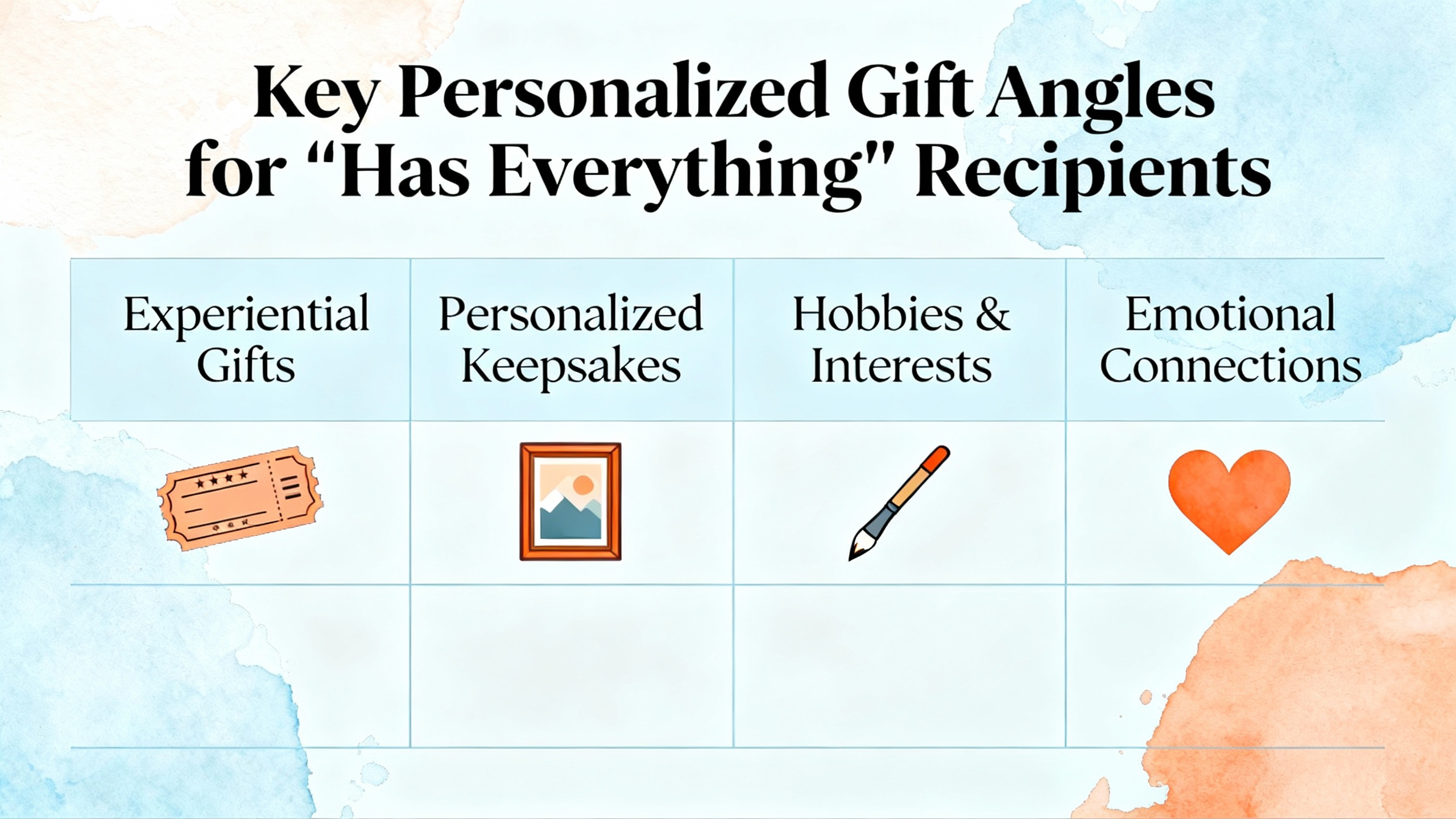
Key Personalized Gift Angles for “Has Everything” Recipients

Even if every recipient is unique, the research points to a few high-impact personalization angles that work especially well for people who seem to own everything already.

Gift angle

Example for “has everything” recipients

POD / dropshipping opportunity

Hobby-first

Deeply tailored gear for foodies, gamers, readers, fitness buffs, artists, gardeners, and more

Niche designs and engravings mapped to specific hobbies and personas

Memory-centric

Photo books, custom books of life events, pet portraits, keepsake puzzles

Print-on-demand books, canvases, puzzles, and wall art

Values-driven, sustainable

Upcycled, reclaimed, or eco-friendly items tied to hobbies

Eco materials with personalized prints or engravings

Experience-enhancing kits

Bundles that enable an experience rather than mere consumption

Curated boxes with custom packaging, cards, and accessories

Let us unpack each angle and connect it to specific findings from the research.

Hobby-First Personalization

Several guides place hobbies at the center of thoughtful gifting. Baylor Lariat’s holiday piece maps recipients to “characters” such as Foodie, Gamer, Bookworm, Fitness Buff, Homebody, Fashionista, Artist, and Music Lover, then recommends gifts that deepen those passions. DHgate’s hobby-focused guide does something similar across gardening, art, gourmet food, and sports/outdoors, emphasizing tools and accessories that support active participation and skill-building. Zingy Gifts specifically defines personalized gifts for hobby enthusiasts as items customized with names, dates, or quotes that fit a pastime, from engraved toolkits to personalized books.

Concrete examples from these sources include organic gardening kits, watercolor paint sets, coffee sampler sets, insulated water bottles, engraved gardening tools, custom aprons for bakers, art-print posters, and portable Bluetooth speakers for music lovers. Well Told Design adds science, math, hometown, and night-sky themes to the mix with molecular champagne flutes, Pi-themed glassware, map-etched drinkware, and star-field blankets and tumblers.

For a print-on-demand or dropshipping business, hobby-first personalization is a natural fit. You can design collections around each character type: recipe notebooks and reclaimed-wood cutting boards for foodies, extended mouse pads and artful desk mats for gamers, map or constellation prints for travelers, and science-themed barware for the lab enthusiast. Zingy Gifts recommends researching the hobby first—observing tools already in use and brands they prefer—then matching personalization to that reality. Your role is to do that homework once and reflect it in a curated, hobby-specific catalog.

Memory-Centric and Sentimental Keepsakes

Business Insider’s guide to sentimental gifts highlights items that capture memories or relationships: handwritten jewelry, photo-based home decor, personalized puzzles, custom notebooks and calendars, and heirloom-quality board games and cookbooks. GiftList similarly suggests sentimental items like engraved jewelry, custom photo books, and star maps that anchor the gift in a specific moment or milestone.

The New York Times Wirecutter offers a particularly strong example of a memory-centric gift designed for people who already own plenty of things: The New York Times Premium Birthday Edition. This is a personalized coffee-table book that compiles the front page of the paper for every birthday in the recipient’s life. To create it, you enter their name and birthdate; a custom, hardbound volume measuring about 10 by 13 inches is then printed on premium stock paper. The standard edition comes in black or charcoal leatherette with the recipient’s name and birthdate in matte silver foil, while a deluxe version adds colorful covers like moss green or light blue with gold-foil lettering. Because it is made to order, the book ships in about a week and is final sale.

This kind of object is exactly what a “has everything” recipient cannot realistically buy for themselves: it is personal, time-intensive to produce, and rooted in their unique timeline. Analogues in other product categories include custom photo books, miniature magazines, pet portraits, crystal-etched photo objects, and custom canvas prints that combine names, dates, and lyrics or locations. Business Insider highlights many of these—framed house portraits, wedding-venue watercolors, state-themed pillows, and acrylic displays with photos and personalized song codes.

A print-on-demand business can recreate this angle using customizable books, posters, metal or acrylic prints, pillows, and puzzles. The key is that the product is not just “put your photo here”; it narrates a life event, a relationship, or a tradition in a way the recipient would be proud to display.

Sustainable and Values-Driven Personalization

WallArtists emphasizes that gifts can be both personal and environmentally responsible. It defines sustainable or eco-friendly gifts as items using natural, organic, recycled, or upcycled materials, designed to minimize waste, single-use plastics, and demand for new resources. Its hobby-based suggestions include a cork or organic rubber yoga mat with stainless steel water bottle and organic cotton strap; an organic gardening kit with biodegradable pots and sustainable gloves; a vinyl record clock made from an old, meaningful album; reclaimed wood cutting boards; DIY candle-making kits with soy or beeswax; and upcycled game-night sets using recycled materials.

These gifts do double duty. They show thoughtfulness toward the recipient’s hobby and lifestyle while signaling shared environmental values. For many modern consumers, particularly younger or urban audiences, that alignment matters just as much as the personalization itself.

For on-demand brands, this suggests two tactical moves. First, consider sourcing blanks made from reclaimed wood, organic textiles, or recycled materials where possible, then customizing them by print or engraving. Second, tell the sustainability story clearly in your product descriptions, showing how the material choice complements the personalization. WallArtists recommends choosing gifts that minimize waste and repurpose materials; you can take that advice directly into your sourcing and marketing.

Experience-Based Gifts and Hybrid Kits

GiftList devotes significant attention to experience-based gifts: couples cooking classes, themed date-night kits, travel-themed items like scratch-off maps and journals, subscription experiences such as wine, coffee, or book clubs, and at-home spa kits or tailored game-night bundles. Shadow Breeze likewise highlights adventures such as hot-air balloon rides, zip-lining, cooking or photography classes, and other skill-building experiences that create vivid memories.

Swift Wellness frames gifts for “hard to shop for” people as tools or experiences that elevate someone’s palate, wellbeing, or style rather than just adding items to their home. It points to subscription boxes and creative food-pairing sets for adventurous eaters and suggests looking beyond big-box retailers toward specialty shops for unique finds.

As an e-commerce entrepreneur, you may not run cooking schools or travel agencies, but you can sell physical kits that enable or commemorate experiences. A date-night box can include custom-printed recipe cards, a engraved utensil or board, and a personalized candle. A travel-themed bundle might pair a map-printed journal, name-tagged luggage tag, and reusable utensils for low-waste travel. GiftList mentions that even at-home experiences like spa kits, custom playlists, and tailored game-night bundles can be built around personalization.

These hybrid gifts are especially effective for people who have everything because they shift focus from what they own to what they can do next. On-demand printing lets you tailor the printed components, while dropshipping lets you round out the kit with complementary items.
Custom gift ideas for difficult recipients

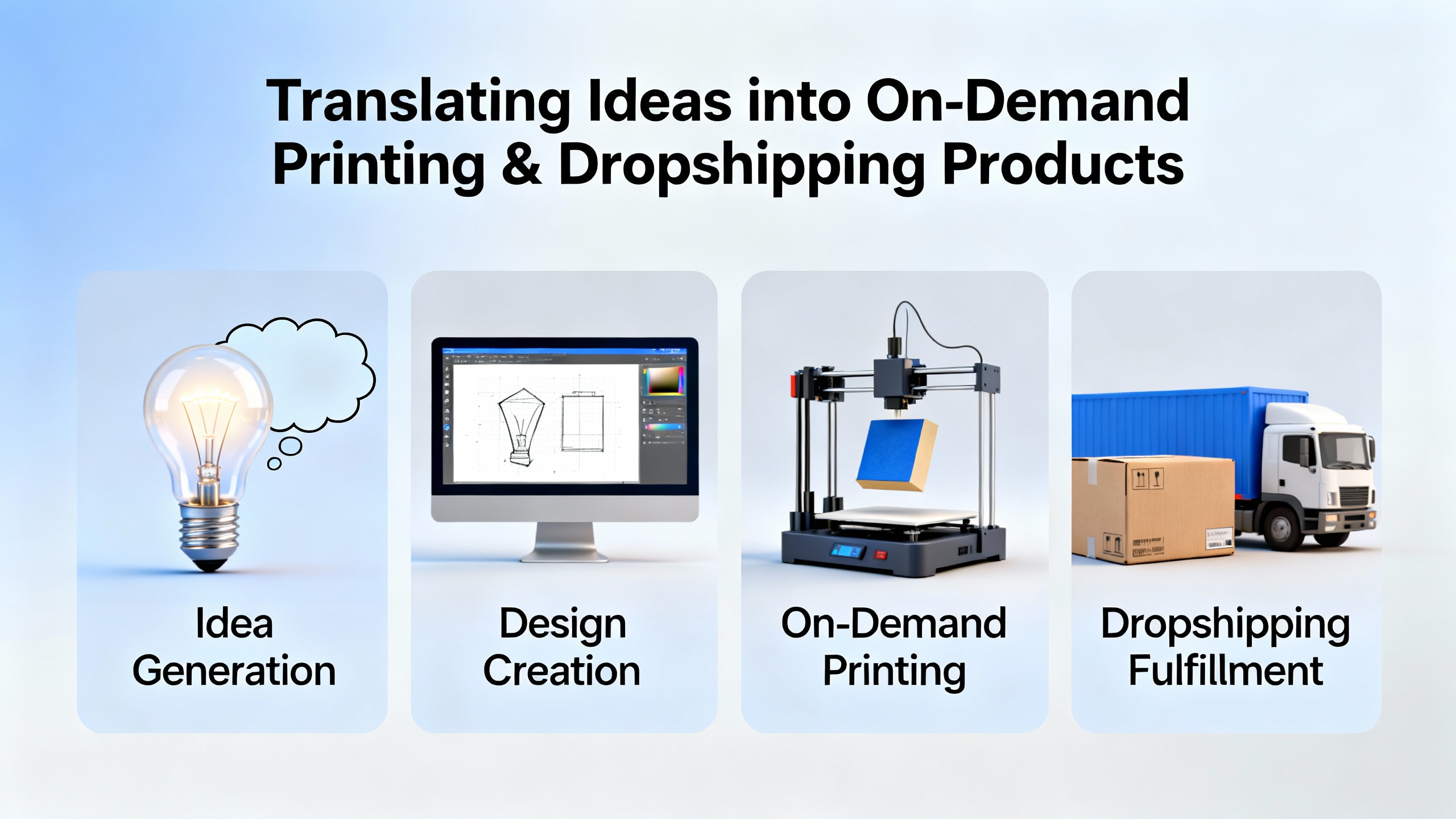
Translating Ideas Into On-Demand Printing and Dropshipping Products

Knowing which angles resonate is only half the work. You still need products that can be produced on demand, shipped reliably, and sold at healthy margins.

Product Categories That Print and Personalize Well

Across the research, certain product categories appear repeatedly in personalized and sentimental gift guides. They also happen to be friendly to on-demand printing and light customization.

Category

Personalization styles mentioned in research

POD / dropship fit

Apparel and accessories

Embroidered pet-portrait crewnecks, monogrammed passport covers and totes, engraved bar pendants, Converse sneakers customized by color and embroidered text

Print and embroidery on T-shirts, sweatshirts, hats, bags, shoes

Drinkware and barware

Science-themed champagne flutes and rocks glasses, Pi-etched pint glasses, hometown map glasses and mugs, engraved mixing bowls, personalized wine bottles

Laser engraving or printing on glass, ceramic, and metal

Home decor and textiles

State-embroidered pillows, night-sky blankets, reclaimed-wood cutting boards, pet portraits, wedding venue watercolors, DIY candle kits

Printed canvases, blankets, pillows, wooden boards, candle labels

Books and paper goods

Photo books, mini magazines, custom calendars, astrology books tailored to a birth chart, “why I love you” fill-in books, personalized children’s search-and-find books, travel journals

Print-on-demand books, journals, planners, cards

Figurines and keepsakes

Crystal-etched photo objects, 3D-printed figurines or bobbleheads capturing the recipient’s likeness

3D printing and custom sculpting via specialist partners

Wirecutter’s coverage of customizable Converse sneakers illustrates how even iconic products can become personalized canvases. Buyers can choose colors and prints for nearly every component, from the canvas body to the laces and rubber elements, then add embroidered text of up to six letters per shoe on the heel stripe or rear panel. The recommendation to use initials as a safe, tasteful choice is itself a useful cue for how to coach your customers.

My3DSelfie’s focus on custom figurines and bobbleheads made with 3D printing shows how likeness-based personalization can become a standout category. Similarly, Well Told Design’s science and hometown glassware, along with its night-sky blankets and tumblers, demonstrate how themes like place and curiosity can be embedded into everyday objects.

If you are building a new catalog, start where your production partners are strongest. A print provider adept at journals and wall art can lean into memory and hobby themes; a partner skilled in engraving and 3D work can emphasize keepsakes and figurines. The point is not to carry everything, but to go deep enough in a few categories that your store tells a coherent story.

Operational Realities You Must Get Right

Personalization introduces operational constraints you cannot ignore. Business Insider warns that many custom gifts require longer lead times, encouraging buyers to check order deadlines so gifts arrive on time. Maison 21G advises planning ahead for customized perfumes and personalized experiences, noting that scheduling messages and vouchers is part of what makes the gift feel well-timed. GiftList adds that timing and presentation influence how special a gift feels, not just the item itself.

Etsy’s own guidance on personalized gifts emphasizes careful reading of item descriptions, double-checking personalization fields for spelling and dates, reviewing seller ratings, and verifying delivery estimates. My3DSelfie points out that personalized items span a wide range of price points and complexity, so budgeting and planning for production and shipping time are essential.

On the seller side, this means you need clear cutoff dates, honest lead times on product pages, and straightforward personalization forms. The New York Times Premium Birthday Edition demonstrates another operational reality: because it is personalized and made to order, it is a final-sale product with no returns or exchanges. That is typical for many custom items, and you should mirror that clarity in your policies while still offering support when errors are your responsibility rather than the customer’s.

Speed still matters. A Uncommon Goods customer review of a personalized item praises surprisingly fast delivery for a customized product and notes that the item was beautiful, unique, lightweight, and easy to mail. That combination of aesthetics, perceived value, and convenience led the reviewer to reorder for their entire gift list and more. Quick fulfillment and easy shipping can turn a one-off personalized sale into repeat orders and word-of-mouth.

DHgate’s data point on sports jerseys—priced around $4.58 to $41.97 with average ratings of about 4.3 to 4.8 out of 5 from roughly 180 to more than 400 buyers—shows that even modestly priced, customized gear can achieve high satisfaction if quality, comfort, and design meet expectations. You do not have to sell luxury items to feel “special” in the personalized space; you do have to deliver reliably on what you promise.

Pros and Cons of Deep Personalization in E-Commerce

Before you commit your catalog and operations to highly personalized products, it helps to look at the trade-offs clearly.

Upsides

Challenges

Higher perceived value and willingness to pay due to uniqueness and emotional resonance

Longer production and shipping times, especially during peak seasons

Stronger loyalty and repeat purchases when gifts become cherished keepsakes

More complex customer service around personalization errors, previews, and expectations

Differentiation from generic marketplaces and big-box retailers

Limited ability to resell returns and stricter final-sale policies

Greater word-of-mouth when gifts are praised as “the hit of the season”

Need for deeper product education and clearer on-site guidance

Shadow Breeze argues that a single, well-chosen, durable, and meaningful item generally generates more appreciation than multiple cheaper gifts. Uncommon Goods’ review of a personalized product underscores how uniqueness, reasonable pricing, and fast customization can turn that one item into an anchor of your brand’s reputation. The main operational risk is mismanaging expectations; that is solvable with transparent communication and thoughtful workflows.
Meaningful personalized presents for wealthy recipients

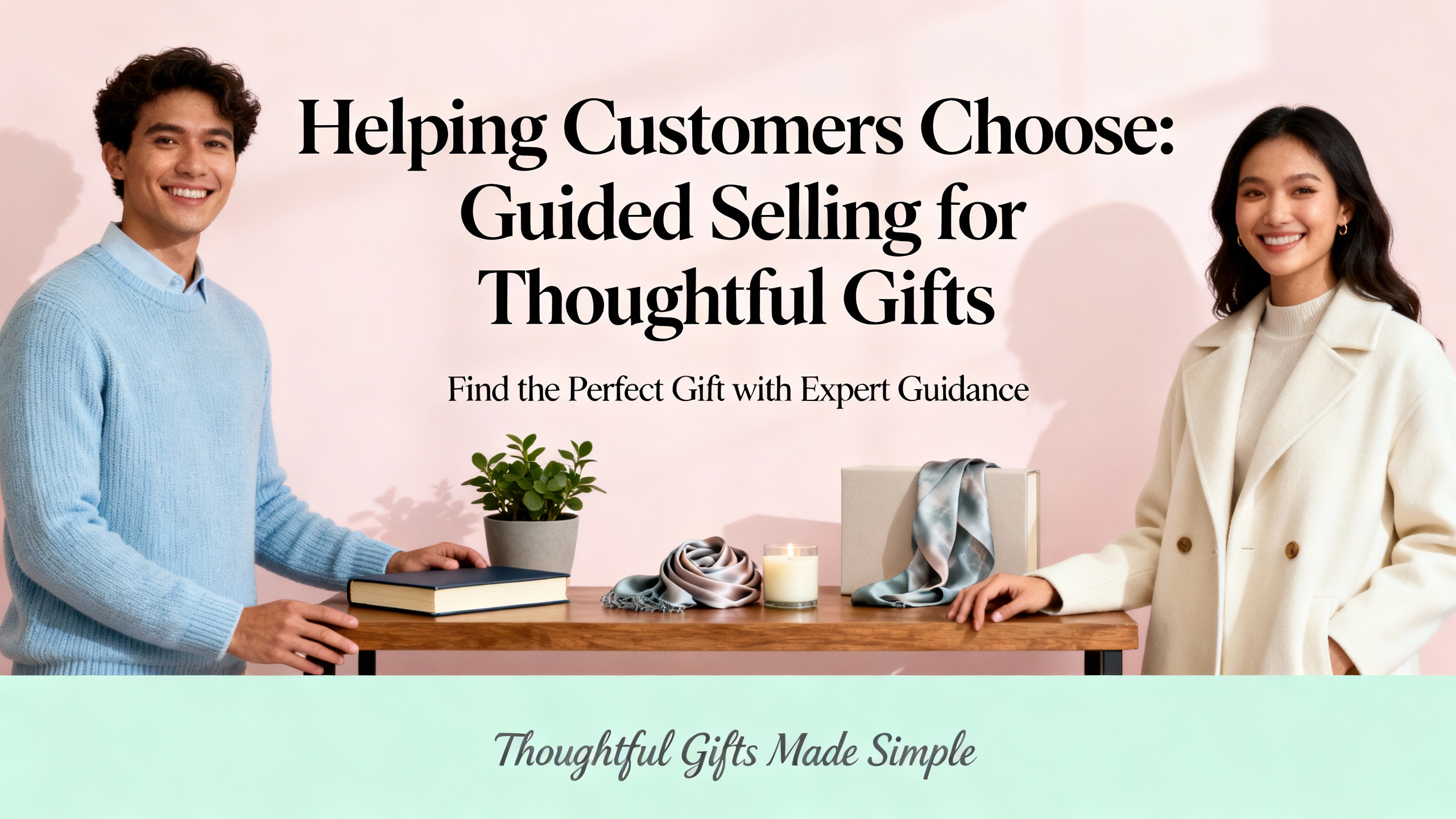
Helping Customers Choose: Guided Selling for Thoughtful Gifts

Your customers are not gift experts. They arrive with a problem (“My dad has everything” or “My partner says ‘no gifts’ but I still want to surprise them”) and little time. Your website, content, and tools need to act almost like a mentor in their corner.

Build Around Relationship and Occasion

My3DSelfie recommends starting with the relationship—partner, family, friend, colleague—and the intimacy level, then layering in the occasion such as birthday, anniversary, wedding, graduation, or Father’s Day. GiftList adds another dimension with love languages: some people respond best to sentimental objects, others to quality time or acts of service. That framework shapes whether you should nudge a shopper toward a custom photo book, an experience kit, or something cozy like a blanket with a message.

In practical terms, this means your catalog navigation and filters should highlight “for partners,” “for parents,” “for colleagues,” “for kids,” combined with “birthday,” “anniversary,” “housewarming,” and so on. When possible, echo GiftList’s recommendation to align choices with deeper traits like sustainability, adventure, or orderliness, rather than superficial likes alone.

Make Discovery Tools Feel Like a Conversation

GiftList’s platform includes an AI gift idea generator and universal wish lists designed to help partners save and discover items over time. Even if you do not build complex tooling, you can emulate the spirit of that approach.

Short quizzes that ask about hobbies, personality, and how the recipient likes to spend weekends can direct shoppers to curated bundles or product groups. Thoughtful Presence encourages observation over formal testing; you can adapt that by offering prompts like “Are they more likely to spend Saturday at a cozy brunch and a book, or hiking a new trail?” and routing quiz results accordingly.

Wish lists also matter. GiftList’s occasion tracker and friending features show how ongoing awareness of upcoming birthdays and milestones can drive repeat engagement. For your own store, simple features such as favoriting products, saving gift ideas by recipient, and sending reminders via email can serve a similar purpose.

Show Both Meaning and Practicality in Your Copy

Remember the Journal of Consumer Research finding: recipients lean toward practical gifts, even when givers lean toward “wow factor.” Shadow Breeze recommends balancing meaning and utility, while Business Insider and New York Times Wirecutter highlight heirloom-quality items that are both functional and emotionally resonant.

Your product pages need to carry that balance. Do not just talk about how unique a cutting board or journal is. Explain how it will stand up to daily use, what materials it uses, how easy it is to clean or refill, and how the personalization will age over time. Then connect that practicality back to the emotional use case—family recipes engraved on a board, a journal used to plan trips together, a night-sky blanket capturing the stars on a wedding date.

When you combine emotional storytelling with grounded details, you help shoppers feel confident they are not over-prioritizing sentiment at the expense of usefulness.
Bespoke gifts for those with everything

Marketing Personalized Gifts to People Who Have Everything

You can have the smartest catalog in the world, but if customers do not trust you or remember you during key seasons, it will not matter. The research provides several hints about how effective brands market personalized gifting.

Lean on Social Proof and Editorial-Style Curation

Benicee claims more than 1,000,000 customers on its email list and uses that social proof prominently to position itself as a destination for personalized gifts. Uncommon Goods’ “4040 Gift Ideas” guide and its specialized “386 Unique Personalized Gift Ideas” page demonstrate how large curated lists plus star ratings and detailed reviews can move customers from inspiration to purchase. The Yoga Joes product, for example, is shown with a high 4.8 out of 5 rating from 117 reviews, signaling reliability and delight.

Media gift guides from Business Insider, New York Times Wirecutter, Glamour, and Swift Wellness adopt an editorial approach rather than a pure catalog approach. They organize ideas by category, recipient type, or theme, highlight standout products with clear descriptions, and sometimes disclose affiliate relationships.

As an e-commerce founder, you can borrow this playbook. Instead of a flat product grid, publish curated guides on your own blog or landing pages: “Personalized Gifts for the Homebody,” “Eco-Friendly Personalized Gifts for the Gardener,” or “Photo Gifts That Actually Surprise People Who Have Everything.” Surface reviews that praise uniqueness, speed of delivery, and ease of mailing, like the Uncommon Goods customer who bought more pieces for their entire family after seeing how beautiful and lightweight the first order was.

Use Email to Sustain Inspiration, Not Just Discounts

Benicee’s “Interests and Hobbies Gifts” collection uses email as the main channel for ongoing gift discovery, promising weekly ideas along with discounts and news. New subscribers are offered a special gift in their inbox, and the email subscriber count doubles as social proof.

That is a useful model for any on-demand gifting brand. Treat your email program as a gifting magazine more than a discount billboard. Share hobby-based gift spotlights, behind-the-scenes looks at how personalization works, reminders of shipping deadlines, and seasonal editorial content like “Five ways to turn your dad’s favorite hobby into a personalized Father’s Day surprise.”

GiftList’s occasion tracker shows how much value there is in helping people remember dates; your email strategy can echo that with calendar-based campaigns that start well ahead of major holidays and known gifting seasons.

Time Promotions Strategically Around Lead Times

Personal Creations’ Early Holiday Sale illustrates how personalized gift retailers encourage shoppers to buy ahead of the rush, offering 50% off select items and 30% off others, applied automatically at checkout. The combination of deep discounts and automatic application reduces friction while nudging earlier purchases.

For your brand, the exact percentages may differ, but the principle holds. Personalized items take time. You should lean into that reality rather than fight it. Promotional calendars that reward early decision-makers, coupled with honest cutoff dates, can smooth your production load and protect customer satisfaction. Business Insider’s reminder to check order deadlines, and Maison 21G’s emphasis on planning, reinforce how important this is.
Thoughtful custom gift marketing strategy

FAQ

Are personalized gifts really better than gift cards for people who have everything?

According to the 2023 gifting trends report cited by GiftList, 72% of Americans feel personalized gifts hold more meaning than generic ones. Gift cards can be practical, but personalized items tailored to a person’s hobbies, memories, or values tend to create stronger emotional responses and become keepsakes. Research summarized by Shadow Breeze also suggests recipients prefer practical gifts they can actually use, so the sweet spot is a personalized gift that is both meaningful and useful, like an engraved everyday object, a custom photo book, or a tailored experience kit.

What if my store works mostly with dropshipping suppliers that do not offer engraving or complex customization?

You can still succeed in personalized gifting by focusing on what your suppliers can do reliably. Print-on-demand partners are strong in categories like apparel, posters, books, journals, mugs, and pillows, all of which appear frequently across guides from Business Insider, GiftList, Well Told Design, and others. You can add personalization through printed names, dates, locations, star maps, or hobby-specific designs, then enhance perceived personalization with thoughtful packaging and message cards. For higher-complexity items like 3D figurines or engraved jewelry, consider a smaller set of specialist partners rather than trying to make every product type personalized.

How do I reduce the risk of mistakes and returns on personalized items?

Etsy’s personalized-gift guidance and the experience of brands like The New York Times with its Premium Birthday Edition point to three strategies. First, use clear, constrained personalization fields and previews so customers can double-check names, dates, and messages before ordering. Second, communicate your lead times and final-sale policies plainly on product pages and during checkout. Third, build internal checks to catch obvious errors and keep a budget for reprints when mistakes arise on your side. Customers are generally understanding about final-sale policies when they see that your process is transparent and fair.

Closing Thoughts

Personalized gifts are not a trend; they are a structural answer to a world where many people already have more objects than they need. For an on-demand printing or dropshipping entrepreneur, that is an opportunity to build a business around meaning instead of volume. Start by choosing one or two angles—hobby-first, memory-centric, sustainable, or experience-enhancing—then design products, content, and operations that make it easy for your customers to give gifts that people who have everything still remember.

References

  1. https://www.personalcreations.com/?srsltid=AfmBOor5Pzfqvmx5Robc7Mrd30kBmgdm6Ocic-WNzZUS0MLk2O31jelh
  2. https://www.thingsremembered.com/
  3. https://www.uncommongoods.com/gifts?srsltid=AfmBOorFZp7T3VgFDgQnOuK2HP4ouUEoA1P-YTYAe6wHA5TuFH-AFcPL
  4. https://benicee.com/collections/interests-and-hobbies-gifts?srsltid=AfmBOooPfGNoXfvCJ8R2oQ4DD0_lWRl10P8P_-lJRH4Sqhe-rlvAiNfW
  5. https://smart.dhgate.com/hobbies-gift-ideas-inspiring-presents-for-every-passion/
  6. https://giftlist.com/blog/how-to-choose-personalized-gifts-for-your-partner
  7. https://www.glamour.com/gallery/personalized-gifts
  8. https://www.maison21g.com/articles/the-power-of-customization-why-personalized-gifts-are-the-best-gifts?srsltid=AfmBOoqsjZJUTYqTcKX1HTDSW7D06rhCVLay9ltCexRnxUGi9T-1fPzs
  9. https://www.swiftwellnessmag.com/blog/hard-to-shop-for-gift-ideas
  10. https://www.businessinsider.com/guides/gifts/best-sentimental-gifts-ideas

Like the article

0
Personalized Gifts for People Who Have Everything: Thoughtful Ideas

Personalized Gifts for People Who Have Everything: Thoughtful Ideas

Finding a gift for someone who “has everything” is hard enough as an individual. As an e-commerce founder, you are trying to solve that problem at scale for every stressed shopper who lands on your store in November or the week before a milestone birthday. The answer is rarely “more stuff.” It is almost always more meaning.

Across multiple guides and industry sources, a consistent pattern emerges. Personalized gifts – items tailored to hobbies, memories, personality, or values – carry far more emotional weight than generic presents. A 2023 gifting trends report cited by GiftList found that 72% of Americans feel personalized gifts hold more meaning than generic ones. That is precisely the gap a smart on-demand printing or dropshipping brand can fill.

In this article, I will walk through what actually counts as a personalized gift, why it matters so much for “hard to shop for” people, and how to translate these insights into profitable, low-inventory product lines. The goal is simple: help you design and market personalized gifts that people who have everything still genuinely want.

Why Personalized Gifts Work So Well

Several independent sources echo the same core definition. Maison 21G frames personalized or bespoke gifts as customized tokens of affection designed to reflect the recipient’s preferences, interests, and character, rather than mass-produced items. GiftList describes them as objects tied to personality, values, and shared memories that become meaningful keepsakes, while My3DSelfie highlights elements like names, initials, dates, photos, and other details that distinguish a gift from something bought off the shelf.

These gifts resonate because they make the recipient feel uniquely seen. Maison 21G emphasizes that thoughtful customization signals effort and emotional investment beyond the object’s price. My3DSelfie notes that such gifts become visible symbols of love, appreciation, and friendship, often cherished and displayed rather than stored away.

There is also a practical dimension. Shadow Breeze points out that recipients value long-term use and emotional impact more than the giver’s brief “wow” moment. A personalized cutting board, journal, or mug that is used daily keeps the giver in mind, not just the occasion.

For shoppers facing the “they already have everything” dilemma, this combination of emotional depth and everyday usefulness is powerful. They are not hunting for another gadget; they are looking for something that reflects a story, a shared experience, or a deeply held interest. If your store can make that easy, you become their go-to solution.

The Psychology of Gifting People Who Have Everything

From More Objects to More Meaning

Thoughtful gifting starts with familiarity, not with product catalogs. A widely shared perspective from a gift-giving discussion group is that truly thoughtful gifts come from everyday knowledge of the person you live with: noticing what they talk about, where they spend time, what they keep buying or postponing. The criticism of last-minute “any gift ideas for my partner?” posts is less about etiquette and more about attention. Real thoughtfulness is built over time.

Thoughtful Presence builds on this by suggesting personality frameworks like the Myers-Briggs Type Indicator and the Big Five traits as lenses for understanding what people enjoy. You do not need formal assessments to use these ideas. Simply watch how someone spends their free time and you will know whether they are introverted or extroverted, novelty-seeking or routine-loving, practical or sentimental.

Introverts may lean toward books, puzzles, and cozy evenings; extroverts may light up when they receive concert tickets, party games, or travel gear for shared adventures. People high in openness often enjoy creative kits and unusual designs, while conscientious recipients appreciate planners, organizers, or high-quality tools. When your gift (or your product catalog) reflects these personality traits, it feels tailored even before the name or date is added.

For an e-commerce brand, the implication is straightforward. Your merchandising and content should start from personality and lifestyle, not from product type. Instead of “mugs” and “posters,” think “for the homebody,” “for the adventurous traveler,” “for the science nerd,” “for the pet-obsessed.” That is how your catalog begins to mirror how customers actually think about the people they love.

Balancing Sentiment and Utility

There is a well-documented tension between what givers buy and what recipients want. Shadow Breeze cites a 2014 Journal of Consumer Research study showing that givers tend to overemphasize desirability and uniqueness, while recipients often prefer practical gifts they will actually use. In the study, a nearby, affordable restaurant gift card was preferred over a fancier but inconvenient option.

This matters in personalized gifting. A gift that is sentimental but completely impractical risks becoming clutter. A gift that is useful but emotionally empty feels like a default choice.

Your goal as a seller is to help shoppers land in the overlap. That overlap is a practical, high-quality object customized with a meaningful detail. Shadow Breeze suggests engraved items, custom-framed photos, and photo plaques as good examples because they combine function or decor value with emotional resonance.

When you build on-demand product lines, favor items that already have strong everyday use cases—drinkware, journals, tote bags, cutting boards, phone cases, apparel, linens—and then layer on personalization that tells a story. That is where your catalog becomes both emotionally compelling and easy to justify.

Key Personalized Gift Angles for “Has Everything” Recipients

Even if every recipient is unique, the research points to a few high-impact personalization angles that work especially well for people who seem to own everything already.

Gift angle

Example for “has everything” recipients

POD / dropshipping opportunity

Hobby-first

Deeply tailored gear for foodies, gamers, readers, fitness buffs, artists, gardeners, and more

Niche designs and engravings mapped to specific hobbies and personas

Memory-centric

Photo books, custom books of life events, pet portraits, keepsake puzzles

Print-on-demand books, canvases, puzzles, and wall art

Values-driven, sustainable

Upcycled, reclaimed, or eco-friendly items tied to hobbies

Eco materials with personalized prints or engravings

Experience-enhancing kits

Bundles that enable an experience rather than mere consumption

Curated boxes with custom packaging, cards, and accessories

Let us unpack each angle and connect it to specific findings from the research.

Hobby-First Personalization

Several guides place hobbies at the center of thoughtful gifting. Baylor Lariat’s holiday piece maps recipients to “characters” such as Foodie, Gamer, Bookworm, Fitness Buff, Homebody, Fashionista, Artist, and Music Lover, then recommends gifts that deepen those passions. DHgate’s hobby-focused guide does something similar across gardening, art, gourmet food, and sports/outdoors, emphasizing tools and accessories that support active participation and skill-building. Zingy Gifts specifically defines personalized gifts for hobby enthusiasts as items customized with names, dates, or quotes that fit a pastime, from engraved toolkits to personalized books.

Concrete examples from these sources include organic gardening kits, watercolor paint sets, coffee sampler sets, insulated water bottles, engraved gardening tools, custom aprons for bakers, art-print posters, and portable Bluetooth speakers for music lovers. Well Told Design adds science, math, hometown, and night-sky themes to the mix with molecular champagne flutes, Pi-themed glassware, map-etched drinkware, and star-field blankets and tumblers.

For a print-on-demand or dropshipping business, hobby-first personalization is a natural fit. You can design collections around each character type: recipe notebooks and reclaimed-wood cutting boards for foodies, extended mouse pads and artful desk mats for gamers, map or constellation prints for travelers, and science-themed barware for the lab enthusiast. Zingy Gifts recommends researching the hobby first—observing tools already in use and brands they prefer—then matching personalization to that reality. Your role is to do that homework once and reflect it in a curated, hobby-specific catalog.

Memory-Centric and Sentimental Keepsakes

Business Insider’s guide to sentimental gifts highlights items that capture memories or relationships: handwritten jewelry, photo-based home decor, personalized puzzles, custom notebooks and calendars, and heirloom-quality board games and cookbooks. GiftList similarly suggests sentimental items like engraved jewelry, custom photo books, and star maps that anchor the gift in a specific moment or milestone.

The New York Times Wirecutter offers a particularly strong example of a memory-centric gift designed for people who already own plenty of things: The New York Times Premium Birthday Edition. This is a personalized coffee-table book that compiles the front page of the paper for every birthday in the recipient’s life. To create it, you enter their name and birthdate; a custom, hardbound volume measuring about 10 by 13 inches is then printed on premium stock paper. The standard edition comes in black or charcoal leatherette with the recipient’s name and birthdate in matte silver foil, while a deluxe version adds colorful covers like moss green or light blue with gold-foil lettering. Because it is made to order, the book ships in about a week and is final sale.

This kind of object is exactly what a “has everything” recipient cannot realistically buy for themselves: it is personal, time-intensive to produce, and rooted in their unique timeline. Analogues in other product categories include custom photo books, miniature magazines, pet portraits, crystal-etched photo objects, and custom canvas prints that combine names, dates, and lyrics or locations. Business Insider highlights many of these—framed house portraits, wedding-venue watercolors, state-themed pillows, and acrylic displays with photos and personalized song codes.

A print-on-demand business can recreate this angle using customizable books, posters, metal or acrylic prints, pillows, and puzzles. The key is that the product is not just “put your photo here”; it narrates a life event, a relationship, or a tradition in a way the recipient would be proud to display.

Sustainable and Values-Driven Personalization

WallArtists emphasizes that gifts can be both personal and environmentally responsible. It defines sustainable or eco-friendly gifts as items using natural, organic, recycled, or upcycled materials, designed to minimize waste, single-use plastics, and demand for new resources. Its hobby-based suggestions include a cork or organic rubber yoga mat with stainless steel water bottle and organic cotton strap; an organic gardening kit with biodegradable pots and sustainable gloves; a vinyl record clock made from an old, meaningful album; reclaimed wood cutting boards; DIY candle-making kits with soy or beeswax; and upcycled game-night sets using recycled materials.

These gifts do double duty. They show thoughtfulness toward the recipient’s hobby and lifestyle while signaling shared environmental values. For many modern consumers, particularly younger or urban audiences, that alignment matters just as much as the personalization itself.

For on-demand brands, this suggests two tactical moves. First, consider sourcing blanks made from reclaimed wood, organic textiles, or recycled materials where possible, then customizing them by print or engraving. Second, tell the sustainability story clearly in your product descriptions, showing how the material choice complements the personalization. WallArtists recommends choosing gifts that minimize waste and repurpose materials; you can take that advice directly into your sourcing and marketing.

Experience-Based Gifts and Hybrid Kits

GiftList devotes significant attention to experience-based gifts: couples cooking classes, themed date-night kits, travel-themed items like scratch-off maps and journals, subscription experiences such as wine, coffee, or book clubs, and at-home spa kits or tailored game-night bundles. Shadow Breeze likewise highlights adventures such as hot-air balloon rides, zip-lining, cooking or photography classes, and other skill-building experiences that create vivid memories.

Swift Wellness frames gifts for “hard to shop for” people as tools or experiences that elevate someone’s palate, wellbeing, or style rather than just adding items to their home. It points to subscription boxes and creative food-pairing sets for adventurous eaters and suggests looking beyond big-box retailers toward specialty shops for unique finds.

As an e-commerce entrepreneur, you may not run cooking schools or travel agencies, but you can sell physical kits that enable or commemorate experiences. A date-night box can include custom-printed recipe cards, a engraved utensil or board, and a personalized candle. A travel-themed bundle might pair a map-printed journal, name-tagged luggage tag, and reusable utensils for low-waste travel. GiftList mentions that even at-home experiences like spa kits, custom playlists, and tailored game-night bundles can be built around personalization.

These hybrid gifts are especially effective for people who have everything because they shift focus from what they own to what they can do next. On-demand printing lets you tailor the printed components, while dropshipping lets you round out the kit with complementary items.

Custom gift ideas for difficult recipients

Translating Ideas Into On-Demand Printing and Dropshipping Products

Knowing which angles resonate is only half the work. You still need products that can be produced on demand, shipped reliably, and sold at healthy margins.

Product Categories That Print and Personalize Well

Across the research, certain product categories appear repeatedly in personalized and sentimental gift guides. They also happen to be friendly to on-demand printing and light customization.

Category

Personalization styles mentioned in research

POD / dropship fit

Apparel and accessories

Embroidered pet-portrait crewnecks, monogrammed passport covers and totes, engraved bar pendants, Converse sneakers customized by color and embroidered text

Print and embroidery on T-shirts, sweatshirts, hats, bags, shoes

Drinkware and barware

Science-themed champagne flutes and rocks glasses, Pi-etched pint glasses, hometown map glasses and mugs, engraved mixing bowls, personalized wine bottles

Laser engraving or printing on glass, ceramic, and metal

Home decor and textiles

State-embroidered pillows, night-sky blankets, reclaimed-wood cutting boards, pet portraits, wedding venue watercolors, DIY candle kits

Printed canvases, blankets, pillows, wooden boards, candle labels

Books and paper goods

Photo books, mini magazines, custom calendars, astrology books tailored to a birth chart, “why I love you” fill-in books, personalized children’s search-and-find books, travel journals

Print-on-demand books, journals, planners, cards

Figurines and keepsakes

Crystal-etched photo objects, 3D-printed figurines or bobbleheads capturing the recipient’s likeness

3D printing and custom sculpting via specialist partners

Wirecutter’s coverage of customizable Converse sneakers illustrates how even iconic products can become personalized canvases. Buyers can choose colors and prints for nearly every component, from the canvas body to the laces and rubber elements, then add embroidered text of up to six letters per shoe on the heel stripe or rear panel. The recommendation to use initials as a safe, tasteful choice is itself a useful cue for how to coach your customers.

My3DSelfie’s focus on custom figurines and bobbleheads made with 3D printing shows how likeness-based personalization can become a standout category. Similarly, Well Told Design’s science and hometown glassware, along with its night-sky blankets and tumblers, demonstrate how themes like place and curiosity can be embedded into everyday objects.

If you are building a new catalog, start where your production partners are strongest. A print provider adept at journals and wall art can lean into memory and hobby themes; a partner skilled in engraving and 3D work can emphasize keepsakes and figurines. The point is not to carry everything, but to go deep enough in a few categories that your store tells a coherent story.

Operational Realities You Must Get Right

Personalization introduces operational constraints you cannot ignore. Business Insider warns that many custom gifts require longer lead times, encouraging buyers to check order deadlines so gifts arrive on time. Maison 21G advises planning ahead for customized perfumes and personalized experiences, noting that scheduling messages and vouchers is part of what makes the gift feel well-timed. GiftList adds that timing and presentation influence how special a gift feels, not just the item itself.

Etsy’s own guidance on personalized gifts emphasizes careful reading of item descriptions, double-checking personalization fields for spelling and dates, reviewing seller ratings, and verifying delivery estimates. My3DSelfie points out that personalized items span a wide range of price points and complexity, so budgeting and planning for production and shipping time are essential.

On the seller side, this means you need clear cutoff dates, honest lead times on product pages, and straightforward personalization forms. The New York Times Premium Birthday Edition demonstrates another operational reality: because it is personalized and made to order, it is a final-sale product with no returns or exchanges. That is typical for many custom items, and you should mirror that clarity in your policies while still offering support when errors are your responsibility rather than the customer’s.

Speed still matters. A Uncommon Goods customer review of a personalized item praises surprisingly fast delivery for a customized product and notes that the item was beautiful, unique, lightweight, and easy to mail. That combination of aesthetics, perceived value, and convenience led the reviewer to reorder for their entire gift list and more. Quick fulfillment and easy shipping can turn a one-off personalized sale into repeat orders and word-of-mouth.

DHgate’s data point on sports jerseys—priced around $4.58 to $41.97 with average ratings of about 4.3 to 4.8 out of 5 from roughly 180 to more than 400 buyers—shows that even modestly priced, customized gear can achieve high satisfaction if quality, comfort, and design meet expectations. You do not have to sell luxury items to feel “special” in the personalized space; you do have to deliver reliably on what you promise.

Pros and Cons of Deep Personalization in E-Commerce

Before you commit your catalog and operations to highly personalized products, it helps to look at the trade-offs clearly.

Upsides

Challenges

Higher perceived value and willingness to pay due to uniqueness and emotional resonance

Longer production and shipping times, especially during peak seasons

Stronger loyalty and repeat purchases when gifts become cherished keepsakes

More complex customer service around personalization errors, previews, and expectations

Differentiation from generic marketplaces and big-box retailers

Limited ability to resell returns and stricter final-sale policies

Greater word-of-mouth when gifts are praised as “the hit of the season”

Need for deeper product education and clearer on-site guidance

Shadow Breeze argues that a single, well-chosen, durable, and meaningful item generally generates more appreciation than multiple cheaper gifts. Uncommon Goods’ review of a personalized product underscores how uniqueness, reasonable pricing, and fast customization can turn that one item into an anchor of your brand’s reputation. The main operational risk is mismanaging expectations; that is solvable with transparent communication and thoughtful workflows.

Meaningful personalized presents for wealthy recipients

Helping Customers Choose: Guided Selling for Thoughtful Gifts

Your customers are not gift experts. They arrive with a problem (“My dad has everything” or “My partner says ‘no gifts’ but I still want to surprise them”) and little time. Your website, content, and tools need to act almost like a mentor in their corner.

Build Around Relationship and Occasion

My3DSelfie recommends starting with the relationship—partner, family, friend, colleague—and the intimacy level, then layering in the occasion such as birthday, anniversary, wedding, graduation, or Father’s Day. GiftList adds another dimension with love languages: some people respond best to sentimental objects, others to quality time or acts of service. That framework shapes whether you should nudge a shopper toward a custom photo book, an experience kit, or something cozy like a blanket with a message.

In practical terms, this means your catalog navigation and filters should highlight “for partners,” “for parents,” “for colleagues,” “for kids,” combined with “birthday,” “anniversary,” “housewarming,” and so on. When possible, echo GiftList’s recommendation to align choices with deeper traits like sustainability, adventure, or orderliness, rather than superficial likes alone.

Make Discovery Tools Feel Like a Conversation

GiftList’s platform includes an AI gift idea generator and universal wish lists designed to help partners save and discover items over time. Even if you do not build complex tooling, you can emulate the spirit of that approach.

Short quizzes that ask about hobbies, personality, and how the recipient likes to spend weekends can direct shoppers to curated bundles or product groups. Thoughtful Presence encourages observation over formal testing; you can adapt that by offering prompts like “Are they more likely to spend Saturday at a cozy brunch and a book, or hiking a new trail?” and routing quiz results accordingly.

Wish lists also matter. GiftList’s occasion tracker and friending features show how ongoing awareness of upcoming birthdays and milestones can drive repeat engagement. For your own store, simple features such as favoriting products, saving gift ideas by recipient, and sending reminders via email can serve a similar purpose.

Show Both Meaning and Practicality in Your Copy

Remember the Journal of Consumer Research finding: recipients lean toward practical gifts, even when givers lean toward “wow factor.” Shadow Breeze recommends balancing meaning and utility, while Business Insider and New York Times Wirecutter highlight heirloom-quality items that are both functional and emotionally resonant.

Your product pages need to carry that balance. Do not just talk about how unique a cutting board or journal is. Explain how it will stand up to daily use, what materials it uses, how easy it is to clean or refill, and how the personalization will age over time. Then connect that practicality back to the emotional use case—family recipes engraved on a board, a journal used to plan trips together, a night-sky blanket capturing the stars on a wedding date.

When you combine emotional storytelling with grounded details, you help shoppers feel confident they are not over-prioritizing sentiment at the expense of usefulness.

Bespoke gifts for those with everything

Marketing Personalized Gifts to People Who Have Everything

You can have the smartest catalog in the world, but if customers do not trust you or remember you during key seasons, it will not matter. The research provides several hints about how effective brands market personalized gifting.

Lean on Social Proof and Editorial-Style Curation

Benicee claims more than 1,000,000 customers on its email list and uses that social proof prominently to position itself as a destination for personalized gifts. Uncommon Goods’ “4040 Gift Ideas” guide and its specialized “386 Unique Personalized Gift Ideas” page demonstrate how large curated lists plus star ratings and detailed reviews can move customers from inspiration to purchase. The Yoga Joes product, for example, is shown with a high 4.8 out of 5 rating from 117 reviews, signaling reliability and delight.

Media gift guides from Business Insider, New York Times Wirecutter, Glamour, and Swift Wellness adopt an editorial approach rather than a pure catalog approach. They organize ideas by category, recipient type, or theme, highlight standout products with clear descriptions, and sometimes disclose affiliate relationships.

As an e-commerce founder, you can borrow this playbook. Instead of a flat product grid, publish curated guides on your own blog or landing pages: “Personalized Gifts for the Homebody,” “Eco-Friendly Personalized Gifts for the Gardener,” or “Photo Gifts That Actually Surprise People Who Have Everything.” Surface reviews that praise uniqueness, speed of delivery, and ease of mailing, like the Uncommon Goods customer who bought more pieces for their entire family after seeing how beautiful and lightweight the first order was.

Use Email to Sustain Inspiration, Not Just Discounts

Benicee’s “Interests and Hobbies Gifts” collection uses email as the main channel for ongoing gift discovery, promising weekly ideas along with discounts and news. New subscribers are offered a special gift in their inbox, and the email subscriber count doubles as social proof.

That is a useful model for any on-demand gifting brand. Treat your email program as a gifting magazine more than a discount billboard. Share hobby-based gift spotlights, behind-the-scenes looks at how personalization works, reminders of shipping deadlines, and seasonal editorial content like “Five ways to turn your dad’s favorite hobby into a personalized Father’s Day surprise.”

GiftList’s occasion tracker shows how much value there is in helping people remember dates; your email strategy can echo that with calendar-based campaigns that start well ahead of major holidays and known gifting seasons.

Time Promotions Strategically Around Lead Times

Personal Creations’ Early Holiday Sale illustrates how personalized gift retailers encourage shoppers to buy ahead of the rush, offering 50% off select items and 30% off others, applied automatically at checkout. The combination of deep discounts and automatic application reduces friction while nudging earlier purchases.

For your brand, the exact percentages may differ, but the principle holds. Personalized items take time. You should lean into that reality rather than fight it. Promotional calendars that reward early decision-makers, coupled with honest cutoff dates, can smooth your production load and protect customer satisfaction. Business Insider’s reminder to check order deadlines, and Maison 21G’s emphasis on planning, reinforce how important this is.

Thoughtful custom gift marketing strategy

FAQ

Are personalized gifts really better than gift cards for people who have everything?

According to the 2023 gifting trends report cited by GiftList, 72% of Americans feel personalized gifts hold more meaning than generic ones. Gift cards can be practical, but personalized items tailored to a person’s hobbies, memories, or values tend to create stronger emotional responses and become keepsakes. Research summarized by Shadow Breeze also suggests recipients prefer practical gifts they can actually use, so the sweet spot is a personalized gift that is both meaningful and useful, like an engraved everyday object, a custom photo book, or a tailored experience kit.

What if my store works mostly with dropshipping suppliers that do not offer engraving or complex customization?

You can still succeed in personalized gifting by focusing on what your suppliers can do reliably. Print-on-demand partners are strong in categories like apparel, posters, books, journals, mugs, and pillows, all of which appear frequently across guides from Business Insider, GiftList, Well Told Design, and others. You can add personalization through printed names, dates, locations, star maps, or hobby-specific designs, then enhance perceived personalization with thoughtful packaging and message cards. For higher-complexity items like 3D figurines or engraved jewelry, consider a smaller set of specialist partners rather than trying to make every product type personalized.

How do I reduce the risk of mistakes and returns on personalized items?

Etsy’s personalized-gift guidance and the experience of brands like The New York Times with its Premium Birthday Edition point to three strategies. First, use clear, constrained personalization fields and previews so customers can double-check names, dates, and messages before ordering. Second, communicate your lead times and final-sale policies plainly on product pages and during checkout. Third, build internal checks to catch obvious errors and keep a budget for reprints when mistakes arise on your side. Customers are generally understanding about final-sale policies when they see that your process is transparent and fair.

Closing Thoughts

Personalized gifts are not a trend; they are a structural answer to a world where many people already have more objects than they need. For an on-demand printing or dropshipping entrepreneur, that is an opportunity to build a business around meaning instead of volume. Start by choosing one or two angles—hobby-first, memory-centric, sustainable, or experience-enhancing—then design products, content, and operations that make it easy for your customers to give gifts that people who have everything still remember.

References

  1. https://www.personalcreations.com/?srsltid=AfmBOor5Pzfqvmx5Robc7Mrd30kBmgdm6Ocic-WNzZUS0MLk2O31jelh
  2. https://www.thingsremembered.com/
  3. https://www.uncommongoods.com/gifts?srsltid=AfmBOorFZp7T3VgFDgQnOuK2HP4ouUEoA1P-YTYAe6wHA5TuFH-AFcPL
  4. https://benicee.com/collections/interests-and-hobbies-gifts?srsltid=AfmBOooPfGNoXfvCJ8R2oQ4DD0_lWRl10P8P_-lJRH4Sqhe-rlvAiNfW
  5. https://smart.dhgate.com/hobbies-gift-ideas-inspiring-presents-for-every-passion/
  6. https://giftlist.com/blog/how-to-choose-personalized-gifts-for-your-partner
  7. https://www.glamour.com/gallery/personalized-gifts
  8. https://www.maison21g.com/articles/the-power-of-customization-why-personalized-gifts-are-the-best-gifts?srsltid=AfmBOoqsjZJUTYqTcKX1HTDSW7D06rhCVLay9ltCexRnxUGi9T-1fPzs
  9. https://www.swiftwellnessmag.com/blog/hard-to-shop-for-gift-ideas
  10. https://www.businessinsider.com/guides/gifts/best-sentimental-gifts-ideas
Like the article

0