

Contemporary Personalized Products: Modern Custom Gift Solutions

Contemporary Personalized Products: Modern Custom Gift Solutions

Jan 3, 2026 by Iris POD e-Commerce 101

Personalized gifting has shifted from a clever add‑on to a structural force inside the global gift and merchandising industry. As a mentor to founders in print‑on‑demand and dropshipping, I see the same pattern repeatedly: the brands that win are those that treat personalization as a full experience, not just a name on a mug. The data backs this up. Research from Market Research Future estimates the personalized gifts market at about $32.2 billion in 2024 and projects it could approach $65.2 billion by 2035, with steady growth over the decade. Technavio similarly expects the sector to expand by roughly $10.76 billion between 2024 and 2029 at an annual rate of about 6.7 percent.

This is not a fad. It is a long-term shift in how consumers and companies communicate identity, appreciation, and belonging through products and experiences. If you run an on‑demand printing or dropshipping business, this is an opportunity hiding in plain sight. The challenge is not demand; it is designing modern custom gift solutions that feel genuinely personal while remaining operationally sound at scale.

The New Personalized Gift Landscape

At its core, a personalized gift is any product or experience that has been tailored to the recipient’s identity, story, or preferences. Market analysts describe this category broadly, covering home décor, apparel, jewelry, photo books, and keepsakes that carry names, messages, colors, or design elements chosen by the buyer. Research from Market Research Future and Technavio both highlight personalized apparel and accessories as especially dynamic segments, with non‑photo personalized items such as clothing, hats, home goods, and stationery forming the largest slice of current revenue.

The shift is cultural as much as technological. Keeko Designs characterizes 2025 gifting trends as driven by meaning and experience rather than objects alone, with buyers asking where materials come from and how long products will last. Gen Z and Millennials, in particular, prioritize authenticity, bold customization, inclusive styles, and sustainable choices over mass‑produced, generic items. That matches what Deloitte has found more broadly: around eight in ten consumers say they are more likely to continue doing business with brands that offer personalized experiences.

This cultural tilt toward personal meaning is not limited to consumer gifting. Corporate gifting, which Anuent describes as a multi‑billion‑dollar global practice, is undergoing the same transformation. Companies are moving away from one‑size‑fits‑all swag and toward custom, recipient‑specific gifts and experiences that express values, support wellness, and strengthen relationships with employees, clients, and partners.

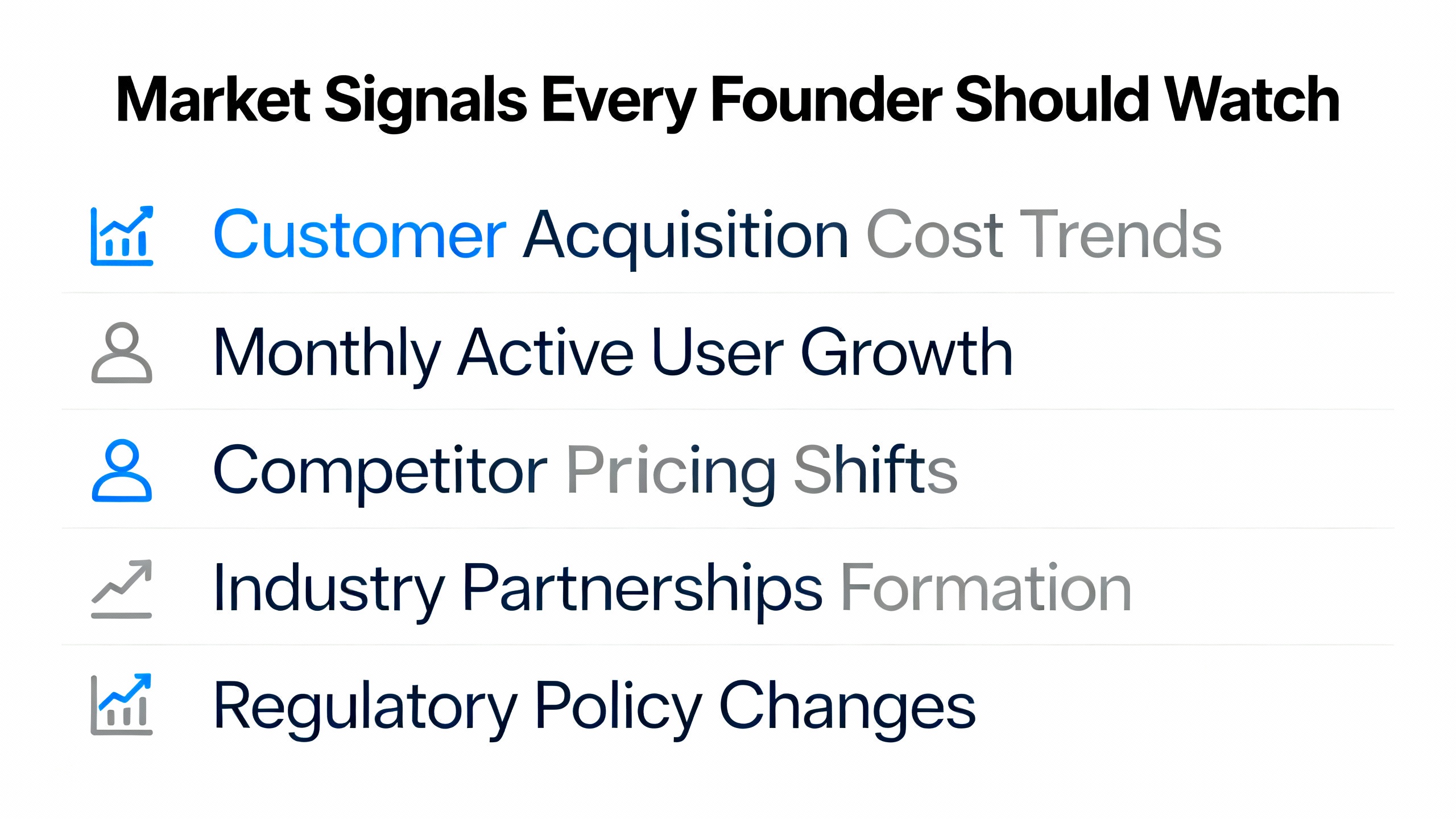
Market Signals Every Founder Should Watch

Before deciding what to print or ship, it helps to understand the macro picture. The numbers and qualitative signals in recent research converge on the same conclusion: personalization is a growth engine, especially when blended with sustainability and experiences.

Insight

Source

Key point

Market size and growth

Market Research Future

Personalized gifts around $32.2 billion in 2024, projected near $65.2 billion by 2035, with roughly mid‑single‑digit annual growth.

Short‑term expansion

Technavio

Additional $10.76 billion in market growth forecast between 2024 and 2029, at about 6.7 percent annual growth.

Category mix

Technavio

Non‑photo personalized gifts such as apparel, accessories, and home goods were valued at about $16.39 billion in 2023, up from roughly $14.77 billion in 2019.

Sustainability share

Technavio

Eco‑friendly personalized gifts already account for an estimated quarter of sales and are projected to grow rapidly.

Consumer expectations

Deloitte (via Social Imprints)

Around eighty‑plus percent of consumers are more likely to stay with brands that deliver personalized experiences.

For operators, two points matter most. First, online is the dominant distribution channel, driven by smartphone use, e‑commerce platforms, and intuitive design tools. That plays directly to on‑demand printing and dropshipping models. Second, eco‑friendly and sustainable personalized gifts are no longer a niche; Technavio notes they already represent a significant share of sales and could accelerate further in the next five years.

Combined with the documented seasonality of gifting demand, including spikes around occasions such as Mother’s Day, year‑end holidays, and corporate recognition events, this means your catalog and operations must be able to flex both up and down. Personalized gifting is a robust market, but it is far from even over the calendar.
Contemporary personalized products for print on demand businesses

What Contemporary Personalized Products Look Like

Personalization today spans far beyond monogrammed towels. The most resilient portfolios I see cover four broad layers: wearables, home and lifestyle items, tech and digital gifts, and experiential or hybrid offerings.

Wearables and Accessories

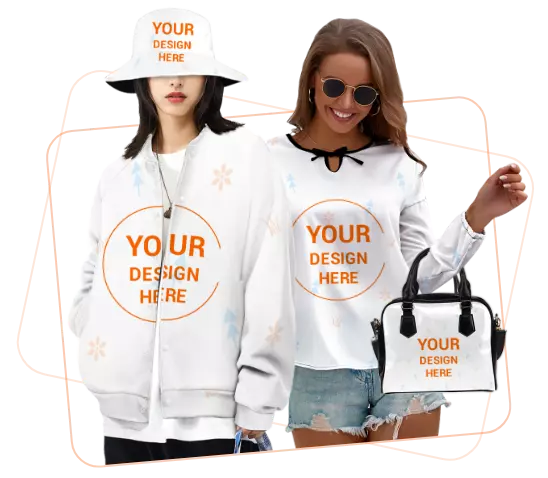
Wearables continue to be a powerhouse category because they blend visibility with emotional meaning. Wirecutter’s guide to personalized gifts highlights Converse Chuck Taylor sneakers as one example: nearly every component, from the canvas panels to the laces and eyelets, can be customized, and buyers can add embroidered initials on the heel. Kickflip’s own content shows similar patterns across customizable watches, bracelets, shoes, and socks, where color, materials, and engravings are configured online in a visual interface.

For print‑on‑demand entrepreneurs, this category aligns well with existing workflows. You can combine a design engine such as Kickflip or tools integrated by providers like PrintKK with on‑demand fulfillment to create unique apparel, hats, tote bags, and accessories without holding inventory. The advantage is high perceived value and frequent use; a personalized tote bag built with a meaningful quote or in‑joke, as described by Canva’s custom gift ideas, is likely to be used often and seen in daily life.

The trade‑offs are operational. Sizing, fit, and returns become more sensitive when an item has been customized. Production complexity grows as you add more variants. In my work with founders, I advise starting with a tight, clearly positioned capsule: perhaps one or two apparel silhouettes, a tote, and a hat, each with a small set of curated personalization options. That gives you depth of experience rather than a shallow, unmanageable spread.

Home, Lifestyle, Pets, and Kids

Personalized home and lifestyle items, from engraved water bottles to custom furniture, are meaningful because they live in the recipient’s environment. Gokickflip’s guide mentions customizable chairs, water bottles, ride‑on toys for toddlers, and premium pet leashes, all designed to mesh with lifestyle and décor. These categories often support higher average order values, because buyers are willing to pay more for durable items that feel uniquely theirs.

Child and pet gifts are particularly promising in personalized gifting research. Custom ride‑on toys, for example, help mark milestones, while engraved pet accessories acknowledge the emotional status of pets as family members. These products are also strong candidates for curated bundles, echoing Keeko Designs’ emphasis on gift sets such as outdoor adventure packs or hat‑and‑cooler combinations.

From an on‑demand standpoint, home goods and lifestyle products can be split between items you produce yourself and items fulfilled by specialist partners through dropshipping. The more utilitarian the item, the more critical quality control becomes. A custom mug is used every day; if the print fades after a handful of cycles in the dishwasher, the personalized message is undercut by the poor experience.

Tech and Digital Gifts

Technology gifts occupy a unique position. They are highly visible, frequently used, and often signal innovation. Boundless notes that tech gadgets are a leading and enduring trend in promotional gifting, spanning audio, mobile, and smart home categories. Gokickflip highlights customizable gaming controllers that can be configured down to colors and patterns, while xTool’s corporate gifting overview describes etched power banks, phone stands, and earbud cases.

On the digital side, Anuent and others point to gift certificates, subscriptions, audiobooks, and digital services as convenient, location‑independent gifts. Elegante Press emphasizes that even a gift certificate can be elevated into a premium, memorable gift when it is printed on thick stock, enhanced with foil or embossing, and packaged in an elegant envelope or box.

For a print‑on‑demand or dropshipping operator, tech and digital gifts are attractive because they often have standardized form factors, making personalization more straightforward. The challenge lies in keeping up with rapid product refresh cycles and ensuring compatibility across devices. Here, partnering with a specialized tech supplier or platform can help insulate your brand from obsolescence while you focus on personalization and presentation.

Experiential and Hybrid Gifts

Experiential gifting is the fastest‑evolving layer of personalized gifting and one that many physical‑product businesses overlook. ClassBento’s coverage of arts, crafts, and cooking workshops shows how gifts like pizza‑making classes, resin art, baking, moss art, latte art, and candle‑making experiences give recipients memories and new skills, often with a handmade keepsake to take home. AmazingCo goes further by outlining creative ways to wrap these digital or non‑physical experiences so they still feel exciting on the day, from treasure hunts to custom puzzles and themed props.

In corporate settings, Activate’s work with experience kits and Delta Airlines, Meta, and other brands, and One Experience’s on‑site pop‑up boutiques and drop‑ship marketplaces, illustrate how experiential gifting can be scaled. These experiences combine curated physical items, thoughtful packaging, and interactive elements such as QR codes and storytelling inserts. Tahoe Gifting Co sits in the same space with customizable welcome baskets and event gifting stations, blending online configuration tools with local, hands‑on presentation.

For on‑demand printing and dropshipping founders, the lesson is clear: you do not need to organize the entire workshop or trip yourself. You can specialize in the tangible layer around the experience. That might mean producing elevated gift certificates, designing countdown kits or clue envelopes, curating themed accessory bundles, or providing branded items that accompany a third‑party experience provider. This hybrid approach keeps you in your operational comfort zone while letting you participate in the higher‑margin experiential economy.

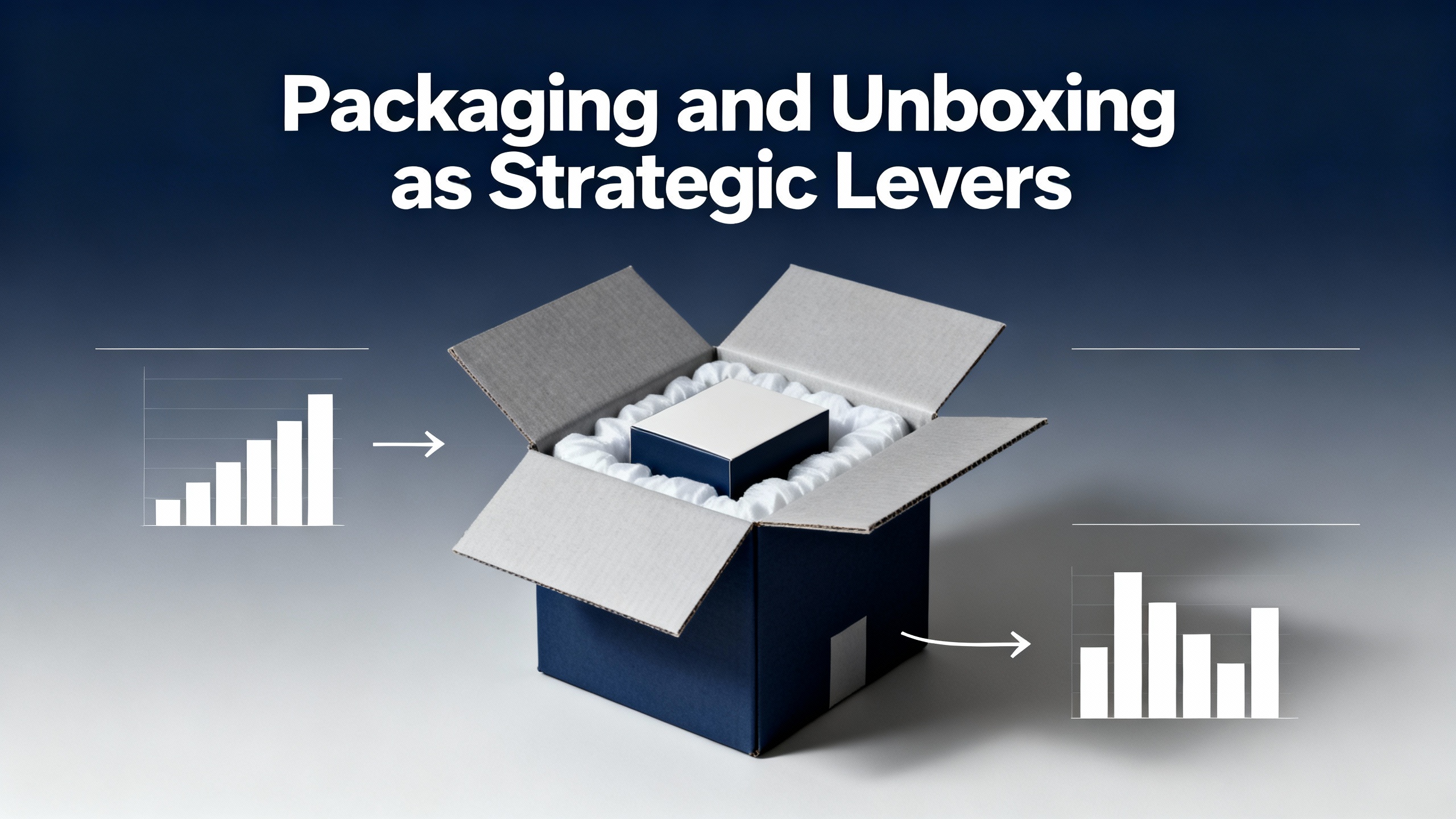
Packaging and Unboxing as Strategic Levers

In personalized gifting, the box is part of the product. Custom Packaging Pro, Keeko Designs, Khang Thanh, BloomsyBox, and Vistaprint all argue in different ways that packaging has become an experience in its own right. It affects perception, shareability, and even how recipients interpret the values behind a gift.

At the small‑business level, Custom Packaging Pro recommends festive, seasonal themes, layered unboxing, handwritten notes, eco‑friendly kraft boxes, subtle logo stamping, and clever features like windows or sleeves. Keeko Designs uses the term elevated unboxing to describe the use of branded inserts, custom mailer boxes, stickers, and QR codes so the opening moment is distinctive and shareable on social media. BloomsyBox extends this thinking into cultural sensitivity, noting that color palettes, motifs, and materials carry different meanings across markets and that collaborating with local artisans helps avoid stereotypes and tokenism.

Khang Thanh’s review of packaging trends for 2024 and 2025 adds nuance on materials and manufacturing. Sustainable kraft paper and recycled cardboard are foregrounded for their rustic look and eco‑friendly credentials, while minimalist yet luxurious boxes rely on high‑quality art papers, neutral palettes, and subtle finishing effects such as foil stamping and embossing. More experimental brands are experimenting with three‑dimensional boxes, storytelling graphics, and layered structures that turn unboxing into a narrative.

Vistaprint and 99designs take a design language perspective, identifying aesthetic trends such as ultra‑clean industrial minimalism, pure steel metallics, handcrafted “imprinted” looks, apothecary‑style heritage designs, and alt‑history packaging that blends archival imagery with modern type. For on‑demand and dropshipping sellers, the practical takeaway is to adopt a coherent visual system rather than chasing every trend. Choose one or two styles that match your brand story, then reuse them across products and seasons, updating details such as sleeves, stickers, or inserts rather than reinventing packaging from scratch.

From an operational standpoint, many print‑on‑demand and dropshipping suppliers will ship in their own standard packaging. You can still elevate the experience through branded inserts, custom tissue, stickers, or external sleeves that slide over a plain box. Tahoe Gifting Co demonstrates another route by using recycled, USA‑made wooden boxes and baskets with customizable tags, which allows them to mix sustainability with premium presentation.
Modern custom gift solutions for e-commerce founders

Designing Personalization That Truly Resonates

The biggest mistake I see in custom gifting is confusing personalization with printing a name on the nearest object. The more effective approach echoed across sources such as Patch & Bagel, Social Imprints, Bestowe, Boundless, Bishop‑McCann, and Tahoe Gifting Co starts from understanding the recipient and the context.

Patch & Bagel frames memorable custom gifts as those rooted in the recipient’s personality, hobbies, favorite colors, and inside jokes. They recommend bringing together several customized items, such as enamel pins, medals, magnets, and keychains, into a coherent narrative rather than scattering random customized trinkets. Social Imprints advises corporate senders to research client preferences, incorporate brand identity subtly, and align gifts with each client’s own policies and culture. That means understanding which categories are welcome or off limits and how much overt branding feels appropriate.

Bestowe and Activate emphasize usefulness and appropriateness. Gifts should fit into daily routines or provide consumable experiences such as locally sourced snacks or cooking kits. At the same time, they warn against options that are too personal or culturally insensitive, especially when dealing with international recipients. Group experiences like cocktail‑making kits or holiday baking boxes work well when timed to specific seasons and backed by platforms that handle logistics and compliance.

In my mentoring work, I encourage founders to develop a simple personalization playbook. First, define your core audience segments: for example, remote teams ordering care packages, parents buying for toddlers, or fans looking for sports memorabilia. Second, map personalization options that genuinely matter in each segment, such as sizing, colors, initials, or content themes. Third, define brand guidelines for how your logo and messaging appear across gifts and packaging so you avoid over‑branding. BoxUp Gifting’s guidance is helpful here: small, well‑placed marks, monochrome treatments, and high‑quality application go much further than loud, dominant logos.

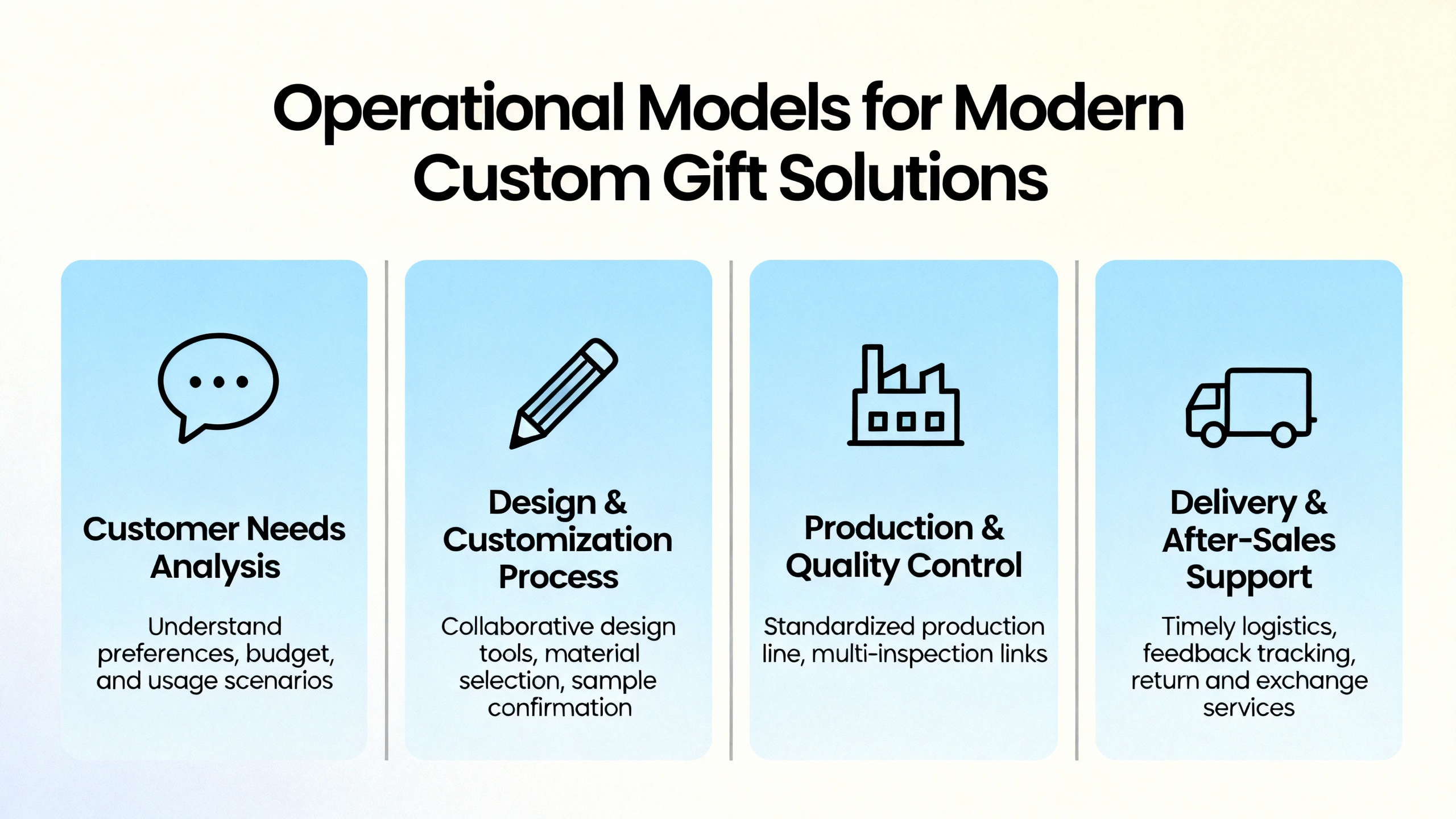
Operational Models for Modern Custom Gift Solutions

Contemporary personalized products are not only a design challenge; they are an operations challenge. The good news is that the on‑demand and dropshipping toolset is now mature enough to support complex personalization at scale if you architect it deliberately.

PrintKK’s guide to starting a personalized gift business outlines the core advantages of print‑on‑demand: items are produced only after orders arrive, eliminating inventory risk, and much of the production and fulfillment can be outsourced. Profitability comes from the premium consumers are willing to pay for personalization, while main costs shift toward platform fees, marketing, and shipping. The same guide stresses the importance of finding a narrow “sweet spot” of products, clarifying your ideal customer, calculating all‑in costs, and mapping the full production workflow from order to shipping.

Kickflip and similar product configurator platforms allow shoppers to visually design their gifts in real time, selecting colors, materials, engravings, or graphics. From a user‑experience standpoint, this reduces friction and increases confidence. From the operator’s side, it standardizes data capture for personalization, which is vital for automating production. PrintKK also notes that technology tools such as WooCommerce designers and AI‑driven artwork helpers can make it easier for founders without design backgrounds to offer professional‑looking customization.

At the enterprise level, Activate and One Experience show what mature, custom gifting operations look like. They combine curated product sourcing, on‑site or virtual experience design, global logistics, digital ordering portals, and rigorous KPIs. For an early‑stage on‑demand seller, the lesson is less about replicating that scale and more about adopting their mindset: treat gifting as an end‑to‑end experience with measurable outcomes, not as an afterthought.

If you are running a purely online print‑on‑demand store today, a realistic path is to start with a focused personalized catalog, add a simple configurator, then layer in small experiential touches over time. That might look like themed boxes with QR codes linking to thank‑you videos, collaboration with local artisans for limited‑run components, or partner experience vouchers packaged in elevated printed certificates.
Sustainable personalized gifts market growth projections

Measuring Impact and Managing Seasonality

Given the investment required in design, tooling, and packaging, you should expect personalized gifting to prove itself through outcomes rather than assumptions. Activate recommends tracking client retention, sales pipeline growth, referrals, lifetime value, brand sentiment, social media engagement, employee satisfaction, and turnover when evaluating corporate gifting campaigns. While not every entrepreneur has access to that full dashboard on day one, you can start with smaller signals such as repeat purchase rate, net promoter score, social mentions, and reorders from the same corporate client.

Technavio highlights the structural seasonality of personalized gifting, pointing out spikes such as a reported twenty percent year‑on‑year increase in personalized gift sales during the Mother’s Day period in one recent year. Another example cited is a customized eco‑friendly gift basket company that achieved a fifteen percent sales lift over a holiday season by emphasizing sustainable, locally sourced items. American Greetings reported a similar fifteen percent rise in a holiday season after promoting personalized gifts. These cases underline both the upside and the risk. If your operations are not prepared for seasonal surges, you may suffer delays, quality issues, and negative reviews precisely when demand is highest.

The practical response is to plan capacity ahead of peak seasons, pre‑design templates and packaging, and create clear communication about lead times. Keeko Designs advises planning for production time and ensuring packaging is gift‑ready, while Anuent encourages creating curated gift guides by audience and occasion to help customers choose faster and reduce last‑minute chaos. In my own work with founders, I have seen the value of building a “holiday playbook” months in advance, including which products to promote, how to staff production, and how to set realistic cut‑off dates for on‑time delivery.

Frequently Asked Questions: Building a Personalized Gift Line

Is personalization just about adding names to products?

Adding a name or initials is one form of personalization, but it is only the starting point. The more impactful personalized gifts described by Patch & Bagel, Keeko Designs, and others reflect the recipient’s hobbies, aesthetics, milestones, values, and even inside jokes. Color choices, graphic themes, product combinations, packaging messages, and the story you tell about the gift all contribute to personalization. When you design your catalog, think about which options genuinely change the meaning of the gift rather than just adding text.

How can a small on‑demand store compete with large corporate gifting providers?

You will not out‑logistic a global gifting agency, and you do not need to. Instead, compete on depth and relevance within a defined niche. That might be locally themed gifts, eco‑conscious bundles, gifts for remote teams, or experiential accessories such as elevated certificates and countdown kits. Tahoe Gifting Co shows how a regional specialist can thrive with highly personal, locally informed gifts and eco‑conscious packaging, while PrintKK demonstrates how technology can give small sellers access to wide catalogs without holding stock. Focus on sharper targeting, stronger storytelling, and consistent quality, and use specialist partners when you need more complex logistics or experiences.

How do I maintain brand visibility without making gifts feel like promotional swag?

Multiple sources, including Social Imprints, Bestowe, BoxUp Gifting, and Activate, converge on the same recommendation: keep branding subtle and professional. Use small, well‑placed logos, brand colors in trims or ribbons, and thoughtful inserts that explain your values rather than large, loud marks that dominate the gift. High product quality and refined packaging do more for your brand than oversized logos. Remember that the goal is for the recipient to feel seen and appreciated; if your branding overwhelms that feeling, the gift becomes an advertisement rather than a relationship builder.

Closing Thoughts for Founders

Modern personalized gifts are no longer an edge case in e‑commerce; they are quickly becoming the default expectation. The research is clear, and the market is moving in favor of meaning, sustainability, and experiences. For print‑on‑demand and dropshipping entrepreneurs, this is an invitation to graduate from generic merch to contemporary custom gift solutions that people remember and talk about.

If you treat each product as part of a designed gifting experience, align your personalization options with real audience insight, and build an operations stack that can survive peak seasons, you will be well positioned to ride this wave of growth rather than chasing it from behind.

References

  1. https://blog.bishopmccann.com/14-unique-client-gifting-ideas
  2. https://classbento.com/experiential-gifts-that-make-unique-presents?srsltid=AfmBOooiRFpjblMcC0SyAd2xNMCn9pd18bA3gBmzt-KqNTQUnI1Y9NJa
  3. https://www.one-experience.com/
  4. https://www.activateexp.com/blog/corporate-gifting-solutions
  5. https://custompackagingpro.com/blog/gift-boxes-for-small-businesses-10-personalization-trends
  6. https://www.elegantepress.com/how-to-create-unique-experience-with-exceptional-looking-gift-certificates/
  7. https://gokickflip.com/blog/custom-gifts-ideas
  8. https://www.marketresearchfuture.com/reports/personalized-gifts-market-10348
  9. https://www.technavio.com/report/personalized-gifts-market-size-industry-analysis
  10. https://www.vistaprint.com/hub/packaging-design-trends?srsltid=AfmBOopvqpJk9F5QYu-95RvO3p_UzzGBVRL6FGJ0NU8pljwuRw0qLZpB

Like the article

0
Contemporary Personalized Products: Modern Custom Gift Solutions

Contemporary Personalized Products: Modern Custom Gift Solutions

Personalized gifting has shifted from a clever add‑on to a structural force inside the global gift and merchandising industry. As a mentor to founders in print‑on‑demand and dropshipping, I see the same pattern repeatedly: the brands that win are those that treat personalization as a full experience, not just a name on a mug. The data backs this up. Research from Market Research Future estimates the personalized gifts market at about $32.2 billion in 2024 and projects it could approach $65.2 billion by 2035, with steady growth over the decade. Technavio similarly expects the sector to expand by roughly $10.76 billion between 2024 and 2029 at an annual rate of about 6.7 percent.

This is not a fad. It is a long-term shift in how consumers and companies communicate identity, appreciation, and belonging through products and experiences. If you run an on‑demand printing or dropshipping business, this is an opportunity hiding in plain sight. The challenge is not demand; it is designing modern custom gift solutions that feel genuinely personal while remaining operationally sound at scale.

The New Personalized Gift Landscape

At its core, a personalized gift is any product or experience that has been tailored to the recipient’s identity, story, or preferences. Market analysts describe this category broadly, covering home décor, apparel, jewelry, photo books, and keepsakes that carry names, messages, colors, or design elements chosen by the buyer. Research from Market Research Future and Technavio both highlight personalized apparel and accessories as especially dynamic segments, with non‑photo personalized items such as clothing, hats, home goods, and stationery forming the largest slice of current revenue.

The shift is cultural as much as technological. Keeko Designs characterizes 2025 gifting trends as driven by meaning and experience rather than objects alone, with buyers asking where materials come from and how long products will last. Gen Z and Millennials, in particular, prioritize authenticity, bold customization, inclusive styles, and sustainable choices over mass‑produced, generic items. That matches what Deloitte has found more broadly: around eight in ten consumers say they are more likely to continue doing business with brands that offer personalized experiences.

This cultural tilt toward personal meaning is not limited to consumer gifting. Corporate gifting, which Anuent describes as a multi‑billion‑dollar global practice, is undergoing the same transformation. Companies are moving away from one‑size‑fits‑all swag and toward custom, recipient‑specific gifts and experiences that express values, support wellness, and strengthen relationships with employees, clients, and partners.

Market Signals Every Founder Should Watch

Before deciding what to print or ship, it helps to understand the macro picture. The numbers and qualitative signals in recent research converge on the same conclusion: personalization is a growth engine, especially when blended with sustainability and experiences.

Insight

Source

Key point

Market size and growth

Market Research Future

Personalized gifts around $32.2 billion in 2024, projected near $65.2 billion by 2035, with roughly mid‑single‑digit annual growth.

Short‑term expansion

Technavio

Additional $10.76 billion in market growth forecast between 2024 and 2029, at about 6.7 percent annual growth.

Category mix

Technavio

Non‑photo personalized gifts such as apparel, accessories, and home goods were valued at about $16.39 billion in 2023, up from roughly $14.77 billion in 2019.

Sustainability share

Technavio

Eco‑friendly personalized gifts already account for an estimated quarter of sales and are projected to grow rapidly.

Consumer expectations

Deloitte (via Social Imprints)

Around eighty‑plus percent of consumers are more likely to stay with brands that deliver personalized experiences.

For operators, two points matter most. First, online is the dominant distribution channel, driven by smartphone use, e‑commerce platforms, and intuitive design tools. That plays directly to on‑demand printing and dropshipping models. Second, eco‑friendly and sustainable personalized gifts are no longer a niche; Technavio notes they already represent a significant share of sales and could accelerate further in the next five years.

Combined with the documented seasonality of gifting demand, including spikes around occasions such as Mother’s Day, year‑end holidays, and corporate recognition events, this means your catalog and operations must be able to flex both up and down. Personalized gifting is a robust market, but it is far from even over the calendar.

Contemporary personalized products for print on demand businesses

What Contemporary Personalized Products Look Like

Personalization today spans far beyond monogrammed towels. The most resilient portfolios I see cover four broad layers: wearables, home and lifestyle items, tech and digital gifts, and experiential or hybrid offerings.

Wearables and Accessories

Wearables continue to be a powerhouse category because they blend visibility with emotional meaning. Wirecutter’s guide to personalized gifts highlights Converse Chuck Taylor sneakers as one example: nearly every component, from the canvas panels to the laces and eyelets, can be customized, and buyers can add embroidered initials on the heel. Kickflip’s own content shows similar patterns across customizable watches, bracelets, shoes, and socks, where color, materials, and engravings are configured online in a visual interface.

For print‑on‑demand entrepreneurs, this category aligns well with existing workflows. You can combine a design engine such as Kickflip or tools integrated by providers like PrintKK with on‑demand fulfillment to create unique apparel, hats, tote bags, and accessories without holding inventory. The advantage is high perceived value and frequent use; a personalized tote bag built with a meaningful quote or in‑joke, as described by Canva’s custom gift ideas, is likely to be used often and seen in daily life.

The trade‑offs are operational. Sizing, fit, and returns become more sensitive when an item has been customized. Production complexity grows as you add more variants. In my work with founders, I advise starting with a tight, clearly positioned capsule: perhaps one or two apparel silhouettes, a tote, and a hat, each with a small set of curated personalization options. That gives you depth of experience rather than a shallow, unmanageable spread.

Home, Lifestyle, Pets, and Kids

Personalized home and lifestyle items, from engraved water bottles to custom furniture, are meaningful because they live in the recipient’s environment. Gokickflip’s guide mentions customizable chairs, water bottles, ride‑on toys for toddlers, and premium pet leashes, all designed to mesh with lifestyle and décor. These categories often support higher average order values, because buyers are willing to pay more for durable items that feel uniquely theirs.

Child and pet gifts are particularly promising in personalized gifting research. Custom ride‑on toys, for example, help mark milestones, while engraved pet accessories acknowledge the emotional status of pets as family members. These products are also strong candidates for curated bundles, echoing Keeko Designs’ emphasis on gift sets such as outdoor adventure packs or hat‑and‑cooler combinations.

From an on‑demand standpoint, home goods and lifestyle products can be split between items you produce yourself and items fulfilled by specialist partners through dropshipping. The more utilitarian the item, the more critical quality control becomes. A custom mug is used every day; if the print fades after a handful of cycles in the dishwasher, the personalized message is undercut by the poor experience.

Tech and Digital Gifts

Technology gifts occupy a unique position. They are highly visible, frequently used, and often signal innovation. Boundless notes that tech gadgets are a leading and enduring trend in promotional gifting, spanning audio, mobile, and smart home categories. Gokickflip highlights customizable gaming controllers that can be configured down to colors and patterns, while xTool’s corporate gifting overview describes etched power banks, phone stands, and earbud cases.

On the digital side, Anuent and others point to gift certificates, subscriptions, audiobooks, and digital services as convenient, location‑independent gifts. Elegante Press emphasizes that even a gift certificate can be elevated into a premium, memorable gift when it is printed on thick stock, enhanced with foil or embossing, and packaged in an elegant envelope or box.

For a print‑on‑demand or dropshipping operator, tech and digital gifts are attractive because they often have standardized form factors, making personalization more straightforward. The challenge lies in keeping up with rapid product refresh cycles and ensuring compatibility across devices. Here, partnering with a specialized tech supplier or platform can help insulate your brand from obsolescence while you focus on personalization and presentation.

Experiential and Hybrid Gifts

Experiential gifting is the fastest‑evolving layer of personalized gifting and one that many physical‑product businesses overlook. ClassBento’s coverage of arts, crafts, and cooking workshops shows how gifts like pizza‑making classes, resin art, baking, moss art, latte art, and candle‑making experiences give recipients memories and new skills, often with a handmade keepsake to take home. AmazingCo goes further by outlining creative ways to wrap these digital or non‑physical experiences so they still feel exciting on the day, from treasure hunts to custom puzzles and themed props.

In corporate settings, Activate’s work with experience kits and Delta Airlines, Meta, and other brands, and One Experience’s on‑site pop‑up boutiques and drop‑ship marketplaces, illustrate how experiential gifting can be scaled. These experiences combine curated physical items, thoughtful packaging, and interactive elements such as QR codes and storytelling inserts. Tahoe Gifting Co sits in the same space with customizable welcome baskets and event gifting stations, blending online configuration tools with local, hands‑on presentation.

For on‑demand printing and dropshipping founders, the lesson is clear: you do not need to organize the entire workshop or trip yourself. You can specialize in the tangible layer around the experience. That might mean producing elevated gift certificates, designing countdown kits or clue envelopes, curating themed accessory bundles, or providing branded items that accompany a third‑party experience provider. This hybrid approach keeps you in your operational comfort zone while letting you participate in the higher‑margin experiential economy.

Packaging and Unboxing as Strategic Levers

In personalized gifting, the box is part of the product. Custom Packaging Pro, Keeko Designs, Khang Thanh, BloomsyBox, and Vistaprint all argue in different ways that packaging has become an experience in its own right. It affects perception, shareability, and even how recipients interpret the values behind a gift.

At the small‑business level, Custom Packaging Pro recommends festive, seasonal themes, layered unboxing, handwritten notes, eco‑friendly kraft boxes, subtle logo stamping, and clever features like windows or sleeves. Keeko Designs uses the term elevated unboxing to describe the use of branded inserts, custom mailer boxes, stickers, and QR codes so the opening moment is distinctive and shareable on social media. BloomsyBox extends this thinking into cultural sensitivity, noting that color palettes, motifs, and materials carry different meanings across markets and that collaborating with local artisans helps avoid stereotypes and tokenism.

Khang Thanh’s review of packaging trends for 2024 and 2025 adds nuance on materials and manufacturing. Sustainable kraft paper and recycled cardboard are foregrounded for their rustic look and eco‑friendly credentials, while minimalist yet luxurious boxes rely on high‑quality art papers, neutral palettes, and subtle finishing effects such as foil stamping and embossing. More experimental brands are experimenting with three‑dimensional boxes, storytelling graphics, and layered structures that turn unboxing into a narrative.

Vistaprint and 99designs take a design language perspective, identifying aesthetic trends such as ultra‑clean industrial minimalism, pure steel metallics, handcrafted “imprinted” looks, apothecary‑style heritage designs, and alt‑history packaging that blends archival imagery with modern type. For on‑demand and dropshipping sellers, the practical takeaway is to adopt a coherent visual system rather than chasing every trend. Choose one or two styles that match your brand story, then reuse them across products and seasons, updating details such as sleeves, stickers, or inserts rather than reinventing packaging from scratch.

From an operational standpoint, many print‑on‑demand and dropshipping suppliers will ship in their own standard packaging. You can still elevate the experience through branded inserts, custom tissue, stickers, or external sleeves that slide over a plain box. Tahoe Gifting Co demonstrates another route by using recycled, USA‑made wooden boxes and baskets with customizable tags, which allows them to mix sustainability with premium presentation.

Modern custom gift solutions for e-commerce founders

Designing Personalization That Truly Resonates

The biggest mistake I see in custom gifting is confusing personalization with printing a name on the nearest object. The more effective approach echoed across sources such as Patch & Bagel, Social Imprints, Bestowe, Boundless, Bishop‑McCann, and Tahoe Gifting Co starts from understanding the recipient and the context.

Patch & Bagel frames memorable custom gifts as those rooted in the recipient’s personality, hobbies, favorite colors, and inside jokes. They recommend bringing together several customized items, such as enamel pins, medals, magnets, and keychains, into a coherent narrative rather than scattering random customized trinkets. Social Imprints advises corporate senders to research client preferences, incorporate brand identity subtly, and align gifts with each client’s own policies and culture. That means understanding which categories are welcome or off limits and how much overt branding feels appropriate.

Bestowe and Activate emphasize usefulness and appropriateness. Gifts should fit into daily routines or provide consumable experiences such as locally sourced snacks or cooking kits. At the same time, they warn against options that are too personal or culturally insensitive, especially when dealing with international recipients. Group experiences like cocktail‑making kits or holiday baking boxes work well when timed to specific seasons and backed by platforms that handle logistics and compliance.

In my mentoring work, I encourage founders to develop a simple personalization playbook. First, define your core audience segments: for example, remote teams ordering care packages, parents buying for toddlers, or fans looking for sports memorabilia. Second, map personalization options that genuinely matter in each segment, such as sizing, colors, initials, or content themes. Third, define brand guidelines for how your logo and messaging appear across gifts and packaging so you avoid over‑branding. BoxUp Gifting’s guidance is helpful here: small, well‑placed marks, monochrome treatments, and high‑quality application go much further than loud, dominant logos.

Operational Models for Modern Custom Gift Solutions

Contemporary personalized products are not only a design challenge; they are an operations challenge. The good news is that the on‑demand and dropshipping toolset is now mature enough to support complex personalization at scale if you architect it deliberately.

PrintKK’s guide to starting a personalized gift business outlines the core advantages of print‑on‑demand: items are produced only after orders arrive, eliminating inventory risk, and much of the production and fulfillment can be outsourced. Profitability comes from the premium consumers are willing to pay for personalization, while main costs shift toward platform fees, marketing, and shipping. The same guide stresses the importance of finding a narrow “sweet spot” of products, clarifying your ideal customer, calculating all‑in costs, and mapping the full production workflow from order to shipping.

Kickflip and similar product configurator platforms allow shoppers to visually design their gifts in real time, selecting colors, materials, engravings, or graphics. From a user‑experience standpoint, this reduces friction and increases confidence. From the operator’s side, it standardizes data capture for personalization, which is vital for automating production. PrintKK also notes that technology tools such as WooCommerce designers and AI‑driven artwork helpers can make it easier for founders without design backgrounds to offer professional‑looking customization.

At the enterprise level, Activate and One Experience show what mature, custom gifting operations look like. They combine curated product sourcing, on‑site or virtual experience design, global logistics, digital ordering portals, and rigorous KPIs. For an early‑stage on‑demand seller, the lesson is less about replicating that scale and more about adopting their mindset: treat gifting as an end‑to‑end experience with measurable outcomes, not as an afterthought.

If you are running a purely online print‑on‑demand store today, a realistic path is to start with a focused personalized catalog, add a simple configurator, then layer in small experiential touches over time. That might look like themed boxes with QR codes linking to thank‑you videos, collaboration with local artisans for limited‑run components, or partner experience vouchers packaged in elevated printed certificates.

Sustainable personalized gifts market growth projections

Measuring Impact and Managing Seasonality

Given the investment required in design, tooling, and packaging, you should expect personalized gifting to prove itself through outcomes rather than assumptions. Activate recommends tracking client retention, sales pipeline growth, referrals, lifetime value, brand sentiment, social media engagement, employee satisfaction, and turnover when evaluating corporate gifting campaigns. While not every entrepreneur has access to that full dashboard on day one, you can start with smaller signals such as repeat purchase rate, net promoter score, social mentions, and reorders from the same corporate client.

Technavio highlights the structural seasonality of personalized gifting, pointing out spikes such as a reported twenty percent year‑on‑year increase in personalized gift sales during the Mother’s Day period in one recent year. Another example cited is a customized eco‑friendly gift basket company that achieved a fifteen percent sales lift over a holiday season by emphasizing sustainable, locally sourced items. American Greetings reported a similar fifteen percent rise in a holiday season after promoting personalized gifts. These cases underline both the upside and the risk. If your operations are not prepared for seasonal surges, you may suffer delays, quality issues, and negative reviews precisely when demand is highest.

The practical response is to plan capacity ahead of peak seasons, pre‑design templates and packaging, and create clear communication about lead times. Keeko Designs advises planning for production time and ensuring packaging is gift‑ready, while Anuent encourages creating curated gift guides by audience and occasion to help customers choose faster and reduce last‑minute chaos. In my own work with founders, I have seen the value of building a “holiday playbook” months in advance, including which products to promote, how to staff production, and how to set realistic cut‑off dates for on‑time delivery.

Frequently Asked Questions: Building a Personalized Gift Line

Is personalization just about adding names to products?

Adding a name or initials is one form of personalization, but it is only the starting point. The more impactful personalized gifts described by Patch & Bagel, Keeko Designs, and others reflect the recipient’s hobbies, aesthetics, milestones, values, and even inside jokes. Color choices, graphic themes, product combinations, packaging messages, and the story you tell about the gift all contribute to personalization. When you design your catalog, think about which options genuinely change the meaning of the gift rather than just adding text.

How can a small on‑demand store compete with large corporate gifting providers?

You will not out‑logistic a global gifting agency, and you do not need to. Instead, compete on depth and relevance within a defined niche. That might be locally themed gifts, eco‑conscious bundles, gifts for remote teams, or experiential accessories such as elevated certificates and countdown kits. Tahoe Gifting Co shows how a regional specialist can thrive with highly personal, locally informed gifts and eco‑conscious packaging, while PrintKK demonstrates how technology can give small sellers access to wide catalogs without holding stock. Focus on sharper targeting, stronger storytelling, and consistent quality, and use specialist partners when you need more complex logistics or experiences.

How do I maintain brand visibility without making gifts feel like promotional swag?

Multiple sources, including Social Imprints, Bestowe, BoxUp Gifting, and Activate, converge on the same recommendation: keep branding subtle and professional. Use small, well‑placed logos, brand colors in trims or ribbons, and thoughtful inserts that explain your values rather than large, loud marks that dominate the gift. High product quality and refined packaging do more for your brand than oversized logos. Remember that the goal is for the recipient to feel seen and appreciated; if your branding overwhelms that feeling, the gift becomes an advertisement rather than a relationship builder.

Closing Thoughts for Founders

Modern personalized gifts are no longer an edge case in e‑commerce; they are quickly becoming the default expectation. The research is clear, and the market is moving in favor of meaning, sustainability, and experiences. For print‑on‑demand and dropshipping entrepreneurs, this is an invitation to graduate from generic merch to contemporary custom gift solutions that people remember and talk about.

If you treat each product as part of a designed gifting experience, align your personalization options with real audience insight, and build an operations stack that can survive peak seasons, you will be well positioned to ride this wave of growth rather than chasing it from behind.

References

  1. https://blog.bishopmccann.com/14-unique-client-gifting-ideas
  2. https://classbento.com/experiential-gifts-that-make-unique-presents?srsltid=AfmBOooiRFpjblMcC0SyAd2xNMCn9pd18bA3gBmzt-KqNTQUnI1Y9NJa
  3. https://www.one-experience.com/
  4. https://www.activateexp.com/blog/corporate-gifting-solutions
  5. https://custompackagingpro.com/blog/gift-boxes-for-small-businesses-10-personalization-trends
  6. https://www.elegantepress.com/how-to-create-unique-experience-with-exceptional-looking-gift-certificates/
  7. https://gokickflip.com/blog/custom-gifts-ideas
  8. https://www.marketresearchfuture.com/reports/personalized-gifts-market-10348
  9. https://www.technavio.com/report/personalized-gifts-market-size-industry-analysis
  10. https://www.vistaprint.com/hub/packaging-design-trends?srsltid=AfmBOopvqpJk9F5QYu-95RvO3p_UzzGBVRL6FGJ0NU8pljwuRw0qLZpB

Like the article

0