

Custom Gifts That Calm: Easing Holiday Anxiety For Children In Divorced Families

Custom Gifts That Calm: Easing Holiday Anxiety For Children In Divorced Families

Dec 25, 2025 by Iris POD e-Commerce 101

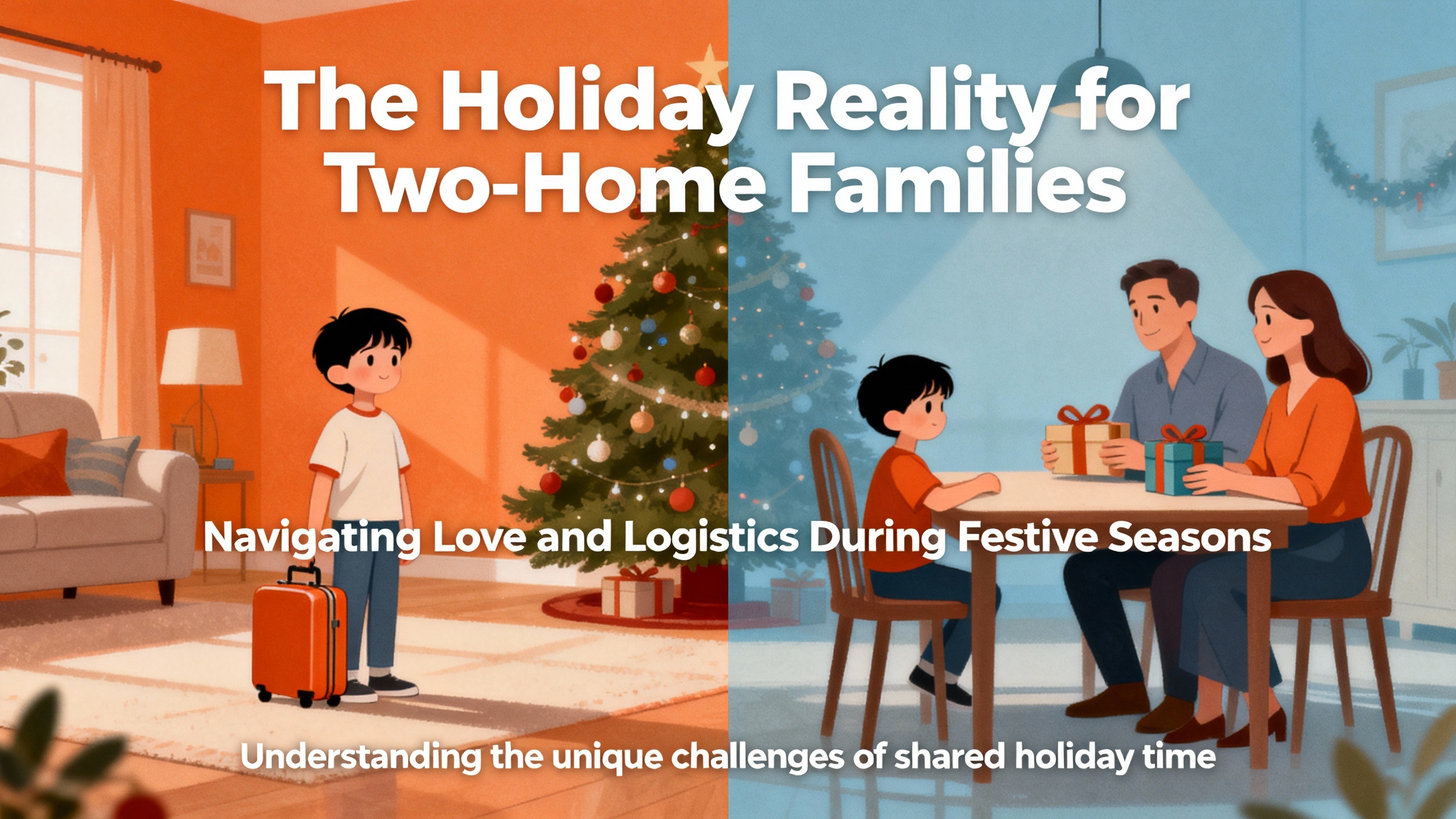
The Holiday Reality For Two-Home Families

If you sell custom products in the on‑demand printing or dropshipping space, you already know that the holidays are emotionally charged. For children in divorced or separated families, that emotional load is even heavier. Schedules change, routines are disrupted, and kids are constantly reminded that their family does not look like the idealized scenes in holiday movies.

In mentoring founders over the years, I have seen the same pattern: parents and caregivers want to use gifts to “fix” a hard season. The truth, echoed by child therapists and family counselors, is that no toy or product replaces consistent, caring connection. A therapist‑run practice focused on child development points out that even in the busiest seasons, what matters most is protected one‑on‑one time where the child feels seen, not managed.

That does not make your products irrelevant. It reframes their purpose. The most valuable holiday gifts for children in divorced families are not distractions. They are tools that support emotional regulation, anchor a child’s sense of identity across two homes, and give both households a concrete way to say, “You belong, and you are safe with me.” Custom gifts are uniquely positioned to play that role when they are designed with care and grounded in what we know about child development.
Personalized presents for kids in divorced families

Why Personalized And Therapeutic Gifts Matter

Personalized Gifts As Emotional Anchors

Personalized gifts are more than a trend. A podcast from the Born to Be Wealthy Foundation defines personalized gifts as items tailored to a child’s unique personality, interests, and life circumstances, rather than generic, one‑size‑fits‑all products. The host emphasizes that these gifts can have outsized impact on self‑esteem and belonging because they signal, “I notice who you really are.” In low‑resource or emotionally strained environments, that signal is even more powerful.

Broader research on personalization backs this up. An analysis of personalized toys and gifts notes that about 70% of consumers prefer personalized gifts, and 85% of recipients report feeling more valued when a gift is tailored to them. The same research reports that children are roughly 30–50% more engaged with toys that are customized to their interests or include their name, and that around 68% of kids form stronger bonds with toys that feature their name or favorite characters. Another study cited there found that about 80% of people keep personalized gifts for more than five years, which tells you how long these items can carry emotional weight.

For children moving between two homes, those numbers translate into something very practical. A personalized blanket that lives on their bed in each house, a storybook where they are the main character, or a sensory kit printed with their name can become an emotional anchor. It is a tangible reminder that they are the same loved person in both spaces.

Personalized Storybooks And Self‑Identity

Personalized storybooks are an especially strong category. Research summarized by child‑development and literacy organizations shows that when children see themselves in stories, motivation to read can increase by about 35 percent. A study referenced by the Journal of Child Development found around a 42 percent rise in children’s willingness to tackle new challenges after reading stories featuring their own name and traits. Another intervention reported by the National Institute of Child Psychology saw roughly a 50 percent increase in positive self‑perception for children ages three to eight after using personalized stories.

The benefits go beyond literacy. A Global Child Wellbeing Study connects exposure to customizable books that reflect varied life experiences with social‑emotional growth and around 30 percent higher scores on empathy tests. Parents notice the difference too. About 75 percent report better engagement during reading time when books are personalized, and education researchers have found roughly 40 percent improvements in literacy outcomes when customized storybooks are integrated into programs.

For a child caught between two households, that combination of identity reinforcement, courage, and empathy is exactly what you want to support. A storybook that reflects their name, traditions, and even subtle details of their family structure can quietly validate their reality at a time when everything else feels loud and confusing.

Therapeutic And Sensory Gifts As Coping Tools

On the therapeutic side, several counseling‑focused organizations describe “therapeutic gifts” as toys or tools that support emotional regulation, mindfulness, sensory calming, creativity, and connection. These are not clinical devices; they are kid‑friendly items that make coping skills tangible.

One counseling practice highlights weighted stuffed animals, lap pads, and other deep‑pressure objects that provide comfort and help children calm their bodies. They also recommend items like Tangle fidgets, Play‑Doh, expandable breathing balls, and liquid timers to help kids manage “big feelings” through movement, squeezing, and visual focus. Another resource aimed at stress management for kids emphasizes that gifts that keep hands busy, engage the senses, or promote movement can help children self‑regulate, especially during overstimulating holiday periods.

A parent‑author who raises anxious and twice‑exceptional children explains how functional gifts like multiple nightlights, light‑up stuffed animals, white‑noise machines, chewable jewelry, weighted blankets, and small “pocket friends” make a practical difference. These items normalize anxiety, create predictable routines, and give kids discreet tools they can carry into dark hallways, new bedrooms, or long car rides between homes.

Taken together, this body of practical experience and research suggests a clear design direction. Personalized gifts can say “you matter” while therapeutic gifts say “your feelings are manageable.” When you merge the two thoughtfully, you create products that support anxious children in divorced families far beyond a single holiday morning.

High‑Impact Custom Gift Categories For Anxious Kids In Divorced Families

Personalized Storybooks That Reflect Their Real Life

For ecommerce founders, personalized books should be at the top of the roadmap. High‑quality products in this space already allow customization of the child’s name, family members, settings, photos, and messages, turning a standard book into a unique narrative. The global personalized book market is projected to reach about $1.5 billion by 2025, driven largely by ecommerce and consumer demand for emotionally resonant products.

For children in divorced families, the opportunity is to go beyond generic “holiday magic” plots and create stories that normalize two homes, blended families, or new traditions. Research on multicultural and tailored personalization shows that when stories reflect a child’s heritage, language, and lived experience, classroom engagement can rise by around 60 percent. The same logic applies to family structure. Representation is not a buzzword here; it is an engagement driver and a mental‑health support.

From a benefits perspective, personalized books can boost reading motivation, strengthen self‑concept, and enhance empathy. They also create a low‑pressure context for caregivers in both homes to sit down, read, and talk about feelings without launching into a “serious conversation.” A book can carry a message from one household to the other simply by sitting on the child’s shelf.

There are constraints to manage. Personalized books often carry higher production costs and longer lead times, with typical prices around 50. Some newer titles incorporate augmented reality features, and experts note that while AR can increase engagement, it also raises legitimate questions about screen time and accessibility. Content design must be culturally sensitive and inclusive; the same is true for how you depict family structures. If you oversimplify or erase parts of a child’s reality, the book can backfire.

From a print‑on‑demand perspective, the operational play is clear. Build a frictionless customization flow with real‑time previews. Offer options that allow co‑parents to each create versions that reflect their time with the child without undermining the other parent. Make lead times and holiday cutoffs explicit to avoid disappointment for anxious kids who are already bracing for letdowns.

Custom Comfort Objects And Weighted Companions

Weighted toys and comfort objects sit at the intersection of sensory support and emotional security. Counseling practices describe weighted stuffed animals, lap pads, and blankets as tools that provide deep‑pressure input, which many children find calming. Features like removable heat pads or calming scents are often used to make bedtime or homework time less stressful.

In the custom‑gifting context, a weighted plush with the child’s name, a symbol they love, or a short affirmation can become a trusted companion in both homes. A child who has a matching bear on each bed may feel a little less like they are “starting over” every time they switch houses. Similarly, a name‑embroidered weighted blanket can create a portable sense of “this is my spot” on any couch or in any guest room.

There are practical considerations. Weighted products are heavier to ship, which affects dropshipping margins and timelines. Safety is critical; age recommendations and weight guidelines must be clear, and your product descriptions should avoid medical claims. This is where partnering with occupational therapists or consulting existing guidance from therapy‑oriented organizations can help you position the product responsibly.

Done well, these products offer a strong value proposition. They are long‑lasting, used daily, and deeply associated with comfort. Given research indicating that personalized gifts are kept for many years and that customized toys improve engagement and attachment, investing in durable materials and classic designs is smart both for the child and your brand.

Sensory And Fidget Kits Designed For Transitions

Sensory play and movement are consistently highlighted in stress‑management guides for kids. One resource on coping skills emphasizes water‑based writing boards where children paint with water and watch it evaporate, giving a literal “clean slate” feeling. Others recommend sensory trays, water beads, and squeezable putties that keep hands busy and provide calming tactile feedback. A hand trampoline is mentioned as a tool that can safely channel high energy or gently activate low‑energy kids.

Therapeutic practices add portable tools like Tangle fidgets, Play‑Doh, breathing balls, and liquid timers to the mix, describing them as ways to help kids sustain attention, visualize their breath, and ride out intense emotions. A blog for parents of anxious children notes that many kids feel more comfortable carrying small “pocket friends” or objects—everything from action figures to small cubes—that function as both comfort items and social icebreakers.

For children shuttling between households, these tools are especially useful during transitions: car rides, overnights in a new bedroom, waiting rooms, or hand‑off moments in parking lots. As a seller, you can package them into branded “worry kits” in customized pouches or tins with the child’s name or favorite motif printed on the outside. Inside, you include a curated mix of fidgets, putties, mini water timers, or small breathing aids, along with a simple printed card explaining how to use them.

The benefits include improved self‑regulation, a sense of control, and the reassurance of having consistent tools regardless of which parent they are with. The trade‑offs include managing small parts, school policies about toys, and the risk that cheap components break quickly and erode trust. Here, quality control in your sourcing and the clarity of your product education become a core part of your brand promise.

Creative Gift Experiences That Turn Anxiety Into Expression

Creativity is a quiet powerhouse when it comes to helping kids process complex emotions. A gift guide for creative kids highlights items like open‑ended LEGO sets, interactive drawing games that blend physical art and digital feedback, 3D pens that let children draw in three dimensions, and electronics kits that introduce basic circuits through playful projects. Surveys cited in that guide report that more than 90 percent of children prefer LEGO building over traditional board games, over 75 percent feel more creative when using 3D pens, and more than 80 percent of kids who tried electronics kits felt excited about learning STEM concepts.

Other therapeutic tools, such as storytelling dice and art materials, are used by counselors to explore anxious scenarios in a playful, low‑pressure way. Christmas craft programs in early childhood settings point out that hands‑on projects like decorating ornaments, gluing, cutting, and painting support fine motor skills, patience, and self‑expression. These crafts often evolve into family traditions, with handmade items carried forward year after year.

For your POD or dropshipping catalog, this category lends itself to hybrid physical‑digital experiences. You might offer a custom “holiday art book” that compiles a child’s drawings from both homes into a professionally bound volume. You could design printable activity kits or craft templates with the child’s name and family in the storyline, shipped as high‑quality prints. Teens might appreciate a custom mosaic poster made from photos of their own art, similar to the mosaic concepts used in some art‑keepsake services.

The advantage of these gifts is that they transform anxiety into action. Instead of sitting with racing thoughts, the child builds, draws, writes, or tinkers. Over time, they see their skills and creations accumulate, which can counter feelings of helplessness. From an operations standpoint, many of these products are light, flat, and ideal for on‑demand fulfillment.

Connection‑Focused Custom Gifts

Several child‑counseling resources stress that the most therapeutic “gift” is structured time together. One counseling practice describes a low‑cost “Experience Gift Tree,” where parents hang paper ornaments on a small tree, each representing a shared activity like baking cookies, reading a story, or going for a walk. The child chooses an ornament each day, shifting the focus from receiving things to spending time together. Another mental‑health‑focused article recommends about 30 minutes of child‑led special time, where the child is the “play boss” and the adult follows their lead without correcting or teaching.

An article on teaching kids the meaning of Christmas through giving describes a family tradition where children create handmade gifts or acts of service for each family member. Over time, the children’s motivation shifts from regaining privileges to genuine joy in thinking of others, and the personalized gifts become the most cherished part of the holiday. Health professionals quoted there note that a giving attitude is linked with lower anxiety and depression, higher self‑esteem, reduced blood pressure, and reduced stress.

As an ecommerce entrepreneur, you cannot manufacture presence, but you can design products that make it easier for families to prioritize it. Examples include custom “experience coupon” books where parents can personalize activities and messages, shared journals with guided prompts for the child and each parent, or photo calendars that highlight time spent with both sides of the family. Your value proposition is not “buy this to fix anxiety” but “use this tool to create the moments that matter.”

Personalized Jewelry And Keepsakes For Tweens And Teens

For older children and teens, subtlety matters. Personalized jewelry and small keepsakes are often more acceptable than visibly “therapeutic” products. Retailers specializing in personalized kids’ jewelry talk about name necklaces, initial bracelets, and charm pieces that let kids express their identity. Parenting gift guides highlight personalized jewelry, custom room decor, and keepsake boxes as standout items for tweens and teens because they are both practical and deeply sentimental.

Another analysis of personalized gifts explains that seeing their name or initials on belongings helps children build a sense of identity and ownership and can even reduce conflict, since it is clear who the item belongs to. Personalized items like storybooks, art supplies, and wall art are described as more engaging than generic equivalents and more likely to be kept as long‑term mementos.

In divorced families, a small necklace engraved with both parents’ initials, a bracelet with a meaningful phrase, or a keepsake box that holds special items from both homes can act as a bridge. These pieces are portable and discreet, which matters for teens who do not want to talk about family dynamics but still crave a sense of continuity.

Operationally, jewelry and small keepsakes are well suited to on‑demand engraving or printing. The main risks are errors in personalization and quality issues with plating or hardware. Given the strong emotional attachment kids form to personalized items, cutting corners on materials is short‑sighted.

Snapshot: Gift Types, Benefits, And Design Considerations

Gift type

How it helps anxious kids

Customization ideas

Operational watchouts

Personalized storybooks

Reinforces identity, normalizes two homes, boosts reading motivation and empathy according to multiple child‑development studies

Child’s name, family members, traditions, inclusive family structure, messages from each parent

Higher unit cost, longer lead time, need for sensitive representation and clear order‑by dates

Weighted toys and comfort objects

Provides deep‑pressure calming, supports sleep, creates a consistent “buddy” across homes

Name embroidery, favorite animals or themes, short affirmations on tags

Shipping weight, safety guidelines by age, longer production and fulfillment times

Sensory and fidget kits

Offers portable coping tools for transitions and stressful moments; keeps hands busy to regulate energy

Custom pouches with name, color themes, simple printed “how to use” cards

Small parts risk, school rules, quality control for low‑cost components

Creative and craft‑based gifts

Channels anxiety into making and problem‑solving; builds confidence and mastery

Personalized art books, name‑printed craft templates, custom mosaics from child’s art

Need for clear instructions, managing expectations about mess and parent involvement

Connection‑focused products

Structures quality time and giving, which health experts link to lower anxiety and higher self‑esteem

Experience coupon books with custom prompts, shared journals, photo calendars

Risk of overpromising if adults do not follow through; must position as tools, not guarantees

Jewelry and keepsakes

Supports identity and belonging in a discreet, portable way, especially for tweens and teens

Initials, names, important dates, symbols that represent both homes

Personalization errors, material durability, sensitive engraving choices

Designing For On‑Demand And Dropshipping Models

Product Design Principles For This Niche

When you design products for anxious children in divorced families, you are not just chasing a micro‑niche; you are stepping into a highly sensitive context. That calls for a different set of design principles than you might use for generic holiday merchandise.

First, adopt a “co‑parent‑friendly” lens. Avoid language that blames one side or assumes a particular legal or custody arrangement. Emphasize the child’s experience of being loved in more than one place rather than implying that one home is the “real” one. This applies to text on products, sample stories, marketing copy, and imagery.

Second, prioritize psychological safety in wording. Several therapeutic sources frame anxiety as something normal and manageable, not a flaw. Follow that lead. Phrases like “brave,” “strong,” “growing,” and “allowed to feel” are more helpful than labels like “broken” or “fixing you.”

Third, calibrate personalization depth by age. Younger children may benefit from straightforward use of their name and simple family details. Older kids and teens may prefer symbolism or initials rather than overt references to divorce or anxiety. Research on personalized gifts shows that even modest touches, such as a name or meaningful date, can significantly increase perceived value and emotional impact.

Fourth, build for durability and portability. Many children will carry these items between homes, schools, and activities. Soft covers, sturdy bindings, wash‑resistant prints, and reinforced hardware are not just quality upgrades; they reduce the risk of a beloved object breaking in transit, which for an anxious child can feel like a much bigger loss than it appears on the surface.

Operations, Lead Times, And Holiday Logistics

The holiday timing challenge is especially acute with custom products. A gift guide for personalized creative products explicitly warns shoppers that custom items sell out faster, holiday shipping is slower, and lead times are longer. That brand offers rush processing to compensate, recognizing that emotional disappointment hits harder when a child has been told to expect something with their name on it.

Translate those lessons into your own operations. Set conservative cut‑off dates for personalized items and communicate them clearly across product pages, banners, and transactional emails. If your suppliers can offer expedited production, price it transparently and explain exactly what families are paying for. Make sure your order tracking and proactive notifications are robust; anxious kids who are counting down the days will ask, repeatedly, “Is my book or bear here yet?” and parents will remember whether your brand helped or added stress.

Also consider that divorced families may ship to multiple addresses. Building flexible shipping options into your checkout—such as sending identical items to two homes or splitting orders by child—can remove friction and signal that you understand their reality. This is a small operational tweak with a large emotional payoff.

Marketing That Educates Instead Of Exploiting

Ethical marketing is non‑negotiable in this space. Therapy‑oriented blogs are clear that their content is for education, not a substitute for professional advice. You can mirror that stance by positioning your products as supportive tools, not treatments. Avoid claims that your weighted toy or personalized book will cure anxiety or repair parent‑child relationships.

Instead, build authority by integrating what trusted sources already emphasize. Reference the role of child‑led play, as described by child psychologists who recommend uninterrupted special time. Echo counseling practices that encourage families to create experience‑based traditions and use play to talk about feelings. Summarize, in plain language, what research on personalized books and toys has found about self‑esteem, engagement, and empathy, while being clear that every child is different.

Content marketing can play a large role here. Thoughtful blog posts, guides, and product inserts that explain how to use a sensory kit, how to read a personalized book in both homes, or how to involve kids in creating experience coupons will differentiate you from sellers who simply print a name and move on. Over time, this builds the kind of trust that families in transition desperately need.

Pros And Cons Of Leaning On Custom Gifts For Holiday Anxiety

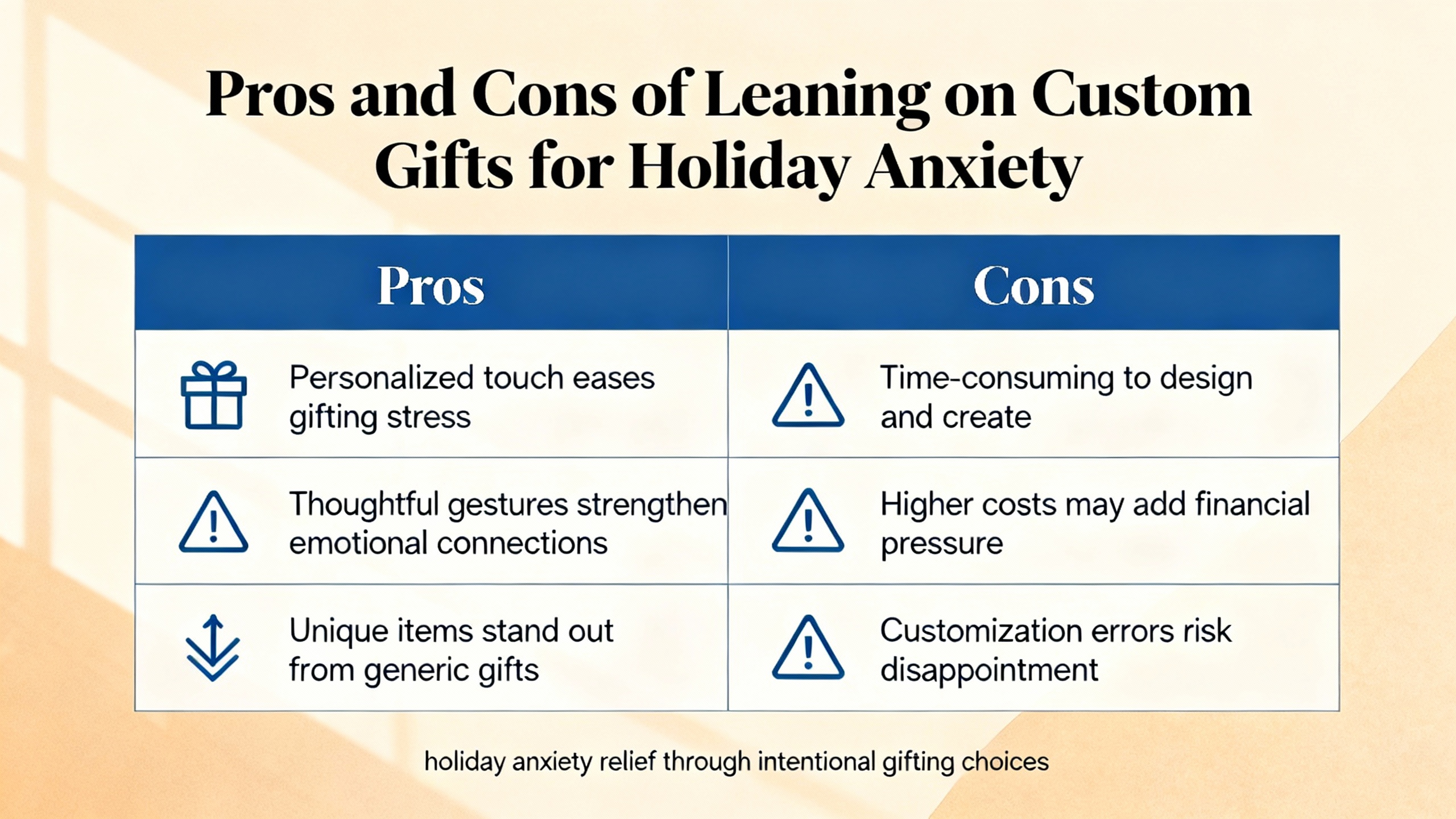
There is no question that personalized and therapeutic gifts bring meaningful benefits. Research points to higher engagement, stronger self‑concept, better empathy, and increased reading motivation when children encounter themselves in stories and toys. Counseling professionals consistently report that sensory tools, weighted objects, and structured playtime help kids manage stress and big emotions. From an ecommerce perspective, personalized products also offer longer lifecycles, higher perceived value, and stronger word‑of‑mouth, with some studies linking customization to notable revenue uplift and high recommendation rates.

However, it is important not to oversell. Gifts do not replace therapy, co‑parent communication, or consistent routines. In some situations, personalization can even heighten pressure: a child might feel that a storybook defines how they are “supposed” to feel about the divorce, or a piece of jewelry engraved with a date might keep a painful memory too fresh. There are practical risks, too: delayed orders, mis‑spelled names, low‑quality materials, or designs that unintentionally exclude one side of the family. For a child already on edge, these missteps can reinforce anxiety rather than easing it.

The responsible stance, as a founder or product manager, is to treat custom gifts as part of a broader ecosystem of support. Your work is to make it easier for caring adults to show up well for their kids, not to position your catalog as a cure‑all. When you do that, you can still grow a category that research suggests is expanding steadily, while staying aligned with families’ real needs.
Emotional support gifts for children with two homes

Implementation Roadmap For Your Next Holiday Season

If you want to build or refine a product line around easing holiday anxiety for children in divorced families, think in phases rather than quick wins. Start by spending time with the research and practitioner community. Study the insights from child‑focused counseling practices, stress‑management guides, and parent‑written resources on anxiety. Note the specific tools they use, the language they avoid, and the gaps they identify.

Next, map those needs to product types that work in an on‑demand or dropshipping model: books, textiles, soft toys, small accessories, flat‑packed craft kits, and light sensory items are all strong candidates. For each, define what personalization actually adds from a child‑development perspective. If customization is only aesthetic, consider whether the product truly belongs in this niche.

Then, prototype a narrow set of hero products and test them early, ideally before the holiday rush. Collect feedback from real families, including co‑parents and, where appropriate, therapists or educators. Watch not only for satisfaction but also for unintended friction: hard‑to‑explain stories, uncomfortable wording, difficult maintenance, or shipping challenges.

Finally, build systems around what works. That includes automation for personalization workflows, robust quality control, clear cut‑off dates, and thoughtful post‑purchase communication. It may also include training your support team to respond empathetically to messages from stressed parents and to offer practical solutions when logistics inevitably hiccup.

FAQ

Can a gift really reduce a child’s holiday anxiety, or is that wishful thinking?

A gift cannot remove the core stressors of divorce or complex holiday schedules, and it should never be presented as a cure. What research and clinical practice do show is that carefully chosen personalized and therapeutic items can support the skills and feelings that buffer anxiety: self‑esteem, a sense of being seen, emotional regulation, and stronger family connection. Personalized books, for example, are associated with better self‑concept and empathy, while weighted toys and sensory tools are widely used by therapists and parents to help kids calm their bodies. Think of your products as amplifiers of good parenting, not replacements for it.

How do I avoid making divorced or separated families feel targeted or exploited by my marketing?

The key is respect and nuance. Focus your messaging on supporting children’s resilience and belonging rather than highlighting divorce as a “problem to be monetized.” Use inclusive language that acknowledges many types of families without stereotypes. Draw on reputable child‑development and counseling sources in your educational content, and be explicit that your products are tools, not therapy. Highlight how your items can be used by any caregiver—parents, step‑parents, grandparents, or guardians—who wants to create calmer, more connected holidays.

Is there such a thing as too much personalization for anxious kids?

Yes. While data shows that personalization generally increases engagement and positive feelings, more is not always better. Some children enjoy seeing their name everywhere; others prefer subtlety. Older kids, especially, may feel exposed if every item announces their full name or details about their family situation. A balanced approach is to offer a spectrum: highly personalized storybooks and keepsakes for private use, alongside more discreet items, like initial jewelry or symbol‑based designs, that still feel personal without broadcasting sensitive information.

In the end, the most successful brands in this space are the ones that combine rigorous respect for the child’s emotional world with smart ecommerce execution. If you can do both, you are not just building a profitable product line; you are helping families navigate one of the hardest seasons of their year with a little more calm, connection, and confidence.

References

  1. https://podcast.borntobewealthyfoundation.org/episode-30
  2. https://jenkins-release.watsonmedia.ibm.com/christmas-books-personalized
  3. https://www.lillianvernon.com/lillys-kids.html?srsltid=AfmBOoqtzFo2gY1jIXJSLjUV_J2wvBNsyy7yGNTisuKdS80X_LfRNPTy
  4. https://www.personalcreations.com/personalized-gifts-for-kids-pbkdbsl?srsltid=AfmBOorAI1AYvPZqhwakvx97ZGqaWDYLX-l2-DHf2Pczgb8gARQNklKb
  5. https://www.personalizationmall.com/Personalized-Gifts-for-Kids-s25.store?srsltid=AfmBOoptCOheWCYfw6wn1VCu6ZkW-x2BojQva2y__cfwAOkURkWFaq5Y
  6. https://www.amazon.com/relaxation-gifts-kids/s?k=relaxation+gifts+for+kids
  7. https://blog.artkiveapp.com/post/artkive-top-10-holiday-gifts-2025-for-creative-kids
  8. https://www.baublebar.com/collections/custom-childrens-gifts?srsltid=AfmBOoq21J0HrmwR_X3bkUkK5XGR4zJYtqWE2s_aI2j_wA7hJEhReG68
  9. https://www.christmasgifts.com/article-of-the-week/why-personalized-christmas-gifts-make-some-of-the-best-gifts-this-christmas-season
  10. https://www.imagineelc.com.au/the-benefits-of-christmas-crafts-for-children-a-creative-way-to-celebrate-the-season/

Like the article

0
Custom Gifts That Calm: Easing Holiday Anxiety For Children In Divorced Families

Custom Gifts That Calm: Easing Holiday Anxiety For Children In Divorced Families

The Holiday Reality For Two-Home Families

If you sell custom products in the on‑demand printing or dropshipping space, you already know that the holidays are emotionally charged. For children in divorced or separated families, that emotional load is even heavier. Schedules change, routines are disrupted, and kids are constantly reminded that their family does not look like the idealized scenes in holiday movies.

In mentoring founders over the years, I have seen the same pattern: parents and caregivers want to use gifts to “fix” a hard season. The truth, echoed by child therapists and family counselors, is that no toy or product replaces consistent, caring connection. A therapist‑run practice focused on child development points out that even in the busiest seasons, what matters most is protected one‑on‑one time where the child feels seen, not managed.

That does not make your products irrelevant. It reframes their purpose. The most valuable holiday gifts for children in divorced families are not distractions. They are tools that support emotional regulation, anchor a child’s sense of identity across two homes, and give both households a concrete way to say, “You belong, and you are safe with me.” Custom gifts are uniquely positioned to play that role when they are designed with care and grounded in what we know about child development.

Personalized presents for kids in divorced families

Why Personalized And Therapeutic Gifts Matter

Personalized Gifts As Emotional Anchors

Personalized gifts are more than a trend. A podcast from the Born to Be Wealthy Foundation defines personalized gifts as items tailored to a child’s unique personality, interests, and life circumstances, rather than generic, one‑size‑fits‑all products. The host emphasizes that these gifts can have outsized impact on self‑esteem and belonging because they signal, “I notice who you really are.” In low‑resource or emotionally strained environments, that signal is even more powerful.

Broader research on personalization backs this up. An analysis of personalized toys and gifts notes that about 70% of consumers prefer personalized gifts, and 85% of recipients report feeling more valued when a gift is tailored to them. The same research reports that children are roughly 30–50% more engaged with toys that are customized to their interests or include their name, and that around 68% of kids form stronger bonds with toys that feature their name or favorite characters. Another study cited there found that about 80% of people keep personalized gifts for more than five years, which tells you how long these items can carry emotional weight.

For children moving between two homes, those numbers translate into something very practical. A personalized blanket that lives on their bed in each house, a storybook where they are the main character, or a sensory kit printed with their name can become an emotional anchor. It is a tangible reminder that they are the same loved person in both spaces.

Personalized Storybooks And Self‑Identity

Personalized storybooks are an especially strong category. Research summarized by child‑development and literacy organizations shows that when children see themselves in stories, motivation to read can increase by about 35 percent. A study referenced by the Journal of Child Development found around a 42 percent rise in children’s willingness to tackle new challenges after reading stories featuring their own name and traits. Another intervention reported by the National Institute of Child Psychology saw roughly a 50 percent increase in positive self‑perception for children ages three to eight after using personalized stories.

The benefits go beyond literacy. A Global Child Wellbeing Study connects exposure to customizable books that reflect varied life experiences with social‑emotional growth and around 30 percent higher scores on empathy tests. Parents notice the difference too. About 75 percent report better engagement during reading time when books are personalized, and education researchers have found roughly 40 percent improvements in literacy outcomes when customized storybooks are integrated into programs.

For a child caught between two households, that combination of identity reinforcement, courage, and empathy is exactly what you want to support. A storybook that reflects their name, traditions, and even subtle details of their family structure can quietly validate their reality at a time when everything else feels loud and confusing.

Therapeutic And Sensory Gifts As Coping Tools

On the therapeutic side, several counseling‑focused organizations describe “therapeutic gifts” as toys or tools that support emotional regulation, mindfulness, sensory calming, creativity, and connection. These are not clinical devices; they are kid‑friendly items that make coping skills tangible.

One counseling practice highlights weighted stuffed animals, lap pads, and other deep‑pressure objects that provide comfort and help children calm their bodies. They also recommend items like Tangle fidgets, Play‑Doh, expandable breathing balls, and liquid timers to help kids manage “big feelings” through movement, squeezing, and visual focus. Another resource aimed at stress management for kids emphasizes that gifts that keep hands busy, engage the senses, or promote movement can help children self‑regulate, especially during overstimulating holiday periods.

A parent‑author who raises anxious and twice‑exceptional children explains how functional gifts like multiple nightlights, light‑up stuffed animals, white‑noise machines, chewable jewelry, weighted blankets, and small “pocket friends” make a practical difference. These items normalize anxiety, create predictable routines, and give kids discreet tools they can carry into dark hallways, new bedrooms, or long car rides between homes.

Taken together, this body of practical experience and research suggests a clear design direction. Personalized gifts can say “you matter” while therapeutic gifts say “your feelings are manageable.” When you merge the two thoughtfully, you create products that support anxious children in divorced families far beyond a single holiday morning.

High‑Impact Custom Gift Categories For Anxious Kids In Divorced Families

Personalized Storybooks That Reflect Their Real Life

For ecommerce founders, personalized books should be at the top of the roadmap. High‑quality products in this space already allow customization of the child’s name, family members, settings, photos, and messages, turning a standard book into a unique narrative. The global personalized book market is projected to reach about $1.5 billion by 2025, driven largely by ecommerce and consumer demand for emotionally resonant products.

For children in divorced families, the opportunity is to go beyond generic “holiday magic” plots and create stories that normalize two homes, blended families, or new traditions. Research on multicultural and tailored personalization shows that when stories reflect a child’s heritage, language, and lived experience, classroom engagement can rise by around 60 percent. The same logic applies to family structure. Representation is not a buzzword here; it is an engagement driver and a mental‑health support.

From a benefits perspective, personalized books can boost reading motivation, strengthen self‑concept, and enhance empathy. They also create a low‑pressure context for caregivers in both homes to sit down, read, and talk about feelings without launching into a “serious conversation.” A book can carry a message from one household to the other simply by sitting on the child’s shelf.

There are constraints to manage. Personalized books often carry higher production costs and longer lead times, with typical prices around 50. Some newer titles incorporate augmented reality features, and experts note that while AR can increase engagement, it also raises legitimate questions about screen time and accessibility. Content design must be culturally sensitive and inclusive; the same is true for how you depict family structures. If you oversimplify or erase parts of a child’s reality, the book can backfire.

From a print‑on‑demand perspective, the operational play is clear. Build a frictionless customization flow with real‑time previews. Offer options that allow co‑parents to each create versions that reflect their time with the child without undermining the other parent. Make lead times and holiday cutoffs explicit to avoid disappointment for anxious kids who are already bracing for letdowns.

Custom Comfort Objects And Weighted Companions

Weighted toys and comfort objects sit at the intersection of sensory support and emotional security. Counseling practices describe weighted stuffed animals, lap pads, and blankets as tools that provide deep‑pressure input, which many children find calming. Features like removable heat pads or calming scents are often used to make bedtime or homework time less stressful.

In the custom‑gifting context, a weighted plush with the child’s name, a symbol they love, or a short affirmation can become a trusted companion in both homes. A child who has a matching bear on each bed may feel a little less like they are “starting over” every time they switch houses. Similarly, a name‑embroidered weighted blanket can create a portable sense of “this is my spot” on any couch or in any guest room.

There are practical considerations. Weighted products are heavier to ship, which affects dropshipping margins and timelines. Safety is critical; age recommendations and weight guidelines must be clear, and your product descriptions should avoid medical claims. This is where partnering with occupational therapists or consulting existing guidance from therapy‑oriented organizations can help you position the product responsibly.

Done well, these products offer a strong value proposition. They are long‑lasting, used daily, and deeply associated with comfort. Given research indicating that personalized gifts are kept for many years and that customized toys improve engagement and attachment, investing in durable materials and classic designs is smart both for the child and your brand.

Sensory And Fidget Kits Designed For Transitions

Sensory play and movement are consistently highlighted in stress‑management guides for kids. One resource on coping skills emphasizes water‑based writing boards where children paint with water and watch it evaporate, giving a literal “clean slate” feeling. Others recommend sensory trays, water beads, and squeezable putties that keep hands busy and provide calming tactile feedback. A hand trampoline is mentioned as a tool that can safely channel high energy or gently activate low‑energy kids.

Therapeutic practices add portable tools like Tangle fidgets, Play‑Doh, breathing balls, and liquid timers to the mix, describing them as ways to help kids sustain attention, visualize their breath, and ride out intense emotions. A blog for parents of anxious children notes that many kids feel more comfortable carrying small “pocket friends” or objects—everything from action figures to small cubes—that function as both comfort items and social icebreakers.

For children shuttling between households, these tools are especially useful during transitions: car rides, overnights in a new bedroom, waiting rooms, or hand‑off moments in parking lots. As a seller, you can package them into branded “worry kits” in customized pouches or tins with the child’s name or favorite motif printed on the outside. Inside, you include a curated mix of fidgets, putties, mini water timers, or small breathing aids, along with a simple printed card explaining how to use them.

The benefits include improved self‑regulation, a sense of control, and the reassurance of having consistent tools regardless of which parent they are with. The trade‑offs include managing small parts, school policies about toys, and the risk that cheap components break quickly and erode trust. Here, quality control in your sourcing and the clarity of your product education become a core part of your brand promise.

Creative Gift Experiences That Turn Anxiety Into Expression

Creativity is a quiet powerhouse when it comes to helping kids process complex emotions. A gift guide for creative kids highlights items like open‑ended LEGO sets, interactive drawing games that blend physical art and digital feedback, 3D pens that let children draw in three dimensions, and electronics kits that introduce basic circuits through playful projects. Surveys cited in that guide report that more than 90 percent of children prefer LEGO building over traditional board games, over 75 percent feel more creative when using 3D pens, and more than 80 percent of kids who tried electronics kits felt excited about learning STEM concepts.

Other therapeutic tools, such as storytelling dice and art materials, are used by counselors to explore anxious scenarios in a playful, low‑pressure way. Christmas craft programs in early childhood settings point out that hands‑on projects like decorating ornaments, gluing, cutting, and painting support fine motor skills, patience, and self‑expression. These crafts often evolve into family traditions, with handmade items carried forward year after year.

For your POD or dropshipping catalog, this category lends itself to hybrid physical‑digital experiences. You might offer a custom “holiday art book” that compiles a child’s drawings from both homes into a professionally bound volume. You could design printable activity kits or craft templates with the child’s name and family in the storyline, shipped as high‑quality prints. Teens might appreciate a custom mosaic poster made from photos of their own art, similar to the mosaic concepts used in some art‑keepsake services.

The advantage of these gifts is that they transform anxiety into action. Instead of sitting with racing thoughts, the child builds, draws, writes, or tinkers. Over time, they see their skills and creations accumulate, which can counter feelings of helplessness. From an operations standpoint, many of these products are light, flat, and ideal for on‑demand fulfillment.

Connection‑Focused Custom Gifts

Several child‑counseling resources stress that the most therapeutic “gift” is structured time together. One counseling practice describes a low‑cost “Experience Gift Tree,” where parents hang paper ornaments on a small tree, each representing a shared activity like baking cookies, reading a story, or going for a walk. The child chooses an ornament each day, shifting the focus from receiving things to spending time together. Another mental‑health‑focused article recommends about 30 minutes of child‑led special time, where the child is the “play boss” and the adult follows their lead without correcting or teaching.

An article on teaching kids the meaning of Christmas through giving describes a family tradition where children create handmade gifts or acts of service for each family member. Over time, the children’s motivation shifts from regaining privileges to genuine joy in thinking of others, and the personalized gifts become the most cherished part of the holiday. Health professionals quoted there note that a giving attitude is linked with lower anxiety and depression, higher self‑esteem, reduced blood pressure, and reduced stress.

As an ecommerce entrepreneur, you cannot manufacture presence, but you can design products that make it easier for families to prioritize it. Examples include custom “experience coupon” books where parents can personalize activities and messages, shared journals with guided prompts for the child and each parent, or photo calendars that highlight time spent with both sides of the family. Your value proposition is not “buy this to fix anxiety” but “use this tool to create the moments that matter.”

Personalized Jewelry And Keepsakes For Tweens And Teens

For older children and teens, subtlety matters. Personalized jewelry and small keepsakes are often more acceptable than visibly “therapeutic” products. Retailers specializing in personalized kids’ jewelry talk about name necklaces, initial bracelets, and charm pieces that let kids express their identity. Parenting gift guides highlight personalized jewelry, custom room decor, and keepsake boxes as standout items for tweens and teens because they are both practical and deeply sentimental.

Another analysis of personalized gifts explains that seeing their name or initials on belongings helps children build a sense of identity and ownership and can even reduce conflict, since it is clear who the item belongs to. Personalized items like storybooks, art supplies, and wall art are described as more engaging than generic equivalents and more likely to be kept as long‑term mementos.

In divorced families, a small necklace engraved with both parents’ initials, a bracelet with a meaningful phrase, or a keepsake box that holds special items from both homes can act as a bridge. These pieces are portable and discreet, which matters for teens who do not want to talk about family dynamics but still crave a sense of continuity.

Operationally, jewelry and small keepsakes are well suited to on‑demand engraving or printing. The main risks are errors in personalization and quality issues with plating or hardware. Given the strong emotional attachment kids form to personalized items, cutting corners on materials is short‑sighted.

Snapshot: Gift Types, Benefits, And Design Considerations

Gift type

How it helps anxious kids

Customization ideas

Operational watchouts

Personalized storybooks

Reinforces identity, normalizes two homes, boosts reading motivation and empathy according to multiple child‑development studies

Child’s name, family members, traditions, inclusive family structure, messages from each parent

Higher unit cost, longer lead time, need for sensitive representation and clear order‑by dates

Weighted toys and comfort objects

Provides deep‑pressure calming, supports sleep, creates a consistent “buddy” across homes

Name embroidery, favorite animals or themes, short affirmations on tags

Shipping weight, safety guidelines by age, longer production and fulfillment times

Sensory and fidget kits

Offers portable coping tools for transitions and stressful moments; keeps hands busy to regulate energy

Custom pouches with name, color themes, simple printed “how to use” cards

Small parts risk, school rules, quality control for low‑cost components

Creative and craft‑based gifts

Channels anxiety into making and problem‑solving; builds confidence and mastery

Personalized art books, name‑printed craft templates, custom mosaics from child’s art

Need for clear instructions, managing expectations about mess and parent involvement

Connection‑focused products

Structures quality time and giving, which health experts link to lower anxiety and higher self‑esteem

Experience coupon books with custom prompts, shared journals, photo calendars

Risk of overpromising if adults do not follow through; must position as tools, not guarantees

Jewelry and keepsakes

Supports identity and belonging in a discreet, portable way, especially for tweens and teens

Initials, names, important dates, symbols that represent both homes

Personalization errors, material durability, sensitive engraving choices

Designing For On‑Demand And Dropshipping Models

Product Design Principles For This Niche

When you design products for anxious children in divorced families, you are not just chasing a micro‑niche; you are stepping into a highly sensitive context. That calls for a different set of design principles than you might use for generic holiday merchandise.

First, adopt a “co‑parent‑friendly” lens. Avoid language that blames one side or assumes a particular legal or custody arrangement. Emphasize the child’s experience of being loved in more than one place rather than implying that one home is the “real” one. This applies to text on products, sample stories, marketing copy, and imagery.

Second, prioritize psychological safety in wording. Several therapeutic sources frame anxiety as something normal and manageable, not a flaw. Follow that lead. Phrases like “brave,” “strong,” “growing,” and “allowed to feel” are more helpful than labels like “broken” or “fixing you.”

Third, calibrate personalization depth by age. Younger children may benefit from straightforward use of their name and simple family details. Older kids and teens may prefer symbolism or initials rather than overt references to divorce or anxiety. Research on personalized gifts shows that even modest touches, such as a name or meaningful date, can significantly increase perceived value and emotional impact.

Fourth, build for durability and portability. Many children will carry these items between homes, schools, and activities. Soft covers, sturdy bindings, wash‑resistant prints, and reinforced hardware are not just quality upgrades; they reduce the risk of a beloved object breaking in transit, which for an anxious child can feel like a much bigger loss than it appears on the surface.

Operations, Lead Times, And Holiday Logistics

The holiday timing challenge is especially acute with custom products. A gift guide for personalized creative products explicitly warns shoppers that custom items sell out faster, holiday shipping is slower, and lead times are longer. That brand offers rush processing to compensate, recognizing that emotional disappointment hits harder when a child has been told to expect something with their name on it.

Translate those lessons into your own operations. Set conservative cut‑off dates for personalized items and communicate them clearly across product pages, banners, and transactional emails. If your suppliers can offer expedited production, price it transparently and explain exactly what families are paying for. Make sure your order tracking and proactive notifications are robust; anxious kids who are counting down the days will ask, repeatedly, “Is my book or bear here yet?” and parents will remember whether your brand helped or added stress.

Also consider that divorced families may ship to multiple addresses. Building flexible shipping options into your checkout—such as sending identical items to two homes or splitting orders by child—can remove friction and signal that you understand their reality. This is a small operational tweak with a large emotional payoff.

Marketing That Educates Instead Of Exploiting

Ethical marketing is non‑negotiable in this space. Therapy‑oriented blogs are clear that their content is for education, not a substitute for professional advice. You can mirror that stance by positioning your products as supportive tools, not treatments. Avoid claims that your weighted toy or personalized book will cure anxiety or repair parent‑child relationships.

Instead, build authority by integrating what trusted sources already emphasize. Reference the role of child‑led play, as described by child psychologists who recommend uninterrupted special time. Echo counseling practices that encourage families to create experience‑based traditions and use play to talk about feelings. Summarize, in plain language, what research on personalized books and toys has found about self‑esteem, engagement, and empathy, while being clear that every child is different.

Content marketing can play a large role here. Thoughtful blog posts, guides, and product inserts that explain how to use a sensory kit, how to read a personalized book in both homes, or how to involve kids in creating experience coupons will differentiate you from sellers who simply print a name and move on. Over time, this builds the kind of trust that families in transition desperately need.

Pros And Cons Of Leaning On Custom Gifts For Holiday Anxiety

There is no question that personalized and therapeutic gifts bring meaningful benefits. Research points to higher engagement, stronger self‑concept, better empathy, and increased reading motivation when children encounter themselves in stories and toys. Counseling professionals consistently report that sensory tools, weighted objects, and structured playtime help kids manage stress and big emotions. From an ecommerce perspective, personalized products also offer longer lifecycles, higher perceived value, and stronger word‑of‑mouth, with some studies linking customization to notable revenue uplift and high recommendation rates.

However, it is important not to oversell. Gifts do not replace therapy, co‑parent communication, or consistent routines. In some situations, personalization can even heighten pressure: a child might feel that a storybook defines how they are “supposed” to feel about the divorce, or a piece of jewelry engraved with a date might keep a painful memory too fresh. There are practical risks, too: delayed orders, mis‑spelled names, low‑quality materials, or designs that unintentionally exclude one side of the family. For a child already on edge, these missteps can reinforce anxiety rather than easing it.

The responsible stance, as a founder or product manager, is to treat custom gifts as part of a broader ecosystem of support. Your work is to make it easier for caring adults to show up well for their kids, not to position your catalog as a cure‑all. When you do that, you can still grow a category that research suggests is expanding steadily, while staying aligned with families’ real needs.

Emotional support gifts for children with two homes

Implementation Roadmap For Your Next Holiday Season

If you want to build or refine a product line around easing holiday anxiety for children in divorced families, think in phases rather than quick wins. Start by spending time with the research and practitioner community. Study the insights from child‑focused counseling practices, stress‑management guides, and parent‑written resources on anxiety. Note the specific tools they use, the language they avoid, and the gaps they identify.

Next, map those needs to product types that work in an on‑demand or dropshipping model: books, textiles, soft toys, small accessories, flat‑packed craft kits, and light sensory items are all strong candidates. For each, define what personalization actually adds from a child‑development perspective. If customization is only aesthetic, consider whether the product truly belongs in this niche.

Then, prototype a narrow set of hero products and test them early, ideally before the holiday rush. Collect feedback from real families, including co‑parents and, where appropriate, therapists or educators. Watch not only for satisfaction but also for unintended friction: hard‑to‑explain stories, uncomfortable wording, difficult maintenance, or shipping challenges.

Finally, build systems around what works. That includes automation for personalization workflows, robust quality control, clear cut‑off dates, and thoughtful post‑purchase communication. It may also include training your support team to respond empathetically to messages from stressed parents and to offer practical solutions when logistics inevitably hiccup.

FAQ

Can a gift really reduce a child’s holiday anxiety, or is that wishful thinking?

A gift cannot remove the core stressors of divorce or complex holiday schedules, and it should never be presented as a cure. What research and clinical practice do show is that carefully chosen personalized and therapeutic items can support the skills and feelings that buffer anxiety: self‑esteem, a sense of being seen, emotional regulation, and stronger family connection. Personalized books, for example, are associated with better self‑concept and empathy, while weighted toys and sensory tools are widely used by therapists and parents to help kids calm their bodies. Think of your products as amplifiers of good parenting, not replacements for it.

How do I avoid making divorced or separated families feel targeted or exploited by my marketing?

The key is respect and nuance. Focus your messaging on supporting children’s resilience and belonging rather than highlighting divorce as a “problem to be monetized.” Use inclusive language that acknowledges many types of families without stereotypes. Draw on reputable child‑development and counseling sources in your educational content, and be explicit that your products are tools, not therapy. Highlight how your items can be used by any caregiver—parents, step‑parents, grandparents, or guardians—who wants to create calmer, more connected holidays.

Is there such a thing as too much personalization for anxious kids?

Yes. While data shows that personalization generally increases engagement and positive feelings, more is not always better. Some children enjoy seeing their name everywhere; others prefer subtlety. Older kids, especially, may feel exposed if every item announces their full name or details about their family situation. A balanced approach is to offer a spectrum: highly personalized storybooks and keepsakes for private use, alongside more discreet items, like initial jewelry or symbol‑based designs, that still feel personal without broadcasting sensitive information.

In the end, the most successful brands in this space are the ones that combine rigorous respect for the child’s emotional world with smart ecommerce execution. If you can do both, you are not just building a profitable product line; you are helping families navigate one of the hardest seasons of their year with a little more calm, connection, and confidence.

References

  1. https://podcast.borntobewealthyfoundation.org/episode-30
  2. https://jenkins-release.watsonmedia.ibm.com/christmas-books-personalized
  3. https://www.lillianvernon.com/lillys-kids.html?srsltid=AfmBOoqtzFo2gY1jIXJSLjUV_J2wvBNsyy7yGNTisuKdS80X_LfRNPTy
  4. https://www.personalcreations.com/personalized-gifts-for-kids-pbkdbsl?srsltid=AfmBOorAI1AYvPZqhwakvx97ZGqaWDYLX-l2-DHf2Pczgb8gARQNklKb
  5. https://www.personalizationmall.com/Personalized-Gifts-for-Kids-s25.store?srsltid=AfmBOoptCOheWCYfw6wn1VCu6ZkW-x2BojQva2y__cfwAOkURkWFaq5Y
  6. https://www.amazon.com/relaxation-gifts-kids/s?k=relaxation+gifts+for+kids
  7. https://blog.artkiveapp.com/post/artkive-top-10-holiday-gifts-2025-for-creative-kids
  8. https://www.baublebar.com/collections/custom-childrens-gifts?srsltid=AfmBOoq21J0HrmwR_X3bkUkK5XGR4zJYtqWE2s_aI2j_wA7hJEhReG68
  9. https://www.christmasgifts.com/article-of-the-week/why-personalized-christmas-gifts-make-some-of-the-best-gifts-this-christmas-season
  10. https://www.imagineelc.com.au/the-benefits-of-christmas-crafts-for-children-a-creative-way-to-celebrate-the-season/

Like the article

0