

Designing Fashion That Balances Nostalgia and Rebellion for Middle‑Aged Women

Designing Fashion That Balances Nostalgia and Rebellion for Middle‑Aged Women

Dec 27, 2025 by Iris POD e-Commerce 101

As someone who mentors founders in on‑demand printing and dropshipping, I see the same pattern over and over: brands chase Gen Z trends while the most profitable, under-served customer quietly shops elsewhere. Middle‑aged women, especially in their 40s, 50s, and early 60s, are craving clothes that honor their history and personality without pushing them into stereotypes of being either invisible or trying too hard.

The sweet spot is a design language that mixes nostalgia with rebellion. Nostalgia offers comfort and recognition; rebellion offers agency and edge. When you get that balance right, you unlock a repeat customer base that loves your story as much as your products.

This article walks through how to design, position, and sell nostalgic‑yet‑rebellious fashion to middle‑aged women using print‑on‑demand and dropshipping, grounded in real style content and backed by research on how clothing influences perception.

The New Middle‑Aged Style Mindset

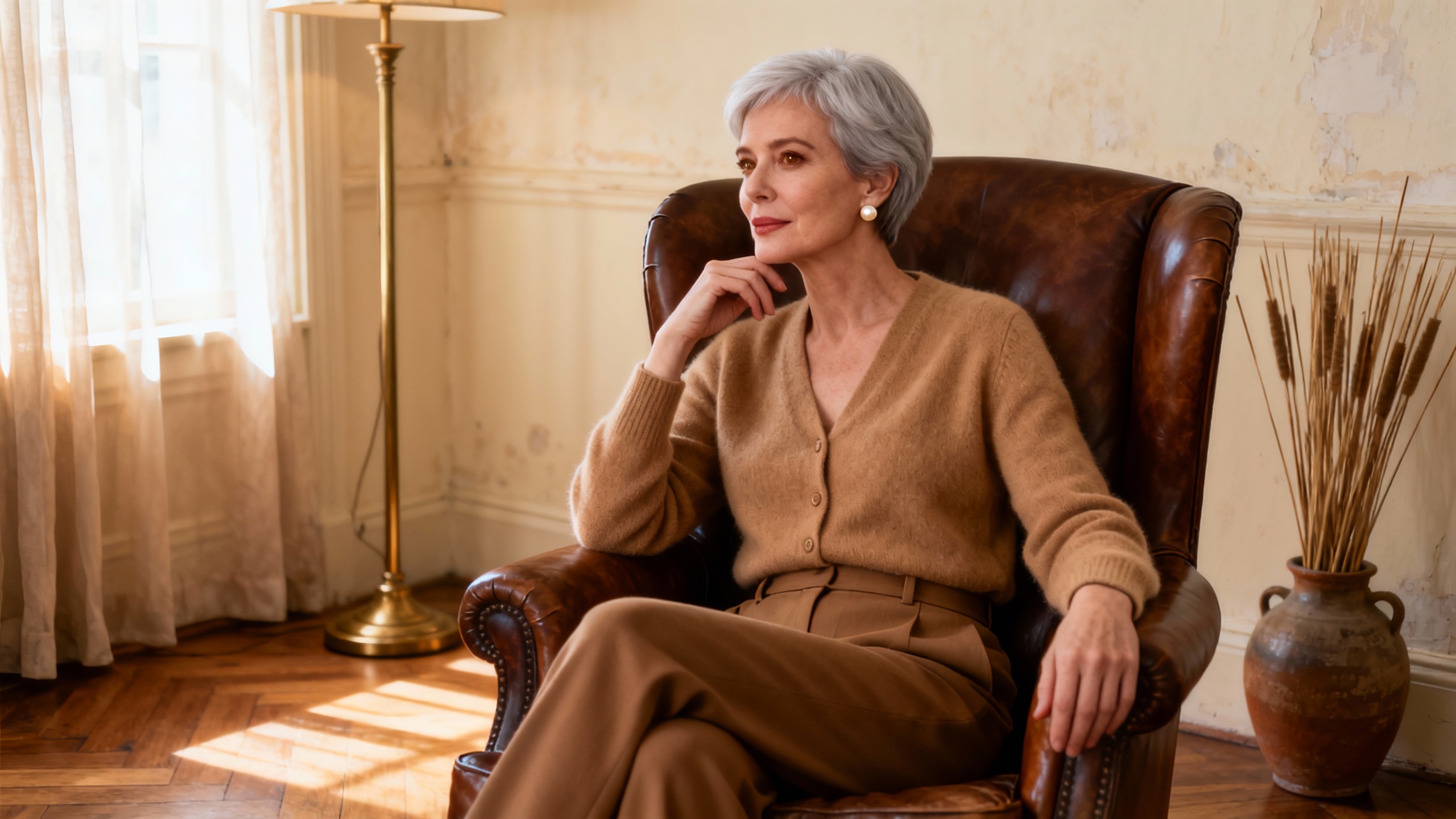
Modern women over 40 are not looking for “age‑appropriate” uniforms. Style platforms dedicated to this audience, such as classic style blogs and the Fashion Over 40 editorials from The Well Dressed Life, frame their mission very clearly: help women build timeless, easy‑to‑wear wardrobes that work in real life, not just on special occasions. The focus is on mix‑and‑match basics, practical outfit formulas, and shopping recommendations that feel curated rather than trend‑driven.

Personal essays on classic style, like Meg Mason’s piece on Sarah Tucker’s site, show how women in their forties use experience to filter trends. She talks about discovering that higher necklines flatter her more now, prioritizing fit and quality fabrics like linen, cashmere, tweed, and silk, and using a tailor to make small alterations that drastically improve comfort and confidence. The message is simple: classic does not mean boring; interest comes from how you personalize the essentials.

On social platforms such as Lemon8, you see the rebellious side of this audience. One creator focused on fashion over 40 states bluntly that if she likes a piece and it comes in her size, she will wear it, regardless of age. She embraces “age‑less fashion,” defines personal style as dressing for confidence and comfort rather than outside opinions, and highlights a two‑piece set she wears at 5'3" and 180 lb that draws constant compliments. The underlying theme is clear: this customer respects her own taste and refuses to be policed by outdated rules.

For you as a brand owner, this means any design strategy for middle‑aged women must respect their experience, their demand for quality and fit, and their desire to write their own style rules.

Ageless style trends for women over 40

What Nostalgia Really Means in Fashion

Retro and vintage‑inspired fashion are not about copying old photographs. A retro style guide from East Hills Casuals defines retro fashion as the revival of clothing trends from past decades, particularly the 1920s through the 1970s, updated with a modern twist to express individuality. Buckle My Belt, in a piece on vintage‑inspired trends, describes fashion as an “eternal carousel,” where silhouettes, cuts, and embellishments disappear and return, each time reinterpreted.

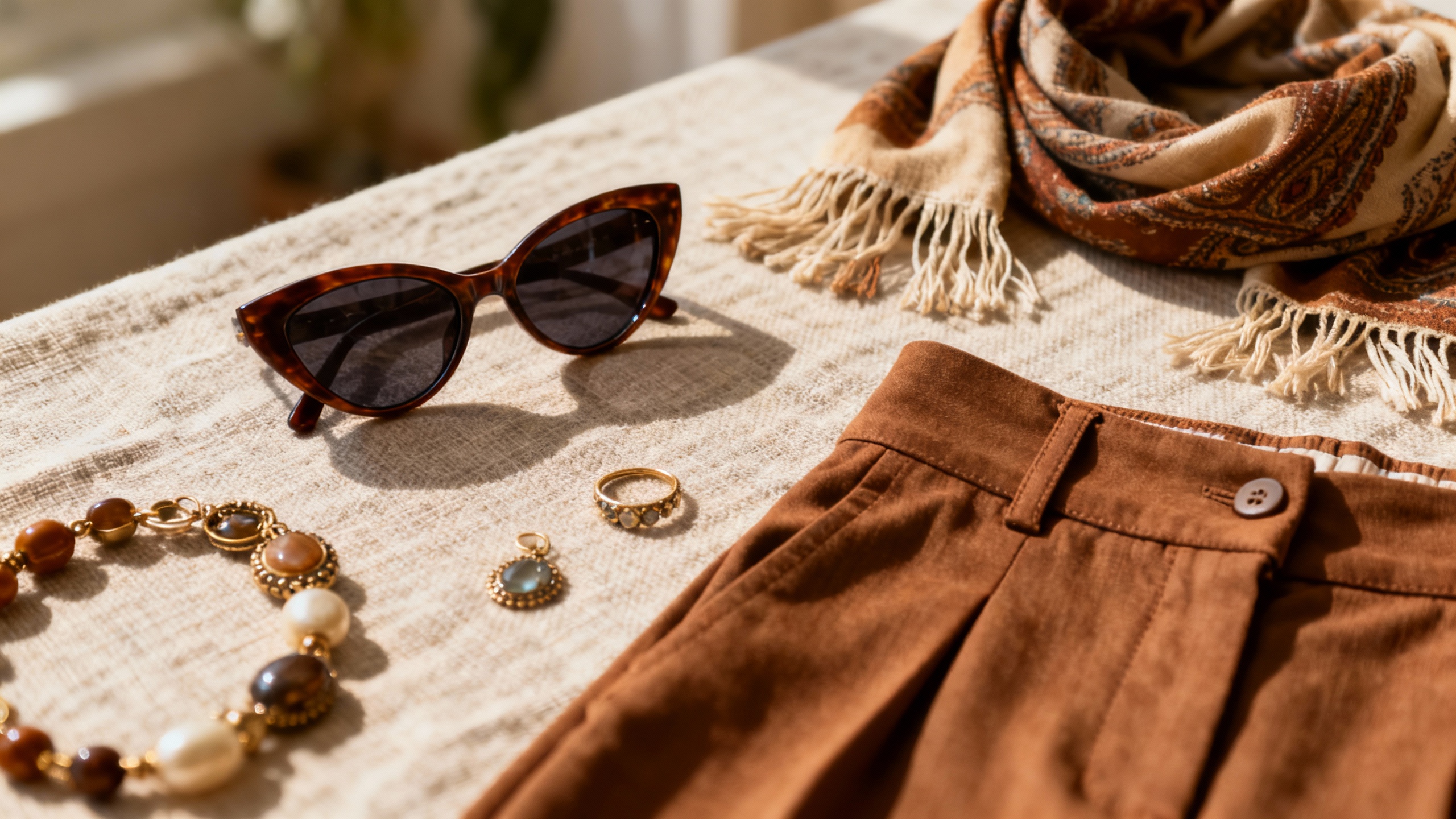
Several concrete examples keep resurfacing across these sources. The 1920s flapper dress replaces restrictive corsets with dropped waists and fringe that moves with the body. The 1940s introduce practical high‑waisted trousers that remain a flattering, polished option when styled today with tucked‑in tops and tailored blazers. The 1950s contribute cat‑eye sunglasses, which East Hills Casuals and Buckle My Belt both call out as iconic accessories that instantly add Hollywood glamour to both retro dresses and modern outfits. The 1960s bring tie‑dye and psychedelic prints as symbols of individuality and freedom, while the 1970s hippie era emphasizes comfort, flow, and earthy tones through bell‑bottom jeans, maxi dresses, and fringe.

Nostalgia for middle‑aged women is often multigenerational. AARP’s Ethel lifestyle content on “boomerang” trends notes that styles from the 1970s through the 1990s are coming back faster than ever. Bold 1980s jewelry, Western wear, and preppy staples like boat shoes and rugby‑striped tops have all reappeared in 2024, sometimes styled with modern contrast such as boat shoes paired with delicate evening outfits. The same article underscores a sustainability angle: rewearing old pieces instead of buying new keeps clothes out of landfills.

At the same time, nostalgia can visually age someone. In a Facebook discussion on 1950s snapshots, one commenter questions whether the women in the photo are actually middle‑aged at all, suggesting the clothes simply make them look older. This is a critical insight for your design work: midcentury silhouettes and grooming can add a decade in perception if executed literally.

For on‑demand brands, the lesson is to borrow emotional and aesthetic cues rather than copying head‑to‑toe era styling. That means echoing the movement of fringe without rigid dropped waists, bringing back cat‑eye shapes without severe hair and makeup, or using tie‑dye color stories in more refined silhouettes.
Nostalgic and rebellious fashion design tips

Rebellion After 40: Quiet, Grounded, and Intentional

Rebellion for a grown woman does not usually look like head‑to‑toe shock value. It looks like refusing to shrink, refusing to dress “smaller,” and refusing to let other people’s timelines dictate her choices.

The Lemon8 creator who proudly wears her two‑piece set in multiple colors and sizes describes an “age‑less” approach to style that is inherently rebellious. She encourages experimenting with vibrant colors and patterns, investing in versatile sets that can be dressed up with statement accessories, and treating fashion as fun self‑expression rather than a list of prohibitions.

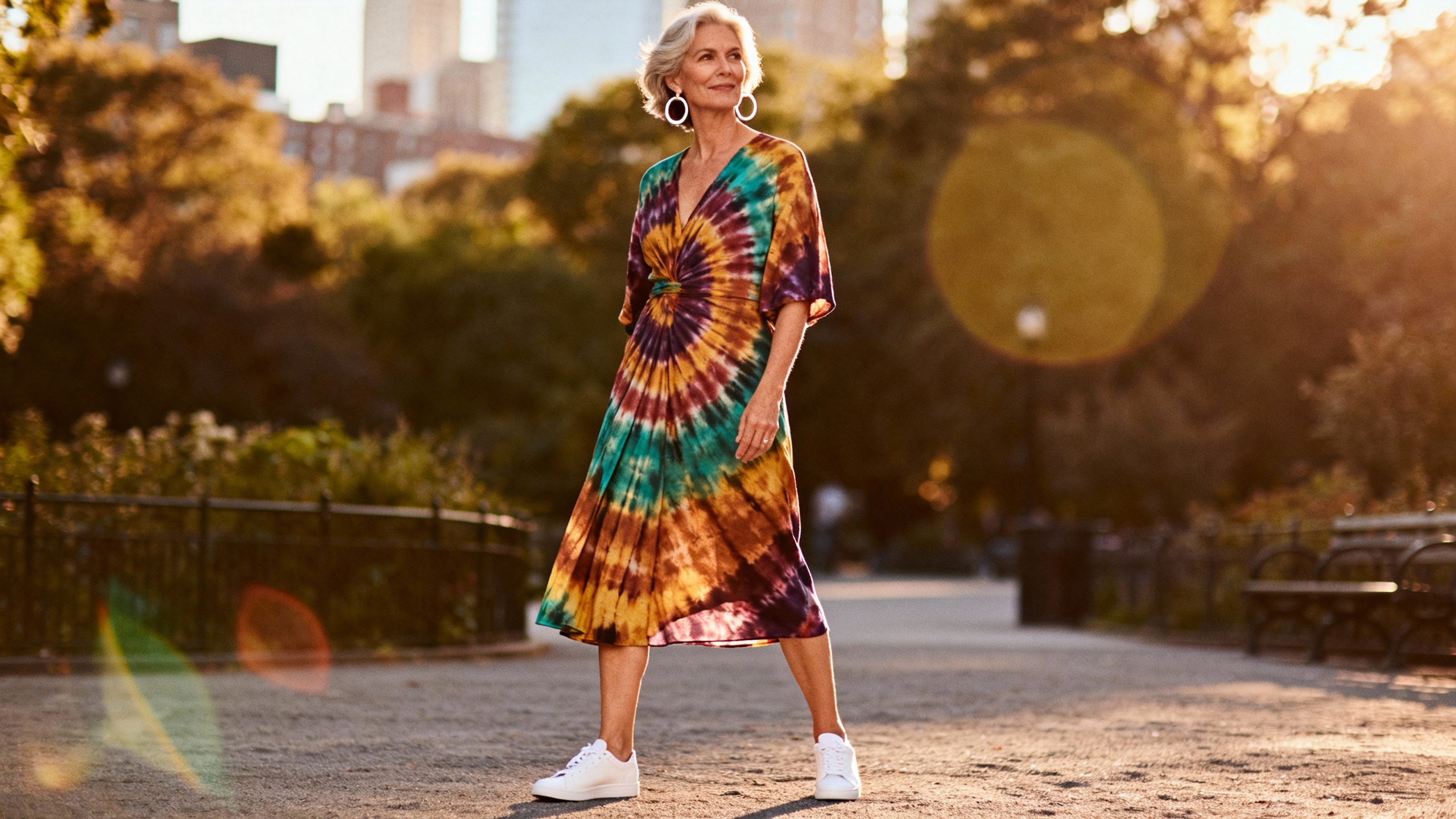
Retro culture itself has roots in rebellion. East Hills Casuals reminds readers that 1960s tie‑dye and psychedelic prints were symbols of counterculture and nonconformity, and that 1970s hippie style prioritized comfort and individuality through flowy garments and bohemian details. Today, styling advice from that piece suggests pairing a tie‑dye midi dress with sneakers and hoop earrings or layering fringe accessories and beaded jewelry for a relaxed, boho look, even in plus‑size options.

AARP’s coverage of Western style shows another form of modern rebellion. Western boots, belts with large buckles, wide‑brim hats, and turquoise jewelry have moved back into mainstream fashion, boosted by current pop culture. Yet the editorial recommends mixing only one or two Western elements into an outfit to avoid looking like a costume. The rebellion here is intelligent and controlled: just enough to signal independence, not so much that it overwhelms.

For your brand, rebellion can be expressed through disruptive color choices on classic silhouettes, unexpected graphic messages that push back on age stereotypes, or fearless use of bold accessories in your imagery. The key is to keep the base of the outfit grounded so the rebellious elements look intentional rather than chaotic.
Print on demand strategies for mature women

How Clothes Shape Perception: What The Research Says

Beyond style editorials, there is empirical evidence that clothing shapes how people are judged on competence, trustworthiness, and even ethics.

A PubMed Central study on interprofessional medical teams showed participants four photographs of the same family practice team in different outfits: tunics, white coats, the same outfits with FFP2 masks, and a relaxed look with playful pink socks. Over 900 respondents rated each photo for sympathy, competence, trust, whether they would choose that practice, and whether they could imagine working there. The results were clear. Clothing significantly influenced all of these scores. The pink‑socks image felt friendliest and scored highest for likability, but outfits with white coats and masks scored highest for perceived competence and security. The authors concluded that medical teams should deliberately adapt dress depending on which feelings they want to evoke.

Another article in PubMed Central on workplace attire and ethicality examined how business formal, business casual, and casual clothing affect judgments of employee ethical behavior. Across two laboratory studies, people wearing casual attire were consistently judged less ethical than those in business casual or business formal. Crucially, the perception that an outfit was appropriate for the context mediated how ethical the wearer seemed. The authors used signaling theory to argue that clothing sends social cues about professionalism and norm adherence, which observers then read as clues about integrity and values.

Combined, these findings matter for your fashion brand. They show that playful and rebellious details can increase relatability and warmth but may reduce perceived competence if the overall outfit feels too informal or out of place for the context. They also show that context‑appropriate clothing continues to signal trust and ethicality, even as workplaces and lifestyles grow more casual.

In practical terms, a graphic tee styled with tailored trousers and a leather jacket will feel more “ethical” and competent than the same tee shown with worn sweatpants. A bold tie‑dye print rendered in a well‑cut midi dress will read differently from the same colors on an oversized, shapeless garment.

Nostalgia vs Rebellion: Strengths, Risks, and Opportunities

The tension you are designing around can be summarized in a simple comparison.

Approach

Strengths for middle‑aged women

Risks if overused

Product opportunities in POD/dropshipping

Nostalgia‑first

Delivers emotional comfort, memories, and a sense of continuity; echoes classic icons like the little black dress, cat‑eye sunglasses, and tailored blazers referenced by Who What Wear and others.

Can make women look or feel older than they are if silhouettes and styling are too literal, as the 1950s snapshot discussion illustrates.

Era‑inspired prints on modern cuts, retro color palettes on current basics, accessories that nod to decades (for example, printed scarf designs, cat‑eye sunglasses, bold 1980s‑style jewelry).

Rebellion‑first

Signals independence and self‑definition; aligns with age‑less fashion narratives seen on Lemon8 and other platforms; very shareable on social media.

If the entire outfit is rebellious, it may feel costume‑like or juvenile, and research suggests it can reduce perceived competence and ethicality in some contexts.

Statement graphics that challenge age and body stereotypes, tie‑dye color stories on refined dresses, Western‑inspired motifs limited to one element in the look, bold jewelry drops.

The sweet spot is a nostalgic foundation with selective rebellious accents. You are designing for women who want to feel like the grown‑up version of who they have always been, not someone entirely different.

Building the Style Blueprint: From Silhouette to Print

In my work with founders, the products that perform best in this niche typically follow a layered design logic. The silhouette does most of the quiet work. The print or detail delivers nostalgia. The rebellious element is the final twist.

One reliable base is classic tailoring. Who What Wear’s autumn 2025 trends for women over 50 emphasize timeless blazers, quality wool fabrics, precise stitching, and shirts that move seamlessly from day to night. Rather than creating a blazer printed all over with loud motifs, consider using your print‑on‑demand capability on underpinning pieces: a softly structured knit top with a subtle 1970s floral, or a graphic tee with a witty age‑positive slogan that is meant to be worn under an open blazer. The blazer carries the competence signal; the printed layer carries nostalgia and rebellion.

Another strong base is the little black dress. Editorials trace its lineage from 1920s Chanel designs to the Givenchy dress worn by Audrey Hepburn, and recent trend coverage shows it back in rotation in strapless midi and tuxedo‑style versions. For a POD brand, you might not control the base pattern of the dress, but you can choose a simple, knee‑to‑midi length black style in your catalog and offer limited runs of placement prints that reference eras without locking customers into a costume: a subtle 1960s‑inspired geometric at the hem, or 1970s‑inspired botanical outlines in a low‑contrast tone.

Denim offers a more casual canvas. The Canadian tuxedo, or double denim, is being embraced again for older women, with success depending on matching washes and elevating the outfit with accessories. You can design printed denim‑effect tops or jackets in your POD catalog that are styled in photography with real denim jeans, belt, and simple jewelry. Nostalgia sits in the double‑denim reference; rebellion appears in a surprising back graphic, embroidered‑effect print, or inside‑collar message that only the wearer knows is there.

Western and preppy elements work best as seasoning. AARP’s advice to use only one or two Western pieces per outfit to avoid costume is particularly relevant. For your store, that might translate into one Western‑inspired graphic tee, one scarf with a subtle rope or star motif, and one belt design with a vintage buckle print, all styled with otherwise classic pieces. Similarly, preppy boat shoes and striped tops can be used in your photography to ground bolder prints in something familiar and practical.

Retro inspired clothing for middle-aged demographics

Fit, Fabric, and Sizing: The Foundation of Confidence

All of this design strategy fails if the clothes do not fit or feel good. For middle‑aged women, fit is non‑negotiable, and the research notes you have highlight several important realities.

A size guide from a modern vintage dress boutique explains that most of their pieces use a twill cotton blend with about five percent spandex for stretch. They emphasize that their size chart lists garment measurements, not body measurements, and they give clear instructions for measuring bust, waist, and low hip. They also recommend that customers above a US size 14 choose custom‑made options for better accuracy. The goal is to reduce sizing errors and ensure that every dress feels tailored.

A detailed guide on vintage sizing from WearZeitgeist points out that vintage labels can differ dramatically from modern ones. Because of decades of vanity sizing, a shopper who wears a modern size 10 might need a vintage size 14, roughly four numerical sizes up, and the tag number is often meaningless. The author recommends ignoring the size on the label and focusing entirely on how the garment fits the body, noting that many older garments were handmade and that tailoring was historically more common.

Combined with Meg Mason’s insistence on alterations and quality fabrics, this tells you that middle‑aged women are willing to invest attention, and sometimes money, into getting the fit right. For a print‑on‑demand or dropshipping brand, this should translate into three practical actions.

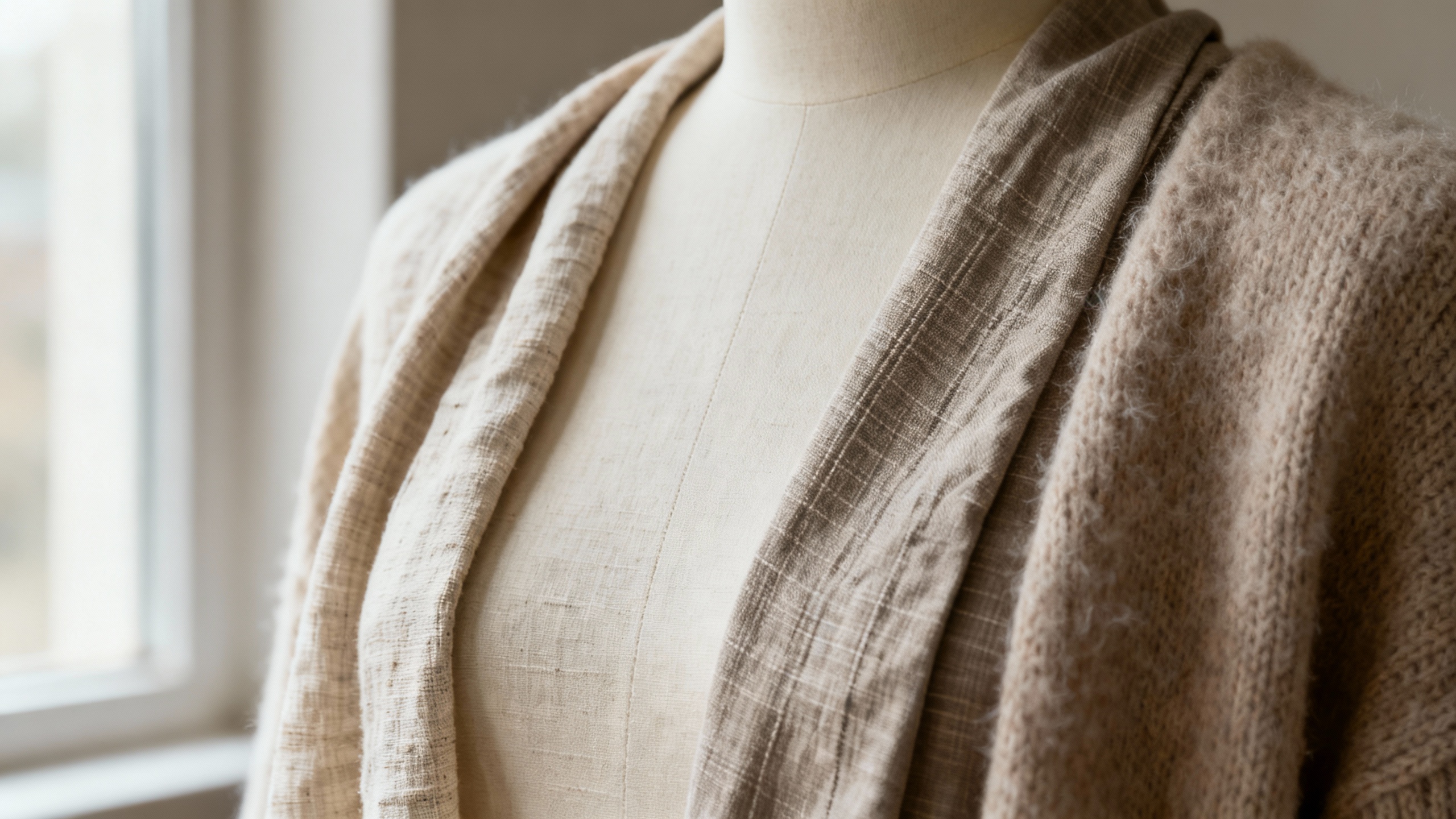
First, be obsessively clear about measurements on every product page, especially for body‑skimming dresses and two‑piece sets. Use language similar to the successful boutiques: explain how to measure around the fullest part of the bust while wearing a bra, where exactly the waist sits, and how to locate the fullest part of the bottom rather than the hip bones. Second, lean toward fabrics that read as elevated. Even if you are limited to standard catalog blanks, choose options that mimic the look of linen, tweed, or substantial knits rather than paper‑thin textiles. Third, show fit and drape on diverse bodies, including plus‑size models. The Lemon8 creator who shares her 5'3", 180 lb frame and how a set flatters her is doing your market research for you: this audience wants to see themselves.
Fashion marketing for women in their 40s and 50s

Translating Insights into a POD Product Strategy

Turning these ideas into a cohesive catalog is where your entrepreneurial discipline matters. Unlike traditional brands, you can test dozens of micro‑iterations with minimal inventory risk, but you still need a clear point of view.

Start by defining two or three era influences that feel authentic to your brand and relevant to your target customer. Based on the research notes, strong candidates include 1970s bohemian comfort, 1980s sculptural jewelry and strong tailoring, and 1990s preppy staples. Layer on cross‑decade icons like cat‑eye sunglasses or the little black dress as recurring motifs.

Next, choose a small set of silhouettes per season that align with what style editors are already showing older women wearing on repeat: a tailored blazer or jacket, a simple knee‑to‑midi dress, a refined knit top, and one or two relaxed pieces such as a tie‑dye inspired midi dress or a double‑denim styled top. These are the canvases for your nostalgic prints and rebellious graphics.

Then, design capsules rather than one‑off products. For example, an “Ageless Western Edit” might include a softly tailored black dress with a minimal lariat‑inspired print, a graphic tee that nods to Western wear with typography rather than imagery, and a scarf pattern that echoes turquoise and silver without copying Native American designs. Styled together in your photography, one piece carries the overt Western reference, while the others simply whisper it.

Finally, treat your imagery and copy as part of the signaling system. Remember the research on ethicality and appropriateness. Show your bold pieces styled in competent, real‑life ways: a rebellious graphic tee under a leather jacket and tailored trousers, tie‑dye colors on a dress paired with simple sandals and classic jewelry, Bermuda‑length shorts styled with a structured blazer and kitten heels the way Who What Wear suggests. Use language that speaks to agency and experience rather than youth chasing, echoing the “age‑less fashion” and personal‑style narratives your customers are already following.

Operational Pros and Cons for On‑Demand Entrepreneurs

From a business perspective, this nostalgia‑plus‑rebellion niche offers specific advantages and trade‑offs.

The advantages include built‑in storytelling, long product life cycles, and a customer who values repeat wear. Nostalgic references to well‑documented eras and icons give you endless content opportunities, and the emphasis on classic silhouettes means your designs do not expire in one season. Trend reports aimed at women over 50 show that pieces like leather jackets, tailored suits, double denim, and little black dresses recur year after year, especially when they are well made and easy to restyle.

The risks sit primarily in misjudging the balance. Overly literal retro execution can push your customer into the “middle‑aged in polyester” stereotype that an older School Library Journal commentary once used to describe librarian clichés. Overly rebellious styling can make clothes feel unprofessional or juvenile, which the ethicality research suggests will reduce feelings of trust and credibility. You also need to manage returns carefully, because poor fit erodes the confidence you are working so hard to build.

Print‑on‑demand mitigates inventory risk but adds pressure on design clarity and description. Once a garment is printed, you cannot rework the seam or fabric, so your margin for sizing miscommunication is small. That makes the measurement education and model diversity described earlier non‑negotiable.

Frequently Asked Questions

How bold can my “rebellious” elements be when I am targeting women over 40 or 50?

Based on how this audience talks about style in blogs and on platforms like Lemon8, the appetite for boldness is real, but it is anchored in context. A woman may love a bright tie‑dye midi dress if it is cut well and styled with simple sneakers and classic accessories. She may happily wear a graphic tee with a provocative message under a blazer but skip the same message splashed across a tight mini dress. When in doubt, keep the base silhouette classic and let one element carry the rebellion.

Which print‑on‑demand products are the easiest entry point for this niche?

The most forgiving entry points are items that already align with how middle‑aged women build outfits in real life: refined knit tops, T‑shirts designed to be layered under jackets, simple midi dresses, and scarves. These pieces naturally integrate into the classic‑plus‑practical wardrobes described by The Well Dressed Life and similar platforms. Once you understand which motifs and colors resonate, you can expand into bolder hero pieces and coordinated sets.

How do I talk about age without alienating younger or older customers?

The most effective brands in this space focus on values rather than strict age ranges. Terms like “ageless style,” “grown‑woman dressing,” and “clothes that work for real life” mirror language used in digital libraries of style guides and in modern fashion essays. You can acknowledge that your designs are cut with curves, comfort, and confidence in mind, highlight the fit and fabric decisions that support that, and let individual customers decide whether they see themselves in the story.

In the on‑demand and dropshipping world, very few brands are building for nostalgic rebels in midlife with real intention. If you commit to understanding their style psychology, honor their need for fit and quality, and design with both their memories and their defiance in mind, you will not just sell more pieces; you will build a brand they are proud to wear on repeat.

References

  1. https://eric.ed.gov/default.aspx?q=descriptor%3A%22Stereotypes%22&ff1=audMedia+Staff
  2. https://pmc.ncbi.nlm.nih.gov/articles/PMC9601812/
  3. https://housing.jacksonms.gov/uploaded-files/o2lNLa/3OK055/BusinessCasualForPlusSizeWomen.pdf
  4. https://www.fabulousafter40.com/
  5. https://www.aarpethel.com/lifestyle/9-nostalgic-fashion-trends-that-are-making-a-comeback
  6. https://awellstyledlife.com/2025-fashion-trends-whats-in-whats-out-and-how-to-stay-stylish/
  7. https://heartmycloset.me/collections/modern-vintage?srsltid=AfmBOooO94uGmxtF1CzX96OY3uNADS0iJSlqzfkfz1vvjBCYxgH0v6q5
  8. https://www.lemon8-app.com/@norcester/7450274869889073706?region=us
  9. https://sarah-tucker.com/classic-style-2/
  10. https://wearzeitgeist.com/vintage-fashion/guide-to-vintage-clothing

Like the article

0
Designing Fashion That Balances Nostalgia and Rebellion for Middle‑Aged Women

Designing Fashion That Balances Nostalgia and Rebellion for Middle‑Aged Women

As someone who mentors founders in on‑demand printing and dropshipping, I see the same pattern over and over: brands chase Gen Z trends while the most profitable, under-served customer quietly shops elsewhere. Middle‑aged women, especially in their 40s, 50s, and early 60s, are craving clothes that honor their history and personality without pushing them into stereotypes of being either invisible or trying too hard.

The sweet spot is a design language that mixes nostalgia with rebellion. Nostalgia offers comfort and recognition; rebellion offers agency and edge. When you get that balance right, you unlock a repeat customer base that loves your story as much as your products.

This article walks through how to design, position, and sell nostalgic‑yet‑rebellious fashion to middle‑aged women using print‑on‑demand and dropshipping, grounded in real style content and backed by research on how clothing influences perception.

The New Middle‑Aged Style Mindset

Modern women over 40 are not looking for “age‑appropriate” uniforms. Style platforms dedicated to this audience, such as classic style blogs and the Fashion Over 40 editorials from The Well Dressed Life, frame their mission very clearly: help women build timeless, easy‑to‑wear wardrobes that work in real life, not just on special occasions. The focus is on mix‑and‑match basics, practical outfit formulas, and shopping recommendations that feel curated rather than trend‑driven.

Personal essays on classic style, like Meg Mason’s piece on Sarah Tucker’s site, show how women in their forties use experience to filter trends. She talks about discovering that higher necklines flatter her more now, prioritizing fit and quality fabrics like linen, cashmere, tweed, and silk, and using a tailor to make small alterations that drastically improve comfort and confidence. The message is simple: classic does not mean boring; interest comes from how you personalize the essentials.

On social platforms such as Lemon8, you see the rebellious side of this audience. One creator focused on fashion over 40 states bluntly that if she likes a piece and it comes in her size, she will wear it, regardless of age. She embraces “age‑less fashion,” defines personal style as dressing for confidence and comfort rather than outside opinions, and highlights a two‑piece set she wears at 5'3" and 180 lb that draws constant compliments. The underlying theme is clear: this customer respects her own taste and refuses to be policed by outdated rules.

For you as a brand owner, this means any design strategy for middle‑aged women must respect their experience, their demand for quality and fit, and their desire to write their own style rules.

Ageless style trends for women over 40

What Nostalgia Really Means in Fashion

Retro and vintage‑inspired fashion are not about copying old photographs. A retro style guide from East Hills Casuals defines retro fashion as the revival of clothing trends from past decades, particularly the 1920s through the 1970s, updated with a modern twist to express individuality. Buckle My Belt, in a piece on vintage‑inspired trends, describes fashion as an “eternal carousel,” where silhouettes, cuts, and embellishments disappear and return, each time reinterpreted.

Several concrete examples keep resurfacing across these sources. The 1920s flapper dress replaces restrictive corsets with dropped waists and fringe that moves with the body. The 1940s introduce practical high‑waisted trousers that remain a flattering, polished option when styled today with tucked‑in tops and tailored blazers. The 1950s contribute cat‑eye sunglasses, which East Hills Casuals and Buckle My Belt both call out as iconic accessories that instantly add Hollywood glamour to both retro dresses and modern outfits. The 1960s bring tie‑dye and psychedelic prints as symbols of individuality and freedom, while the 1970s hippie era emphasizes comfort, flow, and earthy tones through bell‑bottom jeans, maxi dresses, and fringe.

Nostalgia for middle‑aged women is often multigenerational. AARP’s Ethel lifestyle content on “boomerang” trends notes that styles from the 1970s through the 1990s are coming back faster than ever. Bold 1980s jewelry, Western wear, and preppy staples like boat shoes and rugby‑striped tops have all reappeared in 2024, sometimes styled with modern contrast such as boat shoes paired with delicate evening outfits. The same article underscores a sustainability angle: rewearing old pieces instead of buying new keeps clothes out of landfills.

At the same time, nostalgia can visually age someone. In a Facebook discussion on 1950s snapshots, one commenter questions whether the women in the photo are actually middle‑aged at all, suggesting the clothes simply make them look older. This is a critical insight for your design work: midcentury silhouettes and grooming can add a decade in perception if executed literally.

For on‑demand brands, the lesson is to borrow emotional and aesthetic cues rather than copying head‑to‑toe era styling. That means echoing the movement of fringe without rigid dropped waists, bringing back cat‑eye shapes without severe hair and makeup, or using tie‑dye color stories in more refined silhouettes.

Nostalgic and rebellious fashion design tips

Rebellion After 40: Quiet, Grounded, and Intentional

Rebellion for a grown woman does not usually look like head‑to‑toe shock value. It looks like refusing to shrink, refusing to dress “smaller,” and refusing to let other people’s timelines dictate her choices.

The Lemon8 creator who proudly wears her two‑piece set in multiple colors and sizes describes an “age‑less” approach to style that is inherently rebellious. She encourages experimenting with vibrant colors and patterns, investing in versatile sets that can be dressed up with statement accessories, and treating fashion as fun self‑expression rather than a list of prohibitions.

Retro culture itself has roots in rebellion. East Hills Casuals reminds readers that 1960s tie‑dye and psychedelic prints were symbols of counterculture and nonconformity, and that 1970s hippie style prioritized comfort and individuality through flowy garments and bohemian details. Today, styling advice from that piece suggests pairing a tie‑dye midi dress with sneakers and hoop earrings or layering fringe accessories and beaded jewelry for a relaxed, boho look, even in plus‑size options.

AARP’s coverage of Western style shows another form of modern rebellion. Western boots, belts with large buckles, wide‑brim hats, and turquoise jewelry have moved back into mainstream fashion, boosted by current pop culture. Yet the editorial recommends mixing only one or two Western elements into an outfit to avoid looking like a costume. The rebellion here is intelligent and controlled: just enough to signal independence, not so much that it overwhelms.

For your brand, rebellion can be expressed through disruptive color choices on classic silhouettes, unexpected graphic messages that push back on age stereotypes, or fearless use of bold accessories in your imagery. The key is to keep the base of the outfit grounded so the rebellious elements look intentional rather than chaotic.

Print on demand strategies for mature women

How Clothes Shape Perception: What The Research Says

Beyond style editorials, there is empirical evidence that clothing shapes how people are judged on competence, trustworthiness, and even ethics.

A PubMed Central study on interprofessional medical teams showed participants four photographs of the same family practice team in different outfits: tunics, white coats, the same outfits with FFP2 masks, and a relaxed look with playful pink socks. Over 900 respondents rated each photo for sympathy, competence, trust, whether they would choose that practice, and whether they could imagine working there. The results were clear. Clothing significantly influenced all of these scores. The pink‑socks image felt friendliest and scored highest for likability, but outfits with white coats and masks scored highest for perceived competence and security. The authors concluded that medical teams should deliberately adapt dress depending on which feelings they want to evoke.

Another article in PubMed Central on workplace attire and ethicality examined how business formal, business casual, and casual clothing affect judgments of employee ethical behavior. Across two laboratory studies, people wearing casual attire were consistently judged less ethical than those in business casual or business formal. Crucially, the perception that an outfit was appropriate for the context mediated how ethical the wearer seemed. The authors used signaling theory to argue that clothing sends social cues about professionalism and norm adherence, which observers then read as clues about integrity and values.

Combined, these findings matter for your fashion brand. They show that playful and rebellious details can increase relatability and warmth but may reduce perceived competence if the overall outfit feels too informal or out of place for the context. They also show that context‑appropriate clothing continues to signal trust and ethicality, even as workplaces and lifestyles grow more casual.

In practical terms, a graphic tee styled with tailored trousers and a leather jacket will feel more “ethical” and competent than the same tee shown with worn sweatpants. A bold tie‑dye print rendered in a well‑cut midi dress will read differently from the same colors on an oversized, shapeless garment.

Nostalgia vs Rebellion: Strengths, Risks, and Opportunities

The tension you are designing around can be summarized in a simple comparison.

Approach

Strengths for middle‑aged women

Risks if overused

Product opportunities in POD/dropshipping

Nostalgia‑first

Delivers emotional comfort, memories, and a sense of continuity; echoes classic icons like the little black dress, cat‑eye sunglasses, and tailored blazers referenced by Who What Wear and others.

Can make women look or feel older than they are if silhouettes and styling are too literal, as the 1950s snapshot discussion illustrates.

Era‑inspired prints on modern cuts, retro color palettes on current basics, accessories that nod to decades (for example, printed scarf designs, cat‑eye sunglasses, bold 1980s‑style jewelry).

Rebellion‑first

Signals independence and self‑definition; aligns with age‑less fashion narratives seen on Lemon8 and other platforms; very shareable on social media.

If the entire outfit is rebellious, it may feel costume‑like or juvenile, and research suggests it can reduce perceived competence and ethicality in some contexts.

Statement graphics that challenge age and body stereotypes, tie‑dye color stories on refined dresses, Western‑inspired motifs limited to one element in the look, bold jewelry drops.

The sweet spot is a nostalgic foundation with selective rebellious accents. You are designing for women who want to feel like the grown‑up version of who they have always been, not someone entirely different.

Building the Style Blueprint: From Silhouette to Print

In my work with founders, the products that perform best in this niche typically follow a layered design logic. The silhouette does most of the quiet work. The print or detail delivers nostalgia. The rebellious element is the final twist.

One reliable base is classic tailoring. Who What Wear’s autumn 2025 trends for women over 50 emphasize timeless blazers, quality wool fabrics, precise stitching, and shirts that move seamlessly from day to night. Rather than creating a blazer printed all over with loud motifs, consider using your print‑on‑demand capability on underpinning pieces: a softly structured knit top with a subtle 1970s floral, or a graphic tee with a witty age‑positive slogan that is meant to be worn under an open blazer. The blazer carries the competence signal; the printed layer carries nostalgia and rebellion.

Another strong base is the little black dress. Editorials trace its lineage from 1920s Chanel designs to the Givenchy dress worn by Audrey Hepburn, and recent trend coverage shows it back in rotation in strapless midi and tuxedo‑style versions. For a POD brand, you might not control the base pattern of the dress, but you can choose a simple, knee‑to‑midi length black style in your catalog and offer limited runs of placement prints that reference eras without locking customers into a costume: a subtle 1960s‑inspired geometric at the hem, or 1970s‑inspired botanical outlines in a low‑contrast tone.

Denim offers a more casual canvas. The Canadian tuxedo, or double denim, is being embraced again for older women, with success depending on matching washes and elevating the outfit with accessories. You can design printed denim‑effect tops or jackets in your POD catalog that are styled in photography with real denim jeans, belt, and simple jewelry. Nostalgia sits in the double‑denim reference; rebellion appears in a surprising back graphic, embroidered‑effect print, or inside‑collar message that only the wearer knows is there.

Western and preppy elements work best as seasoning. AARP’s advice to use only one or two Western pieces per outfit to avoid costume is particularly relevant. For your store, that might translate into one Western‑inspired graphic tee, one scarf with a subtle rope or star motif, and one belt design with a vintage buckle print, all styled with otherwise classic pieces. Similarly, preppy boat shoes and striped tops can be used in your photography to ground bolder prints in something familiar and practical.

Retro inspired clothing for middle-aged demographics

Fit, Fabric, and Sizing: The Foundation of Confidence

All of this design strategy fails if the clothes do not fit or feel good. For middle‑aged women, fit is non‑negotiable, and the research notes you have highlight several important realities.

A size guide from a modern vintage dress boutique explains that most of their pieces use a twill cotton blend with about five percent spandex for stretch. They emphasize that their size chart lists garment measurements, not body measurements, and they give clear instructions for measuring bust, waist, and low hip. They also recommend that customers above a US size 14 choose custom‑made options for better accuracy. The goal is to reduce sizing errors and ensure that every dress feels tailored.

A detailed guide on vintage sizing from WearZeitgeist points out that vintage labels can differ dramatically from modern ones. Because of decades of vanity sizing, a shopper who wears a modern size 10 might need a vintage size 14, roughly four numerical sizes up, and the tag number is often meaningless. The author recommends ignoring the size on the label and focusing entirely on how the garment fits the body, noting that many older garments were handmade and that tailoring was historically more common.

Combined with Meg Mason’s insistence on alterations and quality fabrics, this tells you that middle‑aged women are willing to invest attention, and sometimes money, into getting the fit right. For a print‑on‑demand or dropshipping brand, this should translate into three practical actions.

First, be obsessively clear about measurements on every product page, especially for body‑skimming dresses and two‑piece sets. Use language similar to the successful boutiques: explain how to measure around the fullest part of the bust while wearing a bra, where exactly the waist sits, and how to locate the fullest part of the bottom rather than the hip bones. Second, lean toward fabrics that read as elevated. Even if you are limited to standard catalog blanks, choose options that mimic the look of linen, tweed, or substantial knits rather than paper‑thin textiles. Third, show fit and drape on diverse bodies, including plus‑size models. The Lemon8 creator who shares her 5'3", 180 lb frame and how a set flatters her is doing your market research for you: this audience wants to see themselves.

Fashion marketing for women in their 40s and 50s

Translating Insights into a POD Product Strategy

Turning these ideas into a cohesive catalog is where your entrepreneurial discipline matters. Unlike traditional brands, you can test dozens of micro‑iterations with minimal inventory risk, but you still need a clear point of view.

Start by defining two or three era influences that feel authentic to your brand and relevant to your target customer. Based on the research notes, strong candidates include 1970s bohemian comfort, 1980s sculptural jewelry and strong tailoring, and 1990s preppy staples. Layer on cross‑decade icons like cat‑eye sunglasses or the little black dress as recurring motifs.

Next, choose a small set of silhouettes per season that align with what style editors are already showing older women wearing on repeat: a tailored blazer or jacket, a simple knee‑to‑midi dress, a refined knit top, and one or two relaxed pieces such as a tie‑dye inspired midi dress or a double‑denim styled top. These are the canvases for your nostalgic prints and rebellious graphics.

Then, design capsules rather than one‑off products. For example, an “Ageless Western Edit” might include a softly tailored black dress with a minimal lariat‑inspired print, a graphic tee that nods to Western wear with typography rather than imagery, and a scarf pattern that echoes turquoise and silver without copying Native American designs. Styled together in your photography, one piece carries the overt Western reference, while the others simply whisper it.

Finally, treat your imagery and copy as part of the signaling system. Remember the research on ethicality and appropriateness. Show your bold pieces styled in competent, real‑life ways: a rebellious graphic tee under a leather jacket and tailored trousers, tie‑dye colors on a dress paired with simple sandals and classic jewelry, Bermuda‑length shorts styled with a structured blazer and kitten heels the way Who What Wear suggests. Use language that speaks to agency and experience rather than youth chasing, echoing the “age‑less fashion” and personal‑style narratives your customers are already following.

Operational Pros and Cons for On‑Demand Entrepreneurs

From a business perspective, this nostalgia‑plus‑rebellion niche offers specific advantages and trade‑offs.

The advantages include built‑in storytelling, long product life cycles, and a customer who values repeat wear. Nostalgic references to well‑documented eras and icons give you endless content opportunities, and the emphasis on classic silhouettes means your designs do not expire in one season. Trend reports aimed at women over 50 show that pieces like leather jackets, tailored suits, double denim, and little black dresses recur year after year, especially when they are well made and easy to restyle.

The risks sit primarily in misjudging the balance. Overly literal retro execution can push your customer into the “middle‑aged in polyester” stereotype that an older School Library Journal commentary once used to describe librarian clichés. Overly rebellious styling can make clothes feel unprofessional or juvenile, which the ethicality research suggests will reduce feelings of trust and credibility. You also need to manage returns carefully, because poor fit erodes the confidence you are working so hard to build.

Print‑on‑demand mitigates inventory risk but adds pressure on design clarity and description. Once a garment is printed, you cannot rework the seam or fabric, so your margin for sizing miscommunication is small. That makes the measurement education and model diversity described earlier non‑negotiable.

Frequently Asked Questions

How bold can my “rebellious” elements be when I am targeting women over 40 or 50?

Based on how this audience talks about style in blogs and on platforms like Lemon8, the appetite for boldness is real, but it is anchored in context. A woman may love a bright tie‑dye midi dress if it is cut well and styled with simple sneakers and classic accessories. She may happily wear a graphic tee with a provocative message under a blazer but skip the same message splashed across a tight mini dress. When in doubt, keep the base silhouette classic and let one element carry the rebellion.

Which print‑on‑demand products are the easiest entry point for this niche?

The most forgiving entry points are items that already align with how middle‑aged women build outfits in real life: refined knit tops, T‑shirts designed to be layered under jackets, simple midi dresses, and scarves. These pieces naturally integrate into the classic‑plus‑practical wardrobes described by The Well Dressed Life and similar platforms. Once you understand which motifs and colors resonate, you can expand into bolder hero pieces and coordinated sets.

How do I talk about age without alienating younger or older customers?

The most effective brands in this space focus on values rather than strict age ranges. Terms like “ageless style,” “grown‑woman dressing,” and “clothes that work for real life” mirror language used in digital libraries of style guides and in modern fashion essays. You can acknowledge that your designs are cut with curves, comfort, and confidence in mind, highlight the fit and fabric decisions that support that, and let individual customers decide whether they see themselves in the story.

In the on‑demand and dropshipping world, very few brands are building for nostalgic rebels in midlife with real intention. If you commit to understanding their style psychology, honor their need for fit and quality, and design with both their memories and their defiance in mind, you will not just sell more pieces; you will build a brand they are proud to wear on repeat.

References

  1. https://eric.ed.gov/default.aspx?q=descriptor%3A%22Stereotypes%22&ff1=audMedia+Staff
  2. https://pmc.ncbi.nlm.nih.gov/articles/PMC9601812/
  3. https://housing.jacksonms.gov/uploaded-files/o2lNLa/3OK055/BusinessCasualForPlusSizeWomen.pdf
  4. https://www.fabulousafter40.com/
  5. https://www.aarpethel.com/lifestyle/9-nostalgic-fashion-trends-that-are-making-a-comeback
  6. https://awellstyledlife.com/2025-fashion-trends-whats-in-whats-out-and-how-to-stay-stylish/
  7. https://heartmycloset.me/collections/modern-vintage?srsltid=AfmBOooO94uGmxtF1CzX96OY3uNADS0iJSlqzfkfz1vvjBCYxgH0v6q5
  8. https://www.lemon8-app.com/@norcester/7450274869889073706?region=us
  9. https://sarah-tucker.com/classic-style-2/
  10. https://wearzeitgeist.com/vintage-fashion/guide-to-vintage-clothing
Like the article

0