

The Healing Power of Customized Products in Depression Recovery

The Healing Power of Customized Products in Depression Recovery

Dec 27, 2025 by Iris POD e-Commerce 101

Depression is not a niche trend; it is one of the defining health challenges of our time. The World Health Organization estimates that depression and anxiety together cost the global economy about $1 trillion each year in lost productivity. At the same time, the global mental health market is projected to reach roughly $537 billion by 2030, driven by rising awareness and demand for practical, everyday support tools.

If you are building a print-on-demand or dropshipping brand, this convergence of need and market opportunity is hard to ignore. But it also demands maturity. When you sell “mental health” products for people living with depression, you are not just selling a mug or a hoodie. You are entering their healing ecosystem.

As someone who has mentored founders building wellness and mental health product lines, I have seen both sides: brands that become a genuine part of someone’s coping toolkit, and brands that drift into empty “good vibes only” merchandising. The difference almost always comes down to whether the products are grounded in evidence, designed with empathy, and marketed with integrity.

This article will show you how customized products can meaningfully support depression recovery, and how to design and sell them responsibly within a print-on-demand and dropshipping model.

Why Personalized Products Matter In Mental Health

Design is more than aesthetics. As mental-wellness design research puts it, design is the purposeful arrangement of elements to achieve a goal. When the goal is mental wellness, that goal is to support emotional and cognitive health.

Environmental psychology and interior architecture research show that our surroundings influence stress, mood, and cognition. Studies summarized by Marymount University highlight that lighting, color palettes, spatial layout, and materials in interior spaces can reduce stress and enhance feelings of safety and restoration. Similarly, the WELL Certification community has documented how cluttered homes and stressful commutes are associated with elevated cortisol, while access to nature and water is linked to better mental well-being.

If a room, a window, or a garden can calm a distressed nervous system, so can carefully designed physical objects that people touch, see, and use every day. Customized journals, wall art, affirmation cards, or self-care boxes are all micro-design interventions inside a person’s daily environment. They can help anchor therapeutic skills, trigger positive routines, and remind someone of their worth on days when their thoughts tell a different story.

Personalization amplifies this effect. A generic mug with “Cheer up!” printed on it is unlikely to support someone navigating major depression. A journal that reflects their identity, uses language that respects their struggle, and includes evidence-based prompts can become an extension of therapy itself.

The key is to align what you sell with what we know works in mental health care.

Personalized mental health support tools

What Science Tells Us About Tools That Support Depression Recovery

Cognitive Behavior Therapy And Tangible Tools

Cognitive Behavior Therapy (CBT) is one of the most studied treatments for depression. Institutions like Beck Institute and platforms such as Psychology Tools and Therapist Aid provide CBT worksheets, thought records, and conceptualization diagrams specifically because these tangible tools help people practice skills between sessions.

Beck Institute’s materials emphasize:

  • Ongoing assessment of symptoms.
  • Structured thought records.
  • Strength-based conceptualization.
  • Client-facing psychoeducation.

Similarly, Psychology Tools and Therapist Aid provide structured, session-ready worksheets across CBT, DBT, ACT, and other modalities. Their disclaimers are clear: these tools are educational, meant to supplement, not replace, work with a qualified professional.

This tells you something very important as a product creator. The mental health world already relies heavily on physical and printable tools: workbooks, mood logs, exposure hierarchies, values worksheets, sleep diaries. These are proven complements to therapy. Customized products that echo this structure, while clearly labeled as non-clinical, can stand on solid ground.

A journal that incorporates space for mood tracking, gratitude, and cognitive restructuring is not gimmicky if it faithfully reflects evidence-based formats. Done well, it can help someone turn what they learned in session into a daily practice.

Design, Environment, And Emotional Safety

Research on mental wellness and architecture shows that design choices affect how safe, calm, or overwhelmed people feel. Several recurring findings show up across environmental psychology, WELL design resources, and interior architecture programs:

Natural light and brightness are associated with better mood and productivity. Architectural lighting can supplement or mimic daylight where windows are limited.

Color psychology points to neutrals, greens, and blues as particularly calming, with blue often recommended for bedrooms that need to support rest.

Biophilic design, which brings nature indoors through plants, natural materials, and water features, tends to reduce stress and increase time spent in those spaces.

Material choices matter. Warm materials such as wood and natural fibers are more restorative than cold, harsh materials. Tactile surfaces can encourage mindful, present-moment interaction with the environment.

Clutter and environmental chaos are associated with higher cortisol and perceived stress, while thoughtfully organized spaces support a sense of control.

When you design products for depression recovery, you are effectively designing tiny pieces of interior architecture that people will live with daily. A large print-on-demand wall canvas with a chaotic pattern and harsh colors might be fashionable but emotionally draining. A nature-inspired print in muted tones, by contrast, can become a visual breathing space above a bed or desk.

The takeaway is simple: every color choice, texture, and graphic you print on demand has emotional consequences. Evidence-based design gives you a roadmap for choosing wisely.

Self-Care Boxes And Mental Health Kits

Self-care boxes and mental health kits are already recognized tools in mental health support.

Lifeline describes a self-care box as a personal collection of activities or objects that reliably bring calmness, relaxation, serenity, and happiness. Examples include bubble baths, favorite books, or journaling. The core guidance is that the box should be highly individualized and ready to use when someone feels stressed, low, or overwhelmed.

SwagMagic defines a mental health kit as a curated collection of tools, exercises, and comfort items to help people cope with anxiety, depression, and stress. The kit offers immediate comfort and supports long-term care, but it is not a substitute for professional treatment. Their recommendations emphasize personalization, regular updating of items based on what actually helps, and inclusion of elements like journals, affirmations, breathing exercises, and guided meditations.

Employee-wellness providers such as Meditopia frame mental health gifts as tangible expressions of care that reinforce a culture where mental health matters. They highlight sleep boxes, mindfulness tools, and customized self-care boxes as part of broader well-being strategies rather than one-off perks.

For you as a print-on-demand or dropshipping seller, these perspectives legitimize the “self-care box” as more than a marketing fad. When rooted in the user’s own coping strategies and shaped by evidence-based skills, a kit can become a meaningful part of depression recovery.
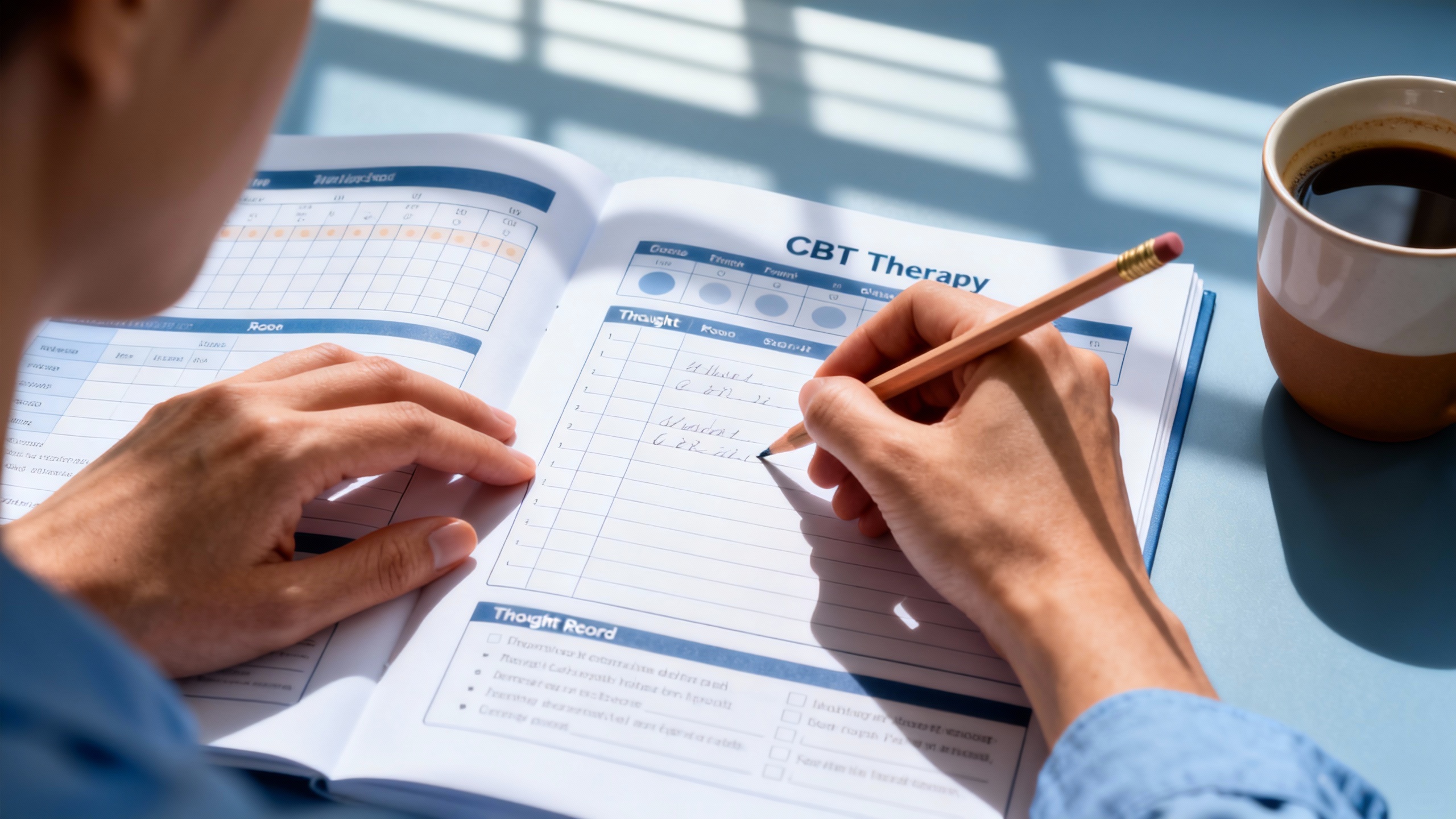
Print on demand products for wellness

How Customized Products Can Support Depression Recovery

Personalized Journals And CBT-Style Workbooks

If you want to create one product that is both deeply personal and strongly evidence-aligned, start with journals and workbooks.

CBT resources from Beck Institute, CCI WA, Psychology Tools, and Therapist Aid follow recognizable patterns: psychoeducation, structured exercises, and regular progress tracking. You cannot copy their content, but you can learn from the structure.

A customized depression-support journal might include:

Short, plain-language explanations of concepts such as mood monitoring or thought challenging, paraphrased and simplified for laypeople.

Daily pages that invite the user to name emotions, note triggers, and capture balanced thoughts rather than only positive ones.

Spaces for sleep and energy tracking, given the tight link between sleep and depressive symptoms emphasized in wellness gift guidance.

Prompts for behavioral activation, such as small, achievable activities that align with the person’s values.

The pros are substantial. Journaling builds self-awareness, supports skills learned in therapy, and offers a nonjudgmental space when a person feels unable to talk to others. Customization means you can reflect the user’s identity and preferences: different aesthetics, inclusive language, and even tailored prompts for teens, parents, or professionals.

The cons are just as real. Poorly designed journals can promote “toxic positivity,” imply that people should simply think differently, or accidentally shame them for not progressing quickly. To avoid this, you can:

Consult CBT-informed clinicians during design.

Avoid making therapeutic claims; instead, mirror the disclaimers used by CCI WA and Therapist Aid, clearly stating that the journal is a self-help complement, not treatment.

Signal that it is okay to skip days or struggle with exercises, and normalize going back to a therapist or doctor when symptoms intensify.

Affirmation Cards And Emotional Support Prints

Affirmation decks, emotional support art prints, and message-based apparel are staples of the mental health gift space. Oprah Daily’s coverage of cause-related mental health products shows how items like feelings card decks or jewelry engraved with compassionate messages can become conversation starters and daily reminders of worth.

Staples’ mental health promotional products and employee wellness content also highlight affirmation cards and gratitude cards as practical tools for emotional reflection in workplaces.

However, depression complicates the affirmation game. Telling someone in a major depressive episode “Today is going to be amazing” can feel invalidating. Evidence-based cognitive therapies aim for balanced, realistic thoughts, not forced positivity.

That means your customization strategy should favor:

Grounded affirmations such as “I am allowed to ask for help” or “My worth is not defined by my productivity,” which echo themes from mental-health-aware workplace and design research.

Message sets that acknowledge difficulty, for example, “Some days surviving is an achievement.”

Design motifs that connect to nature, safety, or community rather than only self-optimization.

Affirmation products can be powerful reinforcers of therapeutic work, but only when they respect the complexity of depression.

Customizable Mental Health Kits And Self-Care Boxes

Mental health kits are a natural fit for a dropshipping model. Partners like SwagMagic already enable bulk curated boxes; print-on-demand allows you to layer in custom cards, journals, apparel, and branded packaging.

Drawing from Lifeline and SwagMagic’s perspectives, effective depression-sensitive kits typically include a mix of:

Comfort items, like teas, soft socks, or blankets, which can serve as grounding tools.

Tools, such as journals, simple worksheets, or coping-tip cards, that help people apply skills.

Connection elements, such as personalized notes or prompts to reach out to a trusted person.

Experience-based items, like movie night or creative art supplies, that counter isolation and support gentle behavioral activation.

Price points described for curated kits typically sit between about $54 and $146 per box, making them mid-range gifts that can scale for individual or corporate orders.

From a healing perspective, the pros are immediacy and tangibility. When someone is in a depressive low, decision fatigue is real. Having a box of pre-selected, personalized supports reduces the number of choices they have to make in that moment.

The cons relate to fit and scope. An off-the-shelf “mental health kit” that does not reflect someone’s culture, identity, or actual coping strategies may feel irrelevant. Kits also run the risk of implying that products alone are enough, which is why both Lifeline and SwagMagic stress that kits do not replace professional care.

Your role is to make customization easy and meaningful. Offer modular components, encourage recipients to swap items for what truly soothes them, and include clear guidance to seek medical or psychological support when needed.

Environment-Shaping Products: Wall Art, Apparel, And Everyday Objects

Interior architecture and WELL design research can guide your choices here.

For wall art and decor, use calming palettes with neutrals, greens, and blues. Nature imagery and biophilic themes tend to reduce stress and invite people to spend more time in a room. Avoid imagery that is overly chaotic or potentially triggering. Remember that what feels “edgy” in design can feel unsafe to someone already overwhelmed.

For apparel and textiles, materials matter. Soft, breathable fabrics and tactile but non-irritating textures can be grounding. Simple line art, understated affirmations, or subtle nature motifs often serve the purpose better than loud slogans.

Employee mental health content emphasizes mini desk plants and natural materials as small, effective interventions. Dropshipped desk objects or textiles that bring in nature and texture can complement this trend.

Again, customization is your differentiator. Let customers choose color schemes, themes, or messages that align with their own sense of safety and identity.

Digital-Physical Hybrids: QR Codes, Apps, And Worksheets

Sustainable mental-health-aware promotions literature recommends embedding mental health resources directly into physical products. For example, QR codes can link to helplines, psychoeducation, or mindfulness content.

Verywell Mind’s therapist-reviewed app evaluations highlight meditation, sleep, breathwork, and CBT-based tracking apps that can serve as digital companions for people with depression. On the professional side, SAMHSA’s Evidence-Based Practices Resource Center curates interventions and toolkits for practitioners.

For an e-commerce brand, this opens a powerful hybrid strategy. You can:

Print subtle QR codes on the inside cover of journals that lead to breathing exercises or crisis resources.

Include cards in self-care boxes that point to reputable psychoeducational workbooks, such as those offered by CCI WA.

Offer digital downloads of structured worksheets inspired by CBT, alongside physical journals or wall planners.

The advantage is scalability. You ship the object once, but the support it connects to can evolve over time as you update digital content.

Evidence based mental health merchandise

Evidence-Informed Product Design: A Framework For Founders

Start From Lived Experience, Not Aesthetic Trends

Human-centered design research in digital mental health emphasizes discovering real needs, defining clear problem statements, developing solutions collaboratively, and delivering iteratively. Methods such as participatory design and co-design specifically involve people with lived experience as equal partners throughout.

Applied to your brand, this means:

Interview people who live with depression, and treat their time and insight as valuable.

Co-create product concepts, messaging, and even visual language with them, not just for them.

Test prototypes and be willing to change or discard ideas that do not land well, even if you love them aesthetically.

In my work with founders, the most successful mental health product lines often started with a small group of users who had veto power over anything that felt invalidating or shallow.

Ethics, Safety, And Disclaimers

Therapist-oriented platforms like Therapist Aid and CCI WA are very explicit: their materials are informational and educational, not substitutes for formal diagnosis or treatment. They strongly encourage users to see a doctor or mental health professional.

You should follow the same standard. Every depression-related product should:

State clearly that it is not a medical device, medication, or therapy.

Avoid claims about curing, treating, or preventing depression.

Encourage users to seek professional support, and to contact emergency services or crisis lines when at risk.

Also pay attention to content safety. Research on eating disorders and body image, for example, shows how vulnerable themes like weight or appearance can be. Avoid messaging that focuses on body shape, diet, or external appearance as measures of worth. Trauma-informed design guidance also suggests avoiding unnecessarily graphic or distressing imagery and giving users a sense of control.

Finally, respect privacy. If you collect any personal data via QR codes or follow-up emails, align with the security and compliance standards therapists expect: confidentiality, clear privacy policies, and minimal data collection.

Sustainability And Long-Term Engagement

Sustainable promotional guidance emphasizes that mental health products should not become disposable clutter. Durable, reusable items such as bottles, mugs, totes, and journals outperform single-use plastics both environmentally and emotionally.

E-commerce brands are encouraged to choose:

Recycled or renewable materials.

Minimal, recyclable, or compostable packaging.

Suppliers who can document eco-credentials and responsible labor practices.

Measurement recommendations from sustainable mental health campaigns also apply. Track not only sales and margins, but engagement metrics such as QR scans, sign-ups for digital resources, or repeat usage as reported in customer feedback. At the same time, track your environmental performance: material mixes, packaging avoided, and product lifespan.

This kind of data closes the loop. It allows you to refine future campaigns and shows that you take both mental health and sustainability seriously.
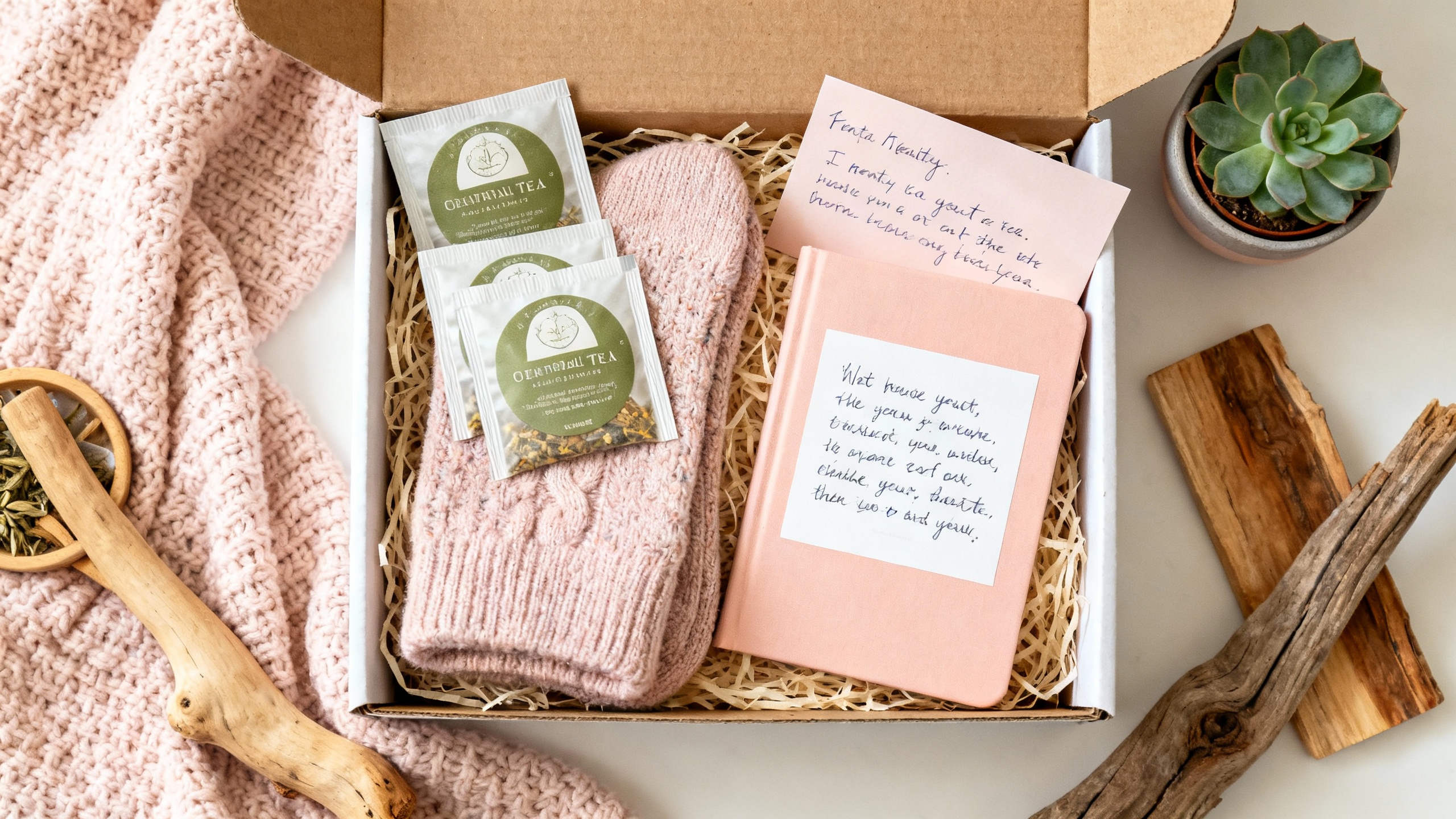
Design psychology in physical products

Building A Depression-Sensitive Brand With Print-On-Demand And Dropshipping

Why Print-On-Demand Fits The Mental Health Niche

Print-on-demand and dropshipping models are well-suited to mental health products because they allow:

Rapid iteration on designs based on feedback from people with lived experience.

Micro-segmentation of audiences, from teens to midlife professionals to caregivers.

Lower risk experimentation with niche product formats like CBT-style planners or highly specific affirmation sets.

SwagMagic’s model for corporate mental health kits demonstrates how third-party partners can handle storage and fulfillment while you focus on design, storytelling, and customer education.

The commercial upside is clear. But your competitive advantage is not just being able to print names on notebooks; it is being the brand that treats depression with respect and builds trust over time.

Product Archetypes You Can Launch

Within a print-on-demand and dropshipping ecosystem, several product archetypes align especially well with depression support.

Reflection tools focus on introspection and skill-building. Think journals and planners with CBT-style prompts, mood trackers, or grief and stress modules inspired by self-help workbooks from CCI WA. Your differentiation comes from humane language, identity-affirming design, and integration with digital resources.

Comfort and sensory grounding products offer physical soothing. Apparel in calming palettes, soft blankets, or tactile items like stress balls and fidget tools can help people self-regulate. Sustainable mental health promotion guidance suggests choosing materials like bamboo, recycled plastics, or organic cotton to reduce environmental impact while serving the same calming function.

Connection and recognition gifts make mental health support social. Customized tea sets, mini desk plants, group activity kits, and team photo collages can be positioned as ways for friends, families, and employers to acknowledge someone’s struggle without forcing conversation. Corporate wellness sources stress that such gifts work best when they form part of a genuine culture of care, not a one-time gesture.

Digital companion products bridge physical and digital care. For example, you might pair a guided-journal with a recommended meditation app, or include access to a mindfulness or sleep program similar to those reviewed by Verywell Mind and Meditopia. QR codes on physical products can unlock guided audio, micro-courses, or check-in surveys.

Practical Steps To Validate Your Idea

Before scaling any depression-related product line, treat validation as seriously as you would a clinical pilot.

Ground your concept in existing evidence and resources. Review CBT worksheet structures, environmental design guidelines, and self-care kit recommendations from credible organizations rather than inventing from scratch.

Invite feedback from mental health professionals, whether through informal advisory conversations or lightweight consults. They can help you spot red flags and refine language.

Test with a small group of users who fit your target audience and have direct experience of depression. Ask about emotional safety, clarity, and relevance, not just aesthetics.

Set soft success metrics that go beyond revenue. For example, you might ask customers whether using your product made it easier to practice self-care, talk to someone, or apply a skill from therapy.

Validation is not a one-time gate. It is an ongoing practice that will keep your brand aligned with your mission as you grow.
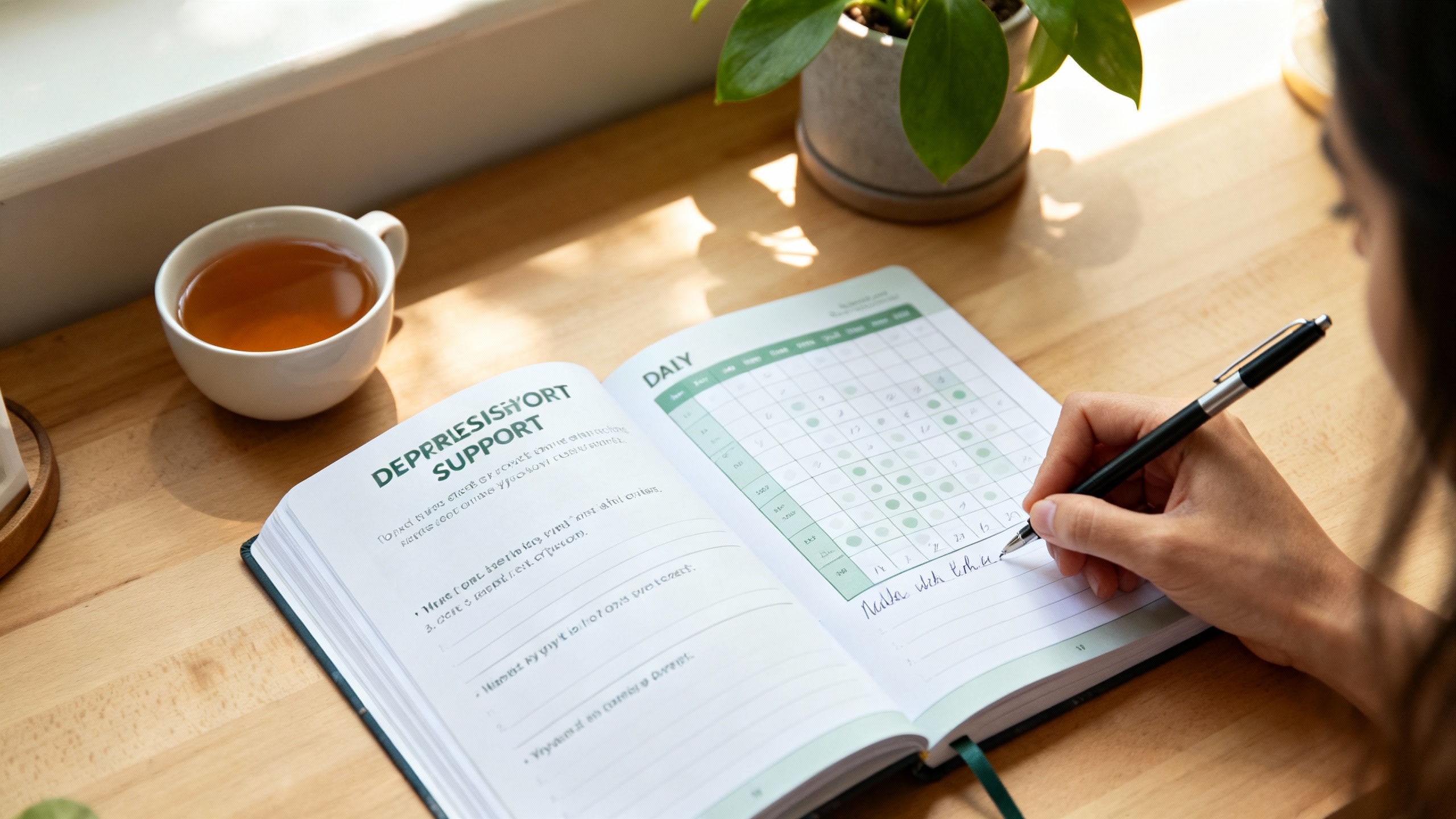
Ethical mental health brand strategy

Risks, Limitations, And Responsible Marketing

It is tempting to believe that, with the right design, you can “hack” depression. The research and professional resources summarized here say otherwise.

Design is a complementary, not standalone, mental health intervention. Environmental psychology and mental-wellness design advocates are clear: better spaces and objects can reduce stress and support recovery, but they do not eliminate structural issues like poverty, stigma, or access barriers. Affordable housing research, for example, shows a clear connection between financial hardship and poor mental health, and suggests that design-conscious housing can help but not replace policy or care.

Similarly, self-help resources from CCI WA and therapist platforms emphasize that workbooks and worksheets should be framed as complements to professional care. They repeatedly encourage users to talk with their doctor or mental health professional about any difficulties.

For your brand, responsible marketing means:

Being honest about what your products can and cannot do.

Avoiding fear-based messaging that pressures people to buy for safety.

Highlighting stories of real use, but making it clear that individual experiences vary.

Recognizing that some buyers are therapists, employers, or loved ones, not just individuals living with depression, and guiding them to use your products as part of broader support, not a replacement.

Mental health cause-marketing examples show that consumers increasingly look for transparency in how products support mental health causes, whether through donations, design, or both. That same expectation will apply to your depression-support line.

FAQ: Customized Products And Depression Recovery

Can customized products replace therapy or medication for depression?

No. Evidence-based guidelines and resource centers repeatedly stress that self-help tools and wellness products are complements, not substitutes, for professional treatment. Your products can help people practice skills, feel supported, and create healing micro-environments, but they do not replace therapy, medication, or medical care.

How can I avoid doing harm with mental health–themed products?

Start with human-centered and participatory design. Involve people with lived experience of depression and qualified clinicians in your design process. Avoid grand claims, weight- or appearance-focused messaging, and forced positivity. Include clear disclaimers and pointers to professional support, and be willing to pull products that users find triggering or unhelpful.

What makes a mental health kit or self-care box genuinely helpful?

Research-informed kits are personalized, practical, and grounded in the user’s own coping strategies. They usually combine comfort items, tools that support evidence-based skills (like journaling or breathing exercises), and gentle prompts for connection. They are presented as one part of a broader care plan, not as a cure in a box.

Closing Thoughts

Print-on-demand and dropshipping give you extraordinary power: the power to place thousands of small, daily-use objects into the lives of people who are hurting. When you combine that power with evidence from CBT, environmental psychology, and real-world mental health toolkits, your customized products can become more than merchandise. They can become quiet, persistent allies in depression recovery.

If you keep listening to the people you serve, collaborating with professionals, and letting the research guide your creativity, you can build a brand that is not only profitable, but genuinely healing.

References

  1. https://www.samhsa.gov/libraries/evidence-based-practices-resource-center
  2. https://marymount.edu/blog/designing-for-well-being-the-role-of-interior-architecture-in-mental-health/
  3. https://pmc.ncbi.nlm.nih.gov/articles/PMC9214621/
  4. https://beckinstitute.org/cbt-resources/resources-for-professionals-and-students/
  5. https://www.psychologytools.com/
  6. https://www.therapistaid.com/
  7. https://www.verywellmind.com/best-mental-health-apps-4692902
  8. https://www.clearmind.health/post/5-top-tools-for-therapists
  9. https://ecopromotionsonline.com/blog/top-5-sustainable-mental-health-awareness-promotional-ideas
  10. https://www.etsy.com/market/emotional_support_personalized

Like the article

0
The Healing Power of Customized Products in Depression Recovery

The Healing Power of Customized Products in Depression Recovery

Depression is not a niche trend; it is one of the defining health challenges of our time. The World Health Organization estimates that depression and anxiety together cost the global economy about $1 trillion each year in lost productivity. At the same time, the global mental health market is projected to reach roughly $537 billion by 2030, driven by rising awareness and demand for practical, everyday support tools.

If you are building a print-on-demand or dropshipping brand, this convergence of need and market opportunity is hard to ignore. But it also demands maturity. When you sell “mental health” products for people living with depression, you are not just selling a mug or a hoodie. You are entering their healing ecosystem.

As someone who has mentored founders building wellness and mental health product lines, I have seen both sides: brands that become a genuine part of someone’s coping toolkit, and brands that drift into empty “good vibes only” merchandising. The difference almost always comes down to whether the products are grounded in evidence, designed with empathy, and marketed with integrity.

This article will show you how customized products can meaningfully support depression recovery, and how to design and sell them responsibly within a print-on-demand and dropshipping model.

Why Personalized Products Matter In Mental Health

Design is more than aesthetics. As mental-wellness design research puts it, design is the purposeful arrangement of elements to achieve a goal. When the goal is mental wellness, that goal is to support emotional and cognitive health.

Environmental psychology and interior architecture research show that our surroundings influence stress, mood, and cognition. Studies summarized by Marymount University highlight that lighting, color palettes, spatial layout, and materials in interior spaces can reduce stress and enhance feelings of safety and restoration. Similarly, the WELL Certification community has documented how cluttered homes and stressful commutes are associated with elevated cortisol, while access to nature and water is linked to better mental well-being.

If a room, a window, or a garden can calm a distressed nervous system, so can carefully designed physical objects that people touch, see, and use every day. Customized journals, wall art, affirmation cards, or self-care boxes are all micro-design interventions inside a person’s daily environment. They can help anchor therapeutic skills, trigger positive routines, and remind someone of their worth on days when their thoughts tell a different story.

Personalization amplifies this effect. A generic mug with “Cheer up!” printed on it is unlikely to support someone navigating major depression. A journal that reflects their identity, uses language that respects their struggle, and includes evidence-based prompts can become an extension of therapy itself.

The key is to align what you sell with what we know works in mental health care.

Personalized mental health support tools

What Science Tells Us About Tools That Support Depression Recovery

Cognitive Behavior Therapy And Tangible Tools

Cognitive Behavior Therapy (CBT) is one of the most studied treatments for depression. Institutions like Beck Institute and platforms such as Psychology Tools and Therapist Aid provide CBT worksheets, thought records, and conceptualization diagrams specifically because these tangible tools help people practice skills between sessions.

Beck Institute’s materials emphasize:

  • Ongoing assessment of symptoms.
  • Structured thought records.
  • Strength-based conceptualization.
  • Client-facing psychoeducation.

Similarly, Psychology Tools and Therapist Aid provide structured, session-ready worksheets across CBT, DBT, ACT, and other modalities. Their disclaimers are clear: these tools are educational, meant to supplement, not replace, work with a qualified professional.

This tells you something very important as a product creator. The mental health world already relies heavily on physical and printable tools: workbooks, mood logs, exposure hierarchies, values worksheets, sleep diaries. These are proven complements to therapy. Customized products that echo this structure, while clearly labeled as non-clinical, can stand on solid ground.

A journal that incorporates space for mood tracking, gratitude, and cognitive restructuring is not gimmicky if it faithfully reflects evidence-based formats. Done well, it can help someone turn what they learned in session into a daily practice.

Design, Environment, And Emotional Safety

Research on mental wellness and architecture shows that design choices affect how safe, calm, or overwhelmed people feel. Several recurring findings show up across environmental psychology, WELL design resources, and interior architecture programs:

Natural light and brightness are associated with better mood and productivity. Architectural lighting can supplement or mimic daylight where windows are limited.

Color psychology points to neutrals, greens, and blues as particularly calming, with blue often recommended for bedrooms that need to support rest.

Biophilic design, which brings nature indoors through plants, natural materials, and water features, tends to reduce stress and increase time spent in those spaces.

Material choices matter. Warm materials such as wood and natural fibers are more restorative than cold, harsh materials. Tactile surfaces can encourage mindful, present-moment interaction with the environment.

Clutter and environmental chaos are associated with higher cortisol and perceived stress, while thoughtfully organized spaces support a sense of control.

When you design products for depression recovery, you are effectively designing tiny pieces of interior architecture that people will live with daily. A large print-on-demand wall canvas with a chaotic pattern and harsh colors might be fashionable but emotionally draining. A nature-inspired print in muted tones, by contrast, can become a visual breathing space above a bed or desk.

The takeaway is simple: every color choice, texture, and graphic you print on demand has emotional consequences. Evidence-based design gives you a roadmap for choosing wisely.

Self-Care Boxes And Mental Health Kits

Self-care boxes and mental health kits are already recognized tools in mental health support.

Lifeline describes a self-care box as a personal collection of activities or objects that reliably bring calmness, relaxation, serenity, and happiness. Examples include bubble baths, favorite books, or journaling. The core guidance is that the box should be highly individualized and ready to use when someone feels stressed, low, or overwhelmed.

SwagMagic defines a mental health kit as a curated collection of tools, exercises, and comfort items to help people cope with anxiety, depression, and stress. The kit offers immediate comfort and supports long-term care, but it is not a substitute for professional treatment. Their recommendations emphasize personalization, regular updating of items based on what actually helps, and inclusion of elements like journals, affirmations, breathing exercises, and guided meditations.

Employee-wellness providers such as Meditopia frame mental health gifts as tangible expressions of care that reinforce a culture where mental health matters. They highlight sleep boxes, mindfulness tools, and customized self-care boxes as part of broader well-being strategies rather than one-off perks.

For you as a print-on-demand or dropshipping seller, these perspectives legitimize the “self-care box” as more than a marketing fad. When rooted in the user’s own coping strategies and shaped by evidence-based skills, a kit can become a meaningful part of depression recovery.

Print on demand products for wellness

How Customized Products Can Support Depression Recovery

Personalized Journals And CBT-Style Workbooks

If you want to create one product that is both deeply personal and strongly evidence-aligned, start with journals and workbooks.

CBT resources from Beck Institute, CCI WA, Psychology Tools, and Therapist Aid follow recognizable patterns: psychoeducation, structured exercises, and regular progress tracking. You cannot copy their content, but you can learn from the structure.

A customized depression-support journal might include:

Short, plain-language explanations of concepts such as mood monitoring or thought challenging, paraphrased and simplified for laypeople.

Daily pages that invite the user to name emotions, note triggers, and capture balanced thoughts rather than only positive ones.

Spaces for sleep and energy tracking, given the tight link between sleep and depressive symptoms emphasized in wellness gift guidance.

Prompts for behavioral activation, such as small, achievable activities that align with the person’s values.

The pros are substantial. Journaling builds self-awareness, supports skills learned in therapy, and offers a nonjudgmental space when a person feels unable to talk to others. Customization means you can reflect the user’s identity and preferences: different aesthetics, inclusive language, and even tailored prompts for teens, parents, or professionals.

The cons are just as real. Poorly designed journals can promote “toxic positivity,” imply that people should simply think differently, or accidentally shame them for not progressing quickly. To avoid this, you can:

Consult CBT-informed clinicians during design.

Avoid making therapeutic claims; instead, mirror the disclaimers used by CCI WA and Therapist Aid, clearly stating that the journal is a self-help complement, not treatment.

Signal that it is okay to skip days or struggle with exercises, and normalize going back to a therapist or doctor when symptoms intensify.

Affirmation Cards And Emotional Support Prints

Affirmation decks, emotional support art prints, and message-based apparel are staples of the mental health gift space. Oprah Daily’s coverage of cause-related mental health products shows how items like feelings card decks or jewelry engraved with compassionate messages can become conversation starters and daily reminders of worth.

Staples’ mental health promotional products and employee wellness content also highlight affirmation cards and gratitude cards as practical tools for emotional reflection in workplaces.

However, depression complicates the affirmation game. Telling someone in a major depressive episode “Today is going to be amazing” can feel invalidating. Evidence-based cognitive therapies aim for balanced, realistic thoughts, not forced positivity.

That means your customization strategy should favor:

Grounded affirmations such as “I am allowed to ask for help” or “My worth is not defined by my productivity,” which echo themes from mental-health-aware workplace and design research.

Message sets that acknowledge difficulty, for example, “Some days surviving is an achievement.”

Design motifs that connect to nature, safety, or community rather than only self-optimization.

Affirmation products can be powerful reinforcers of therapeutic work, but only when they respect the complexity of depression.

Customizable Mental Health Kits And Self-Care Boxes

Mental health kits are a natural fit for a dropshipping model. Partners like SwagMagic already enable bulk curated boxes; print-on-demand allows you to layer in custom cards, journals, apparel, and branded packaging.

Drawing from Lifeline and SwagMagic’s perspectives, effective depression-sensitive kits typically include a mix of:

Comfort items, like teas, soft socks, or blankets, which can serve as grounding tools.

Tools, such as journals, simple worksheets, or coping-tip cards, that help people apply skills.

Connection elements, such as personalized notes or prompts to reach out to a trusted person.

Experience-based items, like movie night or creative art supplies, that counter isolation and support gentle behavioral activation.

Price points described for curated kits typically sit between about $54 and $146 per box, making them mid-range gifts that can scale for individual or corporate orders.

From a healing perspective, the pros are immediacy and tangibility. When someone is in a depressive low, decision fatigue is real. Having a box of pre-selected, personalized supports reduces the number of choices they have to make in that moment.

The cons relate to fit and scope. An off-the-shelf “mental health kit” that does not reflect someone’s culture, identity, or actual coping strategies may feel irrelevant. Kits also run the risk of implying that products alone are enough, which is why both Lifeline and SwagMagic stress that kits do not replace professional care.

Your role is to make customization easy and meaningful. Offer modular components, encourage recipients to swap items for what truly soothes them, and include clear guidance to seek medical or psychological support when needed.

Environment-Shaping Products: Wall Art, Apparel, And Everyday Objects

Interior architecture and WELL design research can guide your choices here.

For wall art and decor, use calming palettes with neutrals, greens, and blues. Nature imagery and biophilic themes tend to reduce stress and invite people to spend more time in a room. Avoid imagery that is overly chaotic or potentially triggering. Remember that what feels “edgy” in design can feel unsafe to someone already overwhelmed.

For apparel and textiles, materials matter. Soft, breathable fabrics and tactile but non-irritating textures can be grounding. Simple line art, understated affirmations, or subtle nature motifs often serve the purpose better than loud slogans.

Employee mental health content emphasizes mini desk plants and natural materials as small, effective interventions. Dropshipped desk objects or textiles that bring in nature and texture can complement this trend.

Again, customization is your differentiator. Let customers choose color schemes, themes, or messages that align with their own sense of safety and identity.

Digital-Physical Hybrids: QR Codes, Apps, And Worksheets

Sustainable mental-health-aware promotions literature recommends embedding mental health resources directly into physical products. For example, QR codes can link to helplines, psychoeducation, or mindfulness content.

Verywell Mind’s therapist-reviewed app evaluations highlight meditation, sleep, breathwork, and CBT-based tracking apps that can serve as digital companions for people with depression. On the professional side, SAMHSA’s Evidence-Based Practices Resource Center curates interventions and toolkits for practitioners.

For an e-commerce brand, this opens a powerful hybrid strategy. You can:

Print subtle QR codes on the inside cover of journals that lead to breathing exercises or crisis resources.

Include cards in self-care boxes that point to reputable psychoeducational workbooks, such as those offered by CCI WA.

Offer digital downloads of structured worksheets inspired by CBT, alongside physical journals or wall planners.

The advantage is scalability. You ship the object once, but the support it connects to can evolve over time as you update digital content.

Evidence based mental health merchandise

Evidence-Informed Product Design: A Framework For Founders

Start From Lived Experience, Not Aesthetic Trends

Human-centered design research in digital mental health emphasizes discovering real needs, defining clear problem statements, developing solutions collaboratively, and delivering iteratively. Methods such as participatory design and co-design specifically involve people with lived experience as equal partners throughout.

Applied to your brand, this means:

Interview people who live with depression, and treat their time and insight as valuable.

Co-create product concepts, messaging, and even visual language with them, not just for them.

Test prototypes and be willing to change or discard ideas that do not land well, even if you love them aesthetically.

In my work with founders, the most successful mental health product lines often started with a small group of users who had veto power over anything that felt invalidating or shallow.

Ethics, Safety, And Disclaimers

Therapist-oriented platforms like Therapist Aid and CCI WA are very explicit: their materials are informational and educational, not substitutes for formal diagnosis or treatment. They strongly encourage users to see a doctor or mental health professional.

You should follow the same standard. Every depression-related product should:

State clearly that it is not a medical device, medication, or therapy.

Avoid claims about curing, treating, or preventing depression.

Encourage users to seek professional support, and to contact emergency services or crisis lines when at risk.

Also pay attention to content safety. Research on eating disorders and body image, for example, shows how vulnerable themes like weight or appearance can be. Avoid messaging that focuses on body shape, diet, or external appearance as measures of worth. Trauma-informed design guidance also suggests avoiding unnecessarily graphic or distressing imagery and giving users a sense of control.

Finally, respect privacy. If you collect any personal data via QR codes or follow-up emails, align with the security and compliance standards therapists expect: confidentiality, clear privacy policies, and minimal data collection.

Sustainability And Long-Term Engagement

Sustainable promotional guidance emphasizes that mental health products should not become disposable clutter. Durable, reusable items such as bottles, mugs, totes, and journals outperform single-use plastics both environmentally and emotionally.

E-commerce brands are encouraged to choose:

Recycled or renewable materials.

Minimal, recyclable, or compostable packaging.

Suppliers who can document eco-credentials and responsible labor practices.

Measurement recommendations from sustainable mental health campaigns also apply. Track not only sales and margins, but engagement metrics such as QR scans, sign-ups for digital resources, or repeat usage as reported in customer feedback. At the same time, track your environmental performance: material mixes, packaging avoided, and product lifespan.

This kind of data closes the loop. It allows you to refine future campaigns and shows that you take both mental health and sustainability seriously.

Design psychology in physical products

Building A Depression-Sensitive Brand With Print-On-Demand And Dropshipping

Why Print-On-Demand Fits The Mental Health Niche

Print-on-demand and dropshipping models are well-suited to mental health products because they allow:

Rapid iteration on designs based on feedback from people with lived experience.

Micro-segmentation of audiences, from teens to midlife professionals to caregivers.

Lower risk experimentation with niche product formats like CBT-style planners or highly specific affirmation sets.

SwagMagic’s model for corporate mental health kits demonstrates how third-party partners can handle storage and fulfillment while you focus on design, storytelling, and customer education.

The commercial upside is clear. But your competitive advantage is not just being able to print names on notebooks; it is being the brand that treats depression with respect and builds trust over time.

Product Archetypes You Can Launch

Within a print-on-demand and dropshipping ecosystem, several product archetypes align especially well with depression support.

Reflection tools focus on introspection and skill-building. Think journals and planners with CBT-style prompts, mood trackers, or grief and stress modules inspired by self-help workbooks from CCI WA. Your differentiation comes from humane language, identity-affirming design, and integration with digital resources.

Comfort and sensory grounding products offer physical soothing. Apparel in calming palettes, soft blankets, or tactile items like stress balls and fidget tools can help people self-regulate. Sustainable mental health promotion guidance suggests choosing materials like bamboo, recycled plastics, or organic cotton to reduce environmental impact while serving the same calming function.

Connection and recognition gifts make mental health support social. Customized tea sets, mini desk plants, group activity kits, and team photo collages can be positioned as ways for friends, families, and employers to acknowledge someone’s struggle without forcing conversation. Corporate wellness sources stress that such gifts work best when they form part of a genuine culture of care, not a one-time gesture.

Digital companion products bridge physical and digital care. For example, you might pair a guided-journal with a recommended meditation app, or include access to a mindfulness or sleep program similar to those reviewed by Verywell Mind and Meditopia. QR codes on physical products can unlock guided audio, micro-courses, or check-in surveys.

Practical Steps To Validate Your Idea

Before scaling any depression-related product line, treat validation as seriously as you would a clinical pilot.

Ground your concept in existing evidence and resources. Review CBT worksheet structures, environmental design guidelines, and self-care kit recommendations from credible organizations rather than inventing from scratch.

Invite feedback from mental health professionals, whether through informal advisory conversations or lightweight consults. They can help you spot red flags and refine language.

Test with a small group of users who fit your target audience and have direct experience of depression. Ask about emotional safety, clarity, and relevance, not just aesthetics.

Set soft success metrics that go beyond revenue. For example, you might ask customers whether using your product made it easier to practice self-care, talk to someone, or apply a skill from therapy.

Validation is not a one-time gate. It is an ongoing practice that will keep your brand aligned with your mission as you grow.

Ethical mental health brand strategy

Risks, Limitations, And Responsible Marketing

It is tempting to believe that, with the right design, you can “hack” depression. The research and professional resources summarized here say otherwise.

Design is a complementary, not standalone, mental health intervention. Environmental psychology and mental-wellness design advocates are clear: better spaces and objects can reduce stress and support recovery, but they do not eliminate structural issues like poverty, stigma, or access barriers. Affordable housing research, for example, shows a clear connection between financial hardship and poor mental health, and suggests that design-conscious housing can help but not replace policy or care.

Similarly, self-help resources from CCI WA and therapist platforms emphasize that workbooks and worksheets should be framed as complements to professional care. They repeatedly encourage users to talk with their doctor or mental health professional about any difficulties.

For your brand, responsible marketing means:

Being honest about what your products can and cannot do.

Avoiding fear-based messaging that pressures people to buy for safety.

Highlighting stories of real use, but making it clear that individual experiences vary.

Recognizing that some buyers are therapists, employers, or loved ones, not just individuals living with depression, and guiding them to use your products as part of broader support, not a replacement.

Mental health cause-marketing examples show that consumers increasingly look for transparency in how products support mental health causes, whether through donations, design, or both. That same expectation will apply to your depression-support line.

FAQ: Customized Products And Depression Recovery

Can customized products replace therapy or medication for depression?

No. Evidence-based guidelines and resource centers repeatedly stress that self-help tools and wellness products are complements, not substitutes, for professional treatment. Your products can help people practice skills, feel supported, and create healing micro-environments, but they do not replace therapy, medication, or medical care.

How can I avoid doing harm with mental health–themed products?

Start with human-centered and participatory design. Involve people with lived experience of depression and qualified clinicians in your design process. Avoid grand claims, weight- or appearance-focused messaging, and forced positivity. Include clear disclaimers and pointers to professional support, and be willing to pull products that users find triggering or unhelpful.

What makes a mental health kit or self-care box genuinely helpful?

Research-informed kits are personalized, practical, and grounded in the user’s own coping strategies. They usually combine comfort items, tools that support evidence-based skills (like journaling or breathing exercises), and gentle prompts for connection. They are presented as one part of a broader care plan, not as a cure in a box.

Closing Thoughts

Print-on-demand and dropshipping give you extraordinary power: the power to place thousands of small, daily-use objects into the lives of people who are hurting. When you combine that power with evidence from CBT, environmental psychology, and real-world mental health toolkits, your customized products can become more than merchandise. They can become quiet, persistent allies in depression recovery.

If you keep listening to the people you serve, collaborating with professionals, and letting the research guide your creativity, you can build a brand that is not only profitable, but genuinely healing.

References

  1. https://www.samhsa.gov/libraries/evidence-based-practices-resource-center
  2. https://marymount.edu/blog/designing-for-well-being-the-role-of-interior-architecture-in-mental-health/
  3. https://pmc.ncbi.nlm.nih.gov/articles/PMC9214621/
  4. https://beckinstitute.org/cbt-resources/resources-for-professionals-and-students/
  5. https://www.psychologytools.com/
  6. https://www.therapistaid.com/
  7. https://www.verywellmind.com/best-mental-health-apps-4692902
  8. https://www.clearmind.health/post/5-top-tools-for-therapists
  9. https://ecopromotionsonline.com/blog/top-5-sustainable-mental-health-awareness-promotional-ideas
  10. https://www.etsy.com/market/emotional_support_personalized
Like the article

0