
Custom Tumbler for Office: Personalized Drinkware for Your Workspace
As teams settle into hybrid routines and desks fill with laptops, headsets, and notebooks, one accessory quietly shapes daily performance and brand culture: a well-chosen, custom tumbler. Drawing on on-the-ground experience advising commerce leaders and corporate swag programs, and aligning with what product makers and industry guides report, this article explains what to buy, why it matters for productivity and brand equity, and how to maintain a consistent standard across your office. You will learn the science behind insulation, which materials fit different tastes and safety needs, how to pick the right capacity and lid for office realities, what personalization methods last, and how to purchase intelligently in bulk or via on‑demand workflows.
What a Tumbler Is—and Why Offices Prefer It
A tumbler is a reusable, sealable, flat-bottomed cup designed to handle hot and cold beverages with minimal temperature drift. Tumblers typically feature double-wall construction, often with a vacuum gap between stainless steel walls to dramatically slow heat transfer. That vacuum insulation design is the top driver of long retention, as widely described by drinkware engineers and practitioners such as Burnout Mugs and Corkcicle. Compared with narrow-mouth water bottles, tumblers have wider openings that accept coffee, tea, iced drinks, and smoothies easily, and they pair with straw, spout, or slider lids that reduce spills around laptops and notebooks. Cascade Business News highlights how modern tumblers combine leak control, portability, and branding real estate, which is precisely why they’re effective as desk companions, onboarding gifts, and meeting-room hydration solutions.
Why Customize: The Business Case for Branded Office Drinkware
Custom tumblers deliver daily utility while doubling as high-frequency, on-desk brand media. Organizations that invest in them report consistent logo impressions across hybrid workdays and events, a point reinforced by promotional leaders like Merchology and Promoleaf. Stainless steel options communicate quality, support laser engraving for subtle, premium branding, and withstand the rough-and-tumble of commutes better than glass or basic plastics, which extends the life of your brand touchpoint. Reusables also sustain environmental goals by reducing single-use cups and bottles, a theme echoed by Corkcicle, DiscountMugs, and Monday Merch, while some brands integrate recycled steel and conservation programs for added impact.
The Insulation Science in Plain English
The inner wall, the outer wall, and the space between them determine performance. A double wall with a true vacuum in the gap is the benchmark because it removes air—the primary medium for convection—so heat struggles to move in or out. Burnout Mugs explains that double-wall air insulation helps, foam can add another buffer, but vacuum-sealed designs typically retain temperature far longer. That science is agnostic to brand; it is how the construction works.
Insulation Type | Everyday Meaning | Typical Retention Guidance | Notes |
|---|---|---|---|
Double-wall, vacuum | Best-in-class stability for hot and cold | Often measured in many hours; some claims reach up to 48 hours for cold depending on brand and size | Figures vary; verify by brand test data |
Double-wall, air (no vacuum) | Moderate improvement over single-wall | Often keeps temperature for a few hours | Good for lighter budgets and cold drinks |
Foam-assisted | Adds buffer vs. convection | Typically longer than plain air, shorter than vacuum | More common in value lines |
Single-wall plastic | Minimal insulation | Heat or chill dissipates quickly | Best for short sipping windows |
The range above aggregates claims from Burnout Mugs, Merchology, and RushOrderTees along with brand pages referenced in the research. Performance depends on capacity, lid type, ambient conditions, and how often you open the lid. My practical advice is to calibrate expectations with small in-office tests rather than relying solely on marketing numbers.
Materials: Taste, Safety, Durability, and Branding Fit
Stainless steel remains the workhorse for modern office tumblers because it balances insulation potential, ruggedness, and branding options. Ceramic and glass feel premium and taste-neutral, yet they are heavier and more fragile; plastics and acrylics are lightweight and budget-friendly but underperform in insulation unless double-walled. Several sources including EverythingBranded, DiscountMugs, and Her2ndChance converge on the same trade-offs.
Material | Heat/Cold Potential | Durability | Flavor Neutrality | Weight/Feel | Branding Methods | Care Notes |
|---|---|---|---|---|---|---|
Stainless steel (vacuum-insulated) | Excellent; supports long retention | Very high; dent-resistant | Generally neutral; some models add ceramic lining to minimize metallic perception | Moderate weight; modern look | Laser engraving, print, UV | Many bodies dishwasher safe; hand-wash lids recommended |
Ceramic | Very good for hot drinks | Fragile if dropped | Highly neutral | Heavier; premium feel | Screen print, decals | Prefer hand wash; handle with care |
Glass | Limited insulation unless double-walled | Breakable | Highly neutral | Heavier; elegant | Etching or print | Best for low-risk settings |
Acrylic/Polypropylene | Moderate if double-walled; low if single-wall | Good day-to-day; less than steel | Can retain flavors over time | Light; colorful | Screen/UV print | Easy-care; good for mass events |
Several makers now incorporate recycled metals or coatings designed to reduce chips and scratches. Zak notes designs built with recycled content in insulated lines, and Klean Kanteen and other brands cited by Merchology and Monday Merch emphasize durable, low‑VOC finishes and dishwasher-safe construction in select models. Stainless steel is typically BPA-free by design and is non-corrosive; reputable sources including DiscountMugs and Corkcicle emphasize the safety advantage over unknown plastics.
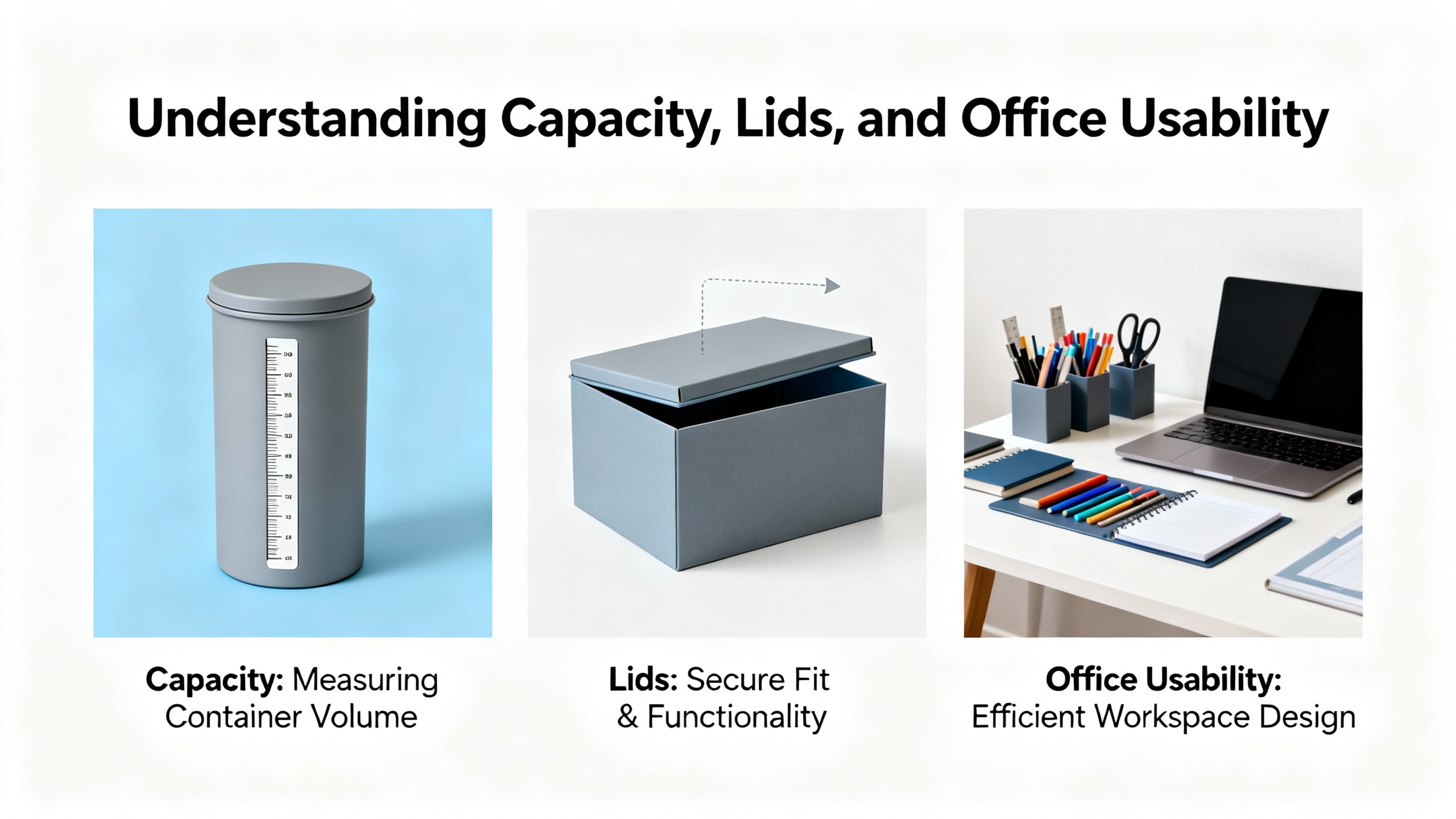
Capacity, Lids, and Office Usability
Capacity drives comfort. For concentrated hot drinks at your desk, 12 to 16 fl oz feels right. For all‑day hydration or long meetings, 20 to 30 fl oz bridges convenience and portability. For heavy hydration habits or long travel days, 32 to 40 fl oz reduces refills but can overwhelm small desks. Research roundups from Her2ndChance, Pens, and Merchology align with this graduation by use case. As a practical mentor note, balance total volume with cup-holder fit and the amount of desk real estate you are willing to allocate.
Lids matter as much as bodies. Burnout Mugs and Cascade Business News both stress leak control and part simplicity. Slider lids minimize splashes around a laptop, flip lids feel intuitive for coffee, and straw lids shine for iced drinks and reduced condensation around the mouth opening. If you commute, test cup-holder fit and lid seal under jostle; if your office is heavy on videoconferences, a one-hand-open spout is often the difference between a quick sip and a spill.
Capacity Range | Best Use at Work | Pros | Considerations |
|---|---|---|---|
12–16 fl oz | Hot coffee/tea at the desk | Easy to hold; compact | Frequent refills for water |
20–24 fl oz | Everyday desk hydration | Balance between size and portability | Ensure cup-holder compatibility |
30–32 fl oz | Long meetings and fewer refills | Fewer trips; versatile for hot/cold | Bulkier footprint |
40 fl oz | All-day hydration and commutes | Minimal refills | Space and weight trade-offs |
Benchmarks and Brand Claims: How Long Is “Long”?
Performance numbers vary by brand, capacity, and lid seal. Merchology cites YETI Rambler models keeping drinks cold up to 24 hours and hot up to 12 hours. RushOrderTees highlights Klean Kanteen’s Eco lines with claims reaching 48 hours cold and 12 hours hot in certain formats. CoolNice Tumbler marketing similarly references 24 hours cold and more than 12 hours hot for specific models. These claims illustrate what is possible with high-quality vacuum insulation and well-sealed lids, but as a mentor I recommend running a simple internal test in your actual office conditions before standardizing a model. Confidence that such testing will mirror the brand claims is moderate because ambient temperature, lid opening frequency, and fill level have outsized impact.
Taste, Health, and Daily Comfort
Corkcicle and DiscountMugs emphasize food-grade, BPA-free stainless steel that resists odors and won’t leach chemicals. For employees sensitive to metallic taste, stainless bodies with ceramic-lined interiors—like examples highlighted on the Amazon Best Sellers page—can offer a more neutral flavor. Glass and ceramic deliver true taste but require careful handling. If your office leans toward cold drinks, prioritize condensation control for a dry desk and a secure grip; vacuum insulation and powder-coat finishes help keep exterior surfaces sweat-free.
Personalization Methods and Brand Expression
Branding is the core of a custom office tumbler program. Laser engraving on stainless steel looks refined, resists wear, and suits minimal logos. UV or screen printing offers vivid color for bolder identities across steel, acrylic, and polypropylene. Tervis describes a workflow that includes design review, with stainless designs printed directly on the exterior and non-stainless designs wrapped between double walls, and notes a typical fulfillment window of 6 to 8 business days for customized orders. That level of design check and consistent turnaround is representative of on‑demand workflows. For high-visibility programs, opt for simple, high-contrast art and position logos for front-facing visibility when the mug sits on the desk, as Promoleaf advises.
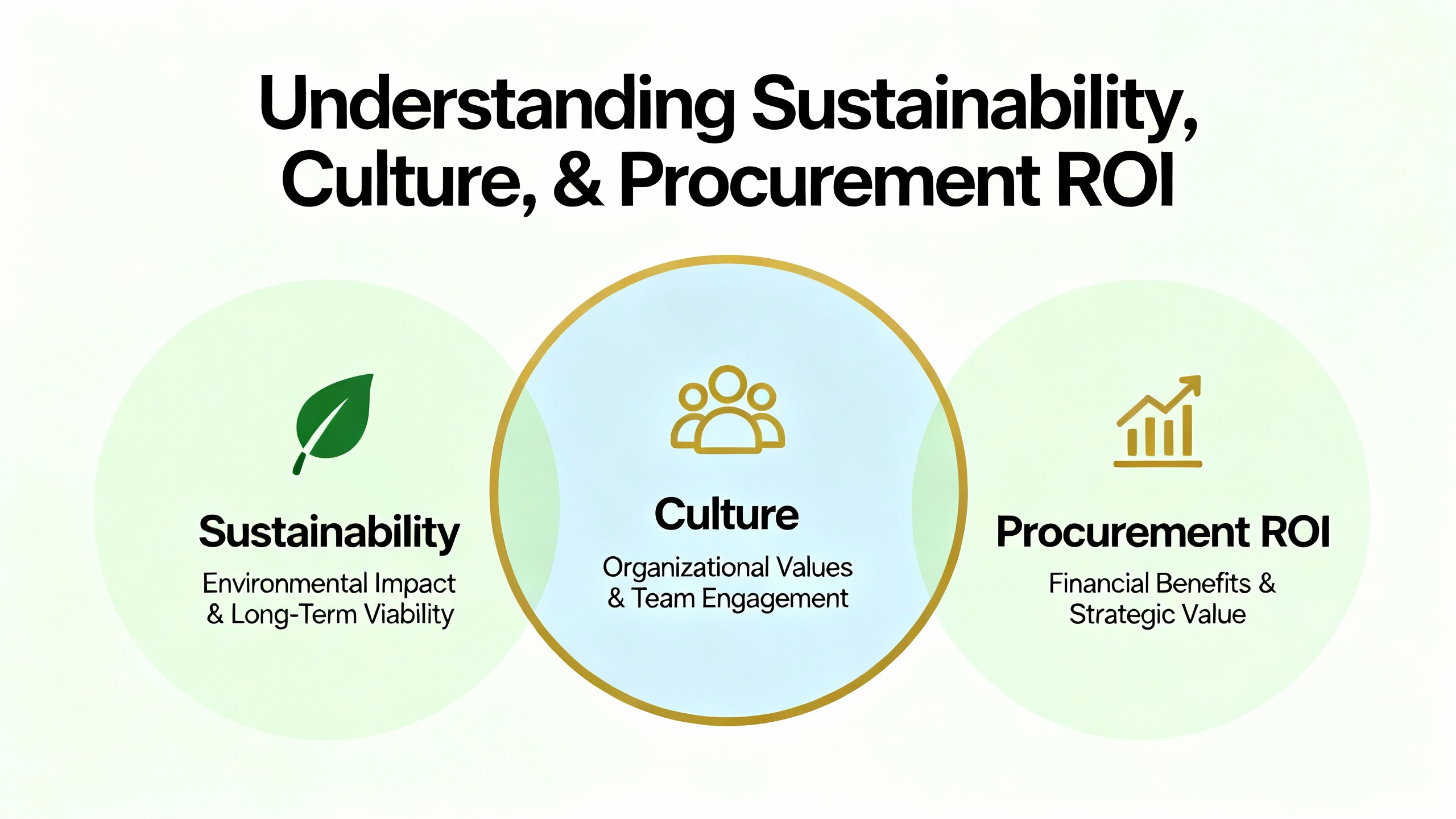
Sustainability, Culture, and Procurement ROI
Reusable tumblers reduce single-use waste and support wellness and hydration goals at work. Monday Merch profiles lines that integrate recycled stainless steel and even philanthropy, such as ocean-bound plastic initiatives from Ocean Bottle, while firms like Corkcicle frame reusables as a daily environmental habit. At procurement level, this is both sustainability and culture. A consistent, premium line says something about how your company treats everyday tools; it also prevents a junk-drawer outcome where designs clash and employees default back to disposable cups.
From a cost perspective, Cascade Business News recommends balancing durability, quality, and budget to maximize promotional ROI, and supports wholesale strategies for cost control. DiscountMugs and GoDelta point out that volume tiers and material choices can tune budget while maintaining perceived value. On-demand printing reduces inventory risk for smaller teams or event-specific art; bulk buys create price efficiency for standard corporate designs. Confidence in cost-down via bulk is high because tiered pricing is a common promotional products practice.
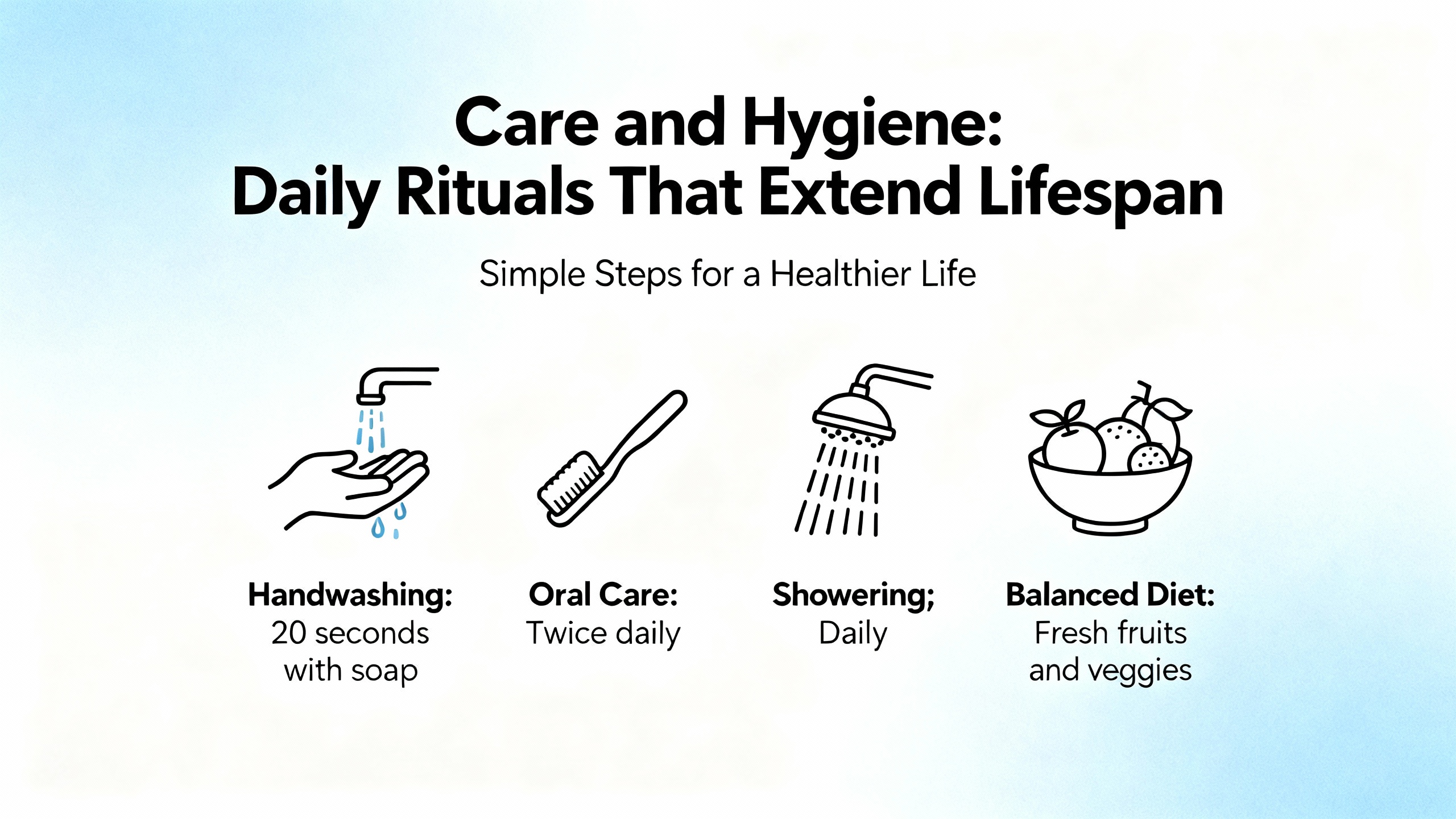
Care and Hygiene: Daily Rituals That Extend Lifespan
Longevity is a function of design and care. Burnout Mugs recommends preheating or pre-cooling the tumbler to stabilize temperature and removing the lid less often to retain heat or cold. Splitflask and Her2ndChance advise hand-washing lids and disassembling components to clear hidden gaskets, and Her2ndChance notes that gentle cleaners protect printed surfaces. Zak encourages hand-washing to preserve finishes even when bodies are nominally dishwasher safe. Dry completely with the lid off before cabinet storage to prevent odors or mold. If you maintain personalized prints, avoid harsh abrasives and high-heat cycles that can dull coatings, a best practice repeated by multiple vendors.
A Practical Buying Framework for Office Programs
Start with your use cases. If the priority is hot desk coffee and leak control around laptops, favor 12 to 20 fl oz vacuum-insulated steel with slider lids. If all-day water is the goal, step up to 20 to 32 fl oz and spec straw lids with tight closures for walks between conference rooms. Verify car cup-holder compatibility for commuters and check that lid components are simple to clean. EverythingBranded and Promoleaf both suggest matching material and insulation to the setting: stainless steel for daily office and commuting; ceramic for premium gifting in low-risk environments; acrylic or polypropylene for high-volume events.
Build quality control into procurement: inspect logo accuracy, seals, scratches, and part completeness before distribution, a step Cascade Business News underscores. Confirm warranty and customer support responsiveness, as Burnout Mugs advises, and keep a small reserve of units for new hires. For sustainability, prefer recycled content where available and BPA-free construction. If you intend to personalize with employee names, plan for a mixed strategy: one evergreen corporate design ordered in bulk and a parallel on-demand channel for team-specific or name-by-name prints. Tervis’s example timeline of 6 to 8 business days on custom runs is typical of on-demand operations; budget shipping time accordingly.
Common Pitfalls and How to Avoid Them
The most common missteps are undersizing for hydration habits, overcomplicating multi-part lids that are tedious to clean, choosing finishes that scuff easily in laptop bags, and ignoring cup-holder fit. Another issue is assuming every staffer wants a straw; keep at least one lid variant without a straw for hot beverages. Finally, avoid coatings that clash with your brand palette under indoor lighting; request production samples or a pre-production proof when possible. My confidence is high that these everyday factors drive satisfaction because they surface repeatedly in client feedback and vendor guidance across the sources referenced.
Quick Reference Tables
Decision Area | Best Choice for Offices | Trade-Off to Note |
|---|---|---|
Daily desk coffee | 12–16 fl oz vacuum-insulated steel with slider lid | Shorter hydration window; plan for a bottle nearby |
All-day water | 20–30 fl oz vacuum-insulated steel with straw lid | Strong seal required to avoid spills near electronics |
Premium gifts | Ceramic or engraved stainless steel at 12–20 fl oz | Ceramic fragility; steel feels less “artisanal” without lining |
Event volume | Double-wall acrylic or polypropylene | Lower insulation performance; emphasize cold drinks |
Taste sensitivity | Stainless with ceramic-lined interior or ceramic body | Lined steel often costs more |
Brief Source Notes for EEAT
Thermal mechanics and construction types are synthesized from Burnout Mugs and Corkcicle. Market-fit guidance and branding strategy reflect observations echoed by Cascade Business News, Promoleaf, DiscountMugs, and GoDelta. Capacity and feature considerations align with Her2ndChance, Pens, and Merchology. Representative performance claims appear in Merchology and RushOrderTees, with brand-specific examples from YETI and Klean Kanteen. On-demand customization workflows and practical lead times are exemplified by Tervis. Sustainability and recycled-content emphasis are evidenced by Monday Merch and Zak. Where I infer office-specific recommendations, I state them as professional guidance with moderate to high confidence depending on how closely they track cited sources and common procurement practice.
FAQ
Q: What is the real difference between a tumbler and a water bottle for office use? A: A water bottle is optimized for hydration with a narrow mouth and slim profile. A tumbler features a wider mouth and multi-style lids, handles hot and cold equally well, and is easier to drink coffee or iced beverages from at a desk. Sources like Corkcicle and Her2ndChance distinguish bottles as hydration-first and tumblers as flexible for both hot and cold beverages.
Q: What capacity should I standardize for employees who split time between home and office? A: For hot drinks and limited desk space, 12 to 16 fl oz feels right. For hybrid hydration, 20 to 24 fl oz offers fewer refills without overwhelming a desk. Choose 30 fl oz and above for employees who prize all-day hydration and accept a larger footprint. This mirrors capacity ranges discussed by Pens, Merchology, and Her2ndChance.
Q: Does ceramic-lined stainless steel really improve taste for coffee? A: Many users find ceramic linings reduce any hint of metallic perception while preserving the durability and insulation of steel. The Amazon Best Sellers page highlights ceramic-lined stainless products for this reason. If taste neutrality is a top priority and breakage risk is low, ceramic bodies or glass also deliver clean flavor.
Q: Are printed logos as durable as engraving for office use? A: Engraving on stainless steel typically outlasts prints and looks subtle and premium. UV or screen prints can be vivid and on-brand but benefit from gentler care. Promoleaf and DiscountMugs recommend aligning method to material and desired longevity, with engraving favored for stainless in corporate programs.
Q: What are the best care practices to keep personalized tumblers looking new? A: Preheat or pre-cool to stabilize temperature, hand-wash lids and gaskets, and avoid abrasives and high-heat cycles on printed art. Disassemble lids periodically, dry fully, and store open to prevent odor. These practices are consistently recommended by Burnout Mugs, Splitflask, Her2ndChance, and Zak.
Q: How seriously should we take published heat and cold retention hours? A: Treat them as directional. Brands like YETI and Klean Kanteen publish strong benchmarks, but office temperature, lid opening frequency, and fill level affect outcomes. Run a simple in-office test with your chosen model for confidence before large orders. My confidence in this approach is high because it reflects both vendor guidance and practical experience.
Takeaway
A better office tumbler program is a small change that compounds daily: fewer spills, more consistent coffee and water habits, cleaner desks, and elevated brand presence on every call and in every meeting. If you want one playbook, choose vacuum-insulated stainless steel for durability and temperature stability, spec lids to match beverage behavior at work, confirm cup-holder and cleaning ease, and brand with engraving when longevity matters or UV print when color rules the identity. Validate performance with a quick internal test, secure QC with your vendor, and decide whether to split standard bulk orders for evergreen logos and on-demand runs for names or event art. With that foundation, your team will enjoy their drinks at the right temperature and your brand will earn daily visibility without shouting.
References
- https://her2ndchance.org/blogs/product-news/choosing-the-perfect-tumbler-for-every-occasion?srsltid=AfmBOoqw0Ixz3jpYltgD1N7WhwRSCkS7D22zwWJBY5GlznVZsefq0siW
- https://www.tervis.com/create?srsltid=AfmBOopHF_FXdEae2vMN1RqCfO0eqCbqXveQOWWpEOQFbvVdrrDtUO8p
- https://burnoutmugs.com/insulated-coffee-mugs-what-to-know-before-you-buy/
- https://cascadebusnews.com/five-tips-for-choosing-the-best-custom-tumblers-for-marketing/
- https://www.coolnicetumbler.com/what-tumbler-is-the-best-in-2025/
- https://www.discountmugs.com/category/stainless-steel-promotional-travel-mugs-and-customizable-tumblers?srsltid=AfmBOop-Ub5NajcuqJCrg9I4sifd8vZ1YsdDilrmvLx9xW-ql3JofmAF
- https://www.everythingbranded.com/blog/how-to-choose-the-perfect-material-for-your-custom-tumbler-a-comprehensive-guide
- https://www.godelta.com/blog/custom-tumblers
- https://www.merchology.com/pages/top-10-custom-tumblers?srsltid=AfmBOoq8DEZ_jY2C5diGd6smjPw7B0Li7FwWkZ59LT7bZ8r_UBbkJMrz
- https://www.mollyscustomsilver.com/custom-silver/custom-trophy-cups?srsltid=AfmBOoqm8uaiwybNgmmg0wOXcTyuaqw8rvPG7SHU6gZANcfccwU8Zol2