

Custom Temperature Control Tumblers: Smart Personalized Drinkware That Wins Customers

Custom Temperature Control Tumblers: Smart Personalized Drinkware That Wins Customers

Dec 27, 2025 by Iris POD e-Commerce 101

Smart, temperature-stable tumblers have moved from niche gear to daily staples for commuters, desk workers, athletes, and gift recipients. As a mentor to e-commerce founders, I see these products consistently generate repeat use and brand impressions, which is exactly what you want from on-demand printing and dropshipping. This guide explains the science that keeps drinks at the right temperature, how to choose builds that perform, how to personalize for higher conversion, and where “smart” drinkware is headed. It also includes practical buying criteria, care guidance, and a quick FAQ you can repackage for customer education.

What “Temperature Control” Really Means

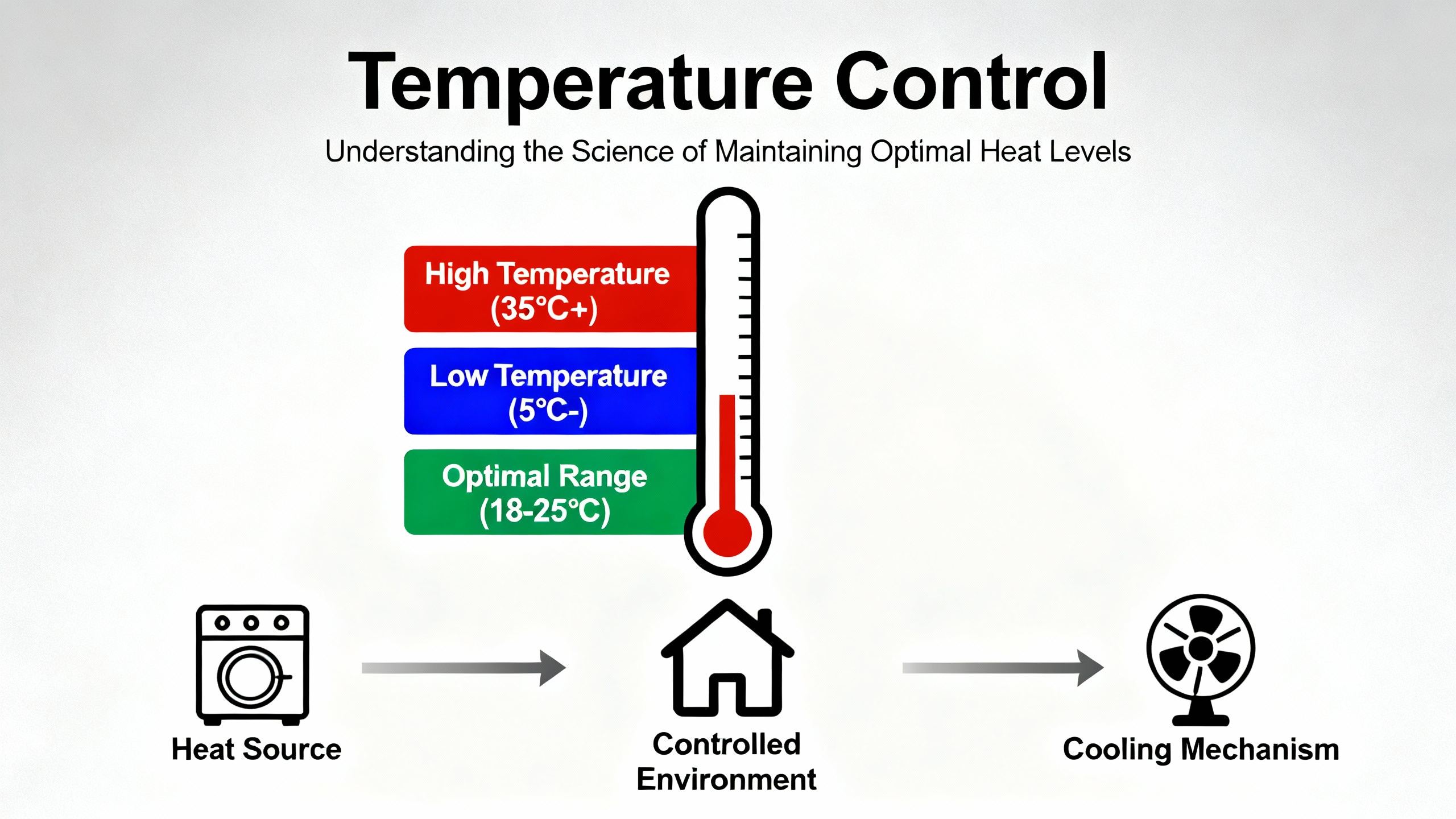
At the product level, temperature control is physics turned into utility. The core approach is double-wall construction with vacuum insulation. Two stainless-steel walls are formed so that air is removed between them; without air, heat has a much harder time moving by conduction or convection. Several sources, including Stanley and engineering explainers from LoTech Sales and Dual Drinks, align on this point: remove the medium for heat flow and you stabilize temperature for hours. Some designs add reflective layers along the inner wall to reduce radiant heat transfer, pushing performance further in both hot and cold scenarios.

The lid matters as much as the body. An airtight, well-fitted lid reduces air exchange at the top, a common weak point where heat is otherwise gained or lost. Sipping ports and straw openings are convenient but can reduce retention. Quality Logo Products’ comparative heat test explicitly noted that sip holes left open weaken performance and that fully closing lids would likely improve retention. In practice, a thoughtful pairing of vacuum body and properly sealed lid is what makes that “first sip tastes like the last” experience possible.

Hydration and flavor preservation are secondary benefits that matter to buyers. Trusted brands like Stanley emphasize that temperature stability protects flavor—from fresh coffee to crisp iced tea—while health resources such as Harvard Health highlight how consistent hydration supports energy and focus. Keeping water cold on a hot day or coffee warm on a winter commute encourages steady intake, which is a practical selling point in any product description.
Personalized smart drinkware technology

Real-World Performance: What Customers Should Expect

Daily outcomes depend on build quality, lid use, fill level, and ambient conditions. Practical ranges from multiple sources provide a realistic frame. LoTech Sales reports that quality vacuum tumblers typically keep hot beverages warm for about 6 to 12 hours and cold drinks chilled for roughly 24 hours, with better performance when the vessel is filled fuller and the lid remains closed. Dual Drinks notes many tumblers keep hot beverages in the desirable zone for about 4 to 6 hours, which aligns with mid-tier product claims and commuter use. These ranges are compatible: premium vacuum builds with reflective treatments and great lids perform longer; simpler, lower-cost builds perform adequately for most workday windows.

Independent testing adds nuance buyers appreciate. Quality Logo Products evaluated twenty tumblers against a paper cup control and recorded temperature changes at intervals. All tumblers beat the paper cup, stainless steel dominated, and lid configuration clearly influenced results. The general lesson you can translate to shoppers is that vacuum stainless designs outperform plastic and ceramic for retention, and closing sip ports makes a noticeable difference.

Vacuum insulated stainless steel tumblers

Insulation Types and Use Cases

The hierarchy often looks like good, better, best—air gap, vacuum, and copper-lined vacuum—with each step adding stability for more demanding scenarios. A branded merchandising guide from 4imprint characterizes copper-lined vacuum as the top performer, vacuum as the everyday workhorse, and air-insulated as a budget-friendly option for shorter journeys and routine office use. The same source doesn’t specify hour-based stats for each tier, so set expectations by application rather than absolute numbers.

Insulation Type

How It Works

Relative Hold

Where It Excels

Double-wall air gap

Two walls with air barrier

Good

Office desk, short commutes, lower budgets

Vacuum insulated

Evacuated gap blocks conduction/convection

Better

Daily carry, commutes, travel, general gifting

Copper-lined vacuum

Reflective layer reduces radiation

Best

Extreme heat/cold, outdoor teams, long-haul travel

Double wall insulation mechanics

Materials and Taste: Stainless vs. Plastic vs. Glass vs. Ceramic-Lined

Stainless steel remains the gold standard for insulation and durability. It is non-reactive, hygienic, and withstands daily knocks. Old Southern Brass notes that quality stainless tumblers commonly last about 5 to 10 years with normal use, making them reliable for corporate programs and long-term gifting. EverythingBranded and Wine N Gear explain the trade-offs: plastic is lighter and affordable but insulates poorly and may retain odors; glass preserves flavor visibility and purity but is heavier and fragile; ceramic linings inside a stainless body can help with flavor neutrality without sacrificing durability. Several sources highlight that stainless maintains a dry exterior—no sweating—because the outer wall stays near ambient temperature.

Material

Insulation

Durability

Flavor Neutrality

Weight

Best Fit

Stainless steel

Strong with vacuum

High

High when quality steel

Moderate

Daily carry, gifts, branding

Plastic (BPA-free)

Moderate to low

Medium

May retain odors

Light

Kids, budget giveaways

Glass

Low

Low (breakable)

Excellent

Heavy

At-home elegance, transparency

Ceramic-lined stainless

Strong

High

Excellent

Moderate

Coffee purists, premium positioning

Personalization That Moves Units

Customization drives conversion because it turns a utility into a keepsake. Manufacturing and branding workflows described by Waterbottle.tech show how stainless bottles and tumblers are formed, welded, vacuumed, polished, then finished with powder coating or paint. From there, most sellers apply graphics via laser engraving, screen printing, thermal or water transfers, and sometimes UV printing. Engraving names, graduation years, or city badges makes the item harder to misplace and easier to love. Powder-coated surfaces add grip and provide a stable canvas for vibrant brand colors. For on-demand models, offering a shortlist of proven colors and a simple personalization flow reduces choice paralysis and production errors.

A small operational note reduces returns: adopt a basic heat-retention check on new supplier lots. Manufacturing lines often test vacuum integrity by applying hot air and checking that the exterior stays cool. Re-creating a simplified version with hot water, a thermometer, and a standardized timing routine gives you comparable metrics across batches. Practitioner anecdotes in maker communities affirm that lid seating and repeated opening are the most common culprits when buyers perceive poor performance, so include a short care card that shows how to seat the lid and close the port.

High performance thermal drinkware

Where “Smart” Drinkware Is Headed

The “smart tumbler” category is emerging from two directions: electronics-forward heated mugs that let users set a target temperature via an app, and analog-smart lids that show temperature or improve sealing without electronics. Given a 404 page encountered for a known brand’s product page, I will frame this as an inference rather than a product endorsement. App-controlled, battery-powered drinkware exists in the market and is likely to grow as batteries shrink and safety improves (inference; medium confidence). The trade-offs are straightforward for merchants: more electronics means higher price, more support questions, battery replacement considerations, and potential restrictions for dishwasher use. Analog-smart lids with passive temperature displays, better gaskets, and improved slide mechanisms feel like the safer mainstream for teams that want “smart enough” without the support burden (inference; high confidence). When testing “smart” options, validate wash guidance, ingress protection, and cup-holder fit, and include a clear care section in your product page FAQ.

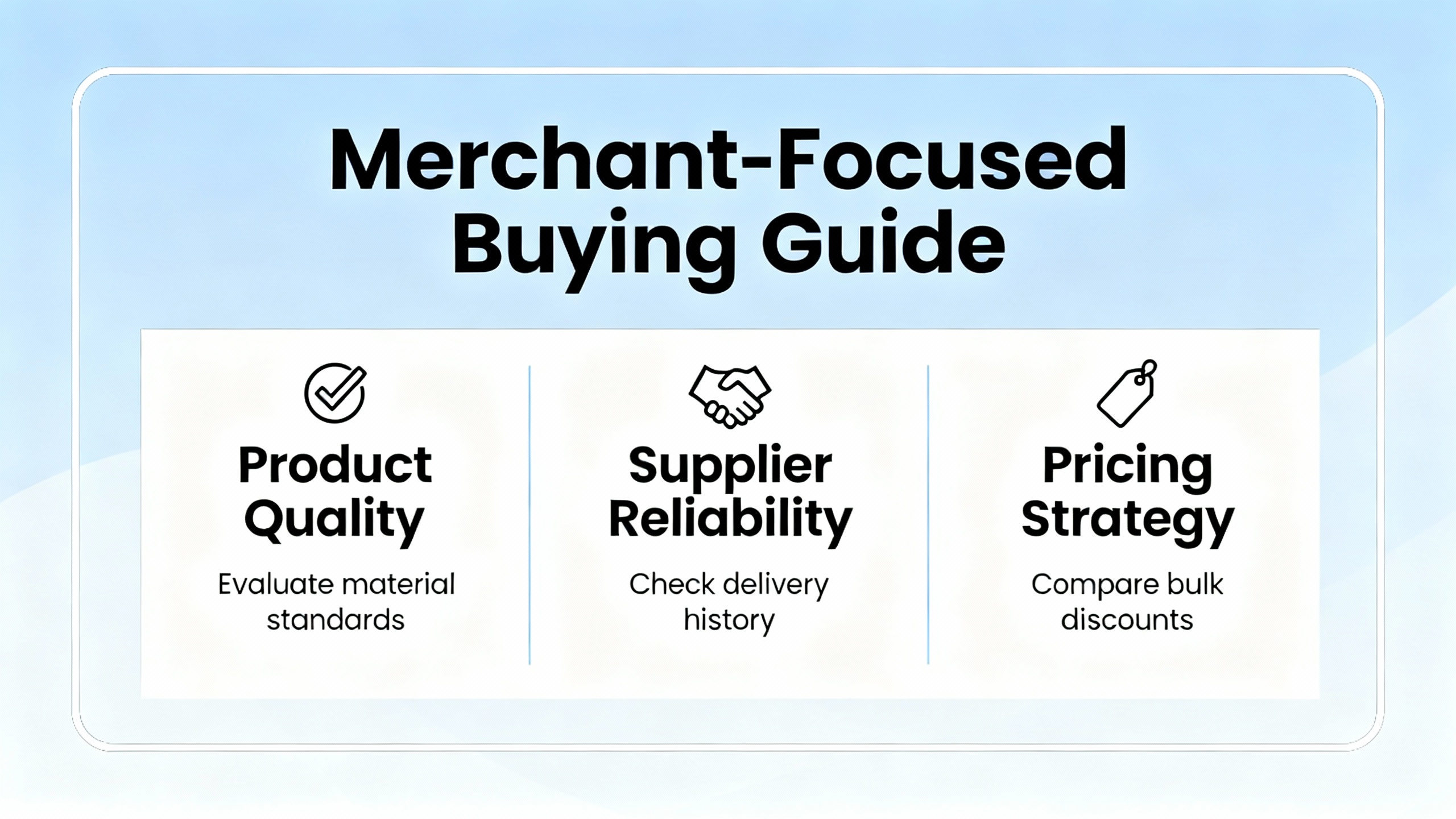
Merchant-Focused Buying Guide

Capacity should follow use, not just trend. For quick coffees, 12 oz works well. For desks and commutes, 16 to 20 oz reduces refills without adding too much weight. For long outings or all-day hydration, 30 to 40 oz models shine. Industry guides align on these breakpoints, and you will see better satisfaction if you position sizes by scenario rather than by capacity alone.

Lid design is a make-or-break detail. For hot liquids, flip caps and sealed sipping lids reduce spills and heat loss; for water, straw-forward lids improve intake but are seldom fully leak-proof. Tasting Table reminds buyers that certain popular magnetic sliders are not leak-proof, which is worth stating plainly in your product copy to prevent surprises. Also verify cup-holder compatibility, including height and straw clearance near center consoles. When in doubt on size, slightly larger capacities tend to reduce customer frustration about refilling, though weight rises accordingly.

Address safety questions up front. Some stainless bottles historically used lead-based solder sealed inside the base; reputable brands have moved to alternatives, and risk is low unless the base is severely damaged according to buyer guides like Tasting Table. If your supplier offers lead-free verification, state it. Avoid simmering or sealing carbonated drinks under pressure in non-rated lids; consumer education from EverythingBranded and Wine N Gear emphasizes that pressure can force leaks or messy overflows.

Quality and cost must link to performance, not just aesthetics. A promotional testing round-up from Quality Logo Products showed that the least expensive items tended to have the weakest heat retention and recommended closing lids fully when possible for best results. At the same time, value picks existed in the mid-price band with performance approaching premium options. If you sell a range, give shoppers a clear “good, better, best” storyline so they can self-select based on commute length, climate, and budget. Old Southern Brass cites stainless double-wall tumblers around $24.99 as a durable, long-lived option; your assortment should bracket that with budget-friendly air-insulated and premium copper-lined models.

Use Case

Capacity Target

Lid Style

Insulation

Finish

Commute with hot coffee

16–20 oz

Flip or sealed sip

Vacuum or copper-lined vacuum

Powder coat for grip

All-day hydration

30–40 oz

Straw or hybrid

Vacuum

Powder coat; handle optional

Road trips

20–30 oz

Slide with full close

Vacuum

Tapered base for cup holders

Corporate gifting

16–20 oz

Sealed sip

Vacuum

Brand color coat + engraving

Custom branded copper lined tumblers

Care, Safety, and Longevity

Care instructions reduce returns and increase satisfaction. Many lids are top-rack dishwasher-safe, but complex mechanisms and gaskets may last longer with hand-washing. Disassemble sliders when possible to prevent buildup; mild soap and warm water are sufficient for most cleanups. Periodic deep cleans with baking soda and warm water followed by full air-dry help prevent odors, as industry guides note. Avoid harsh chemicals that can degrade seals. Do not microwave stainless tumblers and avoid boiling the exterior coatings. If you notice that the outer wall warms quickly when filled with hot water, the vacuum seal may be compromised; this is a sign to replace the unit, since insulation integrity is the core value proposition.

Stainless steel’s long lifespan is a sustainability and ROI advantage. Old Southern Brass pegs typical longevity around five to ten years with normal use. That span justifies premium positioning in corporate stores and explains why branded tumblers deliver more impressions per dollar than many apparel items. The longer the item is kept, the more your logo travels.

Long lasting temperature retention cups

Economics and Sustainability for On-Demand and Dropshipping

On-demand and dropship models benefit from the category’s high reuse frequency. A tumbler that becomes a daily carry will generate thousands of micro-impressions per year for a brand customer. That means modest COGS differences can be justified if performance prevents the item from being abandoned in a drawer. Budget buyers will still want an entry point; however, guides like 4imprint and Quality Logo Products suggest that stepping up to vacuum insulation pays off in user experience.

From a sustainability perspective, stainless tumblers reduce disposable cup and bottle waste significantly. Several brands highlight recycled content and BPA-free lids as additional points. If you control packaging, choose recycled cartons and a one-page care card rather than multi-insert bundles. Shipping considerations are manageable: powder-coated finishes resist scuffs; individual bagging reduces abrasion; and cup-holder-friendly shapes stack efficiently in outer cartons.

Pros and Cons at a Glance

The upside is compelling. Vacuum-insulated stainless steel delivers meaningful temperature control, flavor preservation, durability, and brandable surfaces. Lids tailored to use make the experience safer and more convenient on the go. Personalization with engraving turns each unit into a story.

The trade-offs are predictable. Higher-performing units weigh more and cost more. Straw lids and open sip ports reduce insulation and leak resistance. Some buyers expect “100% leak-proof” where most lids are actually “spill-resistant.” Electronics in “smart” options add support needs, dishwashing limits, and price sensitivity. Care expectations also rise as lid mechanisms improve.

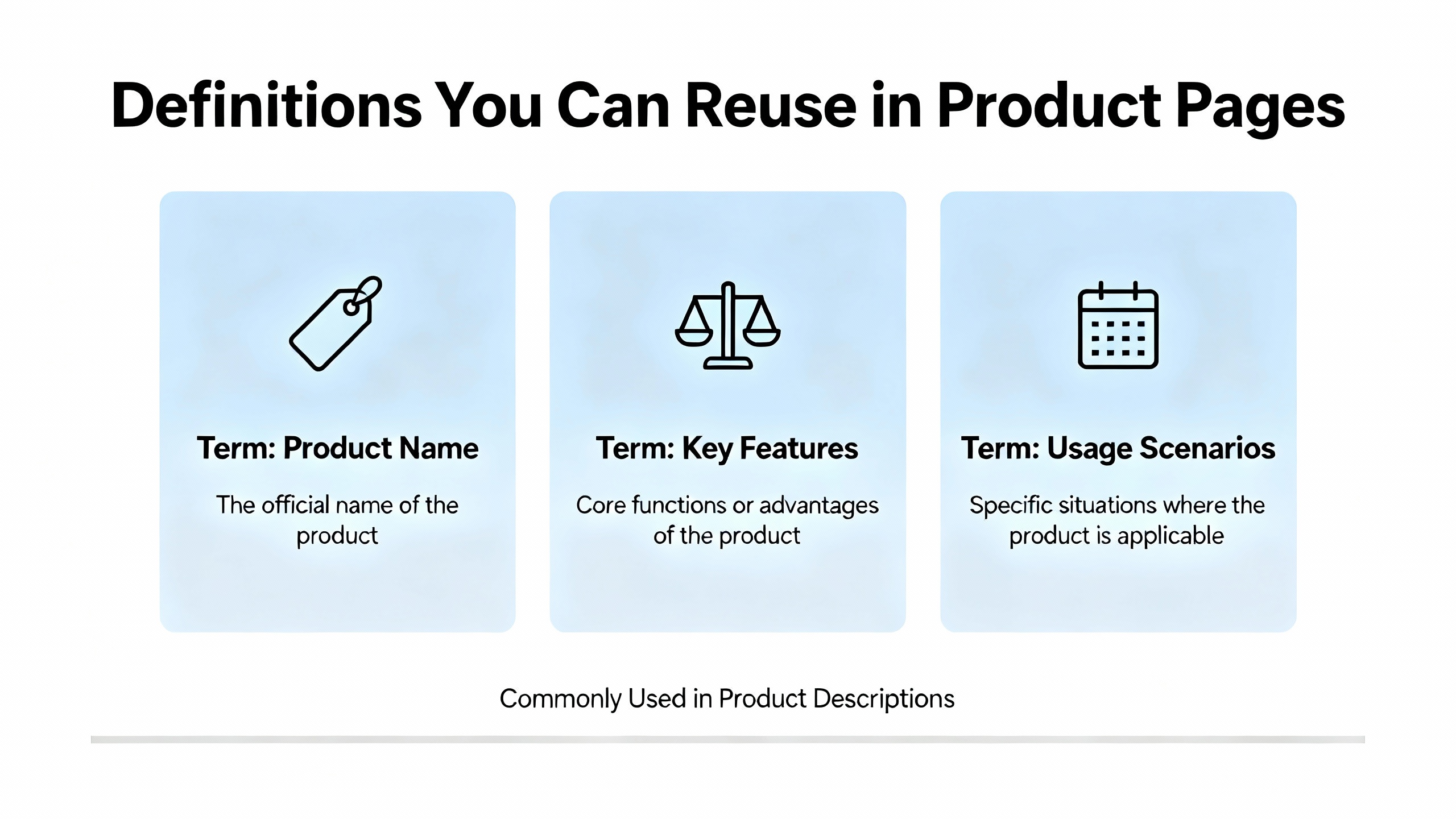
Definitions You Can Reuse in Product Pages

Conduction is heat transfer through solids; convection is heat carried by moving air or liquid; radiation is heat transmitted as infrared energy. Vacuum insulation removes air between double walls to suppress conduction and convection. Copper-lined vacuum barriers reduce radiant heat exchange. Double-wall construction separates the drink from the outside world with an inner and outer wall. Food-grade 18/8 stainless is non-reactive steel commonly used in quality drinkware. BPA-free refers to plastics manufactured without bisphenol A for safer food contact.
Promotional vacuum sealed travel mugs

Practical Merchant Tips That Prevent Returns

Set expectations clearly about leak resistance and temperature windows. Match lids to beverages and scenarios. Verify cup-holder fit in a typical car and show a reference photo in page imagery. Offer three sizes aligned to clear scenarios so buyers can choose quickly. Run a simple in-house retention check on each new lot. Include a care graphic in the package and remind users to close the lid between sips for best results. These small steps align with findings from Quality Logo Products’ testing, buying advice from Tasting Table, and manufacturing QC routines described by Waterbottle.tech.

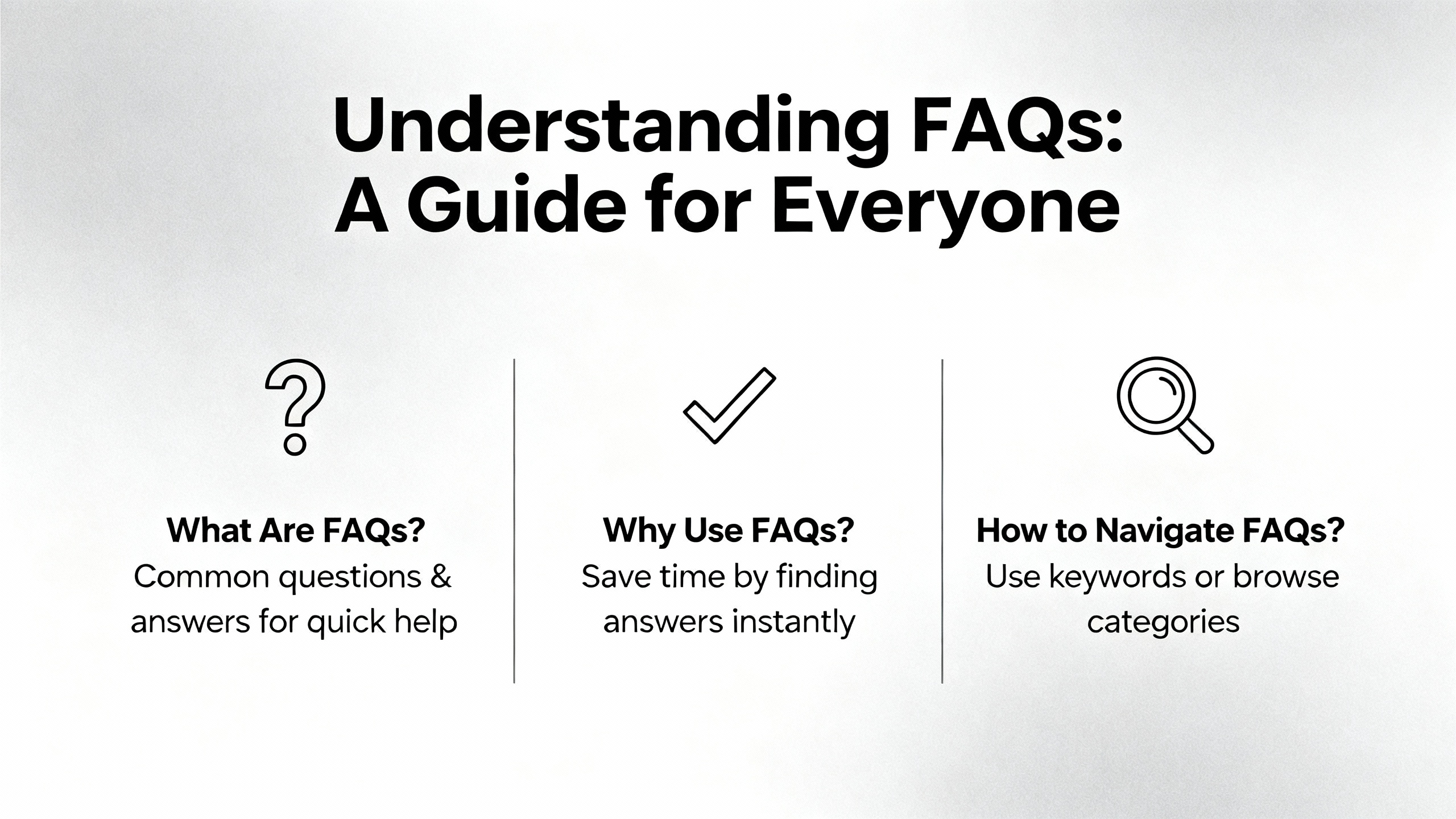
FAQ

Q: How long will a good vacuum-insulated tumbler keep coffee hot or water cold? A: Typical real-world ranges reported by engineering explainers and brand resources are about 6 to 12 hours for hot beverages and up to roughly 24 hours for cold drinks when the tumbler is filled fuller, the lid remains closed, and the ambient environment is moderate. Mid-tier models often deliver around 4 to 6 hours of comfortable warmth for hot drinks, which covers a standard work session or commute.

Q: Which lid should I choose if I drink both coffee and water? A: For hot coffee, use a sealed sipping or flip lid to reduce spills and heat loss. For water, straw lids encourage more frequent sipping. Most straw lids are not fully leak-proof; buying guides point out that even popular magnetic sliders are spill-resistant rather than leak-proof. If you want one lid to do both reasonably well, pick a high-quality slide lid that seals completely when closed and add a separate straw lid for water days.

Q: Is stainless steel safe and does it affect taste? A: Food-grade stainless steel is non-reactive, does not leach, and resists odors when cleaned properly. Ceramic-lined stainless adds extra flavor neutrality for sensitive palates. Some historical designs used lead-based solder sealed inside the base; reputable manufacturers have moved to safer construction, and risk is low unless the base is severely damaged. When available, choose suppliers that state lead-free construction.

Q: What capacity should I sell for most customers? A: Frame capacity by scenario. Twelve ounces suits quick coffee; sixteen to twenty ounces fits desks and commutes; thirty to forty ounces is for all-day hydration. This approach helps shoppers self-select without getting lost in options. It is also easier to forecast inventory when your range maps to behaviors rather than to arbitrary volume steps.

Q: Are copper-lined vacuum models worth the premium? A: Copper linings reduce radiant heat transfer and push performance in extreme heat or cold. Merchandising guides position copper-lined vacuum as the best option when teams work outdoors, in warehouses, or in high-temperature climates. For most desk and commute use, standard vacuum insulation with a quality lid is excellent.

Q: What about “smart” heated mugs and temperature displays? A: Battery-powered heated drinkware and passive temperature displays exist and are likely to grow as technologies mature (inference; medium confidence). They add cost and care constraints, so if you consider them, vet wash guidance, charging reliability, and support requirements before adding to a dropship catalog.
Smart temperature control water bottles

Takeaway

Custom temperature control tumblers convert technical design into everyday utility. Double-wall vacuum construction, a thoughtfully engineered lid, and durable stainless steel are the proven foundation. Buyers get steady flavor, fewer spills, and hydration that keeps pace with the day; merchants get high reuse, brand visibility, and strong giftability. Anchor your assortment around vacuum stainless units with clear use-based sizing, add copper-lined models for demanding conditions, and offer clean, reliable personalization. If you execute the details—fit, lids, care, and a reality-based performance story—you will earn loyalty sip by sip.

Sources acknowledged in this guide include engineering and brand resources from Stanley, Dual Drinks, LoTech Sales, 4imprint, Old Southern Brass, EverythingBranded, Quality Logo Products, Tasting Table, Zak, and manufacturing insights from Waterbottle.tech. Where future-facing commentary was made about “smart” drinkware, it was identified as inference with stated confidence.

References

  1. https://www.coolnicetumbler.com/why-tumbler-keep-drinks-hot-or-cold-longer/
  2. https://smart.dhgate.com/how-to-choose-the-perfect-insulated-tumbler-a-practical-guide-to-types-and-features/
  3. https://ember.com/products/ember-tumbler
  4. https://www.everythingbranded.com/blog/can-custom-tumblers-maintain-the-temperature-of-beverages
  5. https://www.lotechsales.com/the-science-behind-insulated-tumblers-how-they-keep-drinks-hot-or-cold/?srsltid=AfmBOooCmFslL638oAdnFm4VxcsmjZKfWLPtaZ7PmR_tlm6Jr0XoX2TT
  6. https://www.waterbottle.tech/how-do-insulated-cups-work/
  7. https://info.4imprint.com/blog/choose-best-personalized-double-wall-tumbler/
  8. https://www.britelune.com/blogs/tips-and-tales/the-science-behind-double-walled-insulation-and-why-it-works?srsltid=AfmBOooR6pQoKABLjSQC3Jb9X5RydZrZqm00EXvq6BEivm8ZKC13N0zw
  9. https://dualdrinks.com/blogs/guides/are-tumblers-for-hot-drinks-effective-discover-features-and-benefits
  10. https://us.huskee.co/articles/why-temperature-retention-matters-for-your-travel-mug/

Like the article

0
Custom Temperature Control Tumblers: Smart Personalized Drinkware That Wins Customers

Custom Temperature Control Tumblers: Smart Personalized Drinkware That Wins Customers

Smart, temperature-stable tumblers have moved from niche gear to daily staples for commuters, desk workers, athletes, and gift recipients. As a mentor to e-commerce founders, I see these products consistently generate repeat use and brand impressions, which is exactly what you want from on-demand printing and dropshipping. This guide explains the science that keeps drinks at the right temperature, how to choose builds that perform, how to personalize for higher conversion, and where “smart” drinkware is headed. It also includes practical buying criteria, care guidance, and a quick FAQ you can repackage for customer education.

What “Temperature Control” Really Means

At the product level, temperature control is physics turned into utility. The core approach is double-wall construction with vacuum insulation. Two stainless-steel walls are formed so that air is removed between them; without air, heat has a much harder time moving by conduction or convection. Several sources, including Stanley and engineering explainers from LoTech Sales and Dual Drinks, align on this point: remove the medium for heat flow and you stabilize temperature for hours. Some designs add reflective layers along the inner wall to reduce radiant heat transfer, pushing performance further in both hot and cold scenarios.

The lid matters as much as the body. An airtight, well-fitted lid reduces air exchange at the top, a common weak point where heat is otherwise gained or lost. Sipping ports and straw openings are convenient but can reduce retention. Quality Logo Products’ comparative heat test explicitly noted that sip holes left open weaken performance and that fully closing lids would likely improve retention. In practice, a thoughtful pairing of vacuum body and properly sealed lid is what makes that “first sip tastes like the last” experience possible.

Hydration and flavor preservation are secondary benefits that matter to buyers. Trusted brands like Stanley emphasize that temperature stability protects flavor—from fresh coffee to crisp iced tea—while health resources such as Harvard Health highlight how consistent hydration supports energy and focus. Keeping water cold on a hot day or coffee warm on a winter commute encourages steady intake, which is a practical selling point in any product description.

Personalized smart drinkware technology

Real-World Performance: What Customers Should Expect

Daily outcomes depend on build quality, lid use, fill level, and ambient conditions. Practical ranges from multiple sources provide a realistic frame. LoTech Sales reports that quality vacuum tumblers typically keep hot beverages warm for about 6 to 12 hours and cold drinks chilled for roughly 24 hours, with better performance when the vessel is filled fuller and the lid remains closed. Dual Drinks notes many tumblers keep hot beverages in the desirable zone for about 4 to 6 hours, which aligns with mid-tier product claims and commuter use. These ranges are compatible: premium vacuum builds with reflective treatments and great lids perform longer; simpler, lower-cost builds perform adequately for most workday windows.

Independent testing adds nuance buyers appreciate. Quality Logo Products evaluated twenty tumblers against a paper cup control and recorded temperature changes at intervals. All tumblers beat the paper cup, stainless steel dominated, and lid configuration clearly influenced results. The general lesson you can translate to shoppers is that vacuum stainless designs outperform plastic and ceramic for retention, and closing sip ports makes a noticeable difference.

Vacuum insulated stainless steel tumblers

Insulation Types and Use Cases

The hierarchy often looks like good, better, best—air gap, vacuum, and copper-lined vacuum—with each step adding stability for more demanding scenarios. A branded merchandising guide from 4imprint characterizes copper-lined vacuum as the top performer, vacuum as the everyday workhorse, and air-insulated as a budget-friendly option for shorter journeys and routine office use. The same source doesn’t specify hour-based stats for each tier, so set expectations by application rather than absolute numbers.

Insulation Type

How It Works

Relative Hold

Where It Excels

Double-wall air gap

Two walls with air barrier

Good

Office desk, short commutes, lower budgets

Vacuum insulated

Evacuated gap blocks conduction/convection

Better

Daily carry, commutes, travel, general gifting

Copper-lined vacuum

Reflective layer reduces radiation

Best

Extreme heat/cold, outdoor teams, long-haul travel

Double wall insulation mechanics

Materials and Taste: Stainless vs. Plastic vs. Glass vs. Ceramic-Lined

Stainless steel remains the gold standard for insulation and durability. It is non-reactive, hygienic, and withstands daily knocks. Old Southern Brass notes that quality stainless tumblers commonly last about 5 to 10 years with normal use, making them reliable for corporate programs and long-term gifting. EverythingBranded and Wine N Gear explain the trade-offs: plastic is lighter and affordable but insulates poorly and may retain odors; glass preserves flavor visibility and purity but is heavier and fragile; ceramic linings inside a stainless body can help with flavor neutrality without sacrificing durability. Several sources highlight that stainless maintains a dry exterior—no sweating—because the outer wall stays near ambient temperature.

Material

Insulation

Durability

Flavor Neutrality

Weight

Best Fit

Stainless steel

Strong with vacuum

High

High when quality steel

Moderate

Daily carry, gifts, branding

Plastic (BPA-free)

Moderate to low

Medium

May retain odors

Light

Kids, budget giveaways

Glass

Low

Low (breakable)

Excellent

Heavy

At-home elegance, transparency

Ceramic-lined stainless

Strong

High

Excellent

Moderate

Coffee purists, premium positioning

Personalization That Moves Units

Customization drives conversion because it turns a utility into a keepsake. Manufacturing and branding workflows described by Waterbottle.tech show how stainless bottles and tumblers are formed, welded, vacuumed, polished, then finished with powder coating or paint. From there, most sellers apply graphics via laser engraving, screen printing, thermal or water transfers, and sometimes UV printing. Engraving names, graduation years, or city badges makes the item harder to misplace and easier to love. Powder-coated surfaces add grip and provide a stable canvas for vibrant brand colors. For on-demand models, offering a shortlist of proven colors and a simple personalization flow reduces choice paralysis and production errors.

A small operational note reduces returns: adopt a basic heat-retention check on new supplier lots. Manufacturing lines often test vacuum integrity by applying hot air and checking that the exterior stays cool. Re-creating a simplified version with hot water, a thermometer, and a standardized timing routine gives you comparable metrics across batches. Practitioner anecdotes in maker communities affirm that lid seating and repeated opening are the most common culprits when buyers perceive poor performance, so include a short care card that shows how to seat the lid and close the port.

High performance thermal drinkware

Where “Smart” Drinkware Is Headed

The “smart tumbler” category is emerging from two directions: electronics-forward heated mugs that let users set a target temperature via an app, and analog-smart lids that show temperature or improve sealing without electronics. Given a 404 page encountered for a known brand’s product page, I will frame this as an inference rather than a product endorsement. App-controlled, battery-powered drinkware exists in the market and is likely to grow as batteries shrink and safety improves (inference; medium confidence). The trade-offs are straightforward for merchants: more electronics means higher price, more support questions, battery replacement considerations, and potential restrictions for dishwasher use. Analog-smart lids with passive temperature displays, better gaskets, and improved slide mechanisms feel like the safer mainstream for teams that want “smart enough” without the support burden (inference; high confidence). When testing “smart” options, validate wash guidance, ingress protection, and cup-holder fit, and include a clear care section in your product page FAQ.

Merchant-Focused Buying Guide

Capacity should follow use, not just trend. For quick coffees, 12 oz works well. For desks and commutes, 16 to 20 oz reduces refills without adding too much weight. For long outings or all-day hydration, 30 to 40 oz models shine. Industry guides align on these breakpoints, and you will see better satisfaction if you position sizes by scenario rather than by capacity alone.

Lid design is a make-or-break detail. For hot liquids, flip caps and sealed sipping lids reduce spills and heat loss; for water, straw-forward lids improve intake but are seldom fully leak-proof. Tasting Table reminds buyers that certain popular magnetic sliders are not leak-proof, which is worth stating plainly in your product copy to prevent surprises. Also verify cup-holder compatibility, including height and straw clearance near center consoles. When in doubt on size, slightly larger capacities tend to reduce customer frustration about refilling, though weight rises accordingly.

Address safety questions up front. Some stainless bottles historically used lead-based solder sealed inside the base; reputable brands have moved to alternatives, and risk is low unless the base is severely damaged according to buyer guides like Tasting Table. If your supplier offers lead-free verification, state it. Avoid simmering or sealing carbonated drinks under pressure in non-rated lids; consumer education from EverythingBranded and Wine N Gear emphasizes that pressure can force leaks or messy overflows.

Quality and cost must link to performance, not just aesthetics. A promotional testing round-up from Quality Logo Products showed that the least expensive items tended to have the weakest heat retention and recommended closing lids fully when possible for best results. At the same time, value picks existed in the mid-price band with performance approaching premium options. If you sell a range, give shoppers a clear “good, better, best” storyline so they can self-select based on commute length, climate, and budget. Old Southern Brass cites stainless double-wall tumblers around $24.99 as a durable, long-lived option; your assortment should bracket that with budget-friendly air-insulated and premium copper-lined models.

Use Case

Capacity Target

Lid Style

Insulation

Finish

Commute with hot coffee

16–20 oz

Flip or sealed sip

Vacuum or copper-lined vacuum

Powder coat for grip

All-day hydration

30–40 oz

Straw or hybrid

Vacuum

Powder coat; handle optional

Road trips

20–30 oz

Slide with full close

Vacuum

Tapered base for cup holders

Corporate gifting

16–20 oz

Sealed sip

Vacuum

Brand color coat + engraving

Custom branded copper lined tumblers

Care, Safety, and Longevity

Care instructions reduce returns and increase satisfaction. Many lids are top-rack dishwasher-safe, but complex mechanisms and gaskets may last longer with hand-washing. Disassemble sliders when possible to prevent buildup; mild soap and warm water are sufficient for most cleanups. Periodic deep cleans with baking soda and warm water followed by full air-dry help prevent odors, as industry guides note. Avoid harsh chemicals that can degrade seals. Do not microwave stainless tumblers and avoid boiling the exterior coatings. If you notice that the outer wall warms quickly when filled with hot water, the vacuum seal may be compromised; this is a sign to replace the unit, since insulation integrity is the core value proposition.

Stainless steel’s long lifespan is a sustainability and ROI advantage. Old Southern Brass pegs typical longevity around five to ten years with normal use. That span justifies premium positioning in corporate stores and explains why branded tumblers deliver more impressions per dollar than many apparel items. The longer the item is kept, the more your logo travels.

Long lasting temperature retention cups

Economics and Sustainability for On-Demand and Dropshipping

On-demand and dropship models benefit from the category’s high reuse frequency. A tumbler that becomes a daily carry will generate thousands of micro-impressions per year for a brand customer. That means modest COGS differences can be justified if performance prevents the item from being abandoned in a drawer. Budget buyers will still want an entry point; however, guides like 4imprint and Quality Logo Products suggest that stepping up to vacuum insulation pays off in user experience.

From a sustainability perspective, stainless tumblers reduce disposable cup and bottle waste significantly. Several brands highlight recycled content and BPA-free lids as additional points. If you control packaging, choose recycled cartons and a one-page care card rather than multi-insert bundles. Shipping considerations are manageable: powder-coated finishes resist scuffs; individual bagging reduces abrasion; and cup-holder-friendly shapes stack efficiently in outer cartons.

Pros and Cons at a Glance

The upside is compelling. Vacuum-insulated stainless steel delivers meaningful temperature control, flavor preservation, durability, and brandable surfaces. Lids tailored to use make the experience safer and more convenient on the go. Personalization with engraving turns each unit into a story.

The trade-offs are predictable. Higher-performing units weigh more and cost more. Straw lids and open sip ports reduce insulation and leak resistance. Some buyers expect “100% leak-proof” where most lids are actually “spill-resistant.” Electronics in “smart” options add support needs, dishwashing limits, and price sensitivity. Care expectations also rise as lid mechanisms improve.

Definitions You Can Reuse in Product Pages

Conduction is heat transfer through solids; convection is heat carried by moving air or liquid; radiation is heat transmitted as infrared energy. Vacuum insulation removes air between double walls to suppress conduction and convection. Copper-lined vacuum barriers reduce radiant heat exchange. Double-wall construction separates the drink from the outside world with an inner and outer wall. Food-grade 18/8 stainless is non-reactive steel commonly used in quality drinkware. BPA-free refers to plastics manufactured without bisphenol A for safer food contact.

Promotional vacuum sealed travel mugs

Practical Merchant Tips That Prevent Returns

Set expectations clearly about leak resistance and temperature windows. Match lids to beverages and scenarios. Verify cup-holder fit in a typical car and show a reference photo in page imagery. Offer three sizes aligned to clear scenarios so buyers can choose quickly. Run a simple in-house retention check on each new lot. Include a care graphic in the package and remind users to close the lid between sips for best results. These small steps align with findings from Quality Logo Products’ testing, buying advice from Tasting Table, and manufacturing QC routines described by Waterbottle.tech.

FAQ

Q: How long will a good vacuum-insulated tumbler keep coffee hot or water cold? A: Typical real-world ranges reported by engineering explainers and brand resources are about 6 to 12 hours for hot beverages and up to roughly 24 hours for cold drinks when the tumbler is filled fuller, the lid remains closed, and the ambient environment is moderate. Mid-tier models often deliver around 4 to 6 hours of comfortable warmth for hot drinks, which covers a standard work session or commute.

Q: Which lid should I choose if I drink both coffee and water? A: For hot coffee, use a sealed sipping or flip lid to reduce spills and heat loss. For water, straw lids encourage more frequent sipping. Most straw lids are not fully leak-proof; buying guides point out that even popular magnetic sliders are spill-resistant rather than leak-proof. If you want one lid to do both reasonably well, pick a high-quality slide lid that seals completely when closed and add a separate straw lid for water days.

Q: Is stainless steel safe and does it affect taste? A: Food-grade stainless steel is non-reactive, does not leach, and resists odors when cleaned properly. Ceramic-lined stainless adds extra flavor neutrality for sensitive palates. Some historical designs used lead-based solder sealed inside the base; reputable manufacturers have moved to safer construction, and risk is low unless the base is severely damaged. When available, choose suppliers that state lead-free construction.

Q: What capacity should I sell for most customers? A: Frame capacity by scenario. Twelve ounces suits quick coffee; sixteen to twenty ounces fits desks and commutes; thirty to forty ounces is for all-day hydration. This approach helps shoppers self-select without getting lost in options. It is also easier to forecast inventory when your range maps to behaviors rather than to arbitrary volume steps.

Q: Are copper-lined vacuum models worth the premium? A: Copper linings reduce radiant heat transfer and push performance in extreme heat or cold. Merchandising guides position copper-lined vacuum as the best option when teams work outdoors, in warehouses, or in high-temperature climates. For most desk and commute use, standard vacuum insulation with a quality lid is excellent.

Q: What about “smart” heated mugs and temperature displays? A: Battery-powered heated drinkware and passive temperature displays exist and are likely to grow as technologies mature (inference; medium confidence). They add cost and care constraints, so if you consider them, vet wash guidance, charging reliability, and support requirements before adding to a dropship catalog.

Smart temperature control water bottles

Takeaway

Custom temperature control tumblers convert technical design into everyday utility. Double-wall vacuum construction, a thoughtfully engineered lid, and durable stainless steel are the proven foundation. Buyers get steady flavor, fewer spills, and hydration that keeps pace with the day; merchants get high reuse, brand visibility, and strong giftability. Anchor your assortment around vacuum stainless units with clear use-based sizing, add copper-lined models for demanding conditions, and offer clean, reliable personalization. If you execute the details—fit, lids, care, and a reality-based performance story—you will earn loyalty sip by sip.

Sources acknowledged in this guide include engineering and brand resources from Stanley, Dual Drinks, LoTech Sales, 4imprint, Old Southern Brass, EverythingBranded, Quality Logo Products, Tasting Table, Zak, and manufacturing insights from Waterbottle.tech. Where future-facing commentary was made about “smart” drinkware, it was identified as inference with stated confidence.

References

  1. https://www.coolnicetumbler.com/why-tumbler-keep-drinks-hot-or-cold-longer/
  2. https://smart.dhgate.com/how-to-choose-the-perfect-insulated-tumbler-a-practical-guide-to-types-and-features/
  3. https://ember.com/products/ember-tumbler
  4. https://www.everythingbranded.com/blog/can-custom-tumblers-maintain-the-temperature-of-beverages
  5. https://www.lotechsales.com/the-science-behind-insulated-tumblers-how-they-keep-drinks-hot-or-cold/?srsltid=AfmBOooCmFslL638oAdnFm4VxcsmjZKfWLPtaZ7PmR_tlm6Jr0XoX2TT
  6. https://www.waterbottle.tech/how-do-insulated-cups-work/
  7. https://info.4imprint.com/blog/choose-best-personalized-double-wall-tumbler/
  8. https://www.britelune.com/blogs/tips-and-tales/the-science-behind-double-walled-insulation-and-why-it-works?srsltid=AfmBOooR6pQoKABLjSQC3Jb9X5RydZrZqm00EXvq6BEivm8ZKC13N0zw
  9. https://dualdrinks.com/blogs/guides/are-tumblers-for-hot-drinks-effective-discover-features-and-benefits
  10. https://us.huskee.co/articles/why-temperature-retention-matters-for-your-travel-mug/

Like the article

0