
Custom Pet Portrait Gifts: Turn Your Pet Photos into Art
Bringing a pet’s personality to life on your wall is more than decoration. Done well, a custom pet portrait becomes a keepsake that captures stories, sparks conversation, and delivers the emotional impact of a family photo—especially powerful for memorials or milestone gifts. As a mentor to e-commerce founders in on-demand printing and dropshipping, I’ve seen custom pet portraits drive high repeat purchases, heartfelt reviews, and social shares that compound brand trust. This guide distills practical choices, production insights, and buyer tips so you can select or sell portraits confidently, whether you prefer hand-painted originals, digital illustration, or AI‑stylized art printed as museum-quality pieces.
What Counts as a “Custom Pet Portrait”
A custom pet portrait is a bespoke artwork created from a customer-supplied photo to showcase the pet’s essence—expression, markings, and personality. Brands like Crown & Paw frame it as a collaboration between pet owners and artists, with style choices ranging from minimalist line work to playful costumes and gallery-style realism. Strong providers support multiple species, offer proof-and-approval stages, and maintain clear service policies with customer guarantees. From a buyer’s perspective, that means higher confidence. From a seller’s perspective, it means lower remake rates and better lifetime value.
Hand-Painted, Digital, or AI: Choosing the Right Path
The right approach depends on budget, turnaround, and the look you love. In practice, I see stores succeed when they present three clear paths: a hand-painted original for heirloom value, a hand-illustrated digital portrait for speed and consistency, and a fast, budget-friendly AI stylization for fun or casual gifting. Those paths are not mutually exclusive; many stores bundle them by offering an AI concept first, a digital illustration for refinement, and an upsell to a hand-painted canvas for the final keepsake.
Approach | Look & Feel | Typical Turnaround | Revisions | Strengths | Considerations |
|---|---|---|---|---|---|
Hand-painted (oil, acrylic, watercolor, pencil/pastel) | Rich texture, visible brush or pencil work, one-of-a-kind | Longer due to creation and drying time | Usually included via proof images | Highest emotional value; heirloom appeal | Higher price; shipping care; planning for holidays |
Digital hand-illustrated | Clean lines, stylized realism, consistent brand aesthetic | Faster than painting; no drying time | Commonly includes round(s) of edits | Predictable delivery; easy to adapt backgrounds | Less tactile than paint; depends on print quality |
AI stylized (photo-to-art) | Wide style variety (oil, watercolor, sketch, cartoon) | Fastest from idea to print | Limited; best paired with human review | Budget-friendly; great for testing concepts | Needs quality control; verify rights and resolution |
AI-based services like PortraitArt and BeFunky can transform photos into painterly or graphic styles in minutes. As a mentor, I treat AI as a prototyping tool and an accessible gift option. For final wall art, I recommend human review to ensure anatomy, eyes, and coat textures feel authentic. This guidance is grounded in shop results and common customer feedback patterns; I am highly confident it improves outcomes.
Painting Mediums Explained
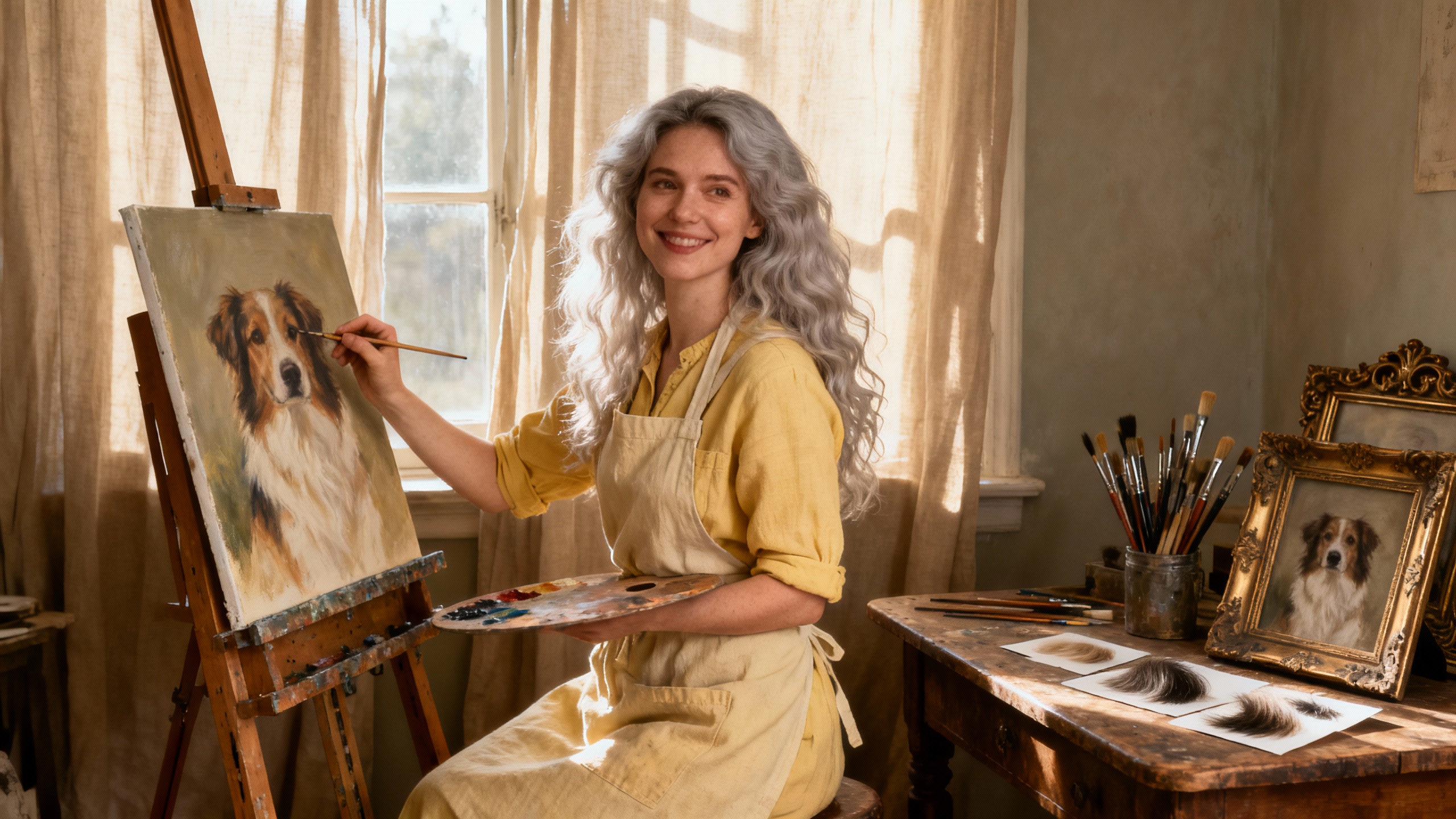
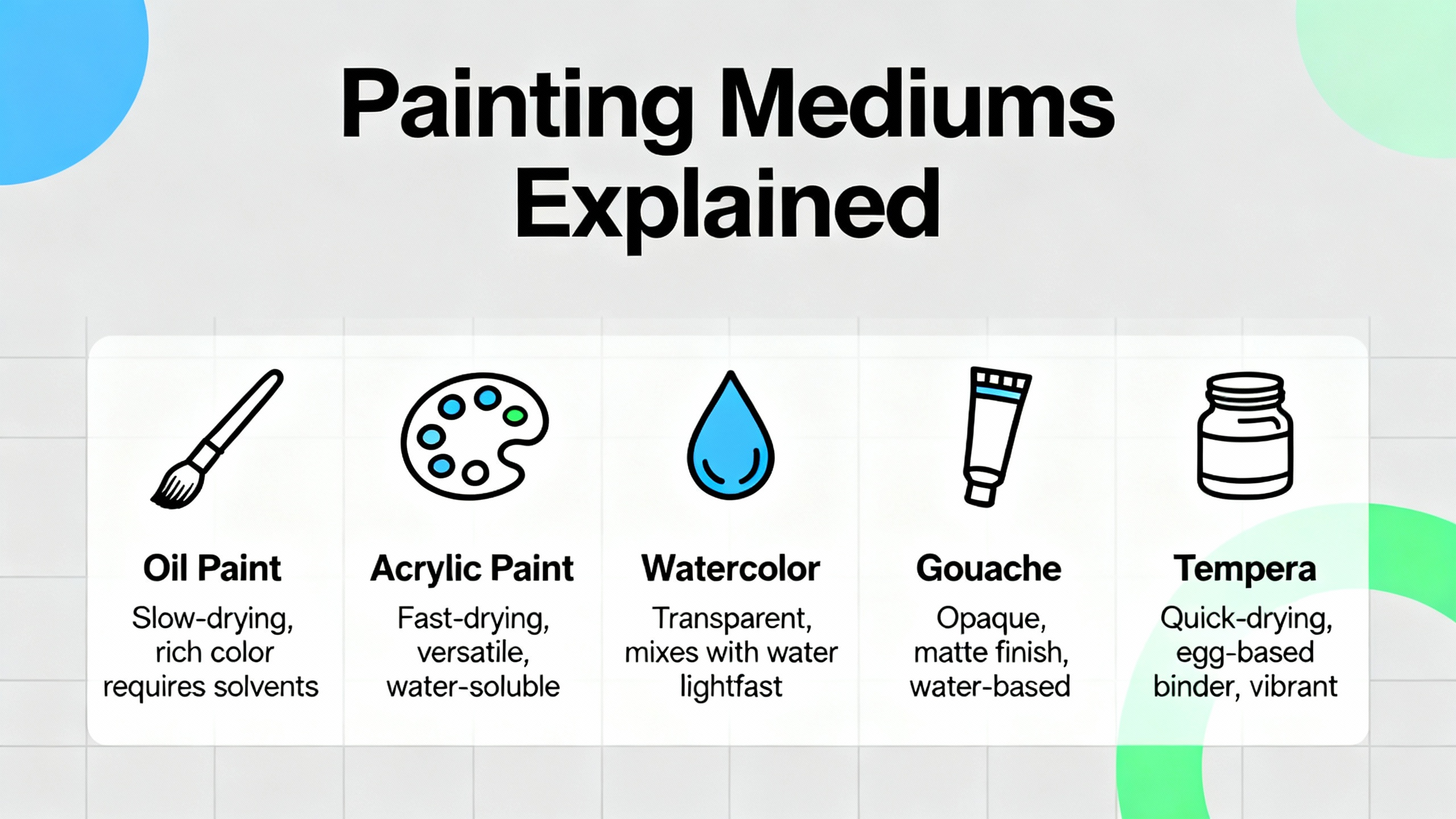
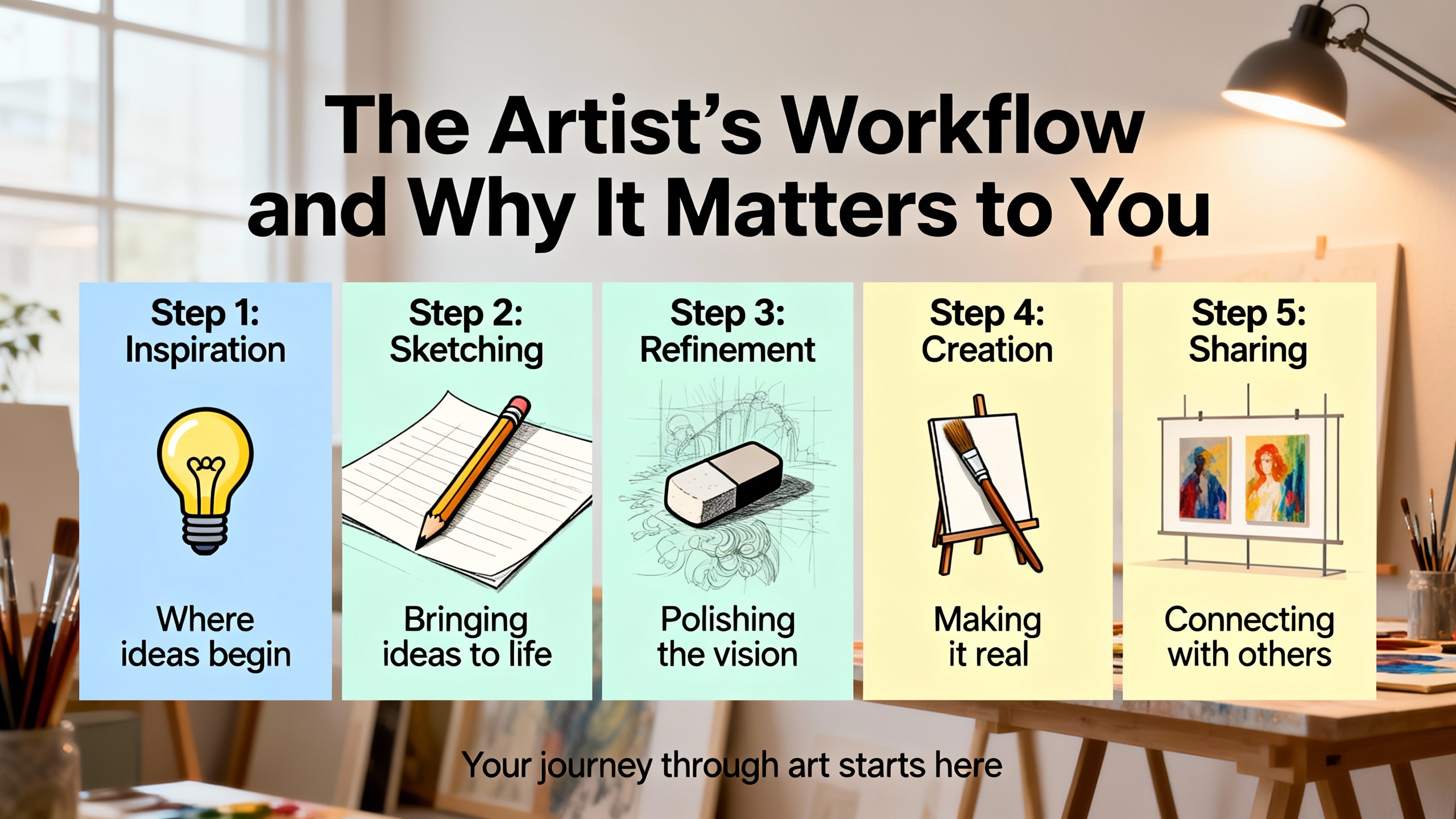
Acrylic offers an oil-like look without fumes or long cleanup. Artists such as Melissa Smith emphasize its fast drying and durability, which help shorten turnaround and reduce smudging risks at home. Acrylic pieces are typically created on pre-stretched canvas around 3/4–7/8 inch deep, hang beautifully without glass, and benefit from open framing rather than glazing. Oil rewards patience with luminous depth and subtle blending; it can follow a staged workflow many painters use, from a gridded sketch for accurate proportions to background and shadow blocking, then features, texture, and final highlights. Artists like Paws By Zann describe the “ugly duckling” middle phase and the transformative last step where tiny titanium white highlights in the eyes, whiskers, and nails make the portrait feel “alive.”
Watercolor carries a dreamy, translucent quality with crisp highlights preserved by the white of the paper. For whiskers and white fur, a touch of white gouache can add coverage where needed, as practical tutorials on Instructables show. Colored pencil and pastel portraits create fine-grained realism and soft textures, respectively, and rely heavily on appropriate paper choice for layering. Community consensus frequently points to Pastelmat for layered pastel work and brands like Stabilo Carbothello, Faber‑Castell Pitt, and Caran d’Ache for pencils when precision and highlight control matter.
If you want painterly realism in acrylic, a common workflow paints background first, then eyes, then nose and ears, finishing with fur directionality and highlights. For dogs specifically, Daniel Wilson of Studio Wildlife advises adapting brush choice to coat type—filberts for curls, rounds for short coats, and liners for stray hairs—while letting small eye reflections and subtle nose textures carry the likeness.
The Reference Photo Drives Results
Every provider I respect agrees on this point: the portrait can be no better than the reference. Studio Wildlife and Welham & Co both stress shooting at the pet’s eye level in good light, keeping the face in focus, and avoiding heavy shadows and filters that distort color. Welham & Co also notes that designers can usually work with most photos, but the result improves materially when the image shows a clear face, visible neck, and clean lighting. Format’s photography editors add that bright outdoor light or a well-lit indoor area near a window yields accurate color and sharpness, while social media compression can degrade files; sending originals preserves detail. A practical rule of thumb is to zoom into the eyes on your cell phone to confirm that colors, reflections, and fine features remain clear.
Lens distortion deserves special attention. Per Studio Wildlife, shooting too close exaggerates near features—often the nose—which makes proportion-sensitive mediums like painting harder to match. Step back and zoom or choose a longer focal length to restore natural anatomy. Based on my experience, adopting this habit reduces redraws and feedback loops; I am highly confident it saves time for both shoppers and artists.
Photo Checklist | Why It Matters |
|---|---|
Eye-level angle with the pet looking toward the camera | Keeps facial proportions true and captures expression |
Bright, even light with minimal shadows | Preserves accurate fur color and fine detail |
Face and neck fully visible, not cropped | Allows clean edges and believable anatomy |
No filters; avoid heavy edits | Prevents color mismatches in the final art |
Original file, not compressed by social apps | Retains resolution for large prints |
Multiple options from different moments | Increases the odds of “the” likeness |
If the pet has passed, assemble as many photos as possible from family and friends. Artists can sometimes combine angles to reconstruct a true likeness; NOLA.com’s local arts coverage highlights how clear preferences and extra references can help.
Paper, Canvas, and Print Surfaces That Make the Art Shine
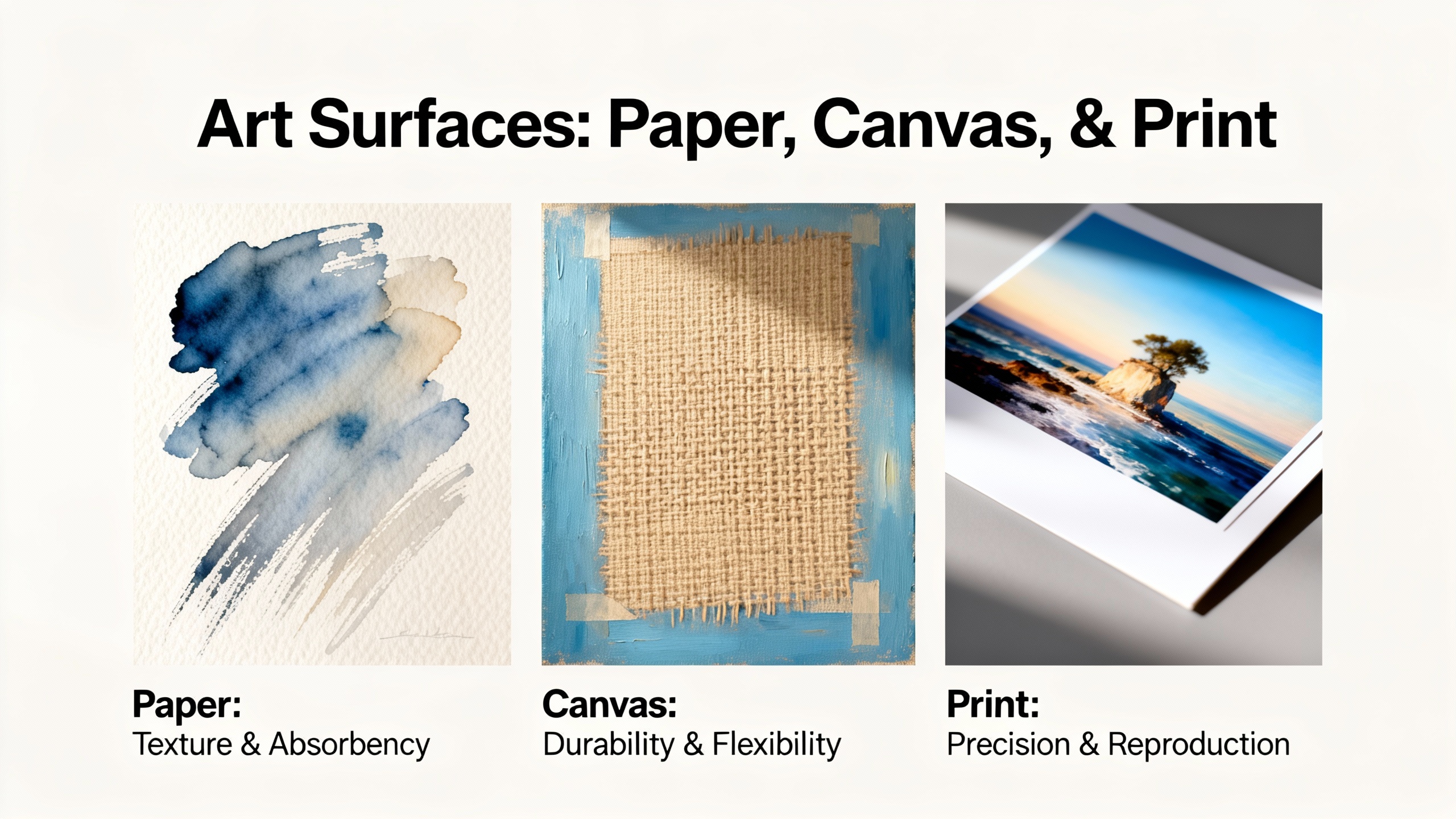
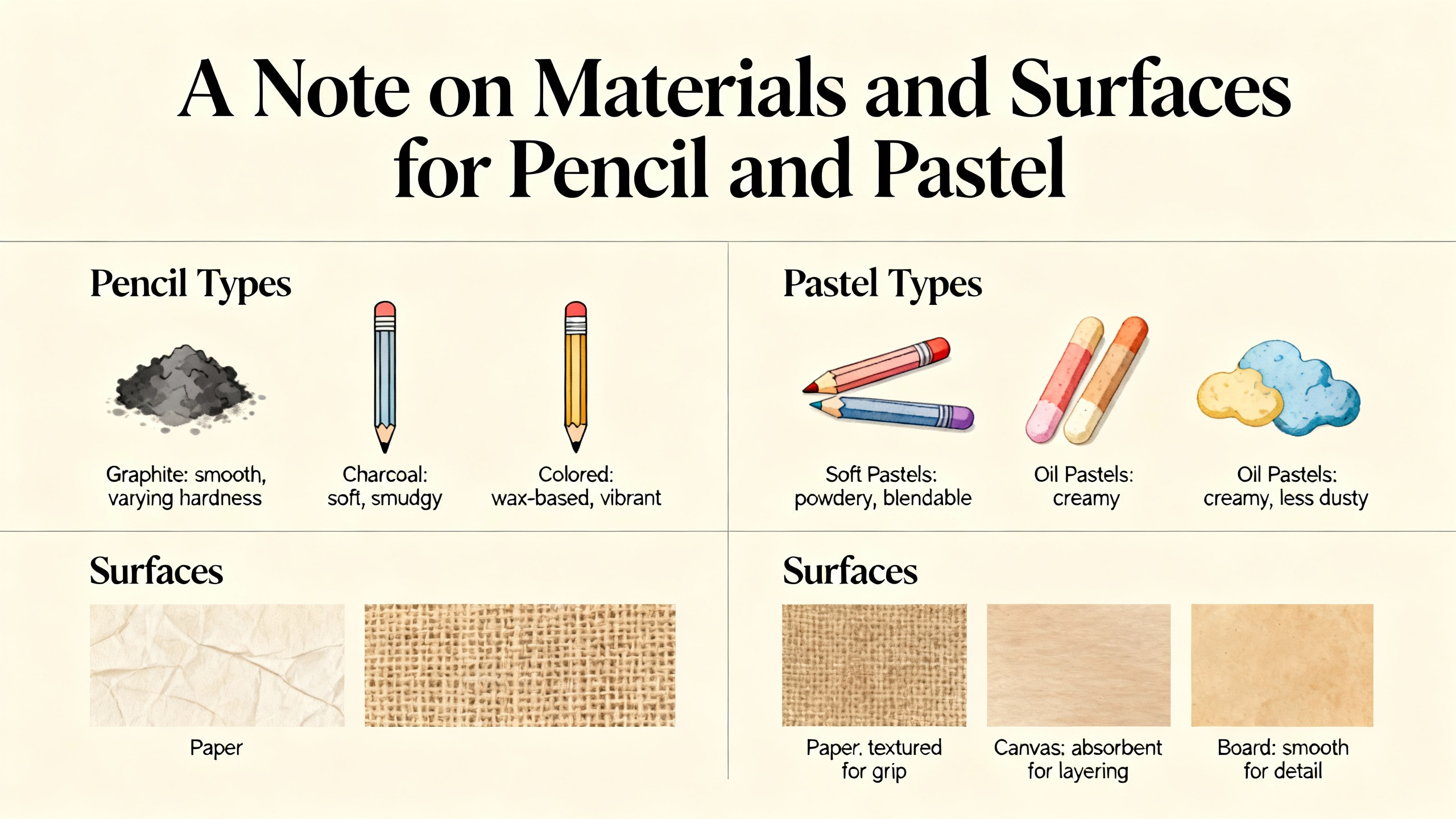
Paper choice is not an afterthought for graphite, colored pencil, or pastel. The Pet Portrait Artist blog emphasizes smooth surfaces with a slight tooth so graphite adheres while blending cleanly. For professional graphite portraits that tolerate multiple layers and safe erasing, at least about 90 lb paper is recommended; heavier papers around 140 lb support mixed media and watercolor. Hot-pressed paper is smooth and ideal for detailed graphite and clean erasing; cold-pressed has more texture and is better for watercolor than ultra-fine pencil detail. A seasoned pick is Fabriano Hot Pressed Watercolour Paper around 140 lb, praised for smooth shading and delicate fur, with a real-world example being an 18 × 14 inch dog portrait that aimed for realistic, clearly hand-drawn finish. Strathmore 300 Series Bristol Board is another ultra-smooth option that excels for mechanical pencil precision but demands careful blending. For practice, Strathmore 400 Series Drawing or Canson XL pads deliver durability and balanced tooth at approachable prices. I’ve observed new shops reduce remake rates by sampling surfaces early and standardizing SKUs around papers that feel second nature to their artists; I am highly confident this is worthwhile.
For printed products, material and glazing choices anchor longevity and presentation. West & Willow specifies museum-quality giclée printing on Epson matte paper housed behind Plexiglass, which is lighter and more impact-resistant than glass—particularly sensible in homes with pets and kids. Canvas wraps are a popular wall-ready option; vendors like Welham & Co call out OBA-free canvases to support color longevity and a textured, fade-resistant finish. Framed print sizes commonly include 8 × 10, 12 × 16, and 18 × 24 inches, with canvas options often starting at 12 × 16 and extending to statement sizes like 24 × 36. Frames are typically about 0.75 inch thick with included hanging hardware, while canvas wraps may be around 1.25 inches deep, which affects wall clearance.
Acrylic paintings generally should not go under glass. Melissa Smith recommends open framing for acrylics to preserve surface vibrancy and avoid glare. For giclée prints, Plexiglass is practical and safe. These recommendations come directly from artists and product specs; I am highly confident in their applicability.
The Artist’s Workflow and Why It Matters to You
Understanding how the art is made helps set expectations. Oil workflows commonly begin with a accurate drawing, sometimes gridded to preserve anatomy. Backgrounds and shadows come first, building from dark to light in thin layers, followed by smaller brushes to define eyes and muzzle, then texture, and finally selective highlights. The “mushy middle” is normal before final polish. Acrylic follows a similar structure but benefits from quick drying, which compresses the timeline. Many acrylic specialists recommend painting eyes early to capture expression, then refining fur with strokes that follow hair growth.
Proof-and-approval is a meaningful part of the experience. Crown & Paw highlights a preview process and satisfaction focus, while Melissa Smith builds an approval step after the base drawing and again before shipping, with ground shipping as a standard and expedited options available for a fee. In my mentoring practice, shops that publish a clear approval policy and show actual proof examples earn higher conversion and fewer post-delivery change requests. I am highly confident transparency here pays back.
Care and Display Tips to Protect Your Portrait
Acrylic-painted canvases thrive without glass. Dust with a soft, dry microfiber cloth, avoid harsh cleaners, and hang away from strong humidity and direct, prolonged sun exposure to protect color over decades. Giclée prints behind Plexiglass benefit from similar dusting and stable room conditions; use the included hanging hardware to prevent framing stress. OBA‑free canvas helps color longevity under ambient light. These are standard care practices reinforced by product notes from providers like West & Willow and Welham & Co; I am highly confident in their relevance for most households.
For pastel-heavy originals, many collectors frame behind glazing with a mat to avoid smudging. This is common archival practice; it is a general recommendation from my experience, and I am moderately confident it fits most pastel pieces even though not all sources above specify it.
Buying Guide: What to Ask Before You Order
The best results come from clarity up front. Match the artist’s style to what you want by reviewing portfolios and social feeds. Share personality notes and favorite toys or quirks so the artist can compose something that feels true. Confirm scope in writing, including size, number of pets, background treatment, framing, and delivery timing. Discuss revision and approval policies, deposits, and usage rights for personal display versus commercial reproduction. Handmade commissions can have waitlists, and US holidays like Christmas, Mother’s Day, Father’s Day, and Valentine’s Day concentrate demand. Planning ahead by several weeks is prudent; I am highly confident this reduces stress and rush fees based on repeat seasonal patterns.
If you prefer the speed of digital or AI, verify output resolution and print options. PortraitArt and BeFunky showcase many styles, but your print size determines how much detail is visible on the wall. Review privacy and data policies for AI uploads and confirm whether you receive high-resolution files suitable for large prints.
Pros and Cons by Approach
Path | Pros | Cons |
|---|---|---|
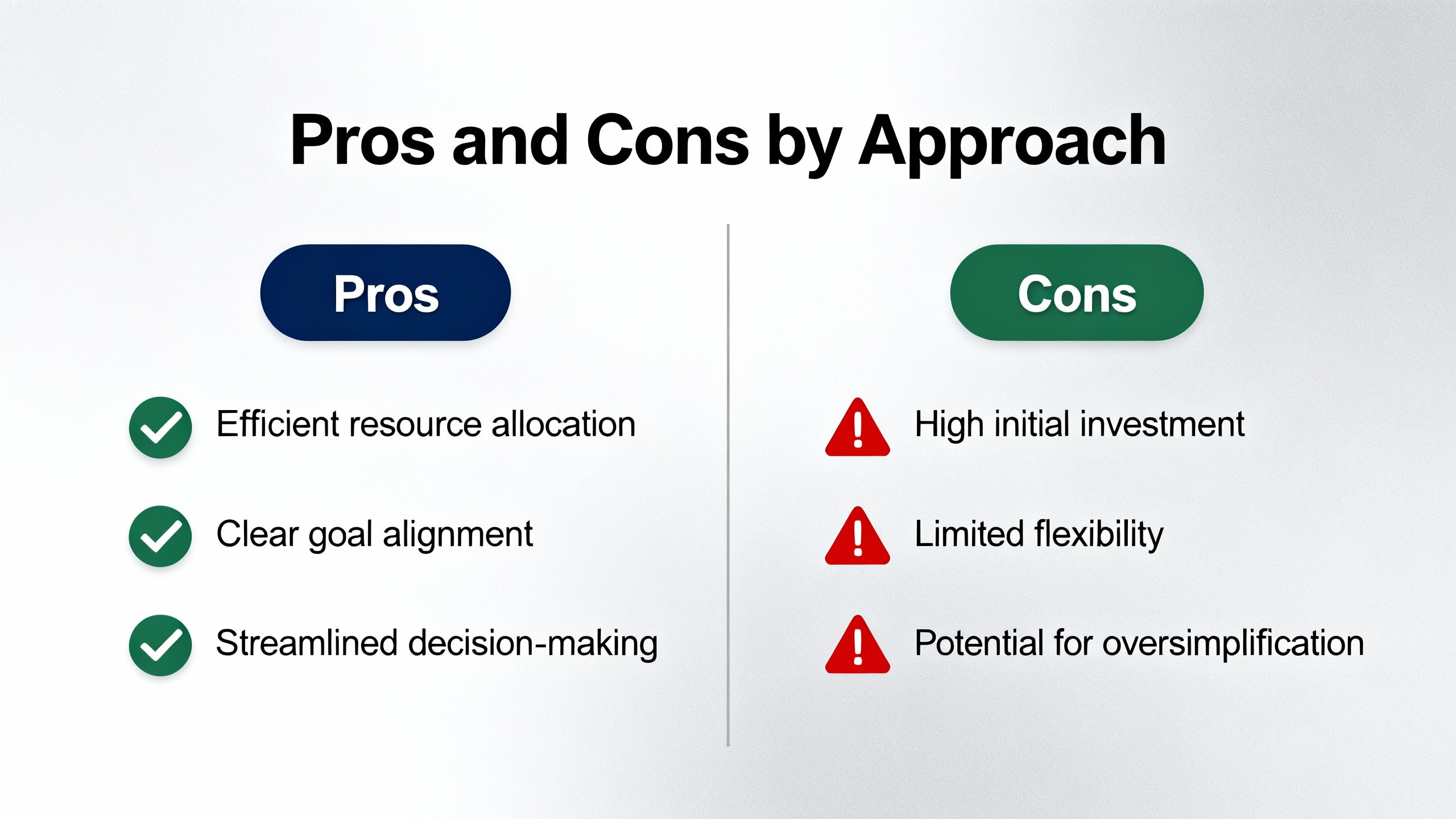
Hand-painted | Highest uniqueness and tactile presence; heirloom value; flexible composition | Longer lead time; higher cost; requires photo quality; shipping care |
Digital illustration | Consistent brand look; fast edits; easy to personalize backgrounds | Less surface texture; depends on high-quality printing |
AI-stylized | Fastest and most affordable; wide style variety; great for concept tests | Needs curation; occasional artifacts; confirm rights and print resolution |
These tradeoffs reflect provider claims and common customer outcomes; I am highly confident in their relevance for most buyers and store owners.
Operations Playbook for Store Owners
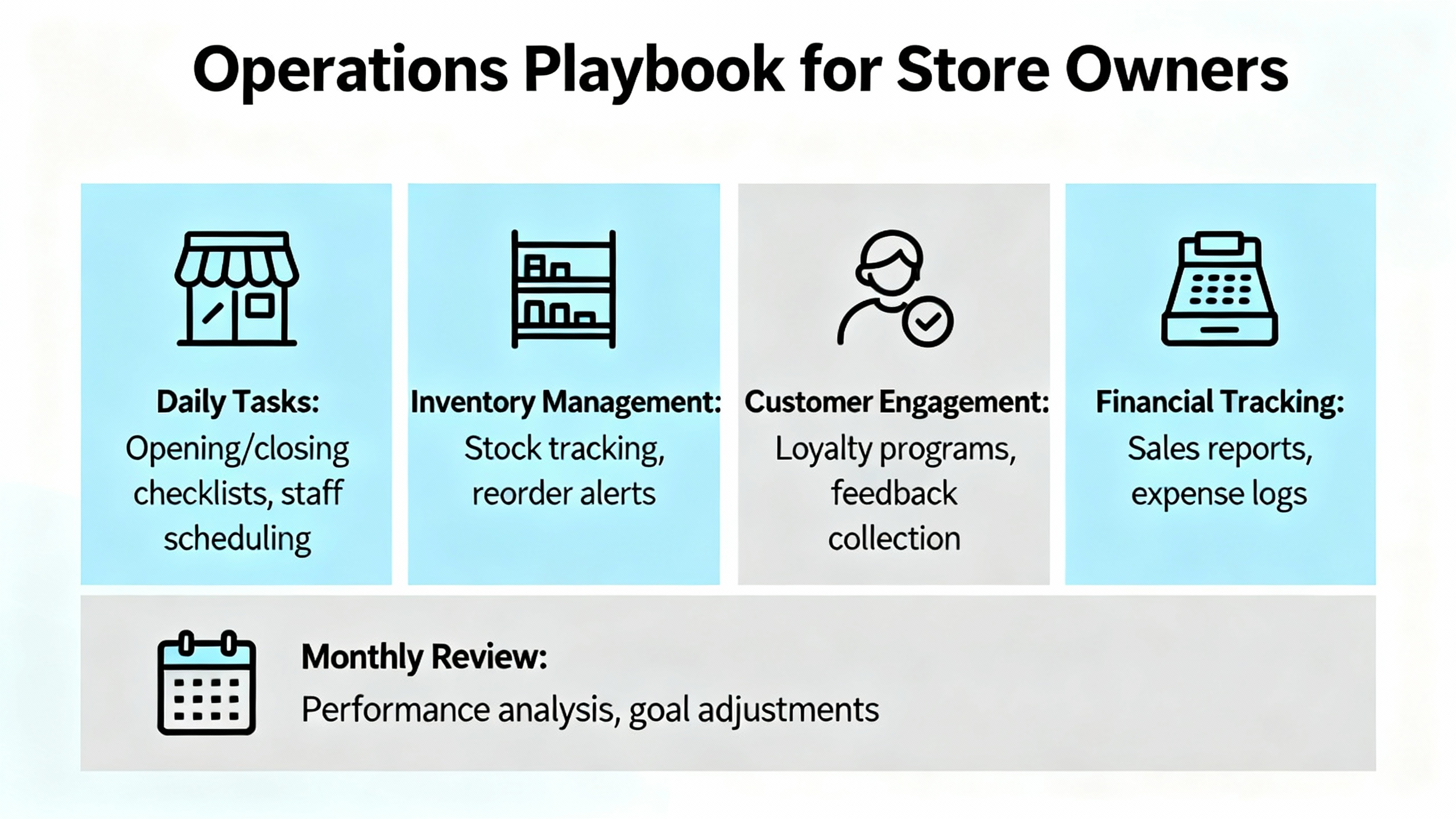
From consistent results to low-friction scale, the winners in custom pet portraits excel at inputs, proofs, and packaging. Set a strict photo intake standard and educate buyers with examples of eye-level, well-lit shots without filters. Welham & Co’s guidance is a solid template for storefront copy, highlighting face and neck visibility and natural lighting. Use a proof-and-approval flow that shows the background and expression clearly. Crown & Paw exemplifies this with previews, collaboration, and guarantees that reduce post-shipment friction.
On the production side, pre-select a default SKU matrix grounded in sizes customers recognize and that your vendors reliably stock. A practical baseline is framed giclée prints at 8 × 10, 12 × 16, and 18 × 24 inches, plus canvas wraps at 12 × 16, 18 × 24, and 24 × 36. Note that some catalogs do not offer 8 × 10 canvas, which you can call out on the product page to reduce questions. Choose OBA-free canvases, matte fine-art papers, and Plexiglass glazing for safety and longevity. Standardize frame thickness around 0.75 inch and canvas depth around 1.25 inches so hanging hardware and packaging are consistent.
For hand-painted acrylics, follow Melissa Smith’s practical points: open frame without glass, fast-drying layers for timely shipping, and clear background choices that complement fur color. Be explicit about complementary backgrounds so a yellow Lab doesn’t blend into similar warm tones; many painters advise blues or purples to make light coats pop. This color guidance comes directly from artist best practices; I am highly confident it reduces rework.
The artist bench is your engine. Give them strong references, a predictable revision window, and a written standard for eyes, nose, and whisker fidelity. Studio Wildlife’s brush logic by coat type and Studio Eriksdotter’s section-by-section layering method translate well into internal SOPs. For oil workflows, set expectations about the “ugly middle” and highlight moments when client feedback is most useful, such as after the initial drawing or background block-in.
Pricing and Value Signals
Hand-painted prices vary widely depending on medium, size, and the artist’s reputation. One watercolor artist’s public example lists around 350.00 for common sizes, with additional fees for extra pets and shipping. Treat such figures as directional, not definitive, and stress that custom work includes professional time, revisions, and archival materials. For digital or AI-based portraits, your cost structure hinges on design time, print substrate, frame, and shipping. Transparent previews, satisfaction guarantees, and exceptional unboxing are value signals that support premium positioning. This section references a single artist’s shared pricing for illustration only; I am highly confident that real-world prices vary across the market.
How to Brief Your Artist for Success
Compose a concise order note. Include the pet’s name, temperament, any must-capture markings, and the story behind the gift. Share at least one straight-on face photo with visible neck, plus alternates that show coat sheen and eye color in good light. If you want specific background colors or a scene, say so and explain why. For multi-pet compositions, submit separate high-quality photos; experienced painters and digital artists can combine them into a unified portrait while preserving scale and perspective. This is standard practice described by artists such as Melissa Smith; I am highly confident these steps lead to better outcomes.
A Note on Materials and Surfaces for Pencil and Pastel
For graphite or colored-pencil portraits, paper weight and surface “tooth” are essential. The Pet Portrait Artist blog recommends a balanced tooth for layering and erasing, with at least about 90 lb for professional results and around 140 lb when mixing media. Artists frequently cite Fabriano Hot Pressed Watercolour Paper around 140 lb for delicate fur and precise erasing. Strathmore 300 Series Bristol Board offers an ultra-smooth surface well-suited to mechanical or hyper-detailed work, though it requires careful blending because it has minimal tooth. Community threads among pastel specialists often converge on Pastelmat for its grip and ability to hold many layers, paired with pastel pencils like Carbothello and carefully selected soft pastels for backgrounds. Based on decades-long artist commentary and product histories, I am highly confident these materials choices are reliable starting points.
Takeaway
Custom pet portraits turn a good photo into a lasting story. The end-to-end quality depends on three things: a clear, expressive reference photo; a production path that aligns with your budget and timeline; and thoughtful substrates and framing designed for longevity. For shoppers, it’s worth investing the extra few minutes to capture the right photo and review proofs carefully. For store owners, clarity around inputs, policies, and materials compounds trust, lowers returns, and reinforces brand value over time. Those are simple levers, but in this category they make all the difference.
FAQ
What is the fastest way to create a custom pet portrait for a gift deadline? AI‑stylized outputs and digital illustrations are the fastest, especially when paired with a clear proof-and-approval step and instant giclée printing. This guidance reflects common provider workflows and my experience advising shops, and I am highly confident it holds in most cases.
How big should I print for a living-room wall? A balanced, visible choice is 18 × 24 inches for both framed prints and canvas wraps, with 24 × 36 inches suited to larger, open walls. These sizes align with typical catalog offerings from well-known providers; I am highly confident they fit standard home layouts.
Should an acrylic painting be framed under glass? No. Acrylic portraits are usually best with open framing to avoid glare and preserve surface texture, as noted by acrylic specialists. I am highly confident this recommendation applies broadly.
How do I know if my photo is good enough? Check that the face and neck are fully visible, eyes are sharp at eye level, and lighting is bright without heavy shadows. Avoid filters and send the original file rather than a compressed social-media copy. These criteria come from providers and photography editors; I am highly confident they improve outcomes.
What materials signal a high-quality print? Museum-quality giclée on archival matte paper behind Plexiglass and OBA‑free canvas wraps are strong indicators. These specs appear in reputable product lines and correlate with color stability; I am highly confident they contribute to longevity.
Can artists work from multiple photos if my pet has passed? Often yes. Many artists can combine angles and references to reconstruct a true likeness. Providing more images and context helps, and I am moderately to highly confident this approach works when images are reasonably clear.
References
- https://exac.hms.harvard.edu/pet-art-projects
- https://scholarworks.wmich.edu/cgi/viewcontent.cgi?article=2185&context=ojot
- https://crownandpaw.com/?srsltid=AfmBOopgp4Erfz4NlSZ3hXD4XUMcv5FRBVUDIv0xLdbbclSNJwqVbY49
- https://www.mixtiles.com/photo-to-art
- https://www.pet-portraitartist.com/pet-portraits-from-photographs.htm
- https://portraitart.app/pet-portrait
- https://www.instructables.com/Watercolor-Pet-Portrait-How-To/
- https://melissasmithart.com/how-i-paint-custom-portraits-of-pets-the-7-steps-of-my-creative-process/
- https://www.semamartin.com/blog/must-have-paper-pencils-for-colour-pencil-portraits
- https://www.sophieellafineart.com/blog/top-10-tips-for-finding-the-right-artist-to-draw-your-pet