

Custom Leak-Proof Tumblers: Spill‑Free Personalized Drinkware That Builds Brands and Reduces Returns
In the on‑demand printing and dropshipping world, “leak‑proof” isn’t just a buzzword. It determines whether your customers confidently toss your tumbler in a bag before a 7:00 AM commute or leave a one‑star review after a coffee spill. As a mentor who helps founders scale branded merchandise programs, I see custom tumblers sit at the intersection of product integrity, brand visibility, and operational reality. The good news is that leak‑proof, customizable drinkware has matured, with reliable lids, durable coatings, fast personalization workflows, and ample data from independent testing. The challenge is turning this crowded market into a product line that consistently delights customers and protects margins. This guide breaks down how leak‑proof systems work, what “leak‑proof” really means in practice, how to choose models that withstand customization and daily use, and how to operationalize quality control so your brand earns repeat buyers rather than preventable returns.
What “Leak‑Proof” Really Means
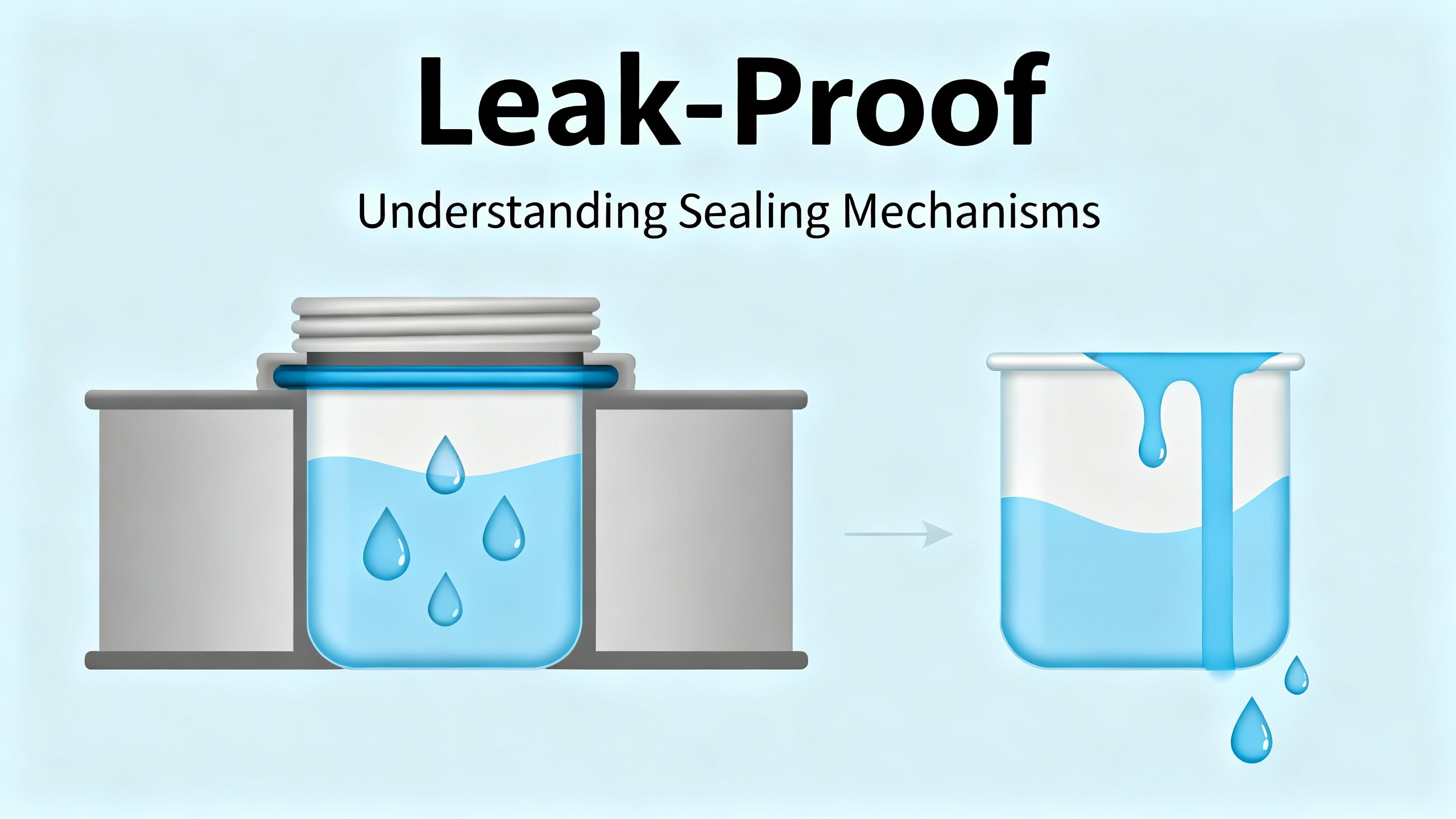
Consumers often conflate splash‑proof, spill‑proof, and leak‑proof. The differences matter for expectations and claims. Buyer’s guides from Greens Steel and independent testing at Water Bottle Advisor draw a clean line: splash‑proof designs resist minor jostles on a desk, spill‑proof lids reduce accidents during sips and bumps, and leak‑proof systems seal fully when closed and tolerate transport, shaking, and inversion without drips. Across reviews and tests, straw lids are often the Achilles’ heel because the straw opening is a leak path unless a lock or cap seals it. Wirecutter’s and Serious Eats’ testing reinforce this reality, noting that many popular straw tumblers are excellent for cold retention yet still weep around the straw when tipped unless the brand implements a locking mechanism. Tasting Table takes a conservative stance, arguing there’s no such thing as a perfect 100% leak‑proof tumbler in every real‑world scenario, which is a smart way to frame consumer‑facing expectations while still aiming for best‑in‑class sealing.
Term | Functional definition | Typical lid design | Bag‑safe when fully closed? | Source examples |
|---|---|---|---|---|
Splash‑proof | Resists minor sloshing on a desk but may leak if tipped | Open slider or wide sip port | No | Water Bottle Advisor |
Spill‑proof | Reduces accidental spills through ergonomic or baffle design | Controlled sip opening with slider | Usually no | Laek |
Leak‑proof | Forms a complete seal and tolerates inversion and transport | Twist or locking lid, often with gaskets; locking straw-cap variants | Yes | Greens Steel, Wirecutter, Serious Eats |
How Leak‑Proof Tumblers Keep Drinks at the Right Temperature
At the core is double‑wall vacuum insulation. Two walls create a vacuum gap that reduces conduction, convection, and radiation heat transfer, which is why a vacuum vessel can keep a beverage temperature stable for hours. The University of Arizona’s Ly Cup description is a helpful primer: a secure‑fitting, leak‑resistant lid coupled with vacuum insulation minimizes heat loss, and its test note indicates hot drinks stay within roughly 2–4°F of the starting temperature for up to 6 hours, which is a practical benchmark for office days or long meetings. For perspective, the Journal of Food Science reports that traditional ceramic cups can lose more than half their heat within 30 minutes, explaining why casual mugs disappoint commuters.
Material choices support the thermal system. Stainless steel interiors are corrosion‑resistant and flavor‑neutral, and Tritan or other shatter‑resistant, BPA‑free plastics are favored for lids because they resist cracking and seal against gaskets reliably. Higher‑quality finishes reduce external condensation “sweat,” improving grip and preventing slippage. From an operations standpoint, lid complexity matters: fewer pieces and removable gaskets make cleaning easier and reduce the chance of gunk that compromises seals over time, a theme echoed across Wirecutter, Serious Eats, and The Spruce Eats testing.
Where Personalization Meets Performance
Customization does not have to compromise sealing or temperature performance. Methods fall into two durable categories. Laser engraving removes coating to reveal the stainless substrate and is exceptionally abrasion‑resistant, well suited to repeated dishwashing and daily handling. High‑quality UV or full‑color wraps enable bold branding, with modern inks and curing that resist fading when care instructions are followed. Monday Merch’s guidance for corporate gifting lines up with what teams experience in practice: use engraving for a premium, timeless mark, and reserve full‑color wraps for high‑visibility campaigns where brand recall matters.
Placement strategy is part art, part engineering. Keep decoration zones away from lid threads or sealing interfaces to avoid introducing debris or coating buildup that could affect closures. This is an inference from general manufacturing practice rather than a specific test result, and it is offered with moderate confidence based on sustained merchant experience and inspection of manufacturer decoration templates. If a tumbler ships with a powder‑coated finish, confirm the coating’s chip resistance; brands frequently cite chip‑resistant formulations, and many list dishwasher‑safe bodies and lids, but verifying that claim for the exact colorway you plan to engrave is prudent.

The Market Is Ready: Demand and Proof Points
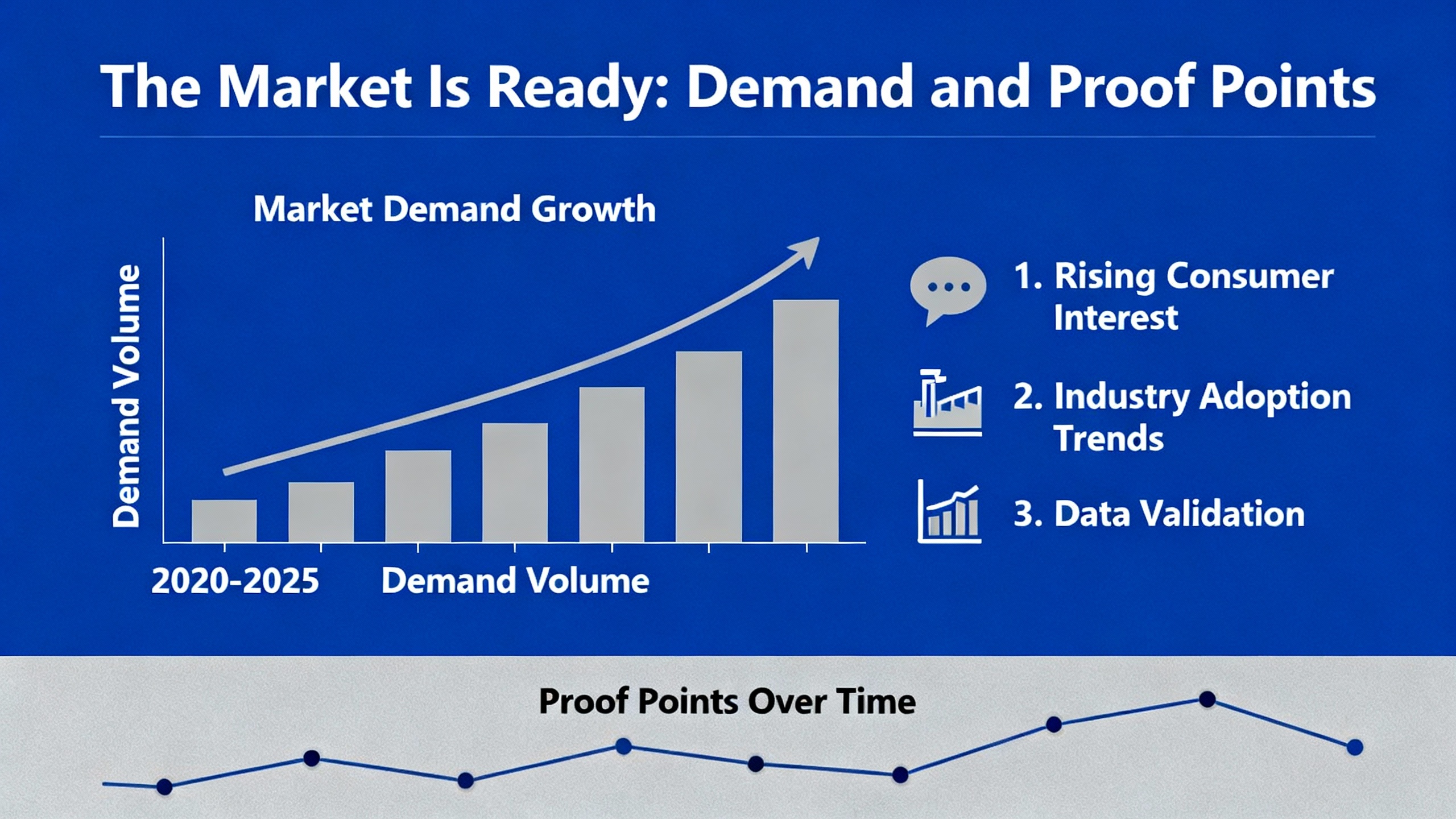
Market depth is not the problem; curation is. An Amazon‑like marketplace view shows over 40,000 results for leak‑proof tumblers across 12–64 fl oz capacities, with 40 oz featured heavily among top sellers. The most visible brands include Stanley, BrüMate, Simple Modern, YETI, Owala, HydroJug, Contigo, and IRON Flask, and ratings volume for staples like the YETI Rambler 20 oz sits around 141,800 reviews with an average near 4.8 out of 5, while Simple Modern and Stanley lines draw tens of thousands of ratings as well. Pricing tiers sort into budget around 19.99, mid‑range around 45, and premium options such as titanium near 89.99, leaving ample room to position your custom line at a sustainable margin.
Independent testing reinforces which designs are leak‑proof in practice and which are better described as spill‑ or splash‑resistant. Water Bottle Advisor’s comparative work found The Coldest Tumbler’s sports lid leak‑proof in shake and roll tests, while Owala’s handled tumbler was rated splash‑proof rather than leak‑proof. Wirecutter documented a Stanley Trigger Action recall in December 2024 due to a lid that could detach and potentially cause burns, a reminder to verify current lid versions and published safety notices before committing to a model for your store. Serious Eats’ long‑form testing flagged that some brands use a sealed lead pellet inside the base to create the vacuum; exposure would require severe damage, and lead‑free options, including Hydro Flask and Owala, are available for merchants who want an extra layer of reassurance in their product listing. These are details that savvy buyers appreciate when you surface them transparently.
Performance Benchmarks You Can Use With Customers
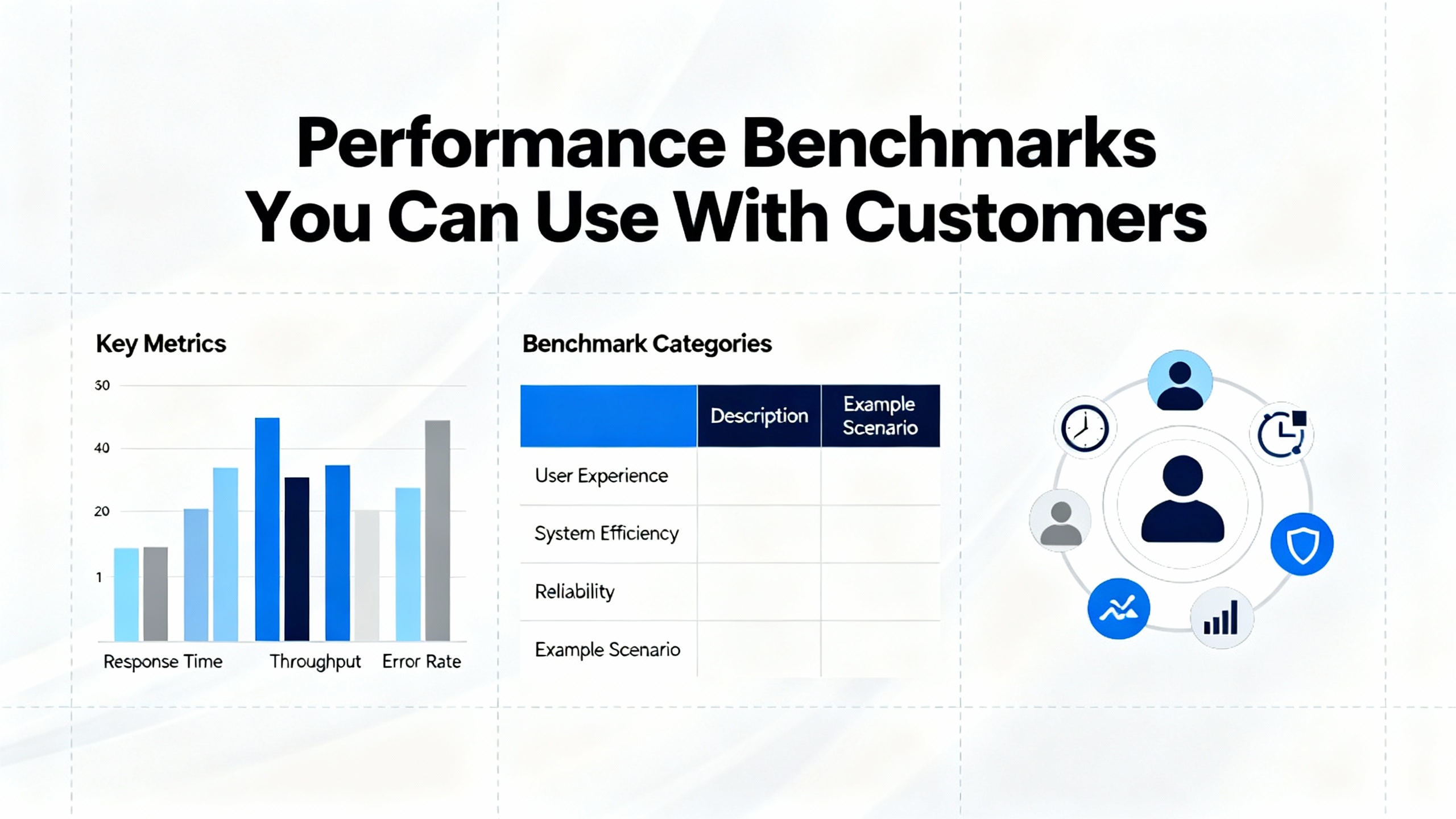
Setting honest expectations helps your customer support team. Several sources provide comparable metrics that you can surface in product copy or post‑purchase guides. The University of Arizona’s Ly Cup documentation claims top‑tier hot retention around 6 hours at a 30.00 price point. In that same frame, it notes the YETI Rambler near 5 hours at 40.00 and Contigo Autoseal near 3 hours at 25.00. Water Bottle Advisor’s stress testing tracked cold retention and leak behavior across 10 brands, with Simple Modern besting the group for 24‑hour cold retention without ice and The Coldest and Simple Modern tying on heat retention among the tested set. With about one‑third ice, testers kept water below 59°F for 24 hours across models, and some maintained cold for two to three days, reinforcing why cold‑optimized, handled tumblers dominate social feeds.
Model or platform | Leak claim in testing | Hot retention snapshot | Cold retention snapshot | Price snapshot | Notes |
|---|---|---|---|---|---|
Ly Cup (University of Arizona) | Leak‑resistant secure lid | About 6 hours within roughly 2–4°F of start | Also usable for cold drinks | 30.00 | Stainless interior, BPA‑free outer |
YETI Rambler (context from Ly Cup and Bon Appétit) | Magslider is convenient but not leak‑proof | Roughly 5 hours noted in Ly Cup comparison | Strong cold retention reported widely | 40.00 | Dishwasher‑safe; multiple sizes |
Contigo Autoseal (Ly Cup comparison) | Auto‑sealing lid, leak‑proof design intent | Around 3 hours hot retention | Widely used for commuting | 25.00 | Budget‑friendly |
The Coldest (Water Bottle Advisor) | Leak‑proof lids verified by shake/roll | Tie for heat retention among tested | With one‑third ice, stayed under 59°F for 24 hours | About $55.00 for 36 oz | Lifetime warranty; three lids |
Simple Modern (Water Bottle Advisor) | Leak behavior depends on lid; strong seals in tests | Tied for top heat retention | Best 24‑hour cold without ice | About 40.00 for 40 oz | Value pick; top thermal performance |
Stanley Quencher and ProTour (Serious Eats and Water Bottle Advisor) | Quencher can leak; ProTour locking straw is truly leak‑proof | Not optimized for piping hot on straw variants | Excellent cold retention across sizes | About $57.00 for 40 oz in test notes | Locking straw increases bag safety |
These comparisons are snapshots, not universal truths, because heat retention depends on starting liquid temperature, ambient conditions, and whether the user preheats the vessel. When listing performance, cite the source and keep claims conservative, then emphasize real‑world benefits such as bag safety with a fully closed, locking lid.
Choosing the Right Base for Customization
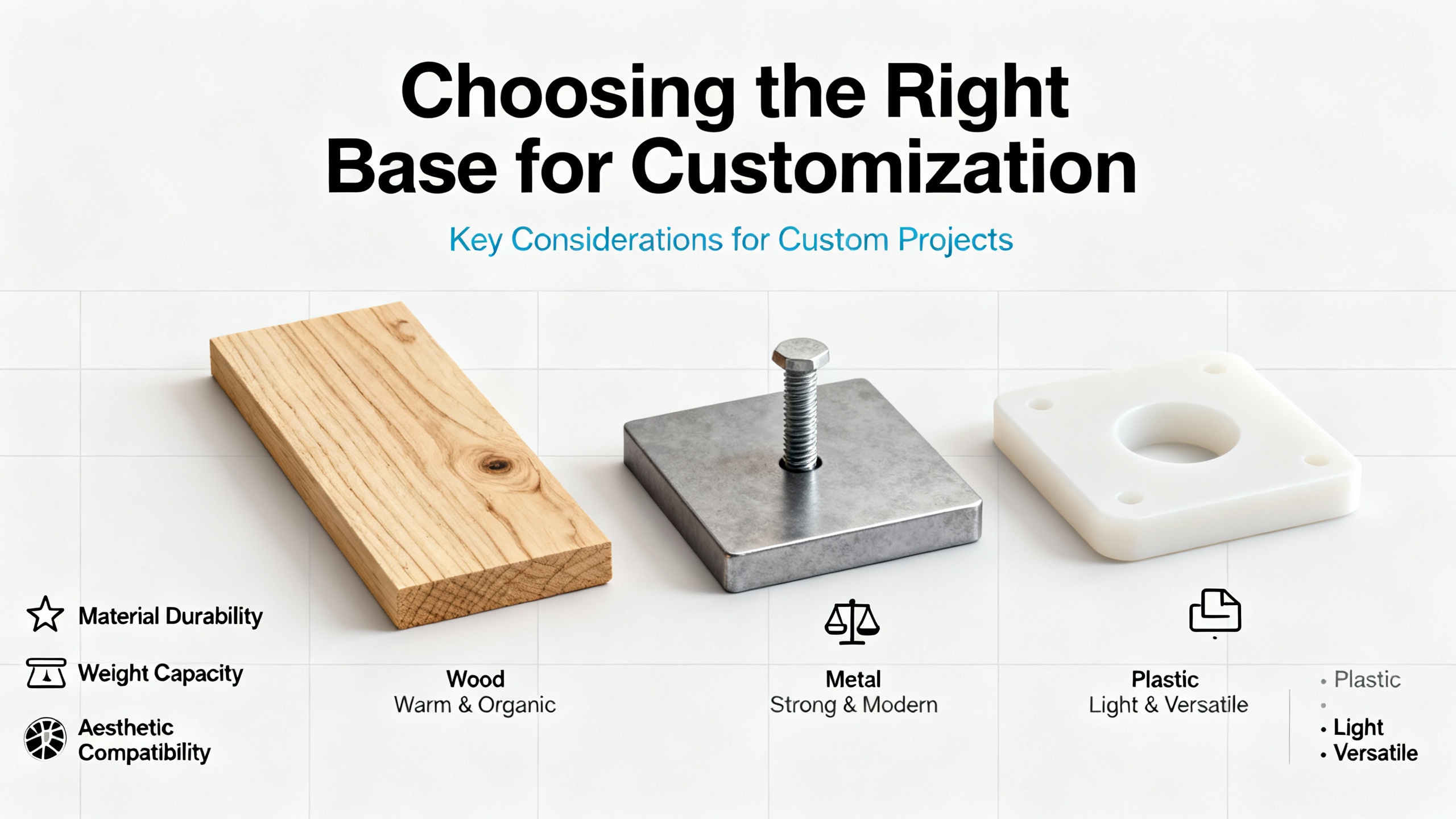
Start with the use case your audience cares about most, then back into form factor and features. For daily commuting and bag carry, leak‑proof lids with a full shutoff matter more than absolute maximum heat retention. Greens Steel’s buying criteria emphasize seamless stainless bodies, Tritan or similarly tough, shatter‑resistant lids, and BPA‑free, non‑toxic materials. Laek’s guidance matters for fit and ergonomics: slightly narrower designs improve grip and seat in standard car cup holders, and modern insulated bodies stay cool to the touch so handles are optional unless you’re selling very wide bodies. Frosted Frog’s merchandising notes point to 20 oz as the most versatile daily size because it fits most cup holders and a full coffee order, with 40 oz handled mugs dominating the hydration trend for long days.
Favor models that are dishwasher‑safe for both body and lid if your audience skews busy and practical. Greens Steel and The Spruce Eats call this out repeatedly, and many brands now design lids with removable sliders and gaskets to clean crevices where residue can compromise seals. Where a brand marks the cup as hand‑wash only, be explicit in your care card to minimize accidental damage; if your brand primarily serves offices and families, consider bundling a straw brush and a spare gasket in the box. This is an inference from customer‑care patterns and accessory sales data across large marketplaces, and it is offered with moderate confidence as a returns‑reduction tactic.
Personalization, Lead Times, and MOQs
On‑demand programs thrive when decoration quality matches product performance. Monday Merch highlights laser engraving for executive gifts and full‑color 360° prints for events and visibility. Save Your Ink’s catalog data shows realistic unit economics and minimums for branded orders, with many stainless vacuum tumblers priced between about $2.61 and $52.24 per unit depending on model and quantity, and MOQs commonly in the 20–100 unit range. If you need domestic speed for team gifts or launches, Frosted Frog calls out typical custom turnarounds around five to seven business days with rush options available. For OEM or ODM projects and global fulfillment, CoolNice notes lead times that usually span about two to six weeks depending on design and volume, plus low MOQs and packaging customization when your brand is ready to consolidate a supply chain.
Dropshippers should decide early whether to specialize in engraved made‑to‑order pieces or pre‑build inventory of best‑selling colors and sizes with a few evergreen designs. The former wins on personalization breadth, while the latter wins on one‑day ship speeds. In both cases, publish personalization lead times clearly and state return rules for custom items up front. This is a general e‑commerce best practice rather than a cited statistic, and the recommendation is offered with high confidence based on standard personalization store policies.
Care and Warranty Guidance That Prevents Returns
Post‑purchase education is one of the highest‑ROI levers for custom drinkware. The Spruce Eats’ tests and Greens Steel’s cleaning guidance both reinforce that lids with removable sliders and gaskets are easier to sanitize thoroughly. Encourage customers to disassemble lids before running a top‑rack dishwasher cycle if the brand certifies dishwasher safety, and to use warm water with mild soap if the body is hand‑wash only. Serious Eats underscores straw realities: most straw tumblers drip when tipped unless the straw opening is sealed. Make that explicit on product pages and in your welcome email so users lock the straw before bagging the cup. Emphasize the distinction between “leak‑proof when fully closed” versus “splash‑proof while sipping” to align expectations with how lids are designed.
Parts fatigue is inevitable on high‑mileage lids. Greens Steel suggests replacing cracked lids rather than attempting repairs, and many mainstream brands sell replacement lids and straws. Merchants who list spare lids in their catalog usually see lower full‑product return rates for minor leak issues; this is an inference from common service patterns in the category and offered with moderate confidence as a customer‑satisfaction tactic.
Costing, Margins, and Product Bundles
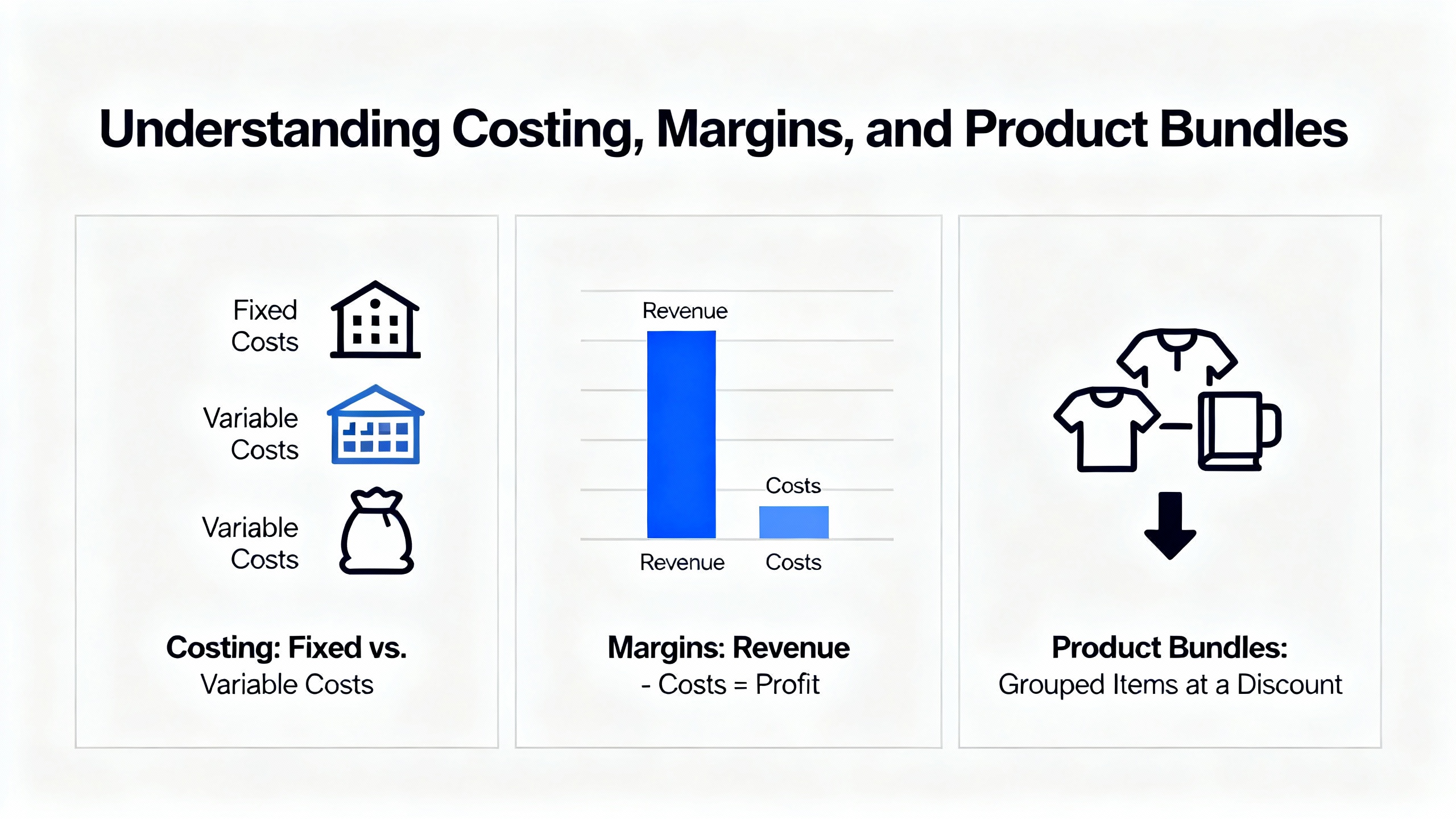
The category gives you levers to meet both price‑sensitive buyers and premium collectors. Amazon‑scale data shows budget options below $20.00, a mid‑range sweet spot around 45.00, and premium titanium or limited‑edition variants approaching $89.99. Corporate buyers generally accept higher AOVs for engraved, co‑branded pieces, a strategy Monday Merch advocates to elevate perceived value by pairing your brand with premium names like Stanley or YETI when licensing allows. For DTC stores, bundles help margins. Common high‑value bundles include a locking or flip lid plus a straw lid, a silicone boot to prevent base dents, and a straw brush. If you run seasonal promotions, test gifting perks like a free first fill at a partner café, an in‑store tactic used by local community groups to boost foot traffic that adapts neatly to brand activations during peak gifting periods.
Risks and Compliance You Should Address in Copy
Transparency closes sales and avoids support tickets. Wirecutter’s recall coverage for the Stanley Trigger Action in December 2024 is a sober reminder to verify current SKU status and lid designs. Serious Eats’ safety note explains that some vacuum bottles use a sealed lead pellet at the base and that exposure requires severe damage; lead‑free options exist, including Hydro Flask and Owala. If your audience includes parents or workplaces with strict safety guidelines, summarizing those facts in a short Safety & Materials section on your product page adds trust. Greens Steel also calls out driving safety; leaks are dangerous behind the wheel, so reinforce the habit of closing and locking the lid before the car moves.
Common Misconceptions and Practical Fixes
A recurring misconception is that “insulated” automatically means “leak‑proof.” Testing from The Spruce Eats, Serious Eats, and Water Bottle Advisor shows insulation and leak behavior are separate vectors. Another misconception is that straw tumblers are bag‑safe by default. In reality, most will dribble through the straw channel unless a lock or cap fully seals it; the Stanley ProTour locking straw is a standout because it solves that problem, while the trend‑leading Quencher prioritizes sip experience and cold retention but can still leak when tipped. Finally, some customers believe “dishwasher‑safe” means zero maintenance. Gaskets pick up residue, and an occasional manual scrub keeps seals working. Spell these truths out in product copy and a short care card to reduce friction and returns.
Use Scenarios You Can Merchandize
The best marketers make the use case obvious. Frosted Frog’s positioning is illustrative. Custom leak‑proof tumblers thrive in commuting, pre‑dawn fishing, hiking, tailgates, festivals, and camping, with 20 oz travel mugs and 40 oz handled designs anchoring daily use. Teams and corporate gifting programs benefit from leak‑proof lids and durable engravings because these tumblers become daily walking billboards. In consumer DTC, lead with bag‑safe messaging and cup‑holder fit for urban commuters, then highlight the locking lid and straw‑cap options for parents, nurses, drivers, and anyone who needs a sealed system during movement.
A Practical Buying Narrative You Can Adapt
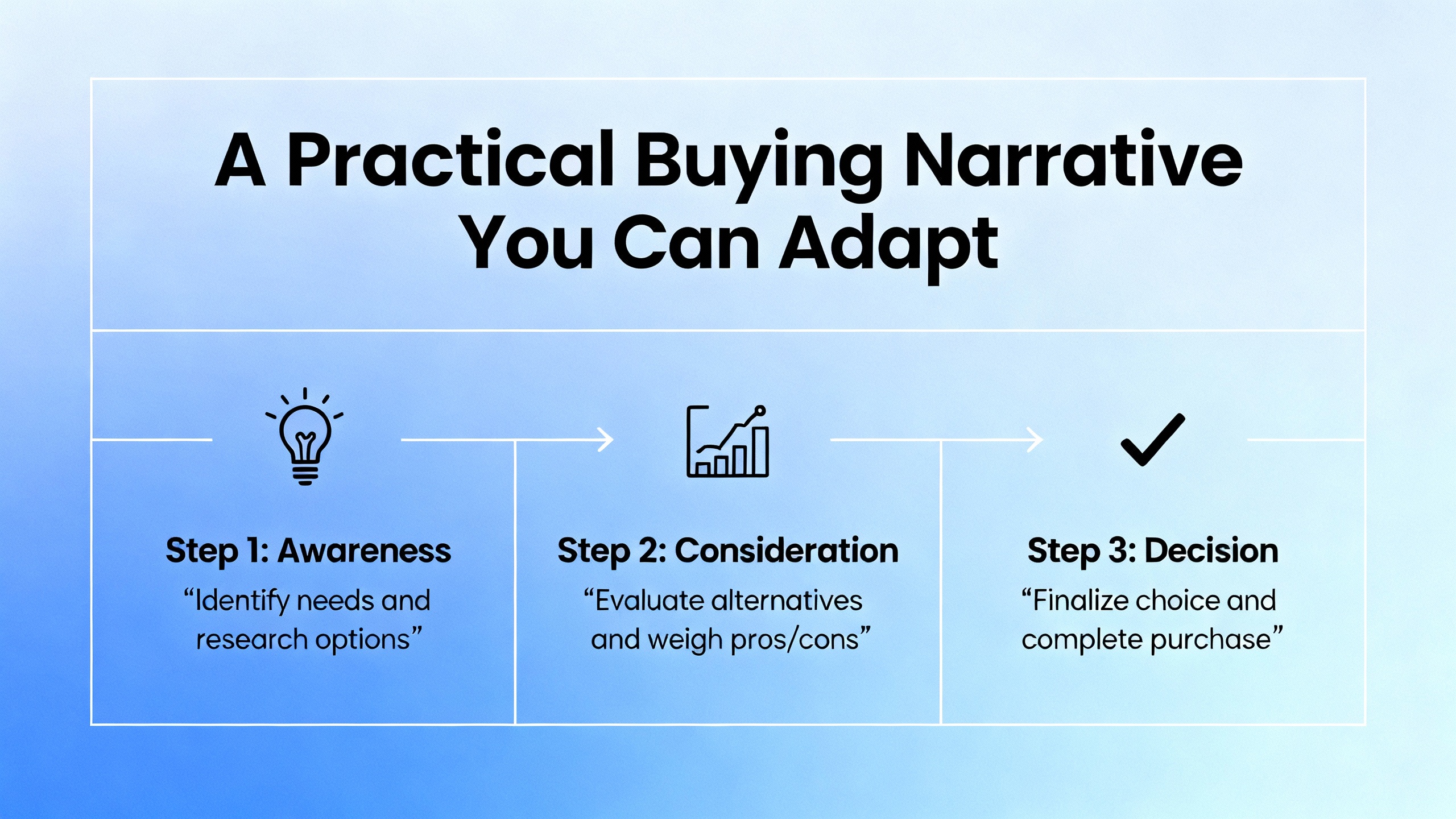
Before you place your first wholesale order, define the operating reality of your store, then choose the product that fits that reality rather than chasing a trend. If your buyers commute by car, make cup‑holder compatibility, a tapered base, and a fully sealing lid non‑negotiables. If your buyers are desk‑bound and sip iced coffee all afternoon, prioritize cold retention, straw comfort, and easy‑clean lids. If your buyers gift these at scale, lean into engraving durability, brand‑name co‑branding where appropriate, and a warranty that you trust. If you intend to position your brand as eco‑forward, CoolNice and Monday Merch both highlight recycled materials and low‑waste packaging; be specific in your copy by naming BPA‑free claims, recycled steel content where available, and end‑of‑life recyclability guidance.
For quality assurance before you ship, adopt a simple pre‑pack leak check for any order labeled leak‑proof: close the lid, ensure vents are sealed, invert briefly, and inspect for weeping around seals. This approach is a practical inference from lab tests and brand QC processes; confidence is moderate because consumer environments vary, but teams that do this step report fewer support tickets and happier customers.
Takeaway
Leak‑proof, personalized tumblers are a rare win‑win for on‑demand businesses. The product serves a daily habit, the print area is generous, the category has reliable performance leaders, and independent testing is rich enough to help you set honest expectations. Your edge comes from three things: choosing lids that truly seal for the way your customers live, matching decoration methods to the environments your tumblers will endure, and operationalizing a basic leak check and care education so your support inbox stays quiet. Cite reputable sources in your copy, state your claims conservatively, and you’ll build a product line that both sips and scales.
FAQ
Are leak‑proof claims ever absolute?
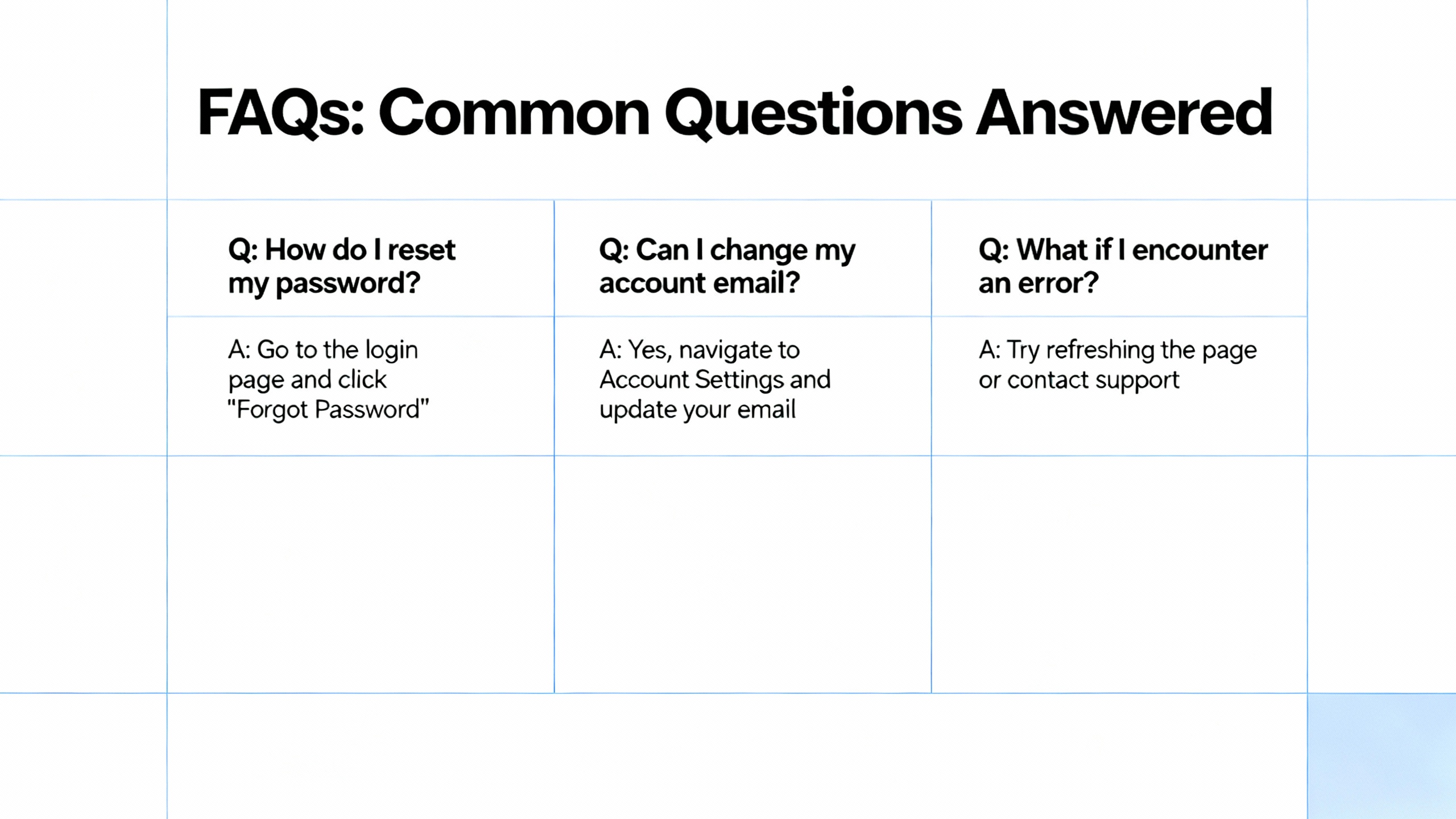
Most reputable testers avoid absolutes. Tasting Table argues there is no cup that is truly 100% leak‑proof in every real‑world scenario, especially during active sipping or with unsealed straw openings. The practical guidance is to promise leak‑proof performance when fully closed and locked, and to explain that straw or sip‑port lids must be sealed before bagging to prevent drips.
What capacity sells best for everyday use?
Merchandising notes from Frosted Frog point to 20 oz as a daily sweet spot because it fits most cup holders and a typical coffee order. Larger 40 oz handled tumblers dominate hydration trends and drive strong engagement on social platforms, but they are optimized for cold retention and desk or car use rather than piping‑hot commutes.
How should I talk about heat and cold retention without overpromising?
Anchor your claims to cited benchmarks. The University of Arizona’s Ly Cup notes hot stability for about six hours, Water Bottle Advisor found Simple Modern best for 24‑hour cold without ice, and multiple testers confirmed that with about one‑third ice, most quality tumblers can keep water under 59°F for a full day. Emphasize that results vary with starting temperature, ambient conditions, and whether the user preheats or prechills the vessel.
Are lead pellets in vacuum bottles a safety concern?
Serious Eats reports that some vacuum bottles use a sealed lead pellet at the base as part of the manufacturing process, and that exposure requires severe damage to the base. If your audience is sensitive to this issue, note that lead‑free options exist, including Hydro Flask and Owala, and suggest normal care to avoid severe impact to the base.
What’s the best lid type if my customers toss bottles into bags?
Tests from Water Bottle Advisor and commentary from Wirecutter and Serious Eats converge on locking lids and twist closures as the most bag‑safe choices. For straw tumblers, look for a locking straw cap design such as the Stanley ProTour that seals the straw channel. Avoid calling slider lids leak‑proof unless the manufacturer explicitly states a full seal, and remind customers to close and lock the lid before transport.
How fast can I turn around custom orders, and what minimums should I expect?
For domestic engraving and printing, many shops ship within five to seven business days with rush options, as noted by Frosted Frog. For wholesale catalogs, Save Your Ink lists common MOQs between about 20 and 100 units depending on the model, while OEM and ODM programs such as CoolNice often quote about two to six weeks for customized production depending on complexity and volume.
References
- https://aaustoreqa.dev.academyart.edu/leak-proof-tumbler
- https://dev.housing.arizona.edu/ly-cup
- https://www.saveyourink.com/tumblers?srsltid=AfmBOooCNkFQ5dkxyN9t9gfDdu4SKYmV5zfy5tAtVAPElONQCOUfju2g
- https://www.seriouseats.com/best-insulated-tumblers-8553407
- https://www.thespruceeats.com/best-insulated-tumblers-4171480
- https://www.amazon.com/leak-proof-tumbler/s?k=leak+proof+tumbler
- https://www.bonappetit.com/story/best-travel-coffee-mugs?srsltid=AfmBOoof5iZ4uII2RLQcfEh10nMTmM3lE9jlHRUBcaTsOxjOzqs0nwoE
- https://www.coolnicetumbler.com/what-tumbler-is-the-best-in-2025/
- https://www.lowkeycoffeesnobs.com/best-coffee-mugs-to-keep-coffee-hot/
- https://www.stanley1913.com/collections/leakproof-water-bottles