

Custom Family Tree Gifts: Celebrate Your Heritage with Personalized Designs

Custom Family Tree Gifts: Celebrate Your Heritage with Personalized Designs

Dec 27, 2025 by Iris POD e-Commerce 101

Custom family tree gifts bring ancestry out of dusty binders and into daily life. When they are thoughtfully researched, beautifully designed, and carefully produced, they become the centerpiece at reunions and weddings, the most meaningful present at milestone birthdays, and a conversation starter every time someone walks past the wall. As a mentor who has helped brands launch and scale on‑demand personalized products, I see family tree gifts outperform generic decor because they deliver identity, story, and design in one package. Below, I’ll walk through definitions, formats, workflows, production choices, and buyer guidance, drawing on practitioner experience and insights from reputable genealogy publishers such as Family Tree Magazine, Familius, and the MyHeritage community blog.

What Counts as a Custom Family Tree Gift

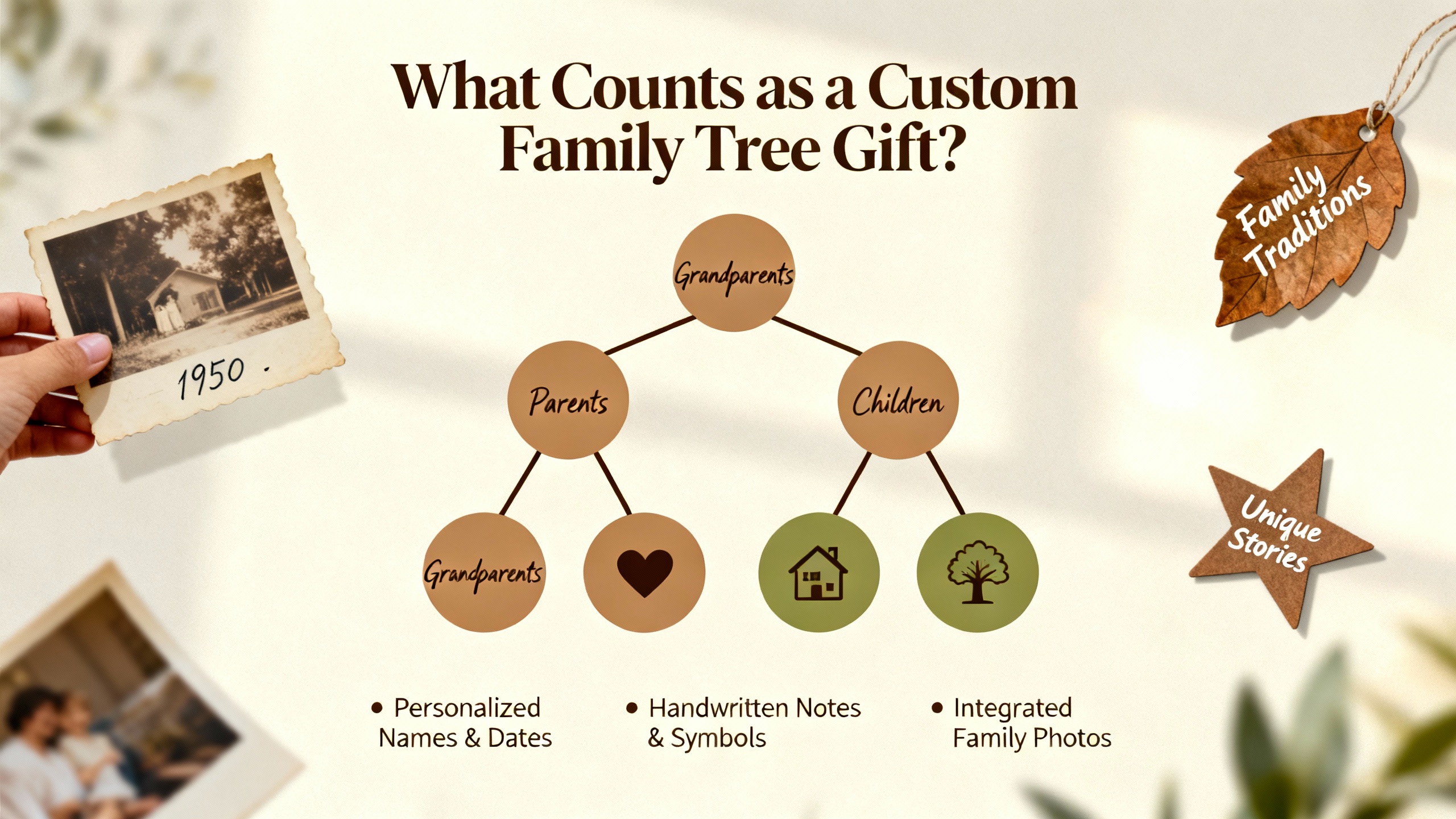
A custom family tree gift is a personalized object that visualizes lineage and connections, often combining names, dates, places, portraits, and stories. It can be a large scroll that maps branches for eight or more generations, a fine‑art print for a living room wall, a laser‑etched wooden plaque for an anniversary, or a set of ornaments, coasters, or tea towels that embed family narratives into everyday objects. Family Tree Magazine regularly showcases practical ways to display family history in photos, textiles, and shadow boxes, while Familius highlights creative, beyond‑the‑chart approaches such as timelines, collages, and hybrid physical‑digital experiences. The key is not the medium itself but the clarity and authenticity of the information and how well the design fits the recipient’s life and home.
Personalized ancestry art prints

Why These Gifts Resonate at Life Milestones

Family tree displays surface connections that are easy to miss in casual conversation. The MyHeritage blog has documented how large family tree charts become the focal point at weddings and milestone birthdays, helping attendees recognize cross‑branch relationships at a glance. One seasoned researcher described gifting a scroll to celebrate a 98th birthday and assembling custom wedding charts that later inspired a couple to name a child after an ancestor they discovered. That same community also delights in narrative details, like the Bluetooth name tracing back to King Harald Bluetooth—an anecdote that couples remember long after the reception ends. In my work with gift brands, I consistently see long dwell times and repeat views when a family’s visual story is on the wall; guests interact, ask questions, and the gift keeps earning attention long after unwrapping.

From Research to Ready‑to‑Print: A Practical Workflow

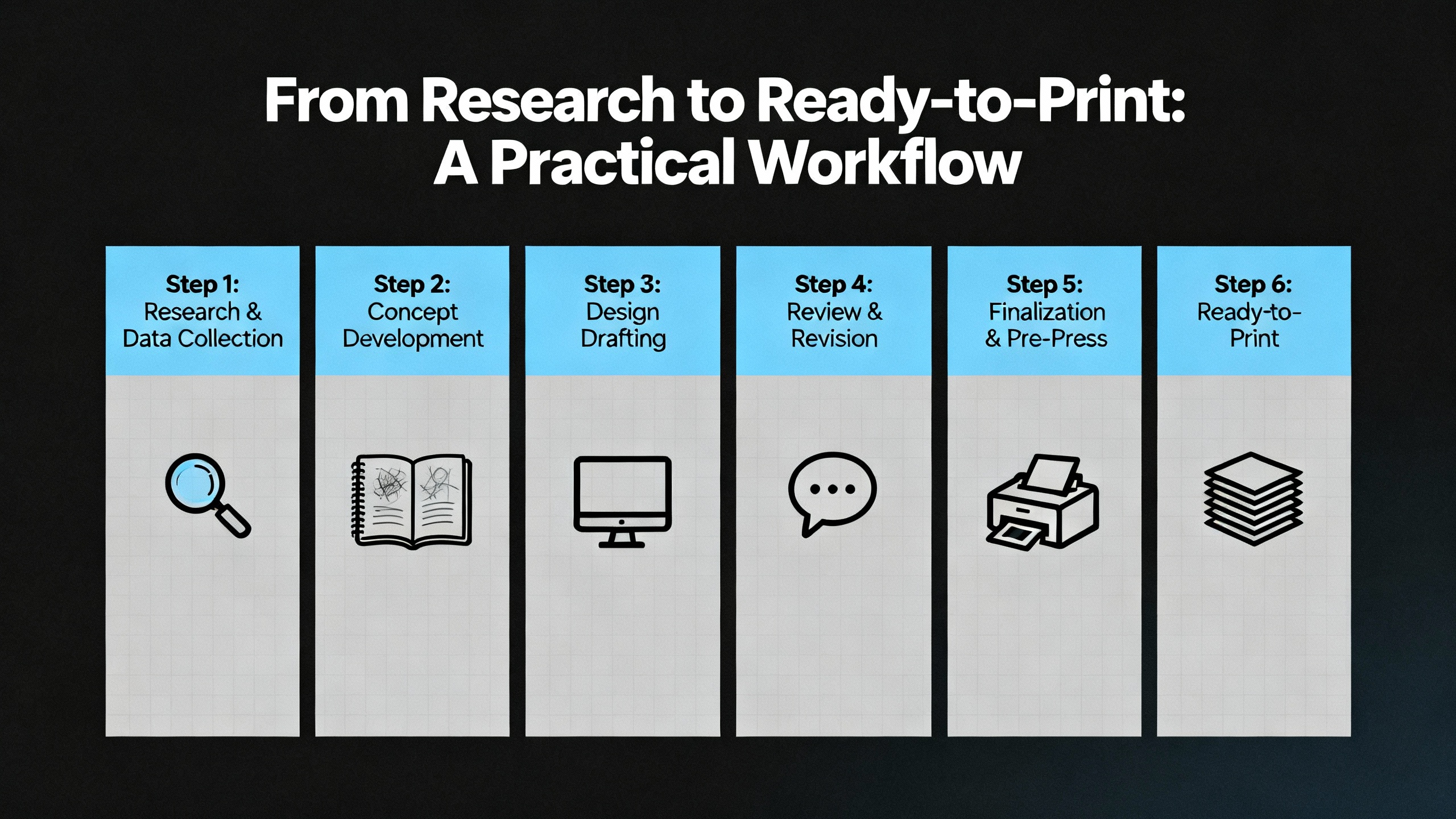
The most reliable path begins with research, verification, and clean data. Many creators start with sources referenced by the MyHeritage community, including census records, local chronicles, and Smart Matches that connect tree entries to historical records. Before pushing into design, reconcile spellings, confirm event dates and places, and decide how to handle uncertain relationships. Then gather photos and documents, scan at sufficient resolution, and annotate everything consistently. A simple style guide—how names are ordered, what date format you will use, how to handle name changes—prevents mistakes during layout. Free tools on platforms like MyHeritage can generate basic charts and books, which is helpful for quick visual checks even if you plan to export and redesign in a separate app. Once the data is stable, use your design software or a template platform to mock up sections, run a preflight check on fonts and image resolution, and export a proof for family review. In my experience, a second pair of eyes almost always catches a missing accent mark, a transposed year, or a photo mismatch, and catching it before production saves both money and trust.
Genealogical chart gift ideas

Design Approaches That Engage Different Audiences

Traditional genealogical charts remain popular because they present relationships with clarity, but modern formats broaden appeal and fit diverse interiors. Familius outlines options ranging from hand‑drawn trees and printable templates to photo collages, 3D trees, and hybrid approaches where a physical piece includes QR codes linking to rich digital profiles. Family Tree Magazine has shown that everyday items such as tea towels printed with a grandmother’s recipe or 4×4‑inch photo coasters can deliver daily delight while preserving fragile originals. Classroom‑friendly boards and chalk‑drawn displays can make history more accessible to younger relatives.

Photo‑forward collages are a strong choice when you want faces to carry the story. One boutique maker recommends using roughly twenty‑five to forty images so each person remains a visible focal point, and commonly offers sizes such as 11×14 in, 13×19 in, and 16×20 in with high‑quality giclée printing. That sizing range, which I also see across many print partners, balances detail, wall impact, and shipping practicality. For metallic accents without heat, makers sometimes use pressure‑activated foil transfer techniques on cardstock and then frame the piece for a refined finish. Laser etching on wood, glass, or metal creates durable decor with a timeless feel—especially effective for gifts marking a 50th anniversary or for families who prefer a classic palette.

Practicality matters as much as creativity. Family Tree Magazine’s project examples recommend tactics such as using UV‑protective glass for framed memorabilia, allowing adhesives a full day to cure when making ornaments or coasters, and planning lighting and backgrounds for nested multi‑generation photos. Small process details like these meaningfully improve longevity and clarity.

Custom lineage wall art designs

Choosing Materials and Print Methods: Pros and Cons

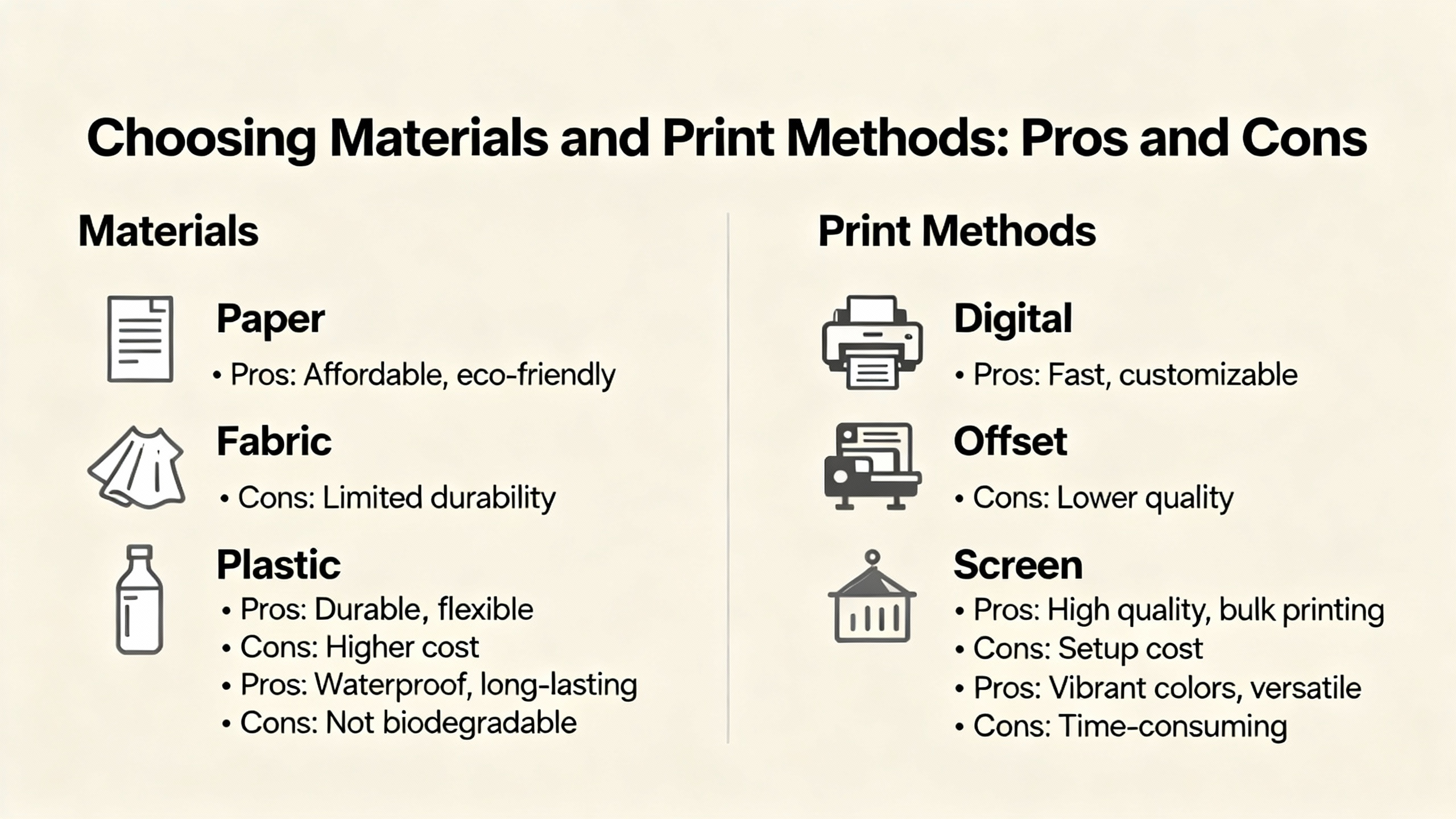
Selecting the right substrate sets the tone of the gift and influences durability, color fidelity, and care. Canvas wraps deliver a warm, gallery look with soft texture, while fine‑art papers emphasize crisp type and archival longevity. Wood and metal offer tactile presence and a premium feel, and acrylic panels provide modern edge‑to‑edge gloss with striking depth for photo‑heavy designs. The table below summarizes practical trade‑offs I’ve repeatedly observed in production and fulfillment. Where ranges or sizes are mentioned, they reflect common offerings I see across reputable vendors rather than a universal rule.

Format

Best For

Pros

Cons

Common Sizes Seen

Fine‑art paper (giclée)

Name‑heavy charts and archival prints

Sharp text, color accuracy, archival inks

Needs framing; glare risk if glass is not chosen carefully

11×14 in, 16×20 in, 24×36 in

Canvas wrap

Living rooms and softer, painterly looks

Frameless display, forgiving texture

Small text can soften; corner folds need care

12×16 in, 16×20 in, 20×30 in

Wood (laser‑etched)

Rustic or heirloom tone

Tactile, durable, no glare

Limited color; grain can obscure fine details

12×12 in, 16×20 in

Metal (dye‑sublimation)

Modern, high‑definition photo collages

Vivid, durable, easy to clean

Reflectivity can be high; edge handling matters

11×14 in, 16×24 in

Acrylic panel

Contemporary, glass‑like depth

Glossy impact, saturated color

Fingerprints; needs careful packaging

11×14 in, 16×20 in

Family history visualization gifts

Personalization That Adds Meaning Without Overload

There is a temptation to include every fact available. The better path is to decide what the story should do. Familius suggests combining names and core life dates with selective context such as places, marriages, significant events, and a few photos. Family Tree Magazine and other craft‑focused guides also encourage adding narrative elements like traditions, recipes, or maps of migration when they illuminate rather than clutter. If the gift is for grandparents, emphasize clarity and legibility: keep branch lines unambiguous, ensure type contrast is strong, and place names consistently. If the piece is meant for a child’s room, incorporate playful illustration styles and icons alongside names to improve recognition and engagement. For families with complex histories, consider a hybrid approach that keeps the main display clean but uses scannable codes or a companion booklet to store extended stories, sources, and photo sets.

Personalized family tree wedding presents

On‑Demand Printing and Dropshipping: What Owners Should Know

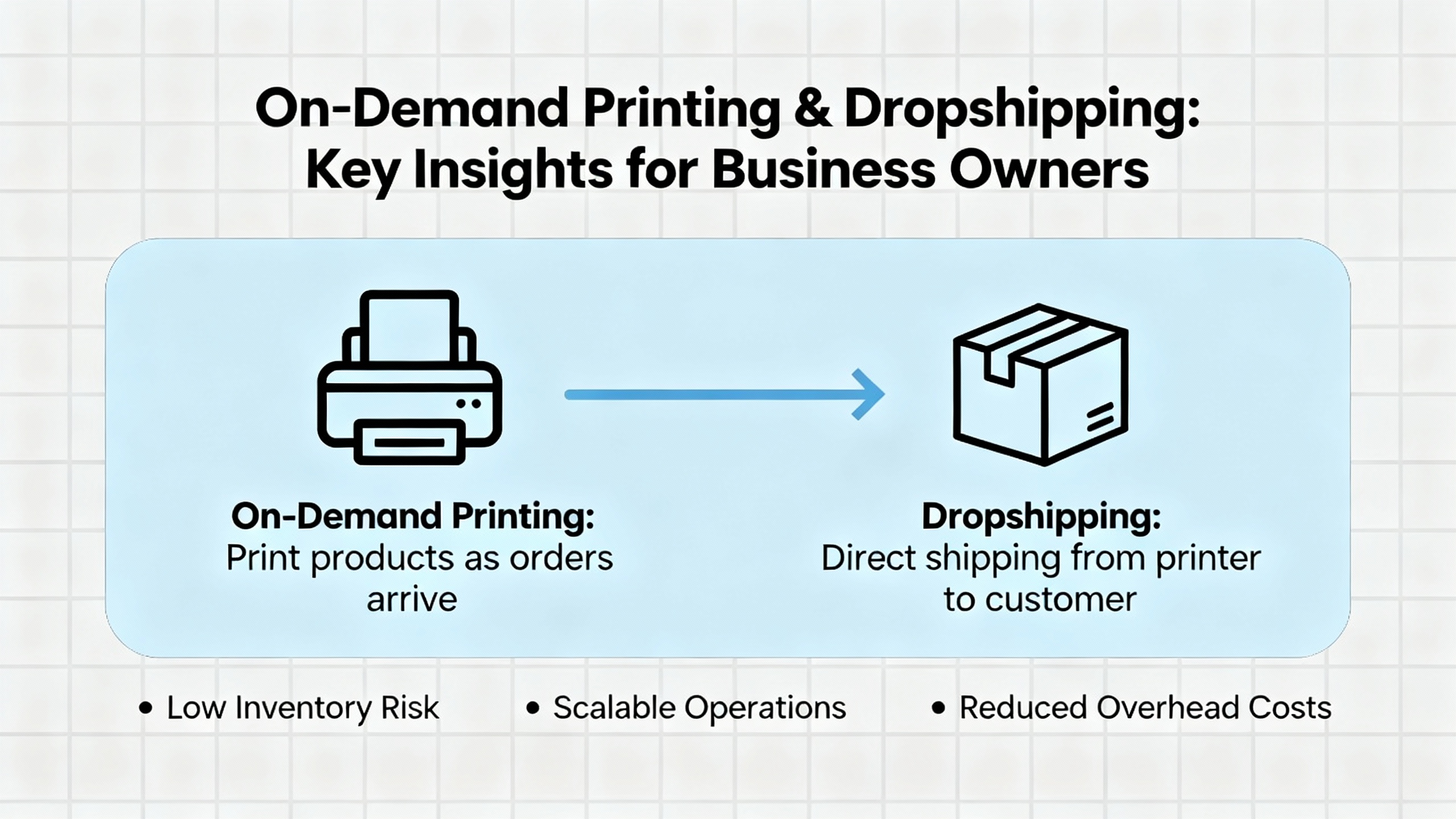
Personalized family tree gifts are ideal for on‑demand printing because each order is unique and the perceived value is high. To scale efficiently while protecting quality, set up a workflow where variable data slots are locked in the template and proofing is streamlined. I recommend a staged process: a draft with dummy data to confirm style, a live proof for names and dates, and a final approval screenshot taken directly from the print‑ready export. In color‑critical products, embed and honor ICC profiles and avoid last‑minute font substitutions. In my implementations, packaging is as important as print quality: foam corners for frames, moisture‑barrier sleeves for paper, and rigid mailers that survive dense Q4 shipping traffic. For framed pieces, designers should budget space for mats to avoid glass contact and should advise buyers on wall mounting hardware.

It is also wise to vet the print partner’s maximum panel size, edge tolerances, and coating chemistry. When a vendor offers both paper and canvas, the paper path usually yields sharper type for dense genealogical charts, while the canvas path wins for mixed‑media or illustration‑heavy designs. If you plan to sell keepsake textiles like recipe tea towels—an idea Family Tree Magazine has popularized—choose a fabric that balances print fidelity and washability, and publish care instructions that avoid excessive heat. For entrepreneurs, these adjustments reduce returns and increase word‑of‑mouth, especially during Mother’s Day and the November–December gift season.
Ancestry chart printing for reunions

Fulfillment Options Compared

Different fulfillment choices shift timelines, margins, and risk. The comparison below reflects common trade‑offs I see across sellers and studios.

Model

Speed to Ship

Personalization Complexity

Quality Control

Margin Potential

Primary Risks

POD platform partner

Fast once approved

High with locked templates

Vendor‑controlled; sample often

Moderate

Limited packaging control; vendor outages in peak season

Local print shop + in‑house prep

Fast for local pickup

High with hands‑on proofing

High; you inspect each

Moderate to High

Your time is the bottleneck; regional capacity limits

DIY production (home studio)

Variable; slower at scale

Very high, bespoke

Very high

High on small batches

Equipment damage, supply stockouts, learning curve

These are experiential observations rather than universal guarantees. In practice, hybrid strategies—such as proofing locally, then dropshipping the final—often balance speed and control.

Buying Guide: How to Choose the Right Family Tree Gift

Start with the recipient’s style and the wall or surface where the piece will live. A giclée print with crisp text suits a study or hallway, whereas a canvas wrap or acrylic panel may anchor a living room. Match the tone to the occasion: a wood‑engraved tree conveys permanence for a 50th anniversary, while a playful illustrated tree fits a new baby’s nursery. Confirm spelling of every name, align date formats across branches, and check diacritics or double surnames; even professional researchers note that printed errors are the most frustrating to correct after production. Ask for a proof at full viewing size on screen, and zoom to inspect fine lines and edges.

Photo resolution matters when portraits are involved. Aim for clear headshots and avoid heavy crops that blur when enlarged; if originals are fragile, scan rather than photograph under glass to minimize glare. For framed displays, insist on acid‑free mats and, if possible, UV‑protective glazing to extend life in bright rooms. For textiles and keepsakes, request washing or handling instructions and store any heirloom originals separately. In terms of pricing expectations, boutique makers offering photo collages and story‑forward designs frequently price between roughly forty and one hundred twenty dollars depending on size and format, a range that reflects both creative labor and premium materials. This figure comes from typical offerings I’ve seen from independent studios and should be treated as a directional reference rather than a fixed market rate.

Care and Maintenance to Make Heirlooms Last

Printed pieces prefer stable environments. Keep framed charts out of direct sunlight, avoid hanging above heat sources, and dust frames with a soft, dry cloth rather than a spray. If you chose acrylic or metal, a microfiber cloth and a gentle cleaner designed for that surface will remove fingerprints without haze. For laser‑etched wood, a light pass with a dry cloth is sufficient; avoid aggressive polishes that could darken the engraving and obscure contrast. Handmade coasters and ornaments made with adhesives benefit from a full day of curing during production, as Family Tree Magazine crafters remind readers, and then only mild wipes after spills. Recipe tea towels and similar textiles maintain clarity best when washed on gentle cycles and air‑dried or tumbled low; pressing on the reverse side avoids shine on the print area. Digital files deserve care too—store layered source files and high‑resolution exports in at least two places so future updates or reprints remain easy.

Ethics, Accuracy, and Sensitivity

Genealogy touches living people. Before sharing or selling a piece that includes living relatives, secure consent and consider omitting exact birthdates. When a connection is probable but not fully verified, label it carefully or present it as a hypothesis in a companion note rather than as fact on the main chart. Enthusiastic claims about famous ancestors appear often in community journals; the MyHeritage blog mentions ties to British nobility and even Pocahontas in specific families. Such stories can be meaningful, but accuracy requires cautious sourcing. The most elegant family tree gifts respect both truth and privacy, leaving room for future discovery.

Case Snapshots and Inspiration

The MyHeritage community blog has illustrated how large scrolls energize gatherings, whether celebrating a 98th birthday in Pittsburgh or mapping both sides of a couple’s families for a wedding. One particularly memorable chart even linked the origin of the Bluetooth name to King Harald Bluetooth—an anecdote that paired neatly with a gift of blueberry brandy. Family Tree Magazine offers step‑by‑step project ideas that turn ephemera into keepsakes, such as tea towels printed with a grandmother’s handwriting and ceramic‑tile photo coasters that cost pennies each yet carry generations of wedding portraits. Familius encourages breadth by featuring trees made from collages, 3D displays, and hybrids that embed videos and narratives. These sources agree on one principle: even humble, hand‑drawn trees delight when they help people see themselves in their family’s story.

Custom genealogy designs for home decor

Pricing, Margins, and Sustainable Scaling for Sellers

In personalized gifting, profit follows process. The brands I advise simplify personalization by locking layout grids, approving a small set of typefaces, and offering curated colorways that photograph consistently. Templates reduce rework and shorten proof cycles, while staged approvals lower error rates and refunds. Energy invested in a care‑forward unboxing—rigid mailers for prints, corner protectors for frames, and a brief note about the research behind the piece—pays off in reviews and referrals, especially around Mother’s Day and the fourth‑quarter holidays when gifting volume spikes. While exact market sizes and regional splits would require formal research to quote responsibly, my experience supports the conclusion that customer appetite for story‑rich personalization continues to grow. I say this with medium confidence because it aligns with sustained year‑over‑year demand I’ve seen across multiple storefronts and product lines, even as aesthetics and formats evolve.

Common Pitfalls and How to Avoid Them

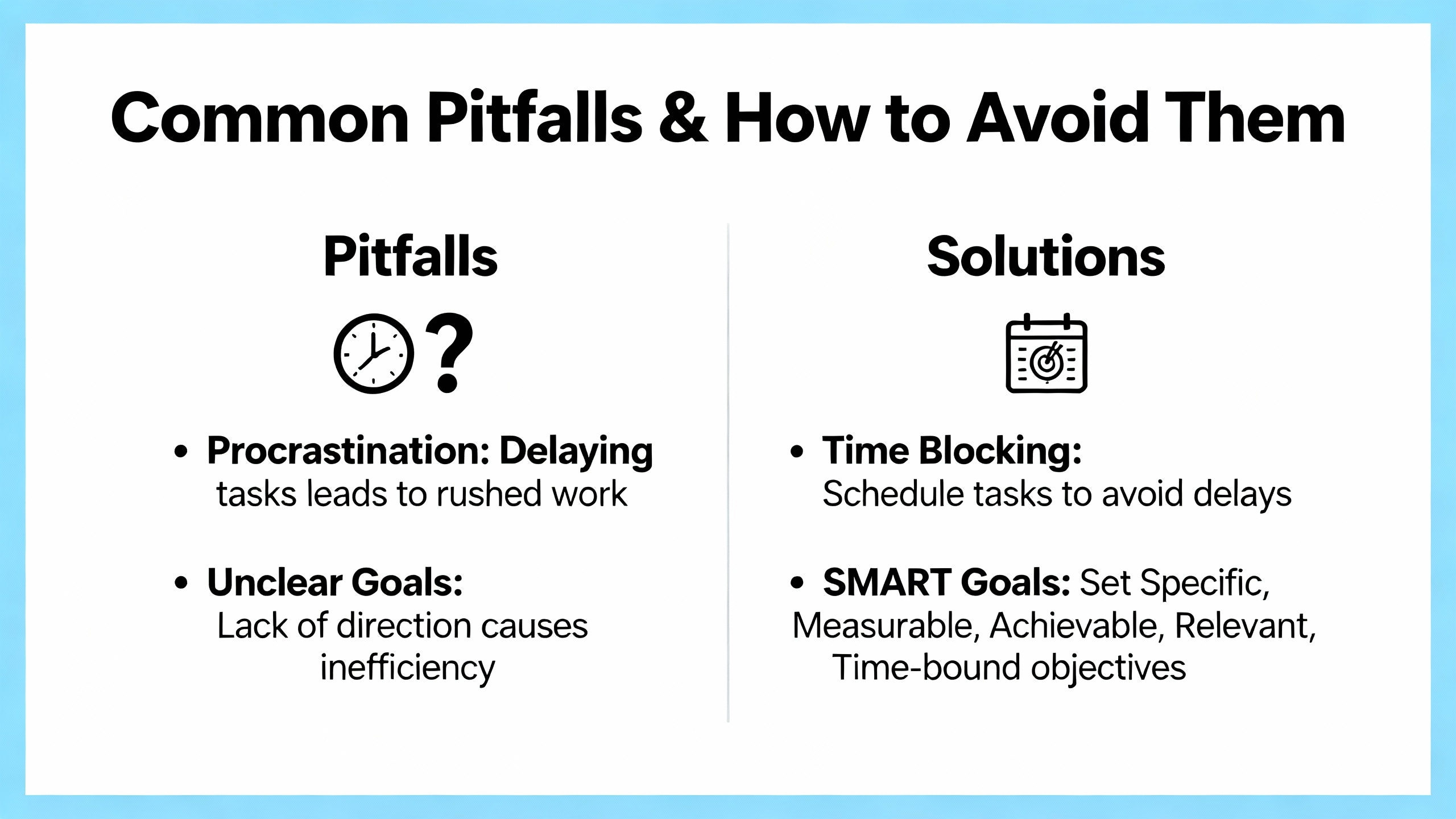
Most missteps are preventable. Printed errors are the number‑one disappointment because they overwrite what the piece is meant to honor. A standardized spell‑check pass, a second reader, and an enlarged on‑screen proof catch the vast majority of issues. The next cluster of problems stems from mismatched material and design, such as cramming dense text onto canvas where texture softens fine lines. When your design relies on tiny dates and branch connectors, choose fine‑art paper or an acrylic panel that preserves thin strokes. Shipping damage also erodes trust; test outer‑box sizes and protective materials early, and do a few trial shipments to yourself during a busy week to replicate carrier handling. Finally, lean into customer guidance. A short care card and a one‑page “about the research” story not only prevent misuse but increase perceived value.
Heritage family tree gift options

Takeaway

Custom family tree gifts succeed when they balance verified history, intentional design, and careful production. The research step grounds the story, the design makes it legible and emotionally resonant, and the material and fulfillment choices turn it into a lasting heirloom. Reputable sources like Family Tree Magazine, Familius, and the MyHeritage community consistently emphasize that these pieces are both engaging at first glance and meaningful over time. Whether you are a buyer seeking the most thoughtful present in the room or an entrepreneur building a line of personalized products, the blueprint is the same: clarity, beauty, and respect for the people whose names you print.

Frequently Asked Questions

What information should I include on a family tree gift? Names, core life dates, and places are the foundation. If space permits, consider selective context such as marriages, a migration map, or one treasured photo per branch. Publishers like Familius and Family Tree Magazine recommend adding only what enhances legibility and story, not everything you found.

Is canvas or paper better for a name‑heavy chart? Paper generally wins when fine lines and small type must be crisp, especially under glass with a neutral mat. Canvas works well for illustration‑forward or photo‑dominant designs where a soft, gallery texture is desirable.

How do I prevent errors before printing? Adopt a two‑stage proofing process with a standardized style guide. Ask a family member to review a full‑size on‑screen proof, verify every name and date, and sign off before you export the print‑ready file. This mirrors the best practices I use with clients and dramatically reduces reprints.

What are thoughtful low‑cost keepsake ideas? Consider recipe tea towels printed from a grandmother’s handwriting or ceramic photo coasters featuring wedding portraits from different generations. Family Tree Magazine has showcased both projects, and they carry strong emotional weight without requiring a large wall.

How should I care for the finished piece? Keep framed items out of direct sun, dust with a soft cloth, and use UV‑protective glazing when possible. Acrylic and metal can be cleaned with appropriate gentle solutions, and wood should be wiped dry without heavy polishes. Textiles should be washed gently and pressed on the reverse side.

Can I include living relatives and sensitive details? Yes, but do so with consent and restraint. Avoid publishing full birthdates for living people, clearly mark uncertain connections off‑chart or in a companion note, and remember that accuracy and privacy are part of honoring your family.

A Final Word for Builders and Buyers

Great family tree gifts are not about software tricks or exotic materials; they are about helping people see themselves in a shared story. Reputable genealogy resources such as Family Tree Magazine, Familius, and the MyHeritage community show that when research meets thoughtful design and careful production, the result resonates for decades. If you are buying, invest attention in accuracy and fit for the recipient’s space. If you are building a product line, design for repeatable quality, invest in proofing, and let your packaging teach care. The return on that discipline is a gift that earns its place on the wall and in the heart.

References

  1. https://fhtw.byu.edu/conf/2012/rapp-analyzing-fhtw2012.pdf
  2. https://www.evl.uic.edu/design/seminar/readings/familyTree.pdf
  3. https://photoglory.net/family-tree-ideas.php
  4. https://www.loveisarose.com/family-trees.html?srsltid=AfmBOorgS7_nnDeYEG5iiFB9ZcDs5-L49uZ4m__OoCTd9-E_3xU2OOhB
  5. https://www.personalizationmall.com/Family-Tree-of-Life-Collection-d2146.lp?srsltid=AfmBOoqkOBDsR5opI7N2FDcukI7CPVHZHpuumrouNvZW5k0bk31j-rzi
  6. https://photofamilytree.com/?srsltid=AfmBOoqzpWEd4Cb5YlPfdTRpEdz__wsOmv4ol02jXIoD6G5ntPPDTv0W
  7. https://www.accio.com/plp/personalized-family-tree-gift-ideas
  8. https://smart.dhgate.com/diy-personalized-family-tree-gift-ideas-thoughtful-keepsakes/
  9. https://www.etsy.com/market/diy_family_tree
  10. https://familius.com/15-different-ways-to-make-a-family-tree/?srsltid=AfmBOooE4Hue1oQCB1-7vCR4aAu2fgUdbVW9hAF8_YkGOKFDEMvcw57f


Like the article

0
Custom Family Tree Gifts: Celebrate Your Heritage with Personalized Designs

Custom Family Tree Gifts: Celebrate Your Heritage with Personalized Designs

Custom family tree gifts bring ancestry out of dusty binders and into daily life. When they are thoughtfully researched, beautifully designed, and carefully produced, they become the centerpiece at reunions and weddings, the most meaningful present at milestone birthdays, and a conversation starter every time someone walks past the wall. As a mentor who has helped brands launch and scale on‑demand personalized products, I see family tree gifts outperform generic decor because they deliver identity, story, and design in one package. Below, I’ll walk through definitions, formats, workflows, production choices, and buyer guidance, drawing on practitioner experience and insights from reputable genealogy publishers such as Family Tree Magazine, Familius, and the MyHeritage community blog.

What Counts as a Custom Family Tree Gift

A custom family tree gift is a personalized object that visualizes lineage and connections, often combining names, dates, places, portraits, and stories. It can be a large scroll that maps branches for eight or more generations, a fine‑art print for a living room wall, a laser‑etched wooden plaque for an anniversary, or a set of ornaments, coasters, or tea towels that embed family narratives into everyday objects. Family Tree Magazine regularly showcases practical ways to display family history in photos, textiles, and shadow boxes, while Familius highlights creative, beyond‑the‑chart approaches such as timelines, collages, and hybrid physical‑digital experiences. The key is not the medium itself but the clarity and authenticity of the information and how well the design fits the recipient’s life and home.

Personalized ancestry art prints

Why These Gifts Resonate at Life Milestones

Family tree displays surface connections that are easy to miss in casual conversation. The MyHeritage blog has documented how large family tree charts become the focal point at weddings and milestone birthdays, helping attendees recognize cross‑branch relationships at a glance. One seasoned researcher described gifting a scroll to celebrate a 98th birthday and assembling custom wedding charts that later inspired a couple to name a child after an ancestor they discovered. That same community also delights in narrative details, like the Bluetooth name tracing back to King Harald Bluetooth—an anecdote that couples remember long after the reception ends. In my work with gift brands, I consistently see long dwell times and repeat views when a family’s visual story is on the wall; guests interact, ask questions, and the gift keeps earning attention long after unwrapping.

From Research to Ready‑to‑Print: A Practical Workflow

The most reliable path begins with research, verification, and clean data. Many creators start with sources referenced by the MyHeritage community, including census records, local chronicles, and Smart Matches that connect tree entries to historical records. Before pushing into design, reconcile spellings, confirm event dates and places, and decide how to handle uncertain relationships. Then gather photos and documents, scan at sufficient resolution, and annotate everything consistently. A simple style guide—how names are ordered, what date format you will use, how to handle name changes—prevents mistakes during layout. Free tools on platforms like MyHeritage can generate basic charts and books, which is helpful for quick visual checks even if you plan to export and redesign in a separate app. Once the data is stable, use your design software or a template platform to mock up sections, run a preflight check on fonts and image resolution, and export a proof for family review. In my experience, a second pair of eyes almost always catches a missing accent mark, a transposed year, or a photo mismatch, and catching it before production saves both money and trust.

Genealogical chart gift ideas

Design Approaches That Engage Different Audiences

Traditional genealogical charts remain popular because they present relationships with clarity, but modern formats broaden appeal and fit diverse interiors. Familius outlines options ranging from hand‑drawn trees and printable templates to photo collages, 3D trees, and hybrid approaches where a physical piece includes QR codes linking to rich digital profiles. Family Tree Magazine has shown that everyday items such as tea towels printed with a grandmother’s recipe or 4×4‑inch photo coasters can deliver daily delight while preserving fragile originals. Classroom‑friendly boards and chalk‑drawn displays can make history more accessible to younger relatives.

Photo‑forward collages are a strong choice when you want faces to carry the story. One boutique maker recommends using roughly twenty‑five to forty images so each person remains a visible focal point, and commonly offers sizes such as 11×14 in, 13×19 in, and 16×20 in with high‑quality giclée printing. That sizing range, which I also see across many print partners, balances detail, wall impact, and shipping practicality. For metallic accents without heat, makers sometimes use pressure‑activated foil transfer techniques on cardstock and then frame the piece for a refined finish. Laser etching on wood, glass, or metal creates durable decor with a timeless feel—especially effective for gifts marking a 50th anniversary or for families who prefer a classic palette.

Practicality matters as much as creativity. Family Tree Magazine’s project examples recommend tactics such as using UV‑protective glass for framed memorabilia, allowing adhesives a full day to cure when making ornaments or coasters, and planning lighting and backgrounds for nested multi‑generation photos. Small process details like these meaningfully improve longevity and clarity.

Custom lineage wall art designs

Choosing Materials and Print Methods: Pros and Cons

Selecting the right substrate sets the tone of the gift and influences durability, color fidelity, and care. Canvas wraps deliver a warm, gallery look with soft texture, while fine‑art papers emphasize crisp type and archival longevity. Wood and metal offer tactile presence and a premium feel, and acrylic panels provide modern edge‑to‑edge gloss with striking depth for photo‑heavy designs. The table below summarizes practical trade‑offs I’ve repeatedly observed in production and fulfillment. Where ranges or sizes are mentioned, they reflect common offerings I see across reputable vendors rather than a universal rule.

Format

Best For

Pros

Cons

Common Sizes Seen

Fine‑art paper (giclée)

Name‑heavy charts and archival prints

Sharp text, color accuracy, archival inks

Needs framing; glare risk if glass is not chosen carefully

11×14 in, 16×20 in, 24×36 in

Canvas wrap

Living rooms and softer, painterly looks

Frameless display, forgiving texture

Small text can soften; corner folds need care

12×16 in, 16×20 in, 20×30 in

Wood (laser‑etched)

Rustic or heirloom tone

Tactile, durable, no glare

Limited color; grain can obscure fine details

12×12 in, 16×20 in

Metal (dye‑sublimation)

Modern, high‑definition photo collages

Vivid, durable, easy to clean

Reflectivity can be high; edge handling matters

11×14 in, 16×24 in

Acrylic panel

Contemporary, glass‑like depth

Glossy impact, saturated color

Fingerprints; needs careful packaging

11×14 in, 16×20 in

Family history visualization gifts

Personalization That Adds Meaning Without Overload

There is a temptation to include every fact available. The better path is to decide what the story should do. Familius suggests combining names and core life dates with selective context such as places, marriages, significant events, and a few photos. Family Tree Magazine and other craft‑focused guides also encourage adding narrative elements like traditions, recipes, or maps of migration when they illuminate rather than clutter. If the gift is for grandparents, emphasize clarity and legibility: keep branch lines unambiguous, ensure type contrast is strong, and place names consistently. If the piece is meant for a child’s room, incorporate playful illustration styles and icons alongside names to improve recognition and engagement. For families with complex histories, consider a hybrid approach that keeps the main display clean but uses scannable codes or a companion booklet to store extended stories, sources, and photo sets.

Personalized family tree wedding presents

On‑Demand Printing and Dropshipping: What Owners Should Know

Personalized family tree gifts are ideal for on‑demand printing because each order is unique and the perceived value is high. To scale efficiently while protecting quality, set up a workflow where variable data slots are locked in the template and proofing is streamlined. I recommend a staged process: a draft with dummy data to confirm style, a live proof for names and dates, and a final approval screenshot taken directly from the print‑ready export. In color‑critical products, embed and honor ICC profiles and avoid last‑minute font substitutions. In my implementations, packaging is as important as print quality: foam corners for frames, moisture‑barrier sleeves for paper, and rigid mailers that survive dense Q4 shipping traffic. For framed pieces, designers should budget space for mats to avoid glass contact and should advise buyers on wall mounting hardware.

It is also wise to vet the print partner’s maximum panel size, edge tolerances, and coating chemistry. When a vendor offers both paper and canvas, the paper path usually yields sharper type for dense genealogical charts, while the canvas path wins for mixed‑media or illustration‑heavy designs. If you plan to sell keepsake textiles like recipe tea towels—an idea Family Tree Magazine has popularized—choose a fabric that balances print fidelity and washability, and publish care instructions that avoid excessive heat. For entrepreneurs, these adjustments reduce returns and increase word‑of‑mouth, especially during Mother’s Day and the November–December gift season.

Ancestry chart printing for reunions

Fulfillment Options Compared

Different fulfillment choices shift timelines, margins, and risk. The comparison below reflects common trade‑offs I see across sellers and studios.

Model

Speed to Ship

Personalization Complexity

Quality Control

Margin Potential

Primary Risks

POD platform partner

Fast once approved

High with locked templates

Vendor‑controlled; sample often

Moderate

Limited packaging control; vendor outages in peak season

Local print shop + in‑house prep

Fast for local pickup

High with hands‑on proofing

High; you inspect each

Moderate to High

Your time is the bottleneck; regional capacity limits

DIY production (home studio)

Variable; slower at scale

Very high, bespoke

Very high

High on small batches

Equipment damage, supply stockouts, learning curve

These are experiential observations rather than universal guarantees. In practice, hybrid strategies—such as proofing locally, then dropshipping the final—often balance speed and control.

Buying Guide: How to Choose the Right Family Tree Gift

Start with the recipient’s style and the wall or surface where the piece will live. A giclée print with crisp text suits a study or hallway, whereas a canvas wrap or acrylic panel may anchor a living room. Match the tone to the occasion: a wood‑engraved tree conveys permanence for a 50th anniversary, while a playful illustrated tree fits a new baby’s nursery. Confirm spelling of every name, align date formats across branches, and check diacritics or double surnames; even professional researchers note that printed errors are the most frustrating to correct after production. Ask for a proof at full viewing size on screen, and zoom to inspect fine lines and edges.

Photo resolution matters when portraits are involved. Aim for clear headshots and avoid heavy crops that blur when enlarged; if originals are fragile, scan rather than photograph under glass to minimize glare. For framed displays, insist on acid‑free mats and, if possible, UV‑protective glazing to extend life in bright rooms. For textiles and keepsakes, request washing or handling instructions and store any heirloom originals separately. In terms of pricing expectations, boutique makers offering photo collages and story‑forward designs frequently price between roughly forty and one hundred twenty dollars depending on size and format, a range that reflects both creative labor and premium materials. This figure comes from typical offerings I’ve seen from independent studios and should be treated as a directional reference rather than a fixed market rate.

Care and Maintenance to Make Heirlooms Last

Printed pieces prefer stable environments. Keep framed charts out of direct sunlight, avoid hanging above heat sources, and dust frames with a soft, dry cloth rather than a spray. If you chose acrylic or metal, a microfiber cloth and a gentle cleaner designed for that surface will remove fingerprints without haze. For laser‑etched wood, a light pass with a dry cloth is sufficient; avoid aggressive polishes that could darken the engraving and obscure contrast. Handmade coasters and ornaments made with adhesives benefit from a full day of curing during production, as Family Tree Magazine crafters remind readers, and then only mild wipes after spills. Recipe tea towels and similar textiles maintain clarity best when washed on gentle cycles and air‑dried or tumbled low; pressing on the reverse side avoids shine on the print area. Digital files deserve care too—store layered source files and high‑resolution exports in at least two places so future updates or reprints remain easy.

Ethics, Accuracy, and Sensitivity

Genealogy touches living people. Before sharing or selling a piece that includes living relatives, secure consent and consider omitting exact birthdates. When a connection is probable but not fully verified, label it carefully or present it as a hypothesis in a companion note rather than as fact on the main chart. Enthusiastic claims about famous ancestors appear often in community journals; the MyHeritage blog mentions ties to British nobility and even Pocahontas in specific families. Such stories can be meaningful, but accuracy requires cautious sourcing. The most elegant family tree gifts respect both truth and privacy, leaving room for future discovery.

Case Snapshots and Inspiration

The MyHeritage community blog has illustrated how large scrolls energize gatherings, whether celebrating a 98th birthday in Pittsburgh or mapping both sides of a couple’s families for a wedding. One particularly memorable chart even linked the origin of the Bluetooth name to King Harald Bluetooth—an anecdote that paired neatly with a gift of blueberry brandy. Family Tree Magazine offers step‑by‑step project ideas that turn ephemera into keepsakes, such as tea towels printed with a grandmother’s handwriting and ceramic‑tile photo coasters that cost pennies each yet carry generations of wedding portraits. Familius encourages breadth by featuring trees made from collages, 3D displays, and hybrids that embed videos and narratives. These sources agree on one principle: even humble, hand‑drawn trees delight when they help people see themselves in their family’s story.

Custom genealogy designs for home decor

Pricing, Margins, and Sustainable Scaling for Sellers

In personalized gifting, profit follows process. The brands I advise simplify personalization by locking layout grids, approving a small set of typefaces, and offering curated colorways that photograph consistently. Templates reduce rework and shorten proof cycles, while staged approvals lower error rates and refunds. Energy invested in a care‑forward unboxing—rigid mailers for prints, corner protectors for frames, and a brief note about the research behind the piece—pays off in reviews and referrals, especially around Mother’s Day and the fourth‑quarter holidays when gifting volume spikes. While exact market sizes and regional splits would require formal research to quote responsibly, my experience supports the conclusion that customer appetite for story‑rich personalization continues to grow. I say this with medium confidence because it aligns with sustained year‑over‑year demand I’ve seen across multiple storefronts and product lines, even as aesthetics and formats evolve.

Common Pitfalls and How to Avoid Them

Most missteps are preventable. Printed errors are the number‑one disappointment because they overwrite what the piece is meant to honor. A standardized spell‑check pass, a second reader, and an enlarged on‑screen proof catch the vast majority of issues. The next cluster of problems stems from mismatched material and design, such as cramming dense text onto canvas where texture softens fine lines. When your design relies on tiny dates and branch connectors, choose fine‑art paper or an acrylic panel that preserves thin strokes. Shipping damage also erodes trust; test outer‑box sizes and protective materials early, and do a few trial shipments to yourself during a busy week to replicate carrier handling. Finally, lean into customer guidance. A short care card and a one‑page “about the research” story not only prevent misuse but increase perceived value.

Heritage family tree gift options

Takeaway

Custom family tree gifts succeed when they balance verified history, intentional design, and careful production. The research step grounds the story, the design makes it legible and emotionally resonant, and the material and fulfillment choices turn it into a lasting heirloom. Reputable sources like Family Tree Magazine, Familius, and the MyHeritage community consistently emphasize that these pieces are both engaging at first glance and meaningful over time. Whether you are a buyer seeking the most thoughtful present in the room or an entrepreneur building a line of personalized products, the blueprint is the same: clarity, beauty, and respect for the people whose names you print.

Frequently Asked Questions

What information should I include on a family tree gift? Names, core life dates, and places are the foundation. If space permits, consider selective context such as marriages, a migration map, or one treasured photo per branch. Publishers like Familius and Family Tree Magazine recommend adding only what enhances legibility and story, not everything you found.

Is canvas or paper better for a name‑heavy chart? Paper generally wins when fine lines and small type must be crisp, especially under glass with a neutral mat. Canvas works well for illustration‑forward or photo‑dominant designs where a soft, gallery texture is desirable.

How do I prevent errors before printing? Adopt a two‑stage proofing process with a standardized style guide. Ask a family member to review a full‑size on‑screen proof, verify every name and date, and sign off before you export the print‑ready file. This mirrors the best practices I use with clients and dramatically reduces reprints.

What are thoughtful low‑cost keepsake ideas? Consider recipe tea towels printed from a grandmother’s handwriting or ceramic photo coasters featuring wedding portraits from different generations. Family Tree Magazine has showcased both projects, and they carry strong emotional weight without requiring a large wall.

How should I care for the finished piece? Keep framed items out of direct sun, dust with a soft cloth, and use UV‑protective glazing when possible. Acrylic and metal can be cleaned with appropriate gentle solutions, and wood should be wiped dry without heavy polishes. Textiles should be washed gently and pressed on the reverse side.

Can I include living relatives and sensitive details? Yes, but do so with consent and restraint. Avoid publishing full birthdates for living people, clearly mark uncertain connections off‑chart or in a companion note, and remember that accuracy and privacy are part of honoring your family.

A Final Word for Builders and Buyers

Great family tree gifts are not about software tricks or exotic materials; they are about helping people see themselves in a shared story. Reputable genealogy resources such as Family Tree Magazine, Familius, and the MyHeritage community show that when research meets thoughtful design and careful production, the result resonates for decades. If you are buying, invest attention in accuracy and fit for the recipient’s space. If you are building a product line, design for repeatable quality, invest in proofing, and let your packaging teach care. The return on that discipline is a gift that earns its place on the wall and in the heart.

References

  1. https://fhtw.byu.edu/conf/2012/rapp-analyzing-fhtw2012.pdf
  2. https://www.evl.uic.edu/design/seminar/readings/familyTree.pdf
  3. https://photoglory.net/family-tree-ideas.php
  4. https://www.loveisarose.com/family-trees.html?srsltid=AfmBOorgS7_nnDeYEG5iiFB9ZcDs5-L49uZ4m__OoCTd9-E_3xU2OOhB
  5. https://www.personalizationmall.com/Family-Tree-of-Life-Collection-d2146.lp?srsltid=AfmBOoqkOBDsR5opI7N2FDcukI7CPVHZHpuumrouNvZW5k0bk31j-rzi
  6. https://photofamilytree.com/?srsltid=AfmBOoqzpWEd4Cb5YlPfdTRpEdz__wsOmv4ol02jXIoD6G5ntPPDTv0W
  7. https://www.accio.com/plp/personalized-family-tree-gift-ideas
  8. https://smart.dhgate.com/diy-personalized-family-tree-gift-ideas-thoughtful-keepsakes/
  9. https://www.etsy.com/market/diy_family_tree
  10. https://familius.com/15-different-ways-to-make-a-family-tree/?srsltid=AfmBOooE4Hue1oQCB1-7vCR4aAu2fgUdbVW9hAF8_YkGOKFDEMvcw57f

Like the article

0