
Unique Personalized Products: Building a One‑of‑a‑Kind Custom Gifts Brand

Unique Personalized Products: Building a One‑of‑a‑Kind Custom Gifts Brand

Dec 25, 2025 by Iris POD e-Commerce 101

Why One‑of‑a‑Kind Custom Gifts Keep Winning

If you spend time studying today’s strongest gift businesses, a pattern becomes obvious. The products that get talked about, reordered, and gifted again and again are not the most expensive ones. They are the most personal.

Across guides from independent artists like Jenna Rainey, print specialists such as Shutterfly and 4OVER4, and curated marketplaces like Uncommon Goods and Thoughtful Presence, you see the same theme: a personalized gift is more than an item. It is a physical proof that somebody paid attention.

Thoughtful Presence describes personalized gifts as narrative objects, keepsakes that symbolize the relationship between giver and recipient rather than just the price tag. Wirecutter from The New York Times highlights made‑to‑order birthday books built from decades of front pages, and even customizable sneakers, as examples of everyday items transformed by personalization. Platforms like Shutterfly and Walmart Photo build entire businesses around turning phone photos into durable keepsakes and everyday objects.

As a mentor to e‑commerce founders, I see this play out in customer behavior. When a shopper buys something personalized, they are not just solving a need. They are choosing an emotional outcome: making someone feel uniquely seen. That is why one well‑chosen custom mug, monogram tote, or photo blanket can beat a generic but more expensive gadget every time.

For on‑demand printing and dropshipping brands, this is a massive advantage. You are not competing purely on price or speed. You are competing on relevance, story, and memory.

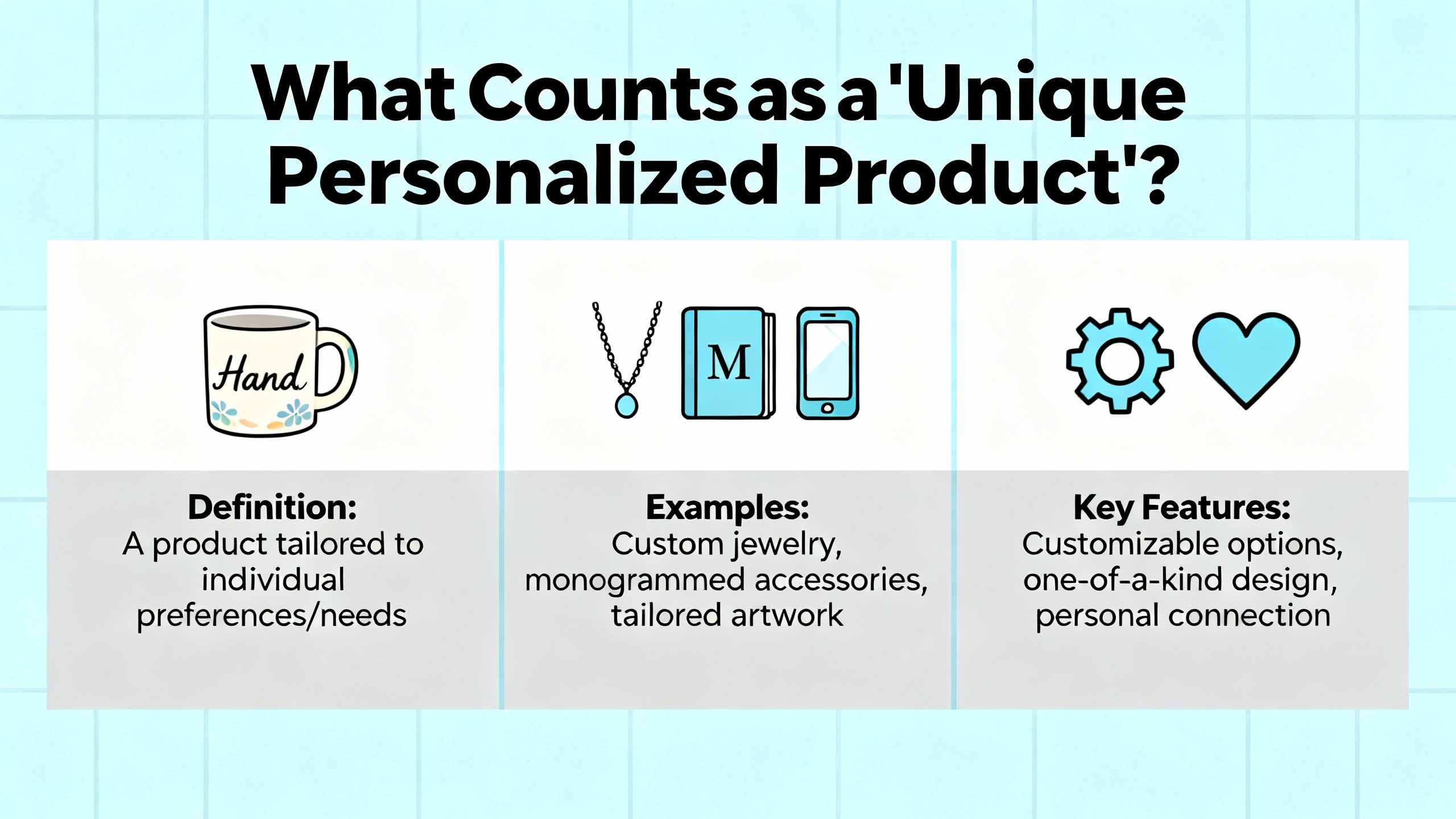
What Counts as a “Unique Personalized Product”?

The research you provided is surprisingly consistent about what makes a gift genuinely personalized.

Thoughtful Presence frames a personalized gift as a customized item designed around the recipient’s name, style, interests, or life events. Shutterfly describes personalized gifts as items customized with photos, names, or important dates that turn everyday memories into keepsakes. Photo services like Walmart Photo say the same in practice: pick a product, apply favorite images and text, and you have a one‑of‑a‑kind puzzle, blanket, or mug.

Even when the product starts as a standard blank, it becomes unique through one or more of the following.

Personal data, such as names, initials, birth dates, or birthstones. You see this in engraved jewelry, monogrammed luggage tags and passport cases, and custom wine labels that carry dates and inside jokes.

Imagery and stories, like family photos, pet portraits, and travel snapshots turned into photo gifts, or scrapbooks and memory frames filled with shared experiences.

Aesthetic cues, from favorite colors and symbols to quotes and jokes that only make sense within a specific relationship. DIY vinyl projects, watercolor bookmarks, and custom tote bags all lean on this kind of tailoring.

Functional context, where the object fits the recipient’s real life. Articles from Bags of Love and Galastellar emphasize matching the gift to daily routines: morning coffee, lounging on the couch, commuting with a tote bag, or winding down with a blanket and a book.

Put simply, a unique personalized product is any item where the design, content, and presentation are clearly about the recipient rather than just the category.

To see how this plays out in real assortments, it helps to group common categories and methods.

Category

Example Products and Sources

Typical Personalization Methods

Photo‑based keepsakes

Canvas wall art, puzzles, blankets, photo calendars, photo ornaments (Walmart Photo, Shutterfly)

Uploaded photos, captions, dates, layout choices

Wearables and accessories

Custom sneakers, tote bags, socks, jewelry, monogram robes and scarves (Wirecutter, Canva, Oprah Daily)

Color choices, prints, initials, embroidery, short text

Home and kitchen items

Cutting boards, mugs, glassware, cushions, blankets, frames (TeckWrap Craft, Bags of Love, 4OVER4)

Engraving, vinyl decals, printed recipes, names, monograms

Paper and print products

Birthday‑front‑page books, planners, journals, letters, labels, gift certificates (Wirecutter, 4OVER4)

Names, dates, storylines, quotes, custom artwork

DIY and spa kits

Bath bombs, self‑care kits, paint‑by‑number sets, creative kits (TeckWrap Craft, Galastellar, Cosmopolitan)

Packaging design, custom tags and notes, tailored scent or theme

Experience‑oriented gifts

Themed gift exchanges, experience passes, activity bundles (The Everymom, Cosmopolitan, Today)

Occasion focus, printed materials, personalized themes

As a merchant, you do not need every category on day one. You need a small set of base products and a reliable way to make each one feel unmistakably about the person receiving it.

Customer Psychology: Why Personalization Works

Multiple sources in your research describe the same psychological engine underneath personalized gifts.

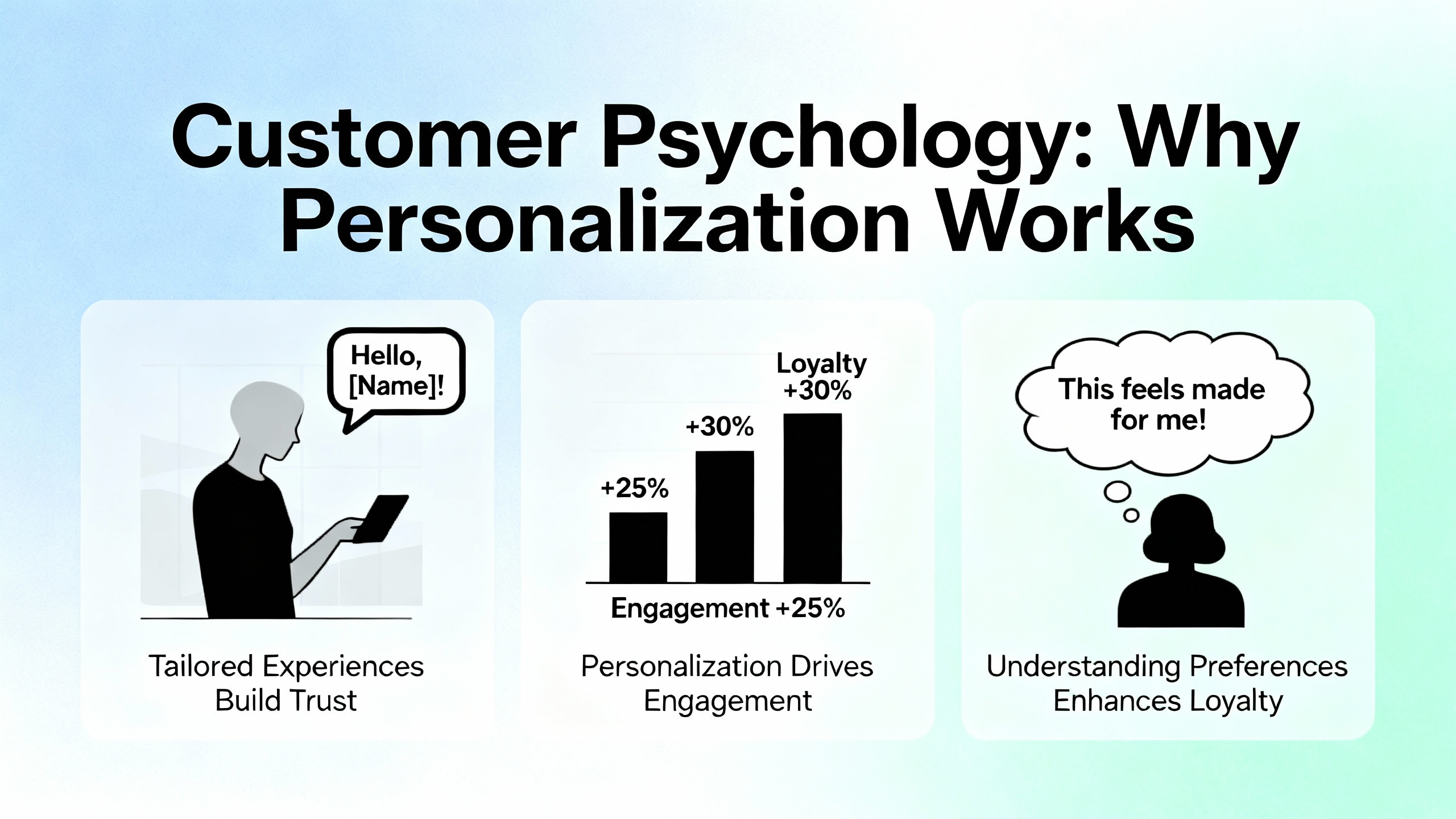
Thoughtful Presence emphasizes emotional bonding. A personalized item signals that you know and value the other person’s story. It becomes a symbol of being seen, which strengthens relationships in a way a generic present rarely does.

Bags of Love talks about “everyday moments” and how small, personalized items like mugs, cushions, blankets, and tote bags turn ordinary routines into connection points. When a grandparent drinks from a mug printed with grandkids’ faces or a favorite quote, they are repeatedly reminded of that relationship.

DIY and art‑driven sources such as Jenna Rainey and Galastellar stress the role of time and effort. A handmade bookmark, watercolor card, or memory scrapbook may use inexpensive materials, but the effort invested gives it emotional weight. The same dynamic applies to personalized on‑demand items; when a shopper spends time picking photos and writing text, they are emotionally invested before the order even ships.

Uncommon Goods and Wirecutter emphasize differentiation and novelty. A custom New York Times birthday edition book or personalized set of lightweight wall pieces feels discoverable and unique, which makes the giver feel clever and the recipient feel special.

Put together, you get three core drivers you can design your product line around.

First, recognition. The gift should reflect something specific about the recipient’s life, taste, or milestones.

Second, effort. The process of creating or customizing should feel more intentional than simply clicking “add to cart” on a generic product.

Third, story. The final item should carry a narrative: a history of birthdays, a beloved pet, a shared trip, or an inside joke.

If your assortment and on‑site experience reinforce those three elements, you are building on the same psychological foundations as the best‑known personalized gift brands.
building a custom gift brand strategy

Proven Product Categories for Personalized Gift Brands

Looking across the sources, some categories show up repeatedly because they combine practicality, emotional impact, and relatively simple production. These make excellent starting points for an on‑demand printing or dropshipping business.

Photo‑Based Gifts and Wall Art

Photo gifts are central to platforms like Shutterfly and Walmart Photo for good reason. They are the most direct way to move memories off phones and into daily life.

These brands feature canvas wall art, framed prints, puzzles, blankets, throw pillows, calendars, and modern photo blocks designed to decorate a home while showcasing family, pets, and milestones. Walmart Photo positions these as durable, high‑quality items that are made to last, not flimsy novelties. Shutterfly makes a similar promise around vibrant, long‑lasting prints on items that can be used or displayed every day.

From an operations perspective, this category fits print‑on‑demand extremely well. Customers can choose a base product, upload photos through an online designer, and approve layouts without your team touching any raw materials. Your job is to choose production partners that truly deliver on color fidelity and material quality, and to set clear expectations about resolution and cropping so customers are happy with the outcome.

Personalized Mugs, Drinkware, and Kitchenware

Personalized mugs show up on Bags of Love, TeckWrap Craft, and multiple gift guides because they hit an ideal mix of daily utility and emotional resonance. A mug tied to a favorite hobby, quote, or memory gets used constantly, which keeps your brand in the recipient’s hands.

TeckWrap Craft shows how vinyl customization can turn ordinary mugs, cutting boards, wine bags, and tea towels into holiday or occasion‑specific gifts with names and short slogans. 4OVER4 highlights engraved wine glasses, cutting boards, and wine labels as powerful birthday, anniversary, and wedding gifts, especially when they include names, dates, and inside jokes.

For a dropship model, engraved or printed drinkware and kitchen pieces are attractive because they are standard blank forms plus a relatively simple customization layer. They are also natural candidates for bundling: a custom mug can be paired with a matching tote, tea sampler, or snack kit to create a higher‑value set.

Apparel, Tote Bags, and Wearables

Canva’s focus on tote bags as a more interesting alternative to socks captures a broader truth. Wearables with strong everyday utility and high design flexibility are excellent personalization canvases.

Custom tote bags can carry artwork, lyrics, quotes, private jokes, or even licensed themes such as Disney characters and princesses, according to the Canva article. The process is described as “super easy,” which is precisely the experience you want to provide in your storefront: simple design tools and clear previews.

Wirecutter’s customizable Converse sneakers illustrate a related pattern. These shoes are already iconic, but the ability to choose colors and prints for almost every component and add up to six embroidered letters turns them into highly personal everyday pieces. Wirecutter even calls out initials on the heel stripe as a stylistically safe personalization choice.

Oprah Daily’s gift guide reinforces the demand for monogrammed and initial jewelry, custom dog portraits, and birth‑month themed socks and pendants. These gifts sit at the intersection of style and sentiment, and many can be produced on demand.

If you are building a catalog, this suggests a strategy: choose a small set of wearables that are functionally strong on their own, then layer in personalization where it naturally fits, such as straps, pockets, heel stripes, or pendants.

Home Comfort, Spa, and Everyday Objects

Many of the most memorable gifts in your research are simple comfort items elevated with personal meaning. Cozy cushions, blankets, and photo pillows from Bags of Love and Walmart Photo, marshmallow‑soft robes and pajamas from brands highlighted by Oprah Daily, and weighted blankets and spa accessories from Cosmopolitan and Today all share this pattern.

On the DIY side, TeckWrap Craft provides a recipe for bath bombs designed to be packaged in decorated boxes labeled with mirror chrome adhesive vinyl names. Galastellar suggests bespoke spa kits built around a partner’s preferences, wrapped in thoughtful, eco‑friendly ways.

As a merchant, you can treat these as inspiration for bundles and themed sets rather than single items. A personalized blanket can ship alone, but it becomes much more memorable if you position it as part of a “movie night,” “relax and reset,” or “new home” package with complementary items and a tailored note.

Sentimental Print and Paper Gifts

Print is quietly one of the strongest categories for one‑of‑a‑kind gifts.

Wirecutter’s New York Times Premium Birthday Edition book gathers a front page for every birthday of someone’s life, printed on premium stock with a leatherette cover personalized in foil. 4OVER4 promotes custom wine labels, gift certificates, and framed prints as high‑impact ways to mark birthdays, anniversaries, weddings, and corporate events. Oprah Daily features planners, guided journals, books of prompted letters, and daily intention cards, all designed to help recipients reflect on their lives and relationships.

These kinds of products are particularly powerful for on‑demand printing because they rely heavily on design and content, not just raw materials. With good templates and an intuitive interface, you can let customers assemble meaningful gifts with relatively little production complexity.

Designing Custom Gifts That Actually Feel Custom

A recurring point in your sources is that personalization works only when it reflects real knowledge of the recipient. Several articles provide practical guidance you can translate directly into your product and UX decisions.

Personalised by Aspire emphasizes understanding preferences, interests, and needs before choosing a base gift. They suggest aligning product types with hobbies and lifestyle, like mugs for coffee lovers or travel journals for frequent travelers. They also stress matching the level of elegance or practicality to the occasion, recommending engraved champagne flutes for weddings and practical planners for graduations.

TeckWrap Craft and Jenna Rainey both underline the importance of simple but meaningful personal touches. Names, initials, short slogans, and holiday phrases can transform very ordinary objects as long as they connect to something the recipient cares about. Handwritten notes, thoughtful packaging, and color choices that match the recipient’s style all reinforce that sense of intentionality.

Bags of Love and Galastellar go further by encouraging givers to “tell a story.” Using photos, quotes, and symbols that reference shared trips, milestones, or inside jokes turns gifts into compact narratives. For couples, Galastellar recommends pulling from everyday observations: what your partner lingers over in a store, the rituals they treasure at home, or hobbies they keep returning to.

In an e‑commerce context, this means you can do more than print whatever text a shopper types.

You can design your product pages and configurators to prompt story‑driven choices. For example, suggest that customers include the date of the first trip, a meaningful lyric, or three words that describe the recipient. You can pre‑fill templates based on common occasions such as birthdays, anniversaries, new homes, and new babies, pulling directly from the occasion lists in sources like 4OVER4, Shutterfly, and Thoughtful Presence.

The more you guide your customer to think about the person on the receiving end, the more likely they are to create something worth keeping.

Quality, Materials, and Fulfillment: Lessons from Established Players

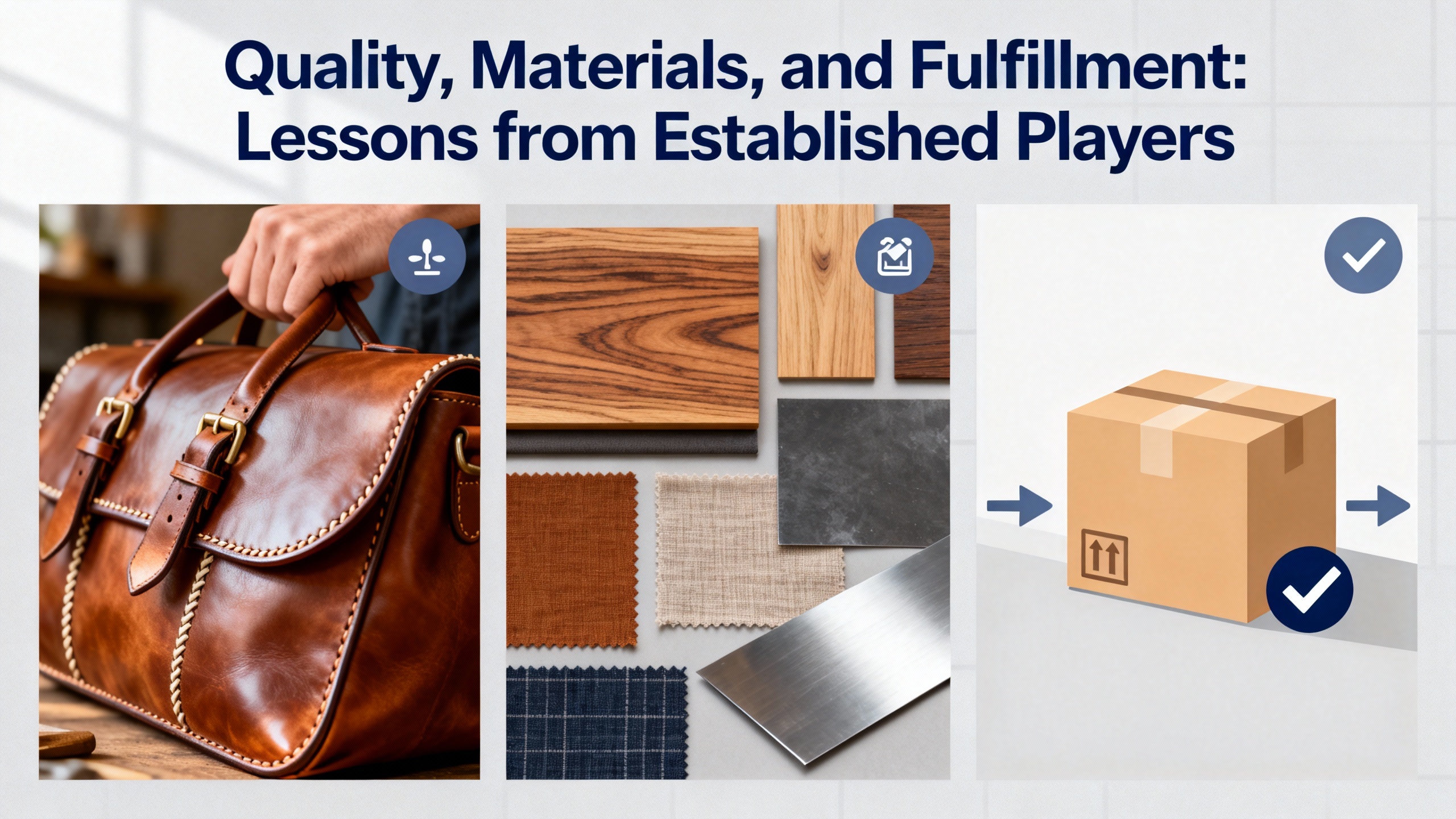
In personalized gifting, quality is not a luxury; it is part of the promise. When people pour time into designing a one‑of‑a‑kind gift, they expect it to last.

Shutterfly and Walmart Photo both stress high‑quality materials and careful printing, positioning their blankets, puzzles, and wall art as durable items that will hold color and structure over time. 4OVER4 repeatedly promotes premium printing and production as essential to turning customized designs into “timeless keepsakes,” especially for wine labels and branded gift sets.

The New York Times birthday book highlighted by Wirecutter is printed on premium stock, bound with leatherette covers, and personalized with foil. That attention to materials is part of what justifies its positioning as a gift capable of honoring an entire life story.

On the craft and handmade side, TeckWrap Craft differentiates vinyl product lines by finish and color range, from holographic and chameleon heat‑transfer vinyl to mirror chrome adhesive vinyl, so makers can achieve specific looks. This illustrates how even a basic category like vinyl stickers can have tiered offerings based on quality and visual effect.

Customer experience around quality and logistics also matters. A Uncommon Goods customer review in your notes praises a personalized item as “the most unique gift,” noting that it was well‑priced, visually beautiful, and surprisingly fast to ship despite customization. The pieces were described as lightweight, which made them easy to mail and attractive as gifts for distant friends and hosts. Uncommon Goods reinforces trust with a “forever returns” policy and strict material rules that exclude leather, feathers, and fur, signaling values beyond aesthetics.

As a founder, you can apply these lessons directly.

Choose production partners that can reliably produce high‑quality prints, engravings, and textiles. Explicitly state material details, burn times for candles, typical durability, and finish options when you have that data from your suppliers. Use clear photography that shows texture and real‑world scale.

Pay close attention to weight and packaging, since they impact both shipping cost and perceived value. Reviewers calling out lightweight, easy‑to‑mail personalized pieces are giving you a blueprint for remote‑friendly, gift‑forward design.

Finally, be transparent about policies. Wirecutter notes that the New York Times birthday book is final sale because it is made to order, while Uncommon Goods offers extremely flexible returns on many products. Decide where your own brand will sit on that spectrum and communicate it clearly, especially for customized goods.
one-of-a-kind personalized gift ideas

On‑Demand Printing and Dropshipping Workflows for Personalization

Although your notes span many brands and formats, the underlying technical workflow for on‑demand personalized products is very similar.

Services such as Walmart Photo and Shutterfly describe a clear sequence. The customer selects a base product such as a mug, wall canvas, blanket, puzzle, or tote. They upload photos and optionally add text. An online design tool lets them position images, choose layouts, and preview results. That order then flows to production and is either shipped or made available for same‑day pickup.

Print specialists like 4OVER4 and on‑demand providers that support labels, certificates, and branded gifts use comparable steps. They provide an online designer for monograms, quotes, artwork, or logos, and then route the approved design to high‑end printing processes.

For a dropshipping‑driven business, your goal is to plug into similar workflows with your own front‑end. You do not need to own the printers or presses, but you do need:

Reliable integration with production partners that can receive design files and order data.

Design templates sized and prepared for each product type so customers cannot accidentally create something that will not print cleanly.

Clear preview experiences that resemble what established players are offering, especially for photo products.

Your added value can come from the niche you serve, the curation of products, and the experience you wrap around this pipeline rather than the raw production technology.

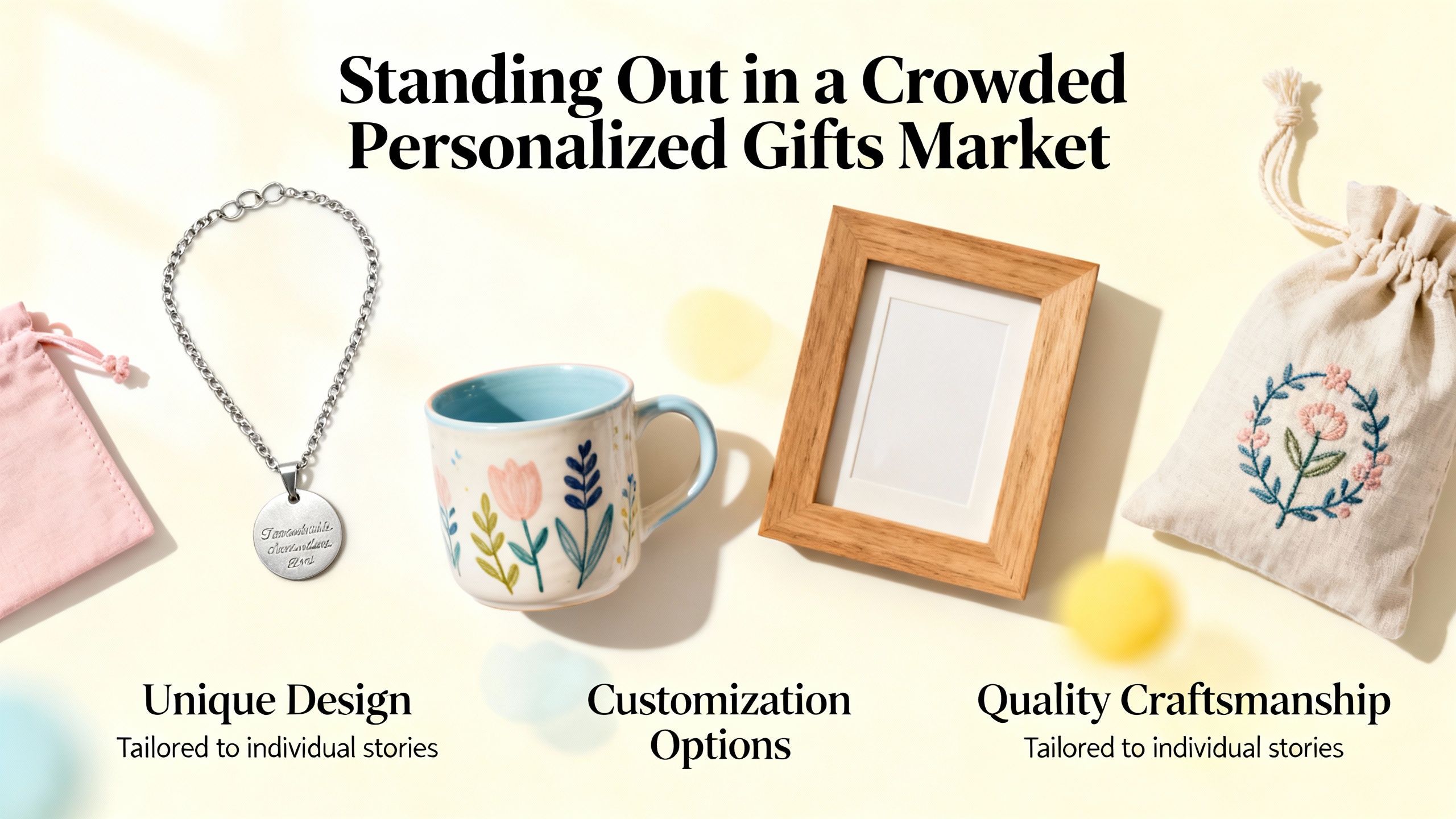
Standing Out in a Crowded Personalized Gifts Market

Because personalization is more accessible than ever, your challenge is not just to offer it, but to make your version feel distinct.

Uncommon Goods demonstrates one strategy: focus on independent makers, design‑driven items, and ethical material choices that exclude leather, feathers, and fur. Pair that with generous returns and perks like free shipping for members, and you are no longer just selling objects. You are selling a values‑aligned experience.

Experience‑driven guides from Cosmopolitan, Today, and The Everymom emphasize gifts that match personalities rather than broad demographics. Their lists include customized books, experience passes, themed gift exchanges, and hobby‑specific items intended for readers, foodies, travelers, and homebodies. They repeatedly argue that a tailored, memorable idea beats a generic gift card, even at the same price.

You can apply that mindset in your assortment strategy. Instead of marketing “personalized mugs” to everyone, you might position them as gifts for dog lovers, new parents, bookworms, or remote workers. Shutterfly and Walmart Photo already segment suggestions by recipient type, such as gifts for her, for him, for grandparents, for kids, and even for pets. That kind of segmentation helps customers quickly imagine the right person for each product.

Gift exchange articles from The Everymom add another useful angle. They show how themes like handmade, eco‑friendly, experience‑based, or book‑focused exchanges can guide a whole group to more meaningful gifting. If your store speaks directly to those themes, you give hosts ready‑made solutions for their next Secret Santa, white‑elephant swap, or “favorite things” party.

Differentiation does not have to come from new materials or technology. It can come from sharper curation, bolder stories, clearer values, and better alignment with the real situations in which people give gifts.
selling custom products online guide

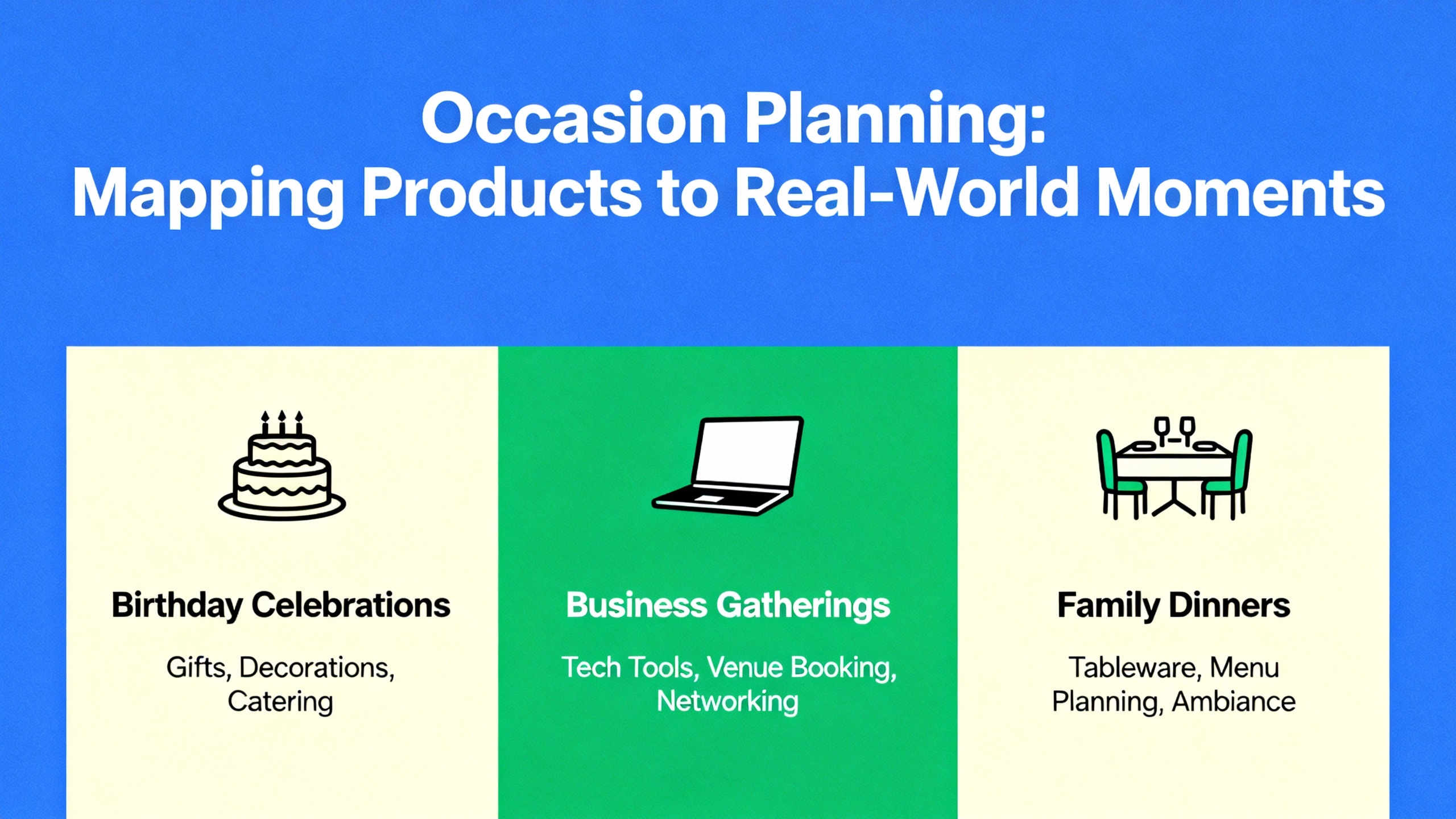
Occasion Planning: Mapping Products to Real‑World Moments

Nearly every source in your research touches on occasions, from big life milestones to everyday gestures. Successful personalized gift brands build product roadmaps around these peaks and rhythms.

4OVER4 and Shutterfly both talk about birthdays, weddings, anniversaries, corporate events, and holidays as core use cases for customized gifts. They recommend monogrammed home décor, photo books, engraved keepsakes, calendars, ornaments, and branded sets that fit these milestones.

Bags of Love and Thoughtful Presence broaden the lens to “everyday moments.” They argue that a personalized mug, blanket, tote, or frame can be just as impactful when given for no special reason, precisely because it celebrates the ordinary.

Galastellar frames romantic DIY gifts around birthdays, anniversaries, promotions, new homes, and “just because” surprises, and encourages small, random acts of gifting to keep relationships vibrant.

Gift‑guide sources like Oprah Daily, Cosmopolitan, Today, and Uncommon Goods add more fine‑grained context: gifts for best friends, jet‑setting travelers, pet lovers, skincare enthusiasts, homebodies, film buffs, and more. They also tie into seasonal anchor points such as Christmas, Mother’s Day, Father’s Day, and graduation, plus playful events like ugly sweater parties and themed gift exchanges.

As a founder, you can turn this into a practical planning tool.

Think in terms of concentric circles. The inner circle contains life‑defining events such as weddings, big birthdays, new babies, and major anniversaries where people are willing to invest more in keepsakes like photo books, engraved objects, and premium wall art.

The middle circle covers recurring holidays, from Christmas and Valentine’s Day to Mother’s Day and Father’s Day, and institutional milestones like graduations and promotions. This is where photo ornaments, customized stockings, holiday cards, seasonal blankets, and themed drinkware shine.

The outer circle is everyday life: housewarmings, thank‑you gifts, “thinking of you” moments, small romantic gestures, and personal treats. Personalized mugs, notebooks, tote bags, cushions, and lightweight art prints are perfect here, especially when paired with thoughtful packaging.

Map your catalog against these circles and note which occasions you serve well and which are opportunities for new products or bundles.
personalized keepsake business tips

A Simple Framework for Your First Personalized Product Line

Combining the research with what I have seen in the field, a straightforward way to enter the personalized gifts space is to walk through a short sequence of decisions and build around them.

Begin by choosing a core gifting scenario you want to own. For example, you might focus on meaningful birthday presents, new‑parent gifts, or everyday “thinking of you” gestures. Your research already gives you a menu of occasions and recipient types that work well.

Once you have a scenario, select just a handful of base products that fit it. For birthdays, that might be a photo book, a personalized wine label with matching glassware, and a custom wall print. For everyday comfort, it might be a mug, a blanket, and a cushion, like the sets described by Bags of Love and Shutterfly.

Next, define how customers can personalize each piece. Pull from examples in TeckWrap Craft, 4OVER4, Wirecutter, and Jenna Rainey: names and initials, dates and milestones, short messages or quotes, color and pattern choices, and photos where they make sense. Build templates that encourage storytelling rather than just filling in a name.

Then, choose production partners and materials that match the promise you are making. If you are positioning items as long‑term keepsakes, follow the lead of brands using premium stock, high‑quality textiles, and robust printing methods. If you are offering more playful, trend‑driven pieces, make sure finishes and colors show well in person.

After that, design packaging and unboxing to match the emotional tone. Personalised by Aspire and Jenna Rainey both highlight how handwritten notes, kraft paper, reusable fabric wraps, and small design touches can elevate perception. Galastellar’s suggestions for using natural materials and creative tags can inspire your own packaging system, even if the underlying products are dropshipped.

Finally, wrap this in clear positioning, policies, and content. Borrow the best ideas from Uncommon Goods and other leaders for explaining what makes your gifts different, how returns or final‑sale rules work, and how your process fits into customers’ lives. Add simple guides and examples that show customers how to design meaningful gifts, not just technically correct ones.

If you do this systematically, your first product line will feel cohesive and intentional rather than like a random assortment of customizable blanks.

Brief FAQ for Emerging Personalized Gift Brands

How many personalized products should I launch with?

Your research shows that even major players lean on a relatively small set of core formats such as mugs, blankets, photo books, labels, and prints, then expand through variations and bundles. It is better to launch with a focused group of items you can execute well than a large catalog you struggle to manage. Start with a few strong base products in one or two categories and build from there as you learn what your customers actually buy.

What if my customers are “not creative” and feel intimidated by customization tools?

Multiple sources, from Canva’s tote‑bag guide to DIY gift lists and Shutterfly’s templates, emphasize making customization “super easy” through ready‑made designs. You can pre‑design layouts for popular occasions and let customers only swap names, dates, photos, and colors. Include example phrases, sample messages, and occasion‑based ideas pulled from the gift guides so they never face a blank canvas.

How should I think about returns for custom products?

Some personalized products, like the New York Times birthday edition, are positioned as final sale because each piece is made to order, while marketplaces like Uncommon Goods offer very generous return policies to build trust. Decide where you want to land based on your margins and production partners, then be transparent. Even if you cannot accept returns on customized items, you can still offer reprints or partial credits when there are clear quality issues.

Closing Thoughts

Personalization and one‑of‑a‑kind gifting are not just trends; they are durable patterns anchored in how people want to feel when they give and receive. The brands and makers in your research prove that when you combine thoughtful design, solid production, and simple on‑demand workflows, you can turn very ordinary blanks into deeply meaningful products.

If you build your catalog around real occasions, real people, and real stories, your personalized gifts brand will not just add another option to the marketplace. It will help your customers show up better for the people they care about, which is the most reliable long‑term moat you can have in this sector.

References

  1. https://www.personalcreations.com/?srsltid=AfmBOop71kwYWYLcYwL8oYXdMMgp0rEunRTmvoVUxQqkvQGiLz5fmA-r
  2. https://www.thingsremembered.com/
  3. https://jennarainey.com/handmade-gifts/
  4. https://www.papernstitchblog.com/diy-gift-ideas-holiday/
  5. https://personalisedbyaspire.com/blog/how-to-create-memorable-custom-gifts-that-stand-out
  6. https://www.shutterfly.com/personalized-gifts/
  7. https://theeverymom.com/creative-gift-exchange-ideas/
  8. https://www.today.com/shop/cool-gifts-t200141
  9. https://photos3.walmart.com/about/photo-gifts?srsltid=AfmBOoqRnPyQ10xU5bEa56_ainy_oj1dKdZCvBlPV9zHCYXacxMhQKmz
  10. https://www.4over4.com/content-hub/stories/personalized-gifts-idea-that-will-make-their-special-day?srsltid=AfmBOoqAOhlUu4U_1VO5Fer6lFcoMKzl69pTsNaoufILyL-8e0cLq69N

Like the article

0
Unique Personalized Products: Building a One‑of‑a‑Kind Custom Gifts Brand

Unique Personalized Products: Building a One‑of‑a‑Kind Custom Gifts Brand

Why One‑of‑a‑Kind Custom Gifts Keep Winning

If you spend time studying today’s strongest gift businesses, a pattern becomes obvious. The products that get talked about, reordered, and gifted again and again are not the most expensive ones. They are the most personal.

Across guides from independent artists like Jenna Rainey, print specialists such as Shutterfly and 4OVER4, and curated marketplaces like Uncommon Goods and Thoughtful Presence, you see the same theme: a personalized gift is more than an item. It is a physical proof that somebody paid attention.

Thoughtful Presence describes personalized gifts as narrative objects, keepsakes that symbolize the relationship between giver and recipient rather than just the price tag. Wirecutter from The New York Times highlights made‑to‑order birthday books built from decades of front pages, and even customizable sneakers, as examples of everyday items transformed by personalization. Platforms like Shutterfly and Walmart Photo build entire businesses around turning phone photos into durable keepsakes and everyday objects.

As a mentor to e‑commerce founders, I see this play out in customer behavior. When a shopper buys something personalized, they are not just solving a need. They are choosing an emotional outcome: making someone feel uniquely seen. That is why one well‑chosen custom mug, monogram tote, or photo blanket can beat a generic but more expensive gadget every time.

For on‑demand printing and dropshipping brands, this is a massive advantage. You are not competing purely on price or speed. You are competing on relevance, story, and memory.

What Counts as a “Unique Personalized Product”?

The research you provided is surprisingly consistent about what makes a gift genuinely personalized.

Thoughtful Presence frames a personalized gift as a customized item designed around the recipient’s name, style, interests, or life events. Shutterfly describes personalized gifts as items customized with photos, names, or important dates that turn everyday memories into keepsakes. Photo services like Walmart Photo say the same in practice: pick a product, apply favorite images and text, and you have a one‑of‑a‑kind puzzle, blanket, or mug.

Even when the product starts as a standard blank, it becomes unique through one or more of the following.

Personal data, such as names, initials, birth dates, or birthstones. You see this in engraved jewelry, monogrammed luggage tags and passport cases, and custom wine labels that carry dates and inside jokes.

Imagery and stories, like family photos, pet portraits, and travel snapshots turned into photo gifts, or scrapbooks and memory frames filled with shared experiences.

Aesthetic cues, from favorite colors and symbols to quotes and jokes that only make sense within a specific relationship. DIY vinyl projects, watercolor bookmarks, and custom tote bags all lean on this kind of tailoring.

Functional context, where the object fits the recipient’s real life. Articles from Bags of Love and Galastellar emphasize matching the gift to daily routines: morning coffee, lounging on the couch, commuting with a tote bag, or winding down with a blanket and a book.

Put simply, a unique personalized product is any item where the design, content, and presentation are clearly about the recipient rather than just the category.

To see how this plays out in real assortments, it helps to group common categories and methods.

Category

Example Products and Sources

Typical Personalization Methods

Photo‑based keepsakes

Canvas wall art, puzzles, blankets, photo calendars, photo ornaments (Walmart Photo, Shutterfly)

Uploaded photos, captions, dates, layout choices

Wearables and accessories

Custom sneakers, tote bags, socks, jewelry, monogram robes and scarves (Wirecutter, Canva, Oprah Daily)

Color choices, prints, initials, embroidery, short text

Home and kitchen items

Cutting boards, mugs, glassware, cushions, blankets, frames (TeckWrap Craft, Bags of Love, 4OVER4)

Engraving, vinyl decals, printed recipes, names, monograms

Paper and print products

Birthday‑front‑page books, planners, journals, letters, labels, gift certificates (Wirecutter, 4OVER4)

Names, dates, storylines, quotes, custom artwork

DIY and spa kits

Bath bombs, self‑care kits, paint‑by‑number sets, creative kits (TeckWrap Craft, Galastellar, Cosmopolitan)

Packaging design, custom tags and notes, tailored scent or theme

Experience‑oriented gifts

Themed gift exchanges, experience passes, activity bundles (The Everymom, Cosmopolitan, Today)

Occasion focus, printed materials, personalized themes

As a merchant, you do not need every category on day one. You need a small set of base products and a reliable way to make each one feel unmistakably about the person receiving it.

Customer Psychology: Why Personalization Works

Multiple sources in your research describe the same psychological engine underneath personalized gifts.

Thoughtful Presence emphasizes emotional bonding. A personalized item signals that you know and value the other person’s story. It becomes a symbol of being seen, which strengthens relationships in a way a generic present rarely does.

Bags of Love talks about “everyday moments” and how small, personalized items like mugs, cushions, blankets, and tote bags turn ordinary routines into connection points. When a grandparent drinks from a mug printed with grandkids’ faces or a favorite quote, they are repeatedly reminded of that relationship.

DIY and art‑driven sources such as Jenna Rainey and Galastellar stress the role of time and effort. A handmade bookmark, watercolor card, or memory scrapbook may use inexpensive materials, but the effort invested gives it emotional weight. The same dynamic applies to personalized on‑demand items; when a shopper spends time picking photos and writing text, they are emotionally invested before the order even ships.

Uncommon Goods and Wirecutter emphasize differentiation and novelty. A custom New York Times birthday edition book or personalized set of lightweight wall pieces feels discoverable and unique, which makes the giver feel clever and the recipient feel special.

Put together, you get three core drivers you can design your product line around.

First, recognition. The gift should reflect something specific about the recipient’s life, taste, or milestones.

Second, effort. The process of creating or customizing should feel more intentional than simply clicking “add to cart” on a generic product.

Third, story. The final item should carry a narrative: a history of birthdays, a beloved pet, a shared trip, or an inside joke.

If your assortment and on‑site experience reinforce those three elements, you are building on the same psychological foundations as the best‑known personalized gift brands.

building a custom gift brand strategy

Proven Product Categories for Personalized Gift Brands

Looking across the sources, some categories show up repeatedly because they combine practicality, emotional impact, and relatively simple production. These make excellent starting points for an on‑demand printing or dropshipping business.

Photo‑Based Gifts and Wall Art

Photo gifts are central to platforms like Shutterfly and Walmart Photo for good reason. They are the most direct way to move memories off phones and into daily life.

These brands feature canvas wall art, framed prints, puzzles, blankets, throw pillows, calendars, and modern photo blocks designed to decorate a home while showcasing family, pets, and milestones. Walmart Photo positions these as durable, high‑quality items that are made to last, not flimsy novelties. Shutterfly makes a similar promise around vibrant, long‑lasting prints on items that can be used or displayed every day.

From an operations perspective, this category fits print‑on‑demand extremely well. Customers can choose a base product, upload photos through an online designer, and approve layouts without your team touching any raw materials. Your job is to choose production partners that truly deliver on color fidelity and material quality, and to set clear expectations about resolution and cropping so customers are happy with the outcome.

Personalized Mugs, Drinkware, and Kitchenware

Personalized mugs show up on Bags of Love, TeckWrap Craft, and multiple gift guides because they hit an ideal mix of daily utility and emotional resonance. A mug tied to a favorite hobby, quote, or memory gets used constantly, which keeps your brand in the recipient’s hands.

TeckWrap Craft shows how vinyl customization can turn ordinary mugs, cutting boards, wine bags, and tea towels into holiday or occasion‑specific gifts with names and short slogans. 4OVER4 highlights engraved wine glasses, cutting boards, and wine labels as powerful birthday, anniversary, and wedding gifts, especially when they include names, dates, and inside jokes.

For a dropship model, engraved or printed drinkware and kitchen pieces are attractive because they are standard blank forms plus a relatively simple customization layer. They are also natural candidates for bundling: a custom mug can be paired with a matching tote, tea sampler, or snack kit to create a higher‑value set.

Apparel, Tote Bags, and Wearables

Canva’s focus on tote bags as a more interesting alternative to socks captures a broader truth. Wearables with strong everyday utility and high design flexibility are excellent personalization canvases.

Custom tote bags can carry artwork, lyrics, quotes, private jokes, or even licensed themes such as Disney characters and princesses, according to the Canva article. The process is described as “super easy,” which is precisely the experience you want to provide in your storefront: simple design tools and clear previews.

Wirecutter’s customizable Converse sneakers illustrate a related pattern. These shoes are already iconic, but the ability to choose colors and prints for almost every component and add up to six embroidered letters turns them into highly personal everyday pieces. Wirecutter even calls out initials on the heel stripe as a stylistically safe personalization choice.

Oprah Daily’s gift guide reinforces the demand for monogrammed and initial jewelry, custom dog portraits, and birth‑month themed socks and pendants. These gifts sit at the intersection of style and sentiment, and many can be produced on demand.

If you are building a catalog, this suggests a strategy: choose a small set of wearables that are functionally strong on their own, then layer in personalization where it naturally fits, such as straps, pockets, heel stripes, or pendants.

Home Comfort, Spa, and Everyday Objects

Many of the most memorable gifts in your research are simple comfort items elevated with personal meaning. Cozy cushions, blankets, and photo pillows from Bags of Love and Walmart Photo, marshmallow‑soft robes and pajamas from brands highlighted by Oprah Daily, and weighted blankets and spa accessories from Cosmopolitan and Today all share this pattern.

On the DIY side, TeckWrap Craft provides a recipe for bath bombs designed to be packaged in decorated boxes labeled with mirror chrome adhesive vinyl names. Galastellar suggests bespoke spa kits built around a partner’s preferences, wrapped in thoughtful, eco‑friendly ways.

As a merchant, you can treat these as inspiration for bundles and themed sets rather than single items. A personalized blanket can ship alone, but it becomes much more memorable if you position it as part of a “movie night,” “relax and reset,” or “new home” package with complementary items and a tailored note.

Sentimental Print and Paper Gifts

Print is quietly one of the strongest categories for one‑of‑a‑kind gifts.

Wirecutter’s New York Times Premium Birthday Edition book gathers a front page for every birthday of someone’s life, printed on premium stock with a leatherette cover personalized in foil. 4OVER4 promotes custom wine labels, gift certificates, and framed prints as high‑impact ways to mark birthdays, anniversaries, weddings, and corporate events. Oprah Daily features planners, guided journals, books of prompted letters, and daily intention cards, all designed to help recipients reflect on their lives and relationships.

These kinds of products are particularly powerful for on‑demand printing because they rely heavily on design and content, not just raw materials. With good templates and an intuitive interface, you can let customers assemble meaningful gifts with relatively little production complexity.

Designing Custom Gifts That Actually Feel Custom

A recurring point in your sources is that personalization works only when it reflects real knowledge of the recipient. Several articles provide practical guidance you can translate directly into your product and UX decisions.

Personalised by Aspire emphasizes understanding preferences, interests, and needs before choosing a base gift. They suggest aligning product types with hobbies and lifestyle, like mugs for coffee lovers or travel journals for frequent travelers. They also stress matching the level of elegance or practicality to the occasion, recommending engraved champagne flutes for weddings and practical planners for graduations.

TeckWrap Craft and Jenna Rainey both underline the importance of simple but meaningful personal touches. Names, initials, short slogans, and holiday phrases can transform very ordinary objects as long as they connect to something the recipient cares about. Handwritten notes, thoughtful packaging, and color choices that match the recipient’s style all reinforce that sense of intentionality.

Bags of Love and Galastellar go further by encouraging givers to “tell a story.” Using photos, quotes, and symbols that reference shared trips, milestones, or inside jokes turns gifts into compact narratives. For couples, Galastellar recommends pulling from everyday observations: what your partner lingers over in a store, the rituals they treasure at home, or hobbies they keep returning to.

In an e‑commerce context, this means you can do more than print whatever text a shopper types.

You can design your product pages and configurators to prompt story‑driven choices. For example, suggest that customers include the date of the first trip, a meaningful lyric, or three words that describe the recipient. You can pre‑fill templates based on common occasions such as birthdays, anniversaries, new homes, and new babies, pulling directly from the occasion lists in sources like 4OVER4, Shutterfly, and Thoughtful Presence.

The more you guide your customer to think about the person on the receiving end, the more likely they are to create something worth keeping.

Quality, Materials, and Fulfillment: Lessons from Established Players

In personalized gifting, quality is not a luxury; it is part of the promise. When people pour time into designing a one‑of‑a‑kind gift, they expect it to last.

Shutterfly and Walmart Photo both stress high‑quality materials and careful printing, positioning their blankets, puzzles, and wall art as durable items that will hold color and structure over time. 4OVER4 repeatedly promotes premium printing and production as essential to turning customized designs into “timeless keepsakes,” especially for wine labels and branded gift sets.

The New York Times birthday book highlighted by Wirecutter is printed on premium stock, bound with leatherette covers, and personalized with foil. That attention to materials is part of what justifies its positioning as a gift capable of honoring an entire life story.

On the craft and handmade side, TeckWrap Craft differentiates vinyl product lines by finish and color range, from holographic and chameleon heat‑transfer vinyl to mirror chrome adhesive vinyl, so makers can achieve specific looks. This illustrates how even a basic category like vinyl stickers can have tiered offerings based on quality and visual effect.

Customer experience around quality and logistics also matters. A Uncommon Goods customer review in your notes praises a personalized item as “the most unique gift,” noting that it was well‑priced, visually beautiful, and surprisingly fast to ship despite customization. The pieces were described as lightweight, which made them easy to mail and attractive as gifts for distant friends and hosts. Uncommon Goods reinforces trust with a “forever returns” policy and strict material rules that exclude leather, feathers, and fur, signaling values beyond aesthetics.

As a founder, you can apply these lessons directly.

Choose production partners that can reliably produce high‑quality prints, engravings, and textiles. Explicitly state material details, burn times for candles, typical durability, and finish options when you have that data from your suppliers. Use clear photography that shows texture and real‑world scale.

Pay close attention to weight and packaging, since they impact both shipping cost and perceived value. Reviewers calling out lightweight, easy‑to‑mail personalized pieces are giving you a blueprint for remote‑friendly, gift‑forward design.

Finally, be transparent about policies. Wirecutter notes that the New York Times birthday book is final sale because it is made to order, while Uncommon Goods offers extremely flexible returns on many products. Decide where your own brand will sit on that spectrum and communicate it clearly, especially for customized goods.

one-of-a-kind personalized gift ideas

On‑Demand Printing and Dropshipping Workflows for Personalization

Although your notes span many brands and formats, the underlying technical workflow for on‑demand personalized products is very similar.

Services such as Walmart Photo and Shutterfly describe a clear sequence. The customer selects a base product such as a mug, wall canvas, blanket, puzzle, or tote. They upload photos and optionally add text. An online design tool lets them position images, choose layouts, and preview results. That order then flows to production and is either shipped or made available for same‑day pickup.

Print specialists like 4OVER4 and on‑demand providers that support labels, certificates, and branded gifts use comparable steps. They provide an online designer for monograms, quotes, artwork, or logos, and then route the approved design to high‑end printing processes.

For a dropshipping‑driven business, your goal is to plug into similar workflows with your own front‑end. You do not need to own the printers or presses, but you do need:

Reliable integration with production partners that can receive design files and order data.

Design templates sized and prepared for each product type so customers cannot accidentally create something that will not print cleanly.

Clear preview experiences that resemble what established players are offering, especially for photo products.

Your added value can come from the niche you serve, the curation of products, and the experience you wrap around this pipeline rather than the raw production technology.

Standing Out in a Crowded Personalized Gifts Market

Because personalization is more accessible than ever, your challenge is not just to offer it, but to make your version feel distinct.

Uncommon Goods demonstrates one strategy: focus on independent makers, design‑driven items, and ethical material choices that exclude leather, feathers, and fur. Pair that with generous returns and perks like free shipping for members, and you are no longer just selling objects. You are selling a values‑aligned experience.

Experience‑driven guides from Cosmopolitan, Today, and The Everymom emphasize gifts that match personalities rather than broad demographics. Their lists include customized books, experience passes, themed gift exchanges, and hobby‑specific items intended for readers, foodies, travelers, and homebodies. They repeatedly argue that a tailored, memorable idea beats a generic gift card, even at the same price.

You can apply that mindset in your assortment strategy. Instead of marketing “personalized mugs” to everyone, you might position them as gifts for dog lovers, new parents, bookworms, or remote workers. Shutterfly and Walmart Photo already segment suggestions by recipient type, such as gifts for her, for him, for grandparents, for kids, and even for pets. That kind of segmentation helps customers quickly imagine the right person for each product.

Gift exchange articles from The Everymom add another useful angle. They show how themes like handmade, eco‑friendly, experience‑based, or book‑focused exchanges can guide a whole group to more meaningful gifting. If your store speaks directly to those themes, you give hosts ready‑made solutions for their next Secret Santa, white‑elephant swap, or “favorite things” party.

Differentiation does not have to come from new materials or technology. It can come from sharper curation, bolder stories, clearer values, and better alignment with the real situations in which people give gifts.

selling custom products online guide

Occasion Planning: Mapping Products to Real‑World Moments

Nearly every source in your research touches on occasions, from big life milestones to everyday gestures. Successful personalized gift brands build product roadmaps around these peaks and rhythms.

4OVER4 and Shutterfly both talk about birthdays, weddings, anniversaries, corporate events, and holidays as core use cases for customized gifts. They recommend monogrammed home décor, photo books, engraved keepsakes, calendars, ornaments, and branded sets that fit these milestones.

Bags of Love and Thoughtful Presence broaden the lens to “everyday moments.” They argue that a personalized mug, blanket, tote, or frame can be just as impactful when given for no special reason, precisely because it celebrates the ordinary.

Galastellar frames romantic DIY gifts around birthdays, anniversaries, promotions, new homes, and “just because” surprises, and encourages small, random acts of gifting to keep relationships vibrant.

Gift‑guide sources like Oprah Daily, Cosmopolitan, Today, and Uncommon Goods add more fine‑grained context: gifts for best friends, jet‑setting travelers, pet lovers, skincare enthusiasts, homebodies, film buffs, and more. They also tie into seasonal anchor points such as Christmas, Mother’s Day, Father’s Day, and graduation, plus playful events like ugly sweater parties and themed gift exchanges.

As a founder, you can turn this into a practical planning tool.

Think in terms of concentric circles. The inner circle contains life‑defining events such as weddings, big birthdays, new babies, and major anniversaries where people are willing to invest more in keepsakes like photo books, engraved objects, and premium wall art.

The middle circle covers recurring holidays, from Christmas and Valentine’s Day to Mother’s Day and Father’s Day, and institutional milestones like graduations and promotions. This is where photo ornaments, customized stockings, holiday cards, seasonal blankets, and themed drinkware shine.

The outer circle is everyday life: housewarmings, thank‑you gifts, “thinking of you” moments, small romantic gestures, and personal treats. Personalized mugs, notebooks, tote bags, cushions, and lightweight art prints are perfect here, especially when paired with thoughtful packaging.

Map your catalog against these circles and note which occasions you serve well and which are opportunities for new products or bundles.

personalized keepsake business tips

A Simple Framework for Your First Personalized Product Line

Combining the research with what I have seen in the field, a straightforward way to enter the personalized gifts space is to walk through a short sequence of decisions and build around them.

Begin by choosing a core gifting scenario you want to own. For example, you might focus on meaningful birthday presents, new‑parent gifts, or everyday “thinking of you” gestures. Your research already gives you a menu of occasions and recipient types that work well.

Once you have a scenario, select just a handful of base products that fit it. For birthdays, that might be a photo book, a personalized wine label with matching glassware, and a custom wall print. For everyday comfort, it might be a mug, a blanket, and a cushion, like the sets described by Bags of Love and Shutterfly.

Next, define how customers can personalize each piece. Pull from examples in TeckWrap Craft, 4OVER4, Wirecutter, and Jenna Rainey: names and initials, dates and milestones, short messages or quotes, color and pattern choices, and photos where they make sense. Build templates that encourage storytelling rather than just filling in a name.

Then, choose production partners and materials that match the promise you are making. If you are positioning items as long‑term keepsakes, follow the lead of brands using premium stock, high‑quality textiles, and robust printing methods. If you are offering more playful, trend‑driven pieces, make sure finishes and colors show well in person.

After that, design packaging and unboxing to match the emotional tone. Personalised by Aspire and Jenna Rainey both highlight how handwritten notes, kraft paper, reusable fabric wraps, and small design touches can elevate perception. Galastellar’s suggestions for using natural materials and creative tags can inspire your own packaging system, even if the underlying products are dropshipped.

Finally, wrap this in clear positioning, policies, and content. Borrow the best ideas from Uncommon Goods and other leaders for explaining what makes your gifts different, how returns or final‑sale rules work, and how your process fits into customers’ lives. Add simple guides and examples that show customers how to design meaningful gifts, not just technically correct ones.

If you do this systematically, your first product line will feel cohesive and intentional rather than like a random assortment of customizable blanks.

Brief FAQ for Emerging Personalized Gift Brands

How many personalized products should I launch with?

Your research shows that even major players lean on a relatively small set of core formats such as mugs, blankets, photo books, labels, and prints, then expand through variations and bundles. It is better to launch with a focused group of items you can execute well than a large catalog you struggle to manage. Start with a few strong base products in one or two categories and build from there as you learn what your customers actually buy.

What if my customers are “not creative” and feel intimidated by customization tools?

Multiple sources, from Canva’s tote‑bag guide to DIY gift lists and Shutterfly’s templates, emphasize making customization “super easy” through ready‑made designs. You can pre‑design layouts for popular occasions and let customers only swap names, dates, photos, and colors. Include example phrases, sample messages, and occasion‑based ideas pulled from the gift guides so they never face a blank canvas.

How should I think about returns for custom products?

Some personalized products, like the New York Times birthday edition, are positioned as final sale because each piece is made to order, while marketplaces like Uncommon Goods offer very generous return policies to build trust. Decide where you want to land based on your margins and production partners, then be transparent. Even if you cannot accept returns on customized items, you can still offer reprints or partial credits when there are clear quality issues.

Closing Thoughts

Personalization and one‑of‑a‑kind gifting are not just trends; they are durable patterns anchored in how people want to feel when they give and receive. The brands and makers in your research prove that when you combine thoughtful design, solid production, and simple on‑demand workflows, you can turn very ordinary blanks into deeply meaningful products.

If you build your catalog around real occasions, real people, and real stories, your personalized gifts brand will not just add another option to the marketplace. It will help your customers show up better for the people they care about, which is the most reliable long‑term moat you can have in this sector.

References

  1. https://www.personalcreations.com/?srsltid=AfmBOop71kwYWYLcYwL8oYXdMMgp0rEunRTmvoVUxQqkvQGiLz5fmA-r
  2. https://www.thingsremembered.com/
  3. https://jennarainey.com/handmade-gifts/
  4. https://www.papernstitchblog.com/diy-gift-ideas-holiday/
  5. https://personalisedbyaspire.com/blog/how-to-create-memorable-custom-gifts-that-stand-out
  6. https://www.shutterfly.com/personalized-gifts/
  7. https://theeverymom.com/creative-gift-exchange-ideas/
  8. https://www.today.com/shop/cool-gifts-t200141
  9. https://photos3.walmart.com/about/photo-gifts?srsltid=AfmBOoqRnPyQ10xU5bEa56_ainy_oj1dKdZCvBlPV9zHCYXacxMhQKmz
  10. https://www.4over4.com/content-hub/stories/personalized-gifts-idea-that-will-make-their-special-day?srsltid=AfmBOoqAOhlUu4U_1VO5Fer6lFcoMKzl69pTsNaoufILyL-8e0cLq69N

Like the article

0