
Better Custom Gifts Than Shutterfly: Superior Alternatives
If you have built a gifting brand around classic photo books, mugs, and calendars, you already know the playbook that platforms like Shutterfly helped popularize. Upload photos, drag them into templates, hit order, and rely on large-scale print facilities to do the rest. It works, but in 2025 it is no longer enough to stand out or command strong margins.
As a mentor to e‑commerce founders in on‑demand printing and dropshipping, I see the same pattern again and again. Customers are not just buying images on products anymore; they are buying meaning, curation, values, and convenience. Big photo platforms optimize for volume. The most successful challengers optimize for depth: deeper personalization, deeper emotional resonance, and deeper fit with the recipient or use case.
This article walks through concrete, research-backed alternatives to Shutterfly-style gifts and unpacks how you can leverage them as a shopper or as an entrepreneur building your own custom-gift offer.
What “Better” Really Means in Custom Gifts Now
Before you can choose better alternatives, you need a sharper definition of “better.” Across the research sources, three themes show up consistently.
First, better custom gifts are more personal and story-driven. Multiple anniversary and “gifts for her” brands define personalized gifts as standard items upgraded with engravings, monograms, special dates, inside jokes, or meaningful quotes. Whether the product is jewelry, a photo frame, or a cutting board, the personalization ties the item directly to a relationship, milestone, or memory. Anniversary specialists emphasize that these touches turn ordinary objects into visible reminders of a couple’s shared history, not just one‑day surprises.
Second, better gifts are intentionally practical. Corporate gift providers point to logoed jackets, backpacks, tumblers, and pens that become part of someone’s daily life. DIY and craft-focused brands highlight personalized aprons, towels, laptop bags, and magnets. The goal is not novelty for its own sake, but high-use items that quietly reinforce a relationship or a brand every time they are used.
Third, better gifts are supported by capable fulfillment and service models. Crestline, for example, offers kitting, logo application, and drop-shipping directly to employees and customers, along with one‑to‑one expert support and in‑house art services. Uncommon Goods pairs its personalized offers with a “forever returns” promise and a free‑shipping membership program, reducing perceived risk. These operational choices matter as much as product design when you are trying to outperform a large photo site on customer experience.
If you keep those three dimensions in mind—story, utility, and operations—you can evaluate any Shutterfly alternative with far more clarity.
Boutique Personalized Brands: Depth Over Volume
One of the biggest opportunities I see for both shoppers and founders is the rise of deeply specialized boutique brands. Instead of trying to print everything for everyone, these brands focus on a single emotional job and do it exceptionally well.
Anniversary and Relationship Specialists
Brands dedicated to anniversary and romantic gifts, such as those offering curated collections of personalized mugs, pillows, canvases, ornaments, and keepsakes, are building around one simple truth: relationships are stories. They define personalized anniversary gifts as items customized with names, dates, messages, photos, or inside jokes so that each piece reflects a couple’s unique journey.
Research from anniversary-focused retailers shows how thoughtful this can become. Consider a couple-calendar coffee mug that combines a meaningful photo on one side with a customizable calendar on the other. Every time the mug is used, it quietly pulls the recipient back to a specific moment or date. Similar thinking shows up in anniversary calendar pillows, humorous canvas prints celebrating “annoying each other for years,” or ceramic ornaments depicting entwined birds and love trees for a 50th anniversary.
Another cluster of brands frames personalized anniversary and birthday gifts for women as a way to turn what many people experience as a stressful buying decision into a creative, enjoyable one. The underlying definition is the same: start with jewelry, keepsake boxes, home decor, or glassware, and then engrave names, initials, wedding dates, or meaningful quotes. These providers stress that personalization should enhance items she already loves rather than turning an impractical object into a sentimental one. They also remind shoppers that customization and engraving require lead time and recommend ordering at least one to two weeks in advance of a key date.
In my own work reviewing product assortments, I see the best anniversary brands follow three simple rules. They offer a narrow, coherent range of formats. They make it extremely easy to customize each piece in ways that actually matter to couples. And they design for longevity, expecting the item to live on a wall, a tree, or a dresser for decades, not months.
Handcrafted and Made-in-America Keepsakes
Another layer of differentiation comes from craftsmanship and origin. Wendell August Forge, for example, emphasizes personalized, handcrafted anniversary gifts produced in the United States. Their collection focuses on keepsakes, ornaments, decor, and table essentials designed as long‑lasting mementos of enduring love.
The value proposition here is not about printing speed; it is about fine craftsmanship and symbolic weight. Buyers are encouraged to see each personalized piece as a timeless treasure and as a way to support local artisans and manufacturing. For founders, this model is instructive: when you pair personalization with authentic craftsmanship and a clear origin story, you are no longer competing in a race to the lowest price per mug.
Memorial Gifts and Grief-Sensitive Personalization
Better custom gifts also show up in how brands approach remembrance. A customer review from a personalized-gift retailer describes a pet photo memorial garden flag placed near a stream to honor a champion Old English dog named Littles. The reviewer connects the flowing water and changing sound of the stream with the dog’s energetic nature and finds comfort in seeing the pet’s image in that serene setting.
There are two lessons here for anyone trying to beat a generic photo gift. First, memorial products have to be emotionally precise. A simple flag with a photo becomes powerful because it is placed in a significant location and aligns with the owner’s memory. Second, you do not need complex technology to create deep impact. A flag, a photo, a name, and a thought-through setting can matter more than elaborate digital design tools.
Lifestyle Brands That Turn Homes Into Narratives
If you want alternatives to standard photo calendars and books, lifestyle-centric personalized brands are worth close attention. They sit between craft boutiques and mass platforms and often deliver a more cohesive, elevated experience.
Mark & Graham positions its personalized anniversary gifts as special yet budget-conscious options for partners, friends, parents, and even kids. The assortment leans heavily on categories that integrate into everyday living: bar and glassware, jewelry, home essentials, fashion accessories, and travel items. Personalized wine glasses, beer mugs, ice buckets, and chillers support couples who enjoy hosting. Customizable bracelets and necklaces provide wearable sentiment, while monogrammed jewelry organizers serve a dual function for both men and women. Decorative trays, pillows, and blankets help shoppers express affection in subtle, practical ways, and personalized luggage or passport covers support couples who celebrate anniversaries with travel.
On a broader occasions page, the same brand shows how powerful organizing by life event can be. Shoppers can sort by weddings, engagements, baby showers, housewarmings, anniversaries, retirements, holidays, and “just because.” Across those contexts, the backbone remains the same: monogram-ready items like travel jewelry cases, leather pouches, trays, linens, glassware, and tech accessories. As a mentor, I often point founders to this model as an example of how to structure a catalog around life moments instead of product types.
Canvas-based and photo-focused brands also stretch well beyond the Shutterfly formula. CanvasChamp, for instance, builds around personalized photo gifts such as mugs, acrylic blocks, poster calendars, custom mousepads, and professional prints. It extends into personalized gifts for women like emoji canvas prints, chopping boards, framed photos, yoga mats with custom quotes, and peel‑and‑stick wall art tailored to events from Mother’s Day to Valentine’s Day. For home and office, it offers mousepads, desk calendars, acrylic prints, throw pillows, and custom umbrellas. Canvas ornaments and photo flags appear at holidays like Easter, Halloween, Christmas, and the 4th of July.
The important insight is structural: everyday functional items become canvases for memories. Magnets serve as low-cost keepsakes and promotional tools, using photos and key details such as a family name or business phone number. Water bottles, mobile stands, tote bags, and beach towels double as both practical gear and branded giveaway material. This is how a photo gift brand evolves from “print your vacation book” into a partner for both family celebrations and business marketing.
Personal Creations and the New York Times Store add the pricing and promotional layer to this pattern. Personal Creations markets itself as a destination for personalized gifts and runs seasonal Early Holiday Sale campaigns with tiered offers: savings of 50 percent on select items and 30 percent on other eligible products, with discounts applied automatically at checkout and exclusions noted. The New York Times Store promotes a BF2025 code that gives 20 percent off select custom gifts, excluding subscription sets, special sections, sale items, and international orders, and explicitly states that shipping and tax are not discounted and that the offer is non‑stackable. In both cases, the product is personalization; the advantage over a generic print site comes from careful curation and clear promotional structure.
From a founder’s perspective, this is a masterclass in using promotions to drive volume without eroding perceived value. From a shopper’s perspective, it is a reminder to check which categories are included, how discounts are calculated, and whether shipping and tax meaningfully change the total.
Marketplaces and Mass Customization: Beyond One-Brand Ecosystems
One of the most powerful ways to escape the limits of a single photo site is to tap into marketplaces and platforms built for personalization from the ground up.
Artisan Marketplaces and Ethical Curators
Etsy’s personalized gifts category and Uncommon Goods’ collection of hundreds of unique personalized gift ideas both represent an important alternative to monolithic print brands. Etsy, as summarized in research notes, organizes personalized gifts as a dedicated browsing category for items that independent makers customize with names, initials, dates, messages, or design choices. Filters generally help shoppers navigate by price, recipient, occasion, and personalization options. Buyers are advised to pay close attention to listing details, seller reviews, and production and shipping times, because these items are typically made to order and often non‑returnable once personalized.
Uncommon Goods takes a curated approach. Its personalized gift ideas are framed as distinctive pieces created by independent makers and guided by specific brand values. The company highlights that it partners with small creators, emphasizes innovative designs, and maintains an ethical stance that avoids leather, feathers, and fur—a policy in place since its founding in 1999. It further reduces purchase friction through a “forever returns” policy, allowing customers to return items at any time if they are unhappy, and a membership program that offers free shipping to Perks members.
From an e‑commerce strategy point of view, Uncommon Goods demonstrates how combining personalization with values and risk reduction creates a durable moat. Shutterfly can compete on throughput. It is far harder to copy an ecosystem of independent makers and long-term ethical commitments.
Mass Customization at Marketplace Scale
Amazon Custom illustrates another path. This is Amazon’s marketplace feature that allows customers to personalize eligible products by adding custom text, images, or configuration choices directly on the product detail page. Sellers can define which aspects of an item can be customized and collect personalization details as part of the order flow. For buyers, the experience typically includes input fields, image upload options, and previews of the final product.
The key concept here is mass customization. Amazon organizes more than hundreds of thousands of customizable products under a single discovery surface, aggregating offerings from many third‑party sellers. For shoppers who have outgrown the templates of a single brand, this means a huge long‑tail of niche gifts—everything from engraved jewelry to custom home decor—without leaving the Amazon ecosystem.
For founders, Amazon Custom is a distribution channel as much as a supplier. It is a test bed to see which designs and personalization options resonate before you invest in your own standalone site. The trade‑off is obvious: you gain reach at the cost of control over the customer relationship.
Corporate and Event Gifting Platforms: High-Impact Alternatives
Shutterfly-style gifts tend to be inherently individual: photo books for families, cards for friends. When you step into corporate and event gifting, different players dominate and offer much stronger alternatives.
Crestline exemplifies a full-service corporate gifting partner. It focuses on custom, logo-branded items that thank clients and employees, mark professional milestones, and maintain connection with remote staff and new hires. Suggested occasions range from product launches and major client achievements to birthdays, work anniversaries, retirements, and life events such as the birth of a child. Recommended products include food gift baskets, monogrammed tote bags, custom glassware, branded shirts, jackets, backpacks, and curated gift kits.
The operational infrastructure behind these gifts is the real differentiator. Crestline offers custom kitting, assembling gift boxes or bags with selected items and applying logos to each piece. It provides drop-shipping services, receiving recipient names and addresses and shipping directly to individual homes. Many products can carry both a company logo and the recipient’s name. They also provide free custom company stores where employees can choose their own gifts from a branded catalog, and promotional product experts who offer one‑to‑one support when a “one box fits all” approach does not fit. In‑house art teams adapt logos for engraving, embroidery, and debossing across various item sizes.
Teak & Twine, in a different corner of the market, focuses on event attendees, corporate retreats, and wellness experiences. One case study highlights a mountain offsite where attendees received custom tote bags filled with survival‑kit essentials such as branded water bottles, bug spray, wireless chargers, trail mix, citronella candles, and hats. The gifts were tailored to the setting, immediately useful, and designed to extend brand engagement long after the event.
4OVER4.COM occupies the intersection of personal and professional gifting as a printing solutions provider. It enables personalized jewelry, home decor, electronics, kitchenware, and photo-based gifts like custom books, engraved frames, canvases, collages, and calendars. The emphasis is on user-friendly online design tools and high-quality printing, serving both individual buyers and businesses that need branded labels, gift certificates, and keepsakes.
From a dropshipping entrepreneur’s lens, these platforms reveal what a “better than Shutterfly” B2B offer looks like. It is not just about printing a logo on a mug; it is about handling kitting, logistics, and choice architecture at scale. The more of that operational complexity your partner absorbs, the more you can focus on brand and customer experience.
DIY and Micro‑Brand Personalization: From Craft Table to Business
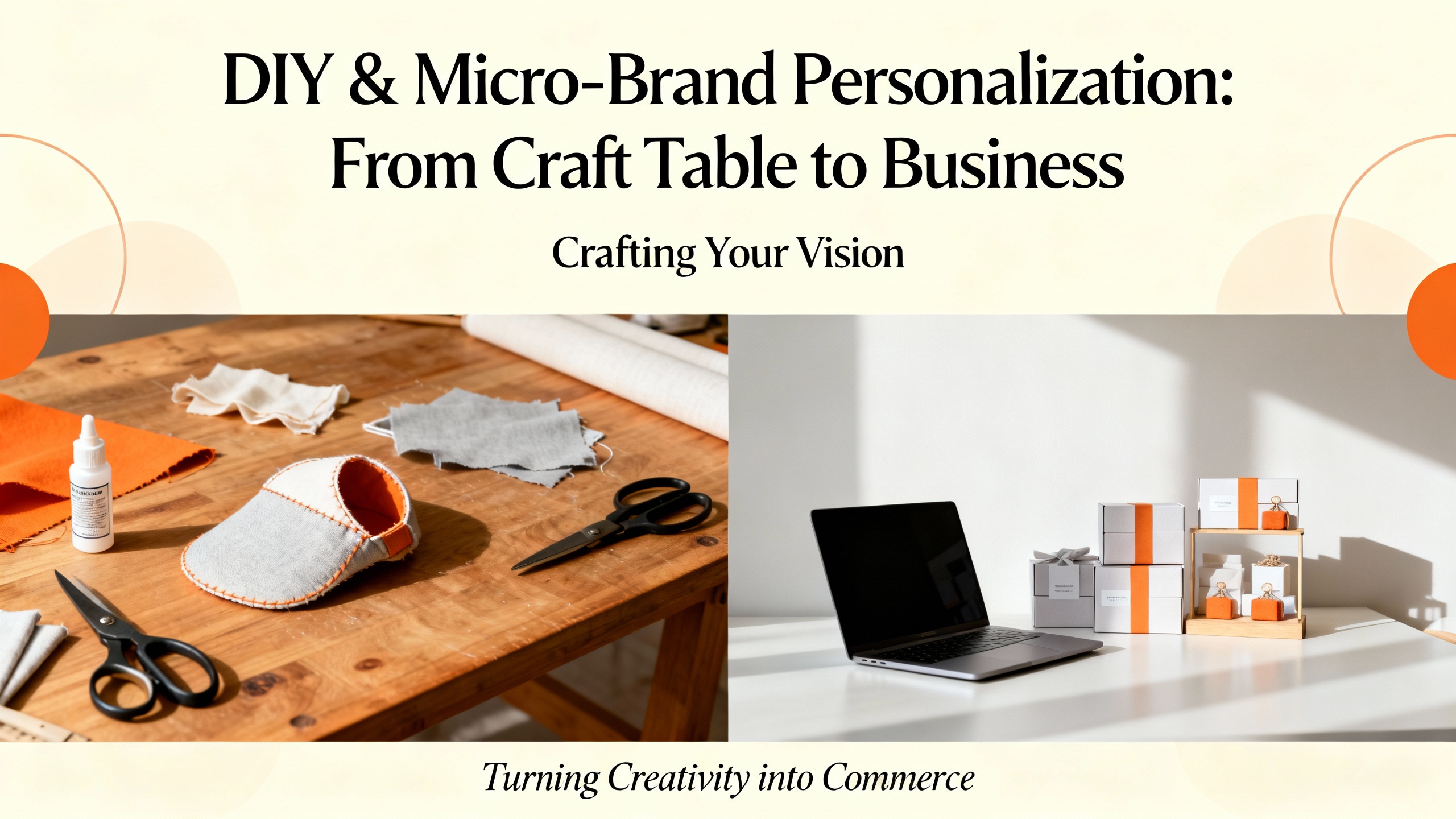
For some audiences, the best Shutterfly alternative is not another website at all, but a do‑it‑yourself approach or micro‑brand they control end‑to‑end.
TeckWrap Craft’s guidance on personalized DIY gifts is a useful blueprint. They define personalized DIY gifts as handmade, customized items created with a specific recipient in mind, often at lower cost than store-bought gifts. Core materials include adhesive vinyl for hard surfaces like mugs, wood, glass, and jars; heat transfer vinyl for fabrics like aprons, towels, and bags; and sublimation paper for permanently transferring printed images onto substrates such as polyester pillows.
Examples highlight how much you can do with simple blanks. Drinkware and tech accessories become unique when decorated with glitter brush vinyl or holographic finishes. Kitchen aprons and oven gloves gain personality through text in waterproof heat transfer vinyl. Tea towels carry names or holiday motifs using foam-like puff vinyl, while photo pillows produced via sublimation turn family photos into sentimental keepsakes. Household items like glow‑in‑the‑dark magnets, personalized cutting boards, and mason jars turned into snow globes or vases show that nearly every surface can tell a story.
The same article goes further with jewelry holders, bath bombs packaged in custom cartons, and cookie jars decorated with holiday-themed vinyl sheets. The pattern is consistent: start with simple, useful blanks and personalize them with names, photos, quotes, or seasonal messages to keep costs low and emotional value high.
Separately, design platforms that spotlight custom tote bags underscore just how accessible this path has become. Tote bags are described as one of the most popular customizable items, widely used by events, bands, brands, and now as personal gifts. Because they are more interesting than socks and more useful than many novelty items, they are prime canvases for photos, artwork, song lyrics, quotes, or inside jokes. The process of designing and printing a unique tote bag is now straightforward enough that some creators turn it into a side hustle or small business.
From a mentor’s standpoint, DIY and micro‑brands make sense when your advantage lies in design, community, or curation rather than in operating a large fulfillment network. In that case, Shutterfly is not your competitor; apathy is. You win by offering gifts that feel unmistakably hand‑picked or hand‑made.
Quick Landscape Overview
The following table summarizes key segments and examples discussed, all grounded in the research notes.
Segment | Best For | Example Brands or Sources | Stand-out Strengths |
|---|---|---|---|
Anniversary and relationship specialists | Romantic milestones and couple gifting | Unifury, 28collective, Sam’s Engraving & Gifts, Wendell August Forge | Deeply story-driven, long-term keepsakes |
Lifestyle and home personalization | Everyday decor and practical custom items | Mark & Graham, CanvasChamp, Personal Creations, GiftsForYouNow | Stylish, practical pieces that fit into daily life |
Ethical and curated marketplaces | Shoppers valuing independent makers and ethics | Uncommon Goods, Etsy personalized gifts | Independent creators, values such as no leather or fur |
Corporate and event gifting platforms | Client, employee, and attendee experiences | Crestline, Teak & Twine, 4OVER4.COM | Kitting, drop-shipping, curated swag and print solutions |
Mass customization marketplaces | Wide variety and marketplace reach | Amazon Custom | Seller tools plus large catalog of customizable items |
DIY and micro-brand personalization | Makers and founders wanting hands-on control | TeckWrap Craft, tote-bag design platforms | Low cost, highly personal, side-hustle friendly |
Editorially vetted one-off gifts | Special standout items within larger lists | Wirecutter, New York Times Store | Tested picks, thoughtful curation, clear promotions |
This landscape is what “better than Shutterfly” looks like in practice: not one single replacement, but a set of focused options that collectively cover more emotional and commercial ground.

Promotions, Pricing, and Risk: Reading the Fine Print
Superior custom gifts are not only about the product; they are about confidence at checkout.
The New York Times Store’s BF2025 offer shows a textbook holiday promotion structure. The discount is a clear percentage off—20 percent—applied to eligible custom items only. It excludes subscription gift sets, special sections, and sale items, and it does not apply to international orders. The code cannot be stacked with other promotions, and it covers product prices but not shipping or tax. There is also a firm end time: 8:59 AM Eastern Time on November 30, 2025, with a caveat that other exclusions may apply. For shoppers, the key takeaway is straightforward: verify that the item you want is eligible, and remember that the final savings on the total order will be less than 20 percent once shipping and tax are included.
Personal Creations uses an alternate structure with its Early Holiday Sale. It promotes savings of 50 percent on select items and 30 percent on everything else, applying discounts automatically based on a comparison value. Exclusions apply, but the headline impression is of sweeping savings. This tiered approach is common in custom gifting: some SKUs carry deep discounts to draw traffic, while the rest of the catalog gets a smaller, but still meaningful, reduction.
Uncommon Goods attacks the risk side from another angle entirely. Instead of leaning on headline percentages, it offers a “forever returns” promise and a membership program with ongoing free shipping. That moves the conversation from “how much can I save today” to “how confident do I feel buying this at all.” In categories like personalized gifts, where people worry about misspelled names or misjudged tastes, that confidence can be worth more than a short‑term discount.
As an entrepreneurship mentor, I advise founders to benchmark these models carefully. Decide whether your competitive edge is generosity at the SKU level (big percentage discounts), generosity at the policy level (flexible returns and shipping), or generosity at the experience level (gorgeous kitting, direct-to-home drop-shipping, and responsive support). Trying to match all three is rarely sustainable.
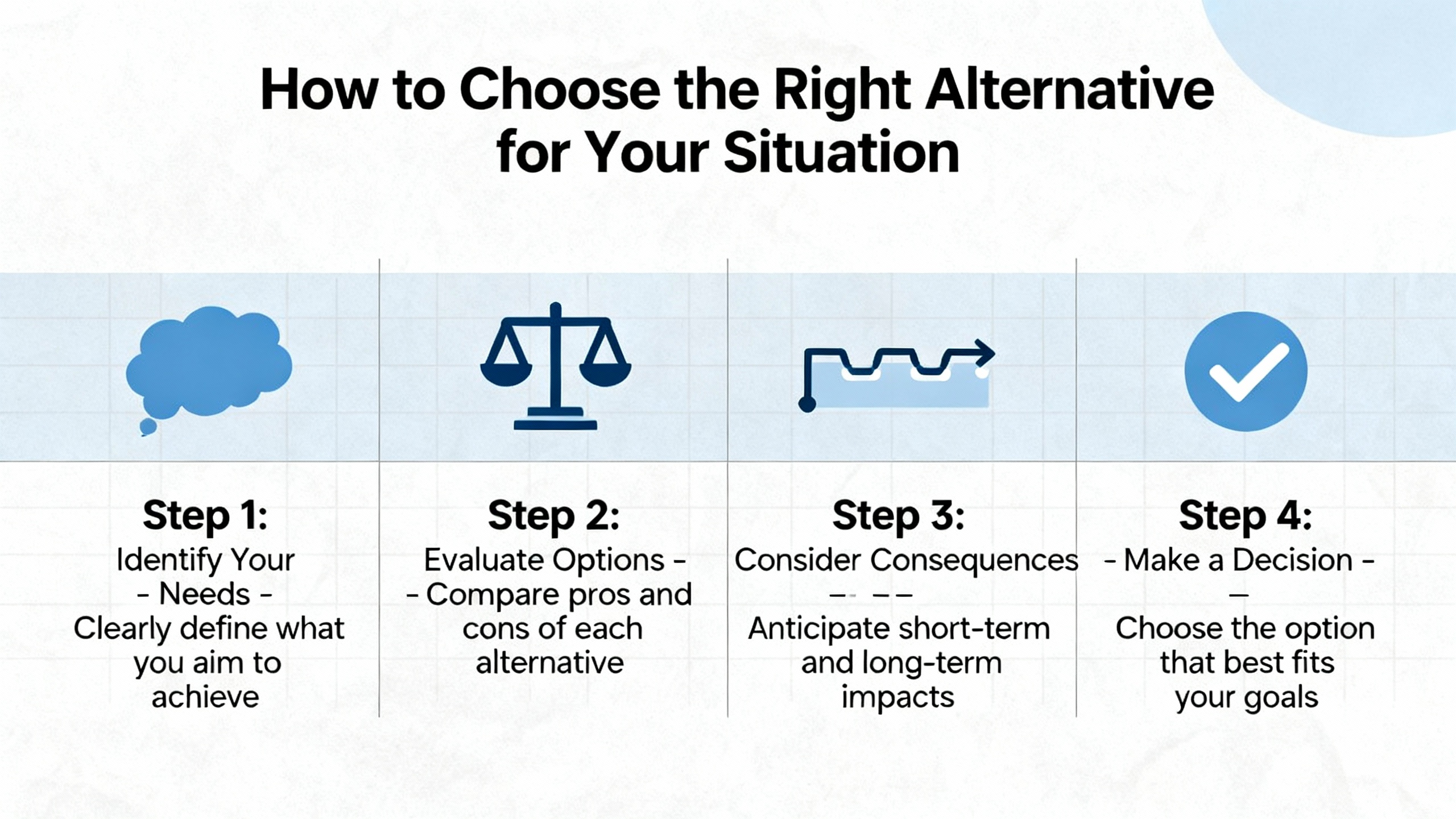
How to Choose the Right Alternative for Your Situation
When you are deciding how to move beyond Shutterfly, start by clarifying your role and your priorities.
If you are buying a single gift for someone important, begin with the emotional job. Anniversary and romance? A dedicated anniversary brand or a handcrafted keepsake forge is likely to produce something more meaningful than a generic photo product. Commemorating a loss? Look for memorial-focused items like personalized garden flags or ornaments that can live in a significant space. Celebrating a move, a new baby, or a retirement? Lifestyle brands that cover decor, barware, linens, and travel accessories will give you a wider palette to work with.
If you are shopping for a team or client base, work backward from logistics and usage. Corporate gifting platforms that handle kitting, individualized personalization, and drop-shipping will dramatically reduce your internal headache. You want items that recipients will actually use—double-walled tumblers, heavyweight pens, travel kits—and configurations that allow you to combine your brand with their name or role.
If you are building or expanding an e‑commerce business in custom gifts, map your strategy to your strengths. Marketplace channels like Etsy, Amazon Custom, and curated ethical retailers are ideal if you have standout designs and production capacity but lack direct traffic. Niche boutique positioning, as seen with anniversary specialists and handcrafted American-made brands, works if you can commit to one emotional territory for the long haul. DIY and micro‑brand models shine when you can move quickly, experiment with vinyl, sublimation, and blanks, and connect directly with a community.
Across all scenarios, one rule holds: personalization should not be an afterthought. It should be baked into product development, marketing, and operations. That is the real gap between most Shutterfly-style offerings and the alternatives described here.
Short FAQ
Are Shutterfly-style platforms obsolete?
They are not obsolete, but they are commoditized. Large photo-printing platforms make sense for basic photo books, simple calendars, and fast reorders. When your goal is to differentiate, either as a gift giver or as a brand, the alternatives in this article offer more depth, story, and specialization.
How early should I order personalized gifts?
Several engraving-focused providers suggest ordering at least one to two weeks in advance because customization and engraving add production time. For marketplace or handcrafted items, it is wise to allow even more buffer, especially around peak seasons like the winter holidays.
Can these alternatives work with dropshipping and on-demand models?
Yes, though not all of them do so in the same way. Crestline explicitly supports drop-shipping and kitting for corporate recipients. Many print-focused brands and marketplaces allow made-to-order production without you holding inventory. As you evaluate partners, look for clear information about production times, shipping options, and whether they can ship directly to your customers under your branding.
In the end, building or choosing better custom gifts than Shutterfly is about aligning product, meaning, and operations. When you do that well—using the specialized brands, marketplaces, and DIY tools highlighted here—you turn personalization from a nice-to-have into a serious strategic advantage.
References
- https://www.canvaschamp.com/photo-gifts?srsltid=AfmBOooQ-WkhZKm8AWkj6mECePEnlaNGYxUYe2E2u8VDjXvYpPyIIBe3
- https://www.giftsforyounow.com/?srsltid=AfmBOopcm4XFJ-LB3v_bcWfVKrrdzEgie7ipNS4hnsSuXXD9m8lAJWqd
- https://www.personalcreations.com/?srsltid=AfmBOoo_biLVvd3t_c2CaK1fapzh8PSVPs9JKxpCwkPIVwu75Z9EfiCN
- https://www.thingsremembered.com/
- https://28collective.com/collections/anniversary-gifts?srsltid=AfmBOoqYzAZGnbtwLN8vNoxMLq7ioJNpYqttARV1PUCx45sAX0PjejU9
- https://www.amazon.com/Amazon-Custom/b?ie=UTF8&node=11032013011
- https://crestline.com/b/corporate-gifts
- https://store.nytimes.com/collections/custom-gifts
- https://www.teakandtwine.com/blog/event-gift-ideas?srsltid=AfmBOorPymjK-5Dwd1Z1yZjO2TlrYTHyMjxhcIuW1u8uDgntzRViI8kn
- https://unifury.com/collections/anniversary?srsltid=AfmBOooDh3FEoHD_YrBzK5eX_U48KfidCAxcB5A7vavLhfZW32DCcGjW